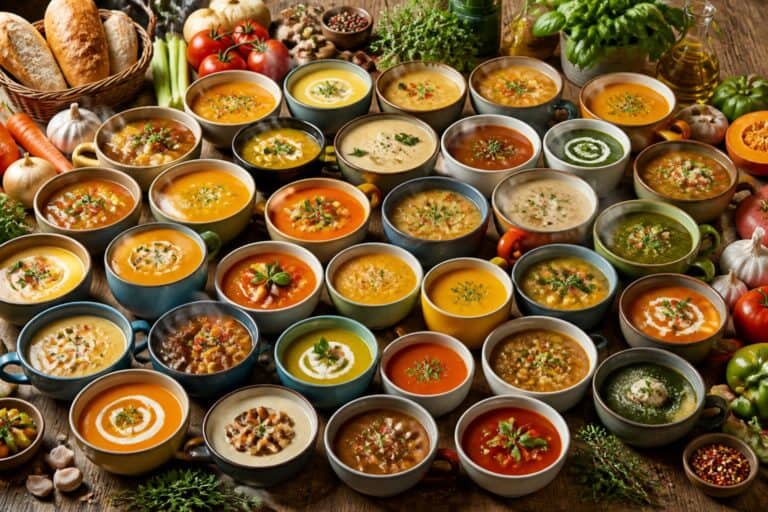
She Was Tired of the Same Old Recipes. Then She Discovered These 30 Global Soups
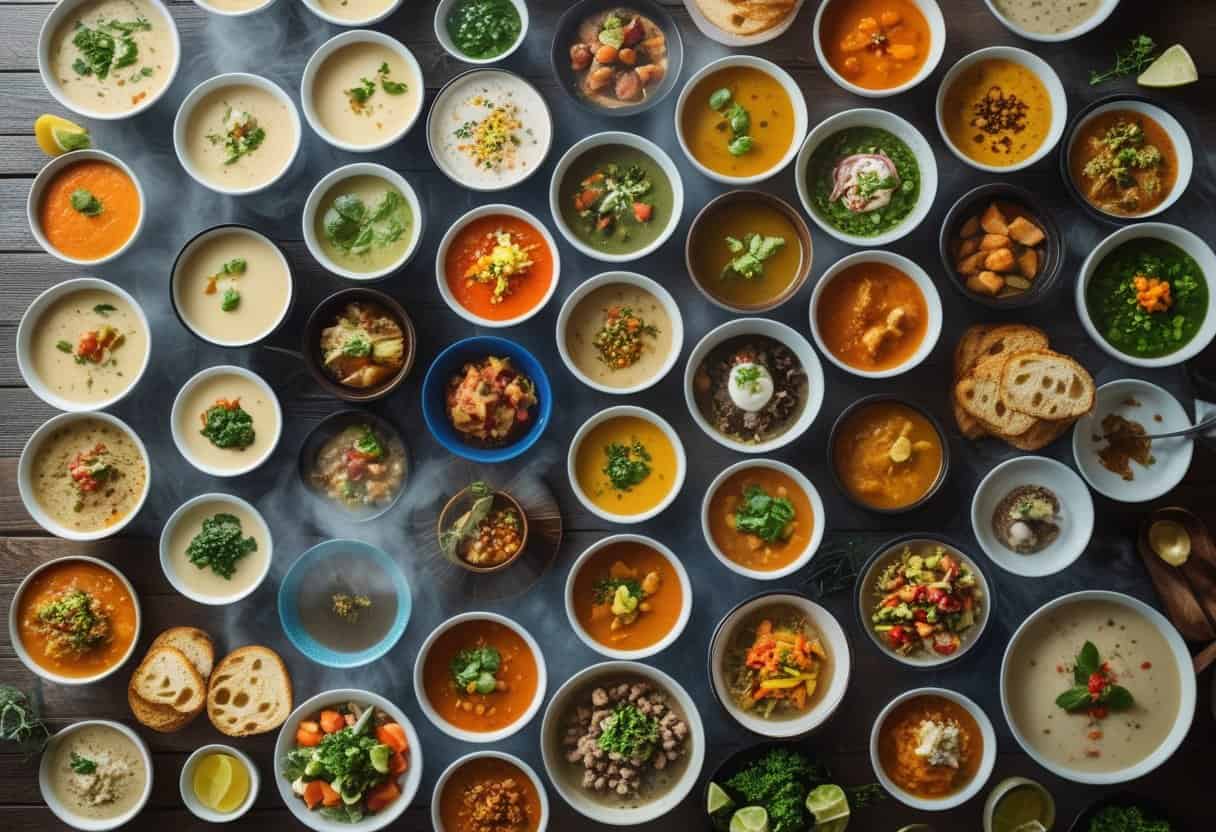
Soup represents one of humanity’s most universal culinary traditions, transcending borders and bringing comfort to tables across every continent.
From steaming bowls of aromatic broth in Southeast Asia to hearty, vegetable-laden stews in Eastern Europe, these dishes reflect the unique ingredients, cooking techniques, and cultural values of their regions of origin.
This collection of 30 soups showcases the diversity of global soup-making traditions, offering you a culinary journey through Asia, Europe, the Americas, and Africa.
You’ll discover how different cultures transform simple ingredients into warming, nourishing meals that have sustained communities for generations. Each soup tells a story about local produce, climate, history, and the evolution of flavor profiles that define regional cuisines.
Whether you’re looking to explore new tastes or recreate authentic international dishes in your own kitchen, understanding these iconic soups provides insight into how food connects people across cultures.
The recipes and traditions behind these soups demonstrate the creativity and resourcefulness that cooks worldwide bring to this fundamental form of cooking.
1. Pho (Vietnam)
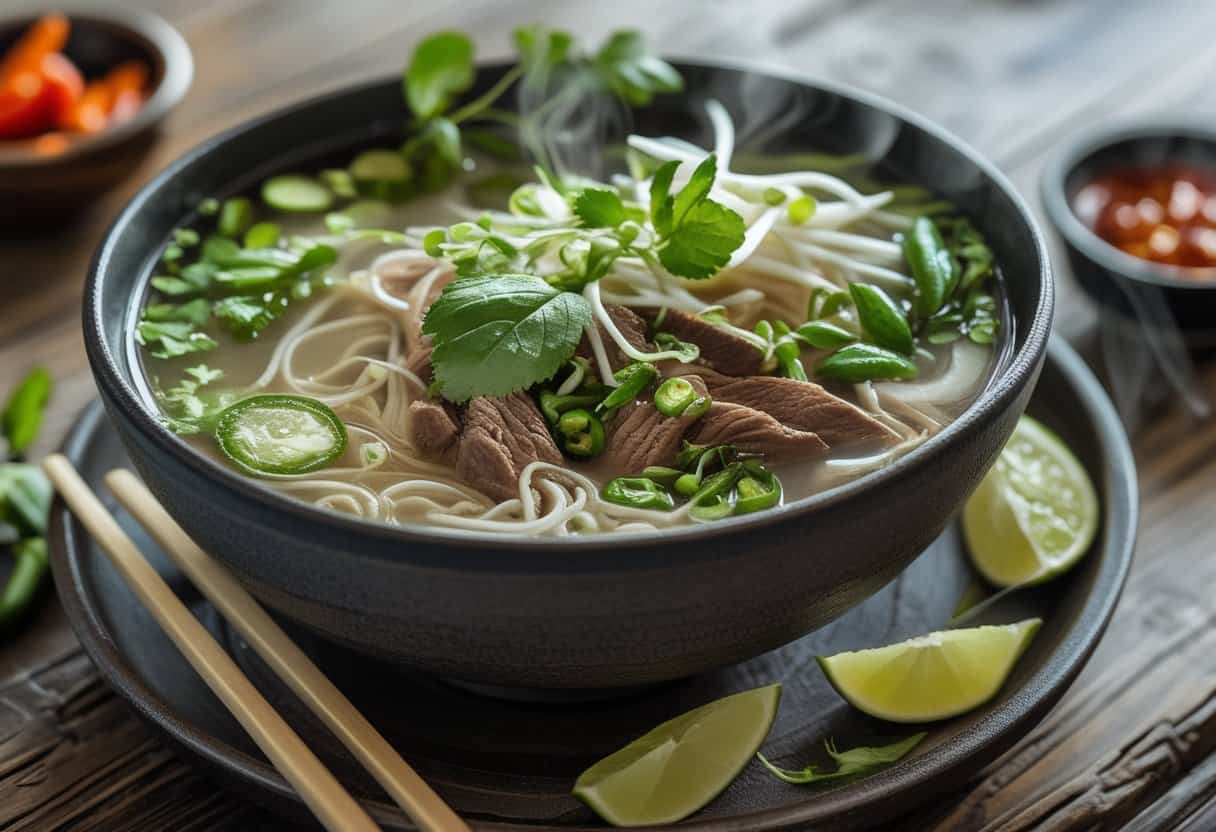
Pho is Vietnam’s national dish and one of the most beloved noodle soups worldwide. This aromatic soup consists of rice noodles, herbs, and meat in a flavorful broth.
The most popular version is beef pho (phở bò), though you’ll also find chicken pho (phở gà) throughout Vietnam. The dish originated in the city of Nam Định and has since spread across the country and around the globe.
What makes pho special is its complex broth, which requires hours of preparation to develop its distinctive taste. You’ll find the soup served everywhere in Vietnam, from street stalls to upscale restaurants.
The combination of fresh herbs, tender meat, and silky rice noodles creates a balanced meal that’s both comforting and satisfying. International food rankings consistently place pho among the world’s best soups, reflecting its global appeal and culinary significance.
2. Ramen (Japan)
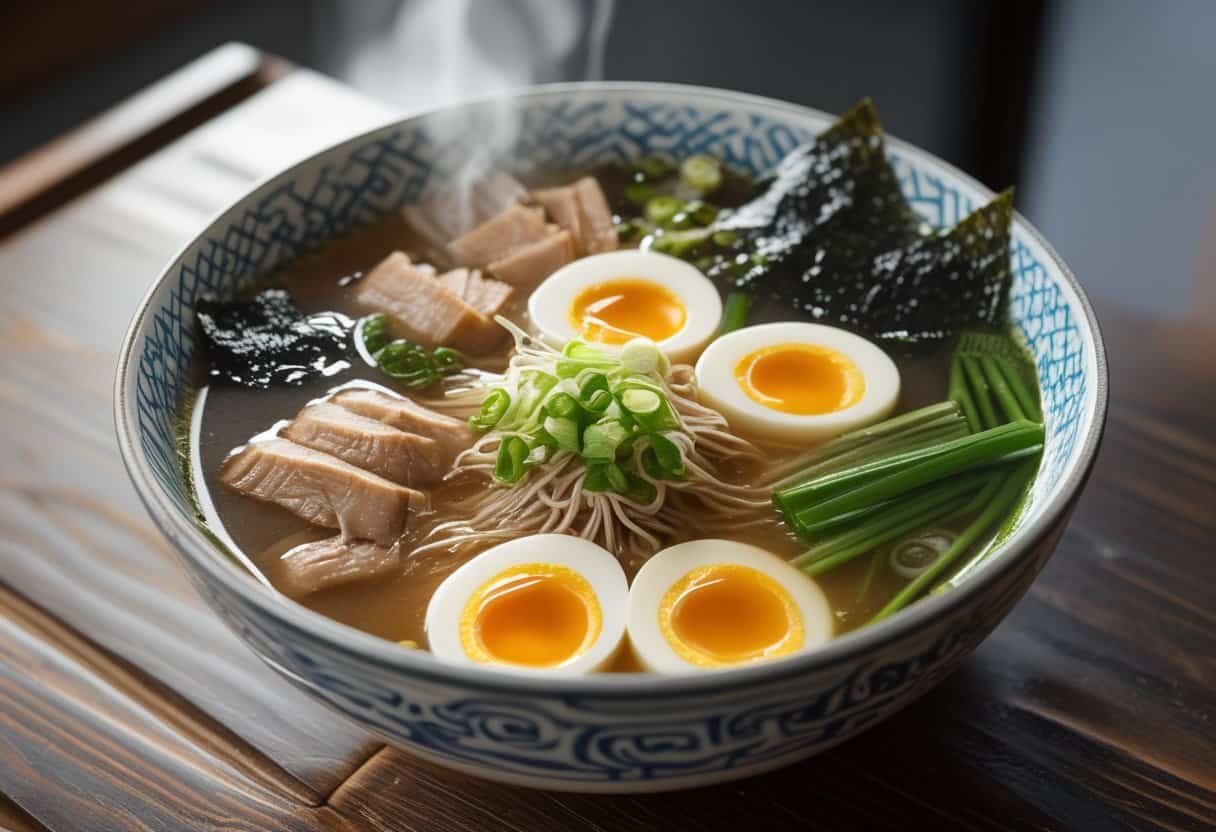
Ramen is a Japanese noodle soup that has become one of the most beloved dishes worldwide. You’ll find it consists of Chinese-style wheat noodles served in a flavorful broth, typically made from meat or fish stock.
What defines ramen is its seasoning base, called tare, which comes in several varieties. The most common types you’ll encounter are shio (salt-based), shoyu (soy sauce), miso, and tonkotsu (pork bone). Each creates a distinct flavor profile and appearance in your bowl.
The dish originated in the late 19th century when Chinese immigrants introduced it to Japan. Hakodate, a northern coastal city, is recognized as the birthplace of shio ramen, featuring a clear, golden chicken stock.
Today, you can find countless regional variations throughout Japan. Each bowl combines noodles with toppings like slow-cooked meats, soft-boiled eggs, vegetables, and nori seaweed.
3. Tom Yum Goong (Thailand)
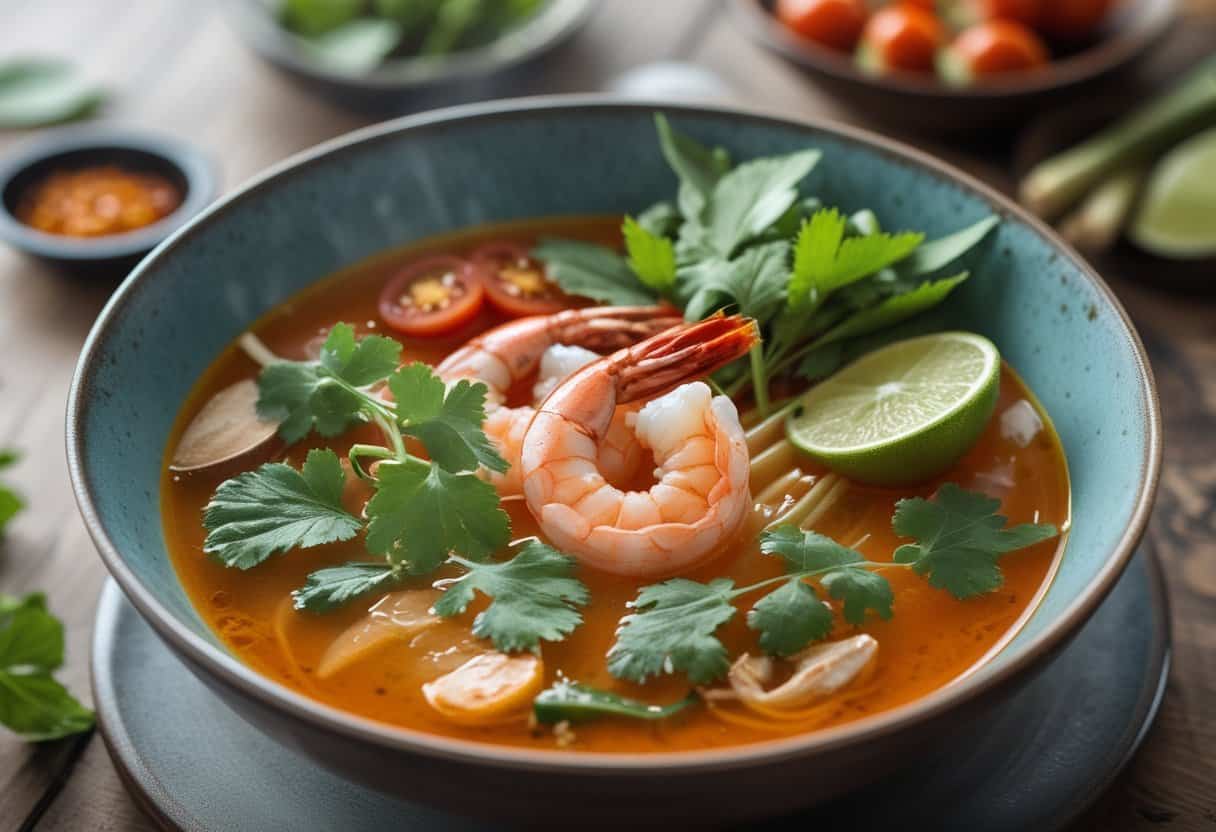
Tom Yum Goong stands as Thailand’s most recognized soup internationally. The name translates directly: “tom” means to boil, “yum” refers to a spicy-sour mix, and “goong” specifies shrimp.
You’ll find this soup built on a foundation of fresh shrimp swimming in a clear, aromatic broth. The flavor profile hits you with multiple sensations at once—sour notes from lime juice, heat from Thai chilies, and fragrance from lemongrass, galangal, and kaffir lime leaves.
The soup typically includes straw mushrooms and arrives at your table steaming hot. You can prepare it in about 30 minutes, making it accessible for home cooking.
Tom Yum Goong has earned UNESCO recognition as a cultural heritage treasure. Its balanced combination of spicy, sour, and aromatic elements represents core principles of Thai cooking.
4. Miso Soup (Japan)
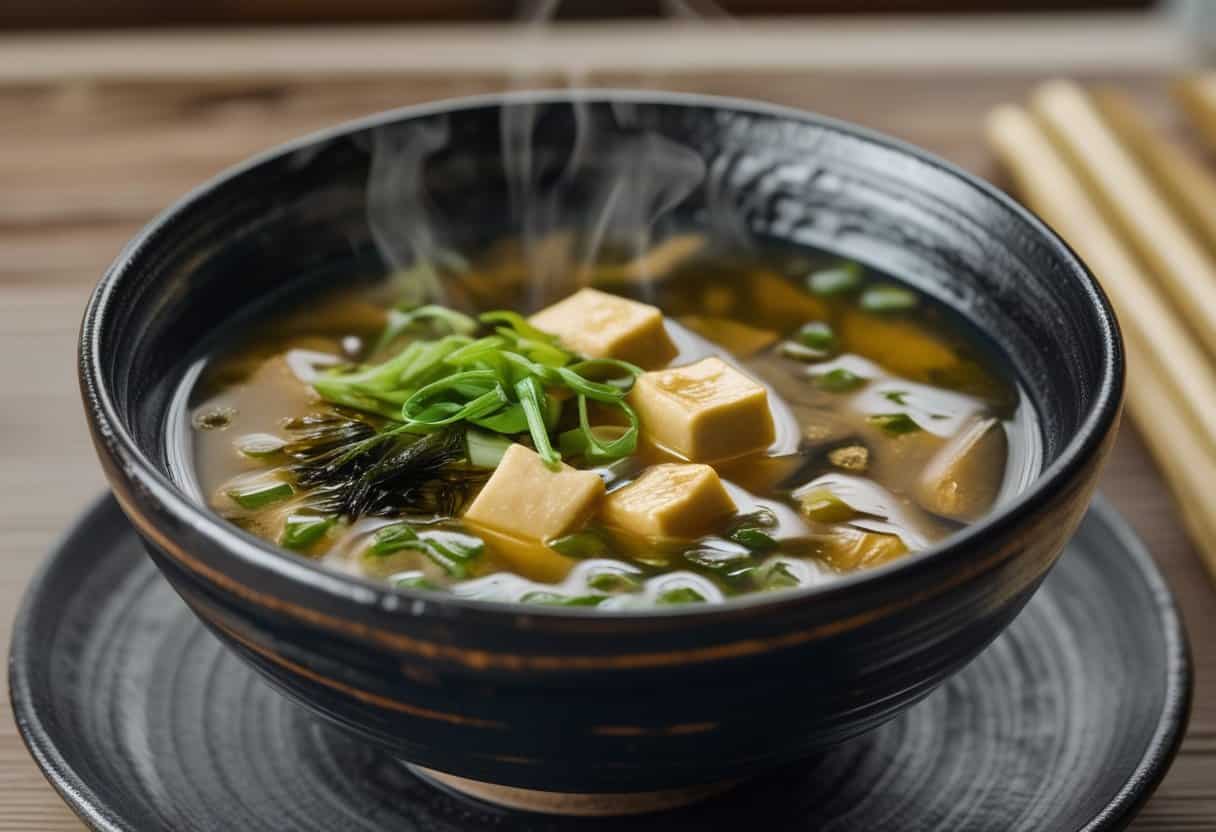
Miso soup appears at nearly every traditional Japanese meal, from breakfast to dinner. You’ll find this umami-rich broth made with fermented soybean paste dissolved in dashi, a stock typically prepared from kombu seaweed and bonito flakes.
The basic recipe includes soft tofu cubes and wakame seaweed, though variations exist across Japan. You can encounter versions with mushrooms, green onions, daikon radish, or seasonal vegetables depending on the region and cook.
Each household prepares miso soup differently, selecting from white, red, or mixed miso pastes that offer distinct flavor profiles. White miso tastes sweeter and milder, while red miso delivers a stronger, saltier punch.
You’ll notice the soup is never boiled after adding miso paste, as high heat destroys beneficial probiotics and alters the delicate flavor. This simple preparation method has sustained Japanese cooking traditions for centuries.
5. French Onion Soup (France)
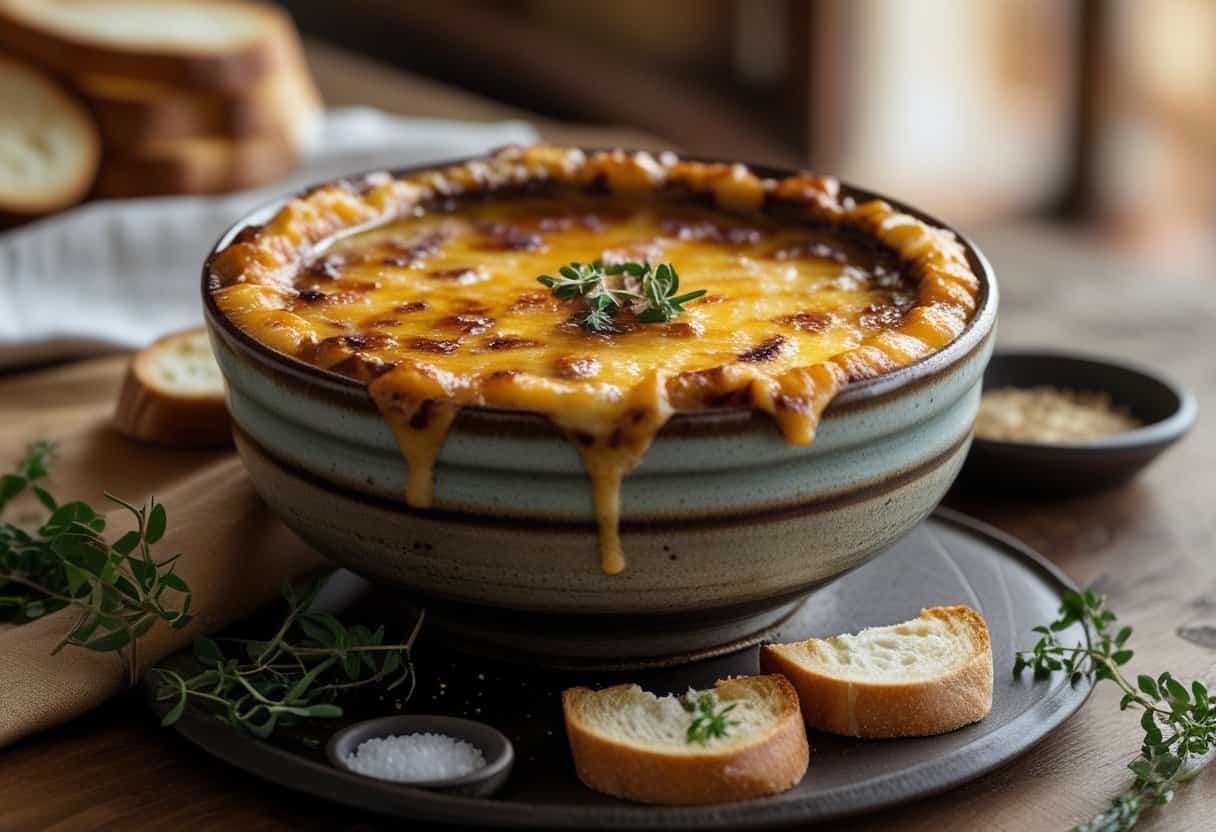
French onion soup stands as one of France’s most iconic comfort foods. You’ll find this beloved dish made from slowly caramelized onions simmered in rich beef or vegetable broth, topped with crusty bread and melted Gruyère or Comté cheese.
The soup traces its roots to medieval France, though the version you know today emerged in the mid-19th century. It began as simple peasant fare before gaining worldwide recognition in the 1960s when French cuisine rose to international prominence.
When you order authentic French onion soup, you’re getting a dish that requires patience. The onions need slow caramelization to develop their deep, savory sweetness. The soup is traditionally served gratinéed, with the cheese-covered bread melted under a broiler until golden and bubbly.
This Parisian bistro classic remains popular in restaurants worldwide, offering you a perfect balance of elegant presentation and hearty satisfaction.
6. Borscht (Ukraine/Russia)
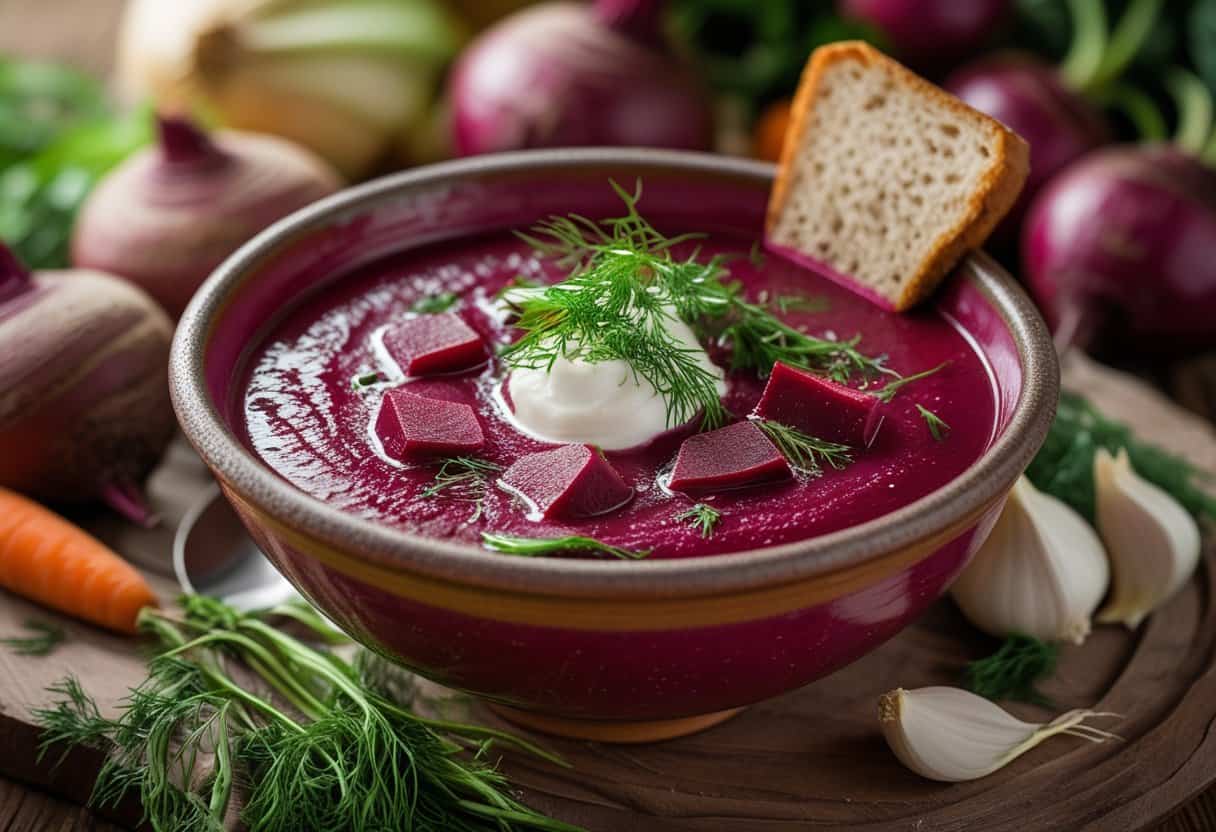
Borscht is a hearty soup that has become one of Eastern Europe’s most recognizable dishes. The soup features beetroots as its primary ingredient, which give it a distinctive deep red color.
While you’ll find borscht throughout Eastern Europe, it has particularly strong roots in Ukrainian cuisine, dating back to the times of Kievan Rus in the 10th century. The traditional recipe combines meat stock with vegetables and seasonings, creating a sour flavor profile that defines the dish.
You’ll typically encounter borscht served with a dollop of sour cream on top and accompanied by dark bread. The soup can be enjoyed hot or cold depending on regional preferences and seasonal variations.
Numerous versions exist across different countries, with each region adding its own ingredients and preparation methods. Despite these variations, the beet remains the constant element that gives borscht its signature appearance and taste.
7. Mulligatawny (India/UK)
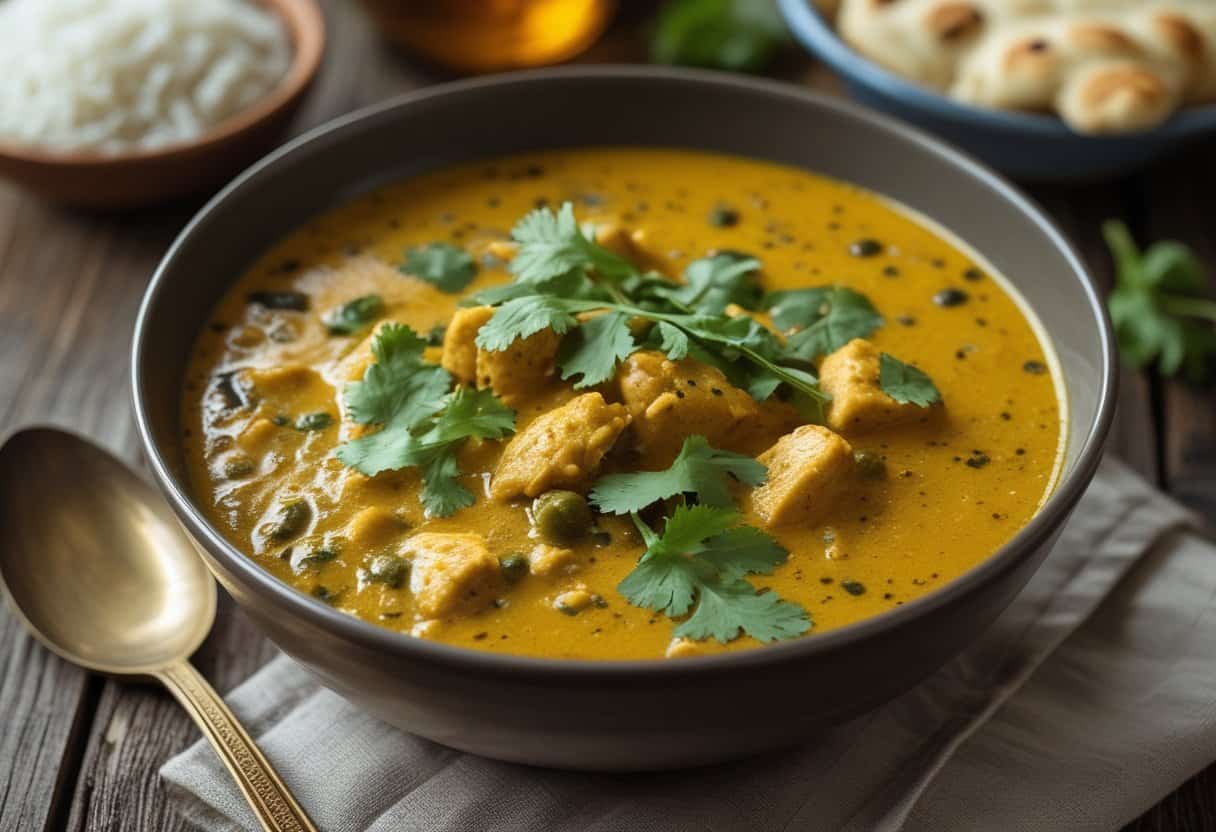
Mulligatawny originated from rasam, a simple pepper water from South Indian Tamil cuisine. During the British colonial period, it transformed into the curry-flavored soup you know today.
The name comes from the Tamil words for pepper and water. British officers in India adopted and adapted this dish, adding ingredients like chicken, lentils, and rice to create a heartier meal.
You’ll find mulligatawny features a complex blend of curry spices, vegetables like carrots and onions, and often coconut milk. Some versions include apple for sweetness and lemon for tang.
This soup represents a true fusion of Indian and British culinary traditions. While it’s rarely served in Indian restaurants today, it remains popular in Britain as a warming, spiced soup that bridges two cultures through centuries of culinary exchange.
8. Minestrone (Italy)
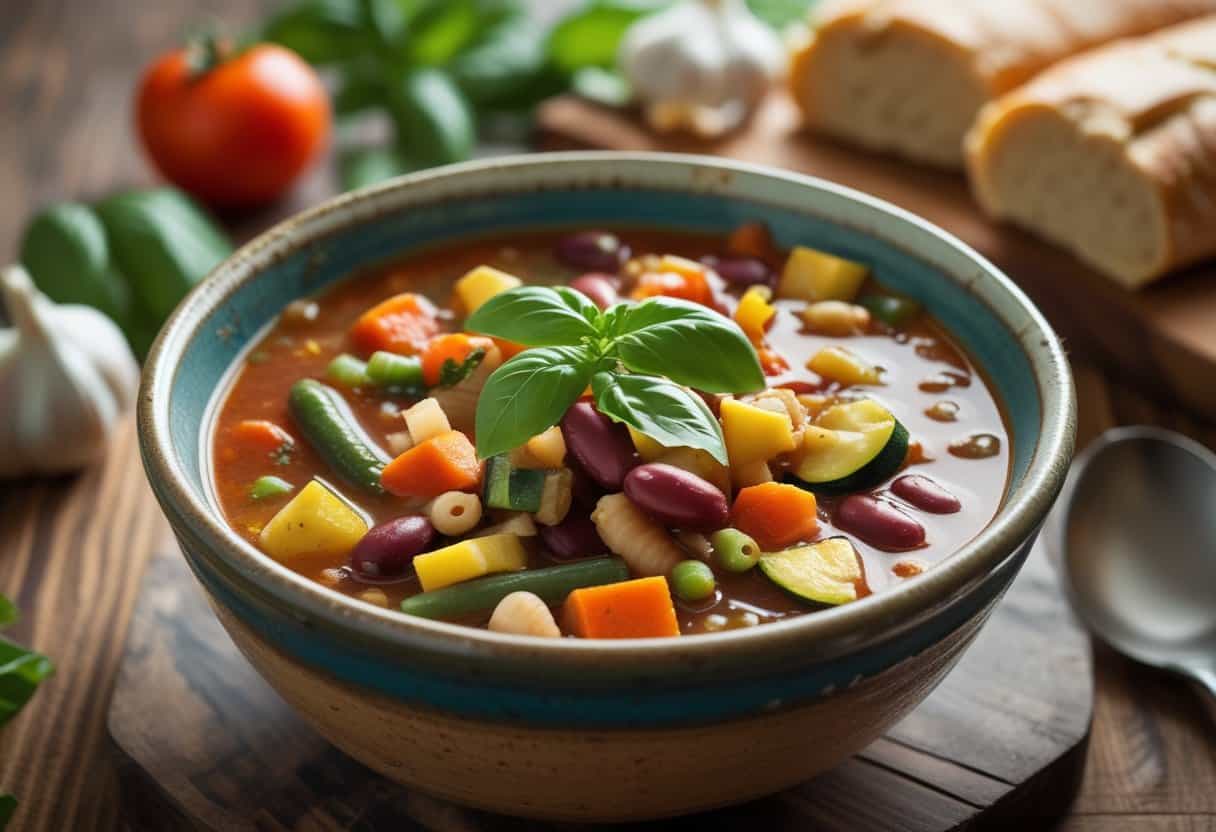
Minestrone stands as one of Italy’s most recognizable soups, enjoyed throughout the country and around the world. This vegetable-based soup has roots tracing back to ancient Rome, where it served as a hearty meal for common people.
What makes minestrone special is its flexibility. You can prepare it with whatever seasonal vegetables, beans, and greens you have available. Each Italian region has its own variation based on local ingredients.
The addition of pasta or rice distinguishes minestrone from basic vegetable soups. Small pasta shapes like ditalini or elbow macaroni cook directly in the broth, absorbing the soup’s flavors and adding substance.
This wholesome soup delivers both nutrition and comfort. Its combination of vegetables, legumes, and starch makes it a complete meal that satisfies without heaviness.
9. Clam Chowder (New England, USA)
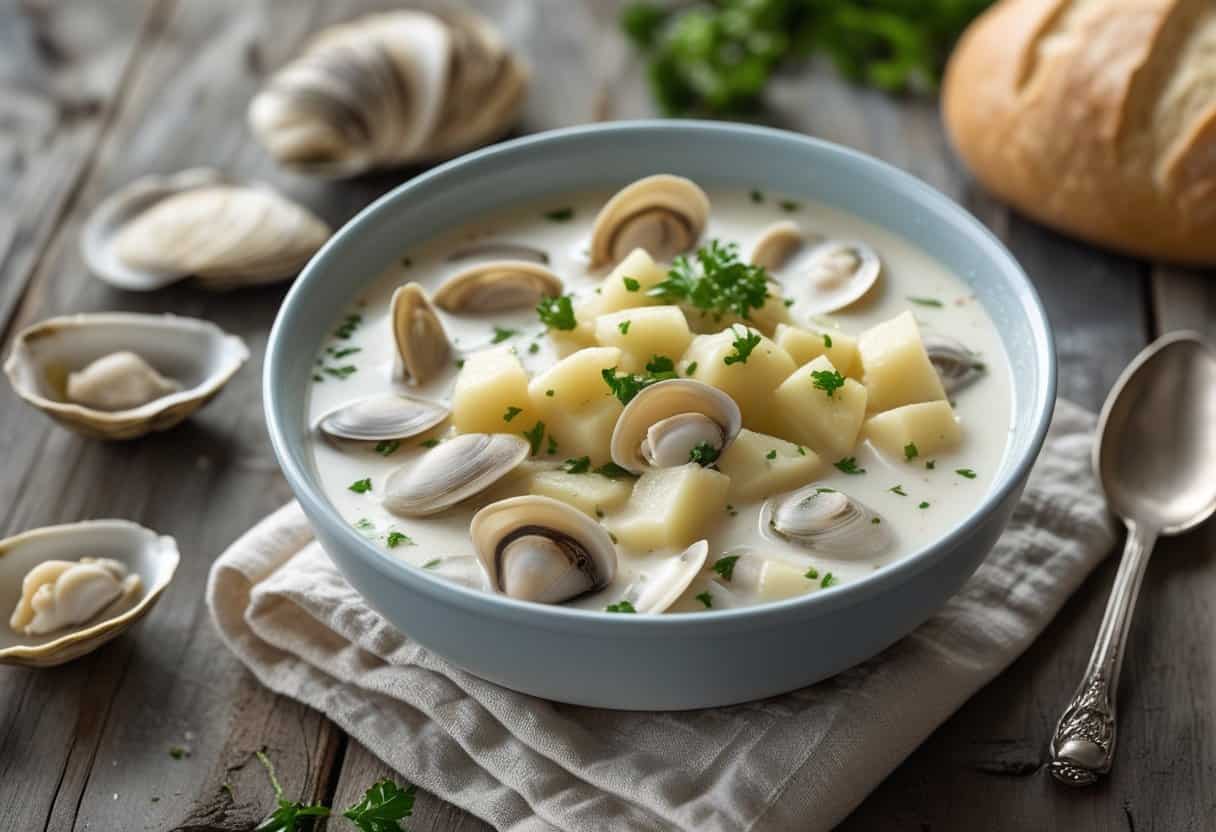
New England clam chowder stands as the most recognized American soup worldwide. You’ll find this creamy white chowder made with fresh clams, diced potatoes, salt pork, and aromatic herbs in a rich milk or cream-based broth.
The soup originated in the Northeastern United States, where fishing communities developed it as a hearty meal. Unlike its Manhattan counterpart with tomatoes or Rhode Island’s clear broth version, New England clam chowder relies on dairy for its signature thick, velvety texture.
You can taste this regional specialty throughout the country today, though restaurants across New England still serve the most authentic versions. The chowder typically includes tender clam pieces suspended in the creamy base, offering a balance of oceanic flavor and comforting richness that has made it a staple of American cuisine.
10. Laksa (Malaysia/Singapore)
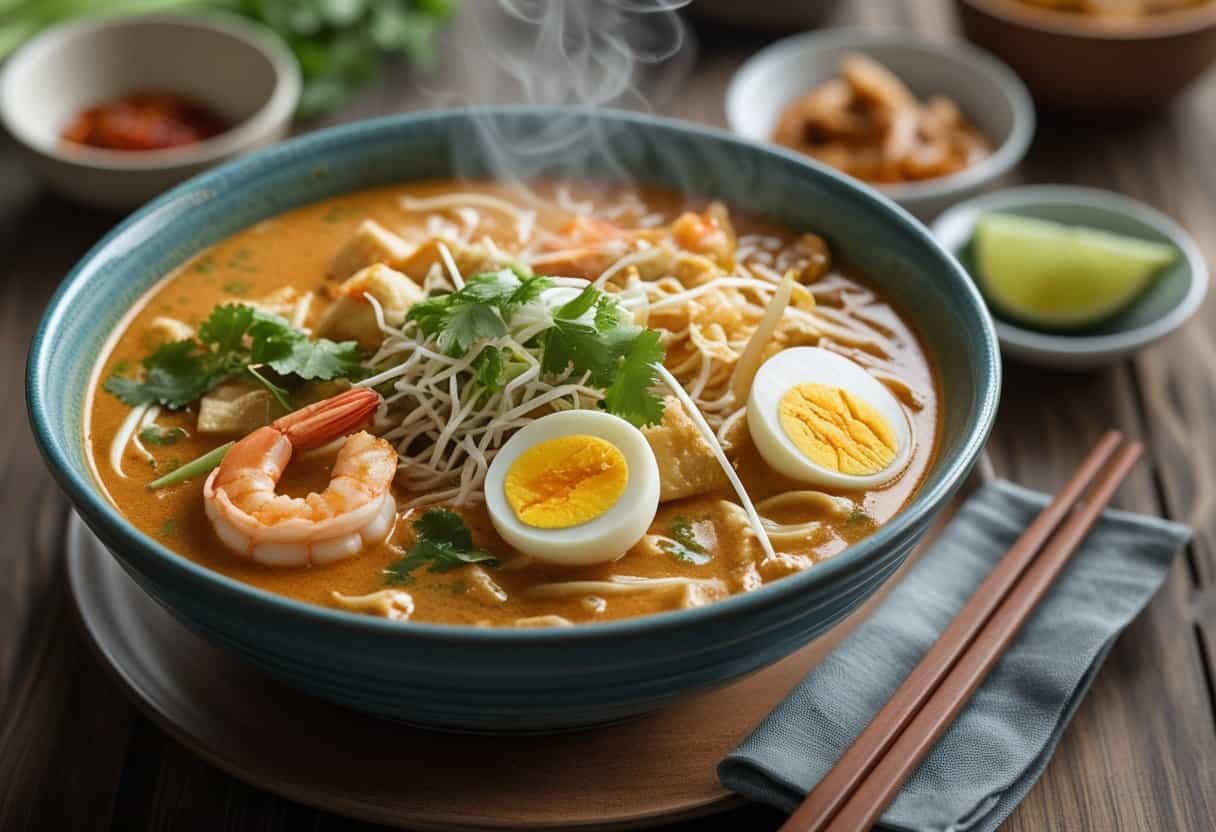
Laksa is a spicy noodle soup that stands as one of Southeast Asia’s most beloved dishes. You’ll find this flavorful bowl throughout Malaysia and Singapore, where it reflects a unique blend of Indian, Chinese, and Malay culinary influences.
The dish comes in several distinct varieties. Curry laksa features a rich, creamy coconut-based broth that’s both spicy and aromatic. Asam laksa, particularly popular in Penang, offers a completely different experience with its sour tamarind-based broth made with flaked mackerel.
You’ll typically encounter thick rice noodles in your bowl, topped with ingredients like prawns, chicken, fish cakes, and fresh herbs. Toppings vary by region but often include bean sprouts, cucumber, and chilies. The soup is commonly served at hawker centers, where locals and visitors gather for this hearty, satisfying meal.
11. Caldo de Res (Mexico)
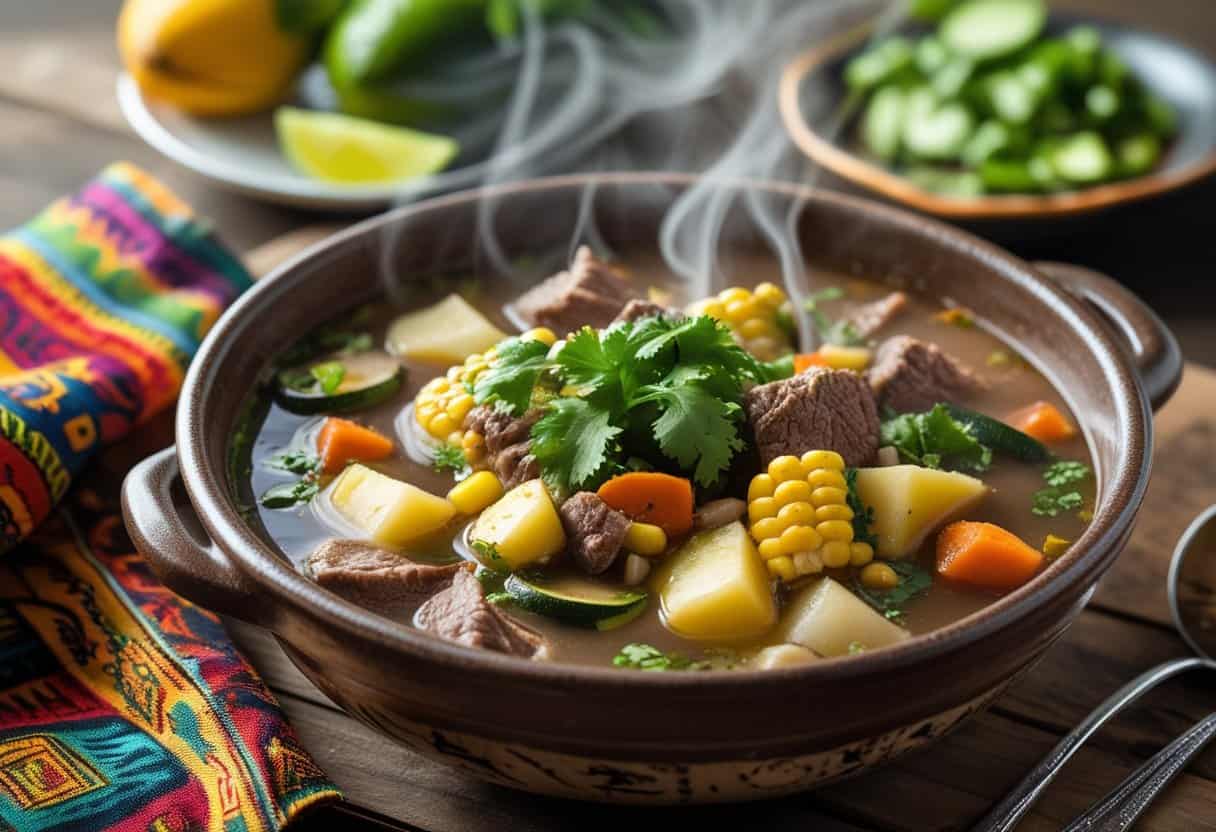
Caldo de Res is a traditional Mexican beef soup that brings together tender meat and fresh vegetables in a rich, savory broth. You’ll find this dish made with beef shank or bones, which simmer slowly to create deep, umami flavors.
The soup typically includes corn on the cob, potatoes, carrots, cabbage, and squash. Some regions call it “cocido” or “sopa de res,” though the dish remains essentially the same across Mexico.
Your broth might feature tomatoes or tomato sauce, depending on regional and family traditions. The long cooking time allows the beef to become fork-tender while the vegetables absorb the flavorful stock.
This hearty soup is especially popular on Sundays and cold days. You’ll often see it served with warm corn tortillas on the side, making it a complete and satisfying meal.
12. Hot and Sour Soup (China)
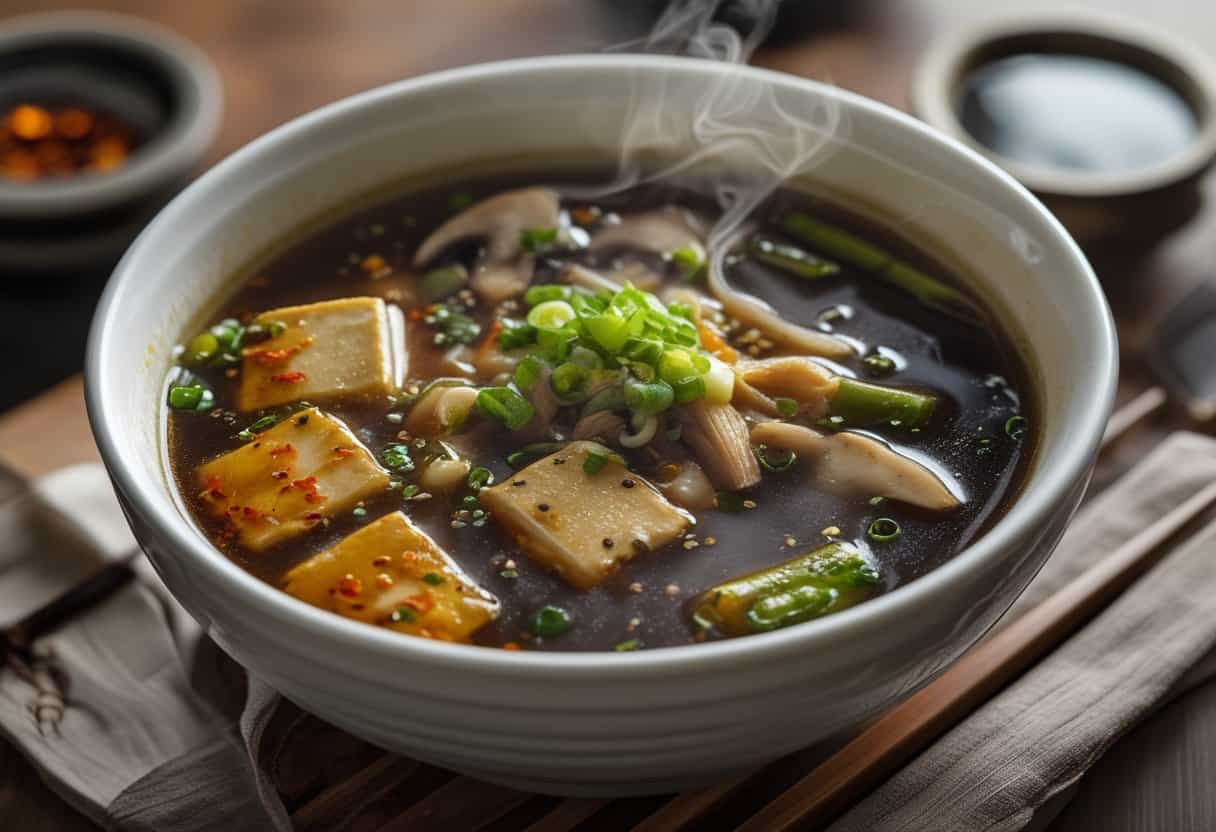
Hot and sour soup stands as one of China’s most recognizable soup exports. The dish balances sharp vinegar with the heat of white pepper, creating its signature flavor profile that gives the soup its name.
While many believe it originated in Sichuan, the soup actually evolved from hulatang, a traditional pepper-based soup. The addition of vinegar transformed it into the version you know today.
The soup typically contains ingredients like tofu, bamboo shoots, mushrooms, and egg ribbons in a thickened broth. You’ll find variations across China, with some regions adding different vegetables or proteins.
The texture comes from cornstarch, which creates a silky consistency that coats your spoon. Chinese restaurants worldwide serve this soup, though authentic versions tend to be lighter and less thick than Western adaptations.
13. Avgolemono (Greece)
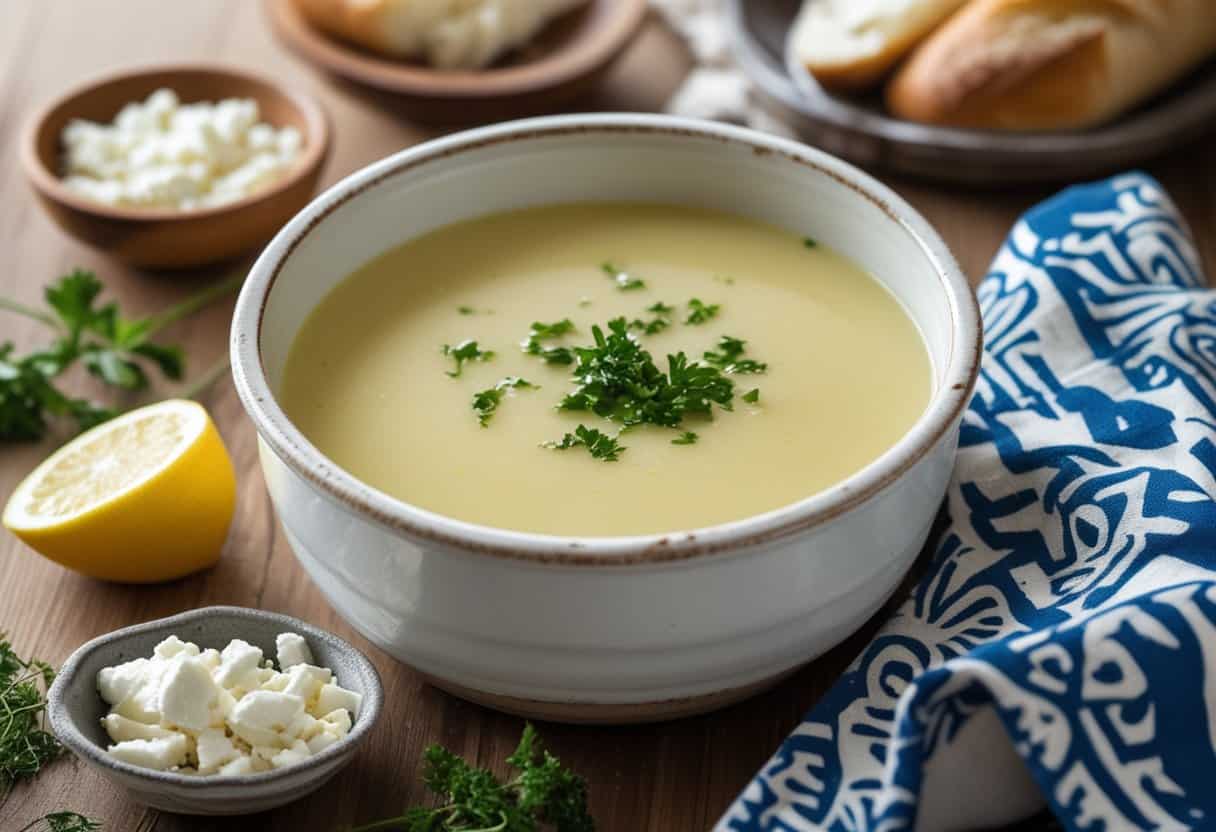
Avgolemono stands as one of Greece’s most beloved soups, translating literally to “egg-lemon.” This traditional dish creates a silky, velvety texture by combining egg yolk and lemon juice with broth, then heating the mixture until it thickens naturally.
You’ll typically find this soup made with chicken and rice, though variations exist throughout Greek kitchens. The bright tang of fresh lemon gives the soup its distinctive flavor, while the eggs create a creamy consistency without any heavy cream.
Greek cooks rely on a tempering technique to prevent the eggs from curdling when adding them to hot broth. The result is a light, broth-forward soup that’s both comforting and refreshing. Fresh herbs often enhance the flavor profile, making this soup a staple in Greek home cooking and tavernas alike.
14. Goulash Soup (Hungary)
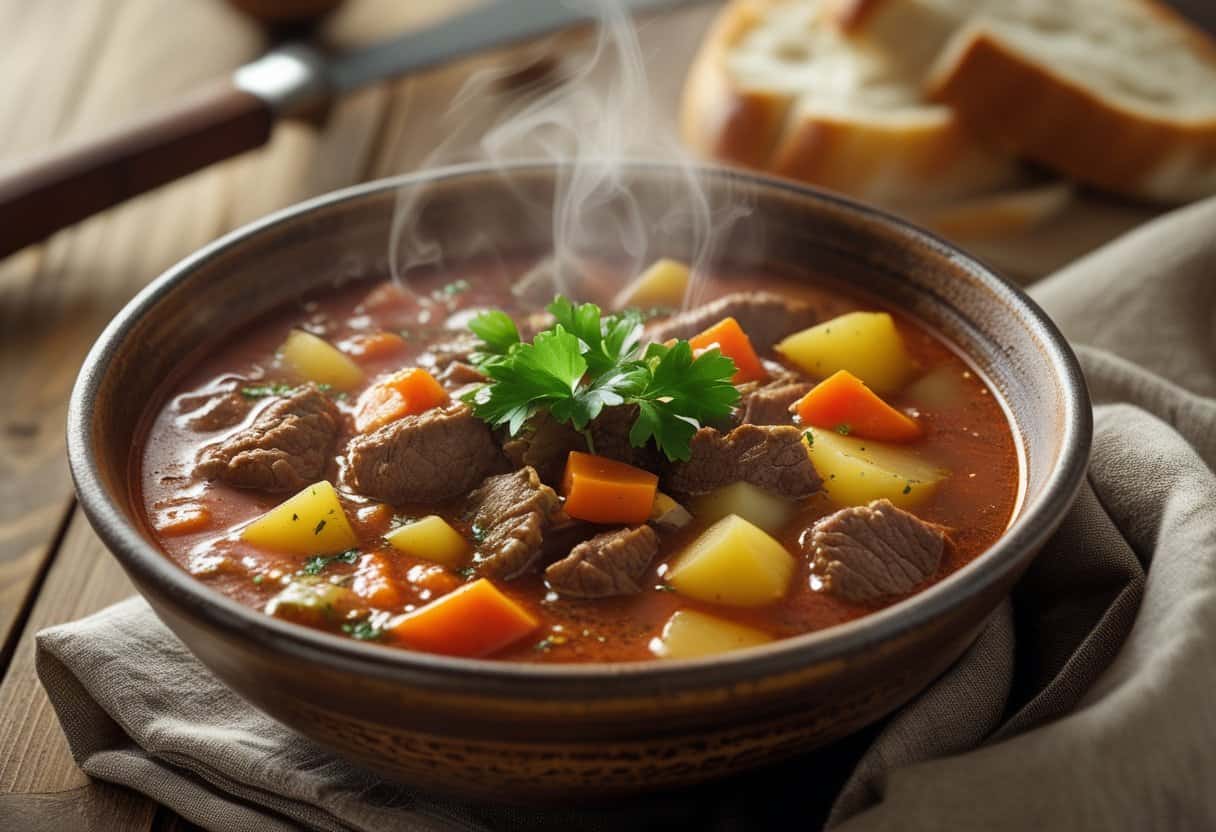
Goulash soup, known as gulyásleves in Hungary, stands as one of the country’s most iconic dishes and a symbol of Hungarian culture. This traditional soup originated in the 9th century when Hungarian herdsmen created it as a practical, filling meal while tending livestock.
The authentic version is a soup rather than a stew, which often surprises visitors familiar with the thicker Western interpretations. You’ll find it made with beef, onions, and vegetables in a rich broth seasoned with Hungarian paprika, which gives the dish its distinctive reddish color and smoky-sweet flavor.
The soup combines meat and root vegetables through slow cooking, allowing the flavors to develop fully. What makes it special is the generous use of paprika, a cornerstone of Hungarian cuisine that appears in countless traditional recipes across the country.
15. Sopa de Lima (Yucatán, Mexico)
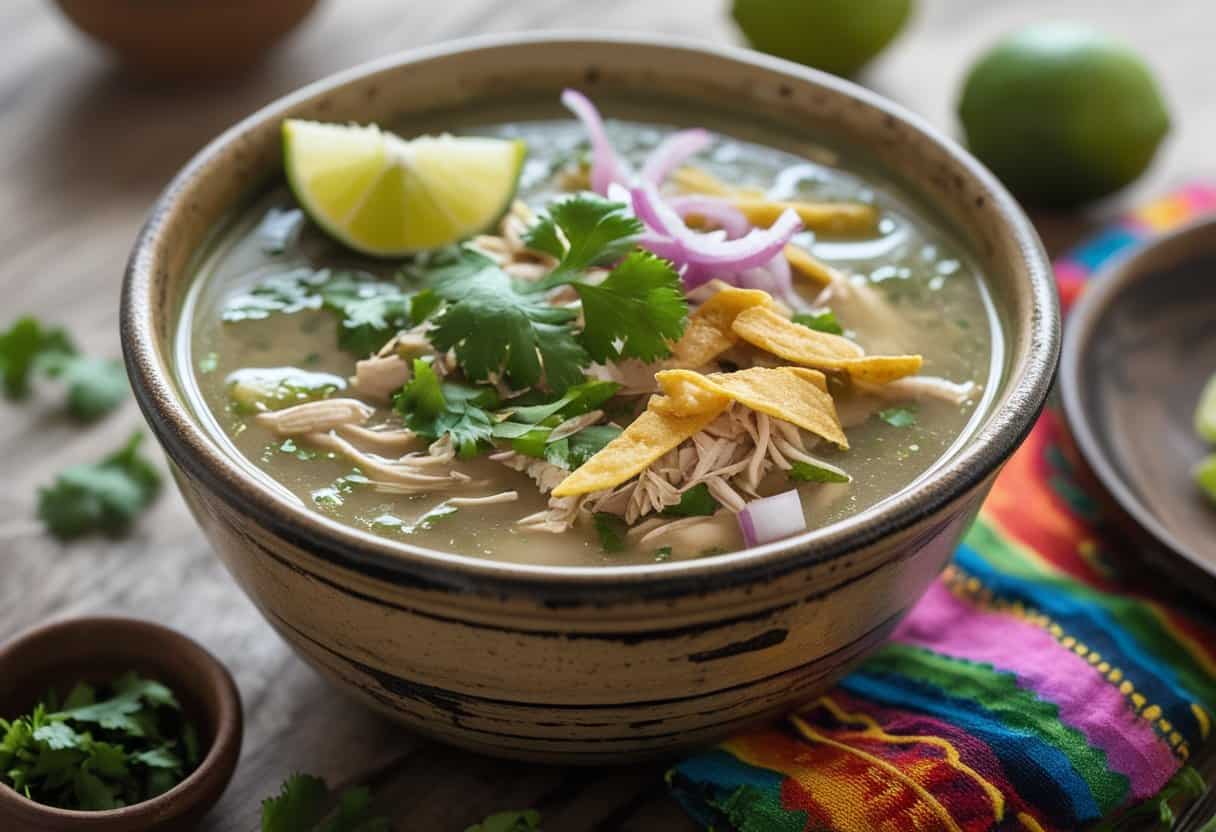
Sopa de Lima is a traditional chicken soup from Mexico’s Yucatán Peninsula that balances savory and citrus flavors. Created in 1946, this Mayan-influenced dish has become one of the region’s most iconic soups.
The soup’s defining ingredient is lima agria, a native Yucatecan lime that differs from regular limes. This variety is larger and more aromatic, with a distinctive bitter-sour taste that gives the soup its complexity.
You’ll find shredded chicken or turkey simmered in an aromatic broth with tomatoes, onions, and peppers. The soup is typically garnished with crispy fried tortilla strips and fresh cilantro. Many versions include habanero peppers for heat.
The broth develops depth from simmering bone-in poultry with spices before the lime juice is added. This creates a rich, flavorful base that complements the bright citrus notes.
16. Khao Soi (Northern Thailand)
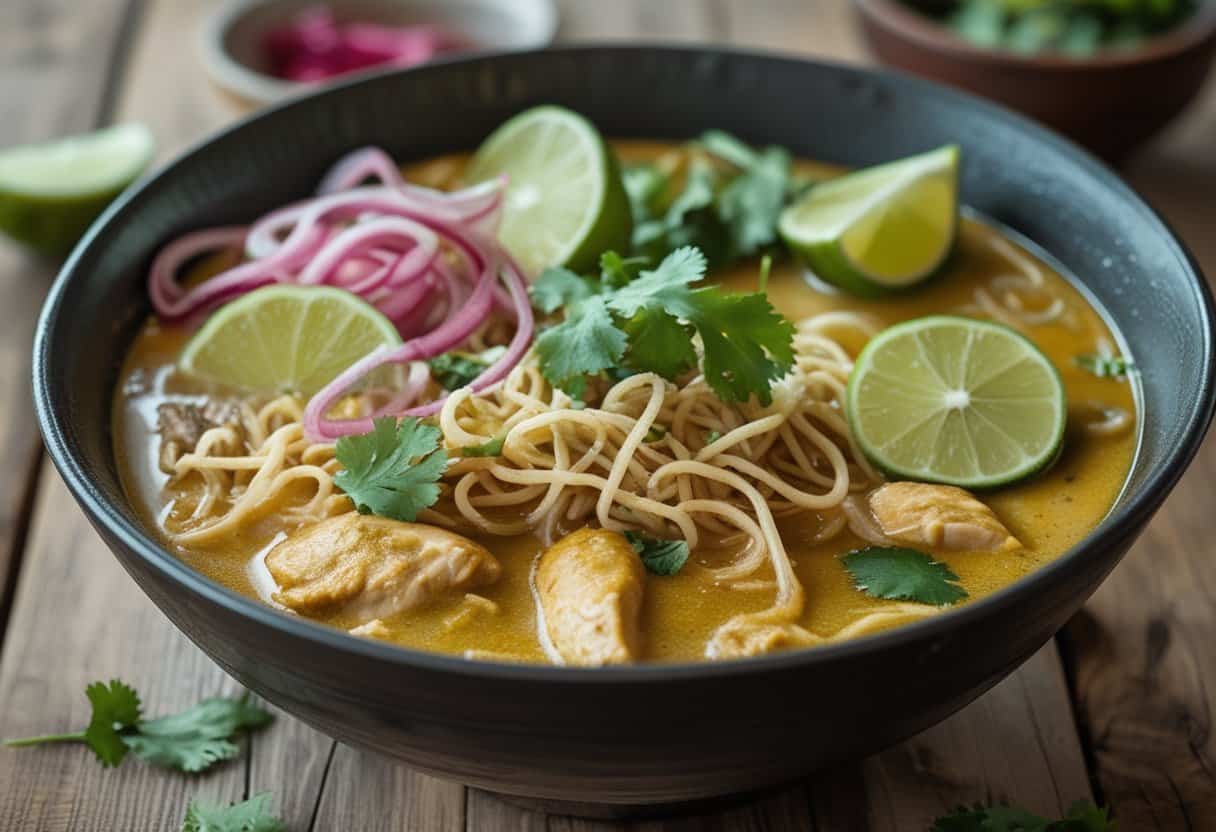
Khao Soi is Northern Thailand’s signature coconut curry noodle soup, particularly associated with the city of Chiang Mai. The dish features soft egg noodles swimming in a rich, golden curry broth made with coconut milk, topped with crispy fried noodles for textural contrast.
The soup originated with the Shan people, an ethnic group spanning northern Myanmar, northern Thailand, and parts of Laos and China. Chinese-Muslim traders helped shape the dish in the 19th century, blending their culinary techniques with local Thai ingredients.
You’ll find the broth flavored with a curry paste containing dried chilies, turmeric, shallots, coriander, garlic, and ginger. The soup typically comes with chicken or beef, and you can customize it with condiments like pickled mustard greens, shallots, and lime.
In 2024, TasteAtlas named Khao Soi the world’s best soup, cementing its status beyond Thailand’s borders.
17. Sinigang (Philippines)
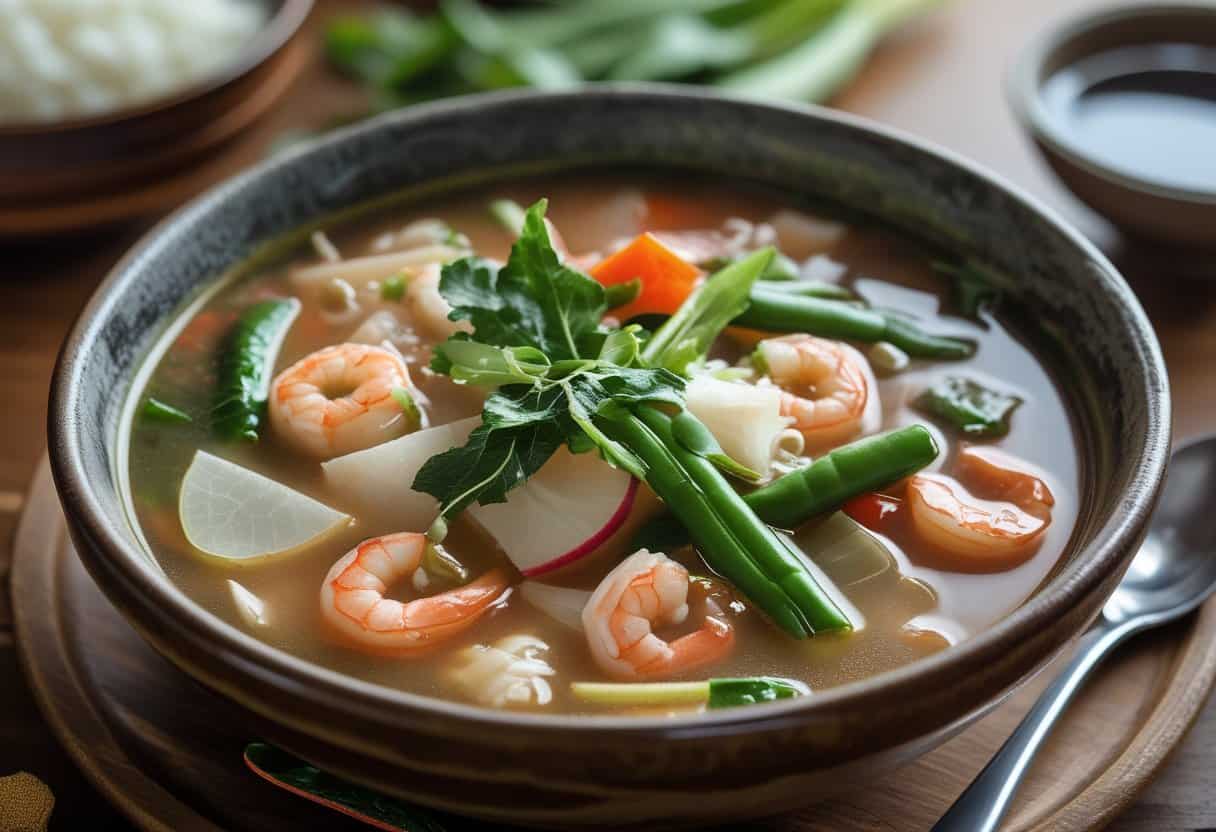
Sinigang is a savory and sour Filipino soup that ranks among the world’s most beloved comfort foods. The dish centers on its distinctive tangy flavor, traditionally derived from tamarind fruit.
You’ll find sinigang prepared with various proteins, though pork cuts are particularly popular in the version called sinigang na baboy. The soup typically includes tomatoes, onions, and garlic as its base, along with vegetables like okra, white radish, water spinach, and long green peppers.
When you taste sinigang, you experience the balance between its signature sourness and savory depth. The tamarind creates a bright, citrusy acidity that distinguishes this soup from other Filipino dishes.
This soup holds significant cultural importance in Philippine cuisine and has gained international recognition on TasteAtlas rankings. You can enjoy sinigang as a main course, typically served alongside rice.
18. Harira (Morocco)
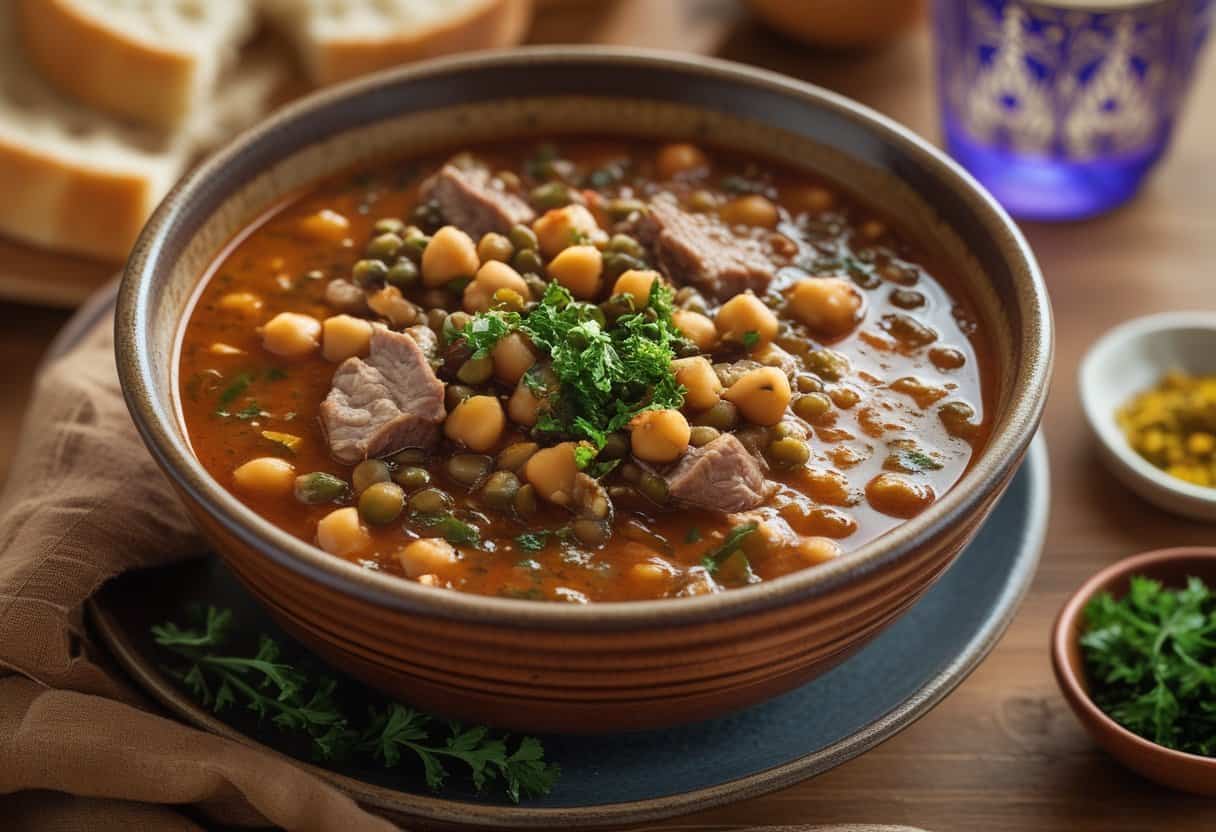
Harira is Morocco’s most beloved traditional soup, deeply embedded in the country’s culinary heritage. This tomato-based soup combines chickpeas, lentils, and often meat with a blend of herbs and spices that create its signature rich flavor.
The word “harira” comes from the Arabic term for velvetiness, reflecting the soup’s creamy, smooth texture. You’ll find it typically contains vermicelli or rice along with the legumes, making it a complete and nutritious meal.
While Moroccans enjoy harira throughout the year, it holds special significance during Ramadan. The vast majority of Moroccan families serve this soup to break their fast each evening during the holy month. You can also find it at celebrations and special occasions, where it brings people together around shared bowls of comfort.
19. Potage Parmentier (Leek and Potato, France)
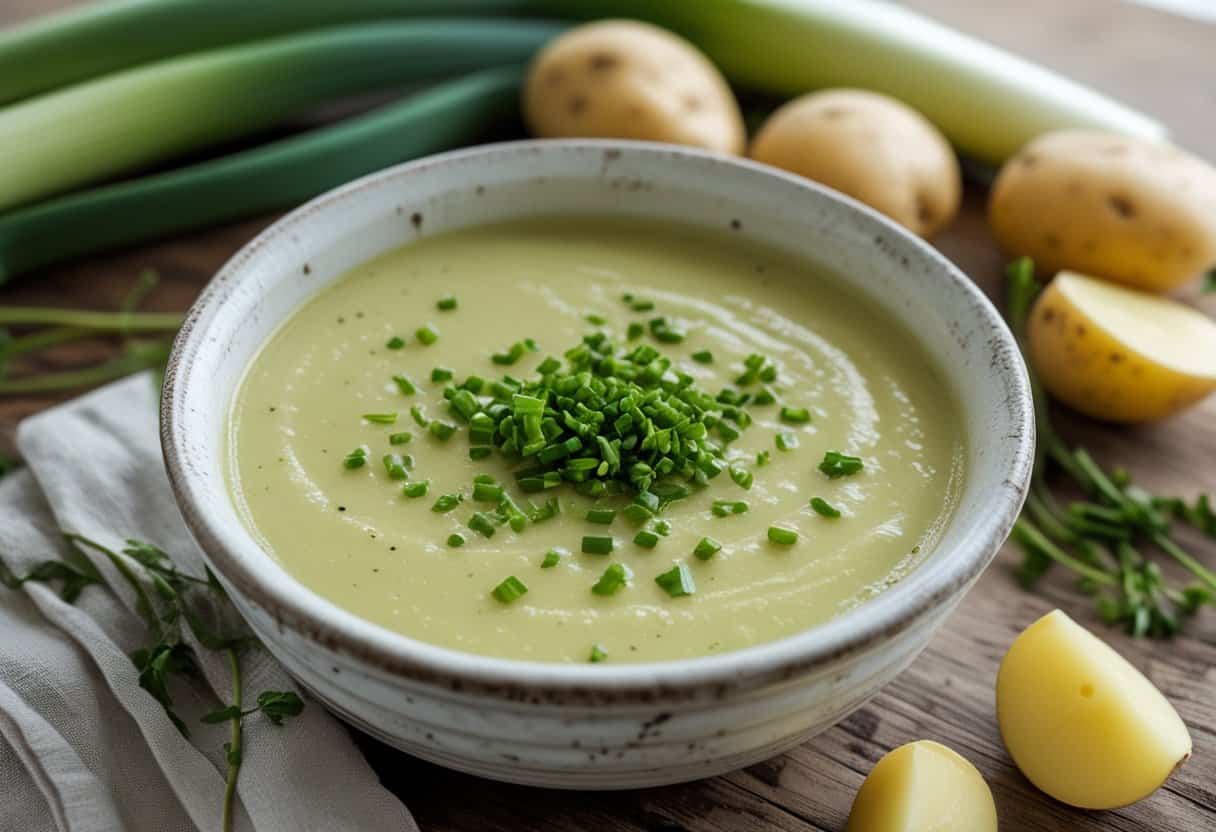
Potage Parmentier is a classic French soup that combines leeks and potatoes into a smooth, comforting dish. The soup takes its name from Antoine-Augustin Parmentier, an 18th-century French agronomist who championed the potato as a valuable food source when it was largely unpopular in France.
You’ll find this soup relies on simple ingredients: leeks, potatoes, water or stock, and cream. The vegetables are simmered until tender, then pureed to create a velvety texture.
This French staple can be prepared in roughly 30 minutes, making it practical for weeknight dinners or as an elegant first course. The gentle flavor profile allows the natural taste of the vegetables to come through, while a swirl of cream adds richness to each bowl.
20. Soljanka (Russia/Eastern Europe)
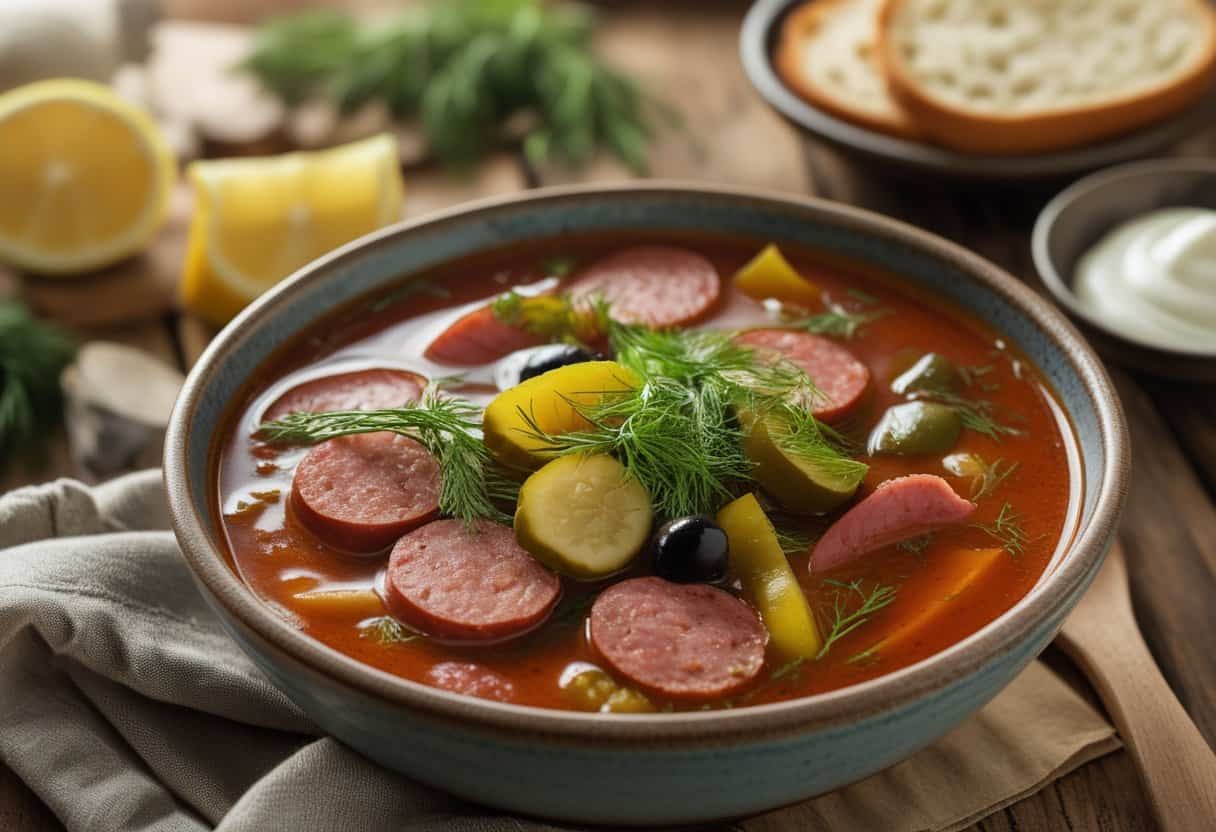
Soljanka is a thick, sour soup that originated in Russia, with historical roots dating back to at least the 15th century. You’ll find this hearty dish throughout Eastern Europe, including Ukraine, Belarus, and the Baltic states.
The soup features a rich combination of cured meats, sausage, and a flavorful beef broth as its base. What makes soljanka distinctive is its sour, spicy character, achieved through ingredients like pickles, olives, capers, and lemon.
There are three main versions you might encounter: meat (the most popular), fish, and mushroom. The meat variety combines various cured meats and sausages into one bowl, reflecting the soup’s name, which informally describes a mixture of different things.
You can still find soljanka in restaurants across former Eastern Bloc countries, including what was once East Germany, testament to its enduring popularity.
21. Chicken Noodle Soup (Classic American)
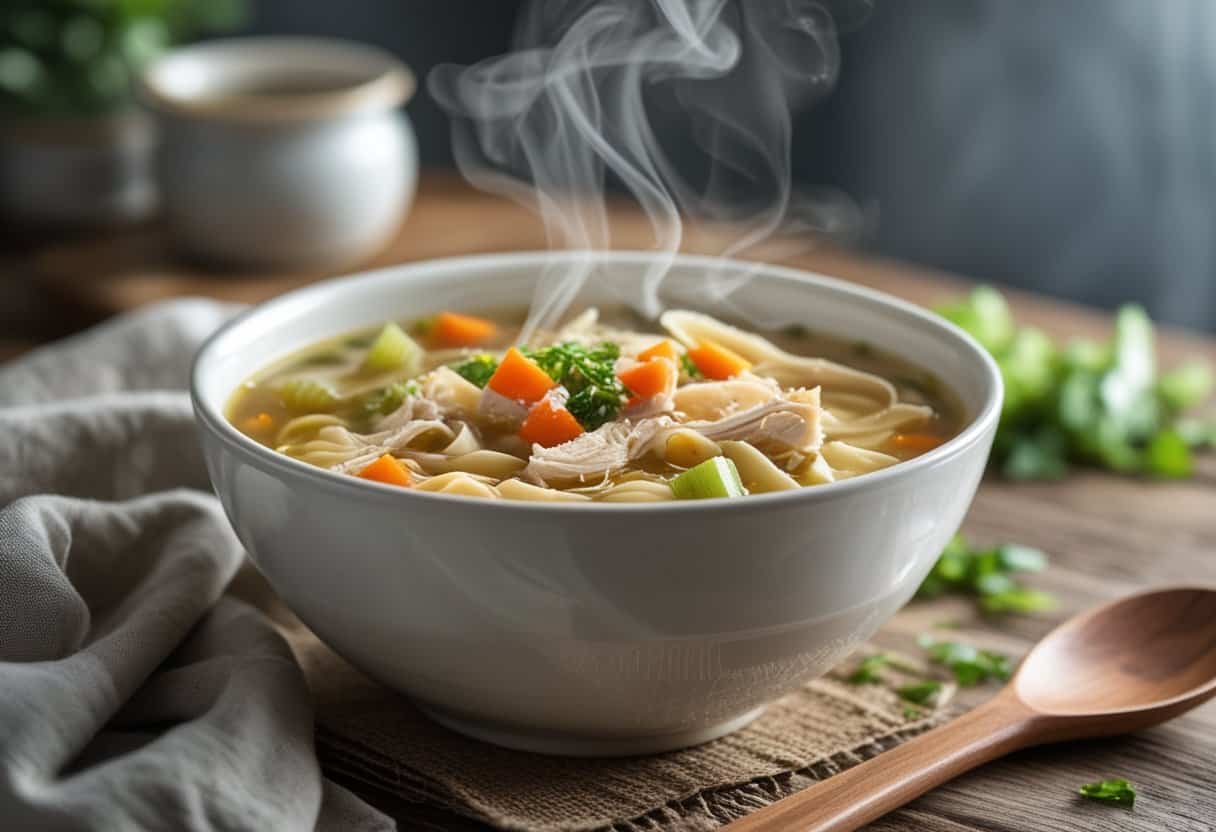
You’ll find chicken noodle soup on tables across America, where it has earned its reputation as the ultimate comfort food. This straightforward soup combines tender pieces of chicken, egg noodles, and a clear chicken broth with simple vegetables like carrots, celery, and onions.
The American version stands out for its clarity and simplicity. Unlike cream-based soups, you get a light, golden broth that lets each ingredient shine through.
When you’re feeling under the weather, this is likely the first dish that comes to mind. The warm broth provides hydration while the chicken offers protein and the vegetables add essential nutrients. You can find it in nearly every American restaurant, diner, and home kitchen.
The recipe remains largely unchanged across the country, though some families add their own touches like fresh herbs or extra vegetables.
22. Tom Kha Gai (Thailand)
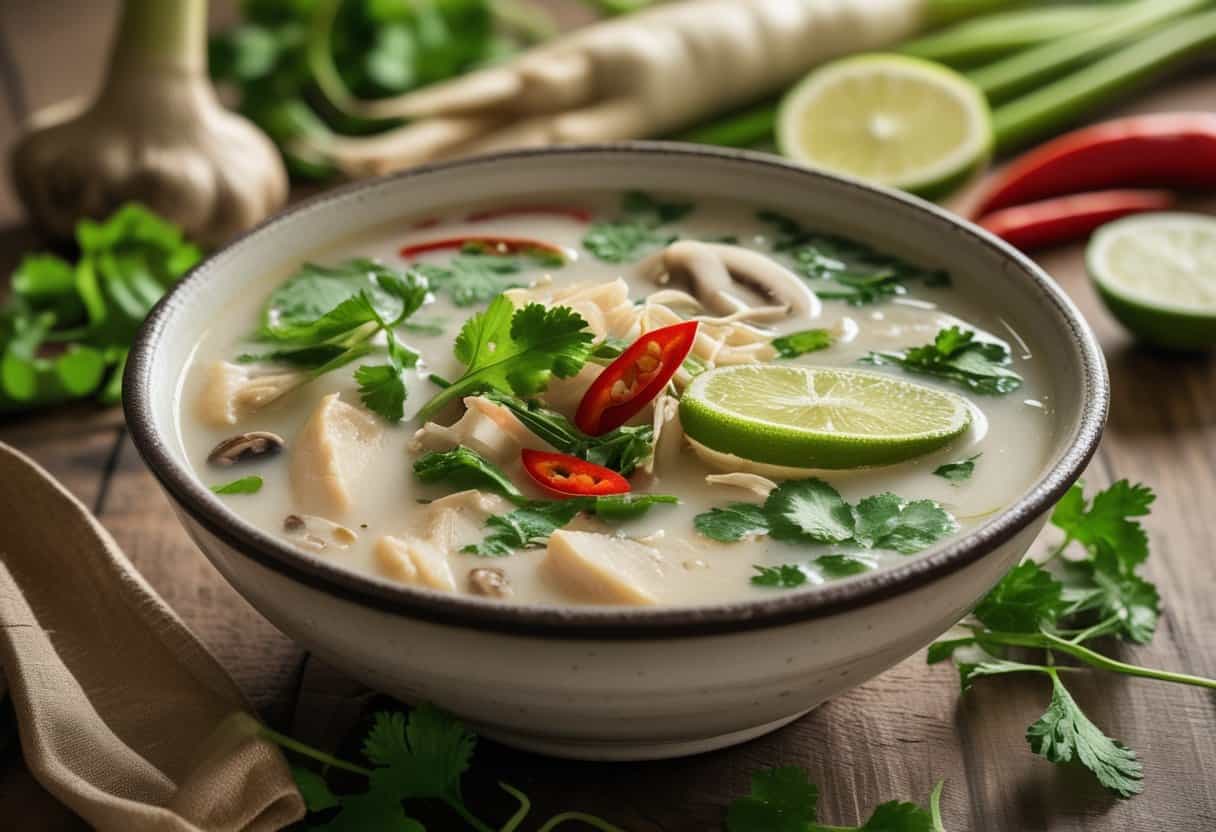
Tom Kha Gai is Thailand’s beloved coconut chicken soup that delivers a distinctive blend of creamy, tangy, and aromatic flavors. The name translates to “boiled galangal chicken,” reflecting its key ingredients of chicken pieces simmered in rich coconut milk.
What sets this soup apart is its signature combination of galangal, lemongrass, and kaffir lime leaves. These aromatics create a fragrant base that balances sour, spicy, and savory notes in each spoonful.
Originating from central Thailand with influences from neighboring Laos, Tom Kha Gai has gained international recognition. TasteAtlas has consistently ranked it among the world’s best chicken soups, earning ratings around 4.5 to 4.7 out of five stars.
You’ll find this soup features bird’s eye chili peppers for heat and garlic for depth. The coconut milk provides a creamy texture that distinguishes it from typical broth-based chicken soups.
23. Pozole (Mexico)
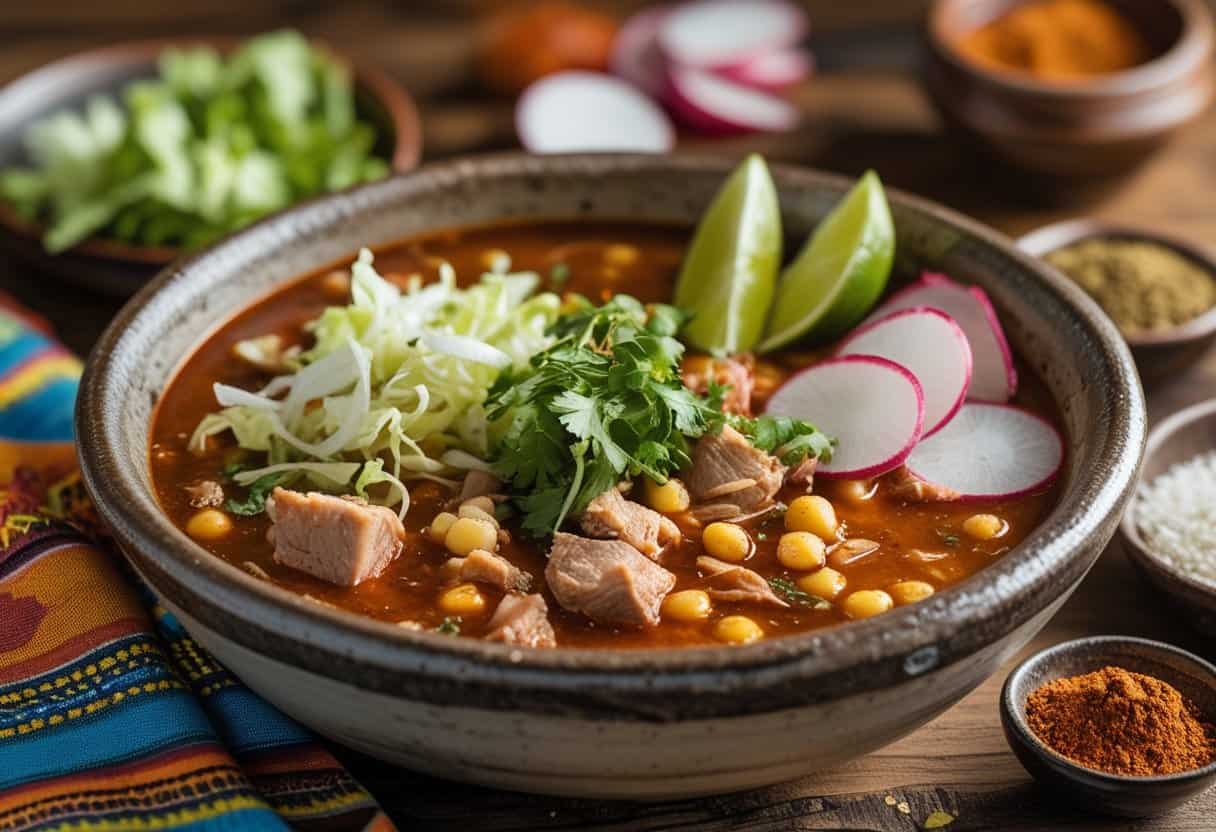
Pozole is a traditional Mexican stew with roots stretching back to pre-Columbian times. The dish centers on hominy, which are large corn kernels treated through nixtamalization, a process that softens them in an alkaline solution.
You’ll typically find pozole made with either pork or chicken in a flavorful broth seasoned with garlic, chili peppers, and spices. The soup comes in three main varieties: blanco (white), verde (green), and rojo (red), with red being the most popular version.
Mexicans serve pozole during special occasions and celebrations, including Independence Day, Christmas, weddings, and birthdays. You’ll receive your bowl topped with garnishes like shredded cabbage, radishes, lime, and oregano, allowing you to customize each serving to your preference.
This hearty soup delivers both comfort and cultural significance in every bowl.
24. Gumbo (Louisiana, USA)
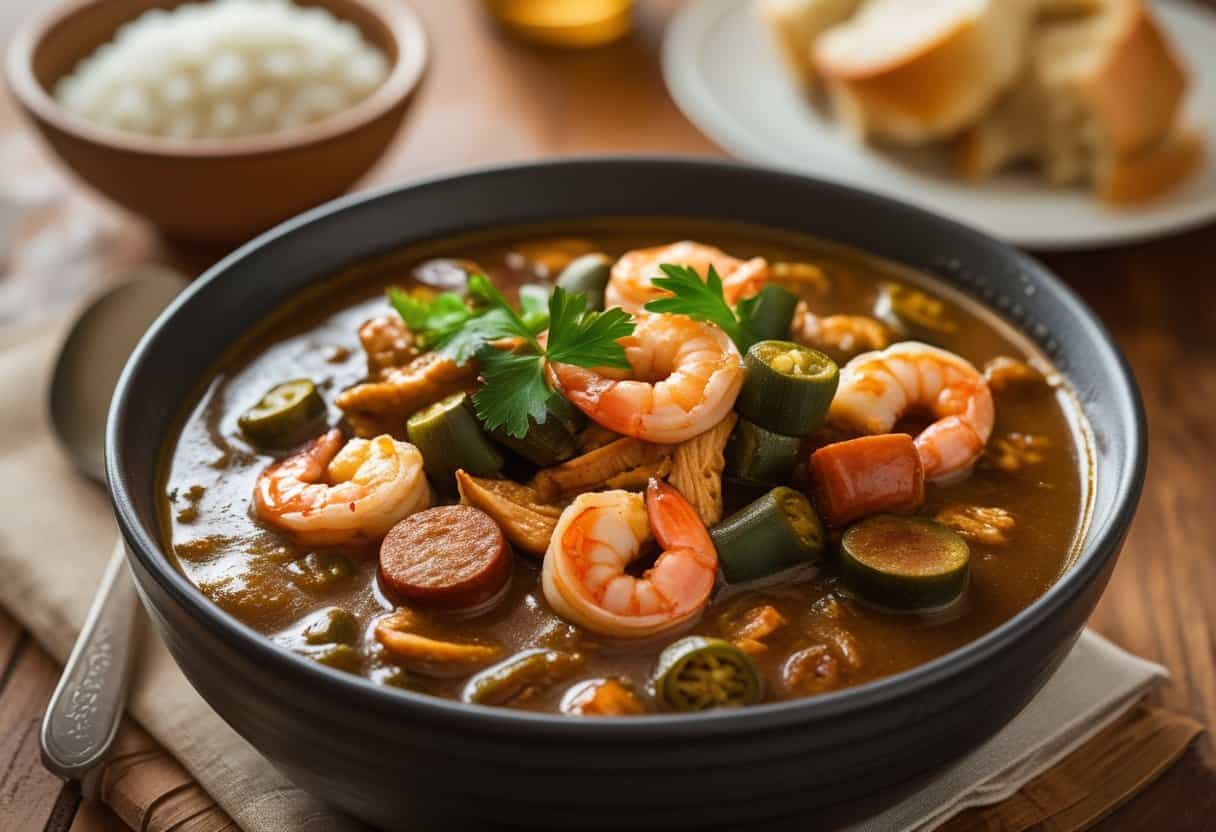
Gumbo stands as Louisiana’s official state dish and a cornerstone of Southern cuisine. This rich soup combines influences from French, West African, and Native American cooking traditions into one distinctive dish.
You’ll find gumbo built on a dark roux base, typically made from flour and fat cooked until deeply browned. The soup includes the “holy trinity” of Cajun cooking: onions, celery, and bell peppers. Most versions feature either seafood like shrimp and crab, or chicken and andouille sausage.
Two primary thickening methods define gumbo varieties. Some cooks use okra, introduced by West African slaves, while others prefer filé powder made from ground sassafras leaves. You’ll notice gumbo is always served over white rice and seasoned with bay leaves, thyme, and garlic.
The dish varies significantly across Louisiana regions, with each community adding its own ingredients and techniques.
25. Kharcho (Georgia)
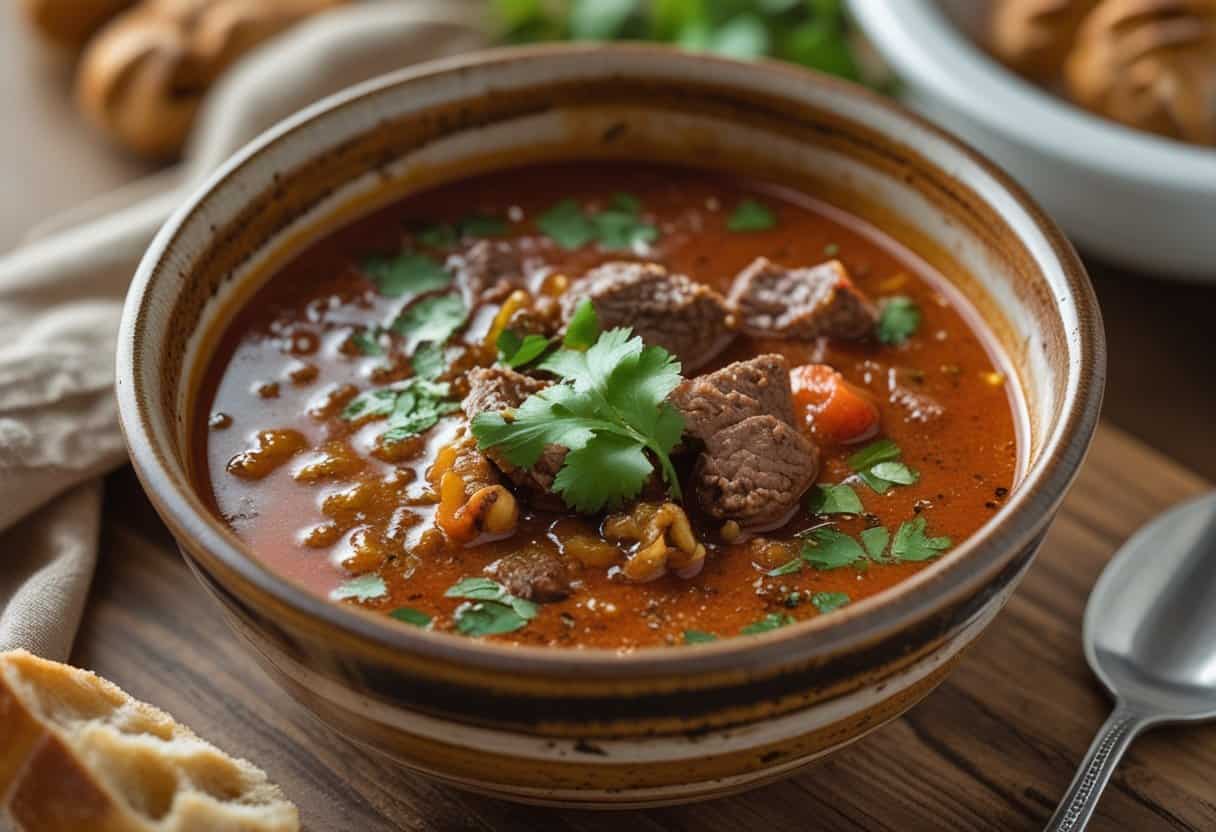
Kharcho stands as one of Georgia’s most beloved soups, recognized internationally for its distinctive flavor profile. This traditional dish combines beef, rice, and ground walnuts in a rich broth that balances hearty and tart elements.
The soup’s signature ingredient is tkemali, a plum sauce made from unripe plums that adds a bright, sour note. This tartness cuts through the richness of the fatty beef and walnuts, creating a balanced taste.
You’ll find kharcho seasoned with khmeli suneli, a Georgian spice blend containing blue fenugreek, marigold petals, basil, parsley, fennel, coriander, bay leaves, and red pepper. While beef is traditional, modern variations sometimes use chicken.
Nearly every Georgian family has their own recipe, and regional variations are common throughout the country. CNN included kharcho in its list of the world’s 20 best soups.
26. Canh Chua (Vietnamese sour soup)
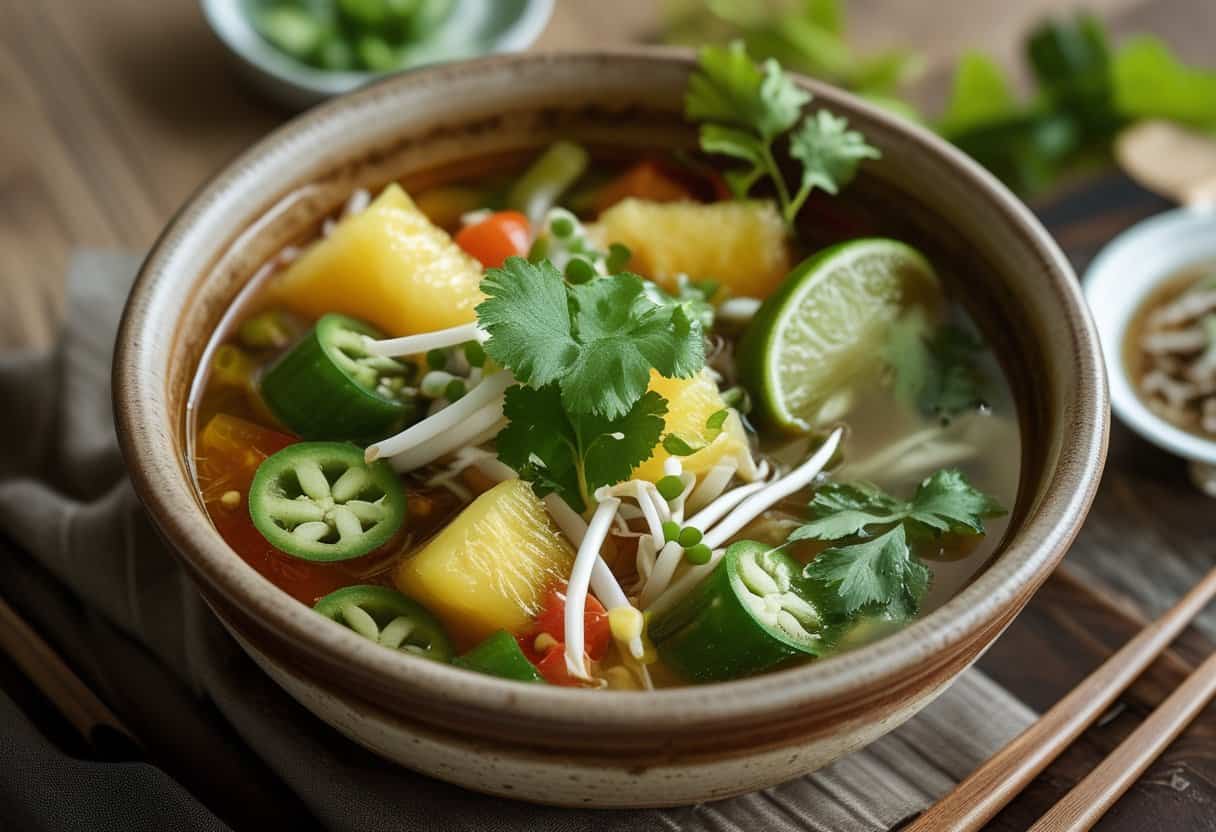
Canh Chua is a beloved Vietnamese soup that originated in the Mekong Delta region of southern Vietnam. The dish centers on a tangy, vibrant broth that balances sweet, sour, and savory flavors.
You’ll typically find this soup made with freshwater fish, though pork and catfish versions are also common. The sourness comes from tamarind, which gives the broth its distinctive taste and bright appearance.
Key ingredients include pineapple, tomatoes, and bean sprouts. Some variations add okra or elephant ear stems for additional texture. The soup is finished with fresh Vietnamese herbs that add aromatic notes to each bowl.
Canh Chua has gained international recognition, ranking among the world’s top seafood soups. You can enjoy it as a main dish or alongside rice as part of a larger Vietnamese meal.
27. Caldo Verde (Portugal)
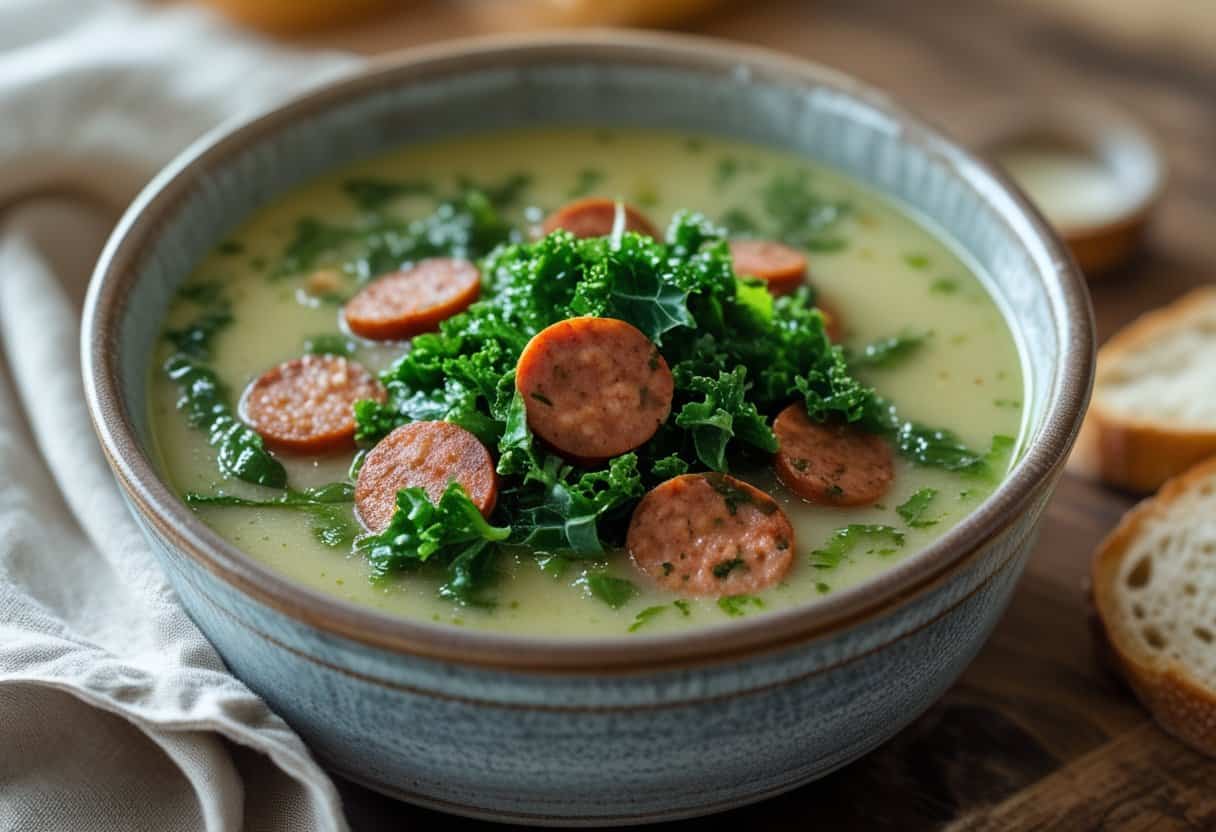
Caldo verde, which translates to “green broth,” ranks as Portugal’s most famous soup. This traditional dish originated in the Minho region and has become beloved both nationally and internationally through Portuguese communities worldwide.
The soup requires only a handful of ingredients: potatoes, onions, garlic, julienned kale or collard greens, and chouriço sausage. You’ll find that Portuguese cooks typically prepare the base by cooking raw vegetables together rather than sautéing them first.
The distinctive preparation involves thinly slicing the greens into delicate ribbons that meld seamlessly with the creamy potato base. The smoky chouriço adds depth and richness to what might otherwise be a simple vegetable soup.
You can enjoy caldo verde year-round in Portugal, where it’s served at restaurants, homes, and celebrations. Despite its humble ingredients, the soup delivers satisfying comfort and flavor that explains its enduring popularity.
28. Shchi (Russia)
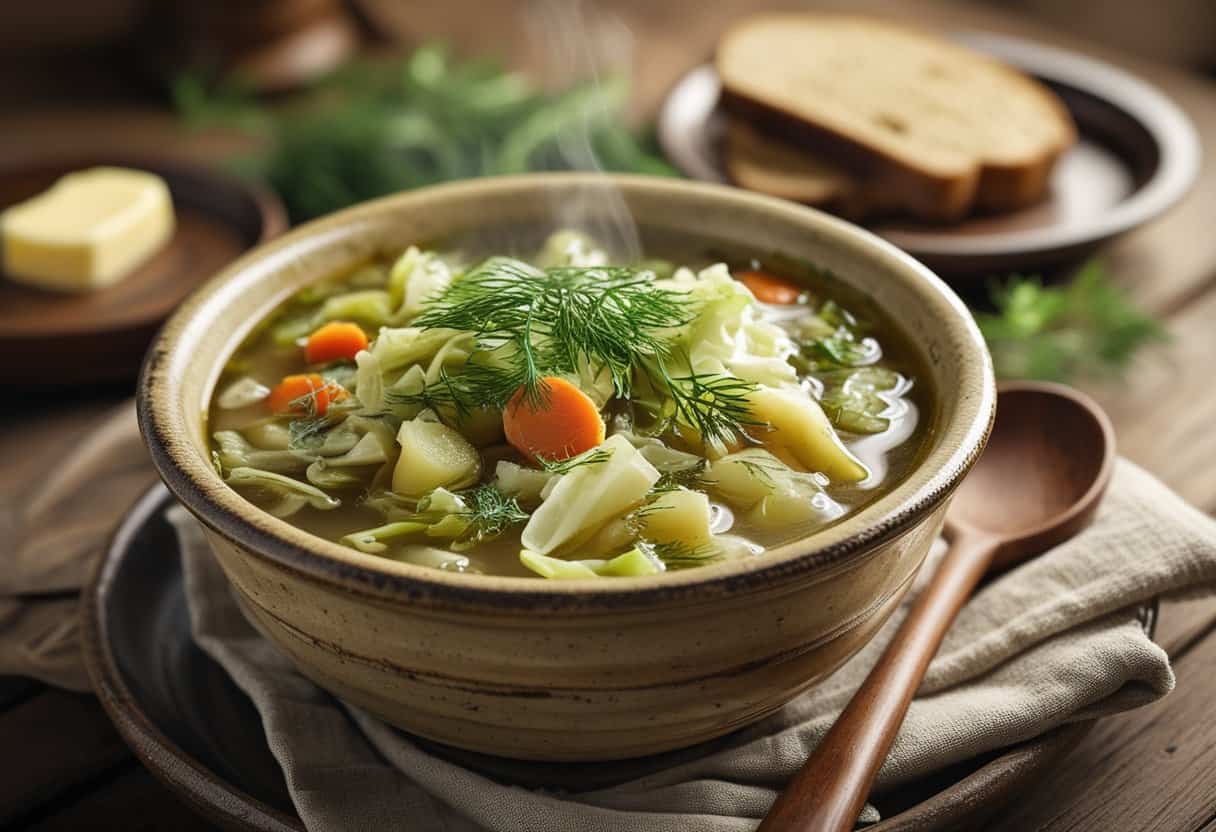
Shchi is one of Russia’s oldest and most beloved soups, dating back to the 9th century. The soup features cabbage as its main ingredient, prepared either with fresh cabbage or sauerkraut for a tangier variation.
You’ll find shchi traditionally made with meat such as beef, pork, or poultry, though vegetarian versions exist. Common additions include onions, carrots, potatoes, and mushrooms. The ingredients are simmered slowly to create a rich, flavorful broth.
A Russian proverb states “Shchi and kasha are our food,” highlighting this soup’s cultural significance. You’ll often see it served with a dollop of smetana, a type of sour cream that adds richness to each bowl.
The soup became particularly popular during Russia’s harsh winters, providing warmth and sustenance. Today, shchi remains a staple in Russian cuisine and appears in classic literature like Tolstoy’s Anna Karenina.
29. Soto Ayam (Indonesia)
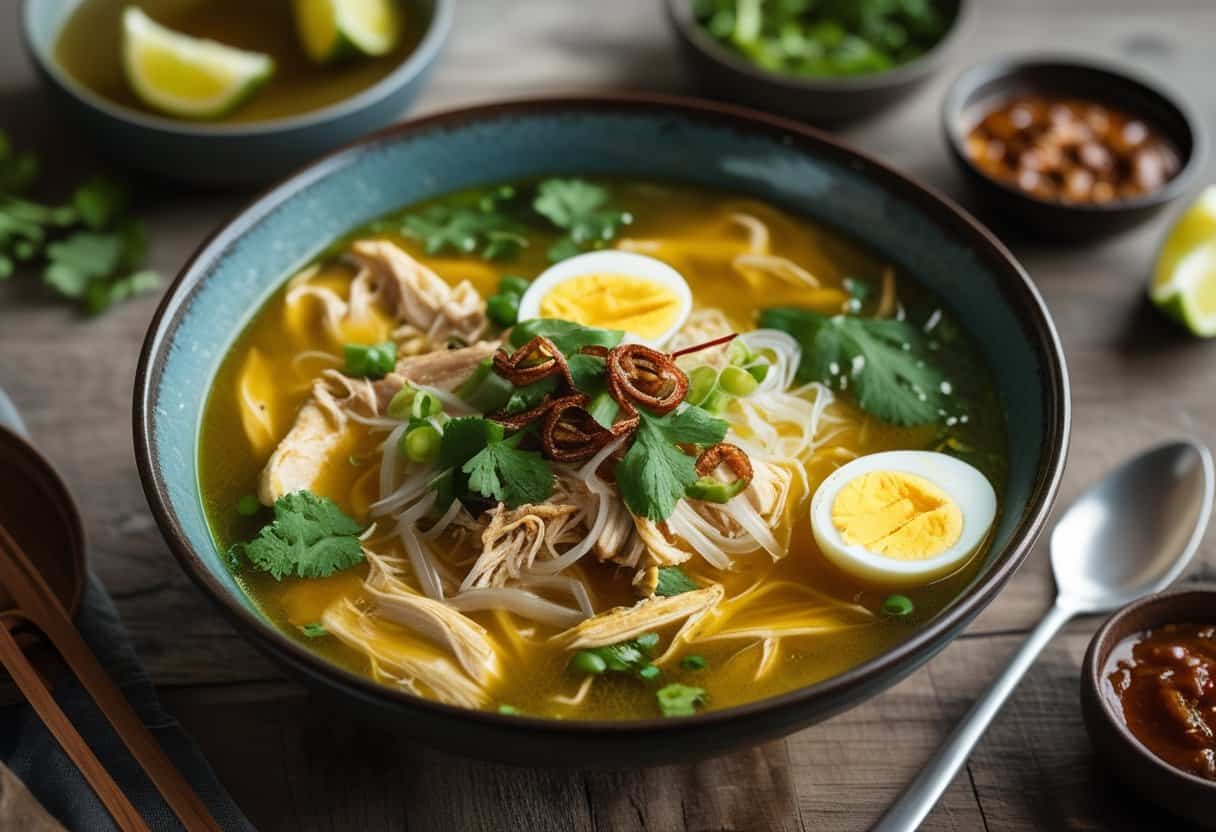
Soto ayam stands as one of Indonesia’s most beloved comfort foods. This chicken-based soup features a distinctive yellow broth colored by turmeric and enriched with aromatic spices like lemongrass, ginger, and lime leaves.
You’ll find the soup typically served with compressed rice cakes such as lontong or ketupat, along with vermicelli or noodles. The broth combines chicken with herbs and spices including garlic, onions, coriander, cumin, and both white and black pepper.
CNN has recognized soto ayam among the world’s best soups, placing it alongside iconic dishes from across the globe. The layered flavors from fresh turmeric, star anise, and cinnamon create a complex taste profile that makes this dish popular throughout Indonesia. You can find variations of soto ayam in Singapore, Malaysia, and Suriname, where it’s known as saoto.
30. Banga (Nigeria)
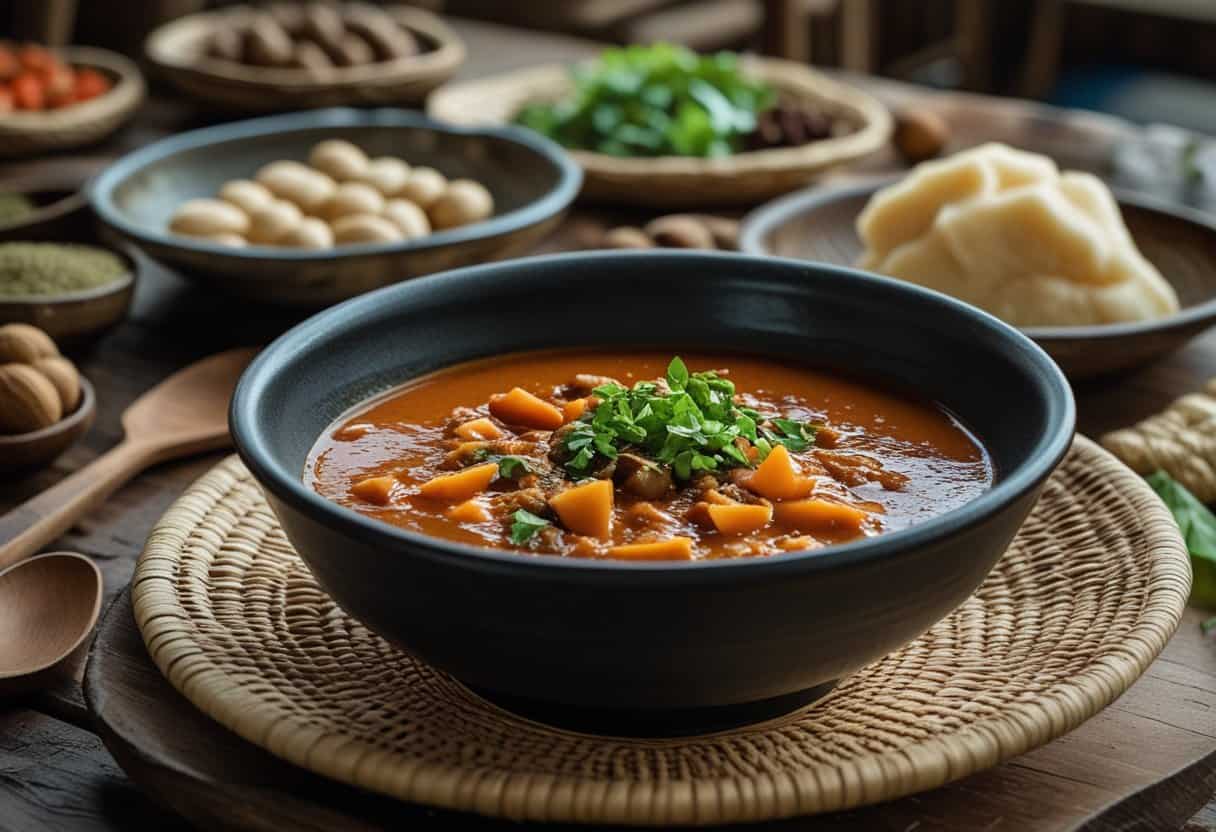
Banga is a traditional Nigerian soup that has earned international recognition for its distinctive flavor profile. The soup derives its rich taste from palm fruits harvested from oil palm trees, creating a creamy base that sets it apart from other West African dishes.
You’ll find this soup particularly popular across Nigeria, where it’s enjoyed in many households. The preparation involves combining palm cream with stewed meats, smoked dried fish, and aromatic spices that give banga its characteristic depth.
The soup has become so widespread in Nigerian cuisine that you can now purchase pre-mixed spice packets specifically for banga preparation. This convenience has helped maintain its popularity among both traditional cooks and modern home chefs.
Beyond Nigeria, variations of palm nut soup exist in other West African nations including Cameroon, Ghana, Sierra Leone, and Ivory Coast. Each region brings its own interpretation to this palm fruit-based dish.
Cultural Influences on Global Soup Traditions
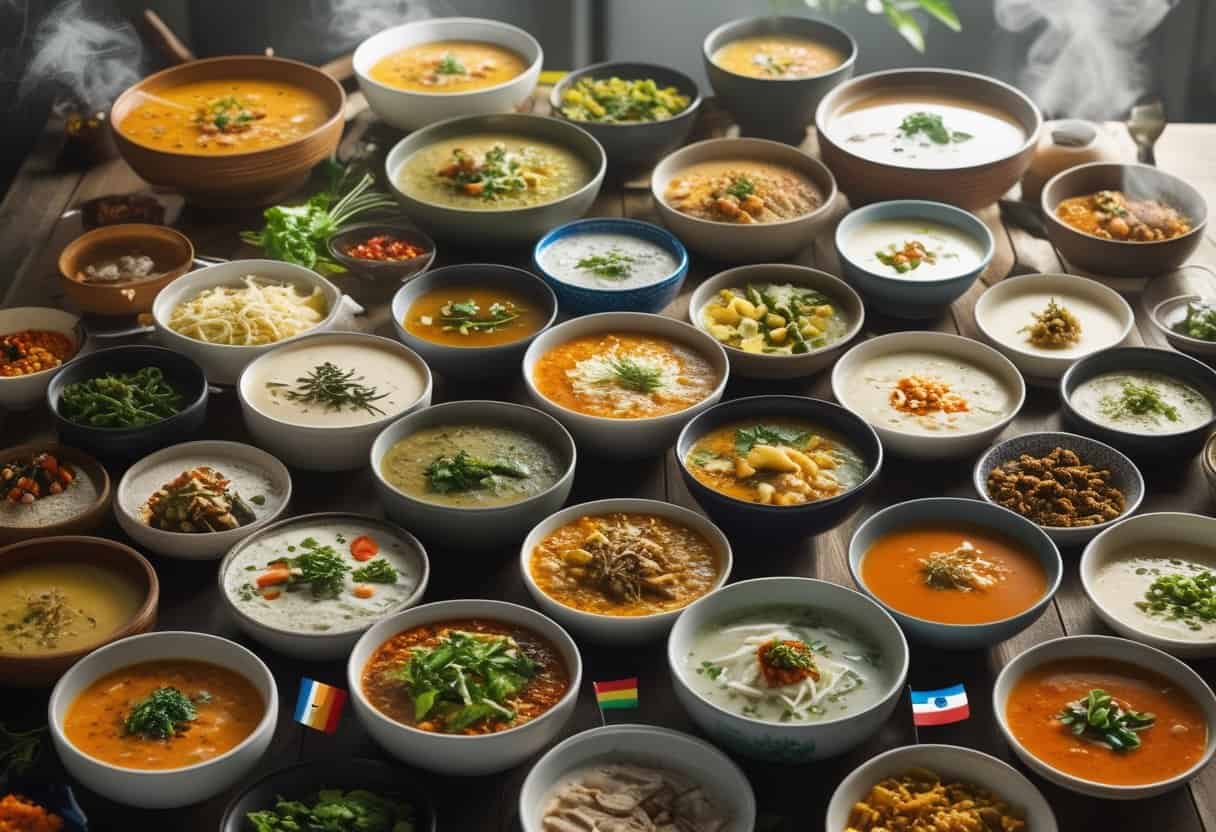
Soup preparation methods and ingredient choices reveal deep connections to geography, climate, and historical trade routes. The way communities cook their soups and the ingredients they select reflect centuries of cultural exchange and adaptation to local environments.
Regional Cooking Techniques
Different cultures have developed distinct methods for creating their signature soups based on available fuel sources, cooking vessels, and climate conditions. Asian cuisines frequently employ quick, high-heat techniques in woks or use slow-simmering broths that develop umami depth over hours. Japanese dashi requires precise timing to extract flavors from kombu and bonito flakes without bitterness.
European traditions often rely on long, slow braises in heavy pots, particularly in colder regions where hearty soups provide essential warmth. French onion soup demands patient caramelization of onions to achieve its characteristic sweetness. Eastern European communities preserve vegetables through fermentation before adding them to soups like borscht.
Latin American soups frequently combine pre-Columbian stone-grinding techniques with Spanish colonial influences. Pozole preparation involves treating corn with lime to create hominy, a process dating back to ancient Aztec and Mayan civilizations. Southeast Asian cooks layer spices and aromatics at different stages, adding fresh herbs only at serving to maintain their brightness.
Traditional Ingredients
Geography and climate determine which ingredients form the foundation of regional soup traditions. Coastal communities build broths from seafood and seaweed, while inland areas rely on livestock, grains, and root vegetables that store well through winter months.
The Peranakan culture blends Chinese and Malay influences through ingredients like coconut milk, lemongrass, and galangal in laksa. Mediterranean soups incorporate olive oil, tomatoes, and herbs that thrive in warm, dry climates. Middle Eastern lentil soups reflect the region’s ancient grain cultivation and spice trade history.
Indigenous ingredients shape soup identities in powerful ways. Korean kimchi represents preserved cabbage transformed through fermentation. Mexican soups feature chilies, corn, and beans that have sustained communities for millennia. West African peanut soups demonstrate how New World crops became integrated into traditional cooking after cross-continental exchange.
Tips for Making Authentic Soups at Home
Success in recreating traditional soups depends on having the right tools and understanding fundamental techniques that build depth of flavor. These elements transform basic ingredients into dishes that capture the essence of their cultural origins.
Essential Equipment
A heavy-bottomed pot or Dutch oven is your most critical tool for soup making. These vessels distribute heat evenly and prevent scorching, which is particularly important when building flavor bases or simmering broths for extended periods.
You’ll need a fine-mesh strainer for creating clear broths and removing aromatics. A ladle with a capacity of at least 8 ounces makes serving easier and more accurate. For Asian soups, consider investing in a spider skimmer to remove impurities from stocks and retrieve noodles or dumplings without disturbing the broth.
An immersion blender allows you to puree soups directly in the pot, creating smooth textures for bisques and cream-based soups. A sharp chef’s knife and sturdy cutting board are non-negotiable for efficient vegetable preparation. Keep measuring cups and spoons handy, though many traditional recipes rely on sensory cues rather than exact measurements.
Flavor-Enhancing Practices
Building flavor in layers is the foundation of authentic soup making. Start by properly sweating aromatics like onions, garlic, and celery in fat before adding liquids. This process releases essential oils and creates a flavor base that permeates the entire dish.
Toast whole spices in a dry pan before grinding or adding them to your soup. This technique intensifies their aromatic compounds and adds complexity to the final dish. For broths, maintain a gentle simmer rather than a rolling boil to keep the liquid clear and prevent proteins from becoming tough.
Season throughout the cooking process rather than only at the end. Add salt gradually as liquids reduce and flavors concentrate. Finish soups with acid—lemon juice, vinegar, or lime—to brighten flavors just before serving.
Let soups rest when possible. Many improve significantly after sitting for several hours or overnight as flavors meld and develop depth.