30 Grocery Store Foods That Quietly Disappeared From Shelves for Good
Grocery shelves change more often than most shoppers notice. A product sits in its usual spot for years, then one day it’s gone, replaced by something else without any warning or explanation.
You might assume these items simply lost popularity, but the reasons are often more complicated. Discontinued foods usually result from a combination of shifting consumer habits, ingredient sourcing problems, manufacturing costs, and company decisions that have nothing to do with taste.
This list looks back at 30 items that once filled carts across the country and quietly vanished from the aisles you used to shop.
1. Jell-O Pudding Pops
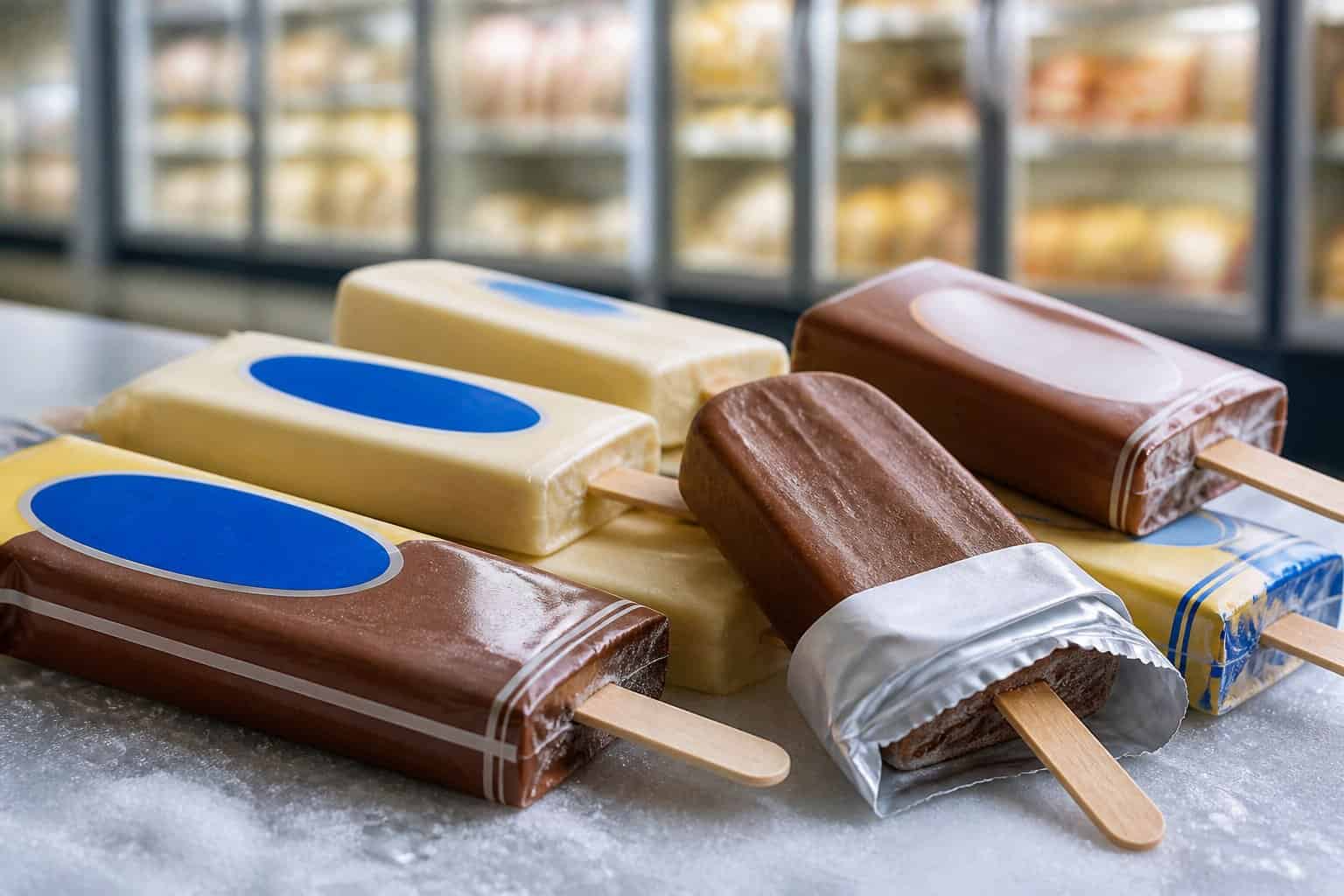
If you grew up in the 1980s, you probably remember these frozen bars sitting in your freezer next to regular popsicles. General Foods launched Jell-O Pudding Pops in 1982, and they quickly became one of the best-selling frozen novelties in the country.
Bill Cosby fronted the ad campaign for years, which helped cement the product in your childhood memory. You likely associate the chocolate and vanilla swirl flavors with that era specifically.
The pops disappeared from shelves around 2004. Kraft, which had absorbed General Foods, sold the license to the Popsicle brand, and the product was eventually phased out rather than actively marketed.
You can still recreate something close to the original at home using instant pudding mix and popsicle molds. The exact commercial formula, though, hasn’t returned to stores.
2. Altoids Sours
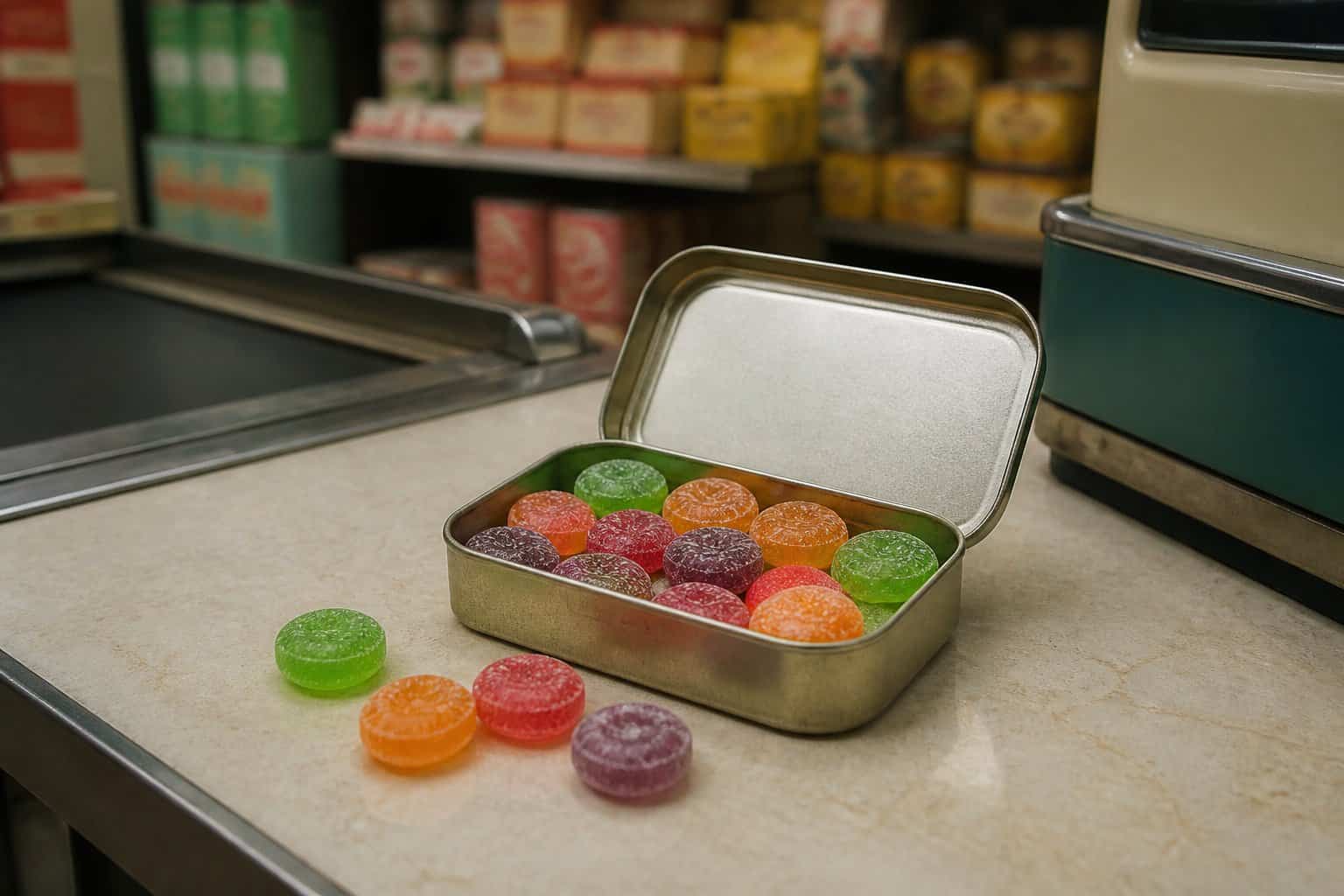
You probably remember these tangy candies from their small metal tins, similar to regular Altoids. Wrigley launched Altoids Sours in the early 2000s, and they quickly built a loyal following among fans of intensely sour flavors.
The line included flavors like citrus, mango, and tangerine, each delivering a sharp pucker before mellowing into something sweeter. That sour-then-sweet effect set them apart from other candies on the shelf.
Despite their popularity, sales declined over time. By 2010, Altoids Sours had been pulled from most stores, and the company never gave shoppers a clear explanation.
For years afterward, fans kept asking for their return, and some even started petitions. You’ll be glad to know Mars eventually responded to that demand. In 2024, a similar product called Retro Sours appeared at Target and other retailers, giving you a chance to relive that familiar tang.
3. PB Crisps
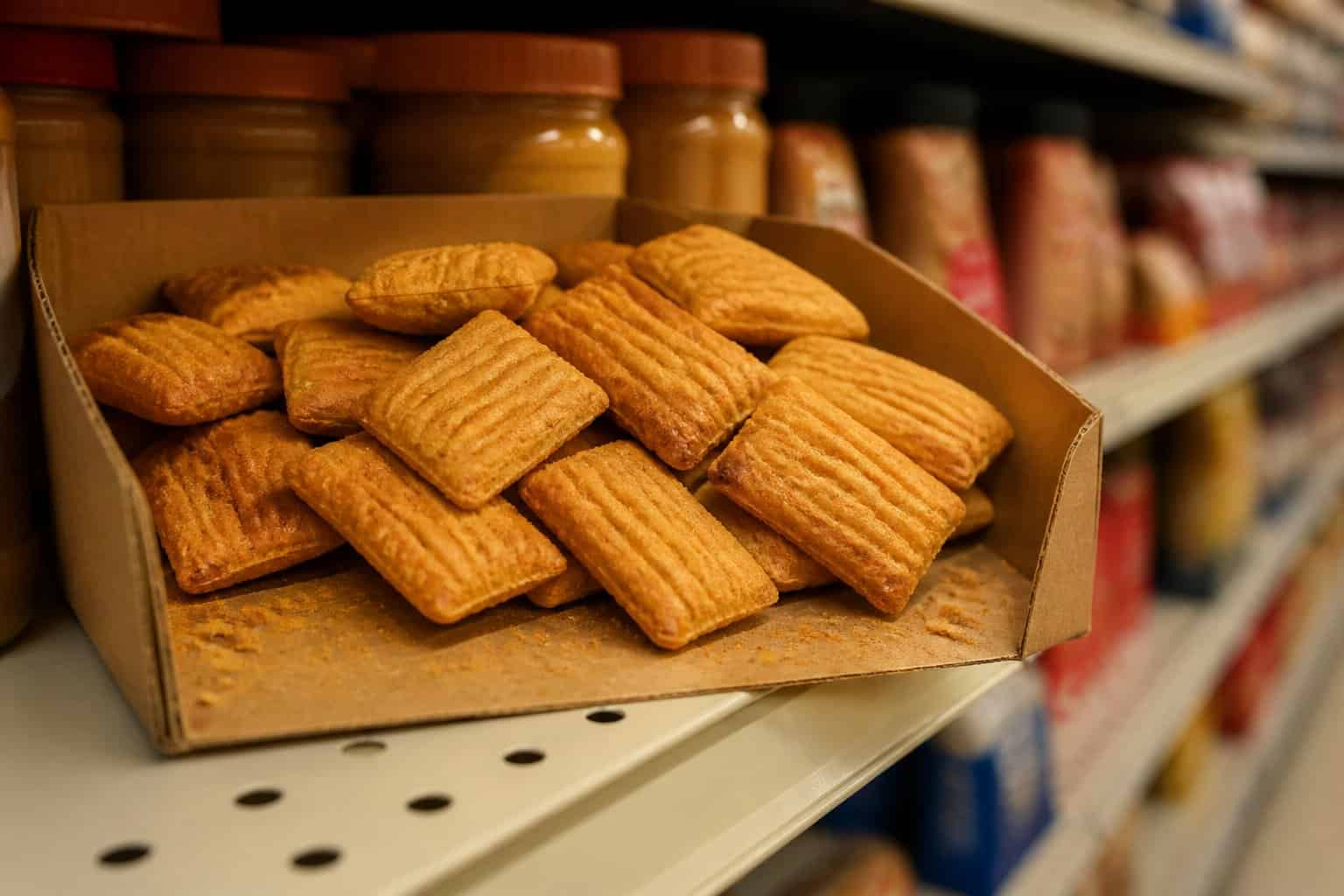
Planters introduced PB Crisps in 1992, and you probably remember them as small, peanut-shaped shells with a crunchy exterior and a creamy peanut butter center. The design gave you a snack that combined a cookie-like crunch with the taste of peanut butter in every bite.
Beyond the original flavor, Planters also released chocolate and peanut butter-and-jelly variations. Many people associate the snack with its catchy jingle, which made it memorable even years after production stopped.
By the late 1990s, PB Crisps disappeared from store shelves without much explanation. You’ll find that this makes them one of the most frequently requested discontinued snacks online, with dedicated fan pages and even a website built specifically to push Hormel Foods, the current owner of Planters, to bring them back.
Despite decades of demand, no direct replacement has matched their specific combination of crunch and peanut butter flavor.
4. Butterfinger BBs
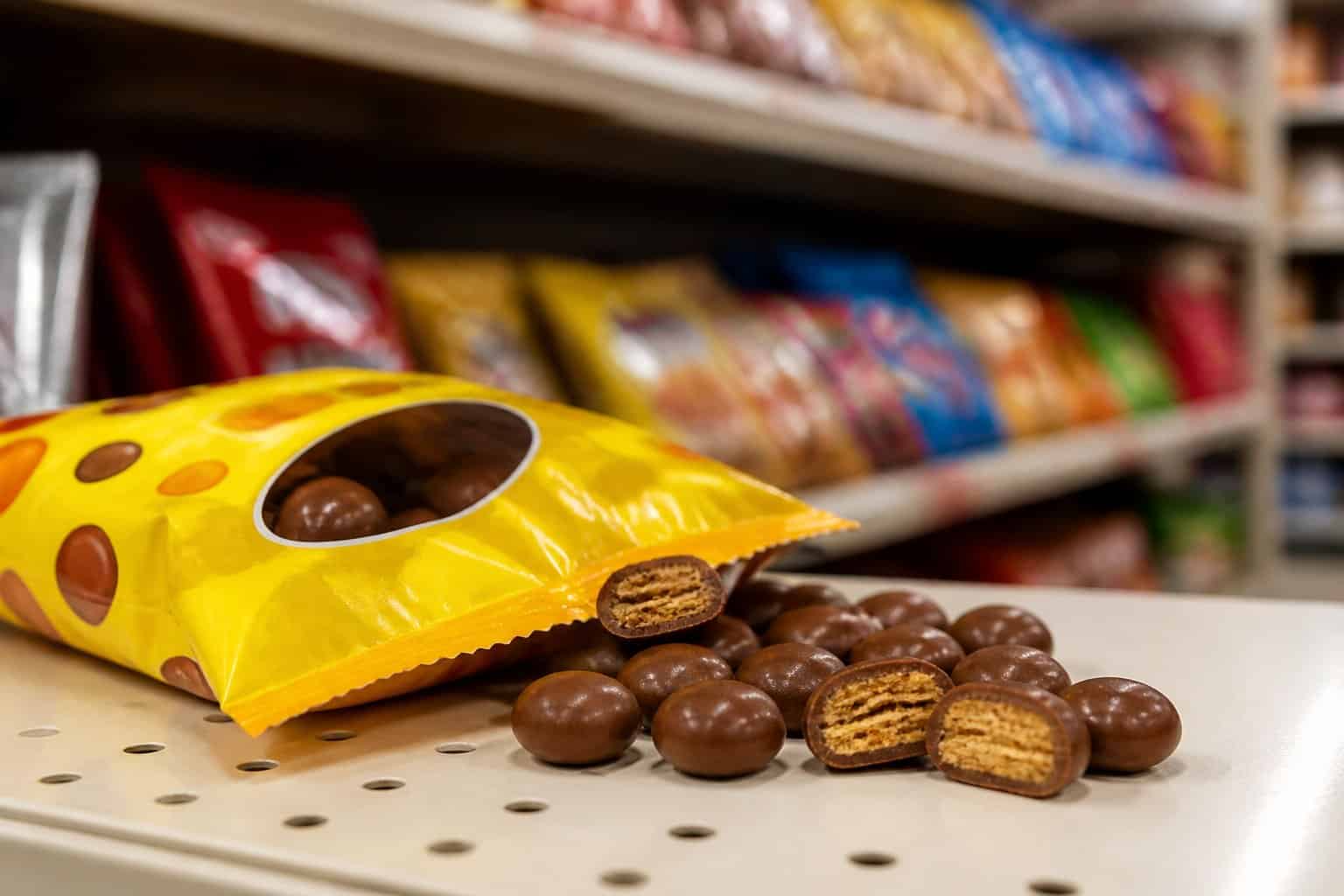
Butterfinger BBs launched in the early 1990s as a bite-sized spin on the original Butterfinger bar. Instead of a full-size bar, you got small, round pieces with the same crunchy peanut butter center coated in chocolate.
You likely remember the ads featuring The Simpsons, which ran throughout the decade and helped make the candy a familiar name in stores. The format made them easy to snack on without the mess of a traditional bar.
Nestlé discontinued Butterfinger BBs in the mid-2000s. You can still find the original Butterfinger bar on shelves today, but the small ball version never returned to mainstream production.
Online groups and social media pages continue to mention them when people discuss candy from their childhood. For now, if you want that version of Butterfinger, you’re limited to old photos and secondhand memories.
5. Hershey’s Swoops
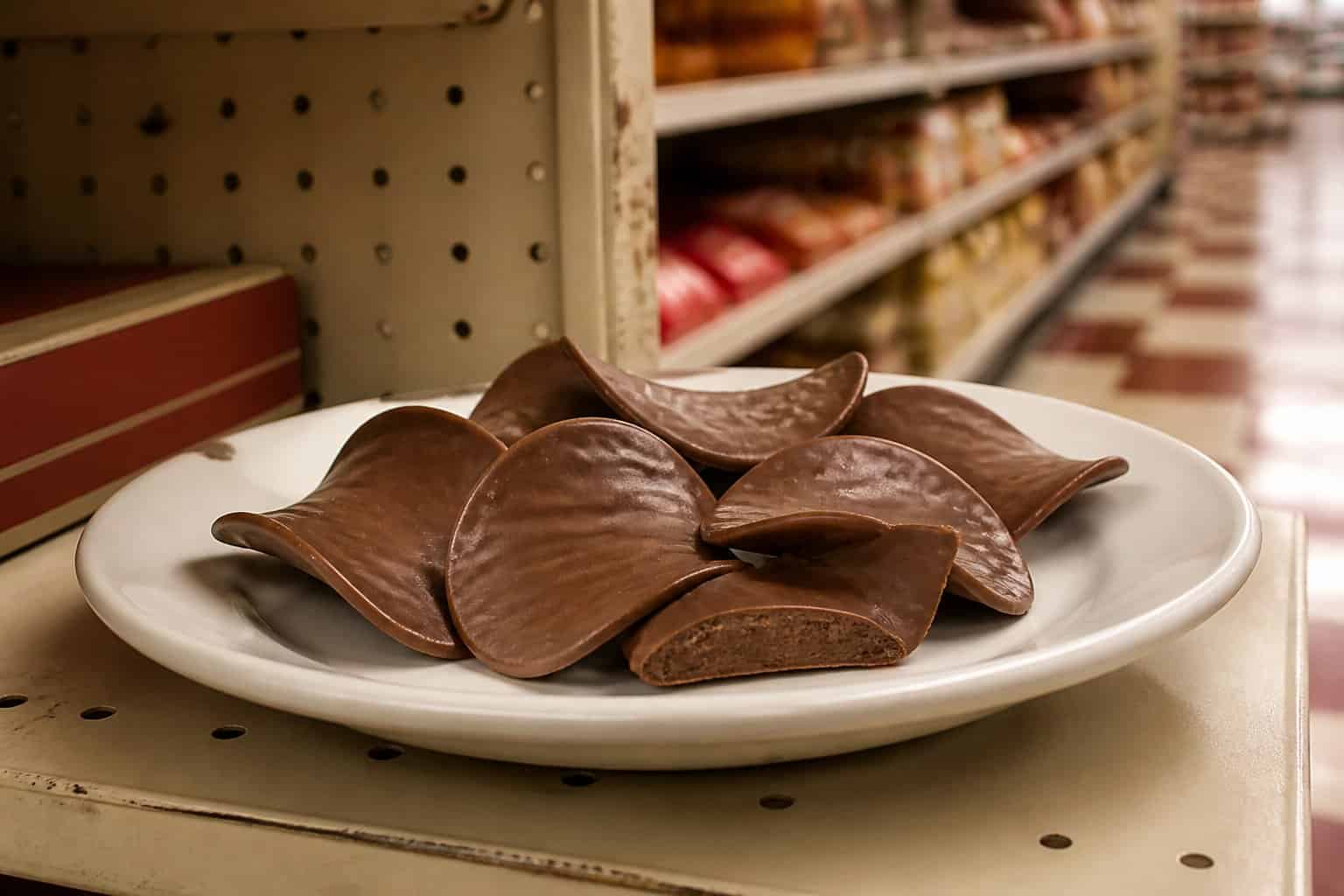
Hershey’s launched Swoops in 2003, and you can probably still picture the concept if you tried them. These were thin, curved candy pieces shaped like potato chips, designed to mimic the look and stackable format of Pringles.
You could find them in flavors modeled after existing Hershey products, including Reese’s, Almond Joy, and York Peppermint Patty. The packaging even used a canister similar to chip containers, which made the product stand out on shelves.
Despite the novel format, Swoops didn’t last. Hershey pulled them from stores by 2006, just three years after launch.
The shape didn’t add enough value to justify the price or production costs, and consumers didn’t see a reason to choose chip-shaped candy over familiar candy bar formats. You won’t find Swoops on shelves today, though some people still remember the jingle used to market them.
6. Planters Cheez Balls
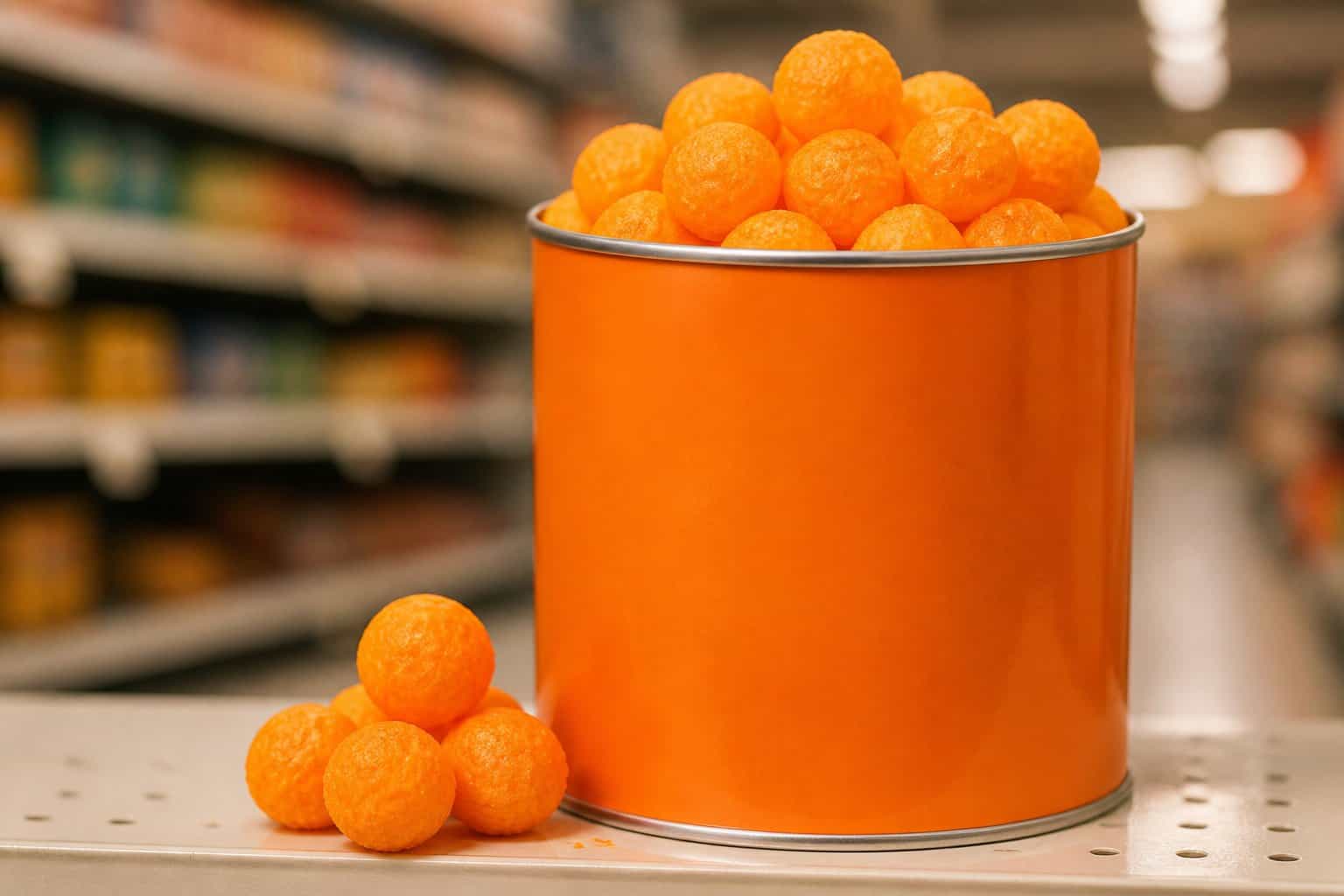
You probably remember the blue canister sitting on grocery store shelves for over two decades. Introduced in 1981, Planters Cheez Balls were crunchy, airy, and coated in bright orange cheese powder that stuck to your fingers.
The snack became a checkout-line staple through the 1990s and early 2000s. Its resealable canister made it convenient for parties, lunchboxes, and everyday snacking.
Kraft discontinued Cheez Balls in 2006 as part of a broader effort to streamline its snack portfolio. You weren’t alone if you noticed their absence and missed the distinctive flavor and texture.
Public demand led Planters to bring back a limited release in 2018. Those batches sold out quickly, and the snack has remained largely absent from shelves since then, leaving you with mostly memories and the occasional resale listing online.
7. Keebler Pizzarias
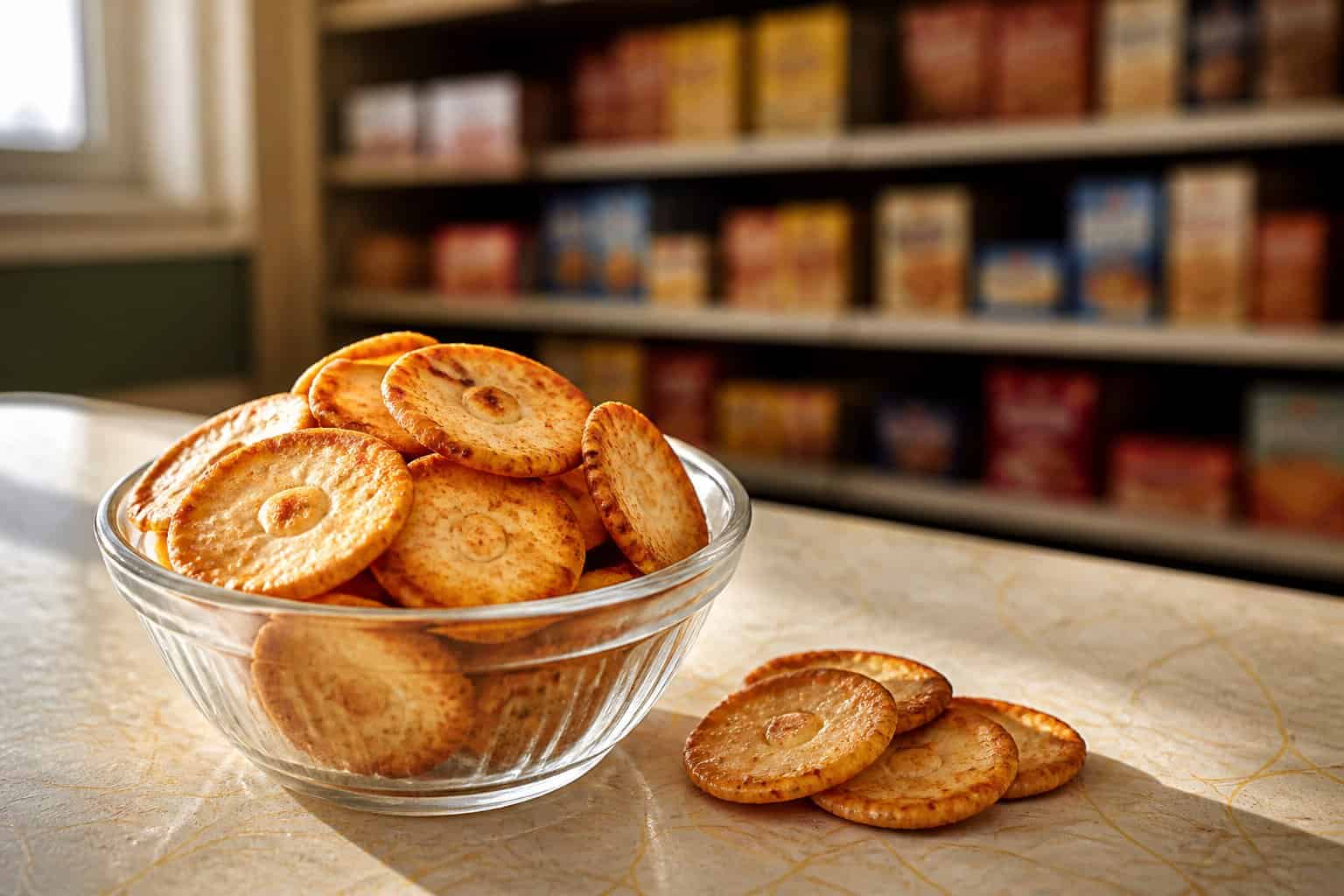
You probably remember Keebler Pizzarias as the chip that actually tasted like pizza, not just a vague seasoning dusted on a potato chip. Keebler launched them in 1991 using real pizza dough, which gave them a distinct texture and flavor that set them apart from other snack chips at the time.
The product performed well right out of the gate. In its first year alone, Pizzarias generated around $75 million in revenue, making it one of Keebler’s most successful snack launches.
Despite that early success, Keebler stopped advertising the chips in 1998, and they gradually disappeared from store shelves by the early 2000s. No official reason was given for the discontinuation, and the company never brought the product back.
If you were a fan, your only option now is nostalgia. Pizzarias remain a frequently mentioned entry on lists of discontinued snacks people wish would return.
8. Doritos 3D
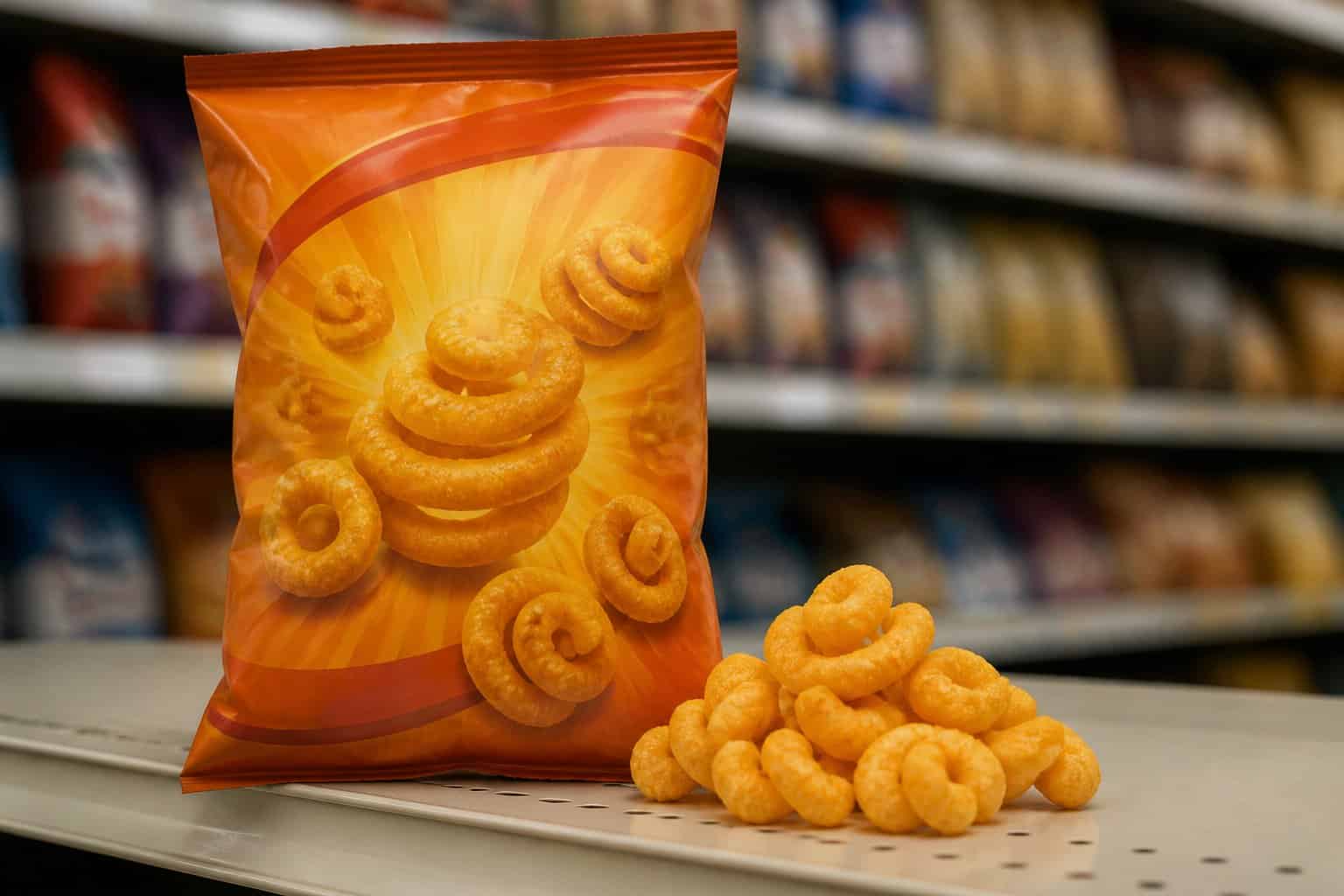
You probably remember these puffed, hollow chips from the late 1990s. Frito-Lay launched them as a novelty snack, and they quickly became a favorite for their crunchy texture and bold flavors.
By the early 2000s, though, you’d have struggled to find them on shelves. The original line was discontinued, leaving fans confused about why a popular product disappeared so abruptly.
Frito-Lay brought them back in December 2020 under the name Doritos 3D Crunch. You might have grabbed a bag during that brief window, since the company gave the snack a modern update while keeping the puffed shape intact.
That comeback didn’t last either. By 2023, the chips vanished again, and Frito-Lay hasn’t offered an official explanation. If you’re hoping to buy them today, you won’t find them in US stores.
9. Oreo O’s cereal
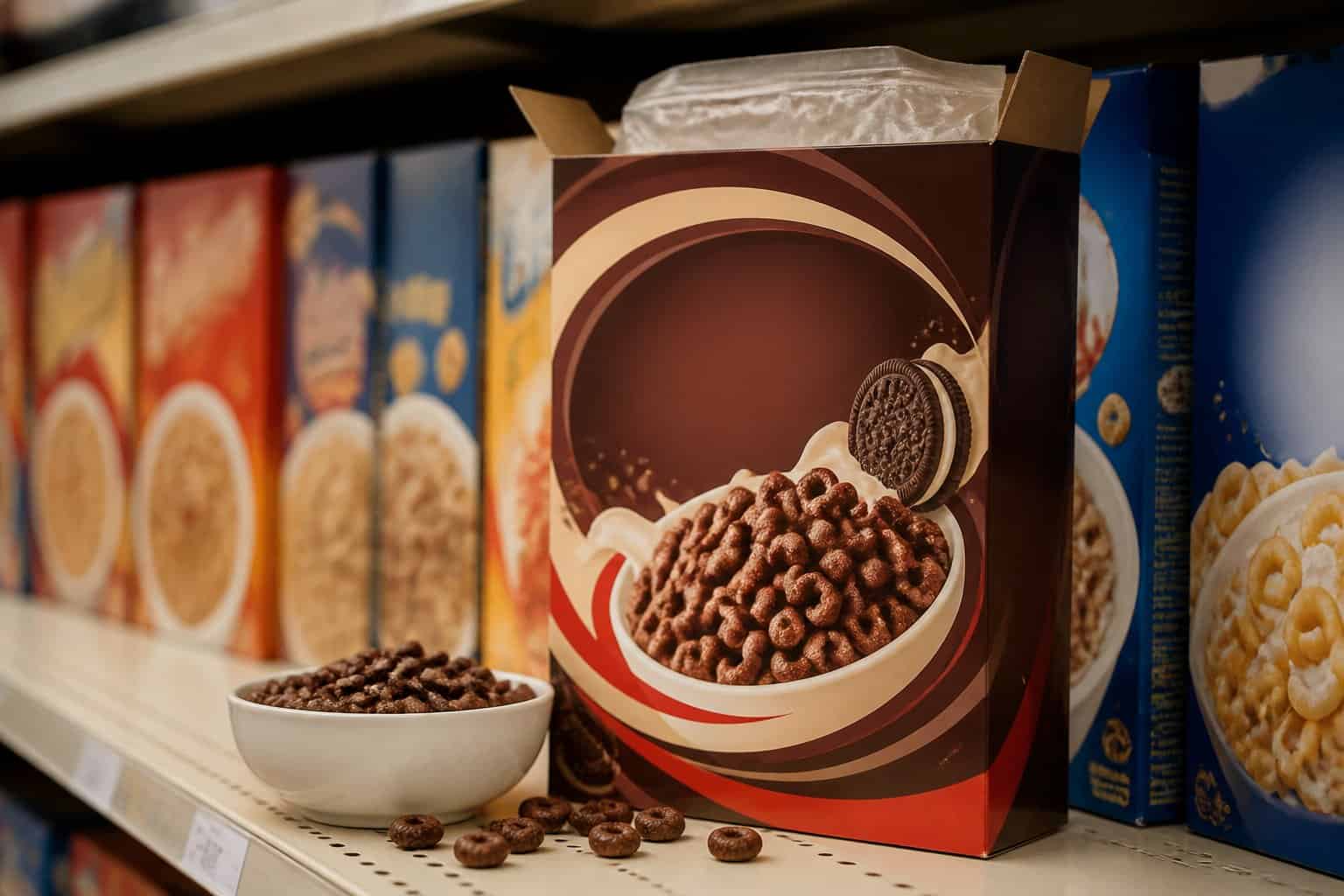
Oreo O’s launched in 1997 as a joint venture between Post and Nabisco. You got a bowl of chocolate, ring-shaped pieces designed to taste like actual Oreo cookies, and the cereal built a loyal following fast.
The trouble started with distribution. Post discontinued Oreo O’s in the US in 2007, though it stayed available in South Korea for years afterward.
You may remember the 2017 return, driven largely by fan demand and online campaigns asking for the cereal back. Post brought it back to US shelves after a decade-long absence.
That comeback wasn’t permanent either. Reports indicate Post discontinued the original version again, even while introducing newer Oreo-branded cereal products.
If you’re tracking its history, Oreo O’s has become a case study in how a product can vanish, return, and vanish again based on shifting sales numbers and company priorities.
10. Waffle Crisp cereal
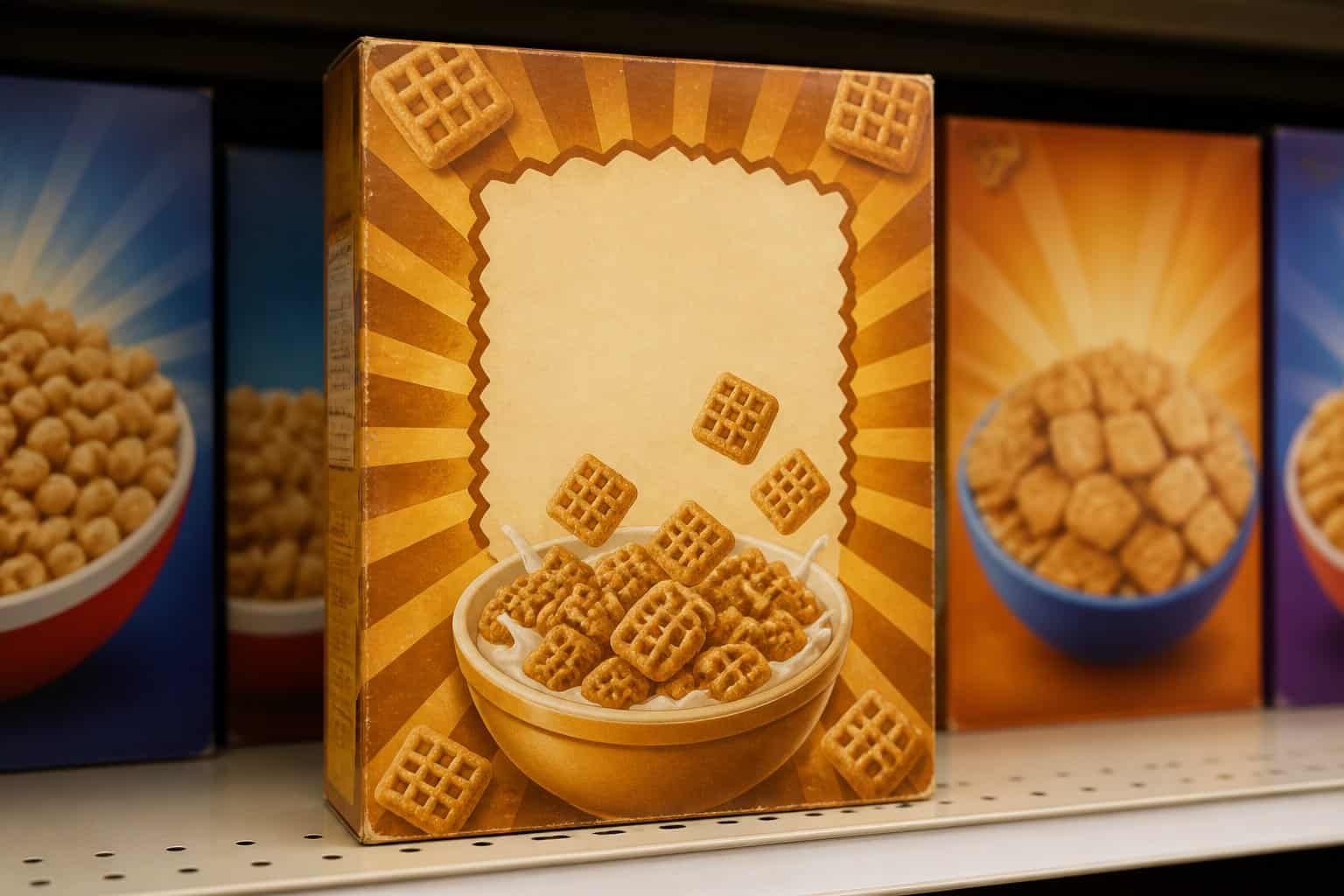
Post launched Waffle Crisp in 1996, and it became known for its waffle-shaped corn pieces coated in maple syrup flavoring. If you grew up eating it, you likely remember how the milk turned sweet and syrupy by the time you finished the bowl.
Post discontinued the cereal in 2017, and you may have noticed it vanish from stores without much explanation. The decision disappointed longtime fans, and online petitions calling for its return followed soon after.
Post responded by bringing Waffle Crisp back to Walmart shelves in 2021, though it initially returned in bags rather than the boxes you might remember. You can now find it sold in boxes again, available in 11.5-ounce and 20-ounce sizes.
If you’re looking for it today, you shouldn’t have much trouble finding it at major retailers.
11. Crispy Wheats ’n’ Raisins
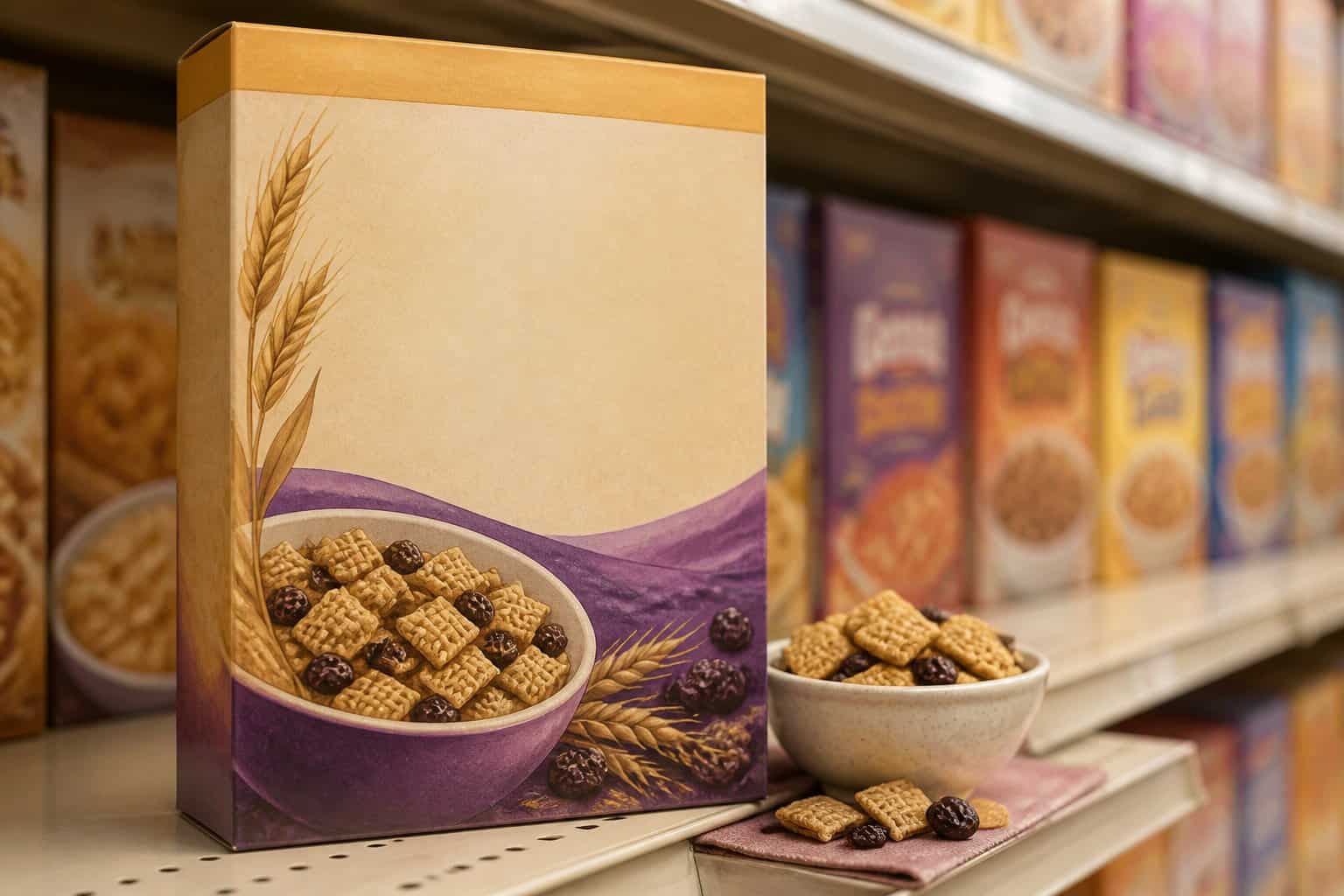
General Mills launched this cereal in 1979 to compete with soggy raisin bran alternatives. You got whole wheat flakes with a light sugar coating, paired with plump raisins. The flakes held their crunch in milk longer than most competitors, which set the product apart.
If you ate breakfast in the 1980s or 1990s, you probably remember the texture contrast between the crisp flakes and chewy fruit. That combination built a loyal customer base over roughly two decades on store shelves.
Despite its following, the cereal eventually disappeared from grocery aisles. General Mills never gave a public explanation for discontinuing it, and no clear market shift explains the decision.
You can still find people online searching for this cereal decades later. Forums and comment sections dedicated to discontinued foods regularly mention it as one shoppers wish would return.
12. Eggo Cereal
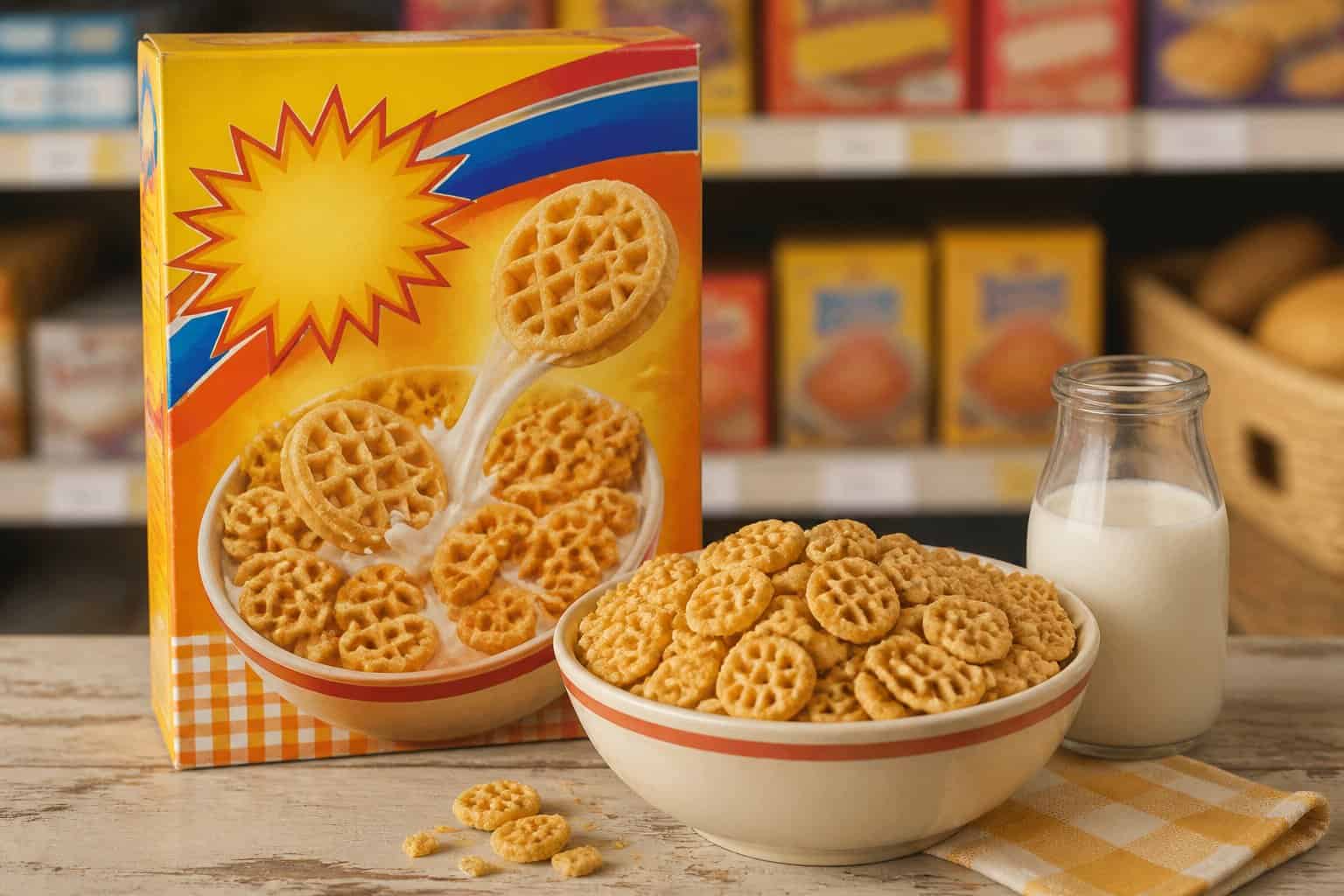
Eggo Cereal hit shelves in 2006, built on the recognizable Eggo waffle branding you already knew from the freezer aisle. Kellogg’s designed it as a multigrain breakfast cereal meant to capture that same waffle flavor in a bowl.
You probably remember it disappearing not long after its debut, as it struggled to find a lasting spot in a crowded cereal category. Sales didn’t hold up, and it quietly left grocery shelves.
The story doesn’t end there, though. Eggo Cereal was reintroduced in 2019 under WK Kellogg Co, the company spun out from Kellogg’s original cereal business.
If you’ve seen it in stores since then, you’re looking at a product that shares its name and branding with Eggo waffles but has had an inconsistent presence over the years. Its history reflects how even recognizable brand names don’t guarantee a permanent place on the shelf.
13. French Toast Crunch
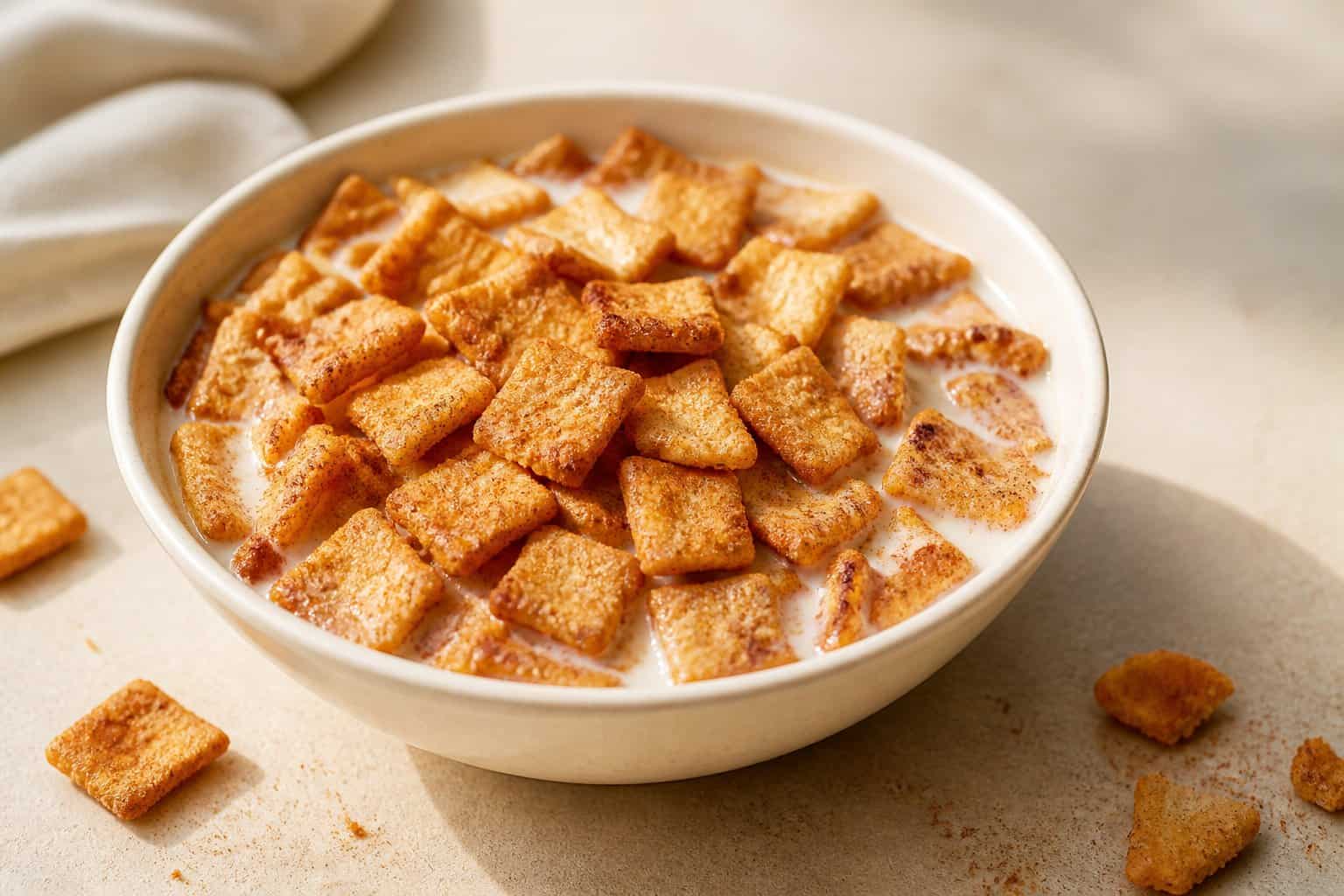
You probably remember French Toast Crunch for its unusual shape. General Mills launched it in the mid-1990s, and the pieces looked like tiny slices of French toast, complete with a cinnamon-sugar coating.
At some point, the company changed the design. The cereal shifted to a thinner, wavy square that resembled Cinnamon Toast Crunch, losing the original French toast look.
You may have noticed it vanish from shelves entirely after that. Sales figures likely played a role, though the exact reasoning behind the discontinuation was never fully explained.
Years later, General Mills brought it back due to demand, particularly from fans who remembered it fondly from childhood. The comeback didn’t last, though, and it disappeared again.
If you’re looking for it now, you may find it inconsistently stocked or unavailable, depending on where you shop.
14. Dunkaroos
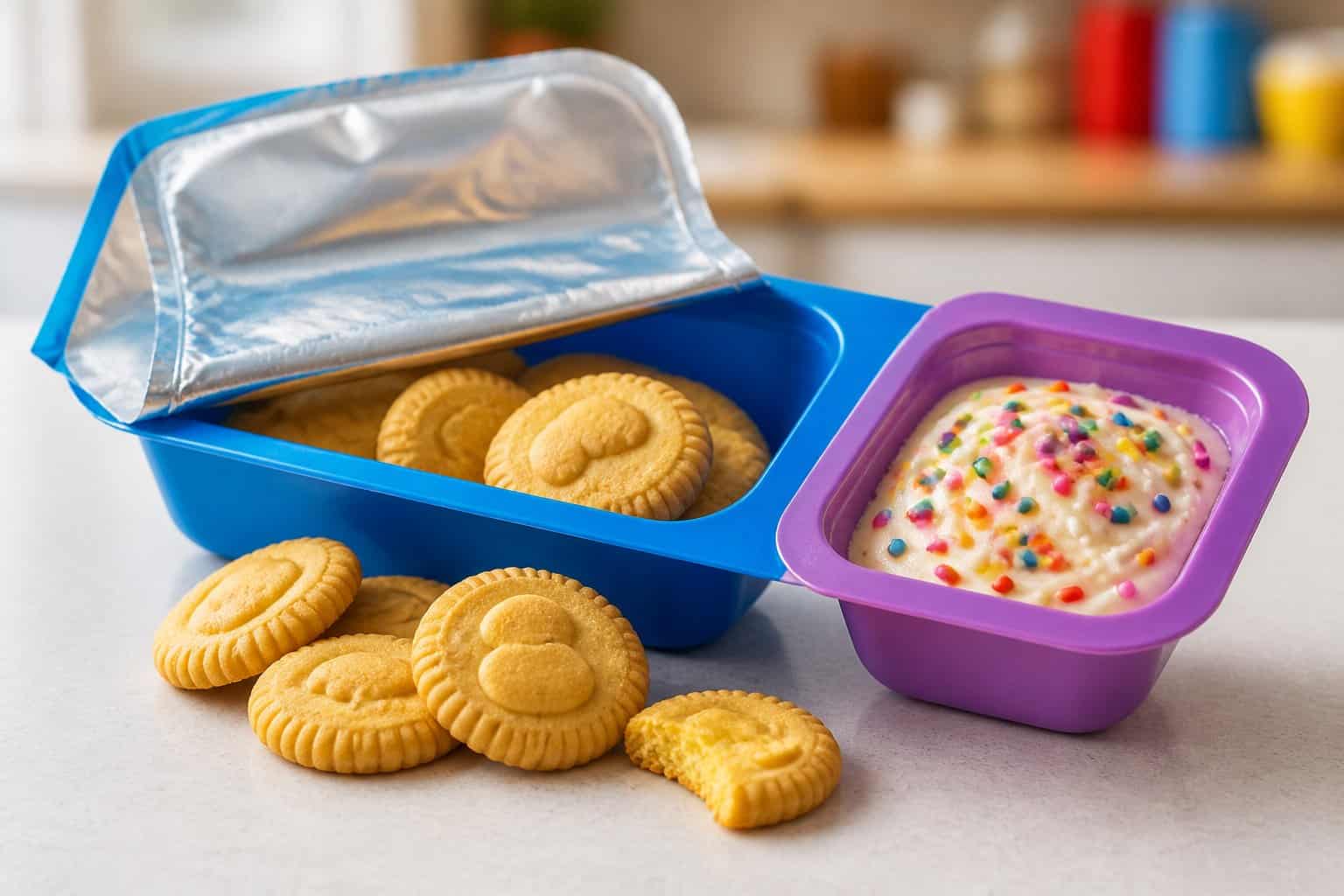
You remember them: cookies paired with a tub of frosting, made for dunking rather than eating plain. General Mills sold them through the 1990s and early 2000s, and they became a lunchbox staple for a whole generation.
In 2012, General Mills pulled Dunkaroos from U.S. shelves. The company shifted its focus toward snacks marketed as healthier, putting more support behind brands like Nature Valley and Larabar instead.
You could still find Dunkaroos in Canada during this gap, which only made their U.S. absence more noticeable. Many fans assumed the snack was gone for good.
General Mills brought Dunkaroos back to American stores in 2020, responding to years of requests and steady online demand. The packaging and branding stayed close to the original.
Some fans have noted that the returning version doesn’t quite match their memory of the original, though the product itself remains largely the same recipe.
15. Shark Bites fruit snacks
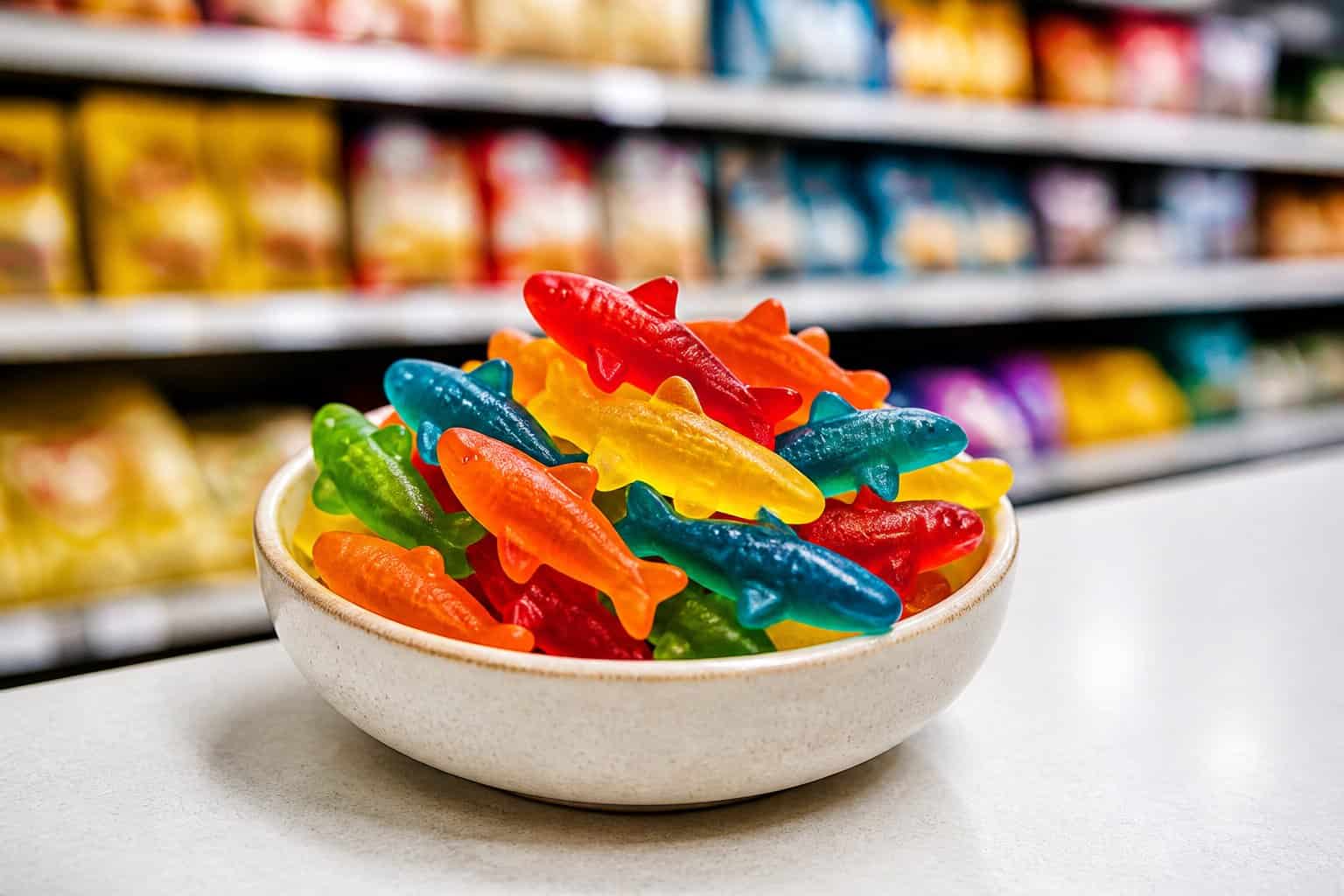
Shark Bites fruit snacks first appeared in 1988 under General Mills’ Fruit Corners line, later shifting to the Betty Crocker brand. You probably remember the shark-shaped gummies for one reason: hunting for the elusive white “great white” shark hidden in each bag.
That single detail turned an ordinary snack into a small game every time you opened a pack. It set Shark Bites apart from other fruit snacks on the shelf.
At some point, General Mills quietly discontinued the product, and it disappeared from stores without much explanation. You can still find shark-shaped fruit snacks from other brands, but they don’t replicate the original recipe or the white shark feature.
A 2024 trademark filing sparked speculation about a possible comeback, though nothing has been confirmed. For now, Shark Bites remain a discontinued snack that former fans still ask about.
16. Fruitopia
You probably remember Fruitopia’s swirled, tie-dye packaging before you remember the taste. Minute Maid launched it in 1994, aiming to grab a piece of the market Snapple had built with flavored teas.
The branding leaned hard into vague, feel-good phrases and psychedelic colors, marketing it to teens and young adults. Flavors like Strawberry Passion Awareness and Kiwiberry Ruckus stood out on shelves.
Despite the buzz, Fruitopia never matched Snapple’s sales. Coca-Cola reportedly lost around $30 million on the brand before pulling it from U.S. shelves by 2003.
You can still find Fruitopia in Canada, though Coca-Cola announced plans to discontinue it there too, citing shifting consumer preferences away from juice concentrates. For most Americans, it remains a distinctly ’90s memory rather than something you’d find at your local store today.
17. Orbitz beverage
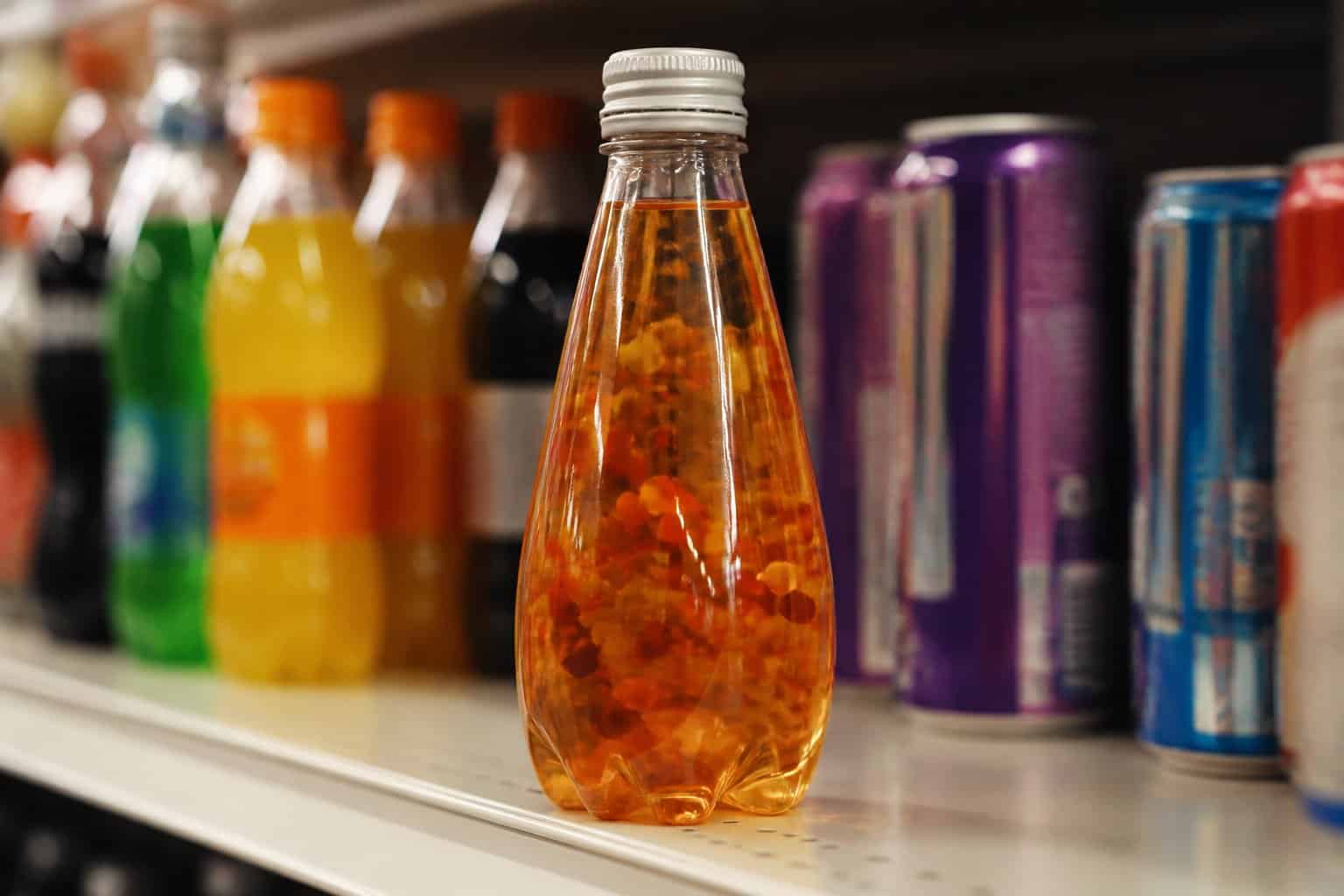
You might remember Orbitz for its odd appearance more than its taste. Made by Clearly Canadian’s parent company, the non-carbonated drink featured small edible jelly-like balls suspended throughout the liquid.
The company marketed it as a “texturally enhanced” beverage. Many people compared its look to a lava lamp you could drink.
Orbitz launched in test markets in 1996 and reached wider distribution by 1997. It came in several fruit flavors, but the novelty wore off fast.
Sales dropped quickly, and the drink disappeared from shelves within about a year. The floating beads that made it stand out visually didn’t translate into repeat purchases.
Today, you can only find Orbitz through collectors who kept unopened bottles as nostalgic memorabilia. It remains one of the clearest examples of a product that prioritized gimmick over substance.
18. Surge soda
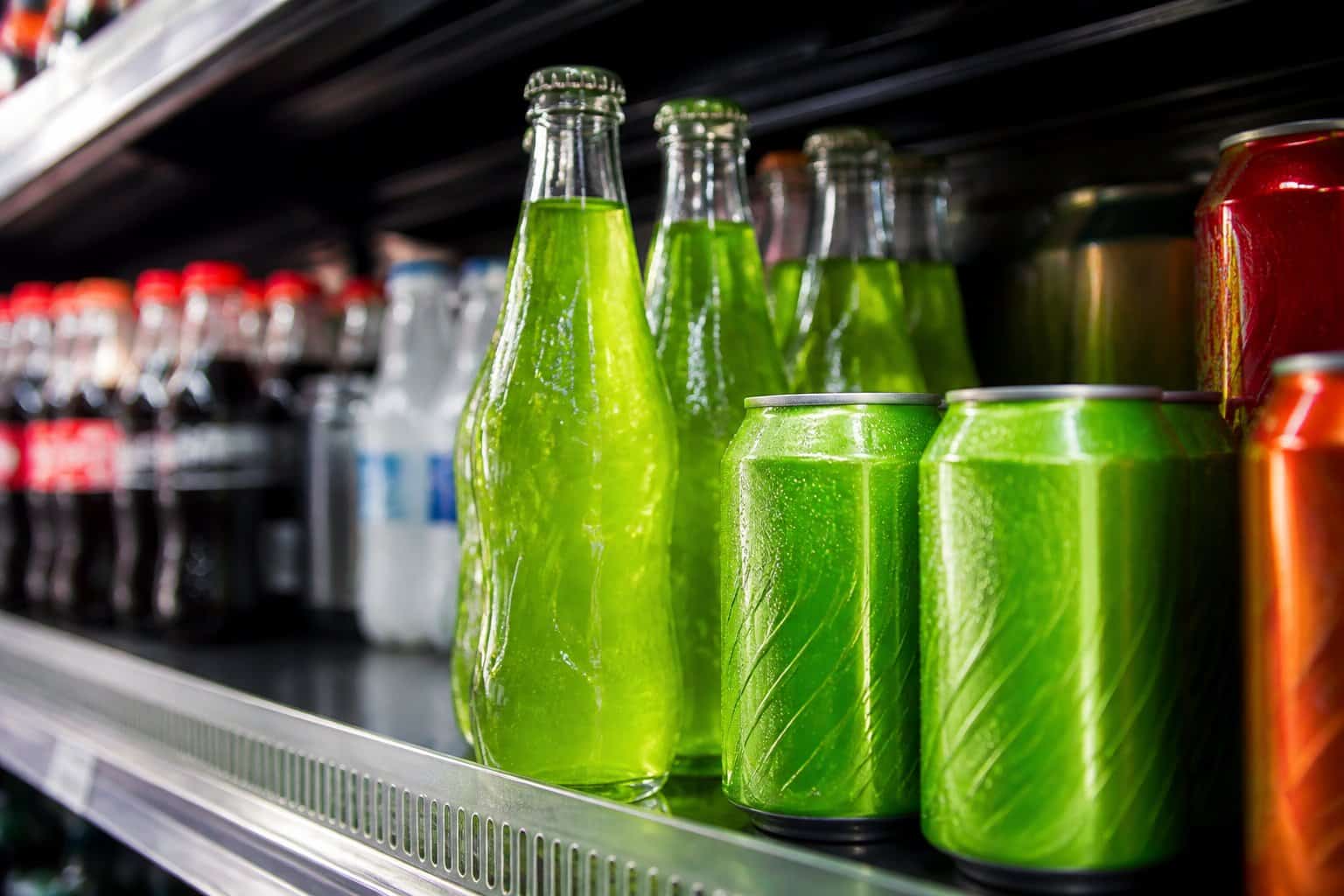
Surge hit shelves in 1997 as Coca-Cola’s answer to Mountain Dew, with a bright green color and a heavy dose of caffeine and sugar. You may remember it as the drink marketed almost entirely toward teenagers chasing an energy boost.
Sales never matched the hype, and by 2003, Coca-Cola pulled it from most stores. Demand had shifted toward energy drinks, and Surge got squeezed out of a crowded soda market.
You weren’t alone if you missed it. A Facebook group with over 300,000 members pushed Coca-Cola to reconsider, and the company brought Surge back through Amazon in 2014.
Today, you’ll rarely spot it in vending machines or coolers, though it occasionally shows up through Burger King’s Coca-Cola Freestyle machines. Unopened cans from its original run now sell online for well over $50.
19. Crystal Pepsi
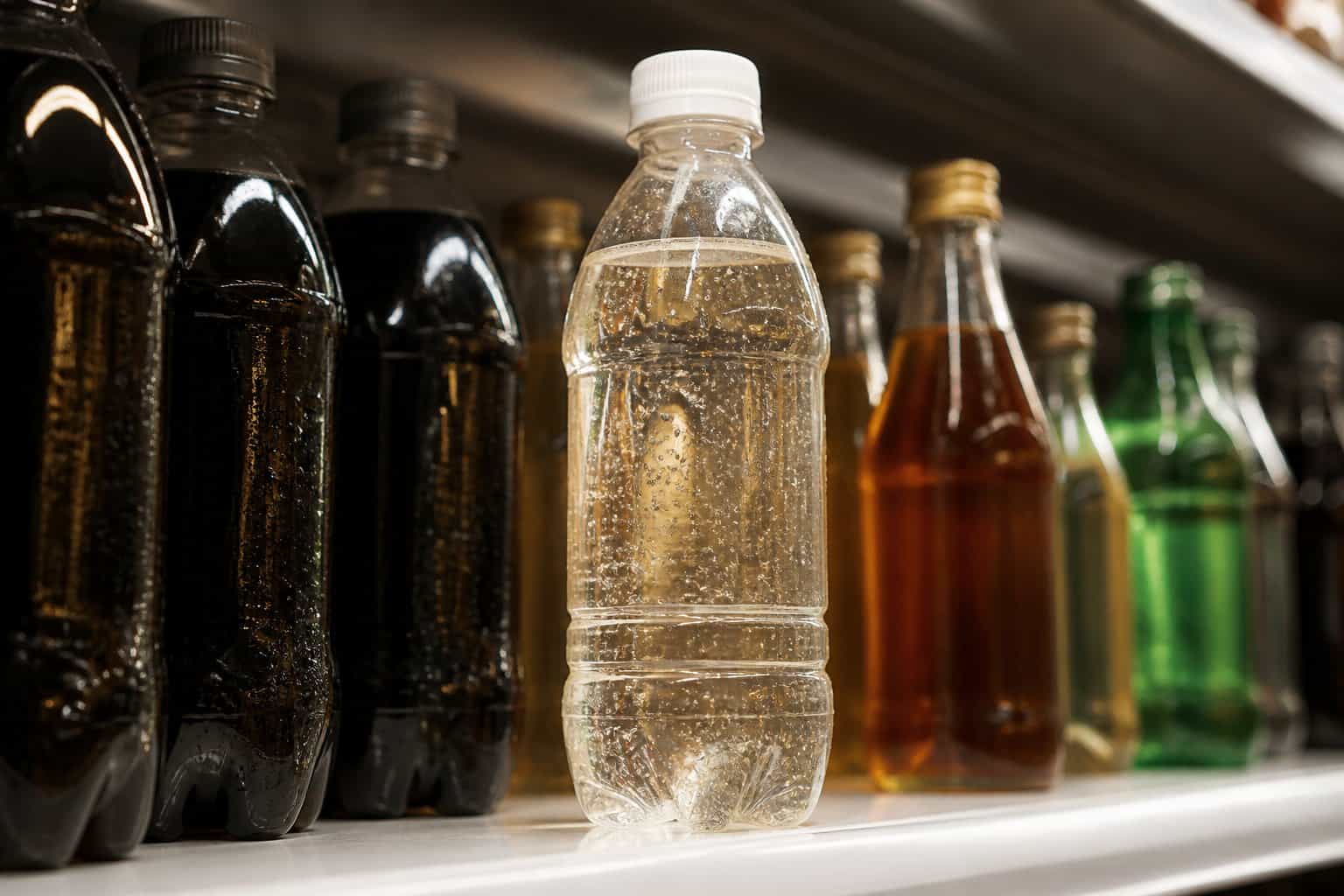
Crystal Pepsi hit shelves in 1992, and you might remember the buzz it created. It was marketed as a clear, caffeine-free cola, riding the era’s fascination with transparent products.
Instead of caramel coloring, Pepsi used modified food starch to give the drink its see-through look. That change also gave it a slightly different taste than regular Pepsi.
The novelty drew you in at first. Sales spiked early on curiosity alone, but they dropped off once the initial interest faded.
By 1994, Crystal Pepsi was pulled from stores. It couldn’t sustain the momentum past its debut year.
You’ve seen it return briefly since then, including a notable 2016 relaunch. Despite these limited comebacks, it never became a permanent fixture in the soda aisle again.
20. Tab soda
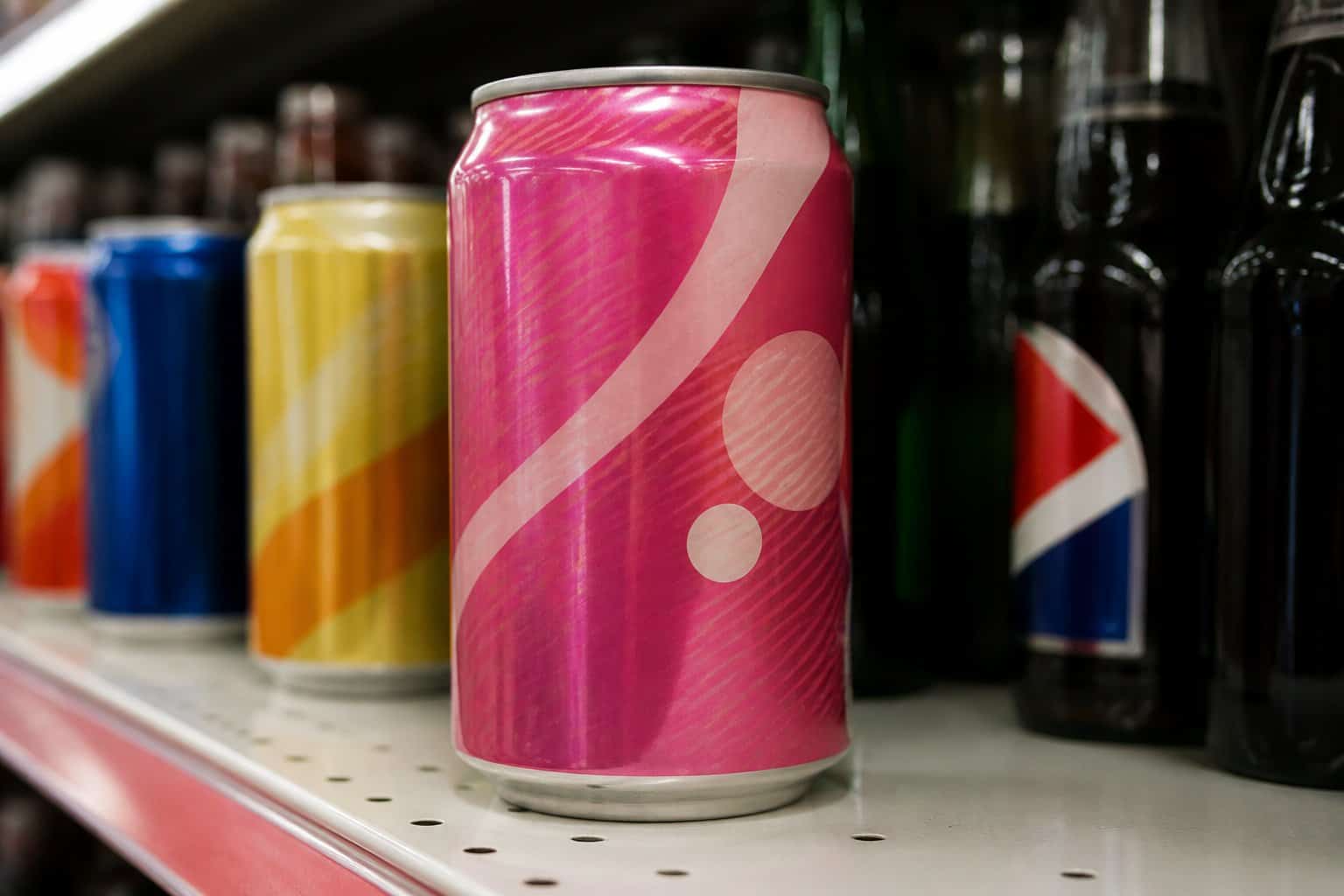
Tab launched in 1963 as Coca-Cola’s answer to Diet Rite, and it became the dominant diet soda for nearly two decades. You may remember its pink can and slightly bitter aftertaste from saccharin, which gave it a distinct flavor unlike modern diet sodas.
When Diet Coke arrived in 1982, you saw Coca-Cola shift its marketing focus almost entirely. Tab still had a loyal following, but shelf space and promotional support dropped steadily over the following decades.
By 2020, Coca-Cola discontinued Tab completely, citing declining sales and a shrinking customer base. If you were one of its dedicated drinkers, you likely noticed the announcement hit hard, since many fans had stuck with the brand for over 50 years.
Today, you can’t find Tab in stores, and Coca-Cola hasn’t indicated plans to bring it back.
21. Clearly Canadian sparkling water
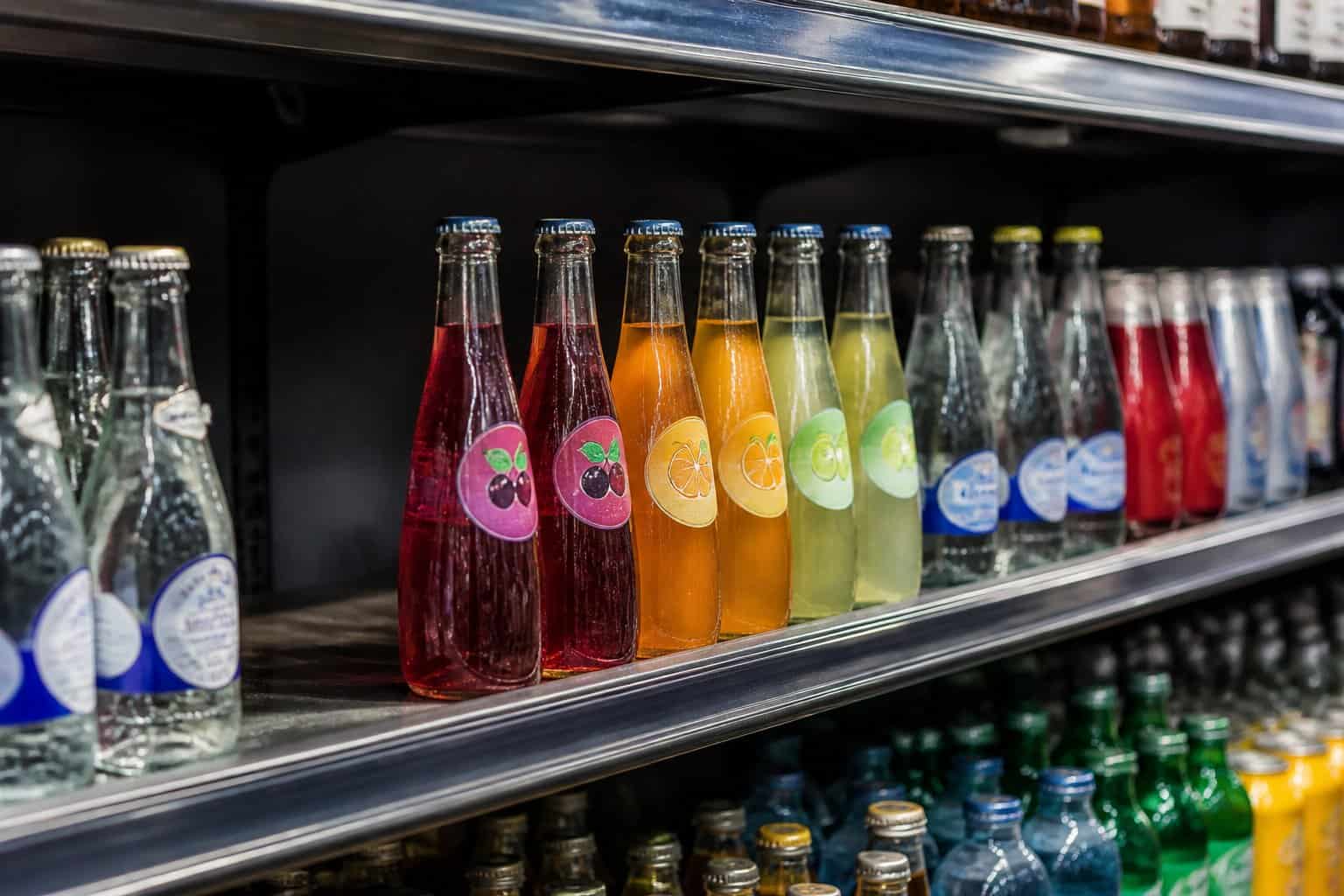
You probably remember the frosted glass bottles and flavors like Mountain Blackberry and Orchard Peach. Clearly Canadian launched in British Columbia in 1987 and became a defining drink of the 1990s.
It stood apart from soda and juice, offering something lighter with a distinct fruit flavor. That novelty made it a fixture in lunch boxes and convenience store coolers for years.
By the 2000s, you would have noticed it vanishing from most shelves. Changing consumer tastes and rising competition in the beverage aisle made it harder for the brand to maintain shelf space.
The company scaled back significantly, and for over a decade, you had few ways to buy it in Canada. It has since returned through select retailers, but its long absence left a lasting gap for anyone who grew up drinking it.
22. Squeezits juice drinks
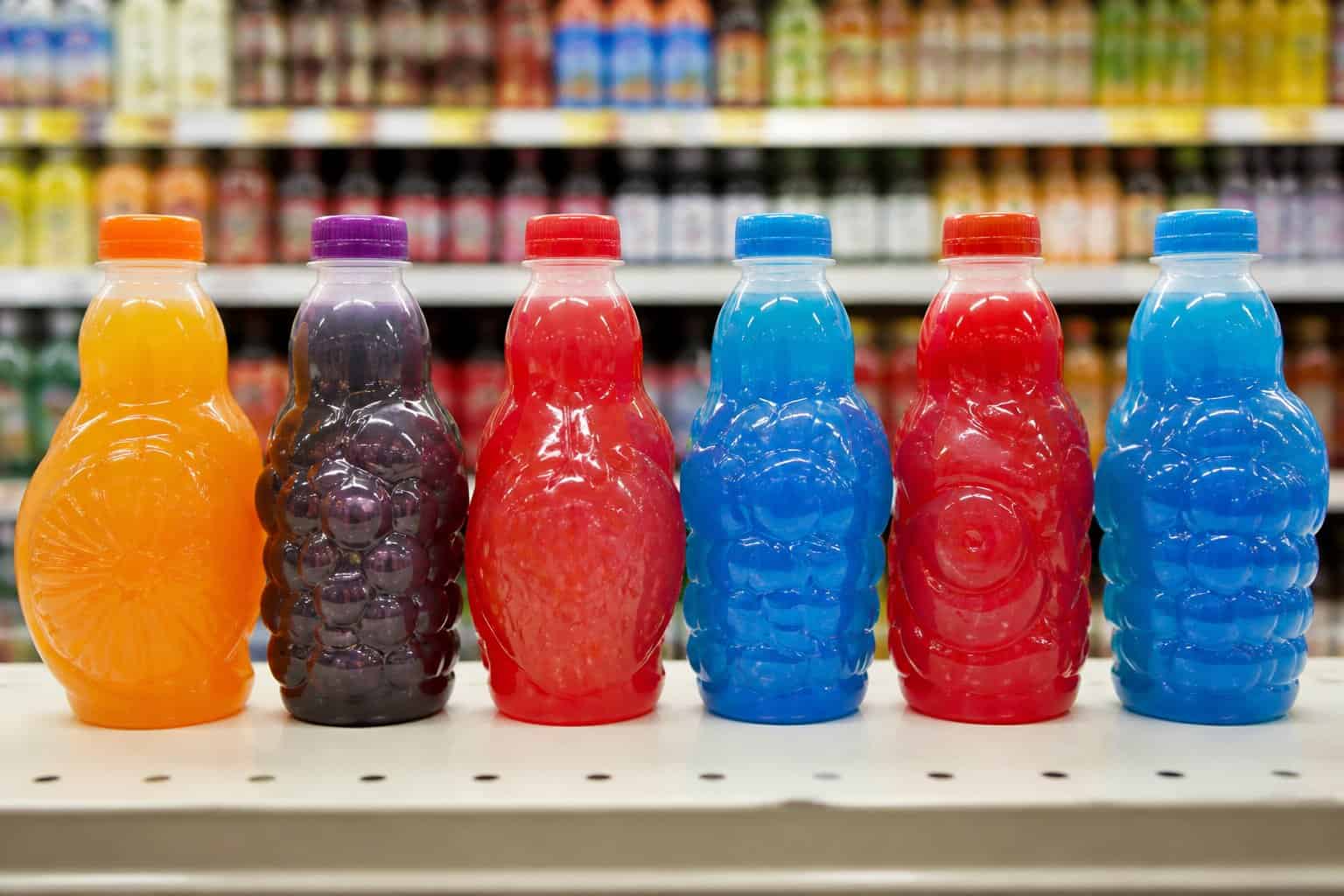
You probably remember Squeezits by the bottle before the taste. General Mills introduced them in 1985, and each container had a plastic cartoon face you twisted off to drink.
The lineup included flavors like Chucklin’ Cherry and Grumpy Grape, each with its own name and personality. That made picking a flavor feel like more of a decision than it should have been.
Squeezits stayed on shelves through the 1990s, but sales slowed by the early 2000s. General Mills pulled them in 2001, though you may have spotted a short comeback between 2006 and 2007.
A final run appeared around 2011 and 2012 before General Mills discontinued the brand for good. No plans exist to bring it back.
23. Hi-C Ecto Cooler
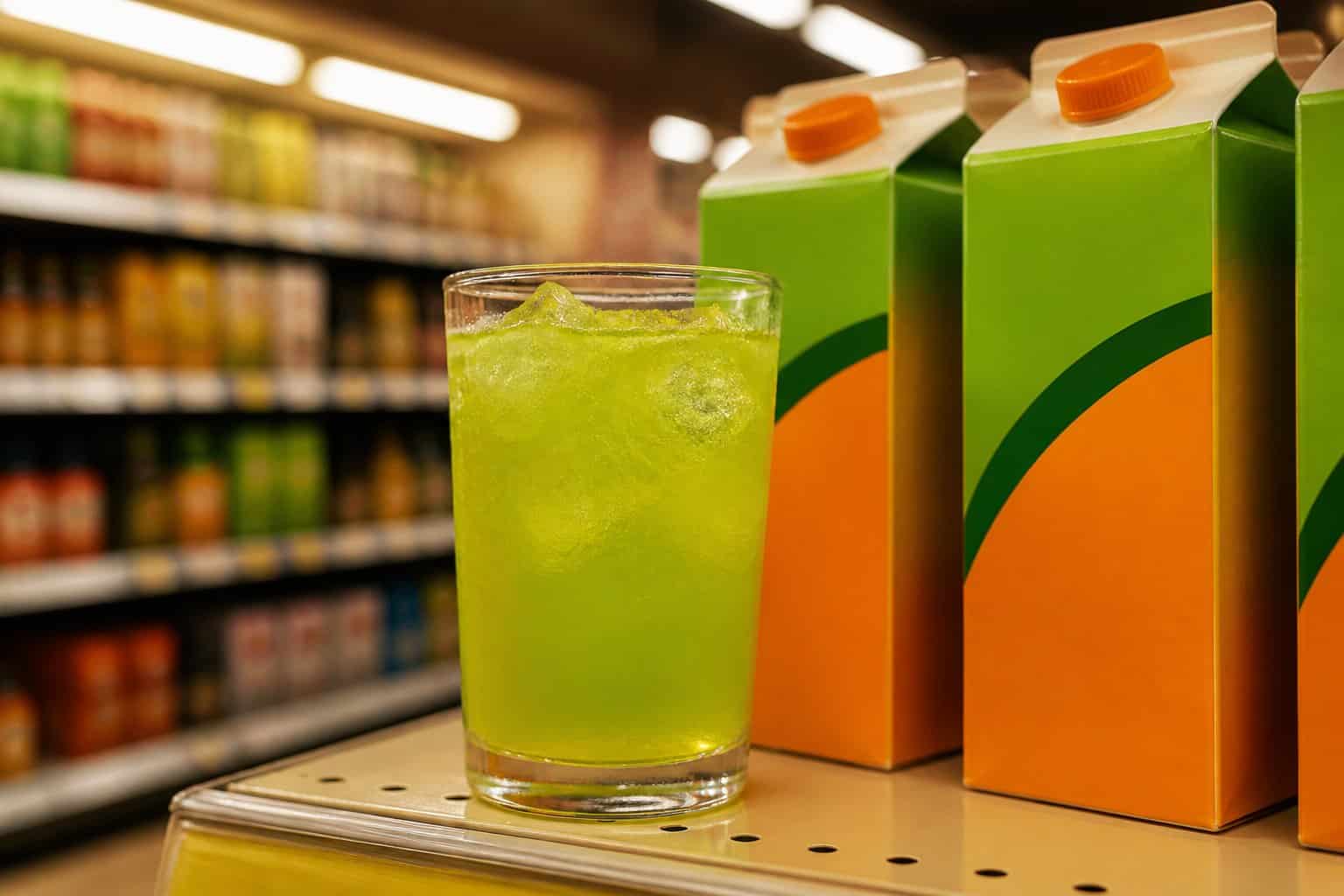
You probably remember this bright green drink from your school lunchbox. Hi-C introduced Ecto Cooler in 1987 as a tie-in with “The Real Ghostbusters” cartoon, and it was really just an existing flavor called Citrus Cooler with new packaging and a Slimer-themed label.
The orange-tangerine blend worked well with the neon green color, which matched the show’s slime aesthetic perfectly.
You watched Slimer disappear from the packaging around 1997, even as the drink stayed on shelves. Hi-C eventually renamed the product Shoutin’ Orange Tangergreen in 2001, dropping the Ecto Cooler name entirely once Ghostbusters lost relevance with younger kids.
If you’re looking for it now, you won’t find it on regular shelves. Hi-C has brought it back briefly a few times for nostalgic fans, but it hasn’t stuck around as a permanent product since the original discontinuation.
24. Minute Maid Premium Lemonade cartons
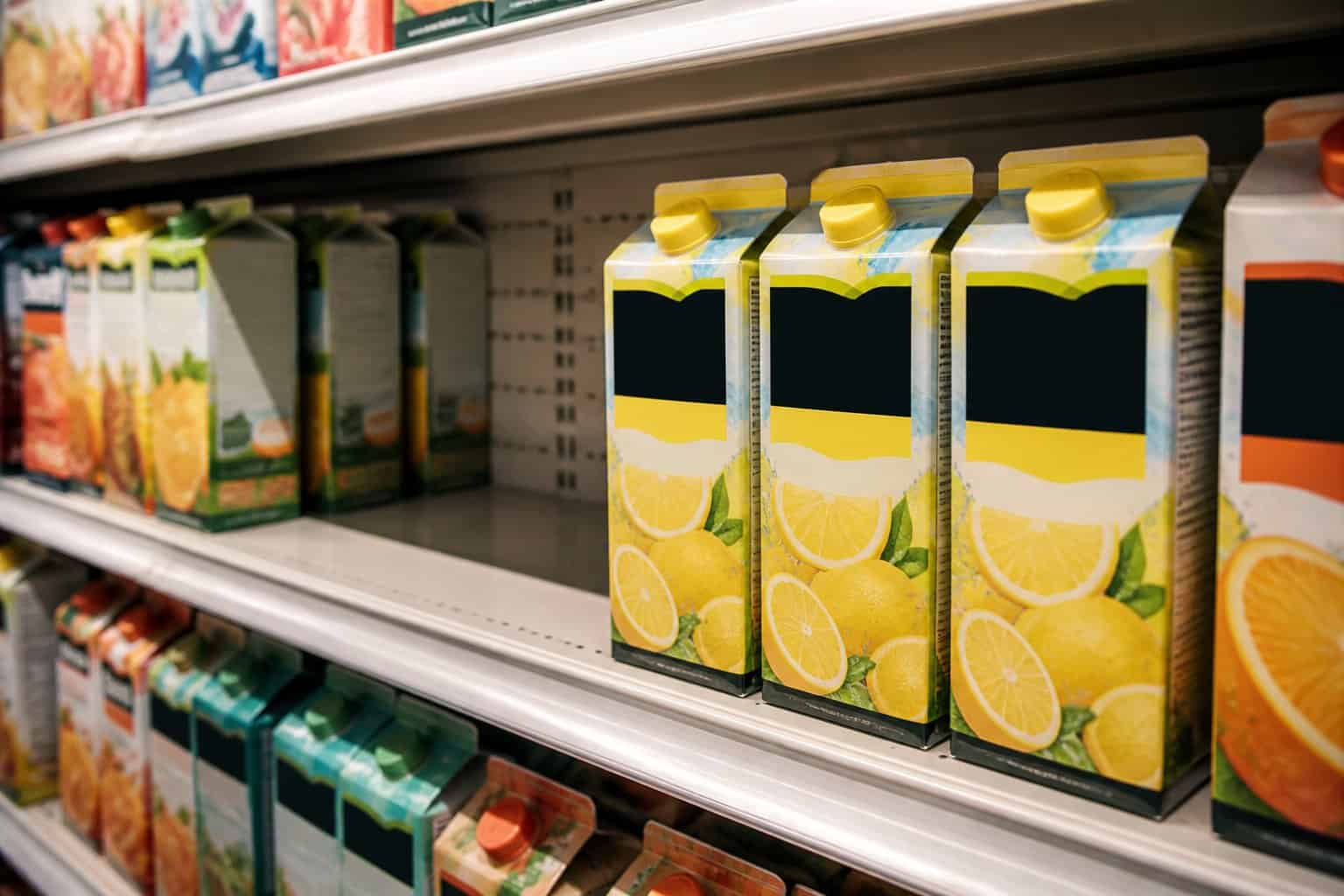
You’ve probably grabbed one of these cartons from the refrigerated juice aisle without giving it much thought. Coca-Cola introduced Minute Maid lemonade in 1980 as an addition to its ready-to-drink carton lineup, and it became a staple for decades.
Grocery habits have shifted since then. You’re more likely to reach for bottled lemonade, flavored water, or a smoothie than a carton from the dairy case.
Coca-Cola’s frozen concentrate versions, including lemonade and limeade, are being phased out as part of this broader shift. If you’re looking for the carton format specifically, availability now varies by store and region, so you may find it inconsistent on shelves.
Minute Maid hasn’t disappeared as a brand. You can still find several of its beverages in other formats, even as this particular product line becomes harder to locate.
25. Coca-Cola Blāk
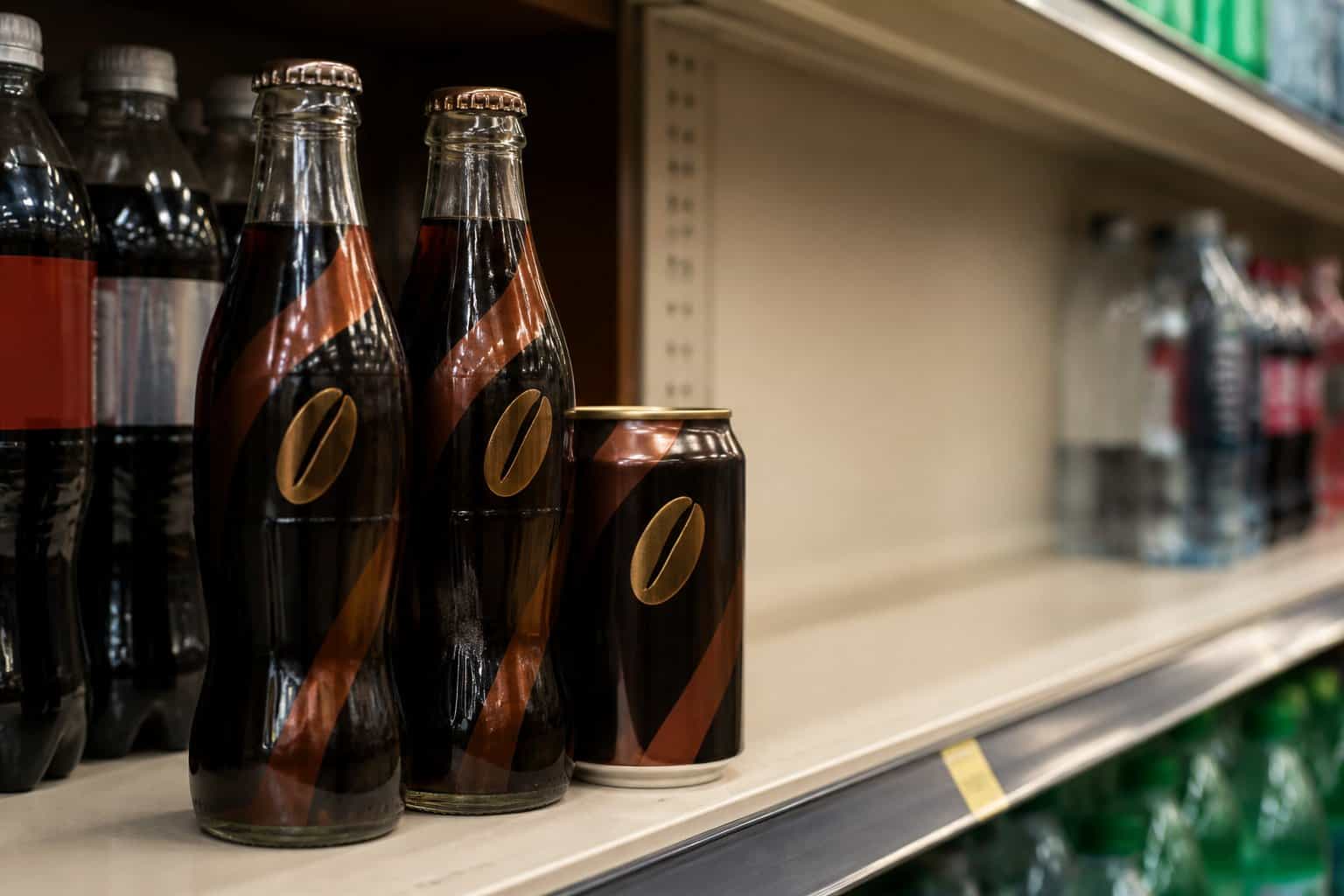
Coca-Cola Blāk hit shelves in 2006, mixing carbonated cola with coffee flavoring. Coca-Cola aimed the drink at adults who wanted something more sophisticated than a standard soda.
You would have found it marketed as a mid-calorie beverage, positioned between regular Coke and Diet Coke. The company launched it in France first, then expanded to other markets including the Czech Republic, Slovakia, and Lithuania.
The flavor combination didn’t win over enough drinkers to keep it profitable. Coffee-cola hybrids proved to be a niche taste that most consumers weren’t seeking out at their local grocery store or vending machine.
By 2008, Coca-Cola pulled Blāk from shelves entirely. The experiment showed you that blending two popular drink categories doesn’t guarantee success, even when a major brand backs the product.
26. Pepsi Blue
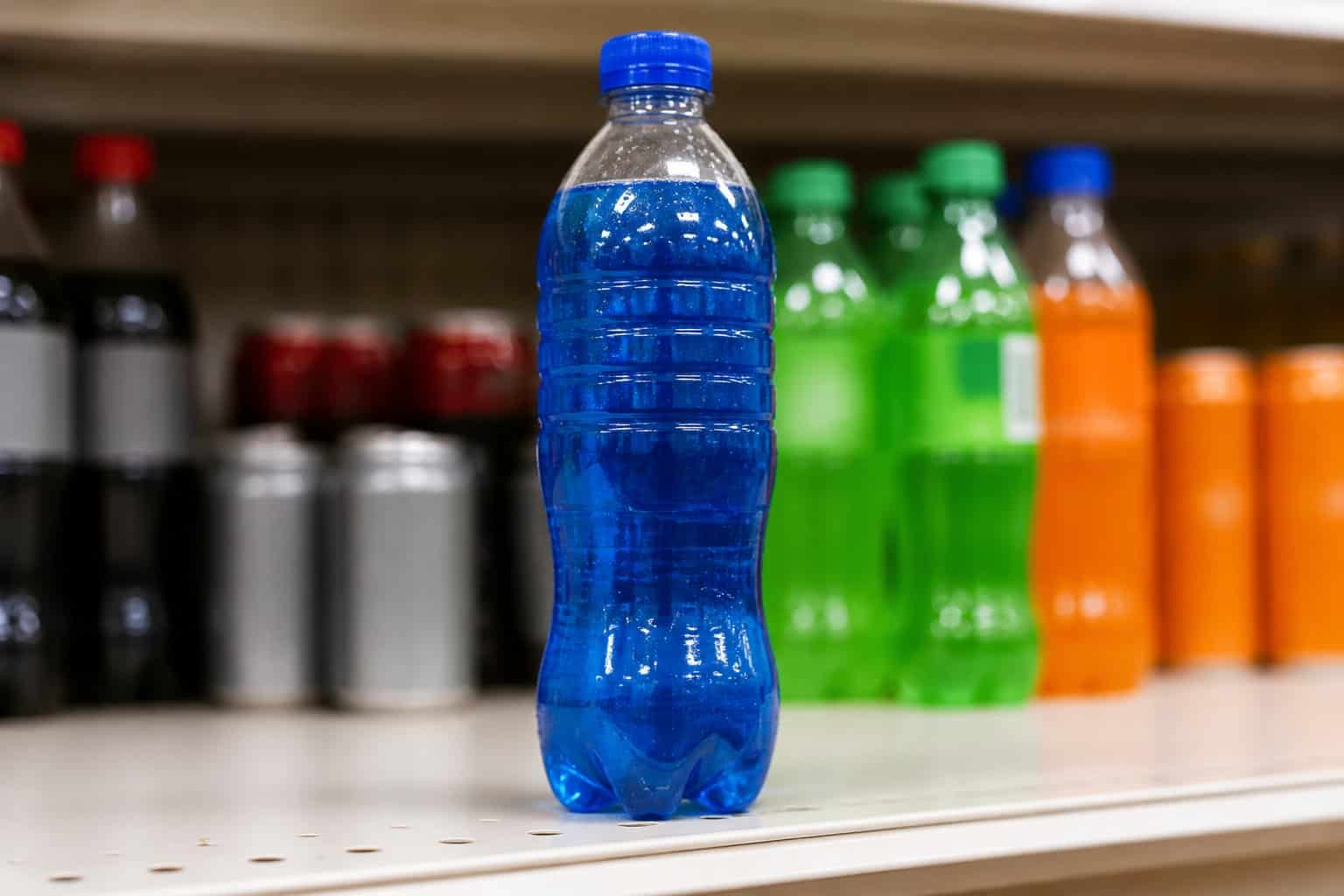
Pepsi released this berry-flavored cola in 2002. You could spot it instantly on shelves thanks to its bright blue color, a clear departure from any standard soda.
The company marketed it toward younger consumers, pairing the drink with tie-in promotions and youth-focused advertising. The flavor itself was sweet, sitting closer to candy than traditional cola.
You may remember it lasting only a few years before Pepsi pulled it from regular distribution. Sales didn’t sustain the initial buzz, and the novelty wore off quickly among casual buyers.
Pepsi brought it back briefly in 2021 as a limited release. If you missed it the first time, that comeback gave you a short window to try it again before it disappeared once more.
Today, you won’t find Pepsi Blue on store shelves. It remains a product tied closely to its early-2000s launch window.
27. Campbell’s Soup at Hand
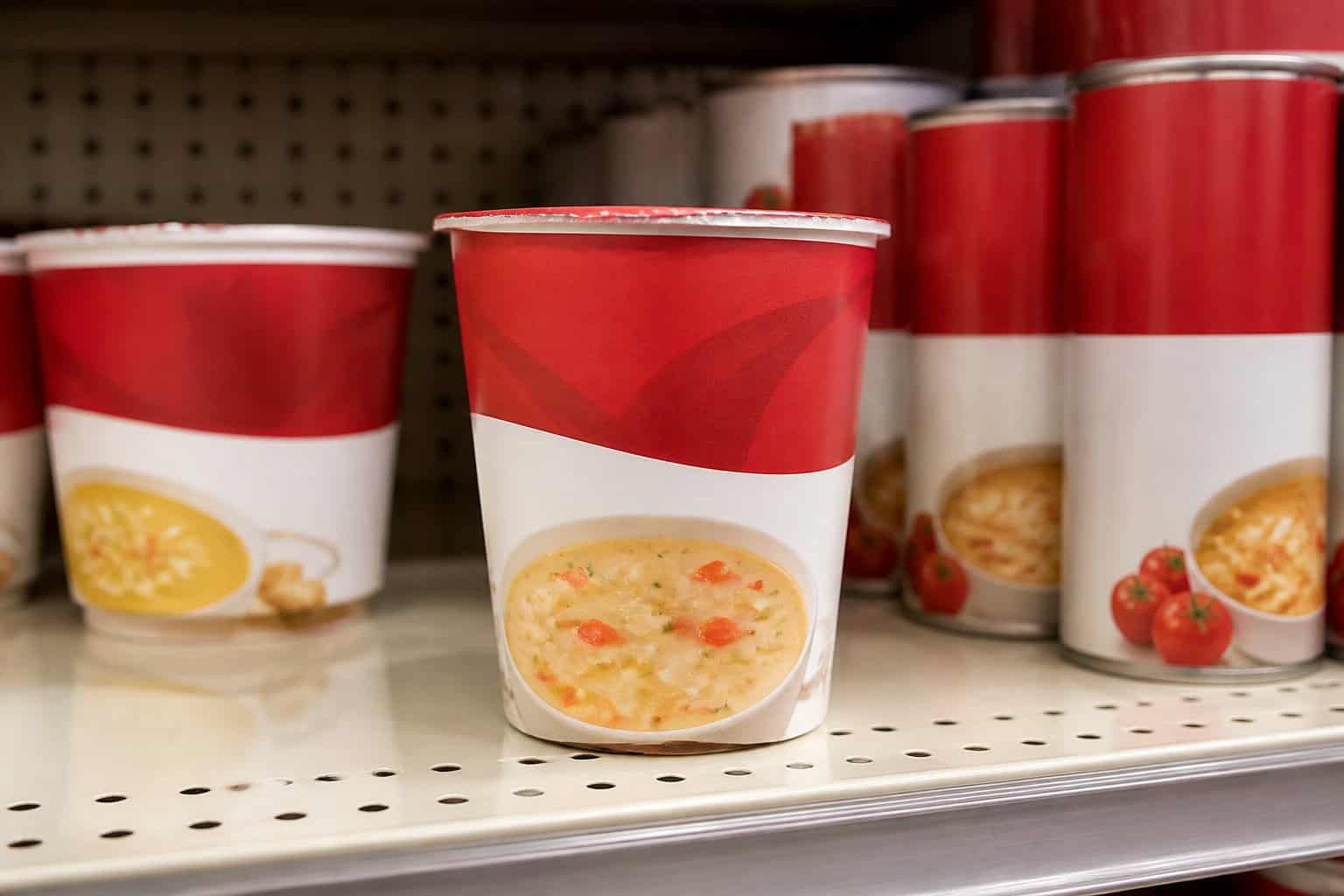
You probably remember these microwavable soup cups sitting near the checkout line or in the office break room. Campbell’s Soup at Hand launched in the early 2000s as a grab-and-go option for people who wanted soup without a bowl or spoon.
The format was simple. You could pop the cup in the microwave for a minute, then drink or sip the soup directly from the container.
Flavors included classics like tomato and chicken noodle, along with some creamier options like broccoli cheese. For a while, you saw these everywhere, especially marketed toward busy professionals and students.
Sales eventually slowed as convenience food competition grew and consumer habits shifted toward other portable snacks. Campbell’s scaled back the product line significantly, and today you’ll rarely spot it on shelves.
If you search for it now, you’ll find limited availability, with some retailers carrying only a few flavors online.
28. Swanson TV Dinner pot pies
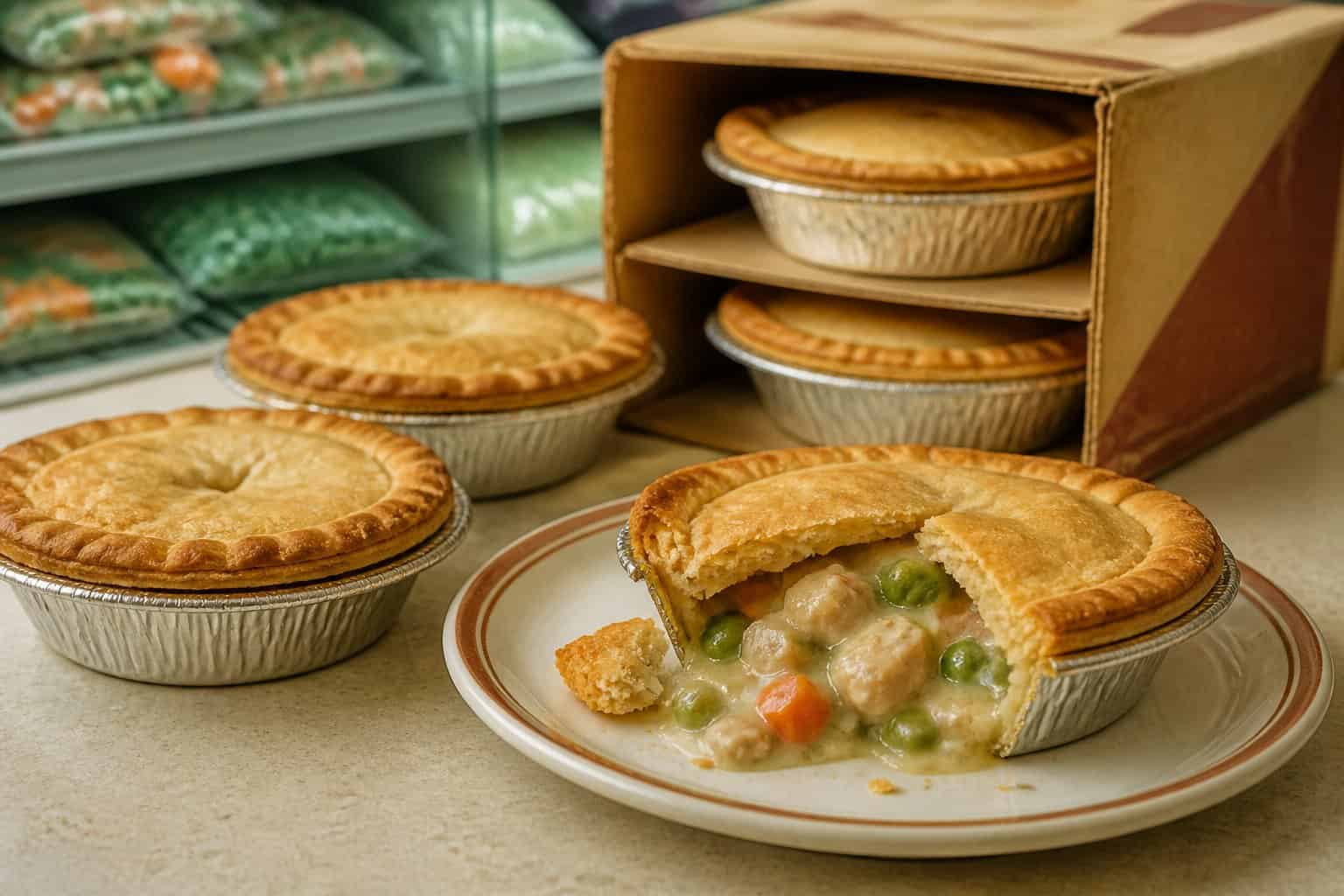
Swanson pot pies were a fixture of frozen food aisles for decades. You could grab a chicken, turkey, or beef version, each one baked in a small foil tin with a flaky crust on top.
They started as a companion product to the original TV dinner line in the 1950s, giving you a single-serving option that felt more like a homemade meal. The format stayed simple: meat, vegetables, gravy, and pastry, ready for the oven.
Over time, larger food companies bought and restructured the Swanson brand, and product lines shifted toward newer packaging and different meal formats. You’ll still find pot pies from other brands on shelves today, but the original Swanson version isn’t part of that lineup anymore.
Changing ownership, along with evolving consumer tastes for fresher or more premium frozen options, pushed this particular product out of production.
29. Banquet Taco Flavored Frozen Dinners
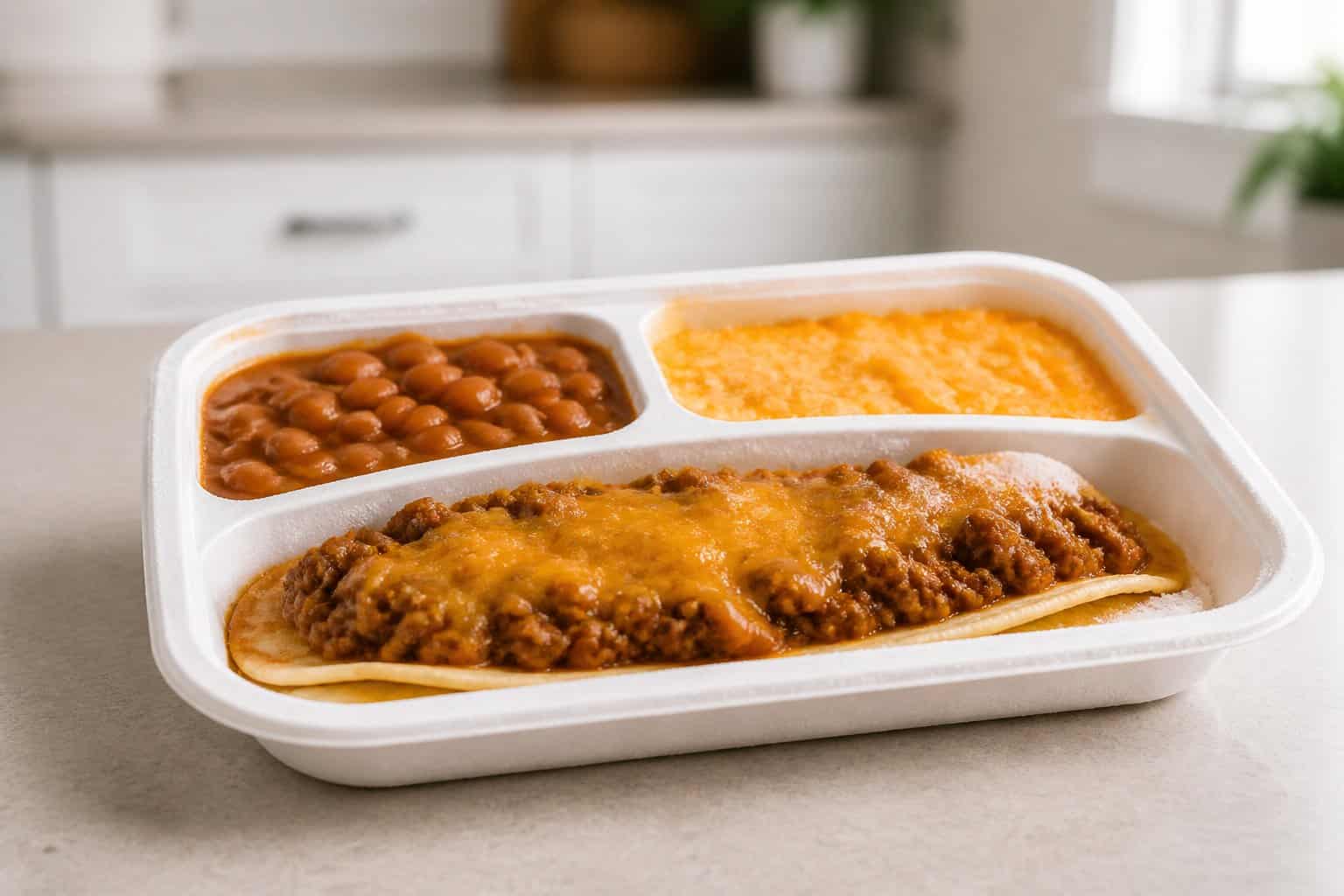
You may remember these from freezer aisles in the 1980s, when Banquet experimented with Mexican-inspired frozen dinners aimed at families wanting something different from the usual meatloaf or fried chicken trays.
The taco flavored dinners typically included seasoned ground beef, a starchy side, and sometimes a small portion meant to resemble taco fillings, all packed into the compartmentalized trays common to that era.
You got convenience rather than authenticity. These meals leaned on mild seasoning and mass-market appeal instead of anything close to traditional flavors.
As tastes shifted and shoppers gained access to better frozen Mexican-style options, Banquet’s version lost its footing. The company eventually pulled it from shelves, folding its efforts back into more dependable staples.
Today, you won’t find this dinner anywhere, though some who tried it still recall the basic, no-frills taste it offered.
30. Stouffer’s French Bread Pizza
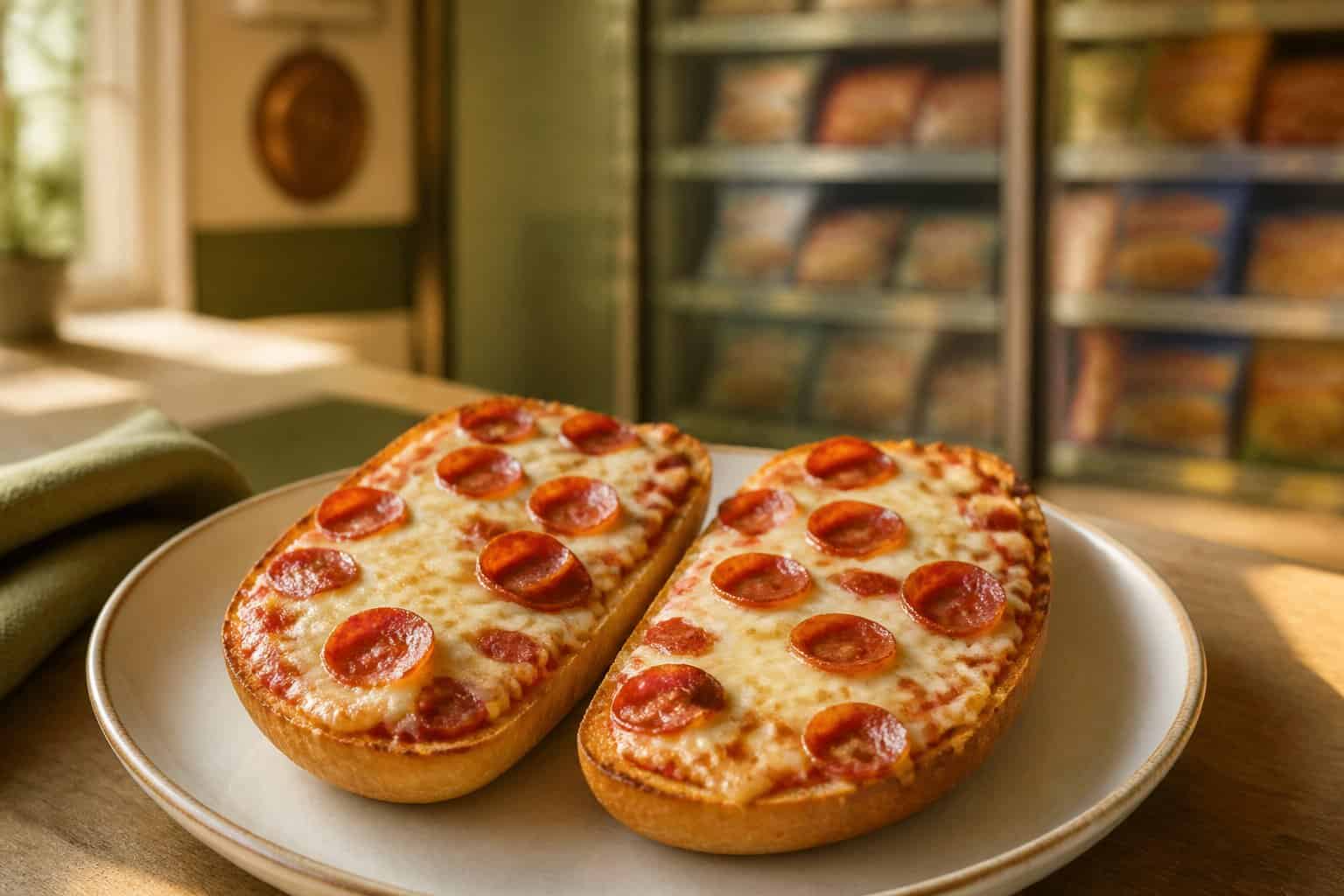
You still remember pulling this out of your toaster oven and waiting for the smell to fill the kitchen. The crispy crust, gooey cheese, and pepperoni made it a fixture in freezer aisles for decades.
It hasn’t actually disappeared. Stouffer’s still makes French Bread Pizza, and you can find it at major grocery chains, Target, and Kroger.
What has changed is the recipe. The brand recently rolled out a “Back to Basics” update, bringing back a crispier crust and a bolder sauce after fans pushed back on earlier changes.
If you’ve noticed empty shelves in your area, that’s more likely a supply or stocking issue than a sign of discontinuation. The pizza remains available in several varieties, including a deluxe version loaded with sausage, mushrooms, and peppers.
Why Familiar Grocery Products Vanish
Products disappear for three main reasons: shoppers stop buying them, retailers reassign the shelf space, or manufacturers can’t keep making them at a viable cost. Each factor works independently, but they often combine to push a slow-selling item out of stores for good.
Changing Consumer Tastes
Your preferences shift faster than most brands can adapt. When you move toward fresher, less processed, or higher-protein options, older products lose sales volume month over month.
Sugary cereals, canned meats, and heavily processed snacks have all felt this shift. Once a product’s sales drop below a certain threshold, retailers see little reason to keep stocking it.
Health trends play a large role here. If you’re buying less sodium, less sugar, or fewer artificial ingredients, brands built around those attributes struggle to compete.
Generational buying habits matter too. Younger shoppers often skip items their parents relied on, favoring newer formats or brands they discover through social media rather than traditional advertising.
Retailer Shelf-Space Decisions
Grocery stores operate on strict data. Every product on the shelf earns its space through sales velocity—how quickly it sells relative to the space it occupies.
When you buy an item inconsistently, retailers notice. Category managers routinely review performance data during seasonal resets, and items that underperform get cut to make room for faster-moving competitors.
Shelf space is limited and expensive, so retailers prioritize:
- High-turnover items
- Products with strong margins
- Brands with active marketing support
- Items that fit current merchandising trends
If a product doesn’t meet these standards, it disappears regardless of how loyal its smaller customer base might be.
Supply Chain And Ingredient Challenges
Even popular products can vanish if manufacturers can’t produce them reliably. Ingredient shortages, packaging material costs, and supplier disruptions all affect whether a brand can maintain consistent output.
You may notice this most with items relying on a single specialty ingredient or a narrow supplier base. When that source becomes unstable, brands sometimes discontinue the product rather than absorb rising costs.
Labor shortages and transportation issues add further strain. Manufacturers weigh whether continuing production is financially sustainable, especially for niche items with smaller profit margins.
In some cases, reformulations replace the original product entirely, changing texture, taste, or packaging enough that you may not recognize it as the same item you used to buy.
How Grocery Stores Foods That Quietly Disappeared: How Shoppers Can Find Discontinued Favorites
Some discontinued products still turn up in unexpected places, while others require a substitute. Your best options depend on how the item disappeared and whether a similar version still exists somewhere on the market.
Checking Regional And Independent Stores
National discontinuations don’t always apply to smaller chains or regional grocers. You may find that a product pulled from major retailers is still stocked in independent stores that order through different distributors.
Ethnic grocery stores, closeout retailers, and small-town markets often carry inventory that large chains no longer bother with. These stores sometimes buy overstock or continue relationships with smaller manufacturers.
It helps to call ahead rather than drive around guessing. Ask store employees directly, since many keep informal knowledge of which older products still move through their shelves.
Exploring Online Resellers With Caution
Specialty resale sites and online marketplaces sometimes list discontinued snacks, cereals, or canned goods, particularly items with strong nostalgic followings. You can search these platforms by exact product name, including old packaging text, to narrow results.
Be careful with expiration dates and storage conditions before buying. Food listed as “vintage” or “collectible” is not always safe to eat, even if it’s sealed.
Warning signs to watch for:
- No visible expiration or manufacture date
- Inflated prices for common, non-rare items
- Sellers unwilling to answer questions about storage
Stick to reputable sellers with verified reviews, and treat unusually old food as a display item rather than something to consume.
Finding Comparable Current Products
When the original item is truly gone, a close substitute is often available. Many brands reformulate or rename products rather than eliminate them outright, so checking newer packaging can reveal a direct replacement.
Store brands frequently mimic the flavor profile of older name-brand items no longer in production. This applies especially to cereals, snack cakes, and canned goods.
You can also compare ingredient lists between the discontinued product and current options to identify the closest match. This method works well for basic pantry items where recipes tend to overlap across brands.