
The 30 Worst Dollar Tree Foods According to Shoppers
Dollar Tree has built its business on low prices, and that appeal keeps shoppers coming back for everyday groceries. Not every item on the shelf meets the same standard, though, and some food products have earned a reputation for disappointing taste, quality, or value.
If you shop at Dollar Tree for groceries, knowing which items shoppers consistently flag as poor choices can help you avoid wasting money. Reviews and customer feedback point to specific foods and drinks that fall short, whether due to unusual ingredients, bad taste, or packaging that doesn’t hold up. This list breaks down the items you may want to skip on your next trip.
1. California Farms Evaporated Filled Milk
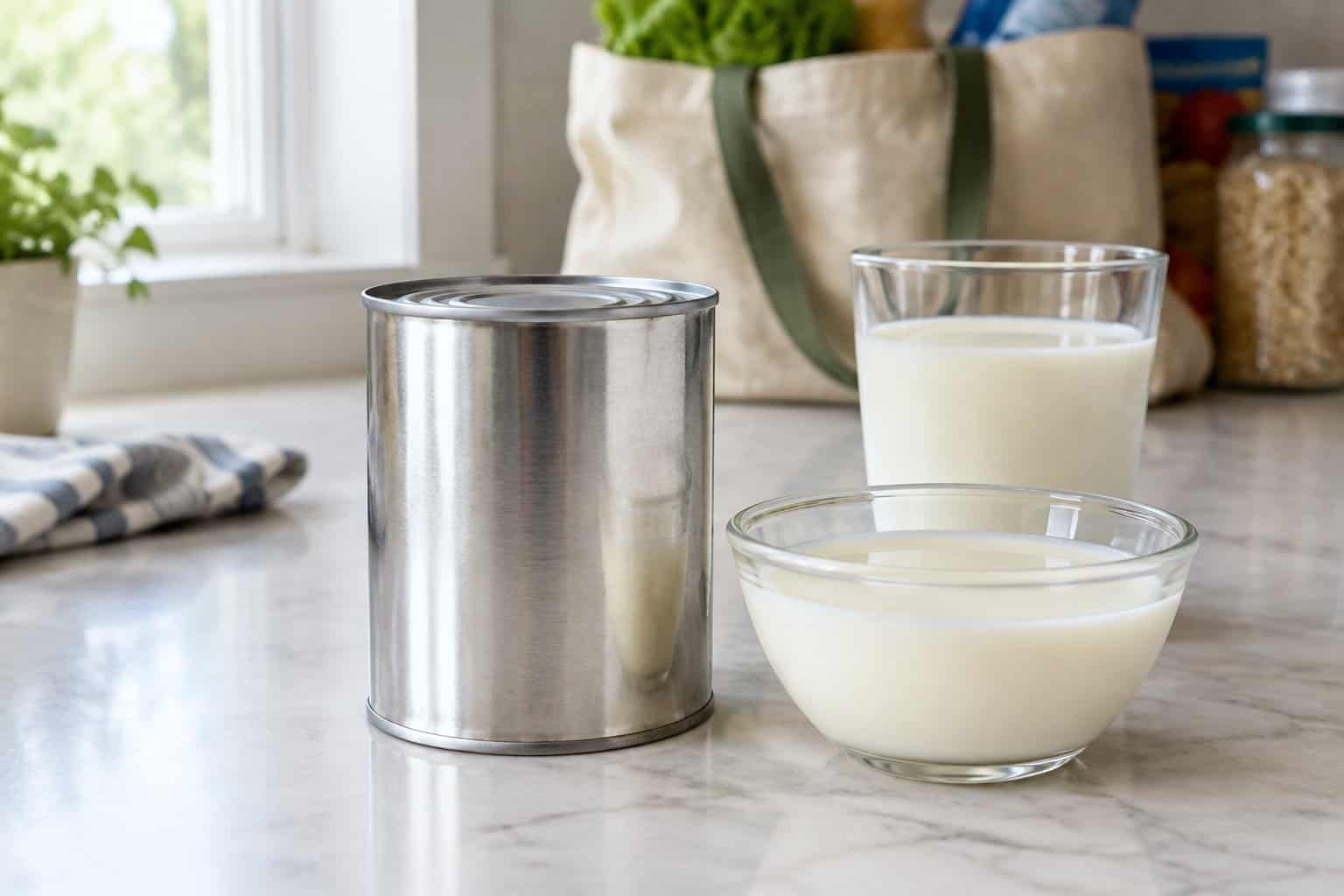
This product sits near the top of shopper complaint lists for a reason. Many buyers expect a can of evaporated milk and instead get something labeled “filled milk,” meaning some of the milkfat has been replaced with vegetable oil, often soybean oil.
You’ll notice this listed as the second ingredient on the label, which surprises people who assumed they were buying a straightforward dairy product. Reviewers have described an odd taste that doesn’t match what you’d expect from traditional evaporated milk.
If you use this in coffee, sauces, or baking, you may notice a difference in texture and flavor compared to standard brands. For recipes where milk is the star rather than a background ingredient, this gap becomes more noticeable.
A better choice is a name-brand evaporated milk from your regular grocery store. You’ll pay a bit more, but you get a product made from actual dairy without the vegetable oil substitution. Checking the ingredient label before buying any evaporated milk helps you avoid this issue altogether, regardless of where you shop.
2. Canned Vienna Sausages
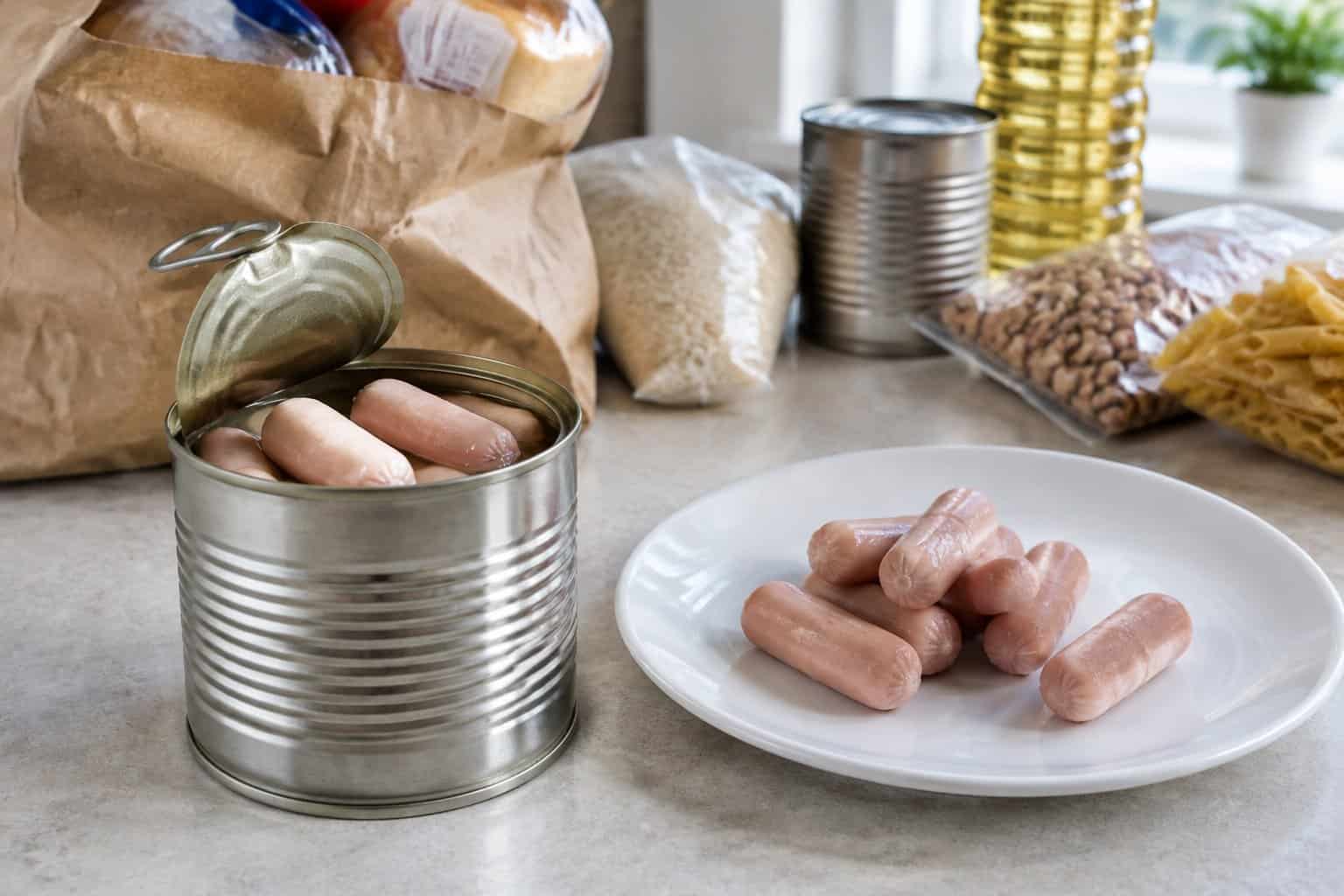
Armour Original Vienna Sausages sell for under a dollar at Dollar Tree, but many shoppers say the low price reflects the quality. You’ll find complaints about a mushy, overly processed texture that some describe as closer to baby food than sausage. The flavor gets criticized too, with several reviewers calling it bland or overly salty with little actual meat taste.
If you pair these with crackers, you may notice the sausages don’t hold up well on their own, needing extra seasoning or condiments to be palatable. Some shoppers specifically note that saltines work better than club crackers for balancing out the lack of flavor, which tells you something about how mild the sausages really are.
A better alternative is to spend a little more at a regular grocery store for a name-brand Vienna sausage or small-batch canned meat with higher meat content and less filler. You could also look for canned chicken or tuna packed in water, which gives you more protein per dollar without the questionable texture. Checking the ingredient list before buying canned meat products in general will help you avoid disappointment, since fillers and sodium levels vary widely between brands.
3. Canned Potted Meat
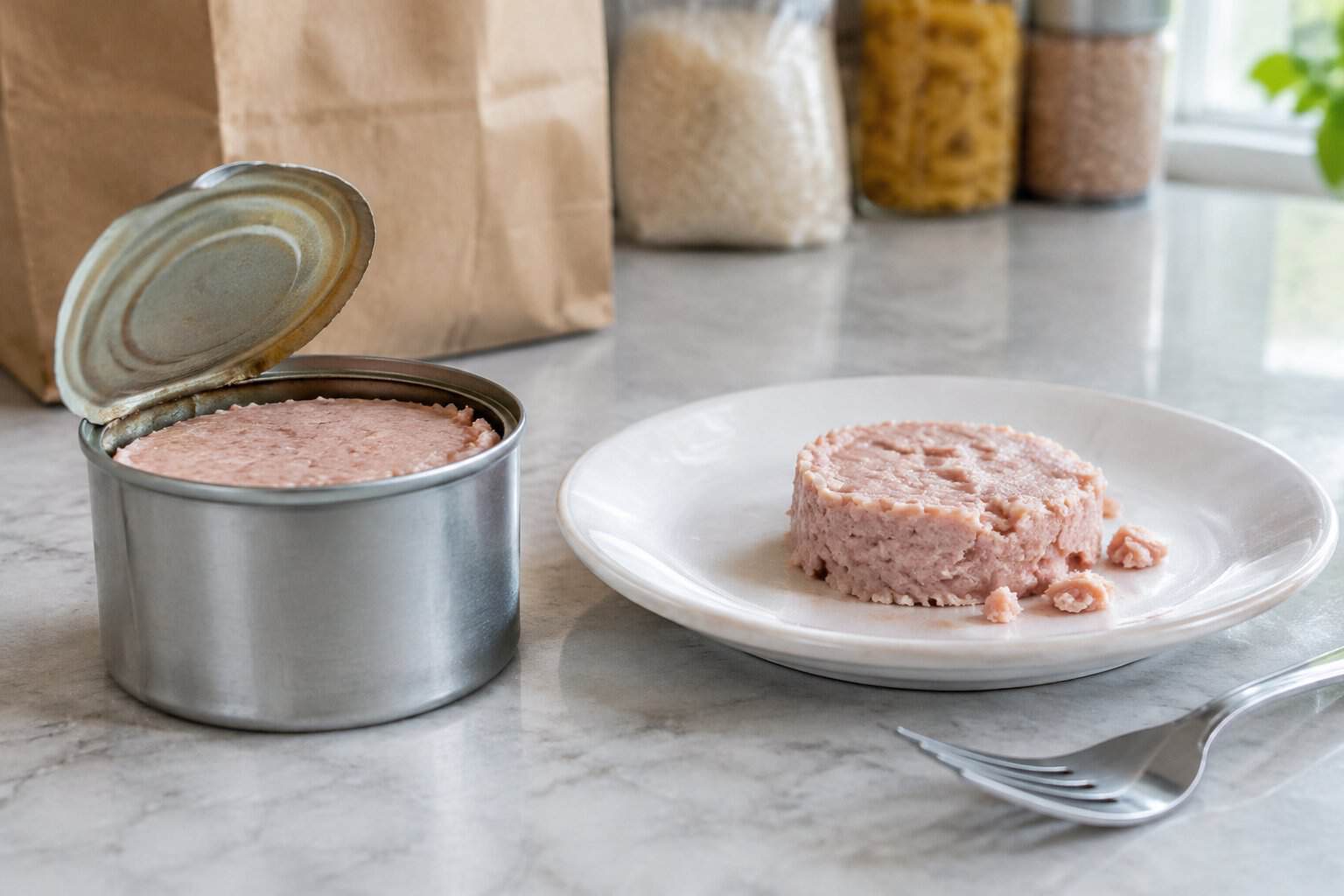
Canned potted meat is one of the most criticized items you’ll find in the Dollar Tree food aisle. Shoppers frequently describe the texture as mushy or paste-like, which makes it unappealing compared to other canned meats. A single can also contains a very high percentage of your daily sodium intake, and reviewers note that the saltiness tends to overpower any other flavor in the product.
The ingredient list is another common complaint. Potted meat often relies on mechanically separated meat along with fillers, and shoppers who read labels tend to avoid it for that reason. You may find the smell off-putting when you first open the can, which doesn’t help its reputation.
If you want a canned meat option, look for canned chicken breast or canned tuna packed in water instead. These alternatives give you a clearer ingredient list, a more consistent texture, and a lower sodium count per serving. You’ll get more usable protein for meals like sandwiches or salads, rather than a product that’s difficult to incorporate into anything beyond crackers.
4. Canned Corned Beef Hash
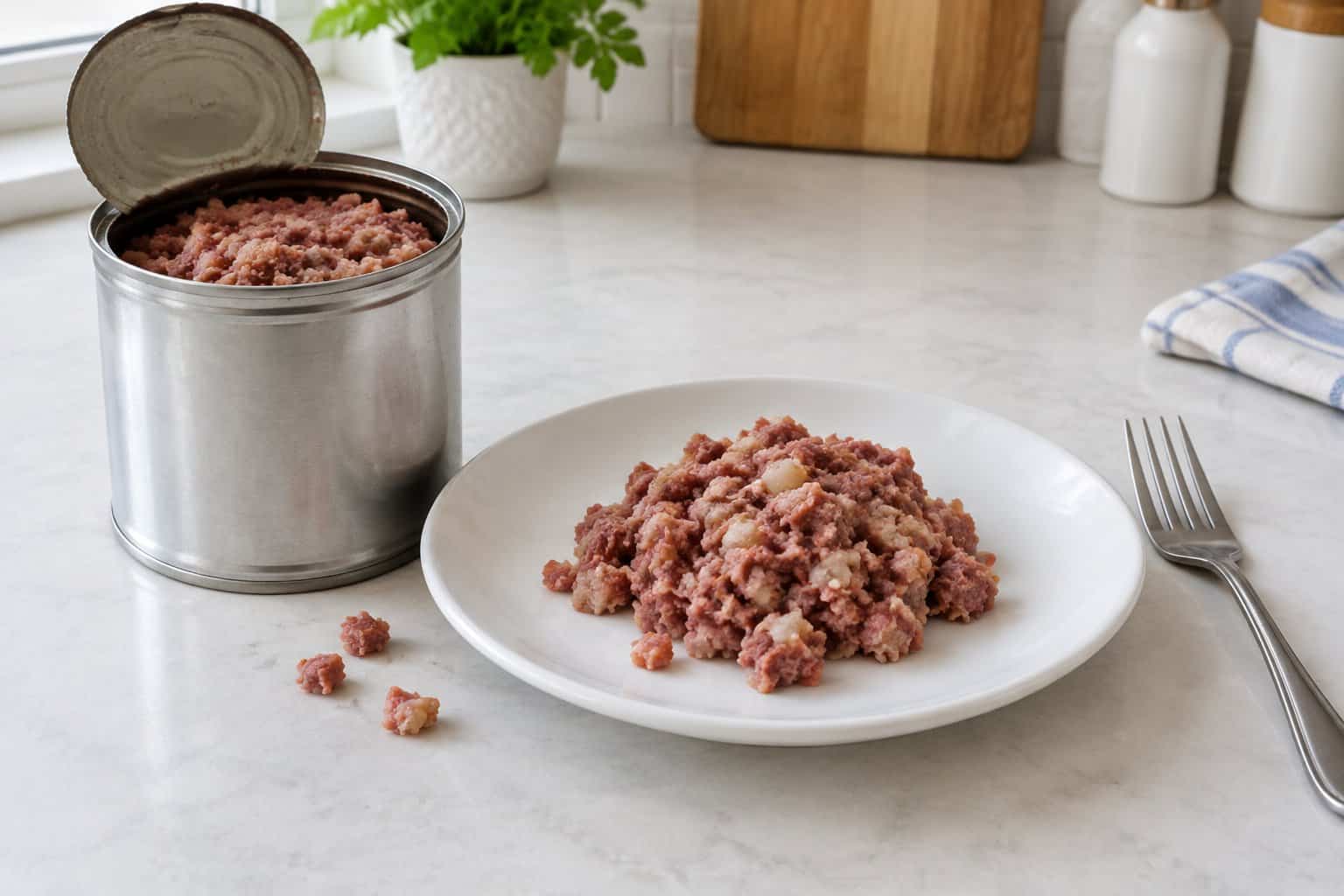
Canned corned beef hash at Dollar Tree draws complaints about its texture, which many shoppers describe as mushy and overly processed once it hits the pan. The ratio of fat and starchy filler to actual meat tends to be high, so you end up with something closer to a potato-based paste than a hearty hash. Some buyers also note a grayish color that makes the product look less appetizing straight out of the can.
Sodium content is another issue you should weigh before buying, since canned corned beef hash in general runs high on salt, and the budget version is no exception. The seasoning often comes across as flat or overly salty with little depth, which forces you to doctor it up with your own spices just to make it palatable.
A better alternative is a mid-tier grocery store brand of corned beef hash, which typically contains a higher percentage of real beef and a firmer texture that holds up better when fried. You could also make your own hash at home using leftover corned beef, diced potatoes, and onions, giving you control over quality and sodium levels.
5. Canned Chicken Spread
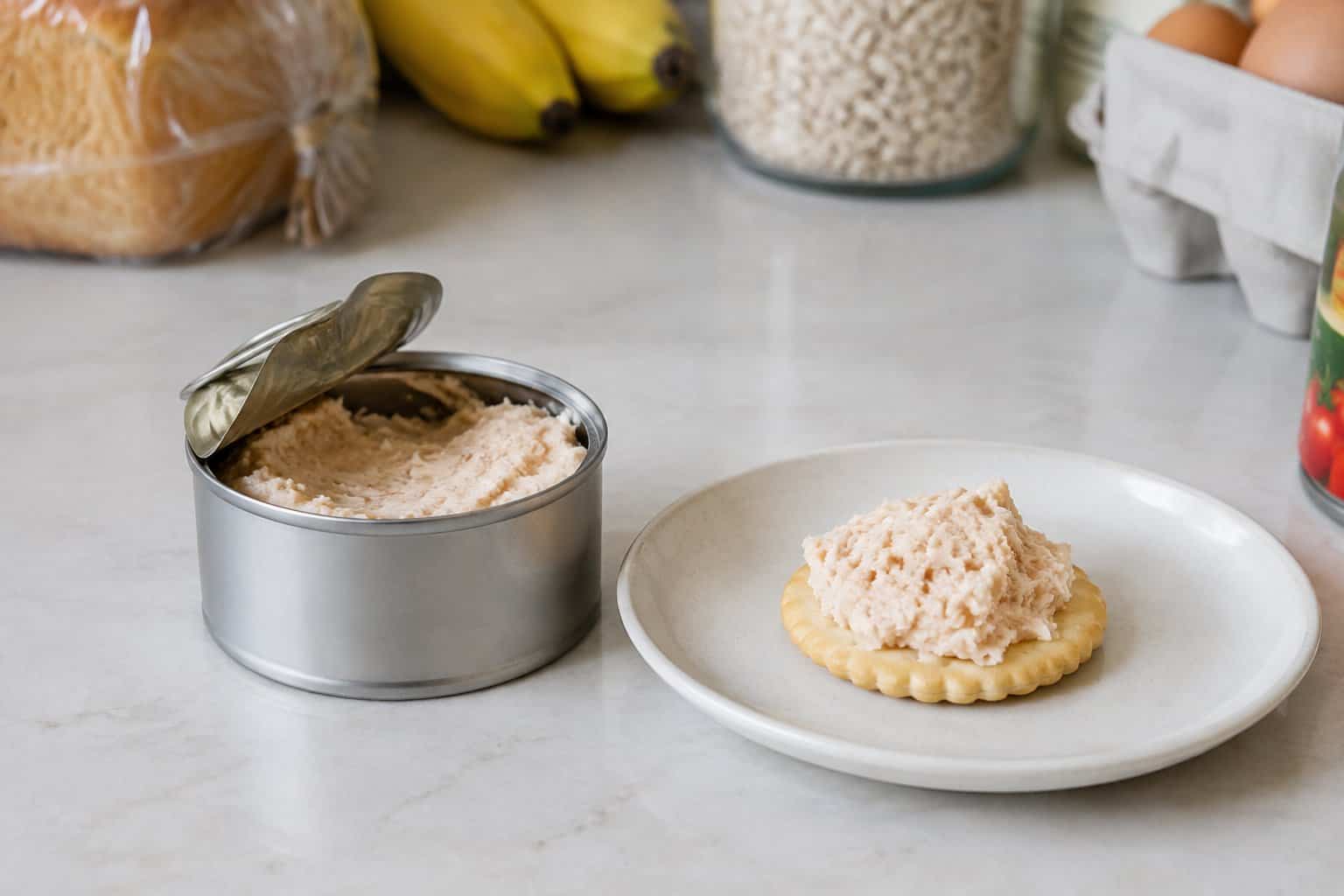
Canned chicken spread shows up at Dollar Tree in small tins, usually marketed as a quick sandwich filler. The texture is the main complaint you’ll see from shoppers: it’s often described as mushy or paste-like, closer to a processed meat product than actual shredded chicken.
Sodium content is another issue worth considering before you buy. Many shoppers note that canned meat spreads carry a heavy salt load, which affects flavor and makes the product taste artificial rather than savory.
The chicken-to-filler ratio also draws criticism. Some brands rely on broth, starches, and fillers to bulk up the can, so you end up with less actual meat than the label suggests.
A better alternative is canned chicken from more established brands, which tend to use whole or shredded breast meat with fewer additives. You can also check your local grocery store for pouched chicken, which typically has better texture and a cleaner ingredient list for a similar price. If you want spread specifically, making your own with canned chicken, mayonnaise, and seasoning gives you more control over quality and taste.
6. Canned Sardines in Oil
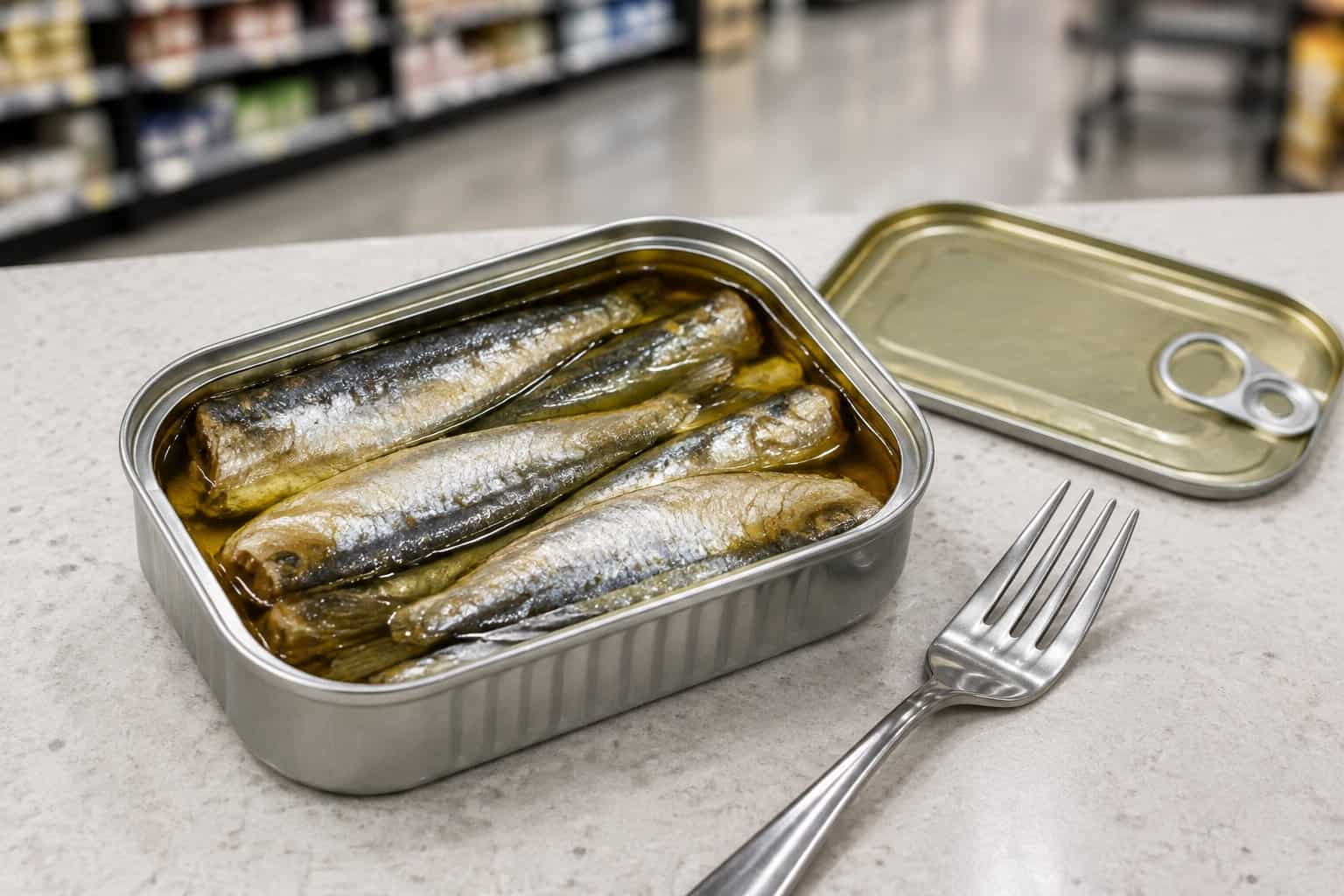
You will find Dollar Tree’s canned sardines tempting because of the price, but many shoppers report disappointment once they open the tin. Common complaints center on small, broken fillets, excess bones, and a strong fishy smell that stronger brands tend to avoid.
The oil itself is often criticized too. Some reviewers describe it as low quality or greasy rather than flavorful, which affects the overall taste of the sardines.
Portion size is another issue you should consider. Shoppers frequently note that the cans contain less fish than expected, with more oil or liquid filling the tin.
If you want a better option, look for mid-range brands sold at grocery stores that list wild-caught sardines and olive oil on the label. Chowhound’s comparison found noticeable quality differences across popular sardine brands, which can help you decide which sardine brand ranked highest in quality. Spending a little more typically gets you firmer fillets, cleaner flavor, and fewer bones, making the extra cost worthwhile if sardines are a regular part of your diet.
7. Canned Mackerel
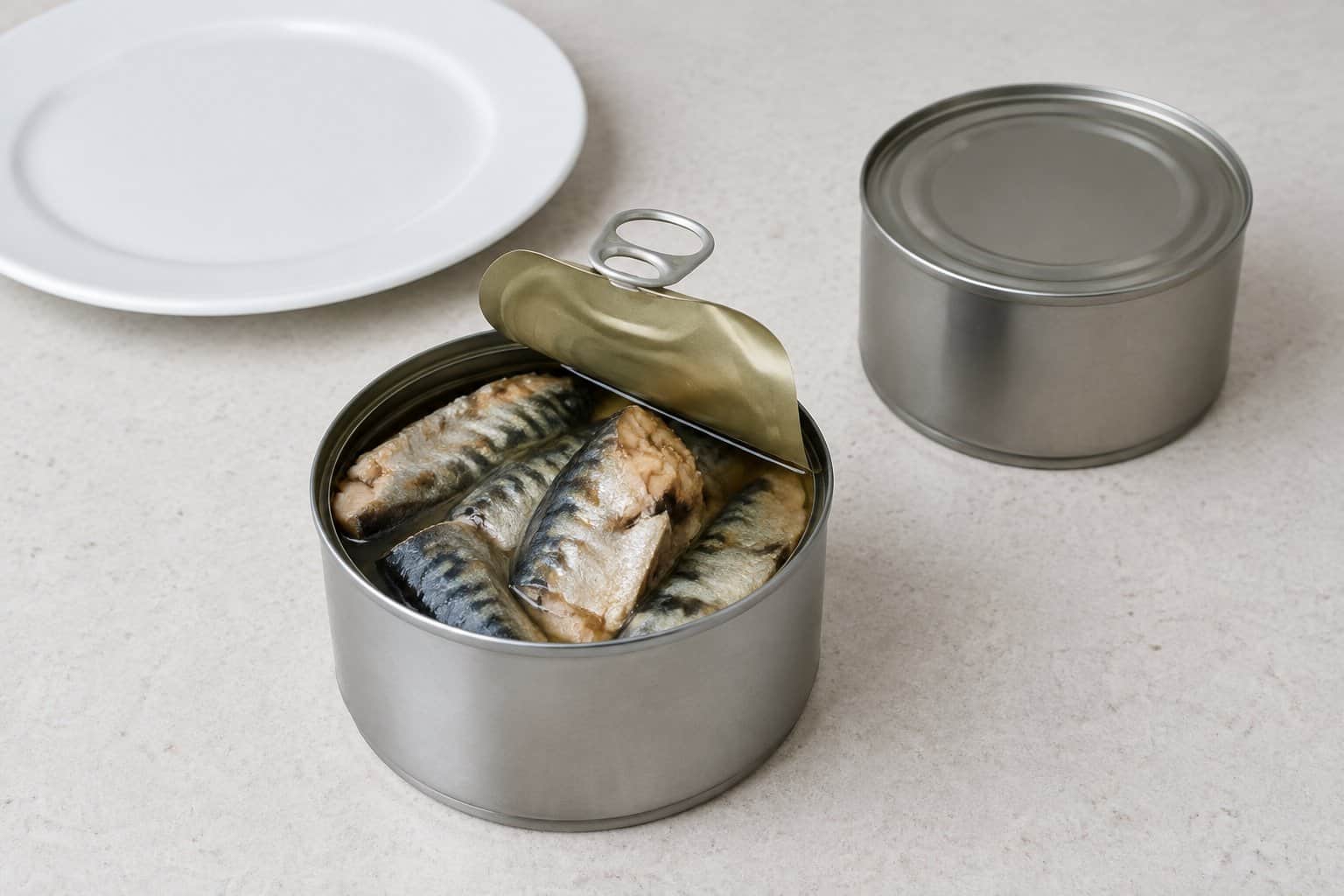
Dollar Tree’s Pampa Mackerel in Brine is one of the more divisive items in the canned seafood aisle. You’ll find it priced low for a 10 oz can, but many shoppers report that the contents don’t match expectations.
A common complaint centers on the ratio of fish to bones and skin inside the can. You may open it expecting clean fillets and instead find a significant portion taken up by less desirable parts. The brine itself tends to be heavily salted, which can overwhelm the fish’s natural flavor.
Texture is another sticking point. Some shoppers describe the mackerel as mushy rather than firm, which makes it less appealing for sandwiches or salads where you want distinct flakes.
If you want canned mackerel without the guesswork, look for brands sold at regular grocery stores that list fillets specifically, rather than whole fish in brine. Paying a dollar or two more typically gets you a cleaner product with less waste and a more consistent texture.
8. Canned Oyster Pieces
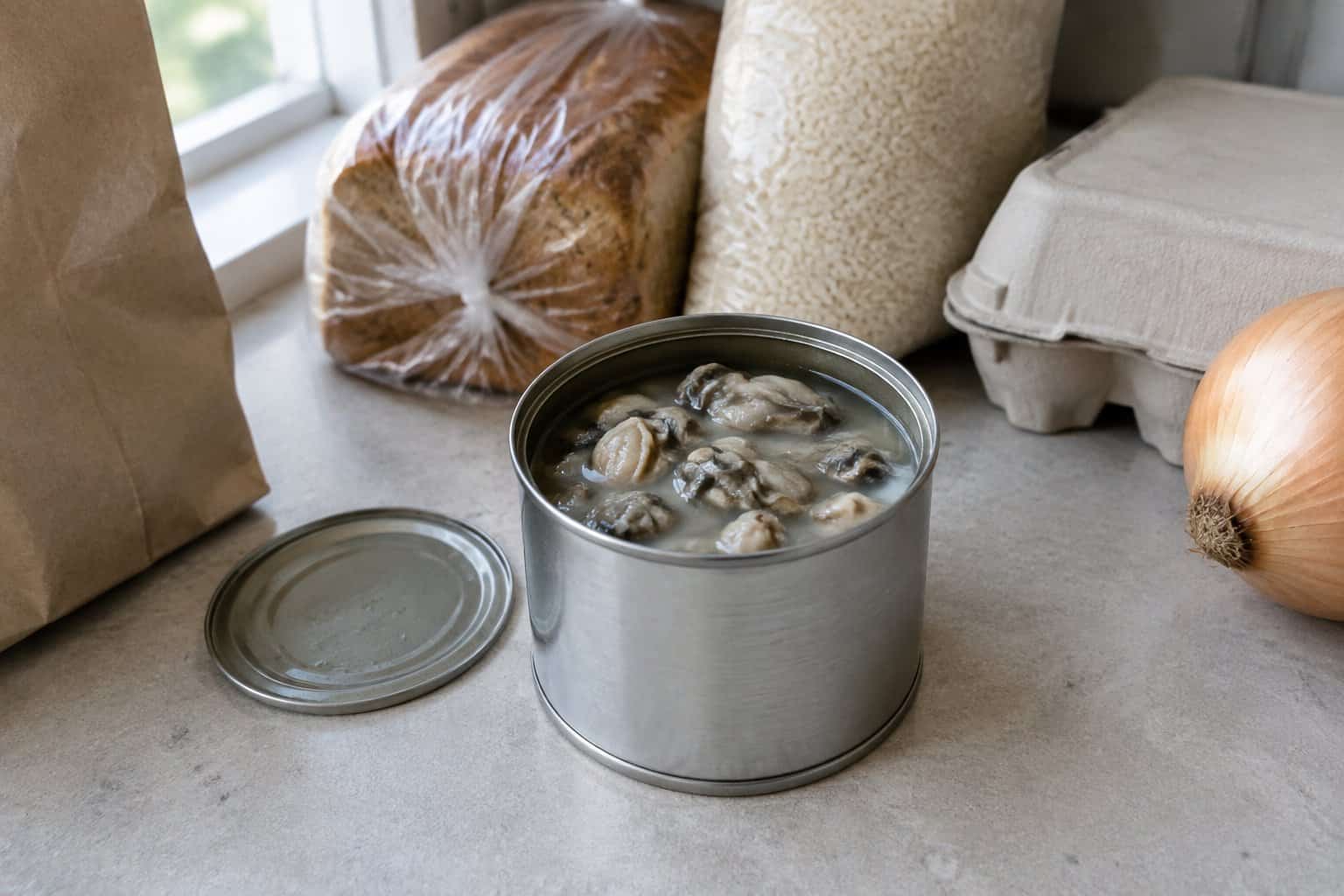
Canned oyster pieces at Dollar Tree have earned a poor reputation among shoppers who expect whole or at least recognizable pieces of seafood. Instead, many buyers report finding mostly broken fragments, mushy texture, and an overwhelming fishy smell when the can is opened.
You might also notice the liquid inside looks cloudy or discolored compared to other canned seafood brands. This can signal lower quality control during processing, and some shoppers say the taste carries a metallic or overly salty edge that masks whatever oyster flavor should be there.
Texture is another common complaint. Rather than firm, chewy pieces, you often get a soft, almost gritty consistency that doesn’t hold up well in soups, stews, or oyster dressing recipes.
If you want canned oysters for cooking, you’re better off buying a mid-range grocery store brand instead. Brands like Crown Prince or Chicken of the Sea tend to offer more consistent sizing and better quality control.
Spending a few extra dollars at a regular supermarket gets you oysters that actually hold their shape and flavor, making them far more useful in recipes that call for real seafood texture.
9. Canned Anchovies
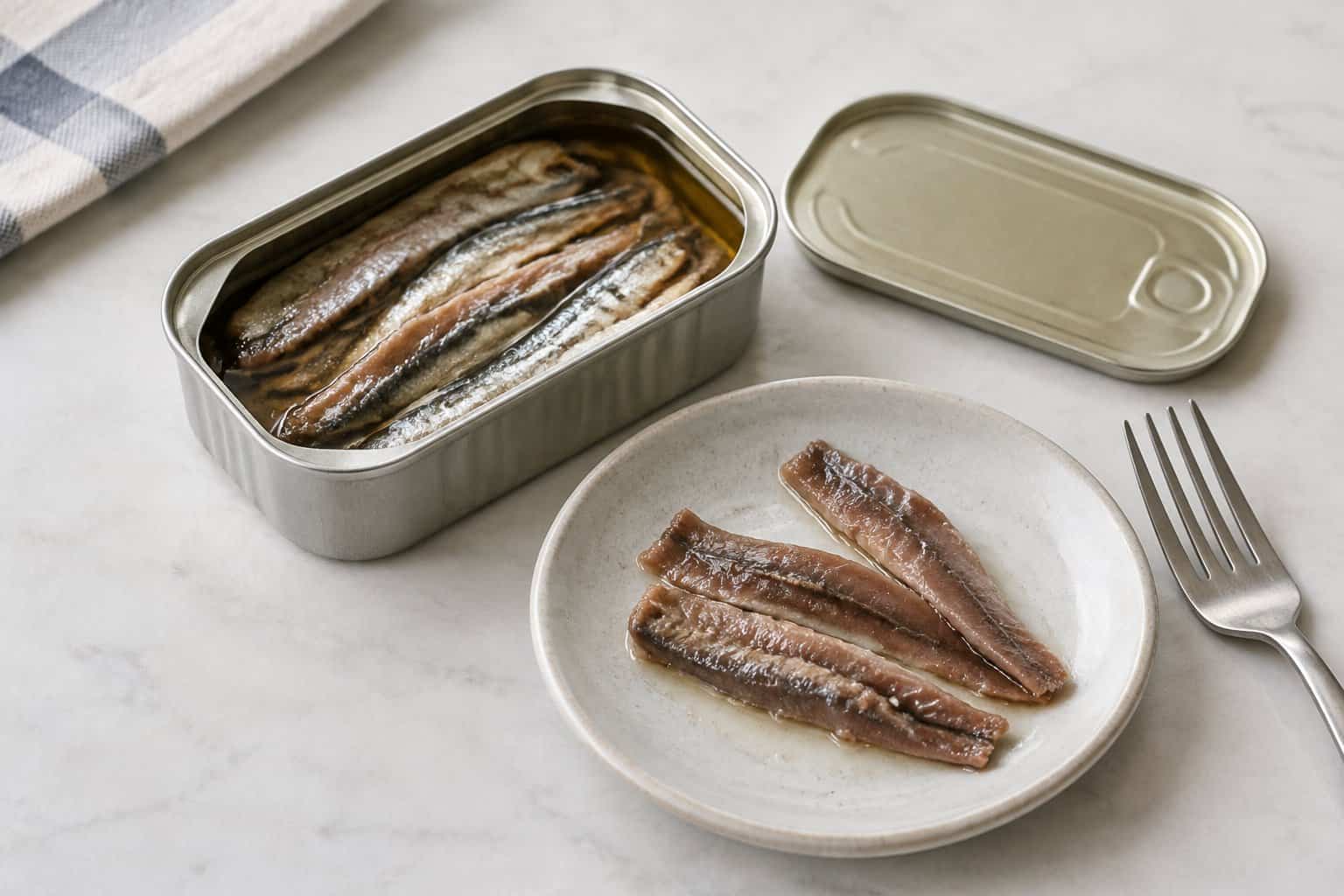
Canned anchovies at Dollar Tree tend to disappoint shoppers who expect the firm, meaty texture found in pricier tins. Many buyers report that the fish inside are mushy, overly salty, and packed in low-grade oil that masks rather than enhances the flavor.
You might also notice the fillets are smaller and more broken up than what you’d get from established seafood brands. This makes them less suitable for dishes like Caesar dressing or puttanesca sauce, where whole fillets matter for texture and presentation.
Another common complaint involves the strong, almost metallic aftertaste that lingers after eating. This is often linked to cheaper processing methods and lower-quality fish sourcing, something you’ll find echoed in reviews of other cheap canned seafood products that cut corners to hit a low price point.
If you enjoy anchovies in your cooking, you’re better off buying a mid-range brand from a regular grocery store. Look for fillets packed in olive oil rather than generic vegetable oil, and check that the tin lists a reasonable sodium content. Spending a dollar or two more gets you a noticeably better product.
10. Canned Whole Mushrooms
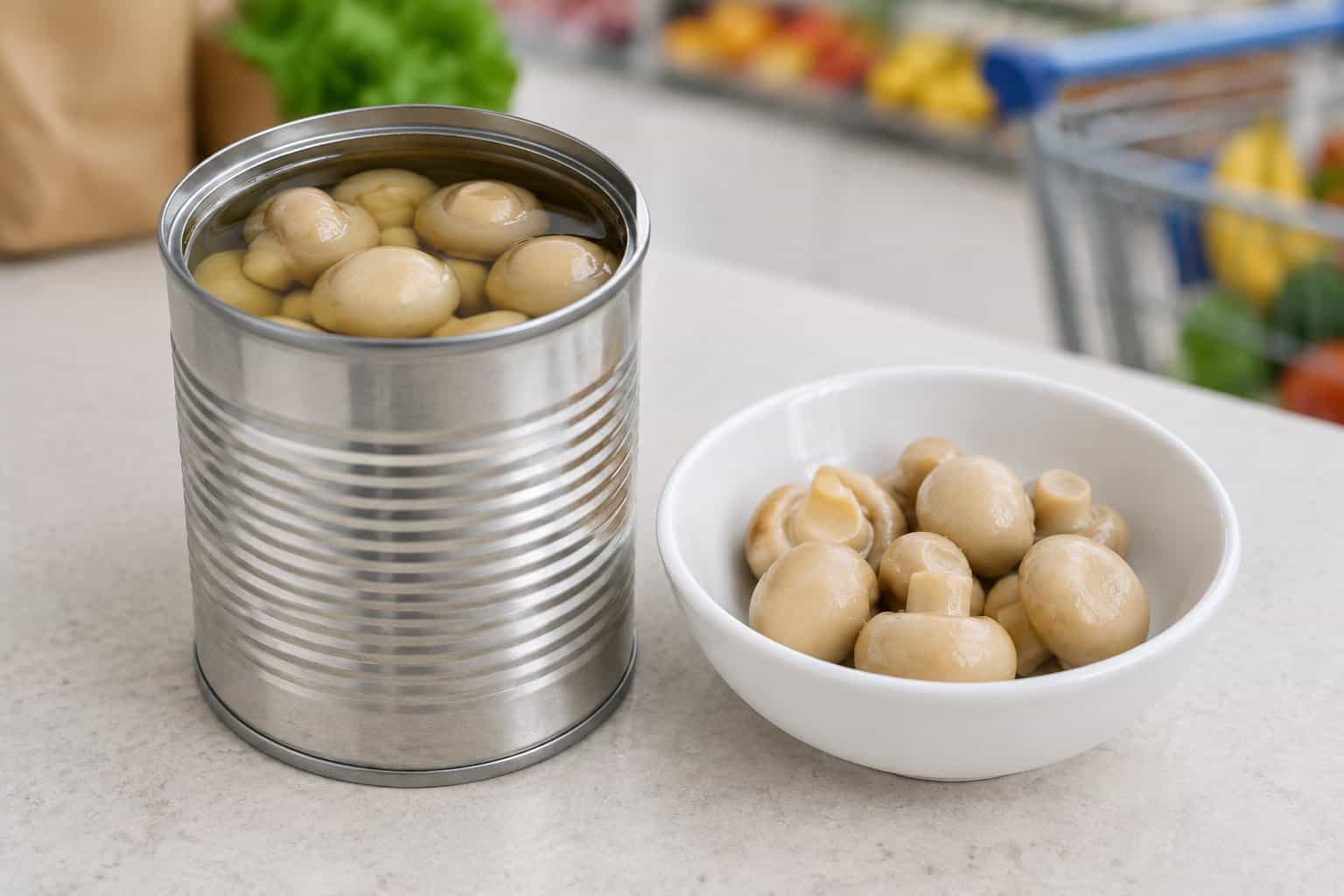
Canned whole mushrooms at Dollar Tree come up often in reviews as a disappointing buy. You’ll notice a mushy, waterlogged texture that doesn’t hold up once you drain and cook them. Many shoppers report that the mushrooms turn almost slimy after a few minutes in a pan.
Flavor is another sticking point. You lose the earthy taste that fresh or higher-quality canned mushrooms typically have, and what’s left tends to taste flat or metallic. This makes them a poor fit for dishes like steak toppings, pasta, or sauces where mushroom flavor matters.
Some reviewers also mention inconsistent sizing in each can, with pieces ranging from very small to oddly large. This makes it harder to use them evenly in a recipe.
If you want better results, you’re better off buying fresh mushrooms from a grocery store, where you can control the texture by sautéing them yourself. Frozen sliced mushrooms from a supermarket brand are another solid alternative since they tend to retain more structure. For canned options, mid-range grocery brands generally outperform the dollar store version in both taste and consistency.
11. Canned Mixed Vegetables
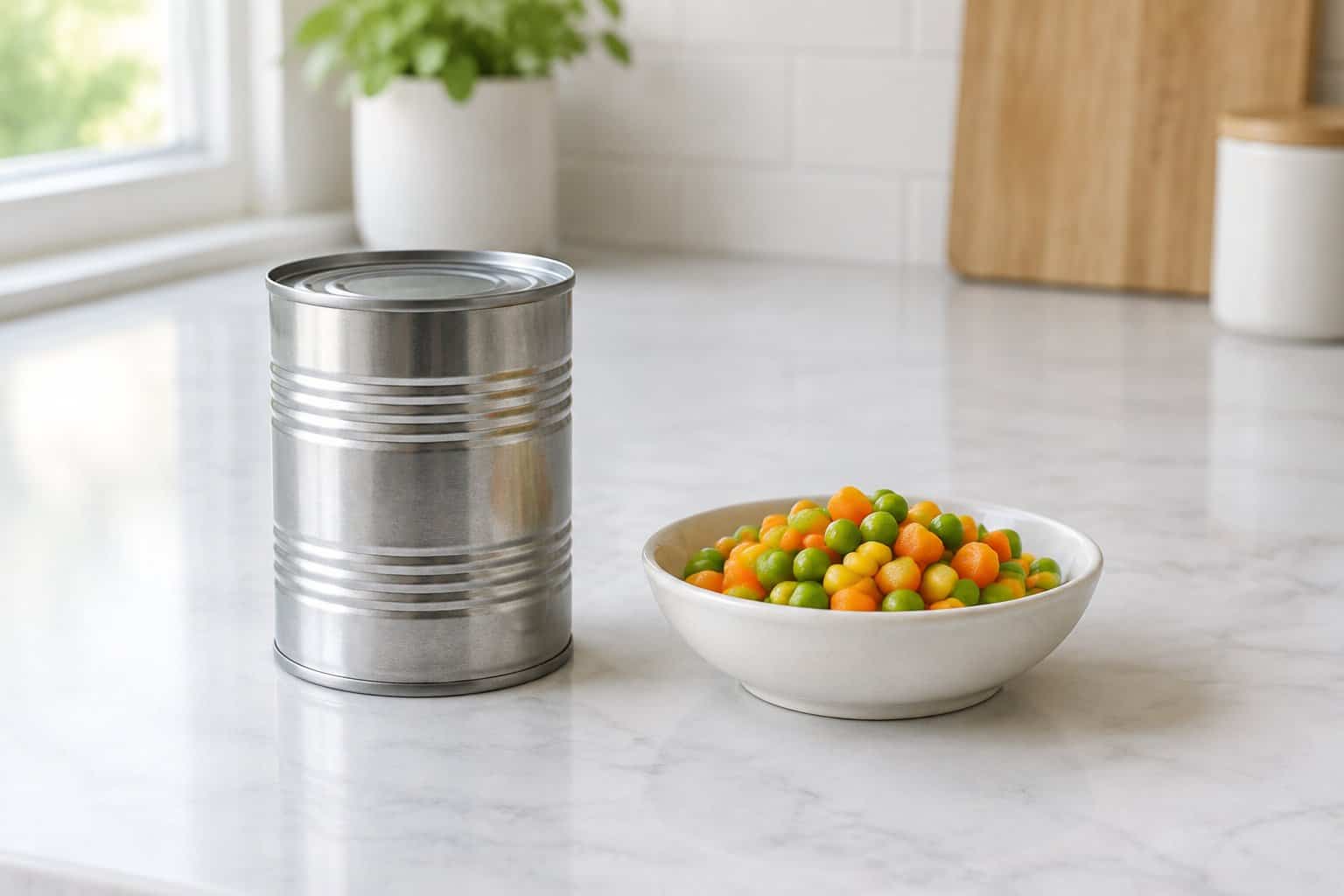
Canned mixed vegetables at Dollar Tree typically combine corn, peas, carrots, and green beans in a single small can. Shoppers often note that the vegetables are mushy and lack the firmness you would expect from fresher or higher-quality canned goods. The flavor also tends to be bland, with little seasoning to make the mix appealing on its own.
Another common complaint involves the ratio of vegetables in the can. Many buyers report getting more carrots and potatoes than corn, peas, or green beans, which can be disappointing if you prefer a balanced mix. The liquid-to-vegetable ratio is also sometimes criticized, leaving you with less actual product than expected.
You are often better off purchasing mixed vegetables from Aldi or Walmart, where prices can be more competitive and sizes larger. Store brands at these retailers frequently offer better texture and taste for a similar or lower per-ounce cost. Buying frozen mixed vegetables is another solid alternative, since freezing tends to preserve texture and flavor more effectively than canning.
12. Canned Sauerkraut
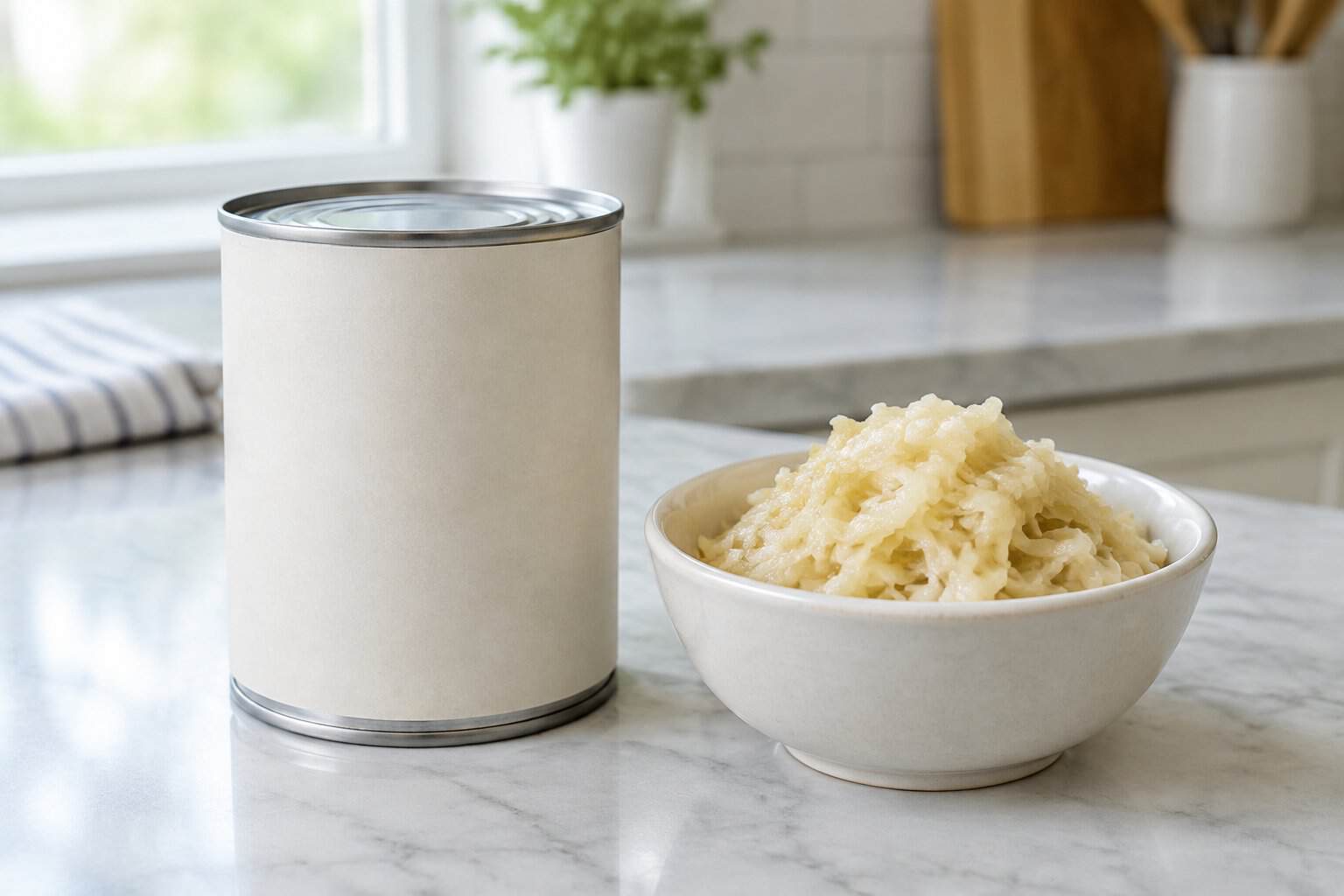
Canned sauerkraut at Dollar Tree is a product many shoppers skip after one try. The texture tends to be mushy rather than crisp, which is a common complaint among people who expect the crunch found in refrigerated or jarred versions.
You may also notice a flat, overly salty flavor that lacks the tangy depth fermented sauerkraut typically has. Canning at high heat can kill off the beneficial bacteria that give sauerkraut its probiotic value, so you’re not getting the gut health benefits you might associate with fermented cabbage.
Some shoppers also report a metallic aftertaste tied to the canning process itself. If you’re using it as a hot dog topping, this may not bother you much, but it can be noticeable in recipes where sauerkraut plays a bigger role, like braised dishes or sandwiches.
For better flavor and texture, look for refrigerated sauerkraut at a grocery store. These versions are usually unpasteurized, meaning the live cultures stay intact. You’ll pay more, but the taste and crunch are worth it if sauerkraut is a staple in your kitchen.
13. Canned Beets
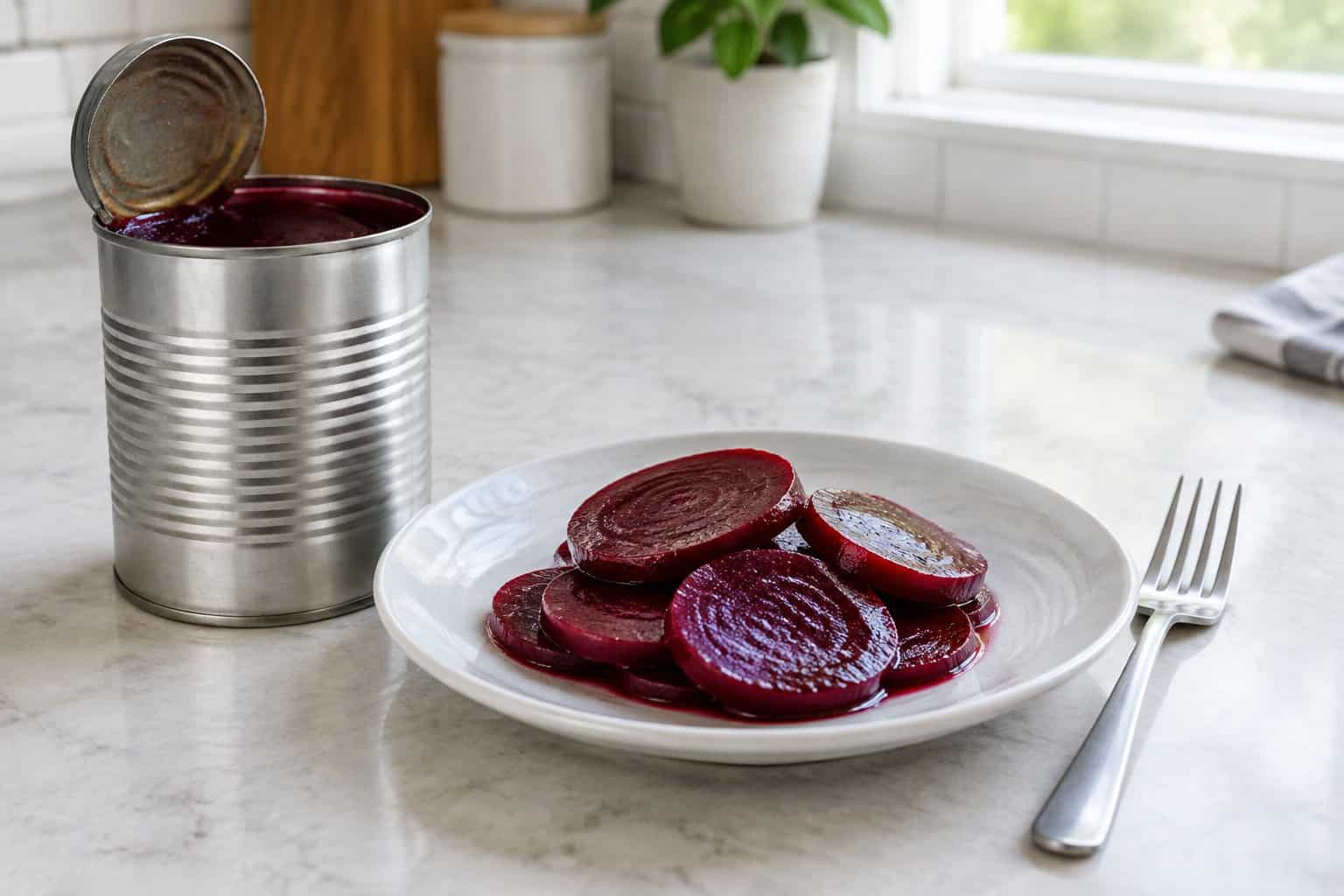
Canned beets at Dollar Tree often disappoint shoppers who expect a clean, earthy flavor. Many reviewers describe the beets as overly soft, almost mushy, with a texture that breaks down quickly once opened. This makes them less suitable for salads or side dishes where you want some bite.
The brine used in these cans tends to taste overly sweet or metallic to some shoppers, masking the natural flavor of the beets themselves. You may also notice the color bleeds excessively, staining other foods if you mix them into a dish. Portion sizes can feel smaller than expected once you drain the liquid, leaving you with less product than the can size suggests.
If you want better quality, consider buying canned beets from a grocery chain known for private-label produce, or look for fresh beets when they’re in season. Fresh beets roasted at home give you more control over texture and flavor, and they avoid the overly sweet brine found in many discount canned versions. Freezer-aisle beets at larger stores are another reliable alternative.
14. Canned Spinach
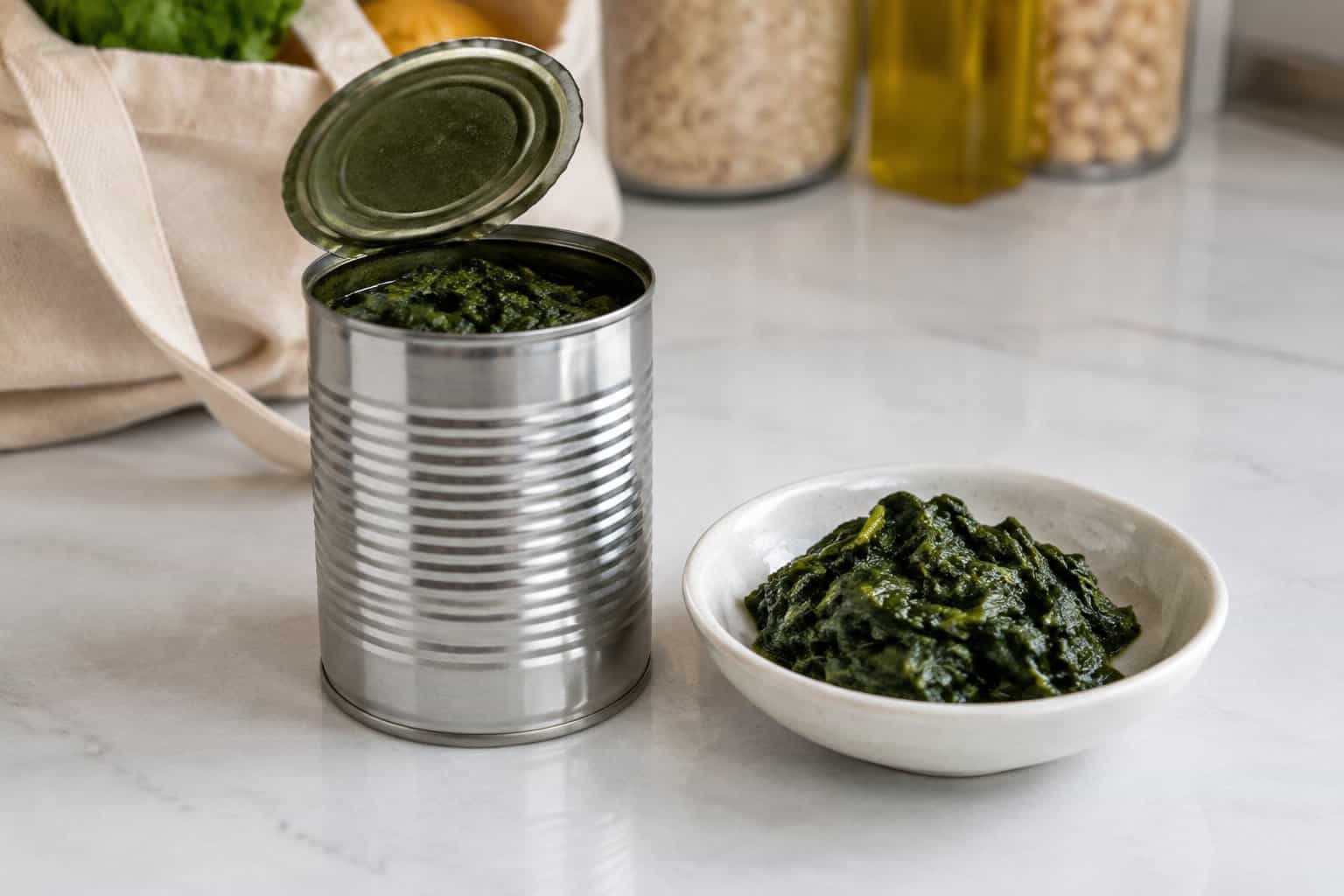
You may find the texture off-putting when you open a can of Dollar Tree spinach. Shoppers often describe it as mushy or overly soft, with little resemblance to fresh or frozen spinach. This is common among budget canned greens, since canned vegetables are often made with low-quality ingredients and processed in ways that affect taste and consistency.
The color can also be unappealing. Instead of a bright green, you might notice a dull, olive-gray tone that makes the product look less fresh, even if it is technically safe to eat.
Flavor is another sticking point. Many shoppers note a metallic or overly salty taste, which can overpower the natural taste of the vegetable.
If you want better results, consider buying frozen spinach instead. It holds its texture and color much better after cooking, and it typically costs only a little more per serving.
Fresh spinach from a regular grocery store is another option if you plan to cook it the same day. You will likely notice a difference in both taste and nutritional quality compared to the canned version.
15. Canned Yams in Syrup
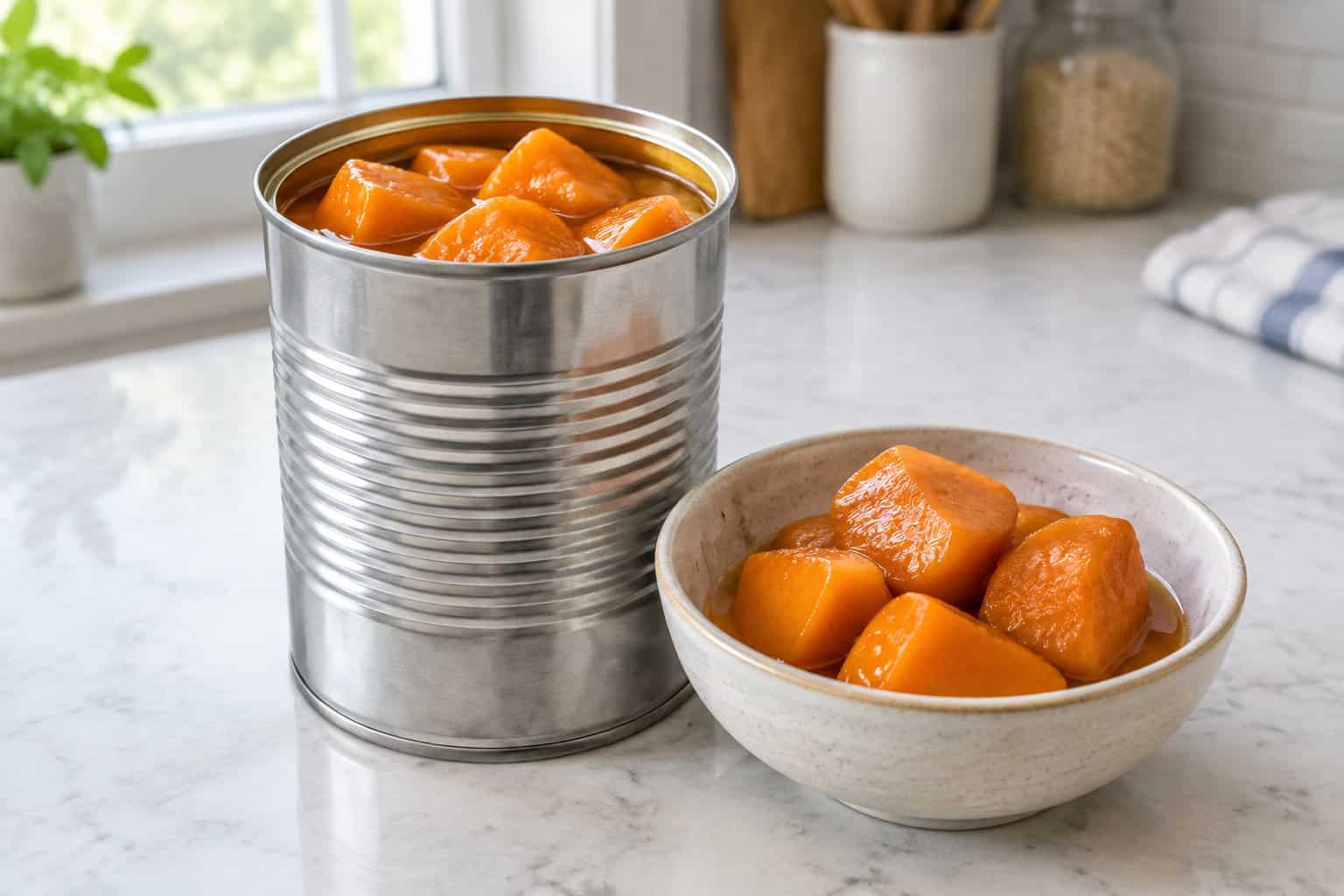
Canned yams in syrup are a Dollar Tree staple around the holidays, but shoppers often find them underwhelming. The syrup tends to be overly sweet and masks the natural flavor of the yams, leaving you with a product that tastes more like candy than a vegetable side dish.
Texture is another common complaint. Many shoppers report that the yams come out mushy or overly soft once heated, which makes it hard to achieve the firmer consistency you’d want for dishes like candied yams or casseroles.
You might also notice inconsistency between cans. Some batches contain smaller or oddly shaped pieces, which isn’t ideal if you’re prepping for a holiday meal where presentation matters.
If you want better results, look for canned yams at a traditional grocery store, where brands often offer options packed in lighter syrup or even just water. You could also buy fresh yams or sweet potatoes and prepare them yourself, giving you full control over sweetness and texture. This approach takes more time but generally delivers better flavor and consistency than the dollar store version.
16. Canned Fruit Cocktail in Heavy Syrup
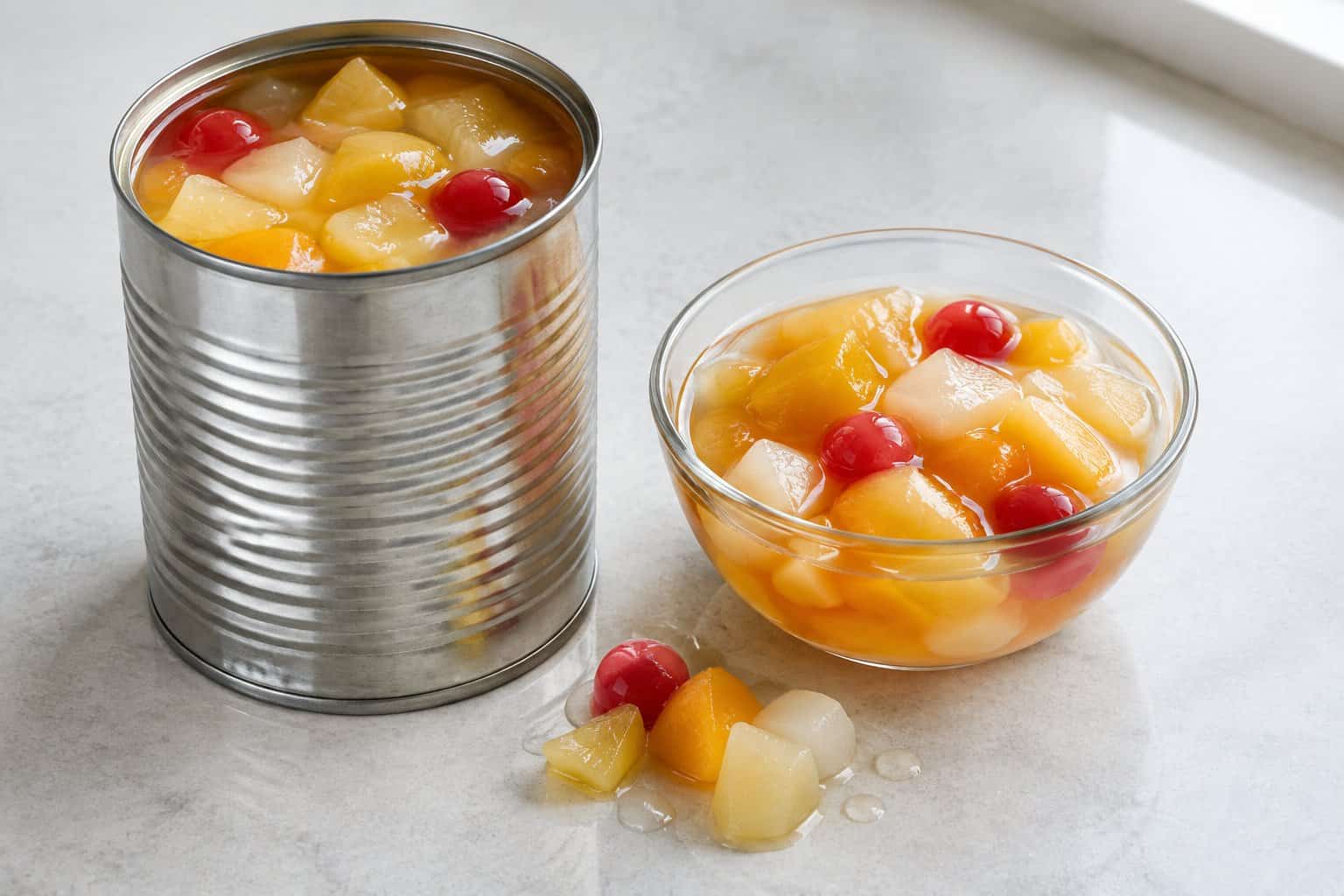
You’ll notice this product right away by its contents: diced peaches, pears, grapes, and a cherry or two, all sitting in thick syrup. Shoppers frequently point out that the syrup adds a significant amount of sugar you don’t need, especially if you’re trying to limit your intake. The average serving can carry 40 grams of carbohydrates, which is a lot for something marketed as fruit.
Texture is another common complaint. The canning process tends to leave the fruit soft and mushy, so you lose the firmness you’d get from fresh produce. Many reviewers also mention that the flavor leans artificial, with the syrup masking whatever natural taste the fruit had to begin with.
If you want something closer to real fruit, look for versions packed in 100% juice instead of syrup. You could also buy fresh fruit when it’s in season or choose frozen fruit, which retains more texture and nutrients. Either option gives you a similar convenience without the added sugar load.
17. Shelf-Stable Cheese Sauce
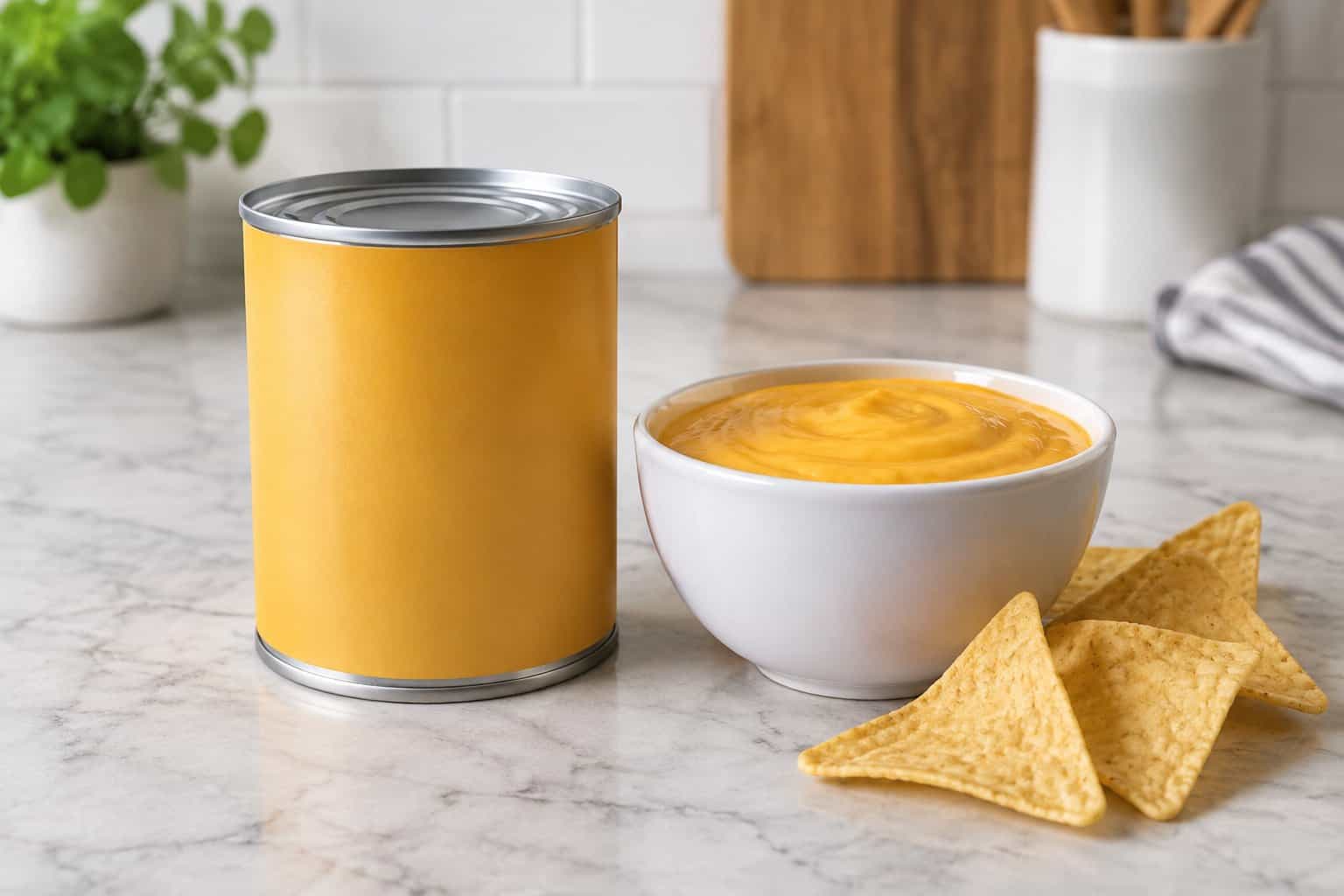
Shelf-stable cheese sauce sounds convenient until you open the jar. Shoppers often describe the texture as grainy or oddly stiff, and it rarely melts down the way a cheese sauce should. Instead of a smooth pour, you get clumps that need several minutes of stirring and reheating to loosen up.
The flavor is another sticking point. Many reviewers note a flat, overly salty taste with little actual cheese flavor behind it. The color can also look artificially bright, which doesn’t help with the overall impression that this is a highly processed imitation rather than real cheese.
If you’re after a quick cheese sauce for nachos or vegetables, you have better options. A small block of real cheddar, melted with a splash of milk on the stove, takes only a few extra minutes and tastes noticeably better. You could also look at refrigerated queso dips sold at regular grocery stores, which tend to have a creamier consistency and more genuine flavor.
For pantry convenience, canned cheese soup works as a passable substitute and is easy to find at most supermarkets.
18. Instant Mashed Potatoes
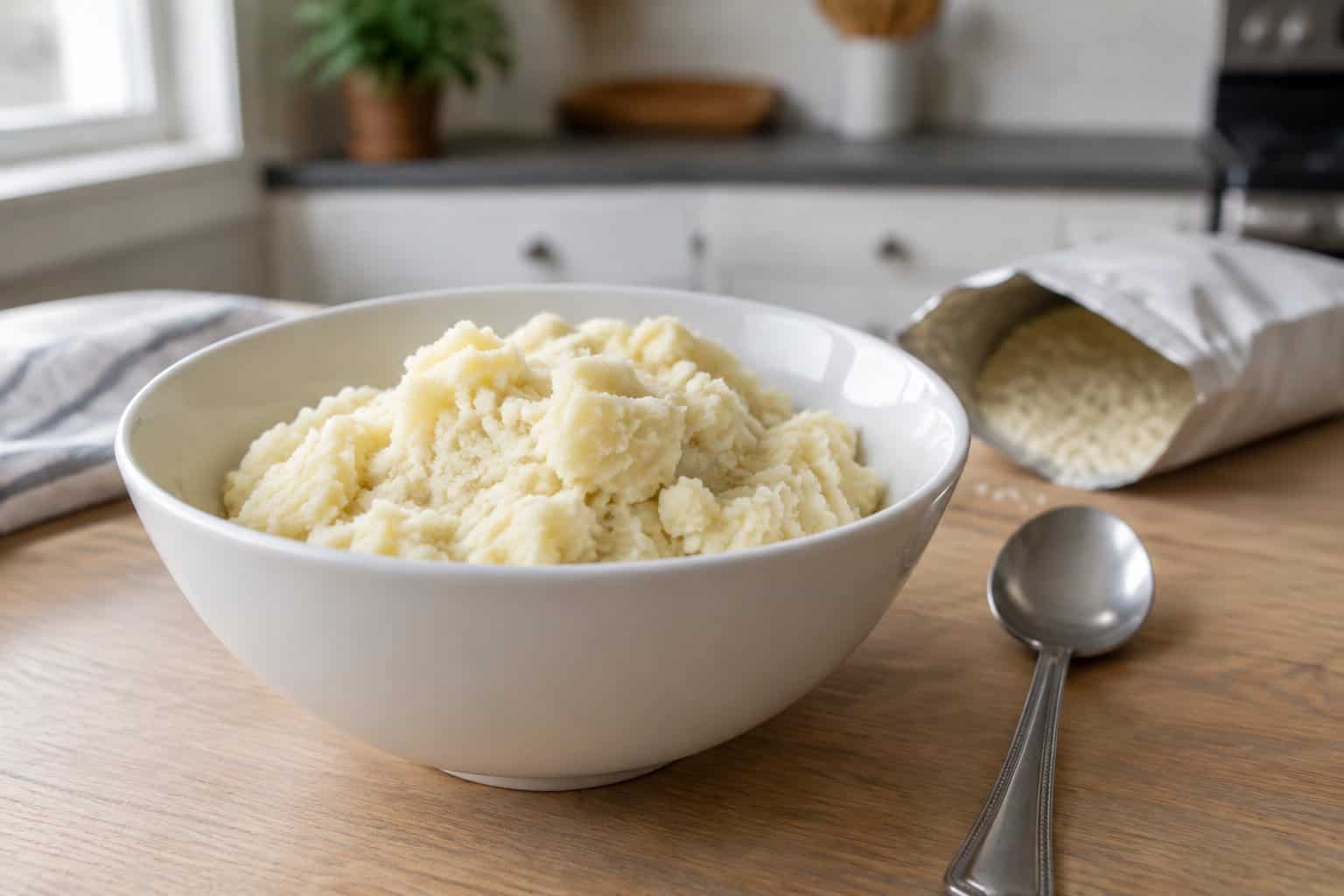
Instant mashed potatoes at Dollar Tree come in small pouches, and you might find the texture disappointing once prepared. Shoppers often describe the finished product as gluey or gritty rather than smooth, which isn’t what you want when you’re trying to make a quick side dish.
Part of the problem comes down to portion size. You often end up with a smaller yield than expected, so one packet may not stretch as far as you think, leaving you short if you’re feeding more than a couple of people.
Flavor is another sticking point. Many reviewers note a bland or slightly artificial taste compared to name-brand versions, even after adding butter, milk, or seasoning.
If you want better results, brands like Idahoan tend to rank well against competitors, offering a smoother texture and more consistent taste, according to a ranking of instant mashed potato brands. You could also try Hungry Jack, which performed respectably in a separate comparison of mashed potato products. Spending a little more at a regular grocery store usually gets you a more satisfying bowl of potatoes.
19. Boxed Macaroni and Cheese
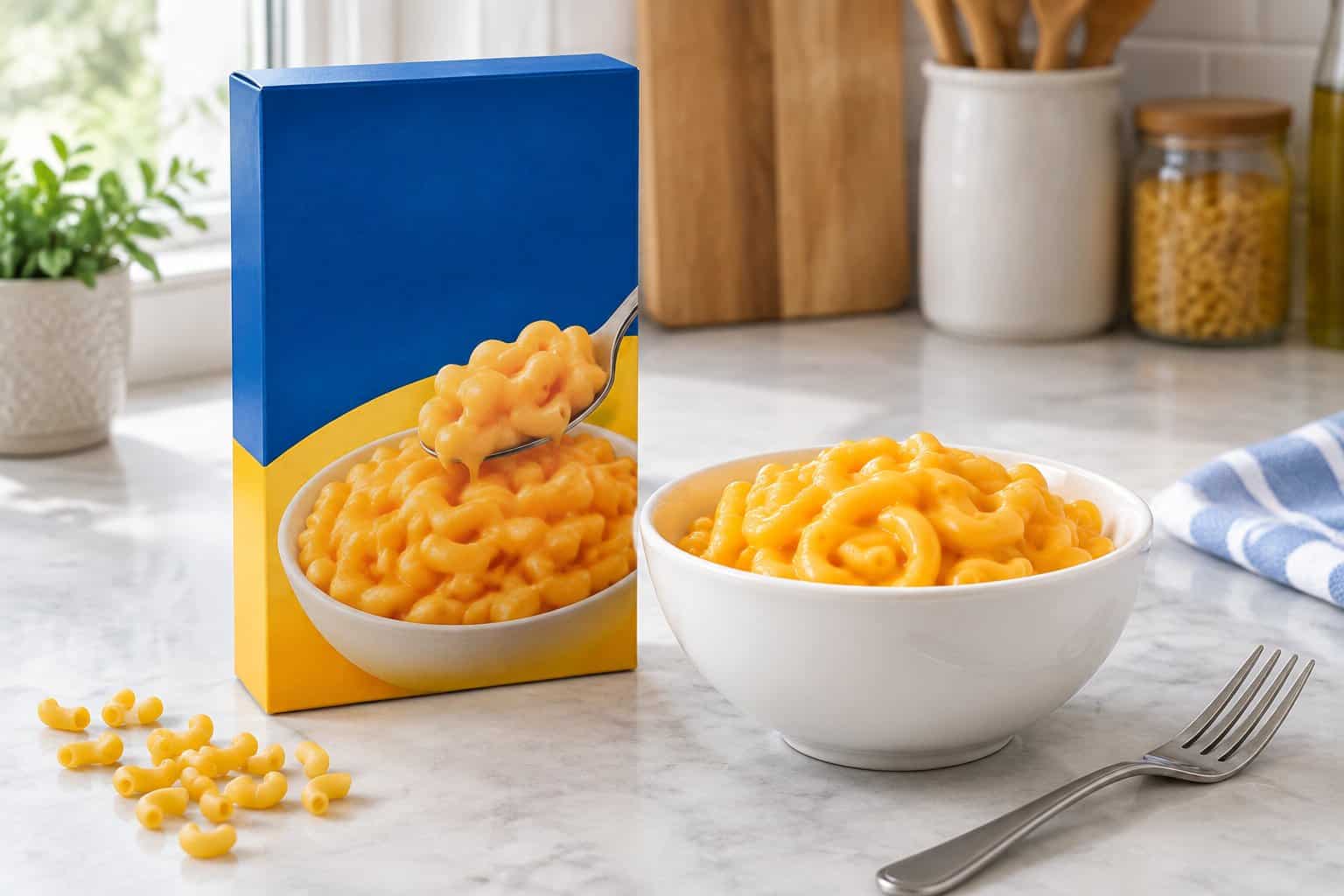
You might expect boxed mac and cheese at Dollar Tree to save you money, but that is not always the case. A box that sells for $1.25 at Dollar Tree can cost about $1 at Walmart, so you are paying more for the same product.
Beyond the price issue, you should also pay attention to what is inside the box. Some brands sold at discount stores use lower quality pasta that cooks unevenly or turns mushy, leaving you with a dish that does not hold its texture well.
The cheese powder packets can also be a letdown. You may notice a flavor that tastes artificial or overly salty, with little resemblance to real cheese.
If you want better value and quality, buy mac and cheese during a sale at a regular grocery store or warehouse club, where name brands are often discounted below their usual price. Store brands at supermarkets like Kroger or Aldi also tend to use better pasta and cheese mix for a similar or lower cost than what you would pay at Dollar Tree.
20. Instant Noodle Soup Cups
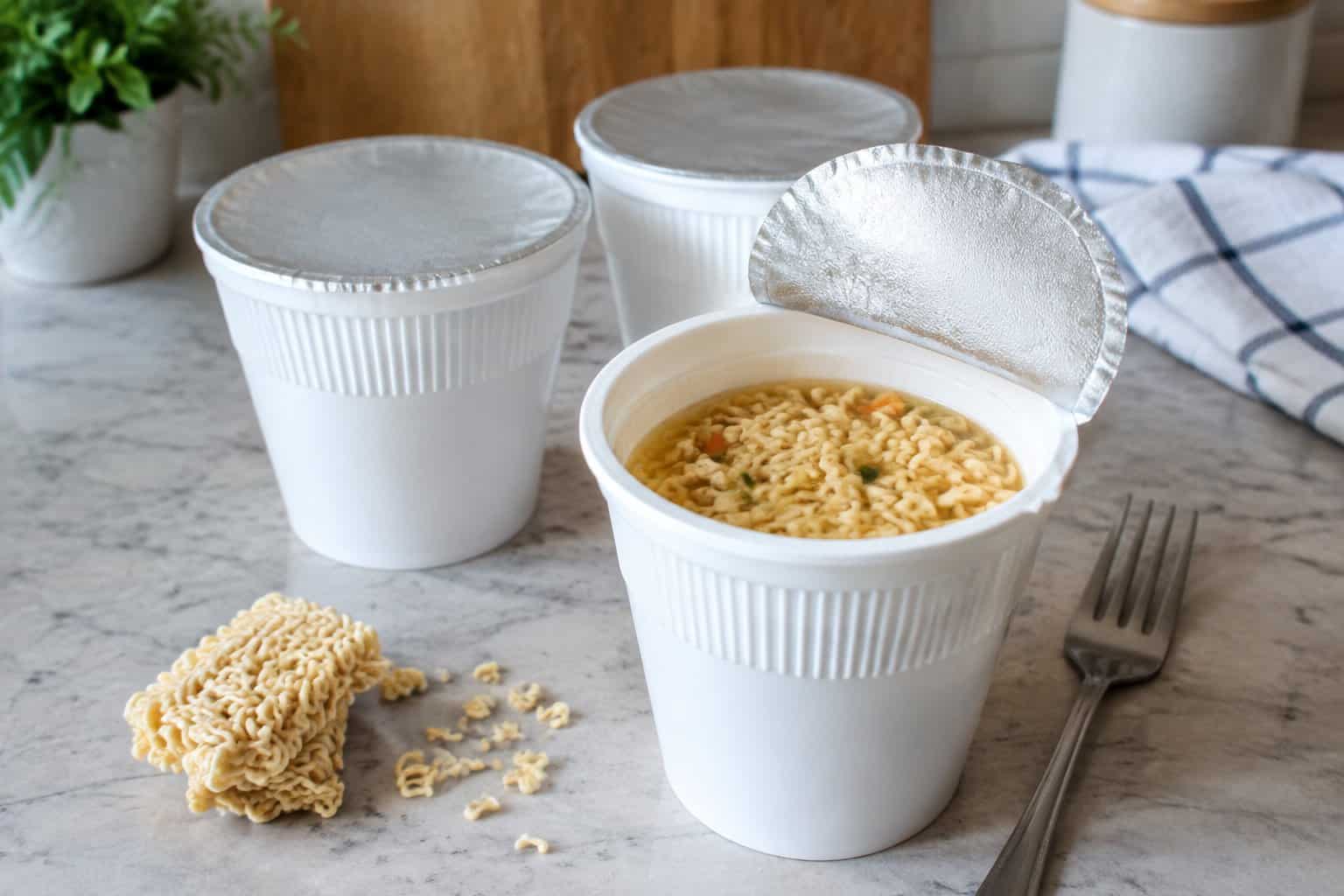
You may expect these cups to work like cheap ramen you remember from bigger stores, but the serving size is noticeably smaller once you factor in the water needed to fill the cup. Many shoppers find the noodle block undercooked even after the recommended wait time, leaving you with a chewy, uneven texture.
The broth tends to be heavy on sodium and light on actual flavor, so you’re often left adding your own seasoning just to make it palatable. Compared to dollar store ramen loaded with fat and sodium, you’re not getting much nutritional value for what you pay.
You’ll also notice the portion doesn’t hold up as a full meal, so you may need a second cup or a side dish to feel satisfied. If you’re buying in bulk thinking you’re saving money, you’re usually better off purchasing a multipack of instant noodles from a regular grocery store, where the per-unit price and quality typically beat what you get here.
21. Microwaveable Pasta Meals
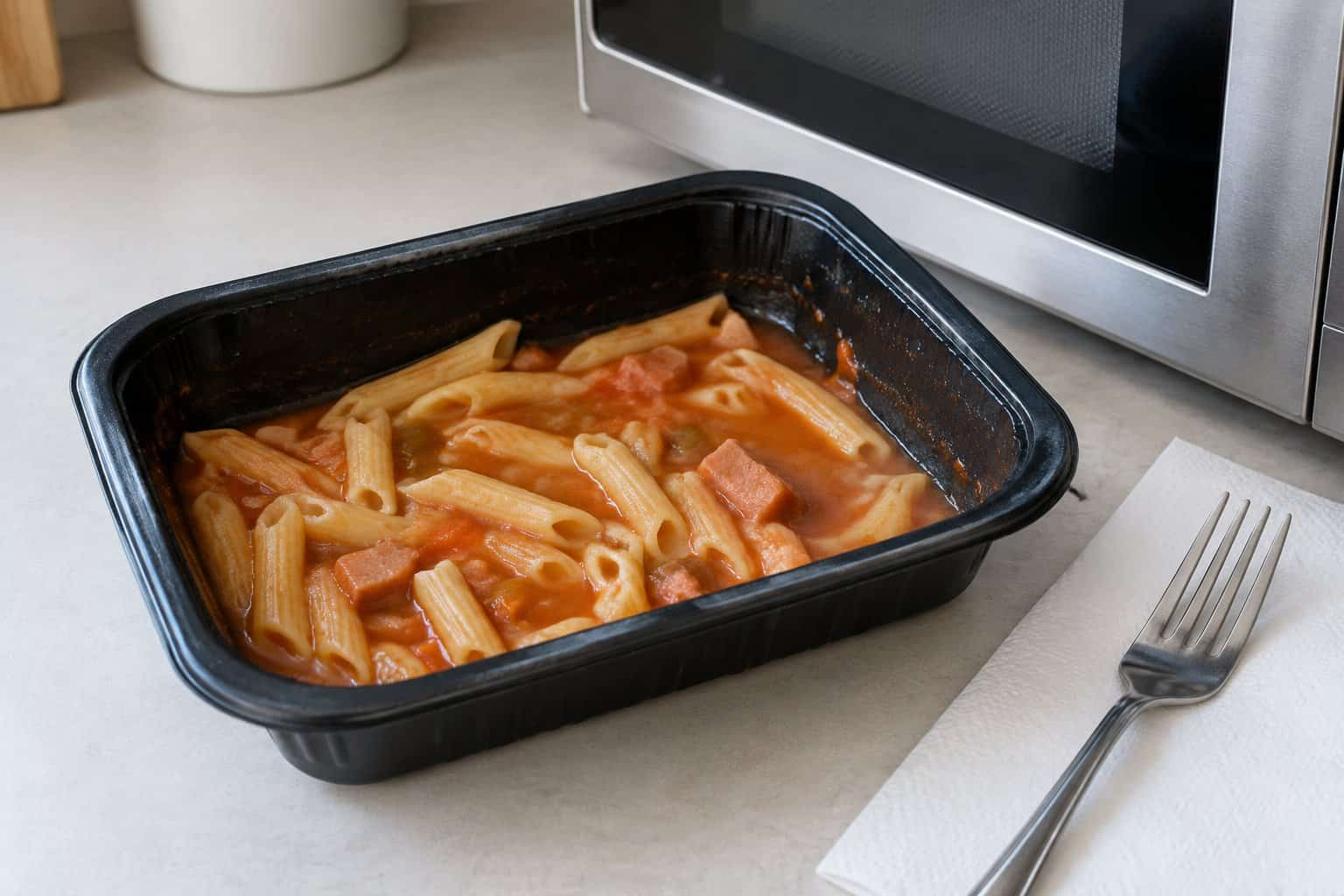
You can expect these pasta cups to disappoint once you peel back the lid. The noodles are partially cooked before packaging, so they keep softening while sitting on the shelf or in the freezer. By the time you heat your meal, you often end up with mushy, waterlogged pasta instead of anything resembling al dente.
The sauce doesn’t fare much better. Shoppers frequently describe it as thin, bland, or separated, since pasta and sauce age very differently in frozen or shelf-stable conditions. You may notice an odd texture or a layer of liquid pooling at the bottom of the container.
Portion size is another common complaint. These meals are small, so you’ll likely need a side dish or snack afterward if you’re trying to make a full meal out of one.
A better option is buying dry pasta and a jar of sauce separately, even from Dollar Tree itself. You control the cook time, the texture stays firm, and the overall flavor holds up far better than anything from the microwave aisle.
22. Canned Spaghetti with Meatballs
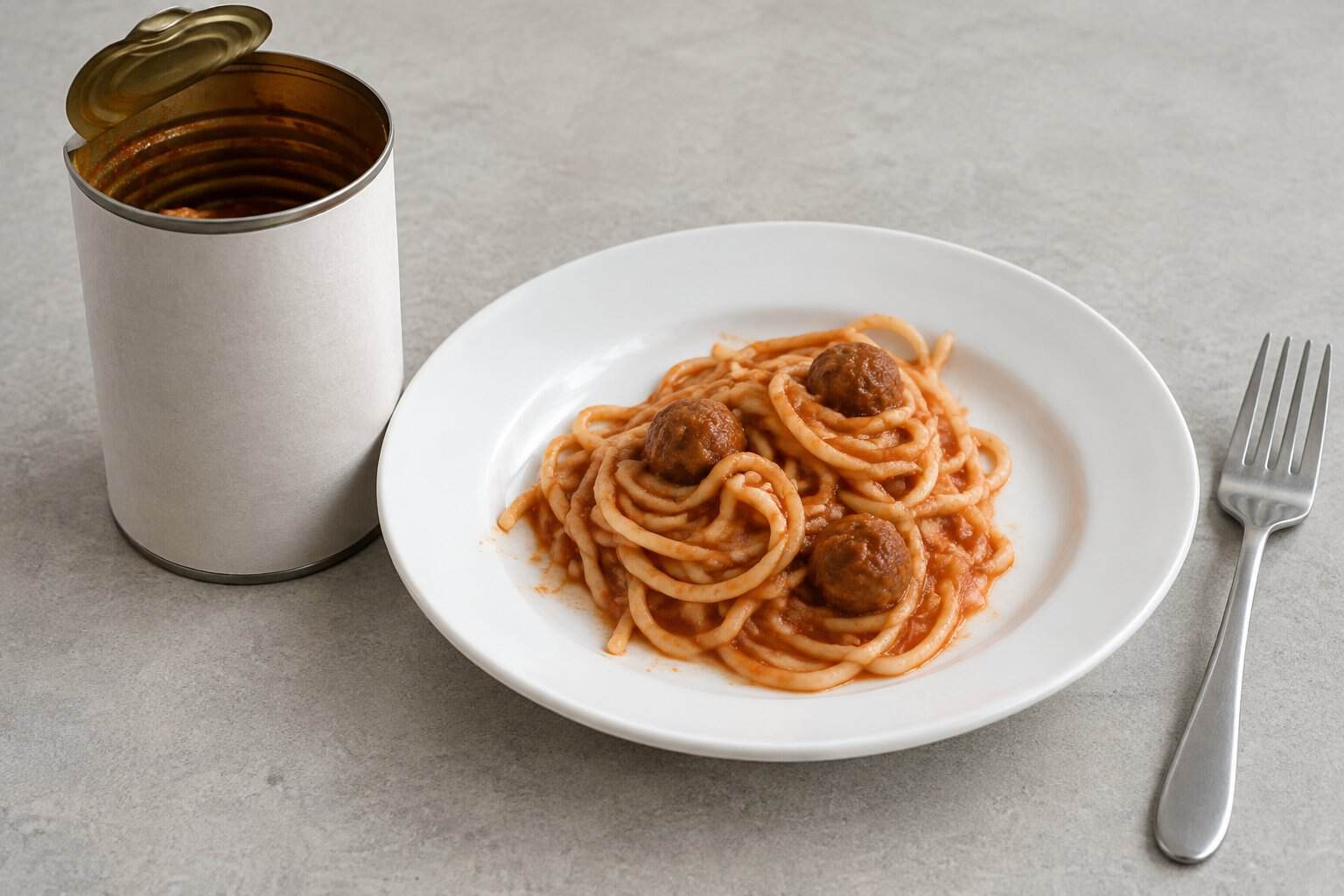
You will find canned spaghetti with meatballs on Dollar Tree’s shelves, often from lesser-known brands or smaller packaging than what you get at a regular grocery store. Shoppers report that the sauce tastes watery and overly sweet, lacking the depth you expect from a tomato-based sauce.
The meatballs draw the most criticism. You may notice they have a mushy, uniform texture that suggests low meat content mixed with filler. Many reviewers describe the flavor as bland, requiring extra seasoning or parmesan just to make the dish palatable.
Portion size is another issue you should consider. The cans are often smaller than name-brand versions, meaning you pay a comparable per-ounce price despite the discount appearance.
If you want canned pasta with meatballs, buy SpaghettiOs instead, since it is also available at Dollar Tree and offers a more consistent, familiar taste that outperforms generic alternatives in canned pasta taste tests. You could also spend slightly more at a traditional grocery store for Chef Boyardee, avoiding only their worst-rated mini spaghetti rings and meatballs variety.
23. Canned Ravioli
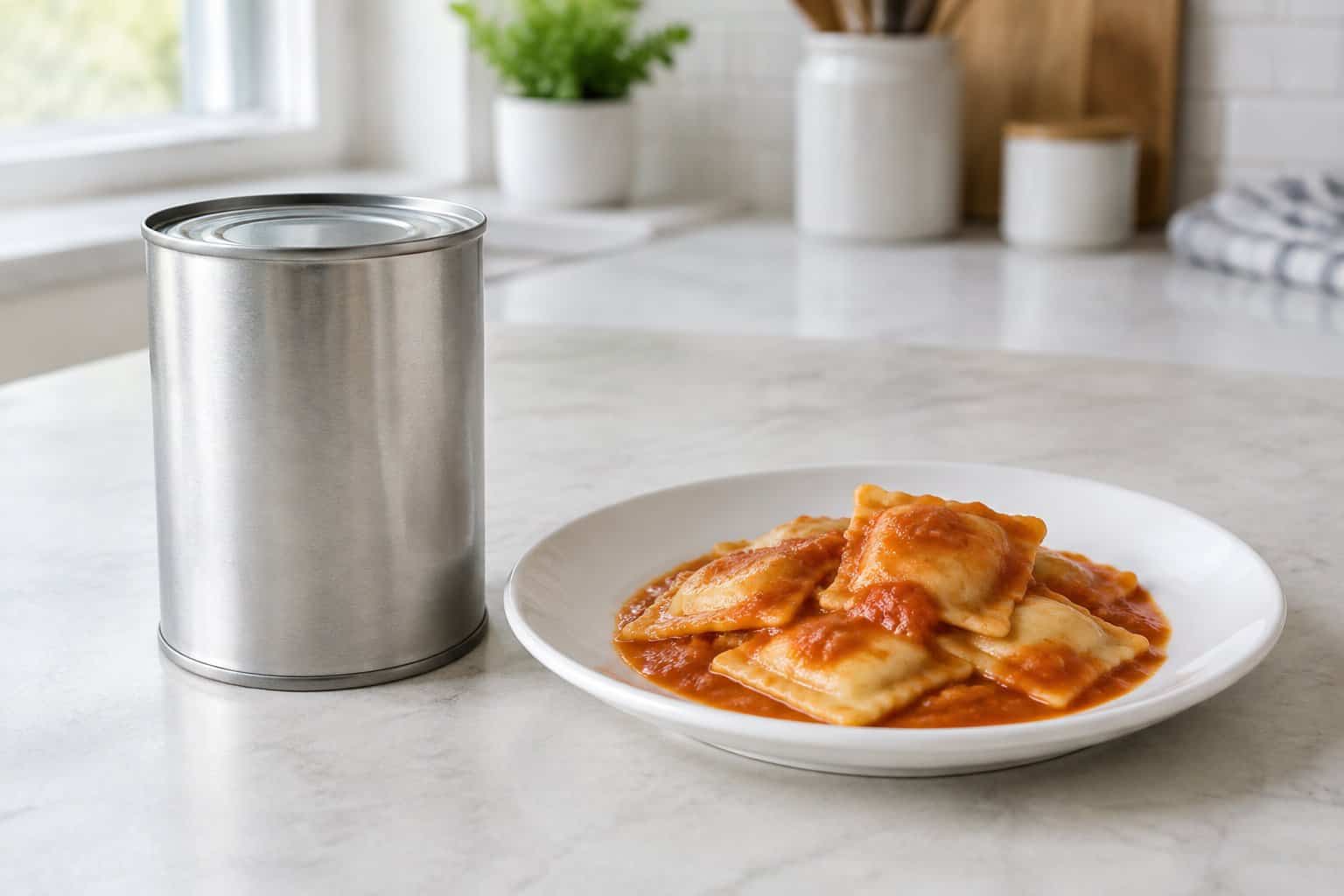
Dollar Tree’s canned ravioli is one of the items shoppers mention most when discussing canned foods you should never buy at the dollar store. The pasta tends to turn mushy, and the sauce often comes across as thin and overly sweet rather than savory.
The meat filling is another sticking point. Many shoppers describe it as sparse or oddly textured, with little resemblance to the beef or cheese you’d expect from a more established brand.
Portion size is also a letdown. The cans are smaller than what you’d get from mainstream grocery store options, so you may end up buying multiple cans to make a single meal, cutting into any savings you thought you were getting.
If you want canned pasta that actually satisfies, you’re better off picking up Chef Boyardee or a store-brand version from a regular supermarket. These alternatives usually cost only slightly more but deliver better sauce consistency, more noticeable meat content, and a more filling portion per can.
24. Canned Beef Stew
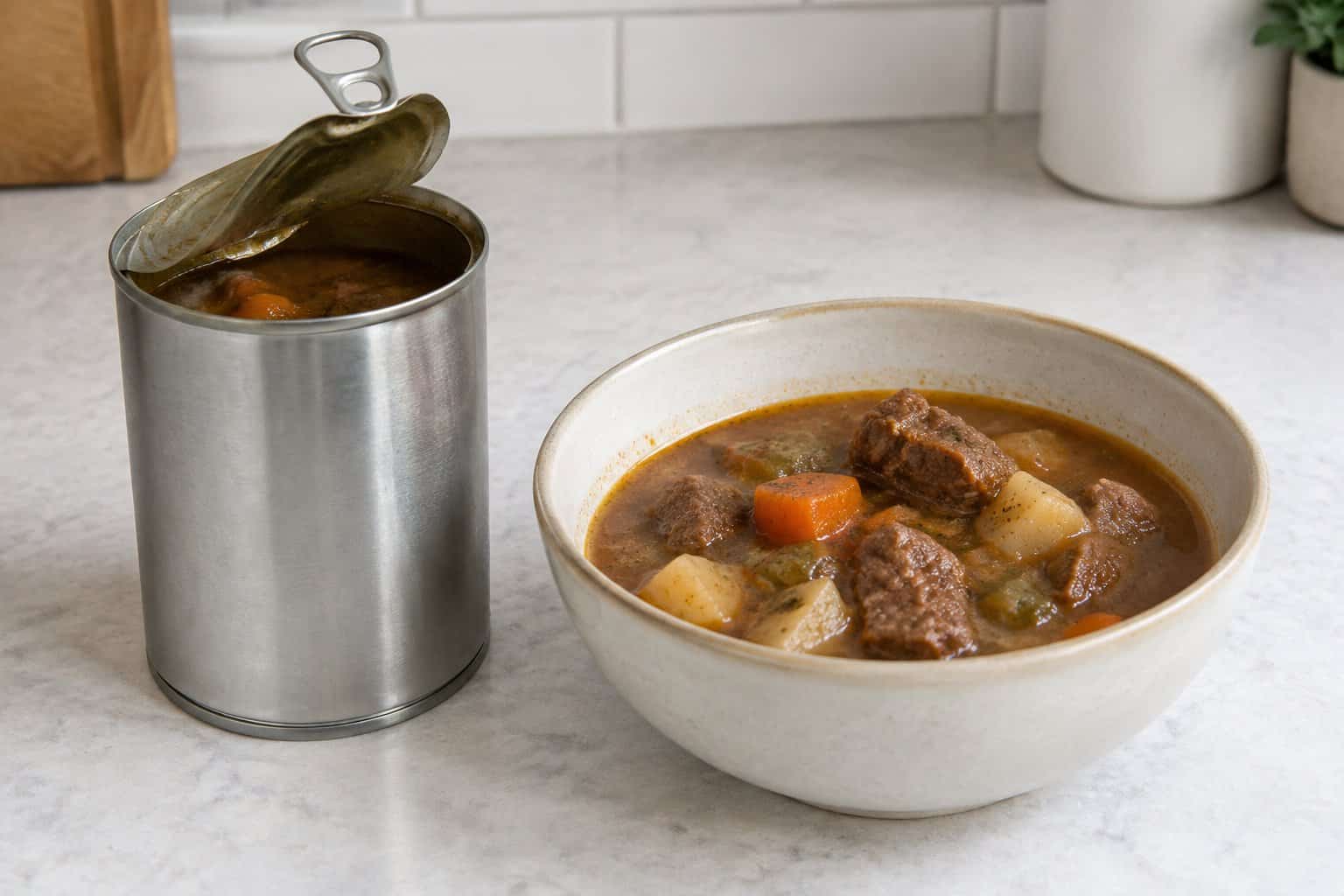
You might grab Dollar Tree’s canned beef stew expecting a quick, filling meal, but many shoppers walk away unimpressed. The most common complaint centers on the meat-to-gravy ratio, with reviewers noting the “beef” chunks are sparse and sometimes more fat and gristle than actual meat.
The gravy itself tends to draw criticism for being bland or overly salty, lacking the depth you’d expect from a hearty stew. Some disappointed customers have reported the product falling short of expectations in both flavor and overall quality compared to what the packaging promises.
Texture is another sore point. You may notice the vegetables, usually potatoes and carrots, turn mushy during the canning process, losing any sense of freshness or bite.
If you want a better option, look for canned stews from established brands at a regular grocery store. These usually offer more consistent meat content and a richer, more balanced gravy. Spending a little more per can typically gets you a product that actually satisfies hunger without leaving you wishing you’d cooked something from scratch instead.
25. Canned Chili with Beans
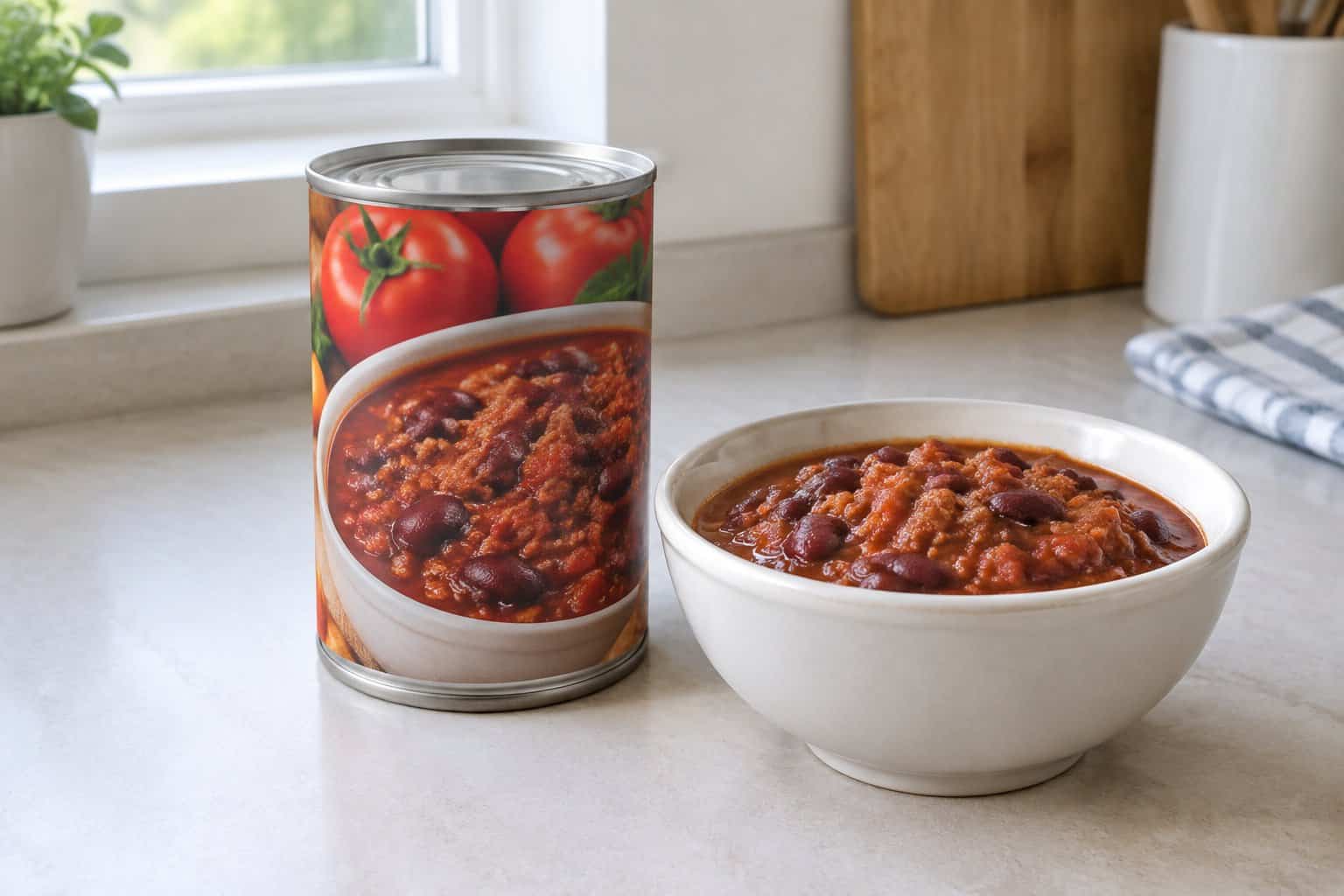
Dollar Tree’s canned chili with beans draws complaints about texture more than anything else. Shoppers frequently report that the beans turn soft and almost chalky after the canning process, leaving the product feeling more like mush than a hearty meal. If you’re expecting distinct bean pieces with some bite, you’ll likely be disappointed.
The meat content is another sticking point. You’ll often find the meat finely processed and sparse, with a flavor that reviewers describe as bland or muddled rather than rich and savory. The overall seasoning tends to taste like a shortcut version of real chili, and some shoppers note an off-putting aftertaste that lingers.
Sodium levels are also a concern, since many canned chilis pack a significant portion of your daily recommended intake into a single serving. For a better option, look at established brands tested head-to-head by reviewers, since one taste test identified a clear standout among ten popular canned chilis. Spending slightly more at a traditional grocery store will likely get you better texture, more balanced seasoning, and a more satisfying meal overall.
26. Frozen Breaded Chicken Patties
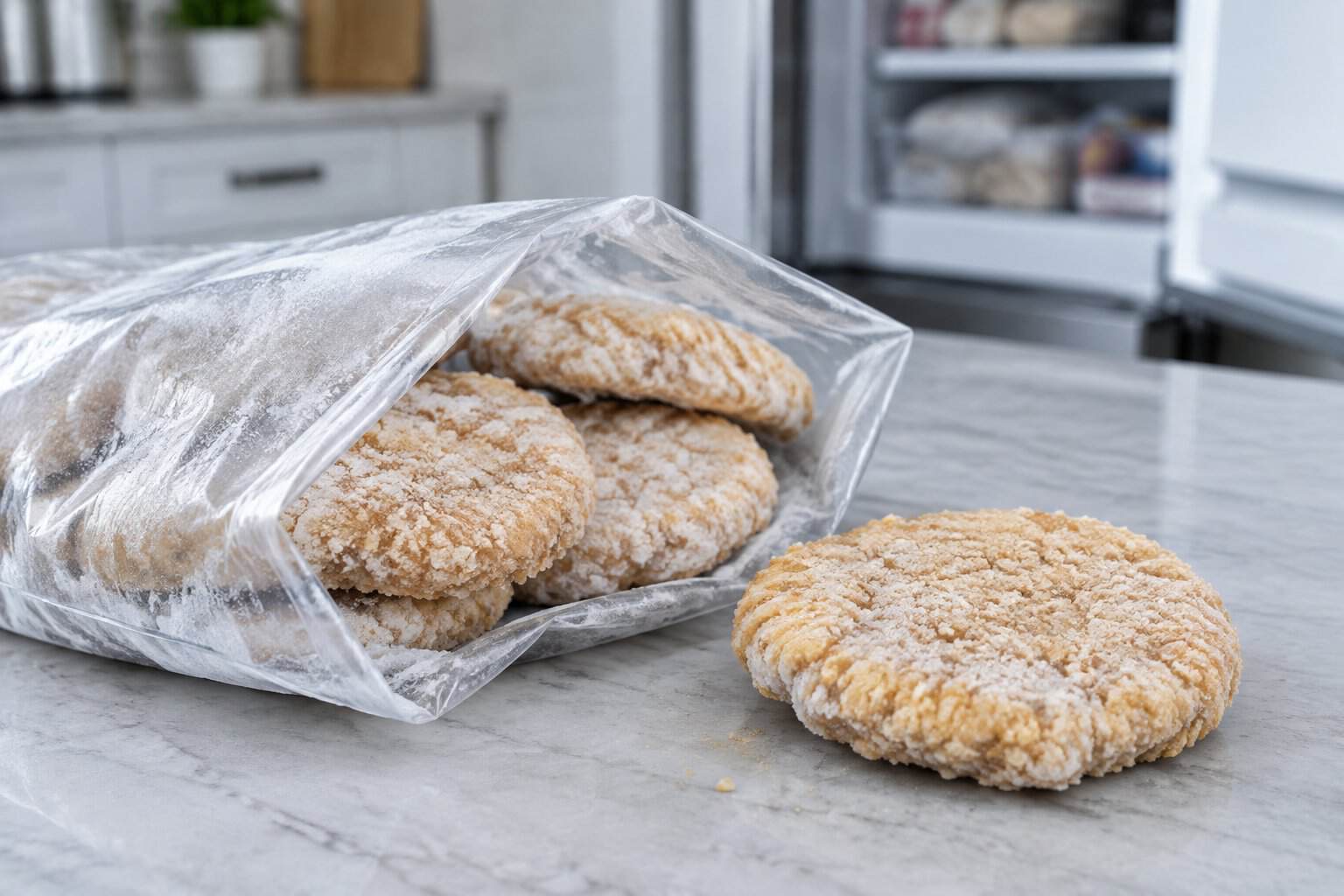
You may expect a straightforward chicken dinner when you grab a box of frozen breaded chicken patties from Dollar Tree, but the ingredient list often tells a different story. Many shoppers report that these patties contain less than half actual chicken, with the rest made up of breadcrumbs, soy protein, and preservatives, as nutritionists have pointed out about Dollar Tree’s frozen chicken patties.
You’ll also notice the texture can feel spongy or rubbery once cooked, a common complaint tied to the use of mechanically separated chicken and heavy fillers. The thick breading tends to soak up oil during frying, adding unwanted sodium and fat without much nutritional payoff.
If you want a better option, look for patties with chicken breast listed as the first ingredient and a shorter additive list. Brands sold at mainstream grocery stores typically offer more transparency about sourcing and fewer fillers.
You can also check reviews from other shoppers before buying, since some frozen chicken patty brands consistently rank higher for taste and ingredient quality.
27. Frozen Imitation Crab Meat
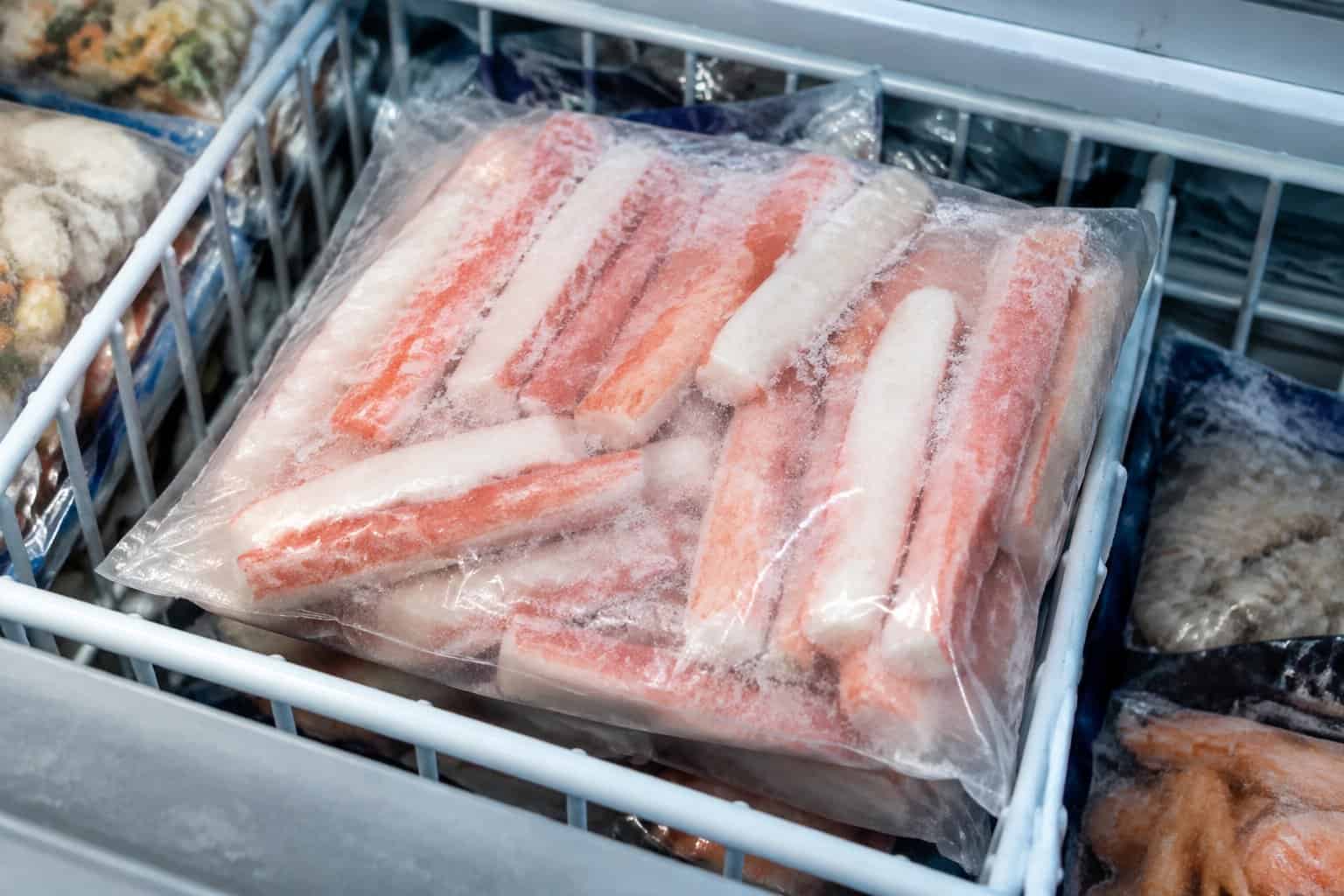
Dollar Tree sells frozen imitation crab, and shoppers have raised real concerns about it. Social media posts have specifically warned people against buying the crab legs sold at Dollar Tree, with many questioning whether the product is safe or worth the risk at all.
Part of the issue comes down to transparency. Imitation crab is typically made from a processed fish paste, often pollock, combined with starches, flavoring, and coloring to mimic real crab. You should always check the label before buying, since some of these products are not clearly marked as imitation on the packaging or display.
Texture is another common complaint. Shoppers have described the product as rubbery or mushy once thawed, which is a far cry from the flaky texture of real crab meat. Storage and handling at the store can also affect quality, so inconsistent freezer temperatures may leave you with a product that has freezer burn or an off smell.
If you want imitation crab, you’re better off buying a recognized brand like Chicken of the Sea from a regular grocery store, where quality and labeling tend to be more consistent.
28. Frozen Breakfast Sandwiches
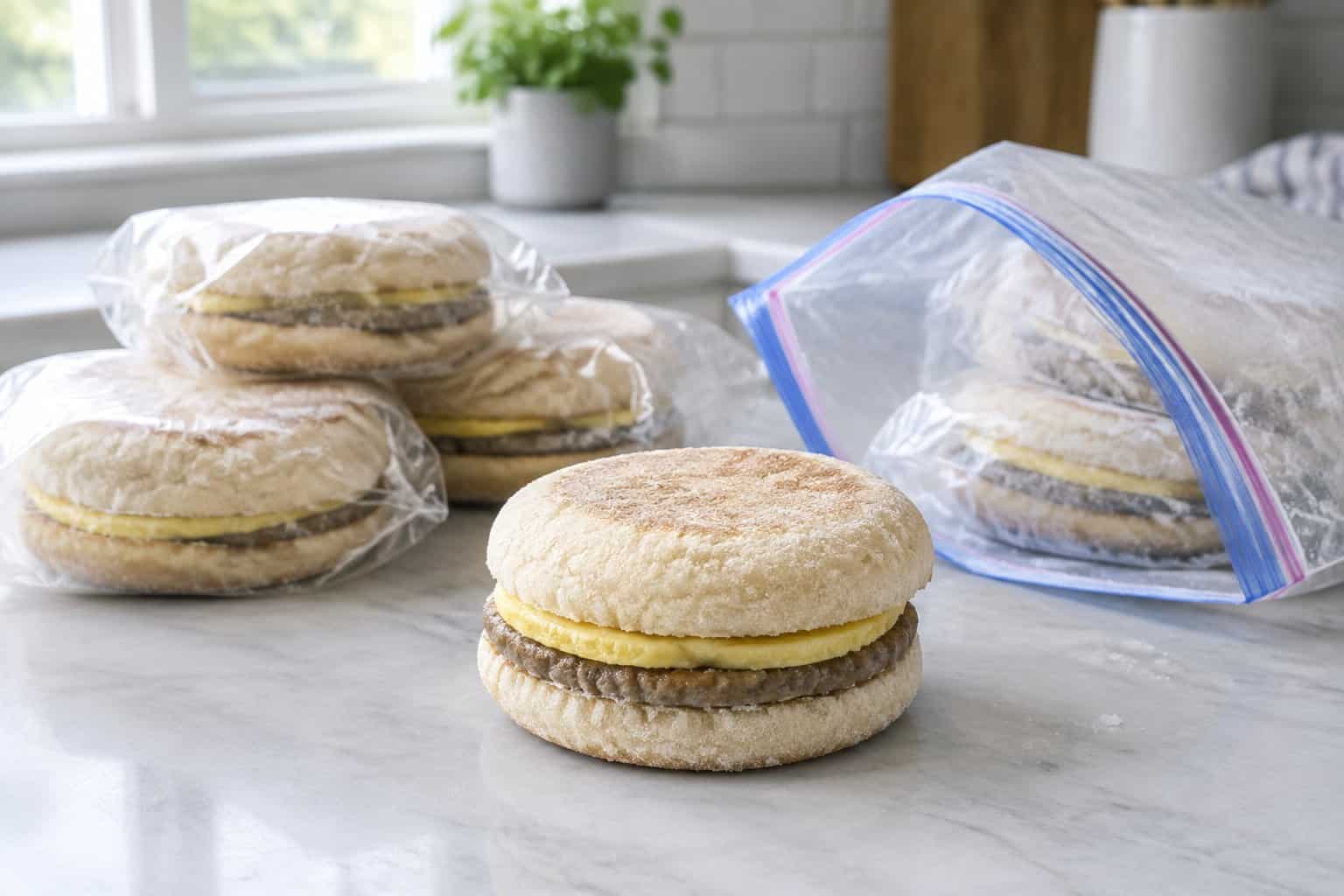
You might be tempted by the low price of Dollar Tree’s frozen breakfast sandwiches, but many shoppers report disappointment once they’re cooked. The eggs are often reconstituted rather than real scrambled eggs, which gives them a rubbery, uniform texture.
If you look at the meat component, it’s typically a processed sausage or ham patty rather than whole cuts. Shoppers note that these frozen breakfast sandwiches are high in sodium and contain preservatives that extend shelf life but detract from flavor.
The cheese slice is another sticking point for you to consider. It’s usually a processed cheese product rather than real cheddar or American cheese, so it tends to separate or turn greasy when microwaved.
A better alternative is to buy a dozen eggs, English muffins, and a pack of Canadian bacon from a regular grocery store. You can assemble and freeze your own sandwiches in bulk for a similar per-unit cost, with better ingredient quality and more control over sodium levels. This approach also lets you avoid the preservatives found in many mass-produced freezer sandwiches.
29. Frozen Pepperoni Pizza
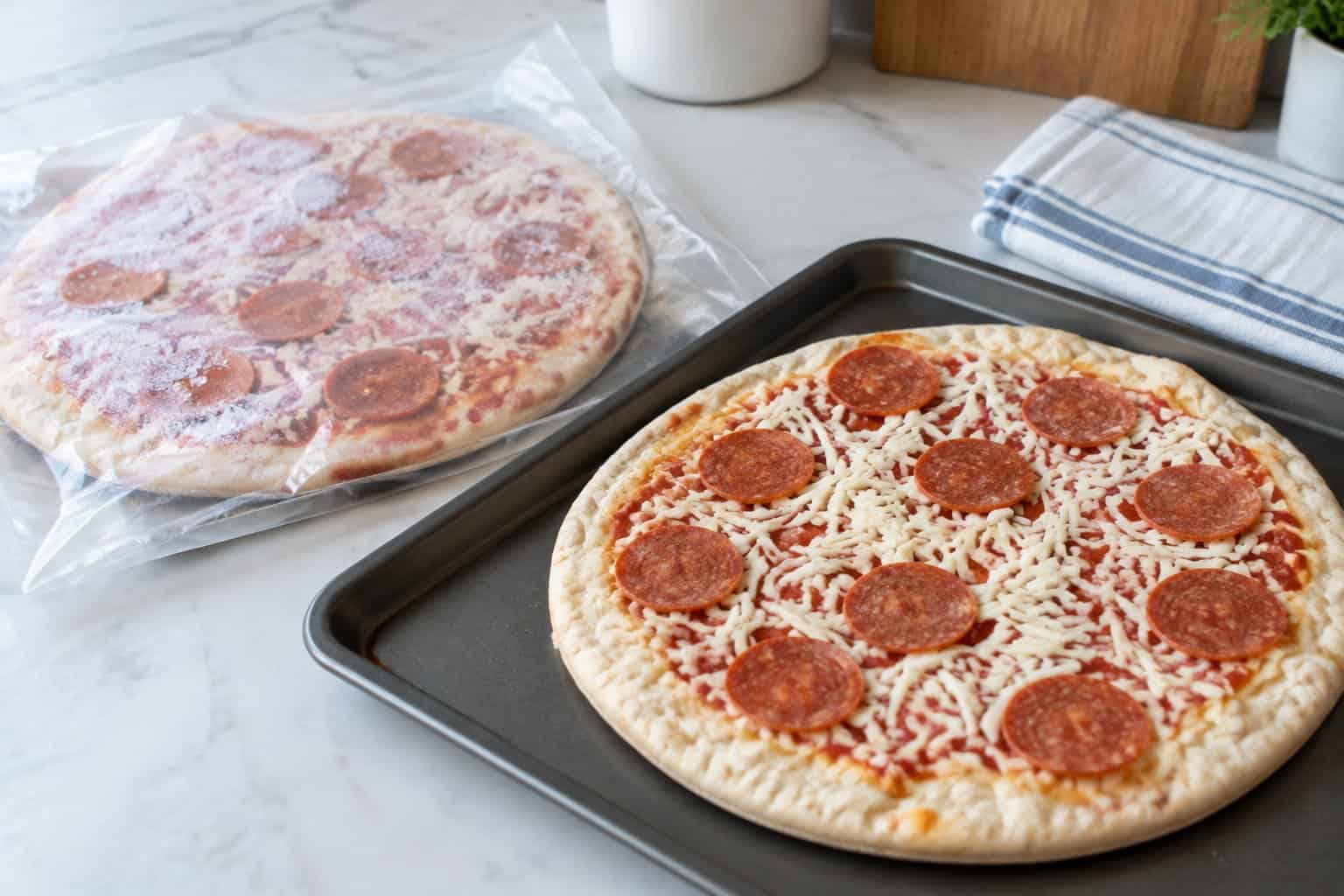
Dollar Tree’s frozen pepperoni pizza draws steady criticism for its thin, cardboard-like crust and sparse pepperoni topping. You’ll often find the sauce tastes watery or overly sweet, with little resemblance to a traditional pizza sauce. The cheese layer tends to be thin and can turn rubbery rather than melting smoothly when baked.
Many shoppers note that the pizza shrinks noticeably during baking, leaving you with a smaller portion than the box suggests. The overall flavor profile reads as bland, lacking the seasoning balance you’d expect from a quality frozen pizza. This issue of underwhelming seasoning is common enough in the frozen pizza category that even name brands aren’t immune, with Kroger’s Pepperoni Classic Crust facing similar complaints about muted flavor.
You’re better off spending a few extra dollars on a mid-range grocery store brand that offers a thicker crust and more generous toppings. Look for options with real mozzarella and a sauce made from whole tomatoes rather than concentrate. The price difference is small, but the improvement in taste and texture is substantial.
30. Frozen Burritos
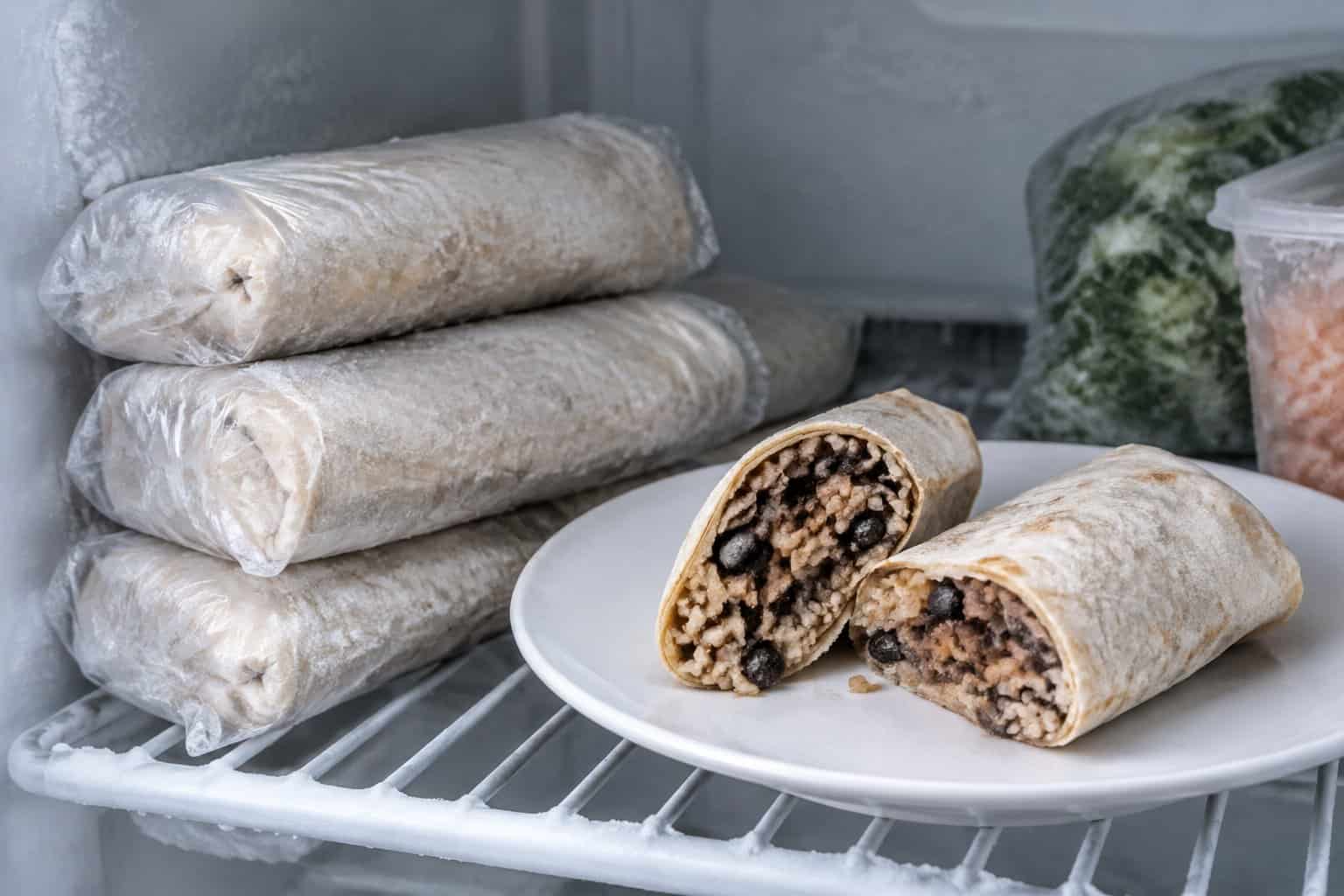
Dollar Tree’s frozen burritos tend to disappoint you on texture and filling quality. Many shoppers describe the tortillas as gummy or dense after microwaving, and the filling often comes across as a thin paste rather than distinct beans, rice, or meat. You may also notice an uneven heat distribution, with the center staying cold while the edges turn rubbery.
The flavor is another common complaint. Reviewers frequently note a bland or overly salty taste that masks whatever meat or bean flavor should be present.
If you want a frozen burrito that actually holds up, brands found in regular grocery store freezer sections tend to perform better in taste tests, with fillings that stay distinct and tortillas that crisp up properly. You can check out how different frozen burrito brands compare in a frozen burrito taste test ranking to find one that suits your preferences.
For a healthier option, a nutritionist breakdown of best and worst frozen burritos can help you choose one with better nutritional value and real ingredients, rather than settling for the dollar store version just to save a little money.
How to Interpret Shopper Complaints
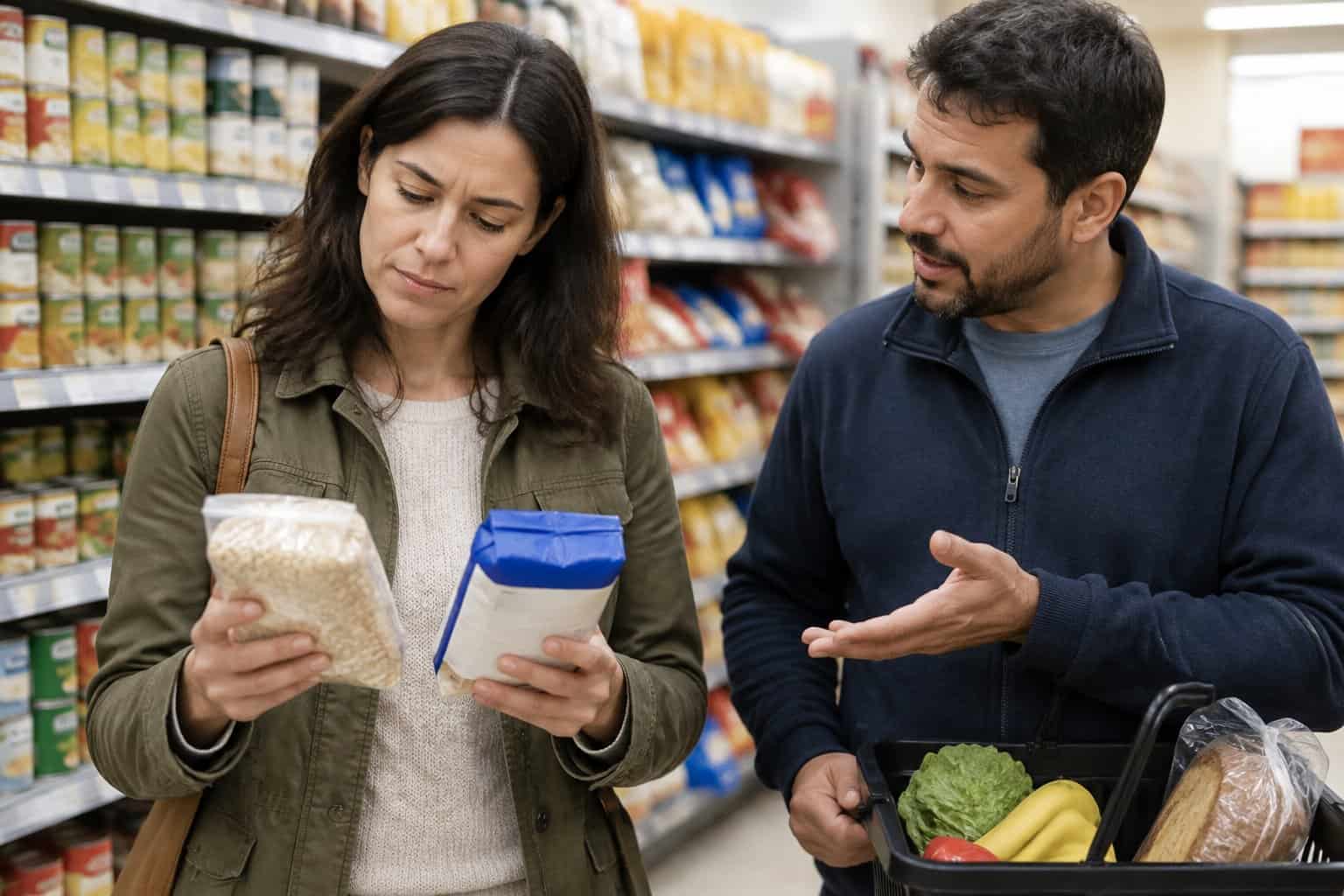
Not all negative reviews carry the same weight, so you need to separate personal taste preferences from legitimate quality defects. Understanding the difference helps you decide which complaints to take seriously and which ones to disregard.
Taste and Texture Versus Product Quality
When you read reviews, look for the distinction between subjective dislikes and objective problems.
A comment calling a snack “bland” reflects personal preference, while reports of mold, an off smell, or a foreign object point to a genuine quality issue. Reviewers who thought this evaporated milk had an odd taste were also surprised to see soybean oil listed near the top of the ingredient list, which shows you how a single complaint can mix flavor opinion with a factual ingredient concern.
You should weigh complaints more heavily when multiple shoppers describe the same specific defect, such as:
- Packaging that arrives damaged or torn
- Products with inconsistent texture between batches
- Items that taste noticeably different from name-brand equivalents
Patterns across several reviews tell you more than a single frustrated comment.
Why Expectations and Preparation Matter
Your expectations going into a purchase shape how you judge it afterward.
A dollar-store snack won’t match a premium brand in flavor complexity or ingredient sourcing, so comparing them directly sets you up for disappointment. Some complaints also stem from preparation mistakes rather than product flaws, since frozen meals, in particular, draw criticism tied to cooking instructions and inconsistent results rather than the food itself.
Before you dismiss a product based on a review, consider whether the complaint reflects:
- Misuse or incorrect preparation
- A one-time packaging or shipping issue
- A mismatch between price point and quality expectations
Reading reviews with this context gives you a clearer picture of what you’re actually buying.
How to Evaluate Dollar Tree Foods Before Buying
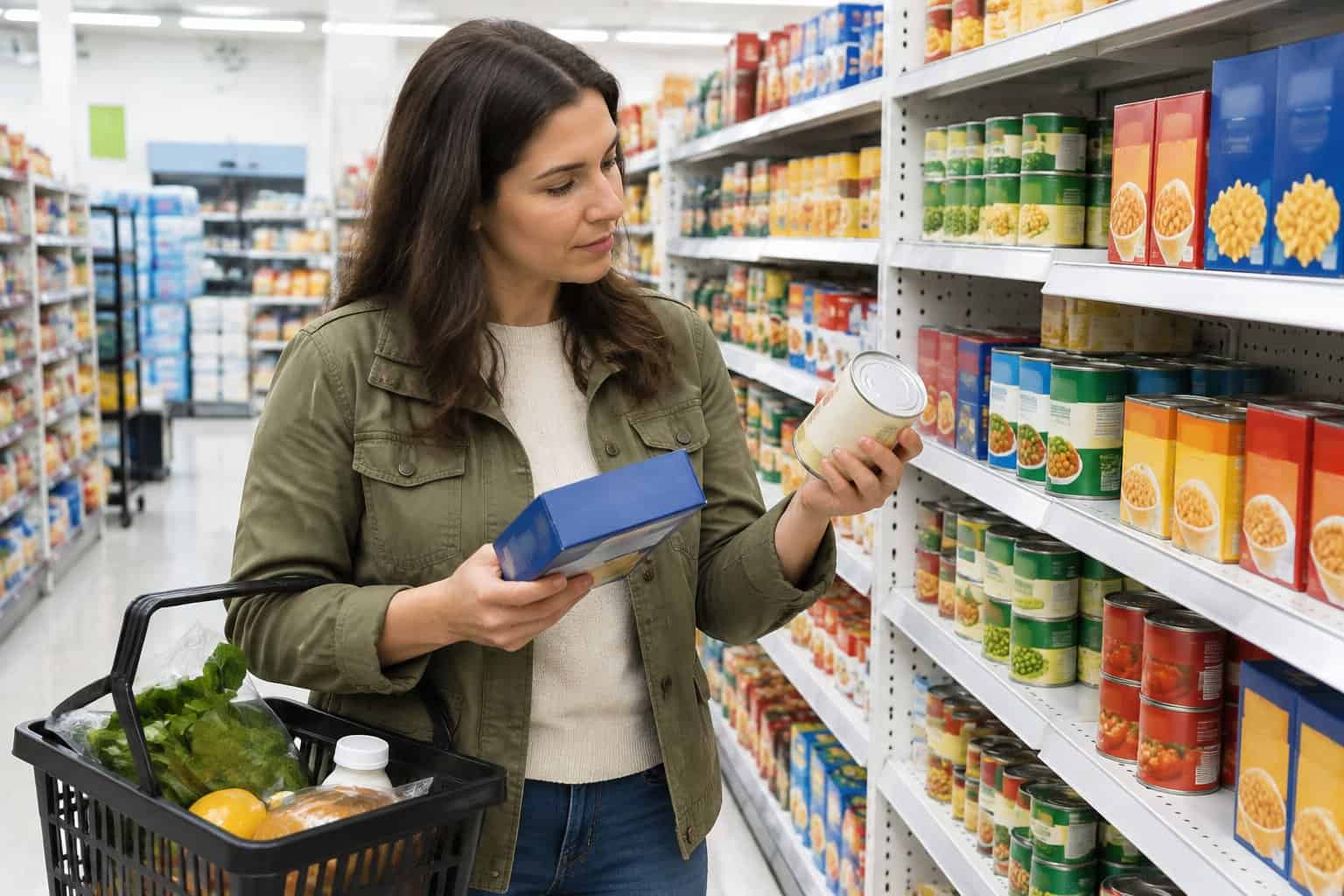
A quick check of a product before it goes in your cart can save you from waste, spoiled food, or a bad deal. Focus on what the packaging tells you and how the price actually compares to larger retailers.
Check Dates, Packaging, and Labels
Look at the expiration or “best by” date first. Some Dollar Tree items are closeout or surplus stock, so dates can be closer than what you’d find at a regular grocery store.
Inspect the packaging for dents, tears, or swelling, especially on canned goods and frozen items. Damaged packaging can mean a broken seal, which raises the risk of contamination.
Read the ingredient label and country of origin. Some frozen meat products come from less transparent supply sources, so checking the label helps you know exactly what you’re getting.
Check for:
- Frost or ice crystals on frozen packaging (a sign of thawing and refreezing)
- Faded or unclear print on labels
- Missing nutrition information
Compare Unit Prices and Serving Sizes
Dollar Tree pricing can look like a deal, but the per-ounce or per-unit cost sometimes beats out larger stores only on the surface. Calculate the unit price yourself rather than assuming a flat price means better value.
Serving sizes at Dollar Tree are often smaller than what you’d get at a traditional supermarket. A snack bag or canned good priced at a dollar might contain half the quantity of a similar product elsewhere.
Some steak and meat products priced at a few dollars are noticeably thinner or smaller than comparable cuts sold at full-price grocery chains.
Bring a calculator or use your phone to divide price by weight or count before buying in bulk. This step helps you confirm whether you’re actually saving money or just paying less upfront for less food.





One Comment