The 30 Worst Halloween Candies According to Shoppers: Ranked by Taste
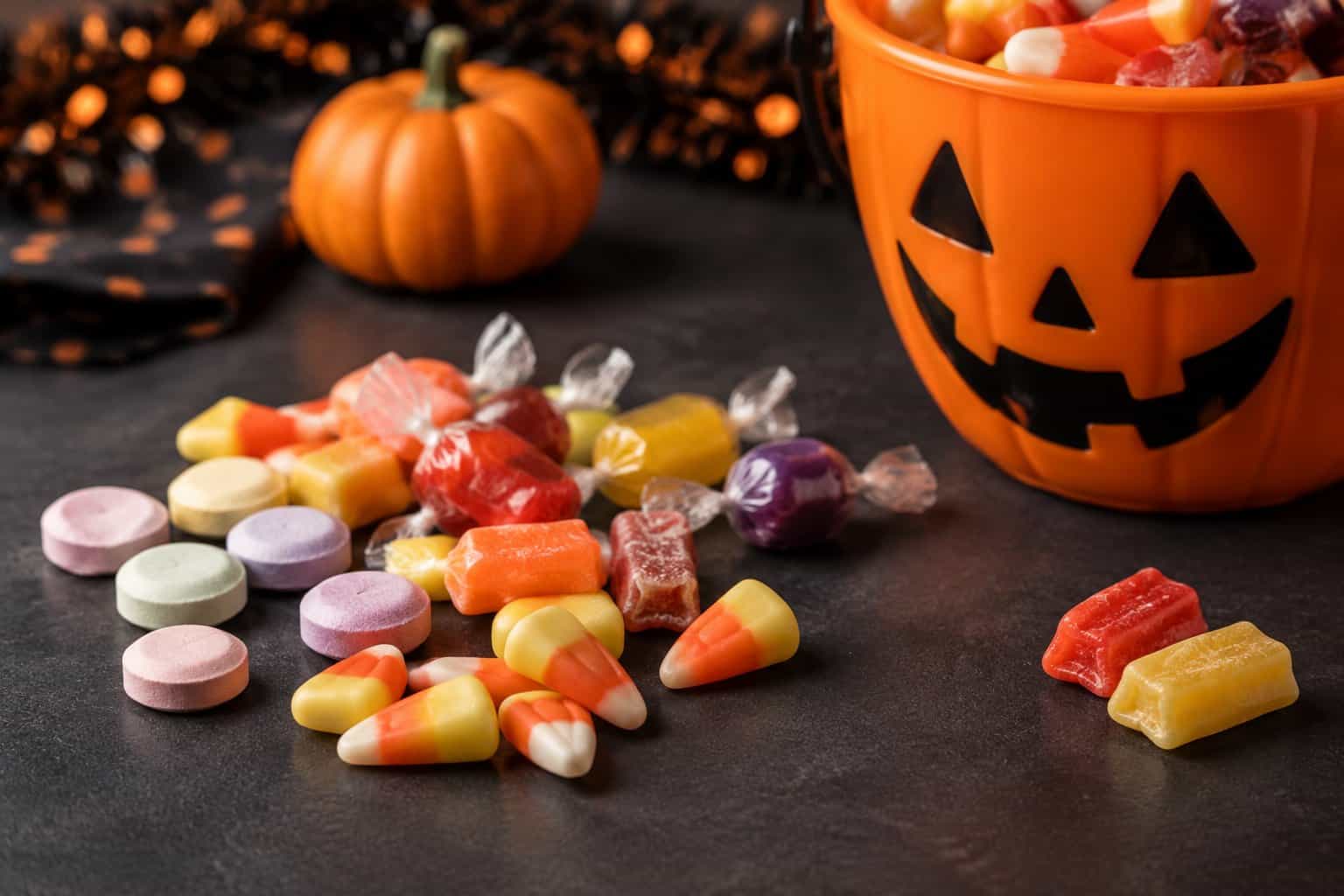
Halloween candy inspires strong opinions. Some treats show up in nearly every trick-or-treat bag year after year, while others get left behind or traded away almost immediately.
Shoppers and candy buyers have weighed in on which options consistently disappoint. Taste, texture, and overall appeal all factor into why certain candies end up on the bottom of the list.
Your own list might look different, but these rankings reflect what many people actually think when the wrapper comes off. If you shop for cheap treats, see our list of the worst Dollar Tree foods too.
1. Candy corn
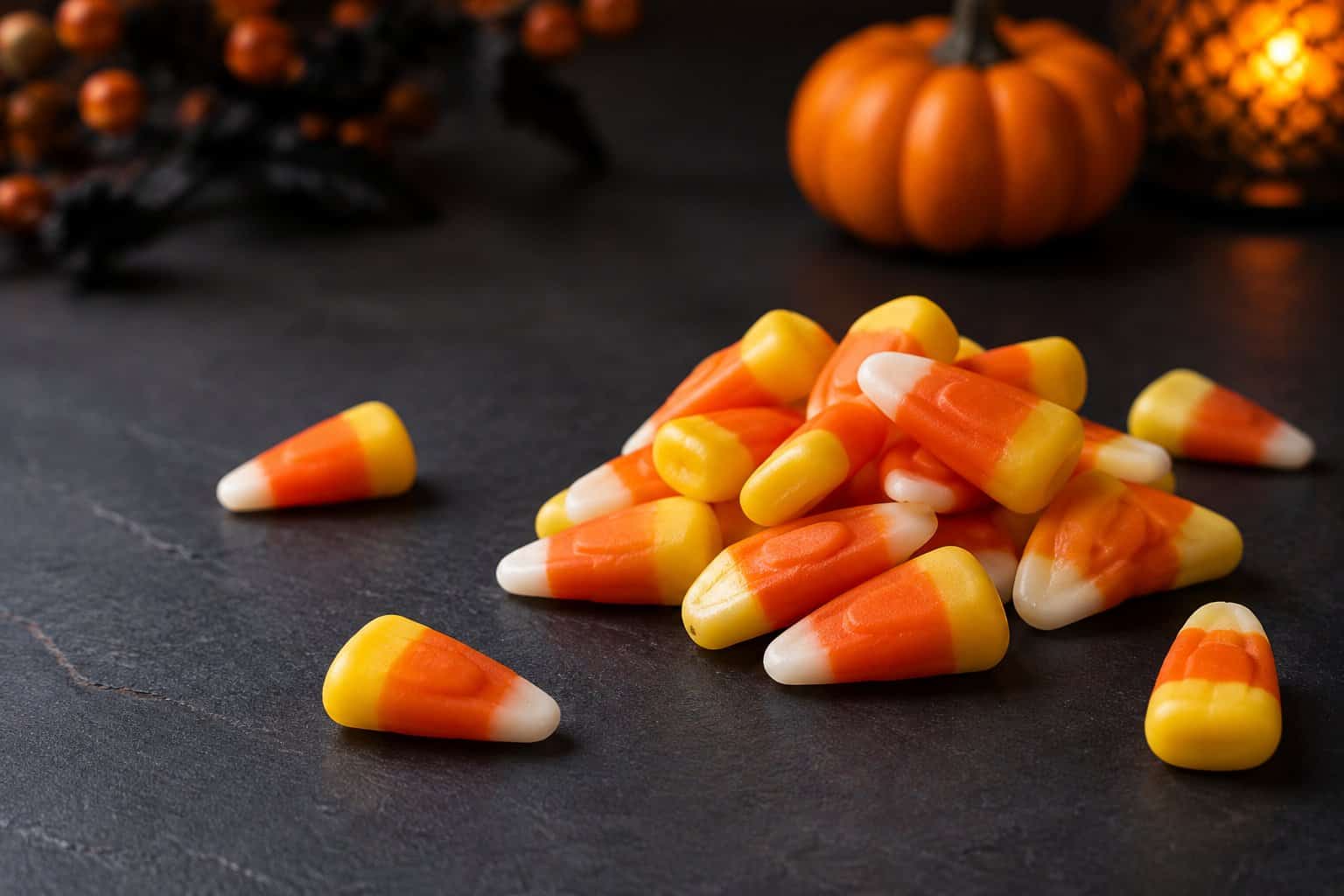
Candy corn has reclaimed the top spot on the list of worst Halloween candies in 2026. CandyStore.com surveyed 3,200 customers, and candy corn beat out familiar names like Circus Peanuts and Peanut Butter Kisses for the least favorite treat.
You’ve probably noticed the candy’s divisive texture before. Its waxy, dense consistency sets it apart from most other Halloween sweets, and that’s often what pushes people away.
The flavor doesn’t help its case either. Candy corn relies almost entirely on sugar, with little else to balance it out, which can make it taste one-dimensional compared to chocolate or fruit-flavored options.
Despite its unpopularity in surveys, you’ll still find candy corn everywhere during the season. It remains a recurring target on worst candy lists, yet it hasn’t disappeared from shelves.
2. Hot Tamales
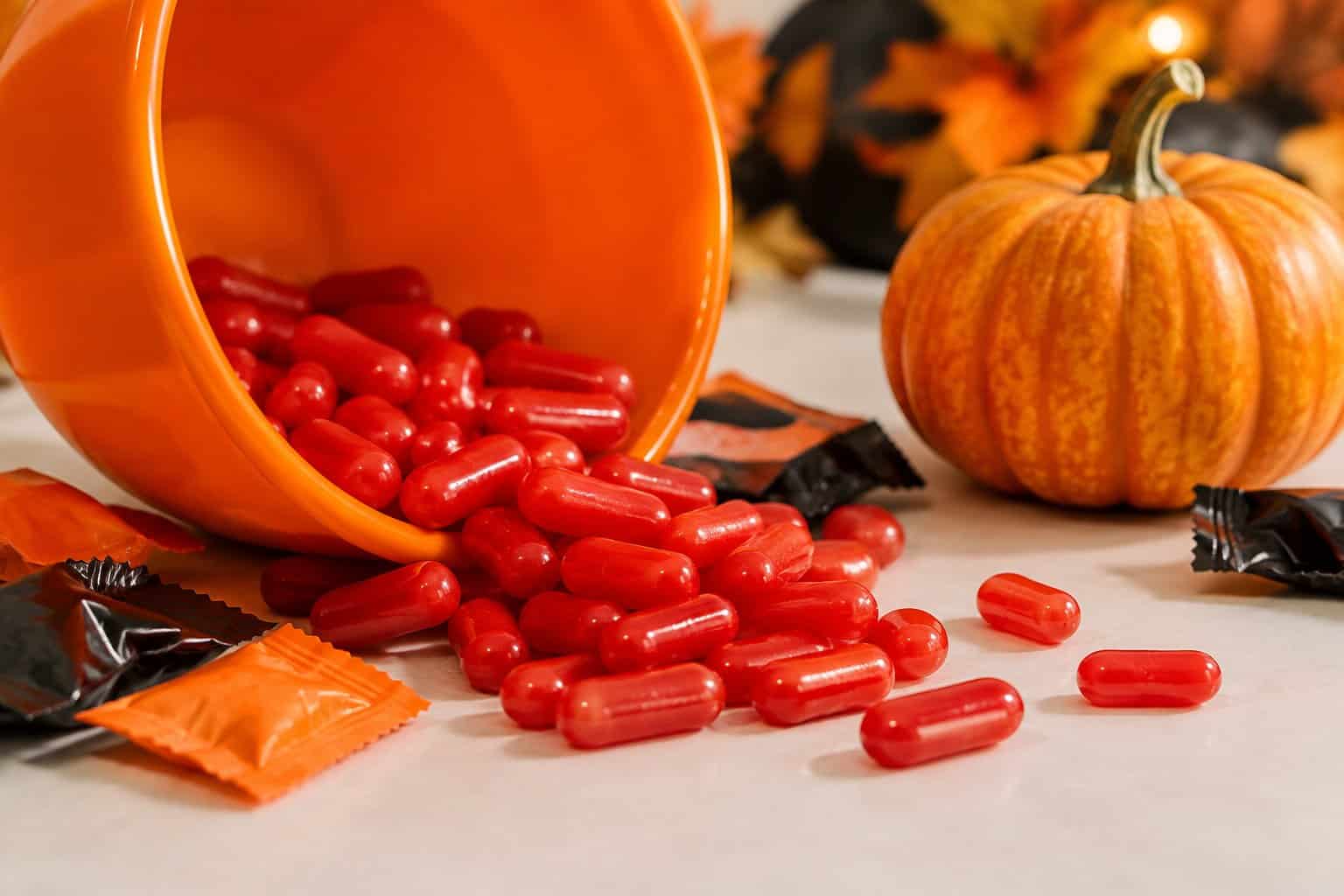
Hot Tamales land near the top of most shoppers’ dislike lists. A survey found that 26.1 percent of respondents named Hot Tamales among their least favorite Halloween candies, placing it second only to candy corn.
The cinnamon-heavy flavor is divisive. You either tolerate the intense spice or you find it overwhelming compared to other options in the bowl.
Part of the problem is context. Hot Tamales compete against chocolate and fruity candies, and their sharp, spicy profile doesn’t fit the expectation most trick-or-treaters have on Halloween night.
Regional preferences do exist. In Arizona, Hot Tamales were voted the most popular Halloween candy in 2020, showing that taste for this treat varies by location.
Still, nationally, you’re more likely to find Hot Tamales left untouched in the bottom of a candy bowl than handed out as a favorite.
3. Black licorice
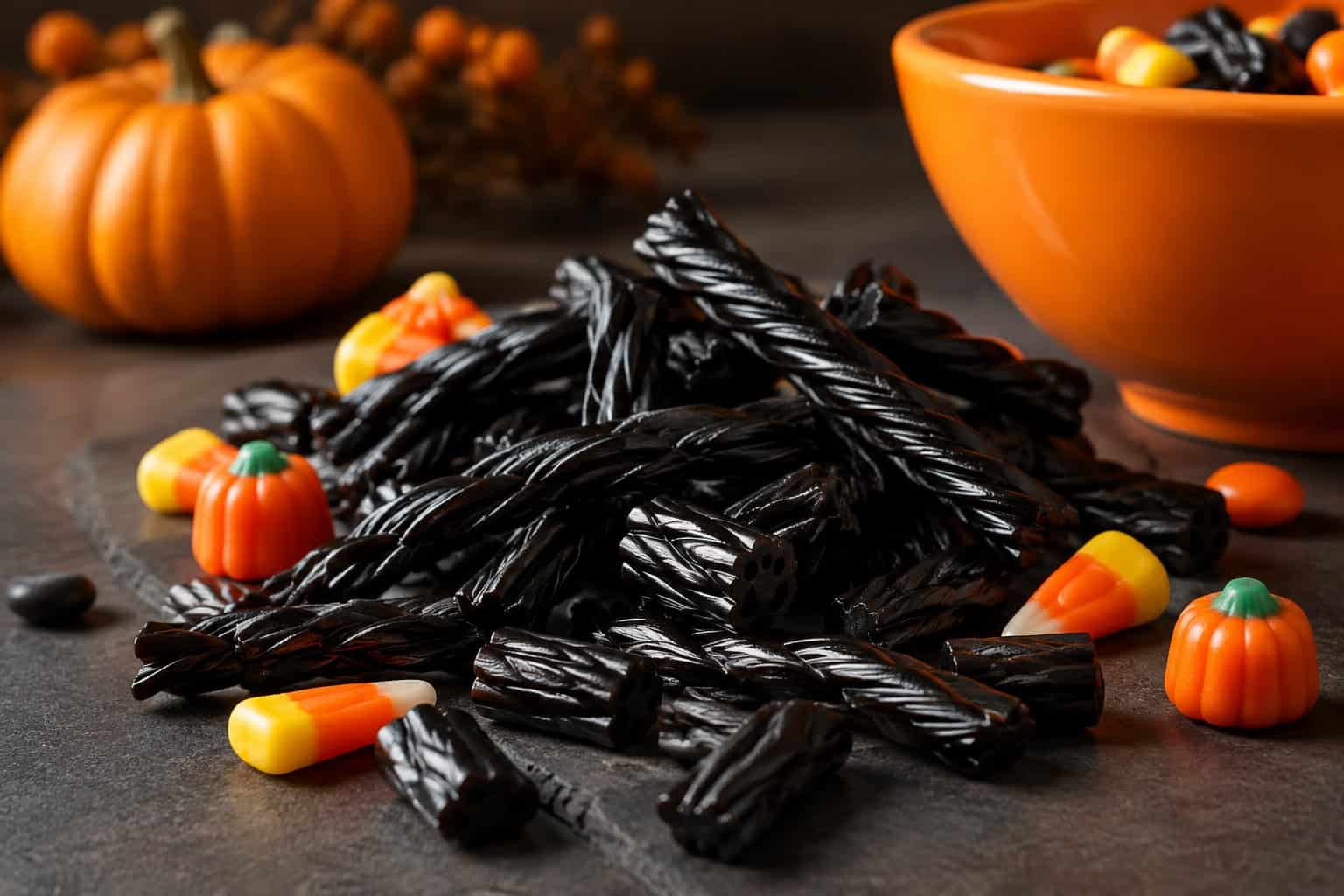
Black licorice divides opinion more than almost any other candy on this list. You either enjoy its strong, herbal flavor or you avoid it entirely.
The taste comes from anise, not licorice root extract in most modern versions, and that sharp, medicinal quality is often what turns people away. If you grew up without exposure to it, the flavor can feel unfamiliar and unpleasant compared to fruity or chocolate options.
Black licorice has actually improved in rankings recently. It ranked seventh in a 2024 Halloween candy ranking and moved up to eighth place in 2026 survey results.
Despite its polarizing status, you’ll find defenders who consider it a sophisticated alternative to sweeter options. For trick-or-treaters expecting standard sugary treats, though, it often gets passed over or traded away.
4. Good & Plenty
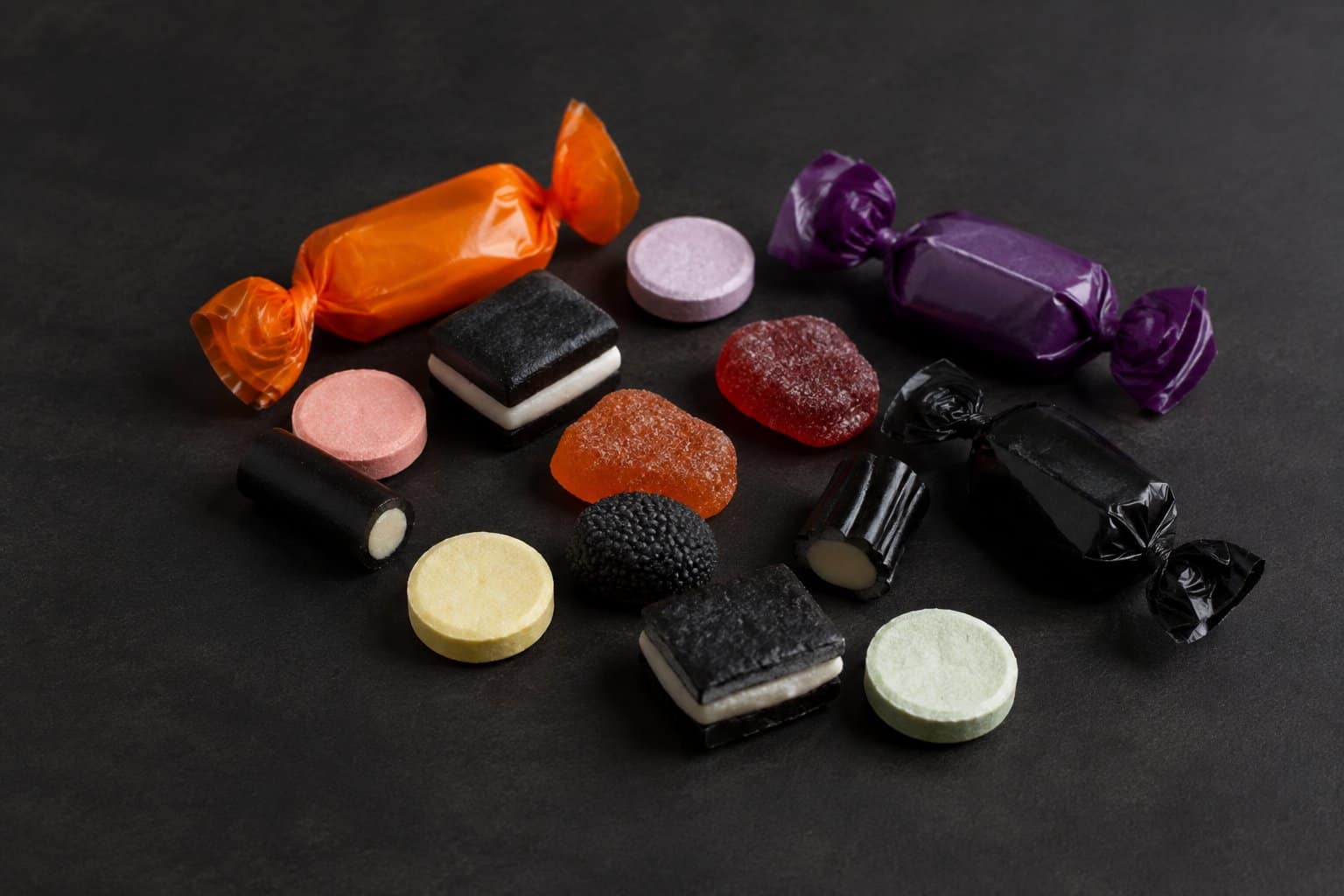
Good & Plenty lands near the top of multiple worst-candy lists, and the reason is simple: licorice flavor is polarizing. You either tolerate the taste or you don’t, and shoppers in several surveys clearly fall into the second camp.
In one ranking of least favorite treats, Good & Plenty placed second, right behind licorice itself, according to a survey of 20,000 people. Consumer Reports staffers also ranked it among their least favorite Halloween candies, placing it at number two.
You’ll notice the texture draws as much criticism as the flavor. The pastel pink and white shells coat a chewy licorice center that some find too firm and others find oddly soft.
Despite this, Good & Plenty has managed to escape worst-candy status in at least one recent ranking, suggesting your opinion of it may depend on timing and taste preference.
5. Necco Wafers
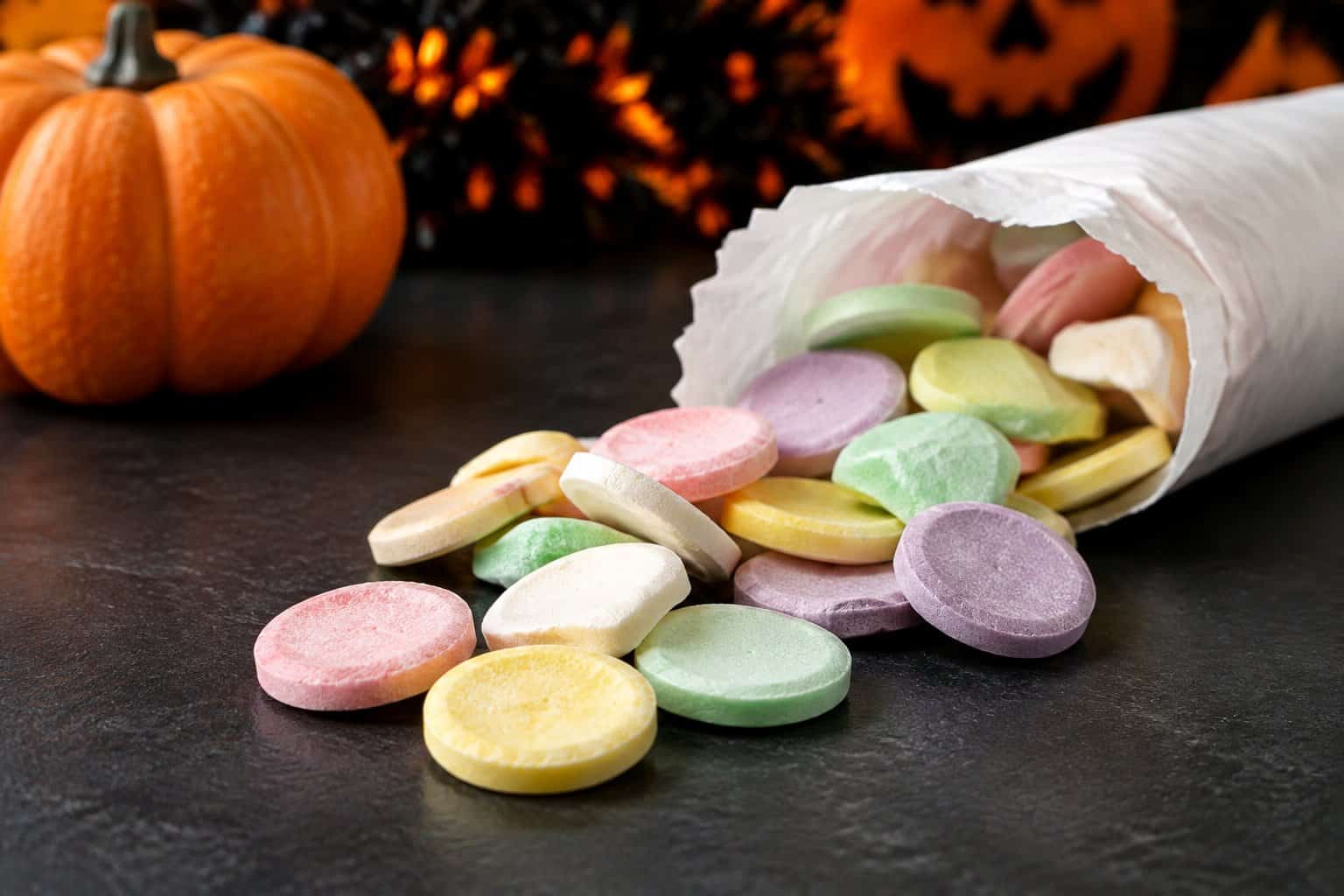
You either grew up eating these or you avoided them entirely. Necco Wafers have been around since 1847, and shoppers consistently rank them among the least desired Halloween treats.
The texture is the main complaint. You get a dry, chalky disc that dissolves slowly rather than offering any real chew or snap.
Flavor is another issue. The wafers come in assorted colors, but you’ll notice the taste barely changes between them, leaving you with a vague sweetness instead of anything distinct.
The brand briefly disappeared and later returned to shelves, including a stint at a factory in Ohio, as noted in reporting on NECCO Wafers returning to store shelves. Despite the comeback, your opinion of them probably hasn’t shifted much. For many trick-or-treaters, Necco Wafers feel more like a relic than a reward.
6. Circus Peanuts
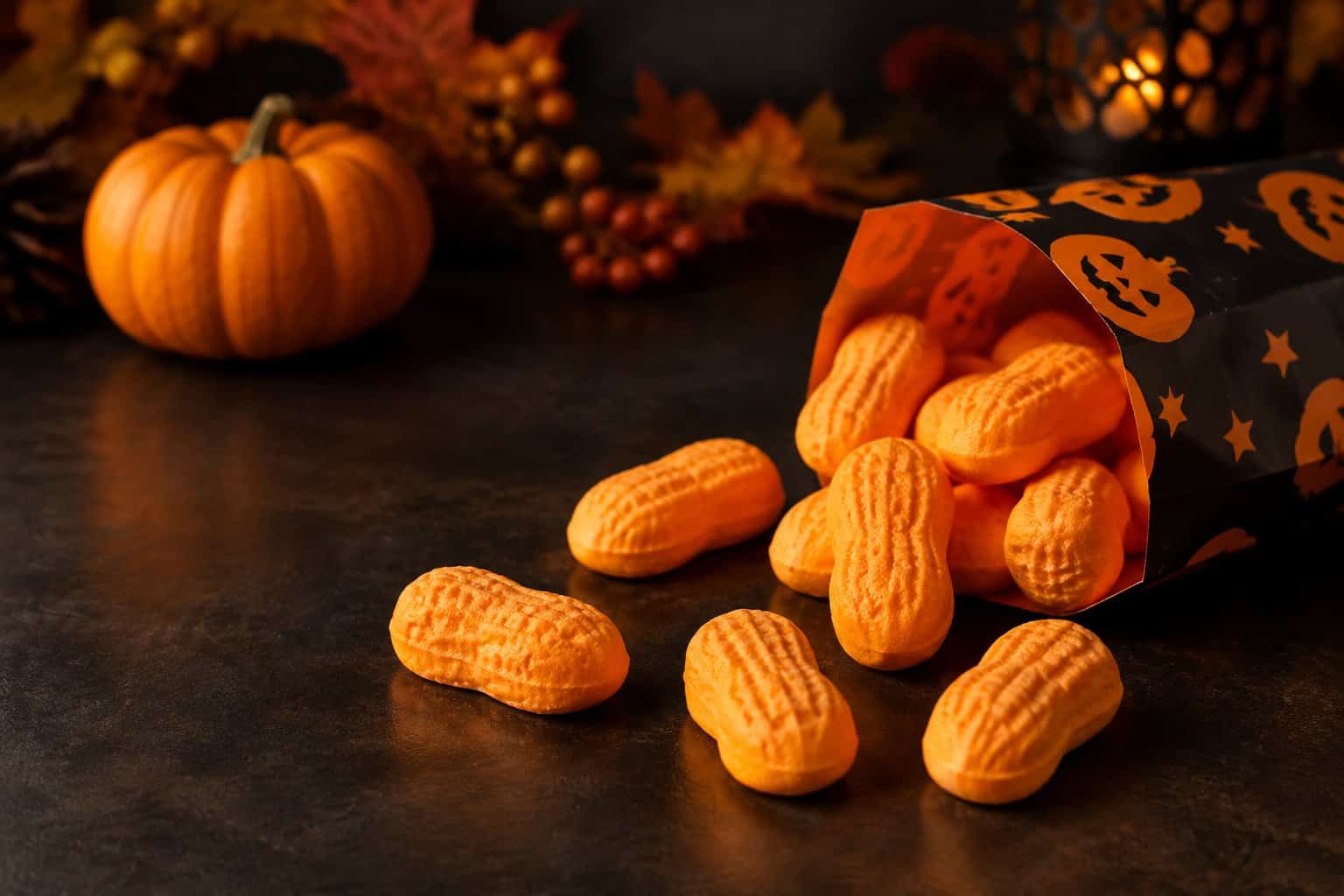
You will recognize circus peanuts by their bright orange color and spongy, foam-like texture. They carry a banana flavor that many people find unexpected, since the peanut shape suggests something else entirely.
Circus peanuts have shown up on worst-candy lists for years, often sitting at the very top. One ranking has circus peanuts reigning as the least-loved Halloween candy year after year.
Part of the problem is texture. The marshmallow-like consistency doesn’t match what you expect from something labeled “peanut,” and that mismatch tends to stick with people.
You also won’t find circus peanuts marketed specifically as a Halloween item. They predate the holiday’s modern candy lineup by decades, which may explain why they feel out of place in a trick-or-treat bag.
If you hand these out, don’t expect enthusiasm.
7. Tootsie Rolls
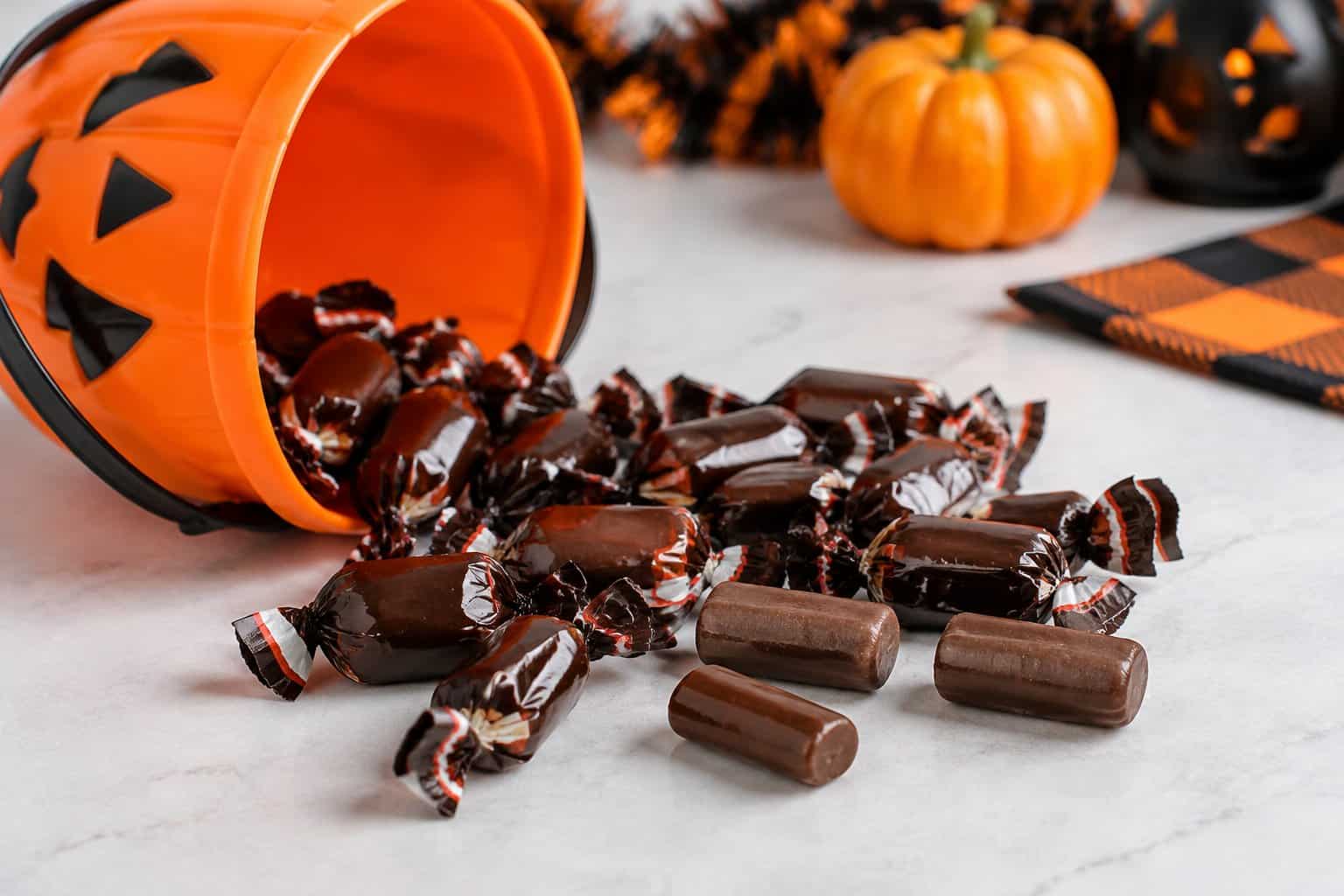
Tootsie Rolls appear on multiple worst-candy lists, and shoppers consistently rank them low. Consumer Reports staffers specifically criticized Tootsie Rolls in their survey of Halloween treats, placing them among the most overrated options.
Your complaints about this candy usually center on texture. The chewy, waxy consistency doesn’t appeal to everyone, and the flavor reads as artificial rather than genuinely chocolatey.
You’ll also find Tootsie Rolls mentioned in rankings that cover dozens of Halloween candies from worst to best, where they tend to land closer to the bottom than the top.
Another list goes further, calling them garbage that shouldn’t make it into trick-or-treat bags at all.
If you’re deciding what to hand out this year, know that Tootsie Rolls carry a reputation problem among candy reviewers and casual trick-or-treaters alike.
8. Dots
Dots land on this list for one simple reason: your teeth remember them long after the flavor fades. These gumdrop-style candies stick to everything they touch, including fillings and braces.
You either pull them apart slowly or give up and let them dissolve, since chewing normally rarely works. The fruity flavors are fine, but the texture overshadows them every time.
Many shoppers point out that Dots feel more like a dental hazard than a treat. If you hand these out, don’t be surprised if kids trade them away fast.
They’re not bad-tasting, just difficult to eat without regret. For a holiday built around quick, easy candy, Dots ask for more effort than most people want to give.
9. Smarties
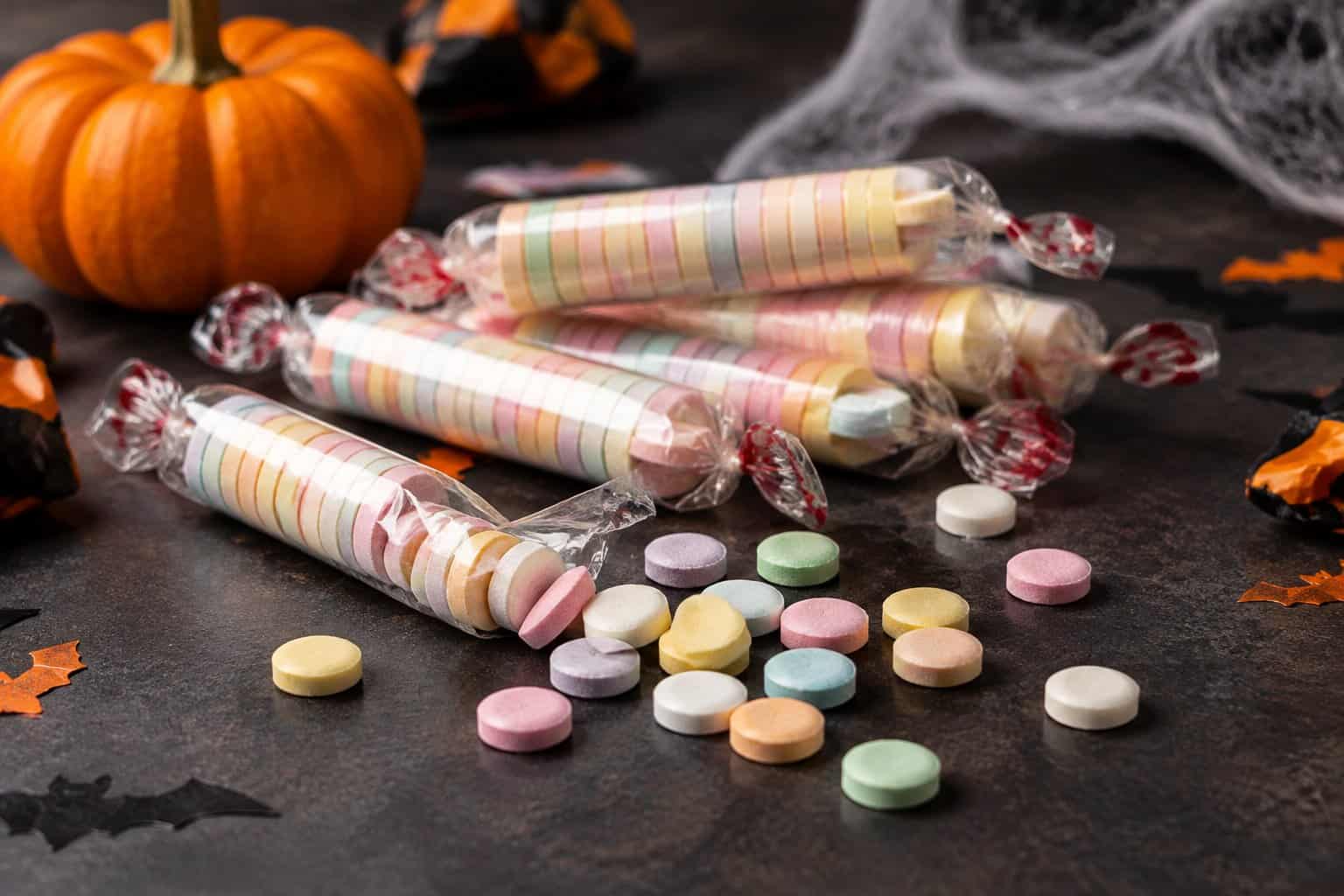
Smarties land on the worst list because many shoppers find them chalky and underwhelming compared to actual chocolate options. These small, pastel discs are made mostly of sugar, dextrose, and citric acid, giving them a tangy, powdery texture that some trick-or-treaters skip over entirely.
You might remember Smarties as a nostalgic lunchbox staple, but nostalgia doesn’t always translate to Halloween night excitement. When kids open their bags and sort through the candy, Smarties often end up in the discard pile alongside other non-chocolate options.
Part of the criticism comes from comparison. Next to richer, more indulgent treats, Smarties can feel like filler rather than a reward. Their small size and simple flavor profile don’t offer much variety, which limits their appeal for shoppers seeking standout treats to hand out this year.
10. Mary Jane Peanut Butter Kisses
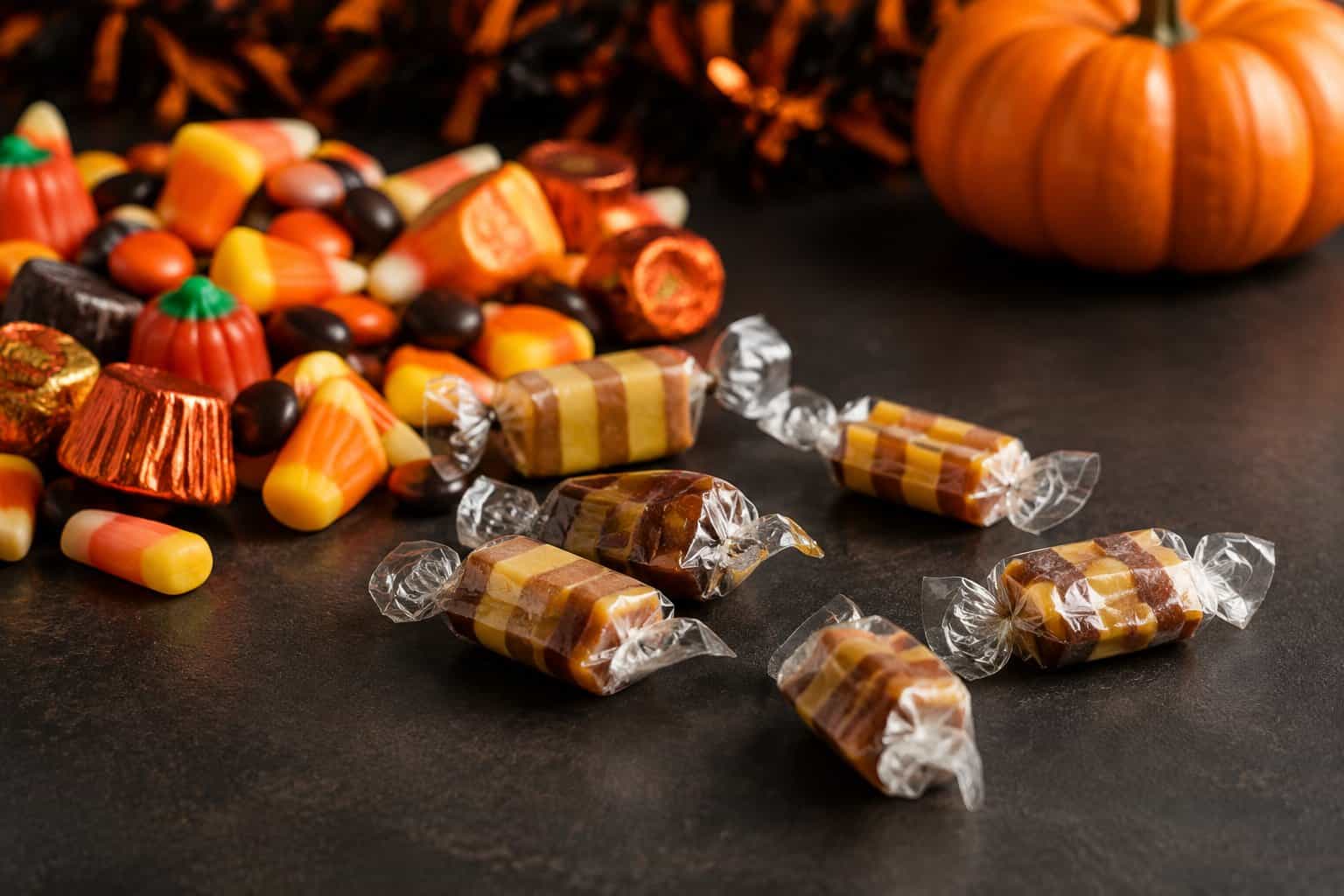
You’ll recognize these by their black or orange waxed paper wrappers, a departure from the yellow and red packaging used for the original Mary Jane candy bar. They share a similar flavor profile, built on peanut butter and molasses, but the shape and wrapping set them apart.
Many shoppers mistake them for standard Mary Janes, and that confusion doesn’t help their reputation. You’ll find them ranked among the least popular Halloween treats in multiple surveys, often cited for a sticky texture and a flavor that falls short of expectations.
Their association with Halloween stems largely from the orange and black color scheme, a Mary Jane Peanut Butter Kisses connection that’s hard to miss. Despite the criticism, you can still find them in some stores today, a holdover from decades of production.
11. Bit-O-Honey
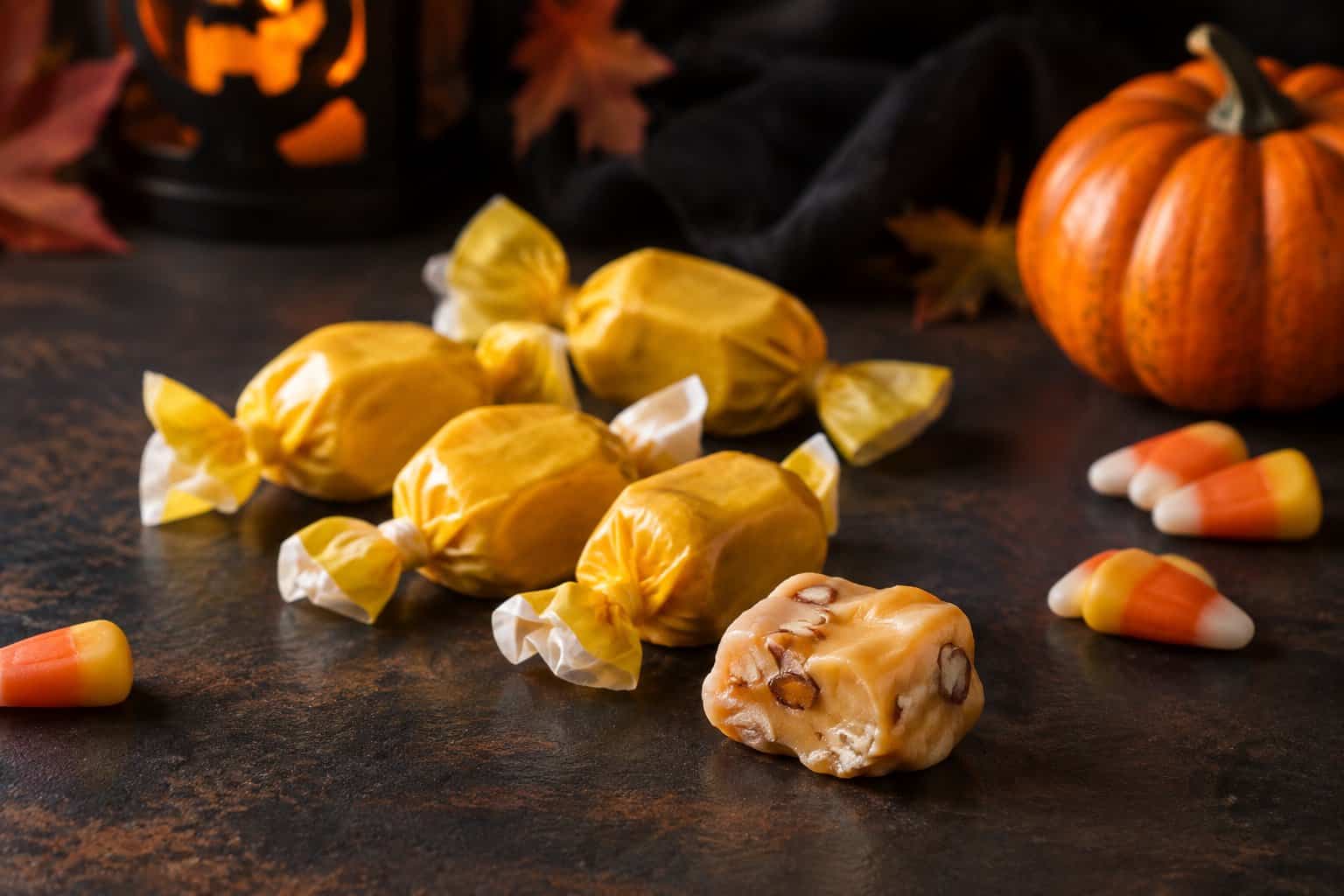
Bit-O-Honey lands near the bottom of many shopper rankings, and the reasons are consistent. One survey found that 21.6 percent of respondents named it among their least favorite candies, placing it just behind candy corn and Hot Tamales.
The texture is the main complaint. This taffy-like candy sticks to your teeth, and if you wear braces or dental work, it can pull at fillings.
You might also notice the small bits of almond mixed into the honey flavor, which some people find unexpected rather than pleasant.
The brand’s history hasn’t helped its reputation either. A spinoff called Bit-O-Chocolate was discontinued in the 1970s, suggesting even variations on the original struggled to win people over.
If you hand this out, expect a mixed reaction at best.
12. Almond Joy
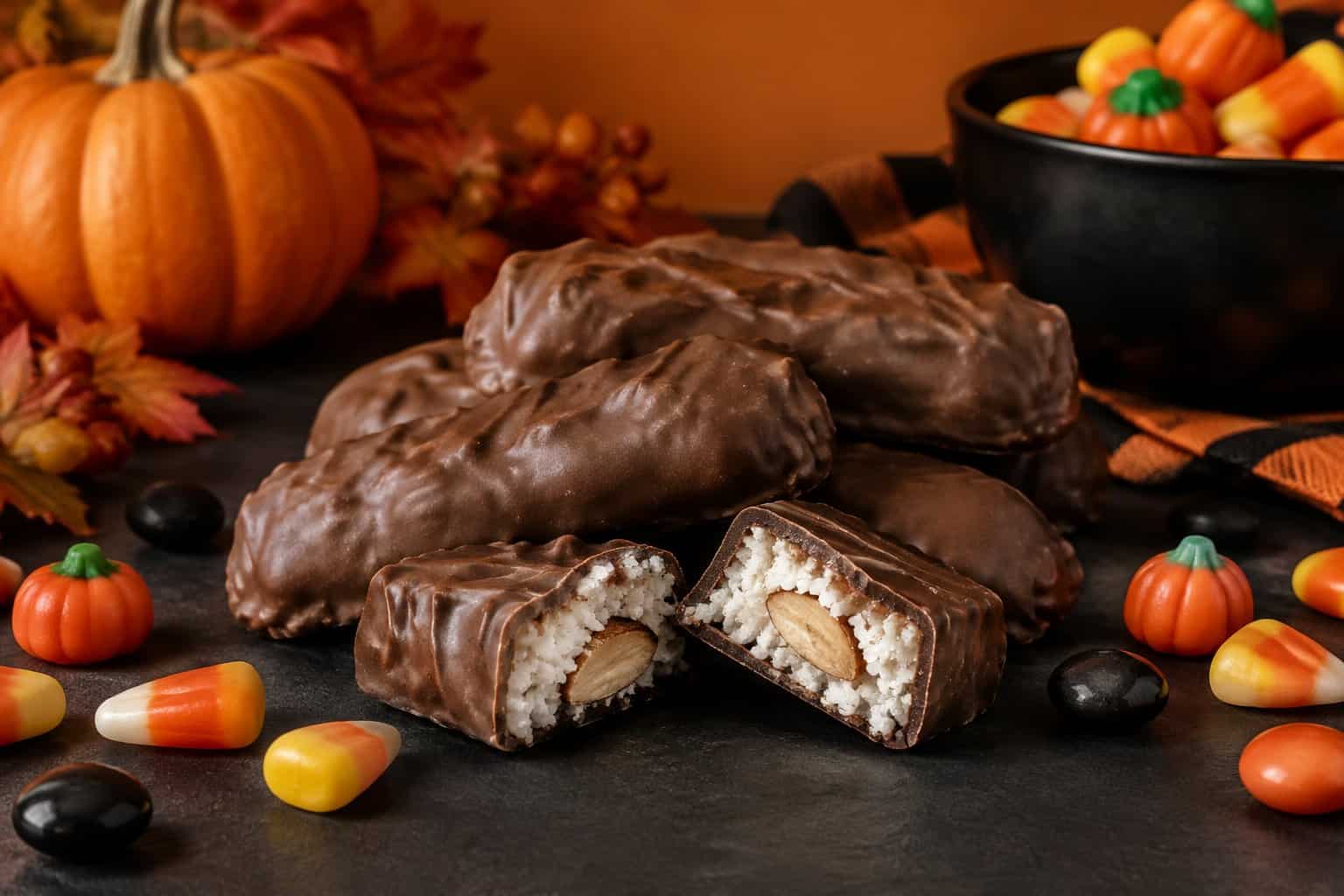
You either love coconut in your chocolate or you avoid it entirely, and Almond Joy sits right at the center of that divide. The bar combines shredded coconut, a whole almond, and milk chocolate, a texture mix that some shoppers compare to a tropical protein bar rather than a traditional sweet.
In a Consumer Reports staff poll, Almond Joy tied for third among the most disliked candies, with 16 percent of votes against it.
Other surveys rank it slightly better. One national poll of Halloween candy preferences placed Almond Joy in ninth place on a worst-candy countdown, just barely avoiding the bottom eight.
If you’re not a coconut fan, this is one bar you’ll likely set aside.
13. Mounds
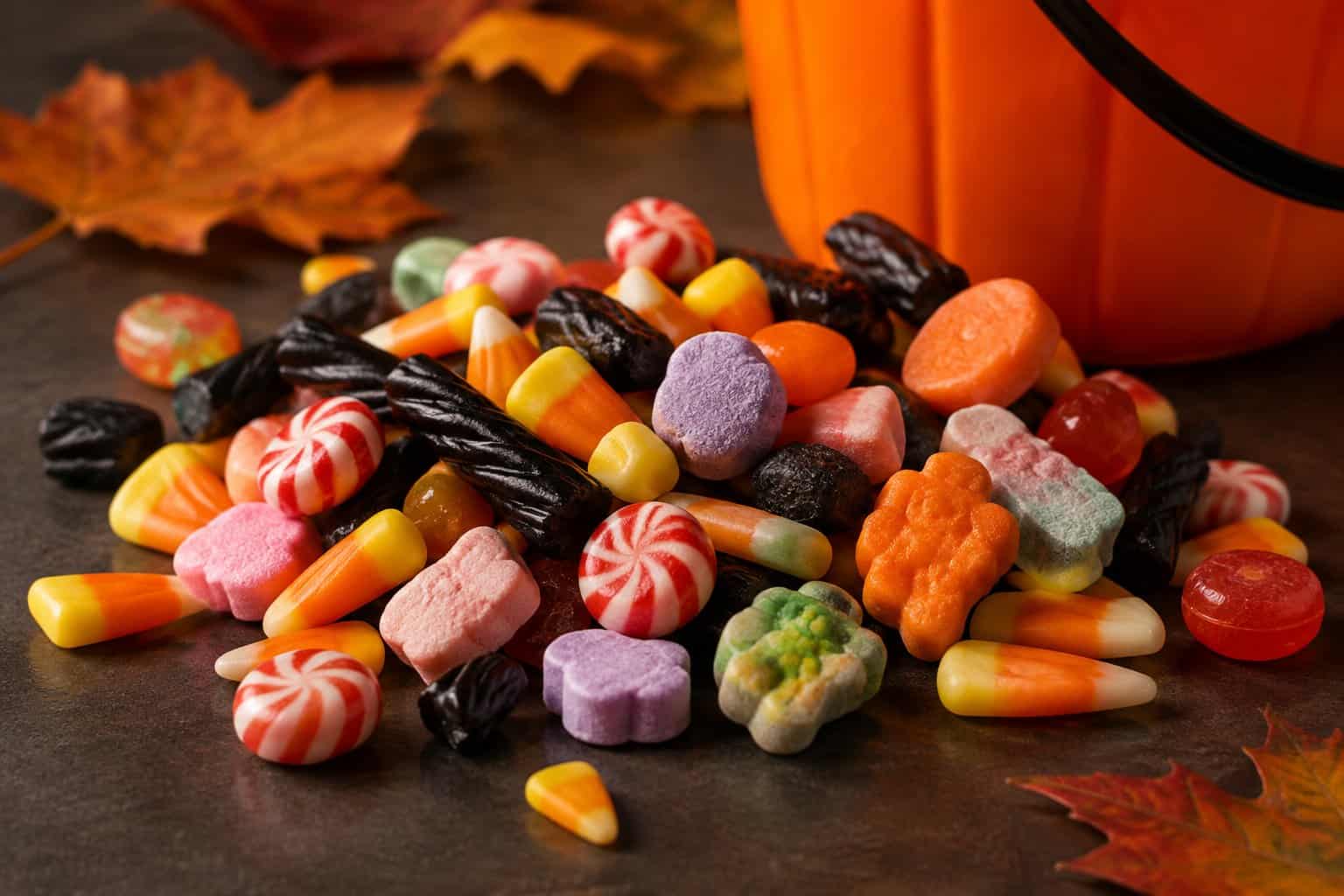
Mounds lands on this list for a reason you’ve probably guessed already: coconut.
If you’re not a fan of shredded coconut wrapped in dark chocolate, this bar does nothing to change your mind. The texture is dense and chewy, and the flavor leans more toward soap than dessert for a lot of people.
Mounds shares its reputation problem with its sibling candy, which also ranked poorly in a Consumer Reports poll where coconut was called out as feeling out of place in a Halloween bag. You either grew up loving that flavor combination or you didn’t, and there’s not much middle ground.
When you’re sorting through your bag on Halloween night, Mounds tends to end up in the discard pile rather than the favorites stash. It’s a divisive candy, and the divide usually isn’t close.
14. PayDay
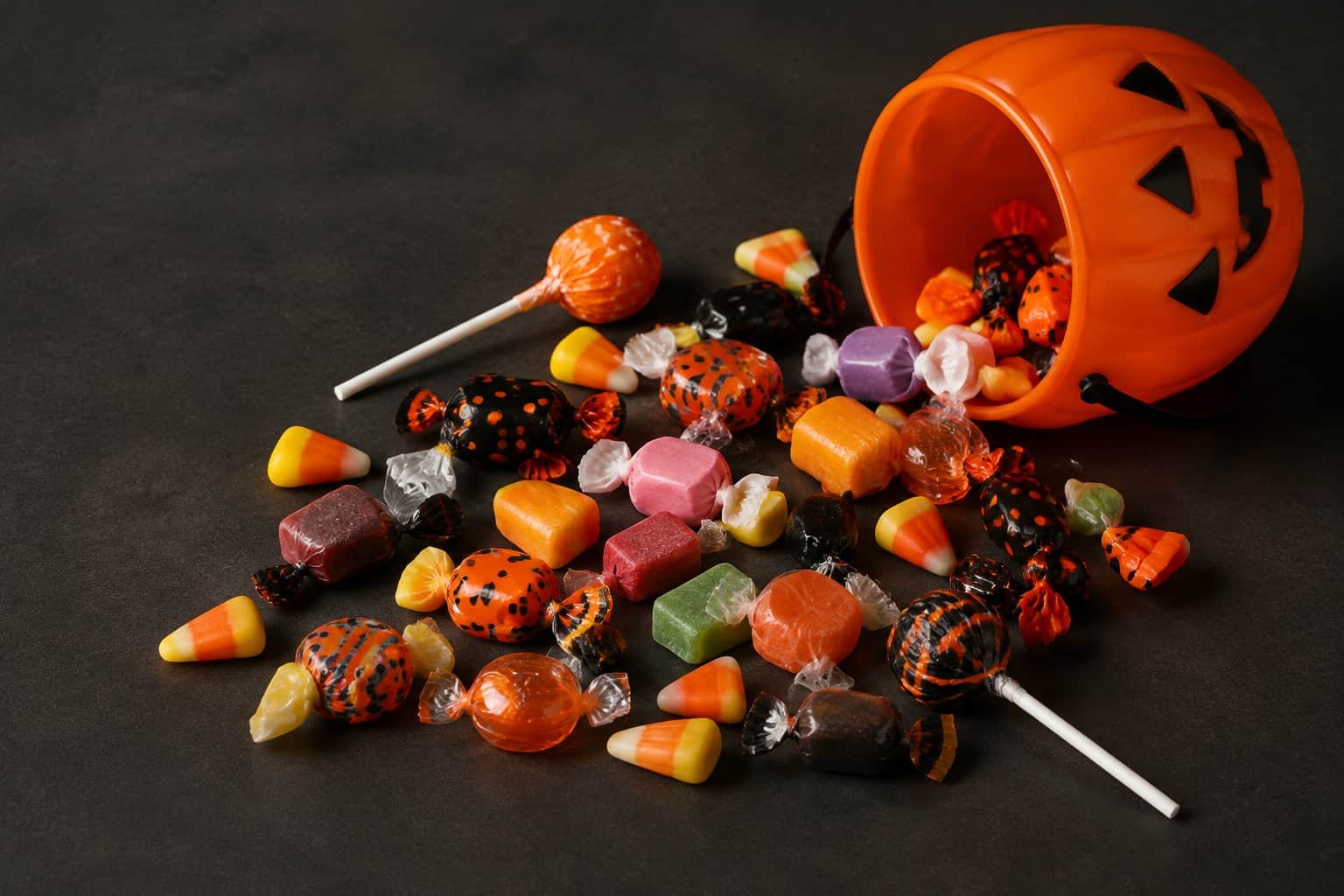
PayDay lands low on many Halloween candy rankings, and shoppers consistently rate it among the least favorite treats handed out each year.
You get a core of caramel wrapped in salted peanuts, with no chocolate coating at all. That distinguishes it from most other mainstream candy bars, but it’s also part of why it struggles to win fans.
If you prefer chocolate as the base of a candy bar, PayDay likely won’t satisfy that expectation. The peanuts can also feel more like a snack food than a dessert, which confuses the experience for some people.
Texture plays a role too. The combination of dense caramel and crunchy peanuts can feel heavy, especially next to lighter, sweeter options in a trick-or-treat haul.
For adults who enjoy salty-sweet flavors, PayDay still holds appeal. But as a crowd-pleasing Halloween giveaway, it rarely tops anyone’s list.
15. Whoppers
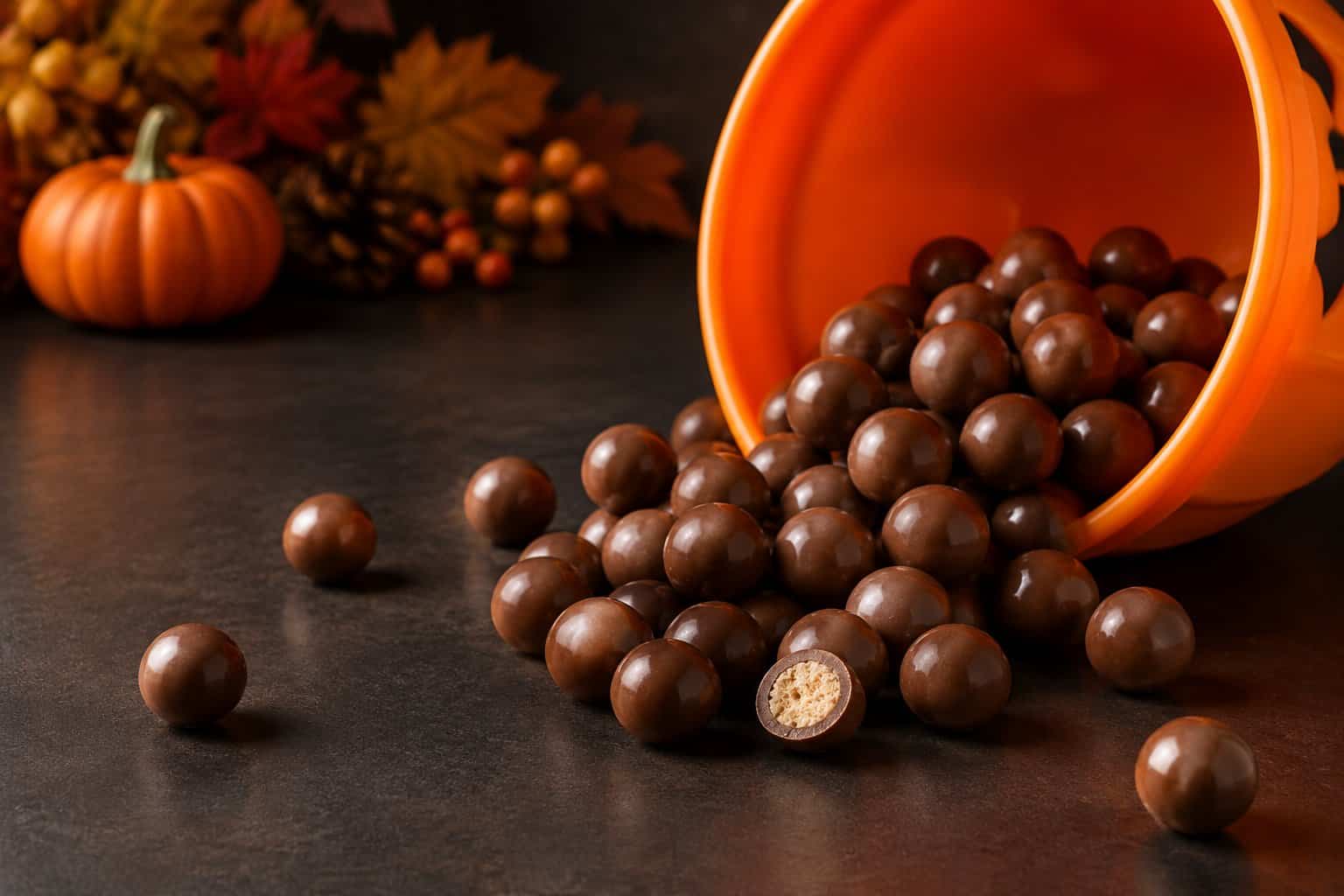
Whoppers often land on worst-candy lists despite seeming like a reasonable choice. The malted milk center has a dry, chalky texture that some shoppers find unappealing compared to other chocolate options.
You get an initial crunch, followed by a malt flavor that doesn’t always hold up. One taste test noted this exact pattern, pointing out that the candy starts strong but fails to deliver on follow-through.
The chocolate coating is thin, and it can melt or crack easily in a trick-or-treat bag. Compared to richer options, Whoppers can feel like a letdown once you bite in.
Part of the issue comes down to ingredients. The malted milk inside includes barley and evaporated milk, which gives it a distinct taste that doesn’t appeal to every palate.
For shoppers expecting classic chocolate satisfaction, Whoppers frequently miss the mark.
16. Junior Mints
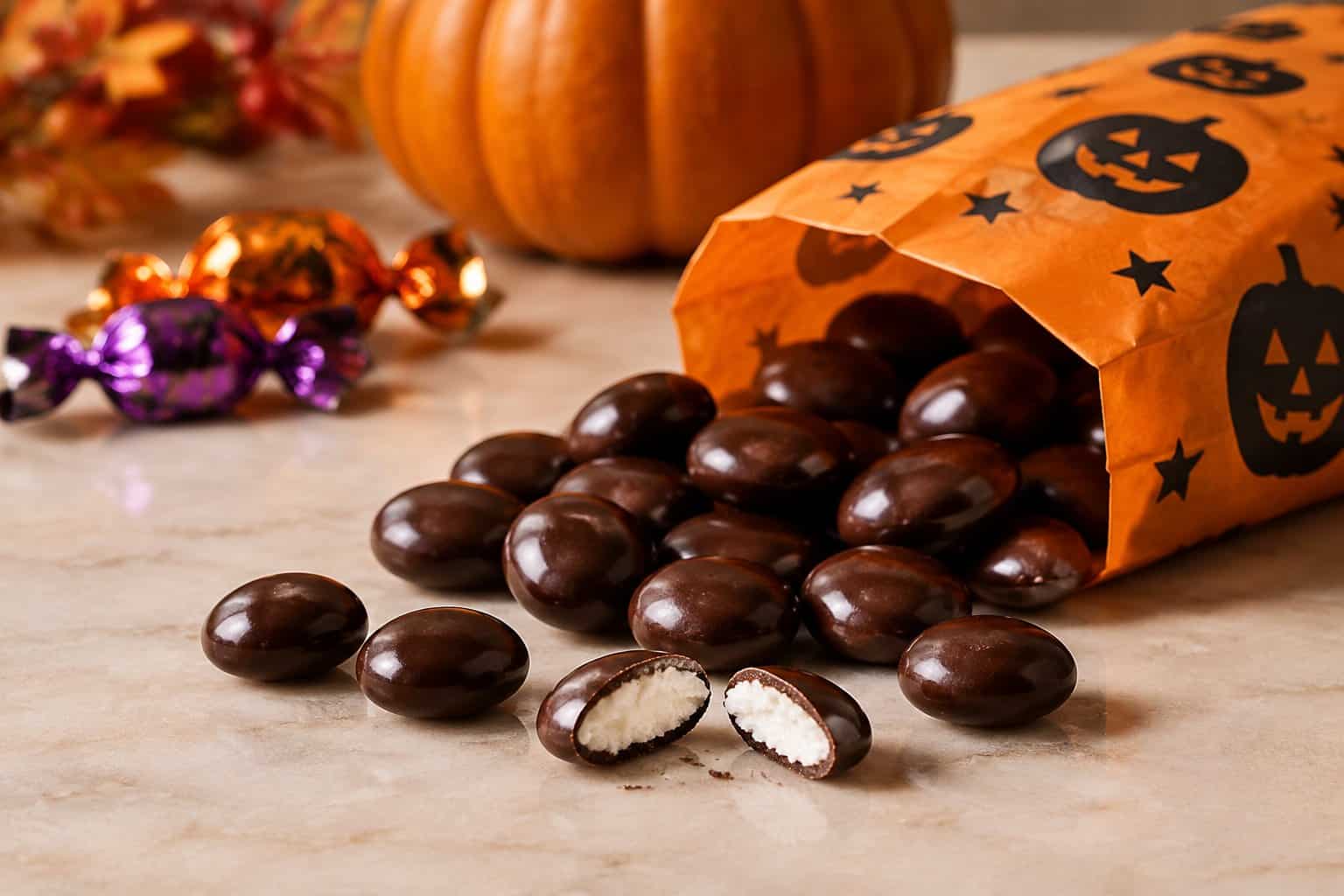
Junior Mints land on this list for a reason that has little to do with taste. You either love the mint-and-chocolate combination or you find it jarring in a Halloween haul full of caramel and peanut butter.
The texture divides people too. That gel-like mint filling can feel slippery or waxy to some, even though others consider it the candy’s best feature.
One reviewer described Junior Mints as a near-perfect balance of light chocolate and sweet mint filling, ranking them well above average among 38 candies tested.
Still, you’ll find them on worst-of lists because mint as a Halloween flavor profile just doesn’t appeal to everyone, especially kids expecting straightforward sweetness. If you’re handing these out, expect a mixed reaction depending on who shows up at your door.
17. Raisinets
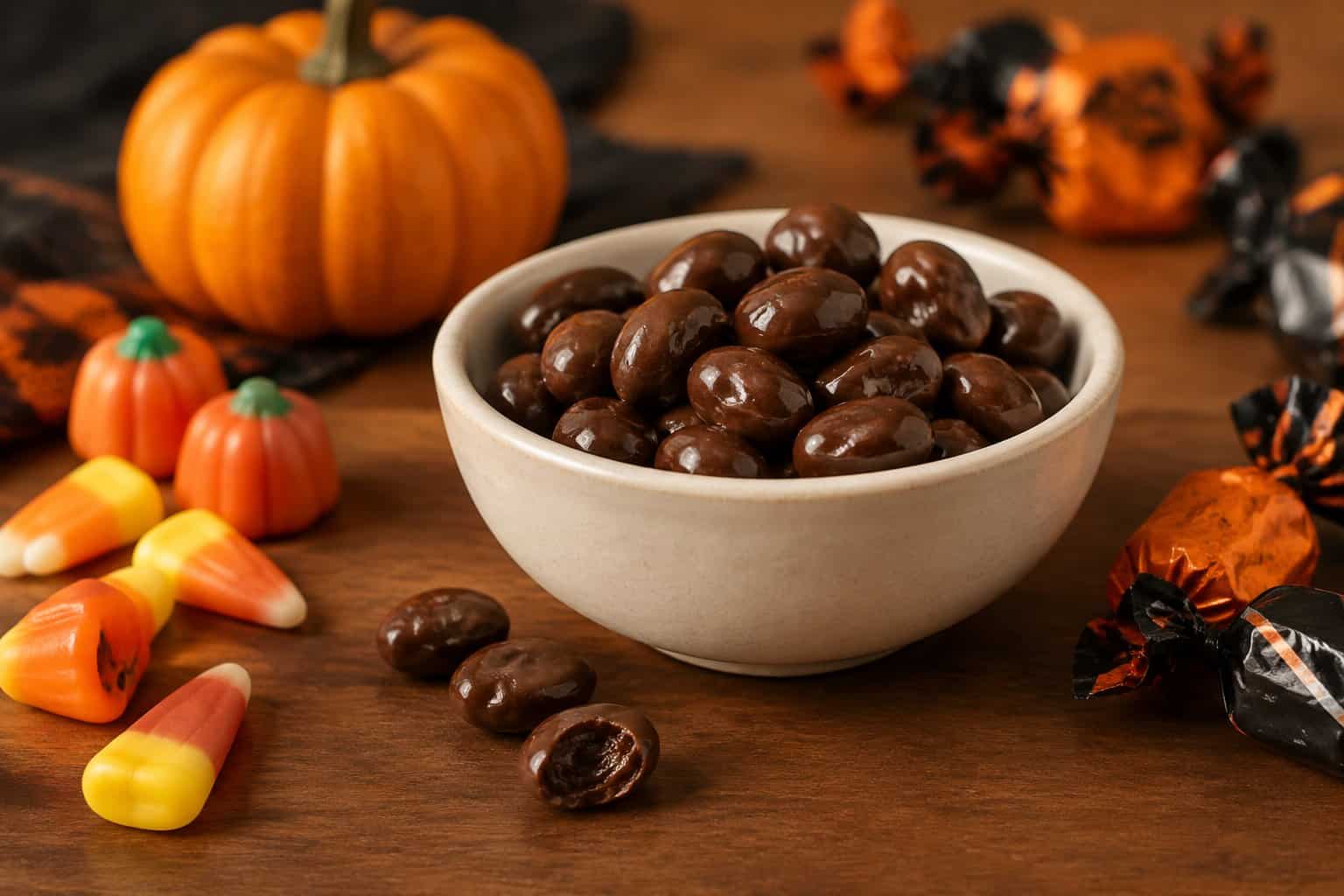
Raisinets land on this list for a simple reason: you either love chocolate-covered raisins or you avoid them entirely. There’s not much middle ground.
The texture is the main issue. You get a thin chocolate shell wrapped around a chewy, sometimes leathery raisin, and that combination doesn’t sit well with everyone.
Some shoppers also point out a practical concern: you can’t always tell if Raisinets have been sitting in a bowl for weeks. Old raisins get harder, and old chocolate can turn chalky or develop a white bloom.
There’s also the health-conscious angle. You might see Raisinets as a “better” option because they contain fruit, but the added sugar and chocolate coating cancel out most of that benefit.
For trick-or-treaters expecting something sweet and simple, Raisinets can feel like an odd compromise rather than an actual treat.
18. Hershey’s Special Dark
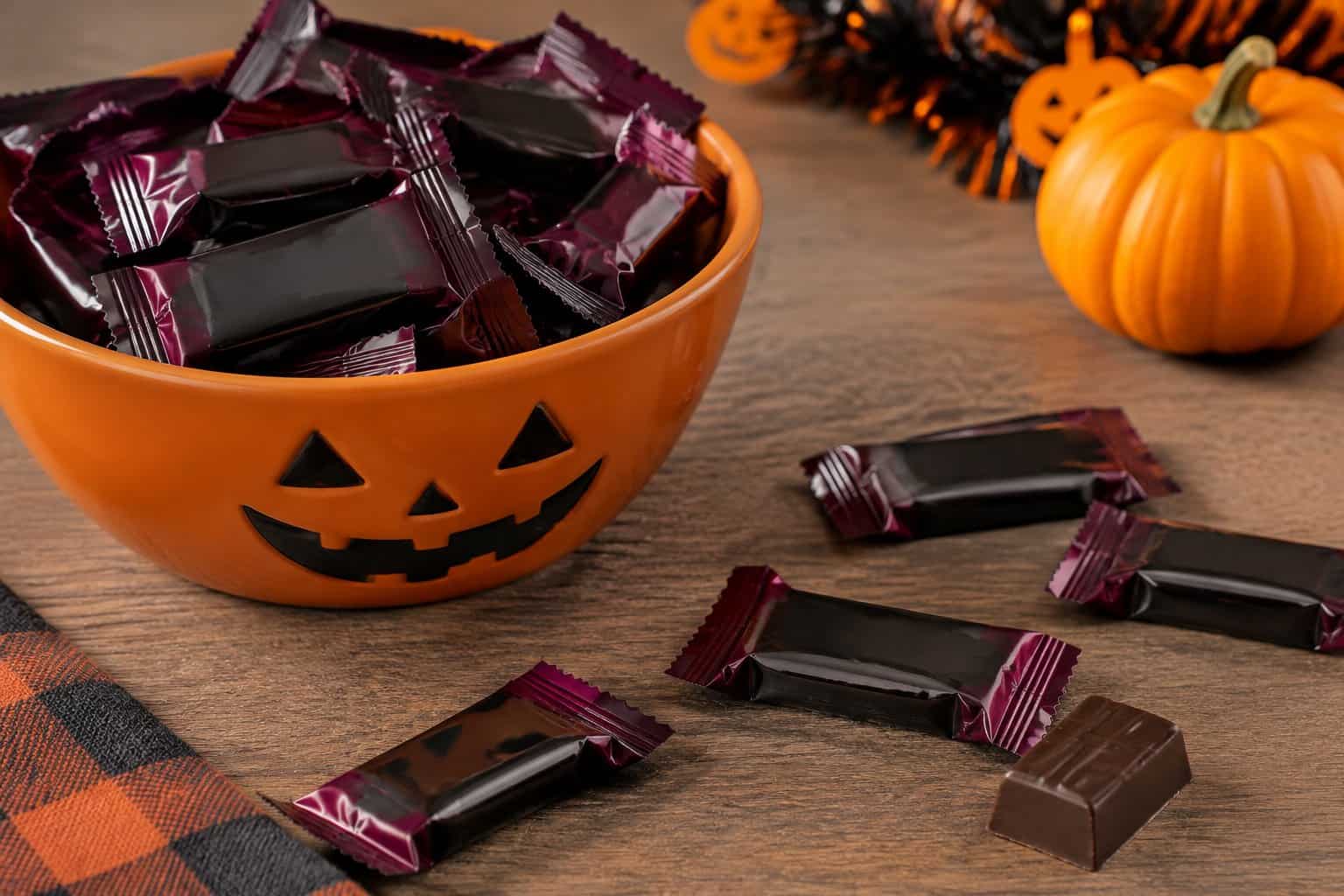
If you prefer milk chocolate, Special Dark is probably not for you. The flavor is noticeably more bitter than a standard Hershey bar, and that bitterness is exactly what turns shoppers away.
You’ll notice the texture is also a sticking point. Some describe it as slightly grainy compared to smoother dark chocolate options on the market, a trait that Hershey’s dark chocolate lineup has been evaluated for before.
On Halloween night, this bar often gets passed over in favor of sweeter choices. Kids expecting a classic chocolate taste can be caught off guard by the sharper, less sugary profile.
You might appreciate it if you’re already a dark chocolate fan, but as a trick-or-treat staple, it tends to divide opinion rather than please a crowd.
19. Hershey’s Milk Chocolate with Almonds
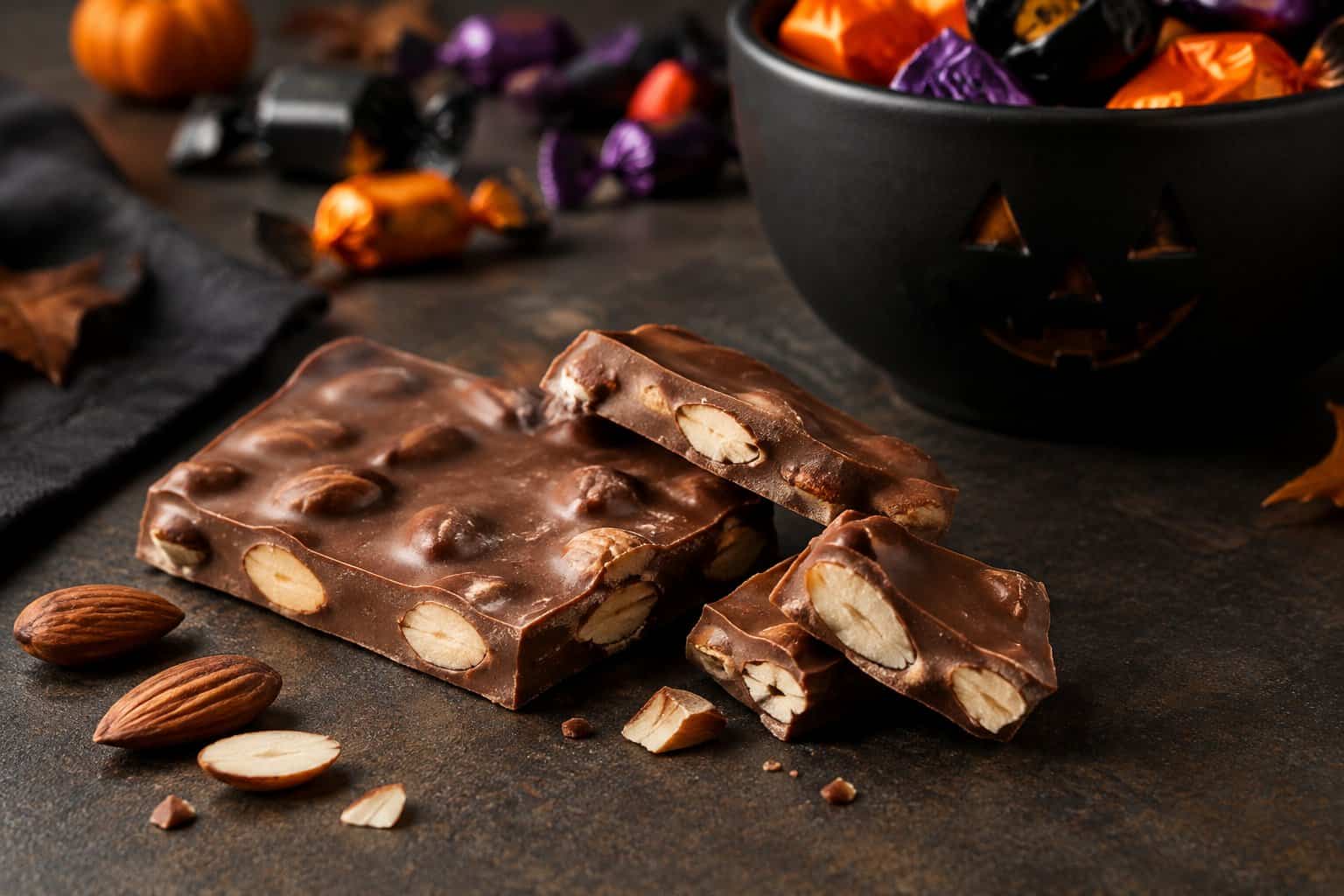
You either appreciate the almonds here or you count them as an obstacle between you and plain chocolate. The nuts add texture, but they also break up the smooth melt that Hershey’s bars are known for.
Some shoppers see the almonds as filler, a way to stretch less chocolate across the same size bar. Others find the nuts inconsistent, with some bites heavy on almonds and others missing them entirely.
The chocolate itself draws mixed opinions too. Hershey’s recipe has a distinct flavor that some find waxy or overly sweet, and the almonds don’t do much to offset that for critics.
If you’re handing out candy to trick-or-treaters with nut allergies, this bar also requires extra caution. That logistical issue, combined with the divisive almond factor, keeps it low on many ranked lists.
20. Lemonheads
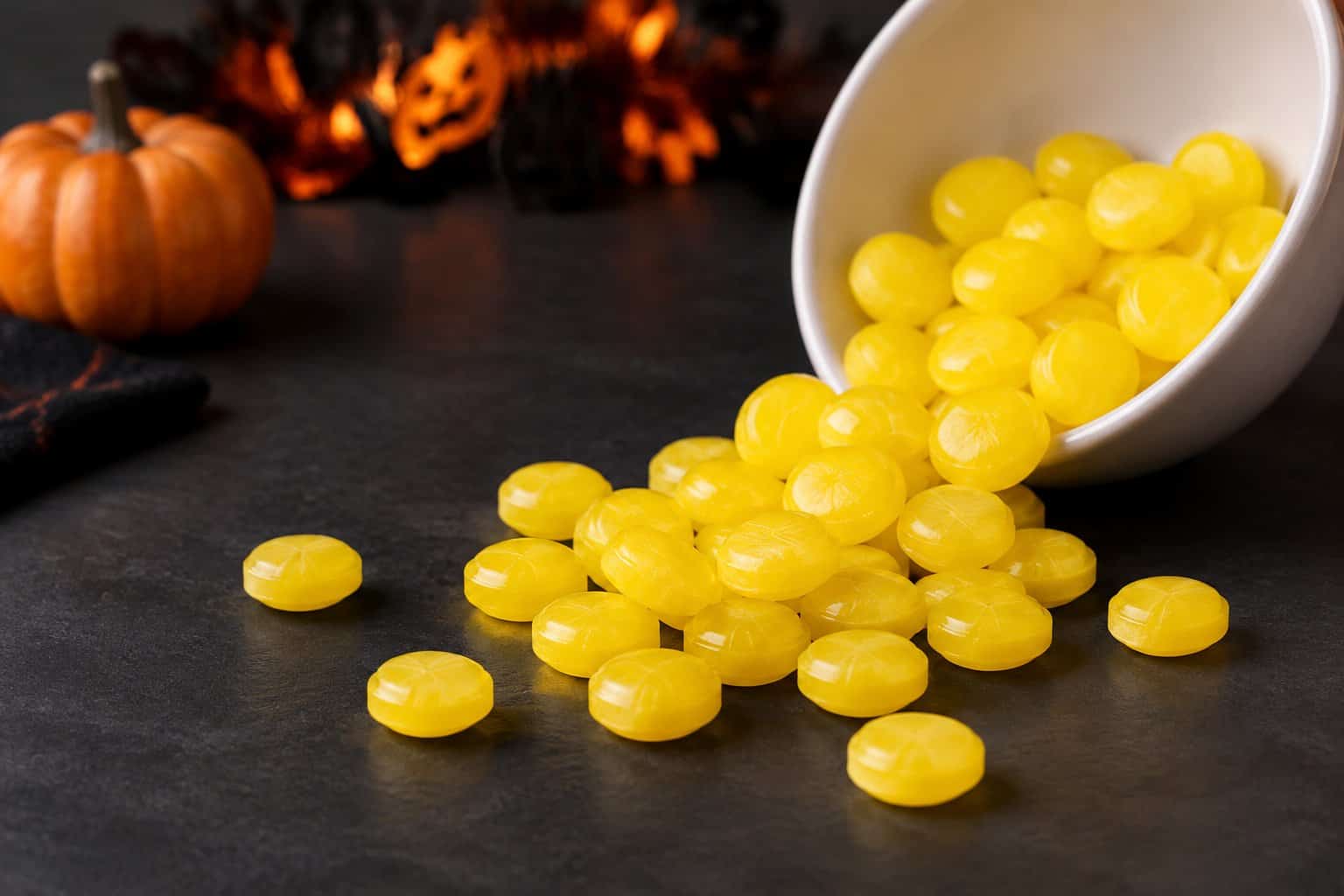
Lemonheads land near the bottom of the list for a simple reason: the sourness overwhelms the flavor.
You get a hard outer shell that delivers a sharp lemon punch, then a chewy center with barely any taste left. The texture shift catches you off guard the first time, and it doesn’t improve with repetition.
Dentists aren’t fans either. The hard candy shell can pull at fillings or chip a tooth if you bite down too soon, so you have to wait for it to soften first.
There’s also the issue of staying power in a trick-or-treat bag. Unlike chocolate, Lemonheads don’t melt or get messy, but they also don’t disappear quickly, so they tend to pile up in the bottom of the bowl at the end of the night.
21. Atomic Fireballs
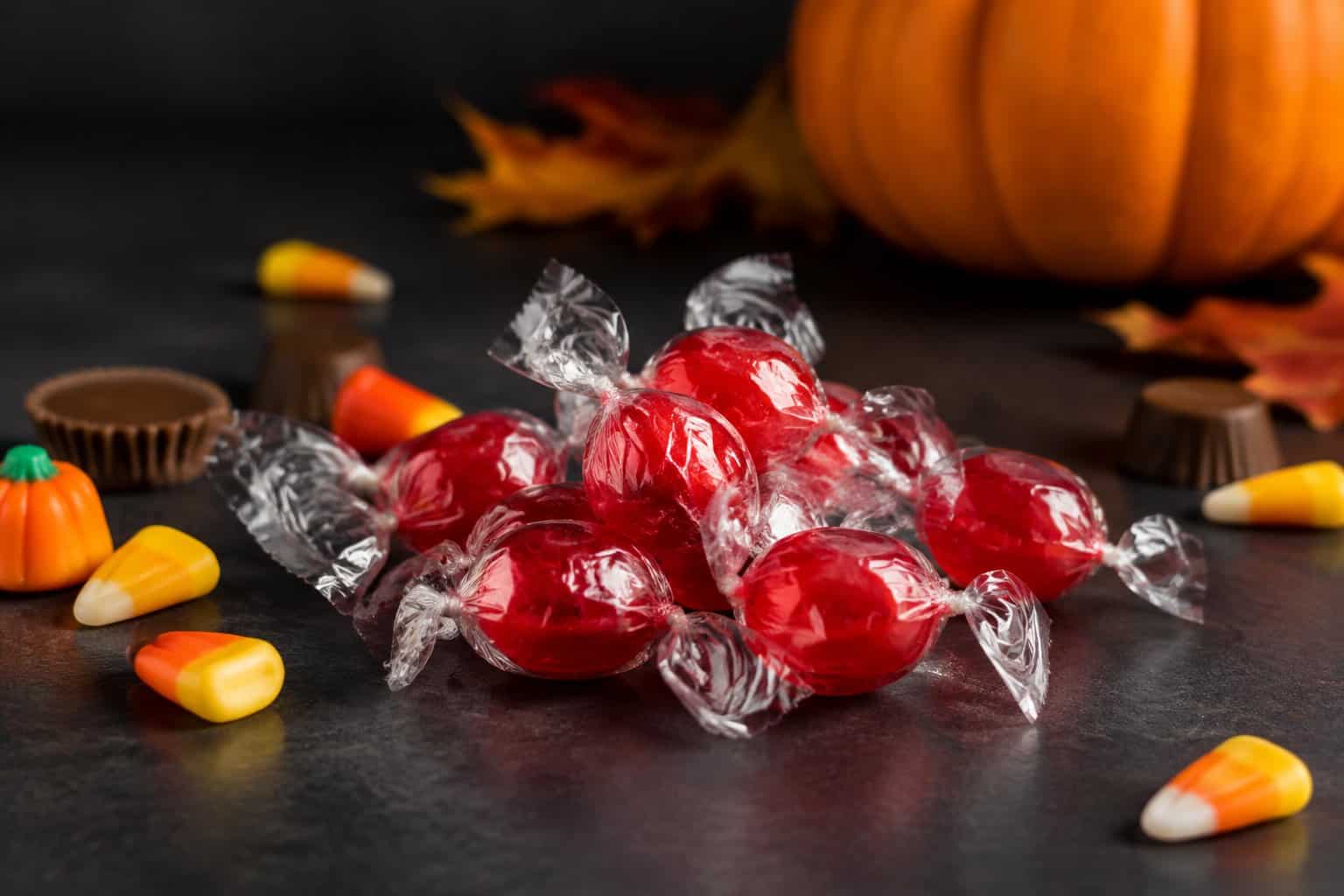
Atomic Fireballs land on this list for one simple reason: they hurt. The intense cinnamon heat builds fast, and if you’re not expecting it, you may regret unwrapping one.
You either tolerate the burn or you don’t, and many trick-or-treaters fall firmly into the second camp. Kids expecting something sweet often get an unpleasant surprise instead.
There’s also the texture to consider. The hard, dense shell takes a while to dissolve, which means the heat lingers far longer than most candy experiences.
For shoppers choosing what to hand out, that’s a real downside. A candy that makes trick-or-treaters wince isn’t one you want weighing down your bowl.
Some adults genuinely enjoy the kick, but Halloween candy needs broad appeal. Atomic Fireballs just don’t deliver that for most households, which keeps them ranked near the bottom.
22. Jolly Ranchers
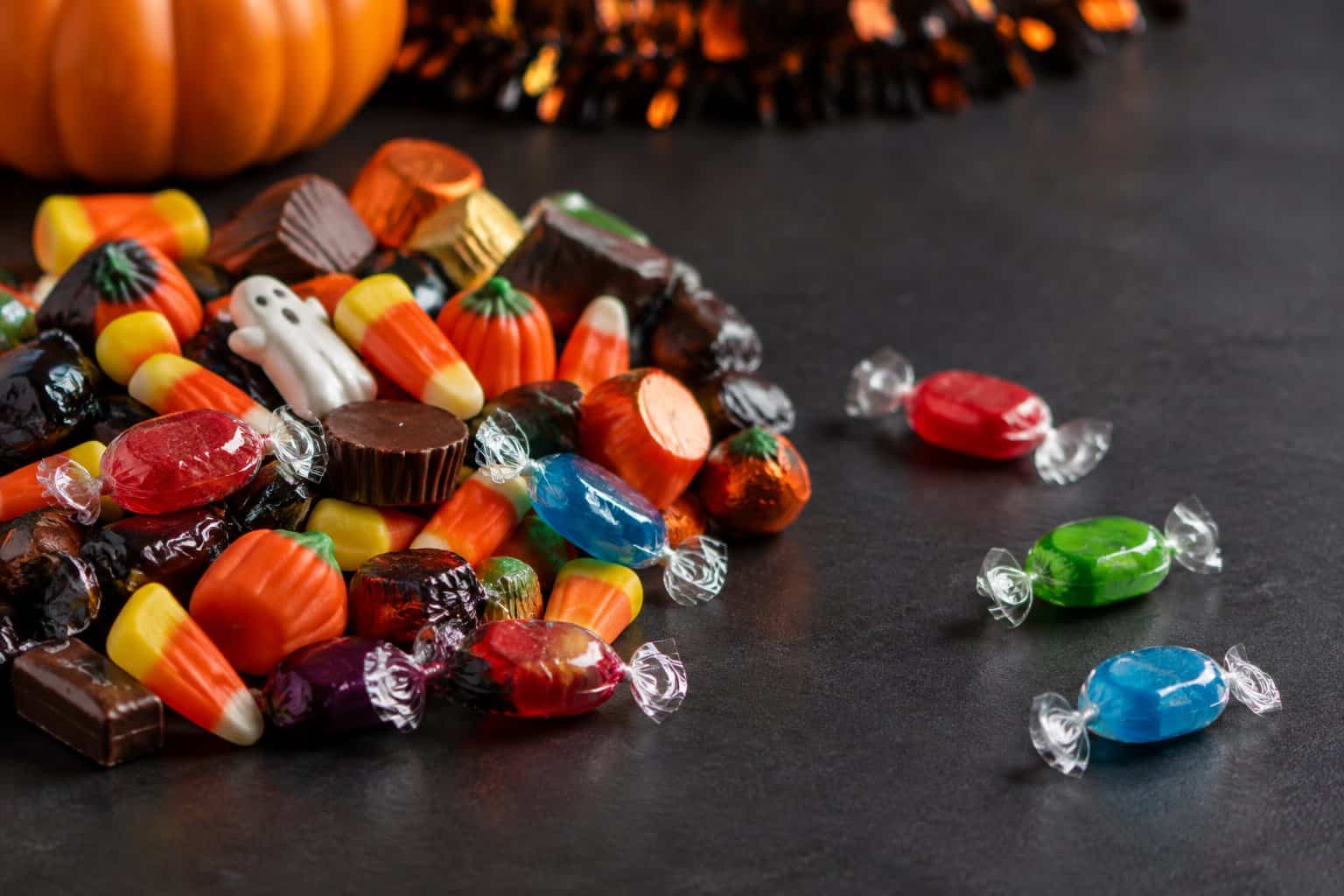
You’ve probably pulled a Jolly Rancher out of your trick-or-treat bag and wondered why it’s already fused to the wrapper. Hershey makes these hard candies, and they’re a Halloween staple, but shoppers still rank them among the worst you can hand out, as seen in this ranking of Jolly Rancher flavors.
Part of the problem is texture. One writer noted that Jolly Ranchers tend to melt and stick to the bottom of a candy bag even in mild fall weather.
Flavor inconsistency doesn’t help your case either. Grape is widely considered the worst Jolly Rancher flavor, which means you’re taking a gamble every time you reach into the bag.
If you’re choosing candy to hand out, you should know these hard candies split opinion more than most.
23. Tootsie Pops
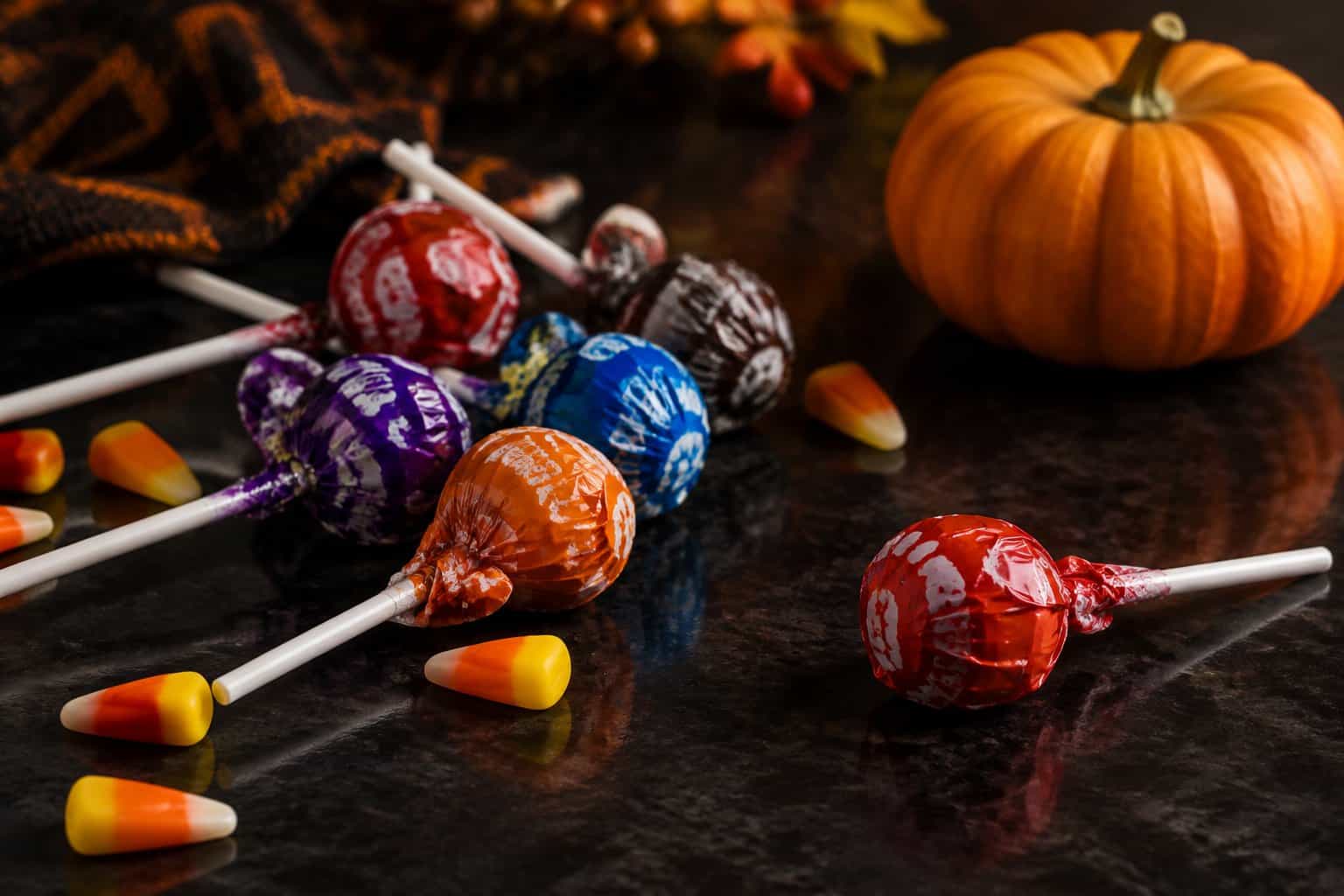
You’ve probably picked up a Tootsie Pop at some point, drawn to the classic lollipop-with-a-chewy-center format. The appeal is straightforward, but shoppers consistently point to the same complaint: the hard candy shell takes too long to wear down before you reach the Tootsie Roll filling.
That wait tests your patience, and the payoff doesn’t always feel worth it. Once you get past the shell, the center can taste more like an afterthought than a reward, similar to criticisms staffers raised about plain Tootsie Rolls.
You might also find the flavor options inconsistent. Some batches taste artificial or overly sweet without much depth, which leaves you wondering why this candy remains a Halloween staple at all.
For many trick-or-treaters, it ends up being one of those treats you accept but rarely choose first from your bag.
24. Dum Dums
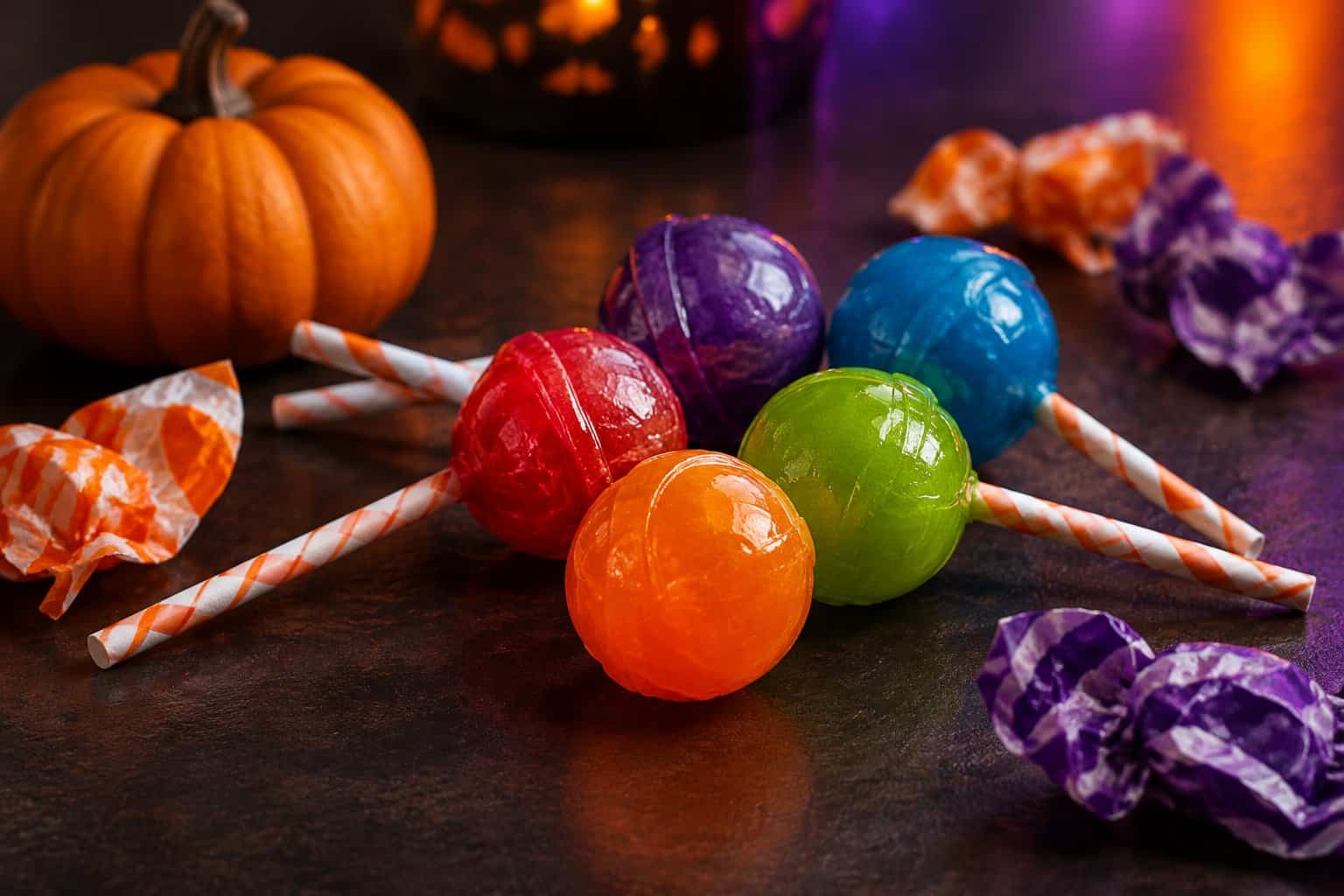
Dum Dums land on this list for their size, not their flavor. Each pop is small, and you often get more wrapper than candy.
The flavor selection is inconsistent. You might pull a Mystery flavor, which is really just a mix of leftover flavors combined, and it rarely tastes good.
One source noted that this lollipop is only batting one-for-seven in terms of flavors worth eating again, though it’s considered a slight improvement over similar lollipops due to fewer tongue injuries from the stick.
If you’re handing these out, know that most trick-or-treaters will take one, unwrap it, and move on quickly. They don’t have the satisfaction of a full-size bar, and the paper wrapper can be a hassle for younger kids to open.
25. Sour Patch Kids
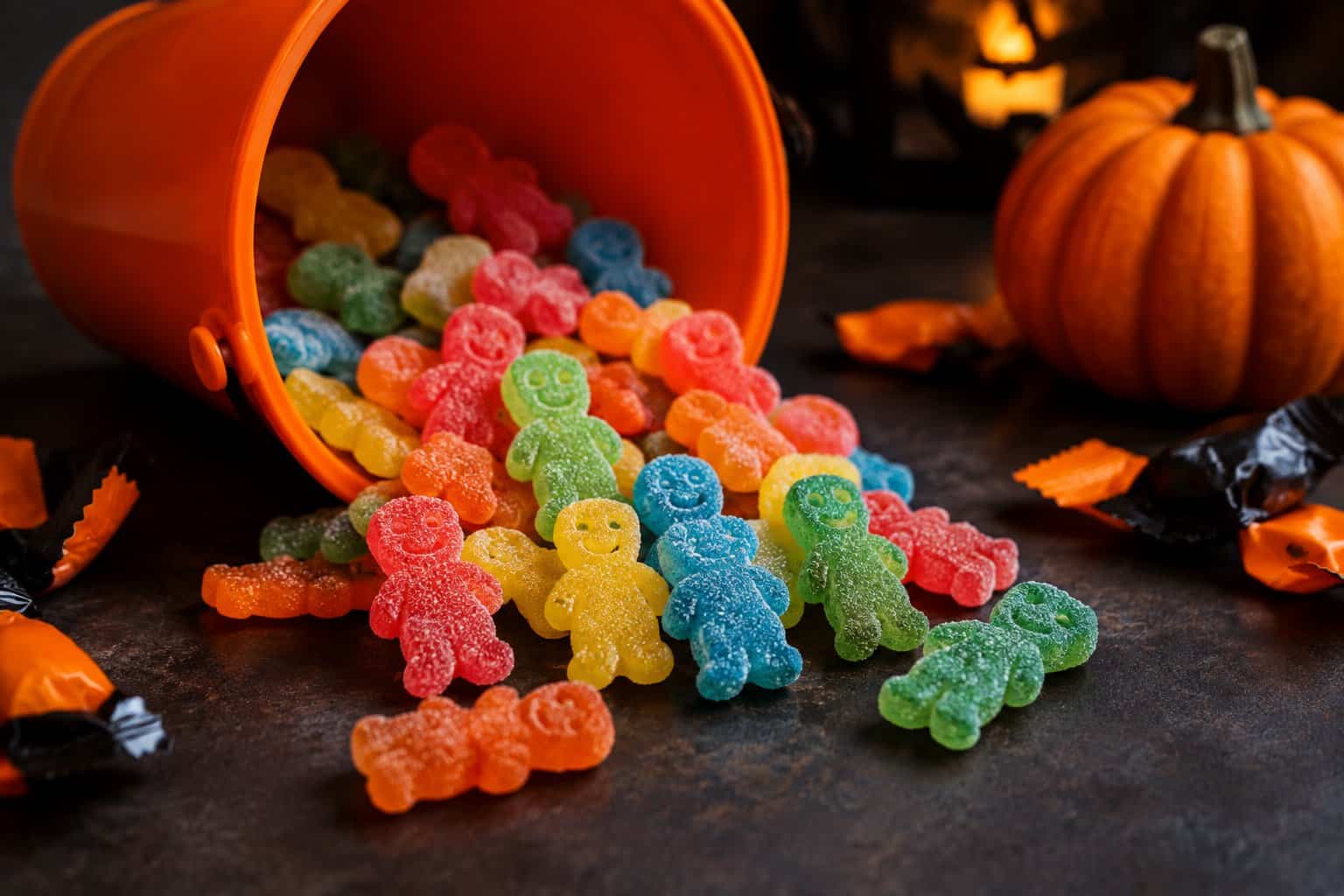
Sour Patch Kids split opinion among shoppers, but enough people rank them low to land a spot on this list. The sour coating is the main complaint. It can overwhelm your mouth before the sweet finish kicks in, and that intensity isn’t for everyone.
Texture is another factor. The chewy, gummy consistency sticks to your teeth, which some trick-or-treaters find unpleasant compared to smoother candy options.
Despite the criticism, Sour Patch Kids still have supporters. Some rankings place them closer to the middle or even favorably, noting their tart-to-sweet transformation as a strength rather than a flaw.
If you’re handing these out, know your audience. Kids who prefer straightforward sweetness may set these aside in favor of chocolate or simpler options in their haul.
26. Swedish Fish
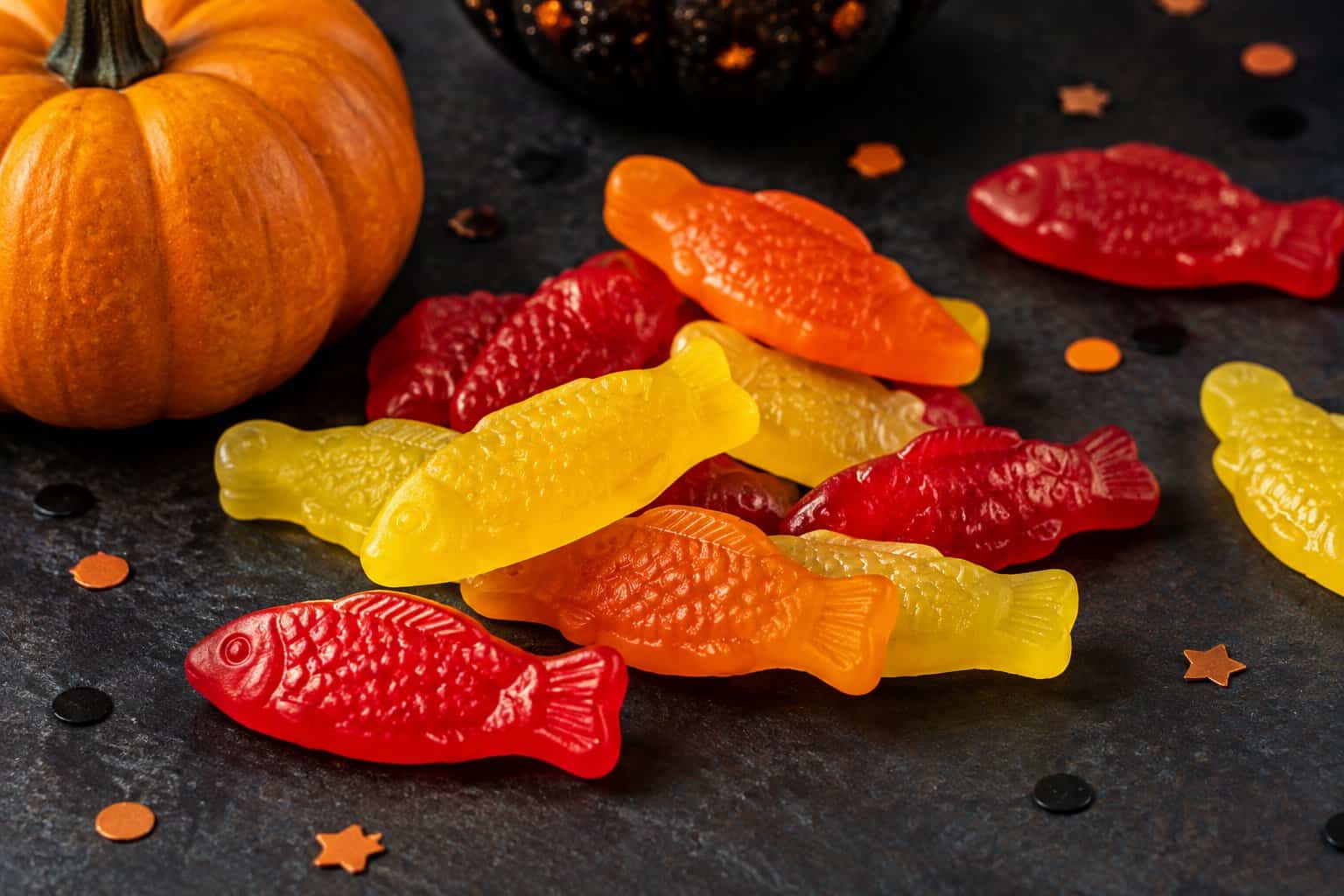
Swedish Fish land on plenty of worst-candy lists, and some shoppers argue they taste like cherry medicine rather than fruit. One Reddit user called Swedish Fish are the Worse Candy Ever, criticizing both the flavor and the texture.
You’ll also find mixed reactions elsewhere. In another thread, opinions on Swedish Fish vary widely, with some noting that texture inconsistency, even within the same bag, is a common complaint.
Despite the criticism, Swedish Fish were created in 1958 by Malaco, and strawberry remains the most recognized flavor. If you’re not a fan of chewy, fruit-flavored candy with an ambiguous taste profile, you may want to skip handing these out this year.
27. Mike and Ike
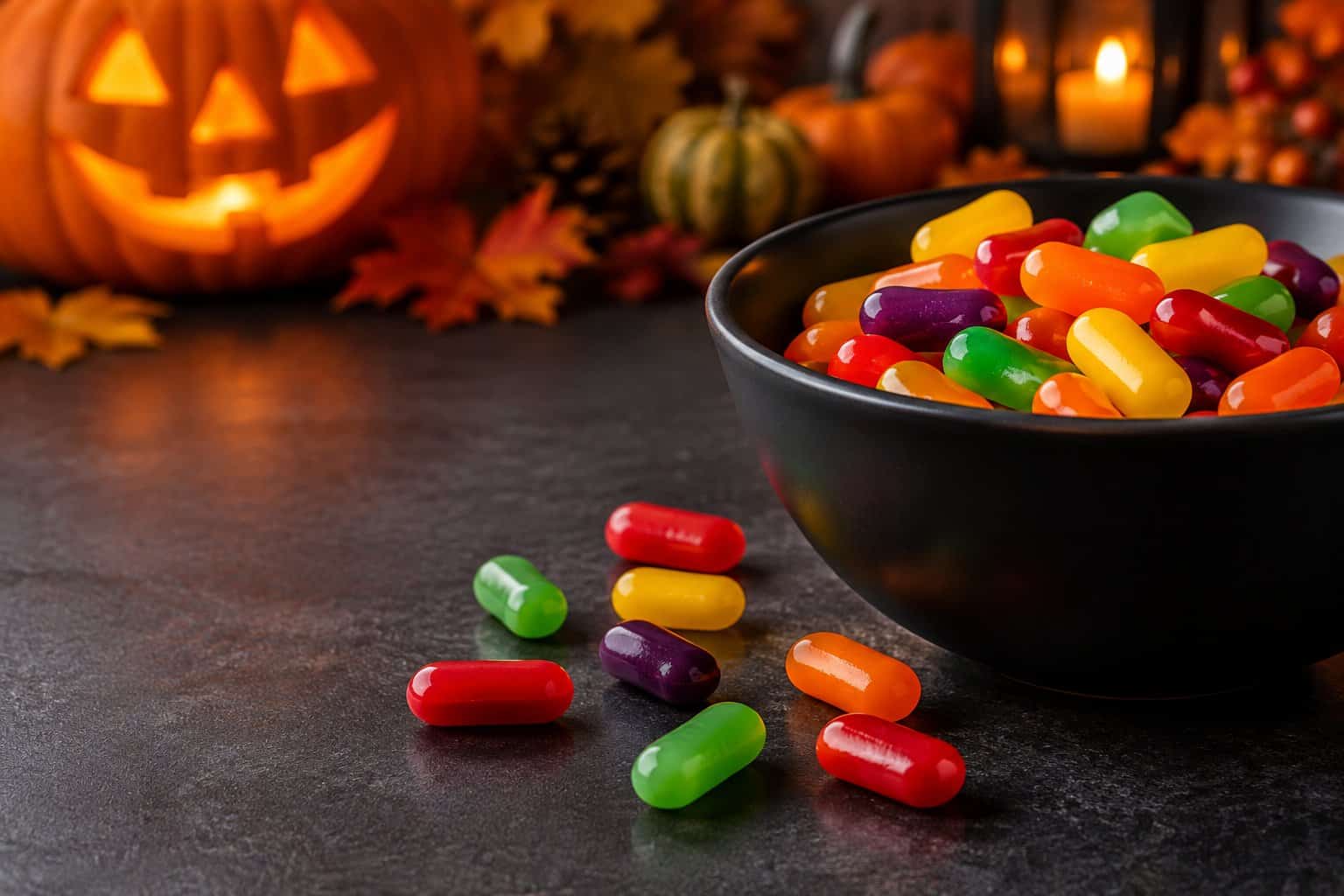
Mike and Ike lands on this list because the candy divides people more than most treats. Some shoppers love the fruity, chewy pieces. Others find the texture off-putting or the flavors too artificial for their taste.
The brand offers several varieties, including the original mix, a Mega Mix with ten flavors, and a sour version. You might assume more options mean more appeal, but that isn’t always the case. The sour line in particular draws criticism, with many describing it as one of the weaker sour candies on shelves.
If you’re handing out candy this year, you should know that Mike and Ike doesn’t satisfy everyone. Your trick-or-treaters may fall into either camp: devoted fans or firm skeptics. There’s little middle ground when it comes to this particular treat.
28. Wax lips
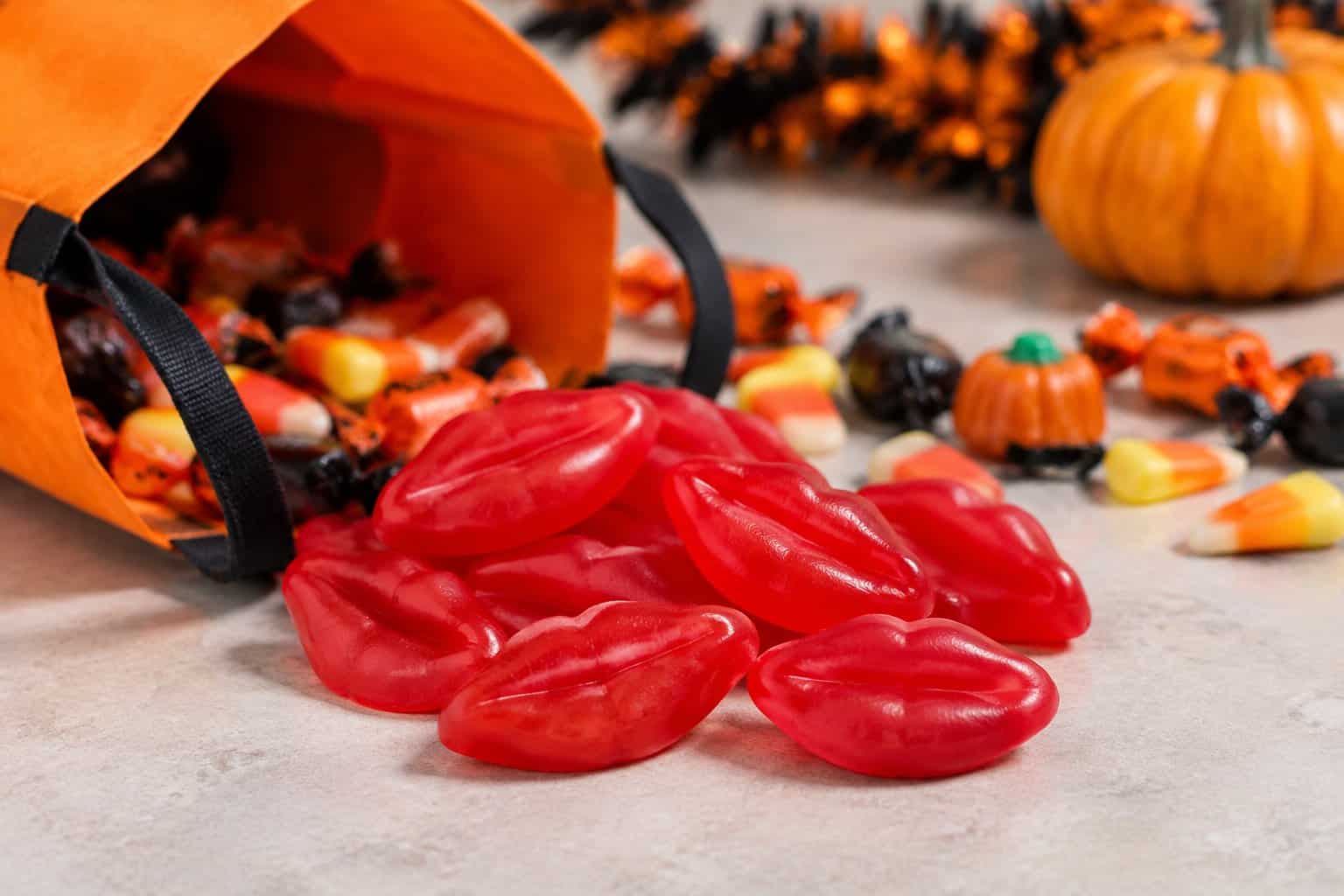
Wax lips land on this list because they are not really candy. You wear them, chew them for a while, then eventually swallow a sticky mass with almost no flavor.
Shoppers who grew up with them often remember the novelty more than the taste. The wax itself is edible, but it offers nothing sweet or satisfying compared to actual candy.
Texture is the main complaint. The wax softens as you chew it, and it can stick to your teeth in an unpleasant way.
Many people treat wax lips as a toy rather than a treat. You get a brief laugh from wearing them, then you’re left holding a flavorless lump with nowhere good to put it.
Compared to chocolate or fruity candy, wax lips just do not compete. Shoppers consistently rank them low because they deliver novelty without any real payoff.
29. Nik-L-Nip Wax Bottles
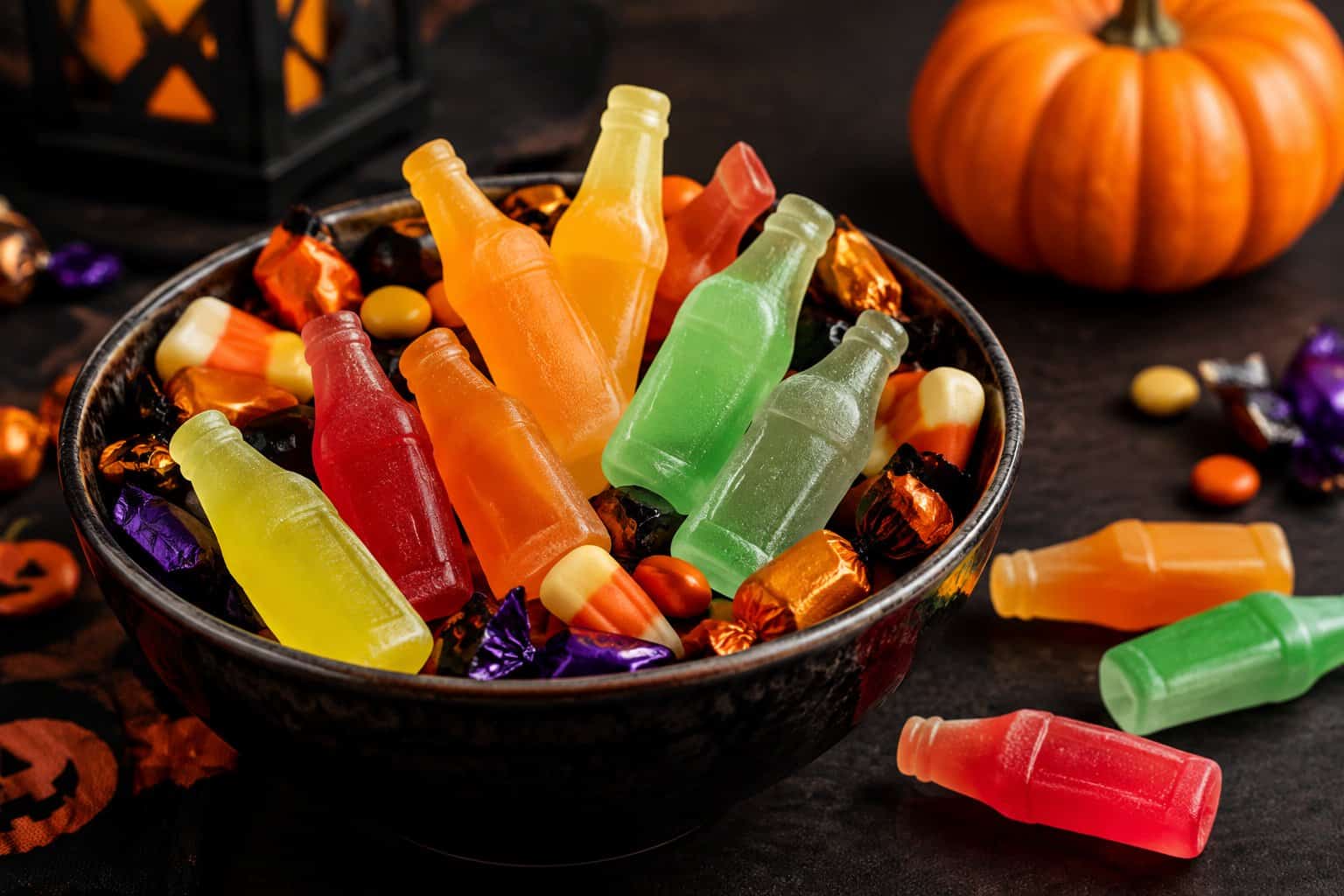
You remember these from childhood: small wax bottles filled with colored, fruit-flavored syrup. The instructions are built into the brand’s own slogan, bite ’em, drink ’em, chew ’em. You bite off the top, drink the liquid inside, then chew on the wax shell like gum.
Shoppers rank this candy near the bottom of Halloween lists for a reason. The syrup is often described as overly sweet and artificial, while the wax itself has little flavor beyond its waxy texture.
You’re also dealing with hygiene concerns most other candies don’t raise. Chewing on wax that’s been sitting in a bag with dozens of other treats doesn’t appeal to everyone, and some writers recommend skipping wax candy entirely when handing out treats to trick-or-treaters.
The name itself traces back decades, with Nik-L-Nip combining its original nickel price with a reference to liquor nips.
30. Smarties Candy Necklace
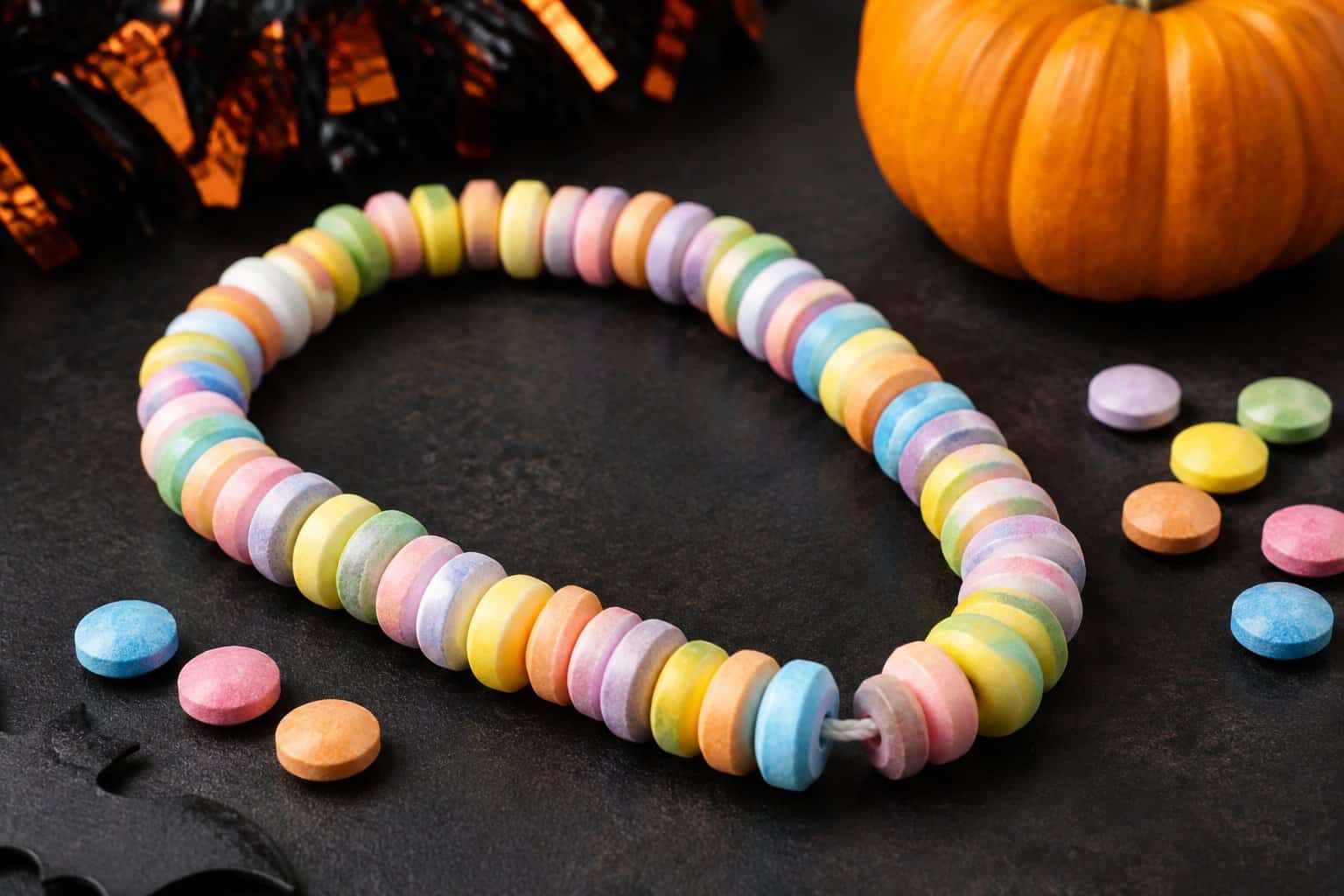
Smarties Candy Necklace lands near the bottom of shoppers’ lists, and the format is part of the problem. You’re given a string of chalky, pastel-colored discs threaded on elastic, meant to be worn and eaten throughout the night.
By the time you actually get around to eating them, the candy has usually picked up lint, pocket debris, or a slightly sweaty texture from being worn. That alone turns off a lot of trick-or-treaters.
The taste itself is mild and powdery, similar to other Smarties products, but you’re not getting much flavor payoff for the effort. Many people see it as more of a novelty accessory than an actual treat worth saving.
When you compare it to candy you can simply unwrap and eat, the necklace format feels unnecessary, which is likely why it ranks so low.
Why Shoppers Disagree About Halloween Candy
Your opinion on Halloween candy depends on factors that go beyond simple taste. Personal history, sensory preferences, and shifting standards all shape which treats you reach for and which ones you leave in the bowl.
Taste and Texture Preferences
Your reaction to a piece of candy often comes down to texture before flavor even registers. If you dislike waxy coatings, chalky centers, or sticky fillings that pull at your teeth, candies like candy corn or circus peanuts will likely rank low on your list.
Sweetness levels matter too. You might find fruit-flavored chews like Hot Tamales too intense, while others see that same heat as a selling point. A Shiny Smile Veneers survey and Quartz taste test found that 26.1 percent of respondents named Hot Tamales among their least favorite treats.
Your tolerance for strong licorice, artificial fruit notes, or dense peanut butter fillings varies based on your palate, and that variation explains much of the disagreement you see in candy rankings.
Nostalgia and Changing Expectations
Your childhood experience with a candy often shapes how you judge it as an adult. If a treat reminds you of trick-or-treating decades ago, you may rate it more favorably than someone encountering it for the first time.
At the same time, your expectations for ingredients and quality have shifted. You’re more likely now to scrutinize artificial colors, preservatives, and sugar content than shoppers were a generation ago.
Candy corn illustrates this tension directly. Despite its long history, it has reclaimed the No. 1 spot on CandyStore.com’s list of the worst Halloween candies based on a 2026 survey of 3,200 customers, showing that familiarity doesn’t guarantee lasting favor.
What to Do With Unwanted Candy
Candy that nobody in your house wants doesn’t have to go to waste. You have a few practical options, including swapping it with others or donating it to organizations that put it to good use.
Trade or Share Unopened Treats
If your kids came home with a pile of candy they won’t touch, ask around. A neighbor or coworker might be thrilled to take the Smarties off your hands in exchange for the Reese’s they don’t want.
Some schools and offices run informal candy swaps after Halloween. These let people trade unwanted pieces for ones they’ll actually eat, cutting down on waste for everyone involved.
You can also set up your own swap:
- Sort candy by type before offering it to others
- Keep only unopened, sealed packages for trading
- Check expiration dates before handing anything off
- Offer swaps to neighbors, classmates, or coworkers
This works best with individually wrapped items that haven’t been opened or tampered with.
Check Local Donation Guidelines
Many dental offices, food banks, and shelters accept candy donations after Halloween, but policies vary by organization. Call ahead or check their website before dropping anything off.
Some groups only accept unopened, factory-sealed candy for health and safety reasons. Others may have restrictions on certain ingredients, like nuts, due to allergy concerns among the people they serve.
Operation Gratitude and similar programs collect candy to include in care packages for military members overseas. These programs typically have specific packaging and shipping windows, so check their current guidelines for dates and accepted items.
Local food pantries sometimes take candy too, particularly around the holidays when demand for treats increases.