The 30 Worst Wegmans Products That Aren’t Worth Buying, According to Shoppers
Wegmans has built a reputation as one of the most beloved grocery chains in the country. Shoppers often praise the store for its quality meats, fresh produce, and extensive prepared foods section.
But not every product on the shelves lives up to that reputation. Some items are overpriced, poorly made, or simply not as good as alternatives you can find elsewhere.
Knowing which products to skip can save you money and prevent disappointment on your next shopping trip. This list breaks down the Wegmans items that consistently fall short of expectations.
1. Wegmans Blackberries
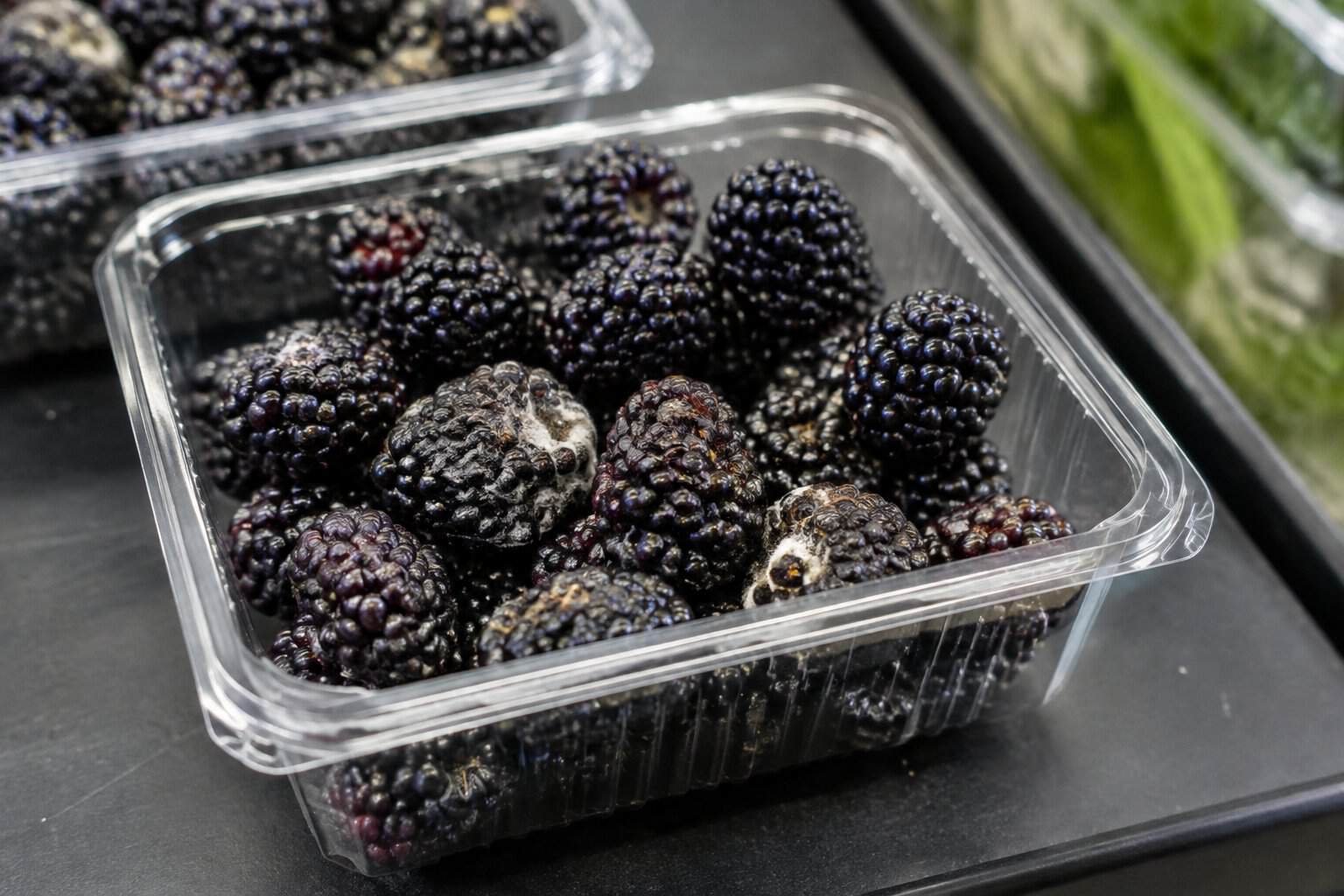
Wegmans blackberries look appealing in the store, but you won’t save money by buying them there. The price matches what you’d pay at most traditional grocery stores, so there’s no real advantage to choosing this location over another.
If you’re buying berries regularly, you’re better off shopping at a bulk retailer like Costco or Sam’s Club. You’ll typically get about twice the quantity for roughly the same price point.
Pricing issues have also come up with Wegmans berries specifically. One customer reported that sale-priced berries rang up at checkout for well over double the advertised price, a jump of over 200 percent. If you’re grabbing blackberries during a sale, check your receipt before you leave the store.
For occasional purchases, they’re a reasonable option. For regular buying habits, you have better choices elsewhere.
2. Wegmans Raspberries
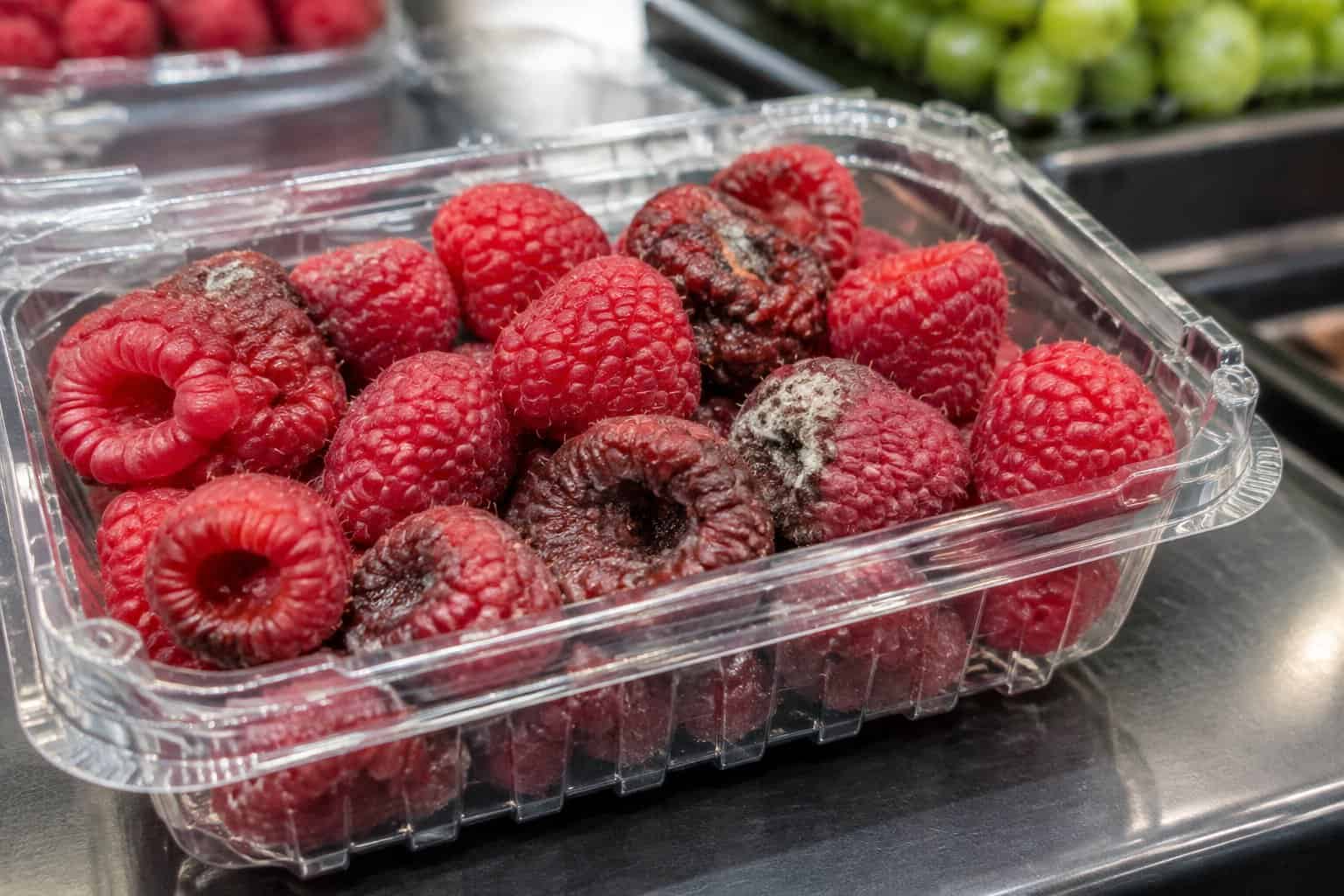
Raspberries at Wegmans don’t hold up well after purchase. You’ll often find mold developing within a day or two, even when the container looks fine at checkout.
Pricing adds to the problem. A 6-ounce package runs close to $3, and the organic option costs even more per ounce. You’re paying a premium for a product with a short shelf life.
Berries are naturally delicate, but you deserve better odds than this. If you plan to use raspberries within a day of buying them, you might be fine. Anything longer, and you risk opening the container to find spoiled fruit.
Your best bet is to check the container closely before buying, looking for any dampness or early signs of mold. Even then, there’s no guarantee the berries will last.
3. Wegmans Large-Batch Prepared Salads
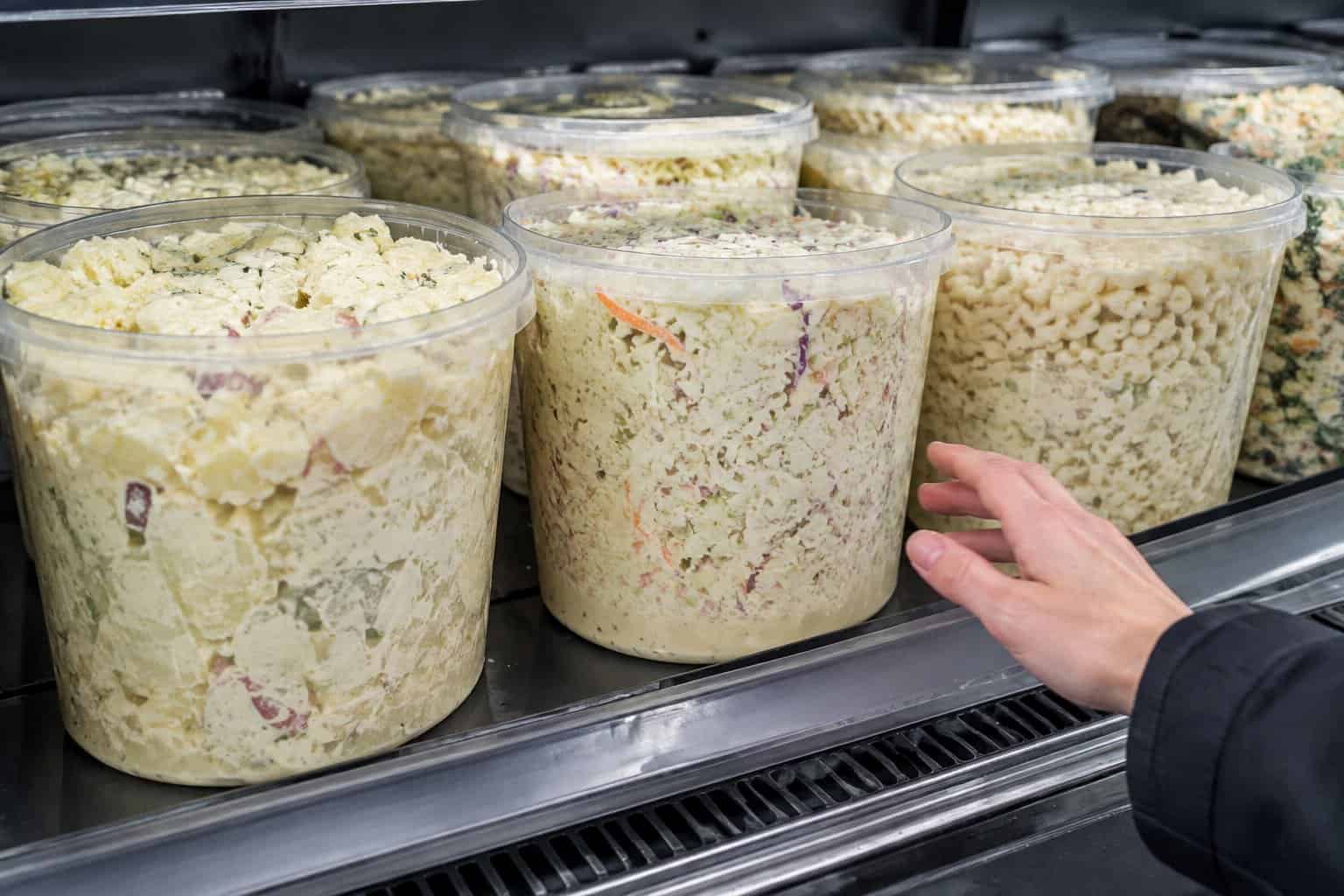
Wegmans prepares many of its packaged salads in bulk at a central location before shipping them to individual stores. This process works well for some varieties, but others don’t hold up during transport and storage.
You’ll notice the biggest issues with salads containing lettuce as a base ingredient. Large-batch production means lettuce can sit for extended periods before it reaches the shelf, and some customers have reported receiving salads with wilted or discolored leaves.
Dressing-heavy salads also pose a problem in this format. When dressing is mixed in during bulk preparation rather than added fresh, it has more time to break down the texture of vegetables and greens.
Your best bet is to check expiration dates closely and inspect the contents through the packaging before buying. Salads with sturdier ingredients like grains, pasta, or roasted vegetables tend to fare better than leaf-based options in this large-batch system.
4. Wegmans Store-Made Sushi
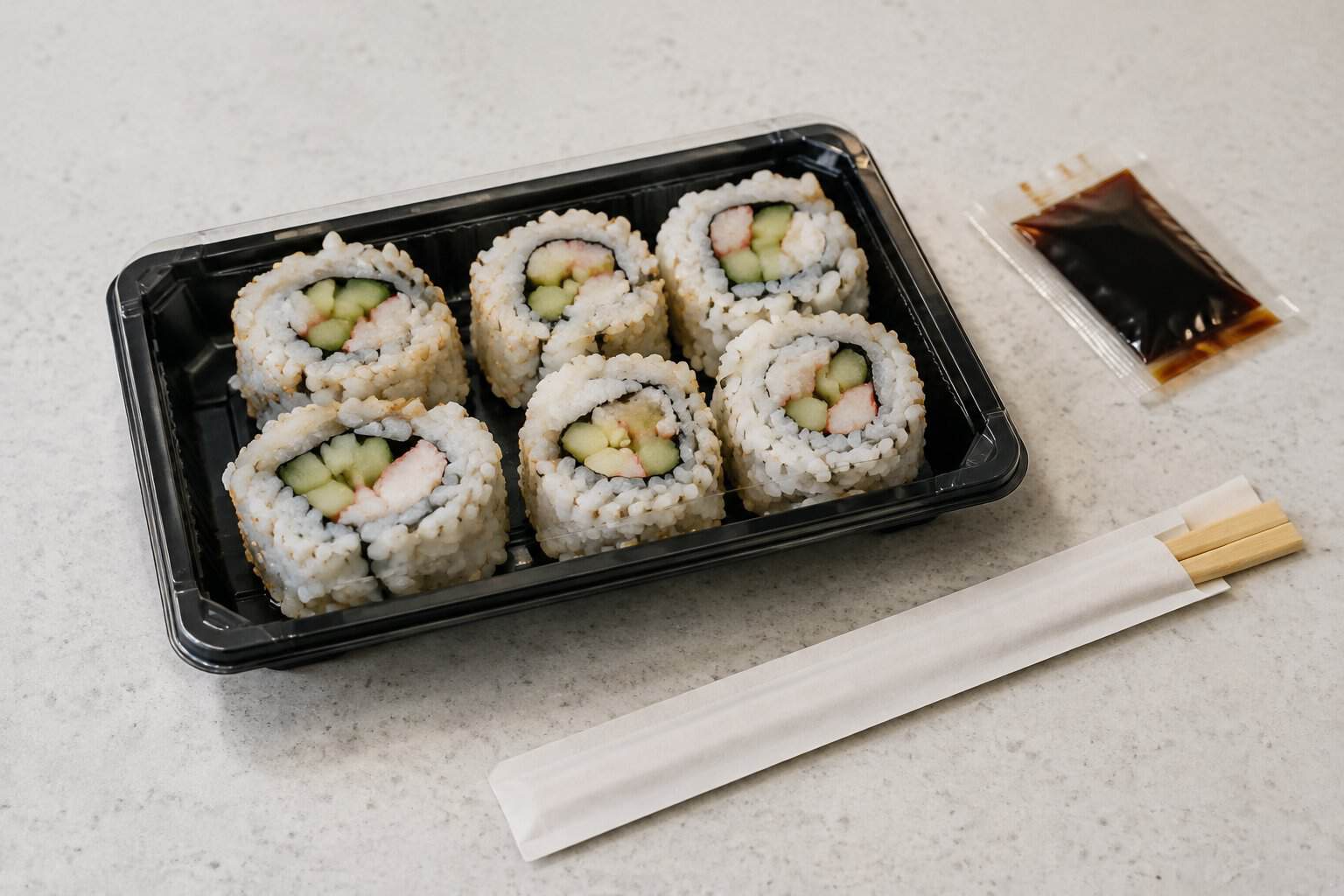
Wegmans sells sushi made fresh in-store, but you should approach it with caution. Grocery store sushi relies on quick turnover and proper refrigeration, and any lapse in either can affect quality and safety.
Grocery store sushi suppliers have faced multi-state recalls in the past, and in-house sushi counters carry similar risks if handling isn’t consistent. Some customers have reported getting sick after eating it, which is worth factoring into your decision.
You’ll also notice the fish doesn’t always taste as fresh as what you’d get from a dedicated sushi restaurant. Rice texture can be inconsistent, and the fish-to-rice ratio sometimes feels off.
If you’re craving sushi, you’re often better off going to a specialty restaurant or market known specifically for seafood quality. Save the Wegmans sushi counter for simple rolls rather than anything with raw fish.
5. Wegmans Hot Bar Fried Chicken
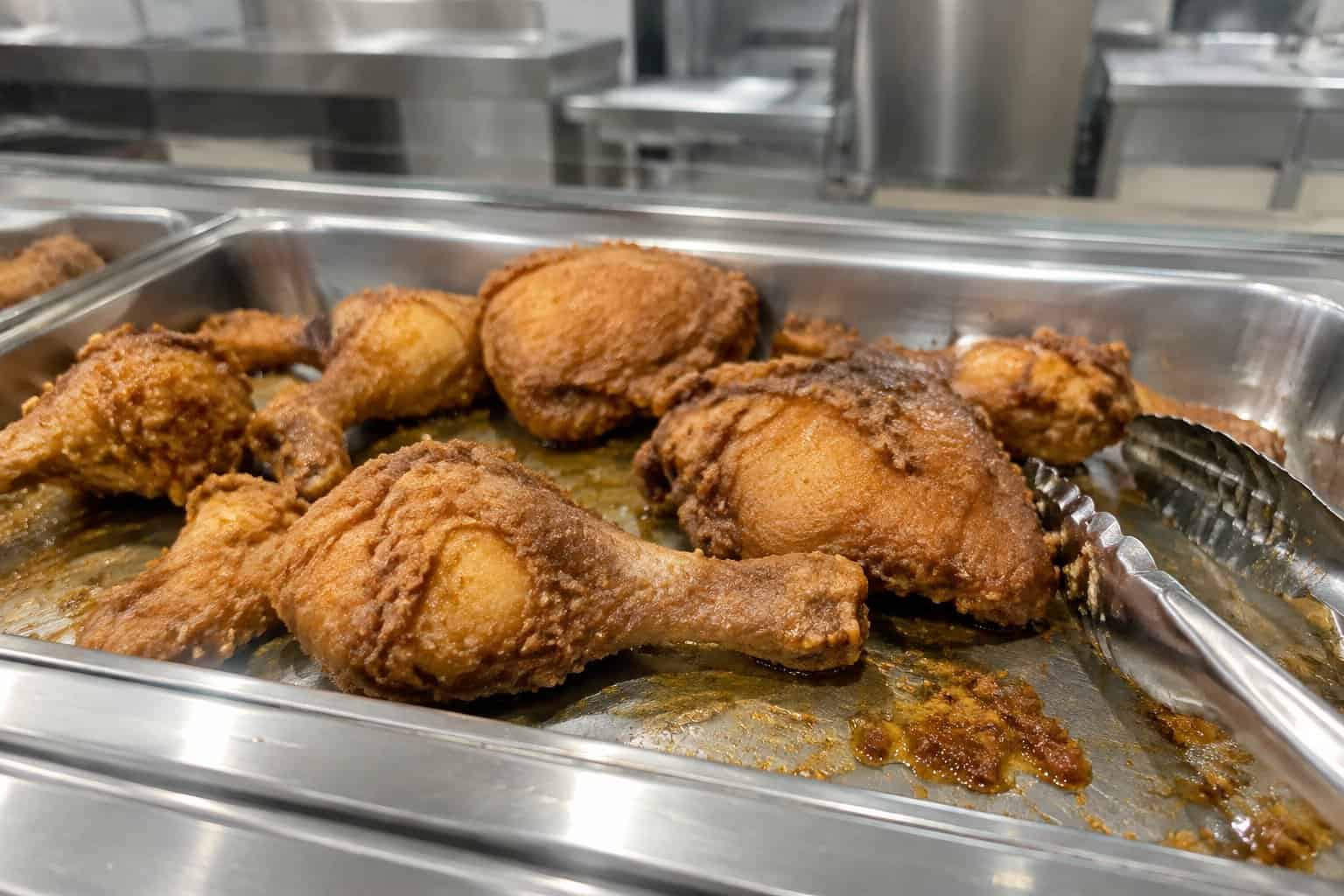
You’ll find this fried chicken sitting under heat lamps for extended periods during slower hours. The breading can turn soft and greasy instead of staying crisp, especially by late afternoon.
The meat underneath often cooks unevenly. You may get a juicy piece one visit and a dry, overcooked one the next, since batches sit out for varying lengths of time before you buy them.
Pricing by weight also works against you here. You’re paying a premium per pound for something that costs far less when you buy it frozen or make it at home.
If you want fried chicken from Wegmans, your best option is catching a fresh batch right after it’s been restocked. Ask an employee when the next batch comes out instead of grabbing whatever’s been sitting there.
6. Wegmans Hot Bar Macaroni and Cheese
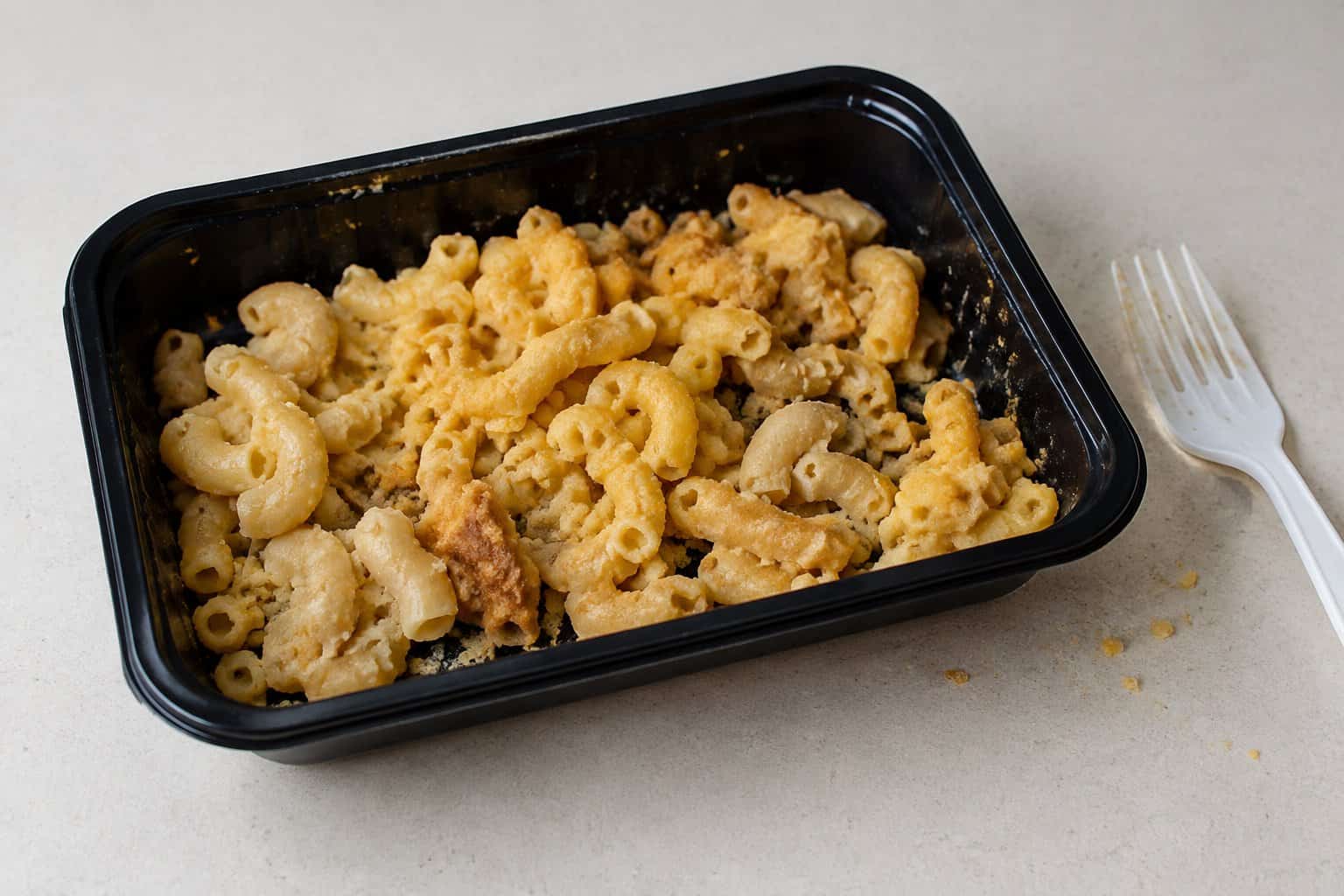
Opinions on this dish are split, and that inconsistency is the real problem. Some days you’ll get a creamy, well-seasoned batch. Other days it sits under the heat lamp too long and turns dry or clumpy.
The texture issue comes from how it’s held on the hot bar. Mac and cheese doesn’t hold up well to extended warming, and the sauce can separate or thicken into something closer to paste than cheese sauce.
You’re also paying by weight for a dish that’s mostly pasta and starch. That makes it one of the pricier options per bite compared to proteins or vegetables on the same bar.
If you want mac and cheese from Wegmans, you’re better off buying a cold, packaged version and reheating it yourself. You’ll have more control over the texture that way.
7. Wegmans Hot Bar Mashed Potatoes
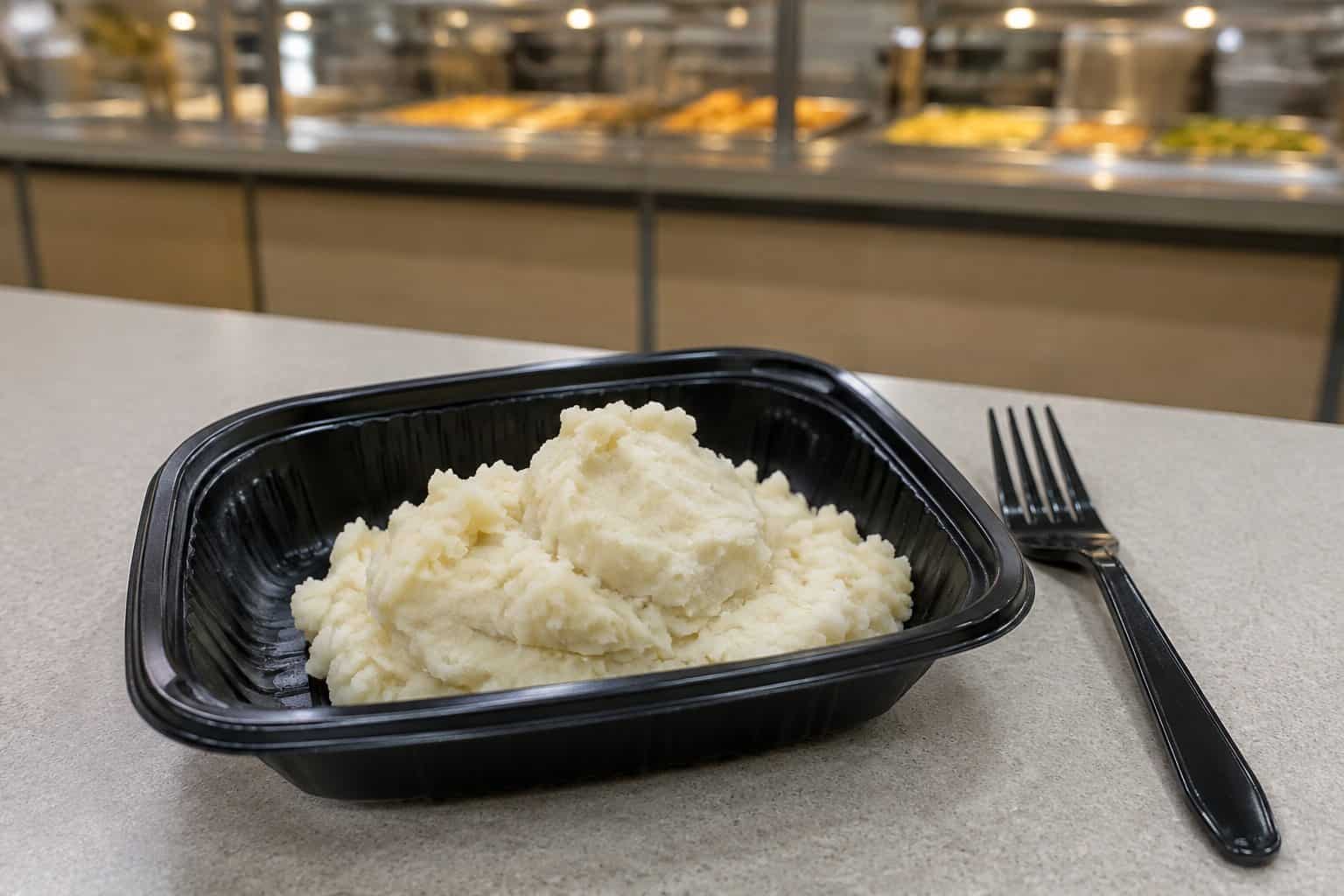
The mashed potatoes at the hot bar are priced by weight, and that cost adds up fast for a side dish you could make at home for less. You’re paying for convenience here, not quality that exceeds what you’d get from a box or a bag of potatoes.
The texture can be inconsistent depending on how long the batch has been sitting under the heat lamp. Sometimes they’re creamy, but other times you’ll find them gummy or dried out at the edges.
If you’re already buying other hot bar items, adding potatoes might make sense for the convenience. But if mashed potatoes are your main goal, you’re better off grabbing the Wegmans brand mashed potatoes from the dairy section instead. They cost less and give you more control over portion size and freshness.
8. Wegmans Prepared Chicken Parmesan
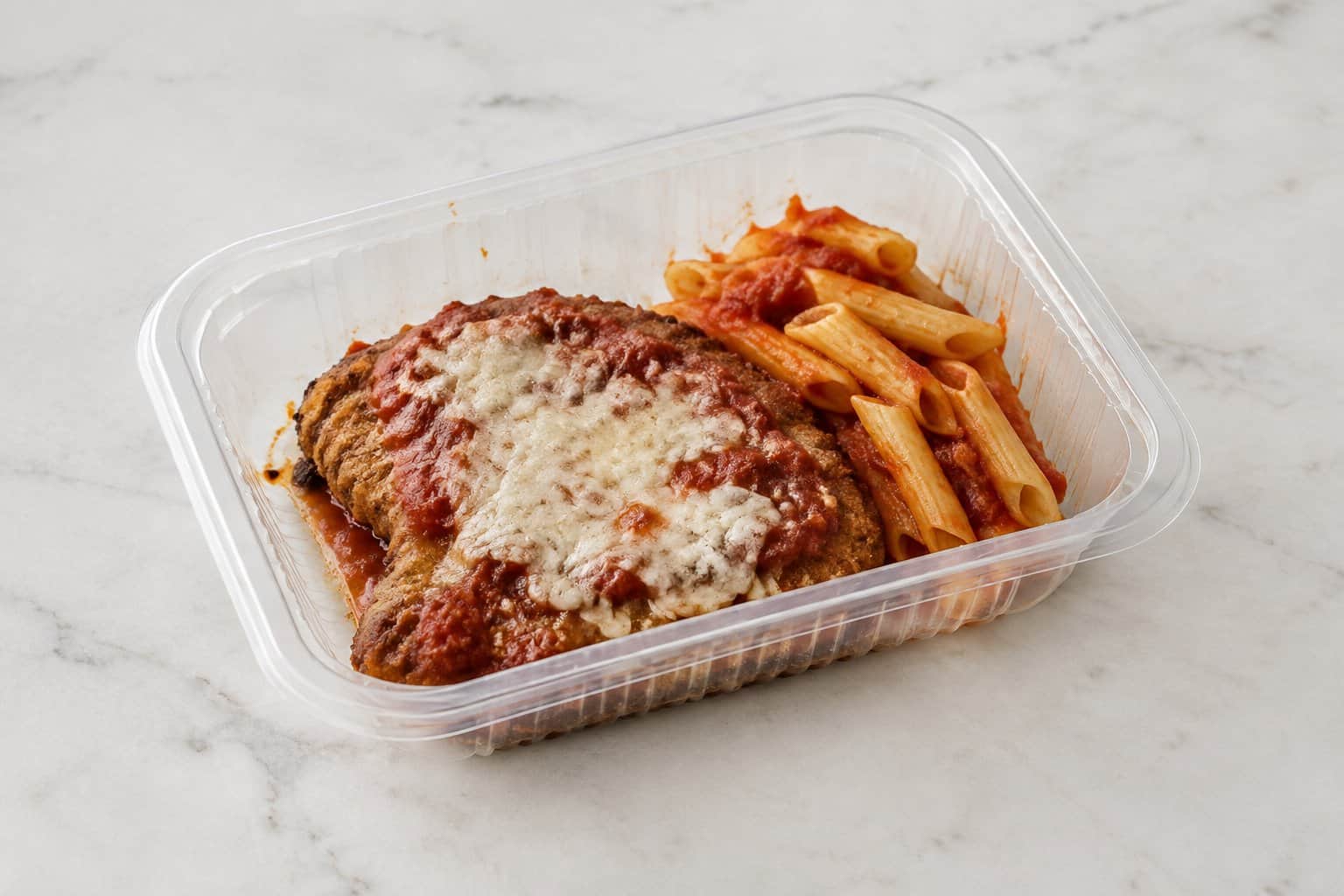
Wegmans’ prepared chicken parmesan looks appealing in the case, but the execution often falls short. The breading can turn soggy after reheating, losing the crunch you expect from a proper cutlet.
You’ll also notice the portions tend to be thinner than what you’d get at an Italian restaurant or even some frozen alternatives. The sauce is serviceable but unremarkable, and the cheese layer can end up unevenly melted depending on how you heat it.
Price is another factor worth considering. You’re paying a premium for convenience, yet the result often tastes closer to a mid-tier frozen dinner than a restaurant-quality meal.
If you’re craving chicken parmesan, you might get better results making it yourself with a store-bought cutlet and jarred sauce. You’ll save money and likely end up with a crispier, more satisfying dish than the prepared version offers.
9. Wegmans Prepared Eggplant Parmesan
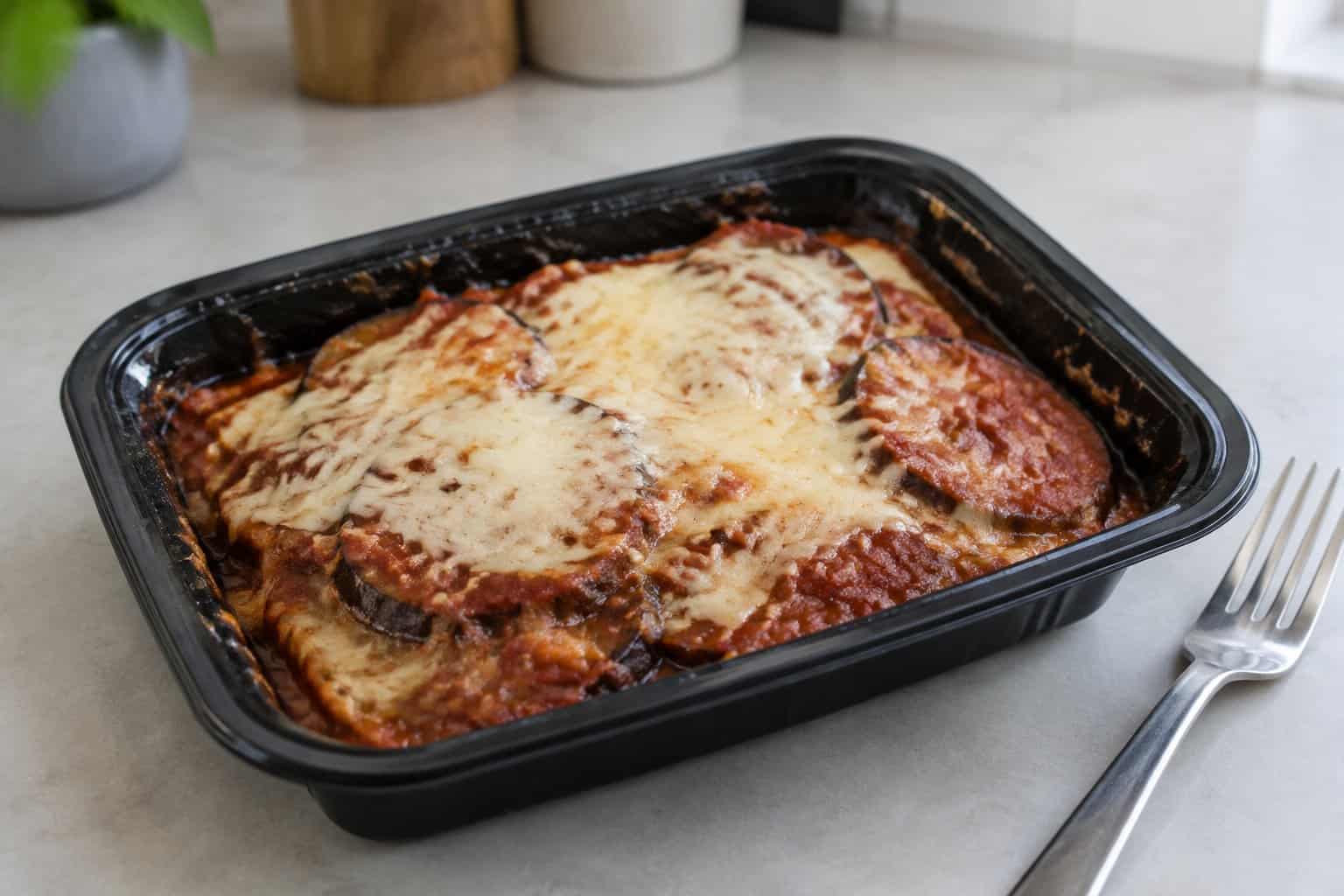
You might expect a baked dish of breaded eggplant, marinara, and melted cheese to taste fresh and well-balanced. Instead, you often get a soggy texture that undercuts the whole experience.
The breading tends to absorb the sauce quickly, leaving you with a mushy layer instead of any crispness. If you’ve made eggplant parmesan at home, you know the breading should hold up even after baking.
The eggplant itself can taste watery, a sign that it wasn’t salted or drained properly before cooking. This dilutes the flavor of the sauce and cheese, leaving you with a dish that tastes flatter than it should.
For the price, you’re better off buying fresh eggplant and making it yourself. You’ll get better texture control and a dish that actually holds together on your plate.
10. Wegmans Prepared Meatloaf
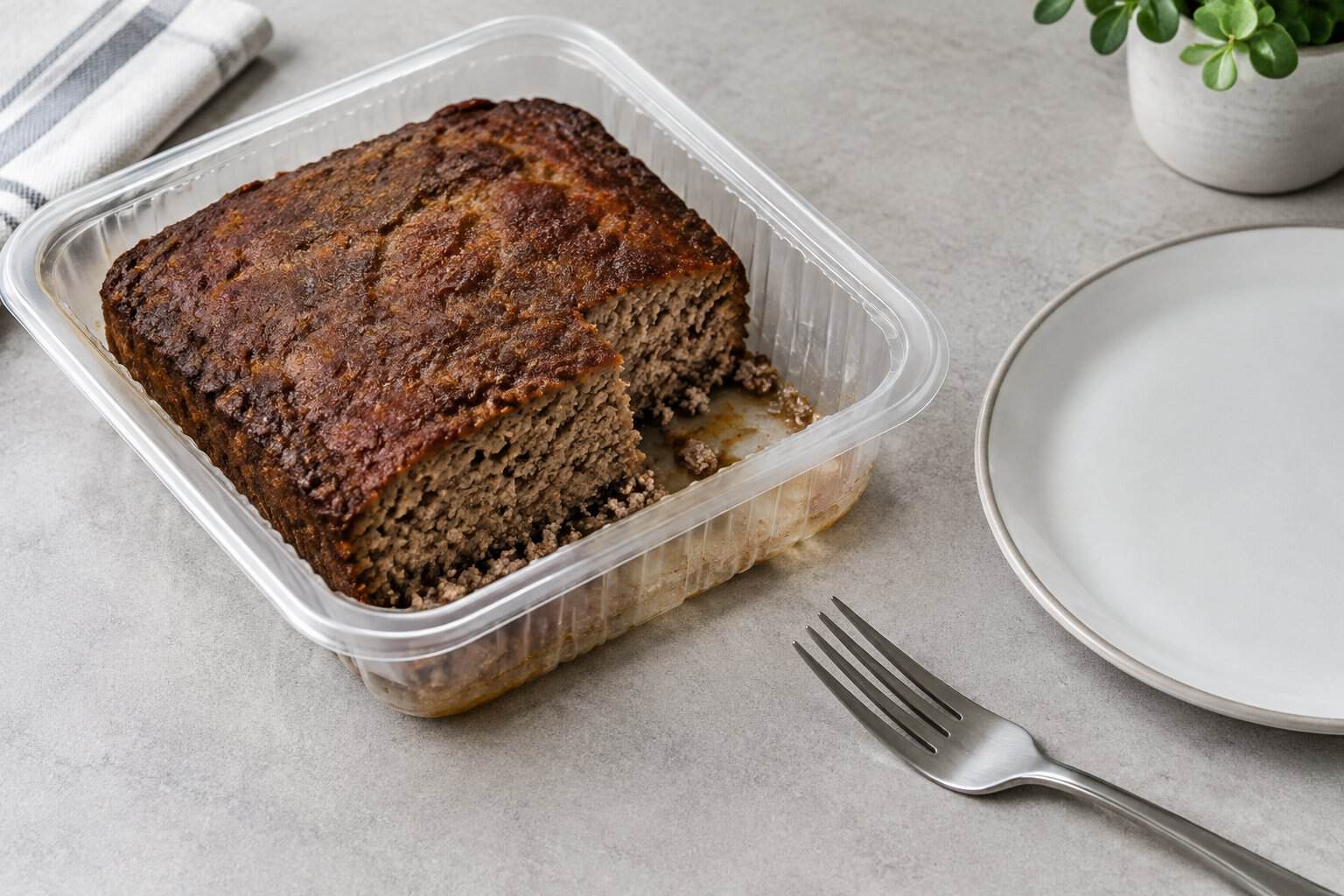
Wegmans sells ready-to-cook and perfect-portion meatloaf meals, but the texture often comes out denser than homemade versions. You may notice the beef-to-filler ratio leans heavy on breadcrumbs and binders, which dulls the flavor.
The gravy included in the perfect-portion meals tends to be overly salty. If you’re watching sodium intake, this product won’t work well for you.
Price is another factor worth considering. You’re paying a premium for convenience, yet the ingredients cost significantly less if you make meatloaf from scratch at home.
Some customers have also reported inconsistent seasoning between batches. One package might taste fine, while another feels bland or overly processed.
If you want a comfort food classic without much effort, this option gets the job done. But if you’re looking for quality that matches a homemade recipe, you’ll likely be disappointed.
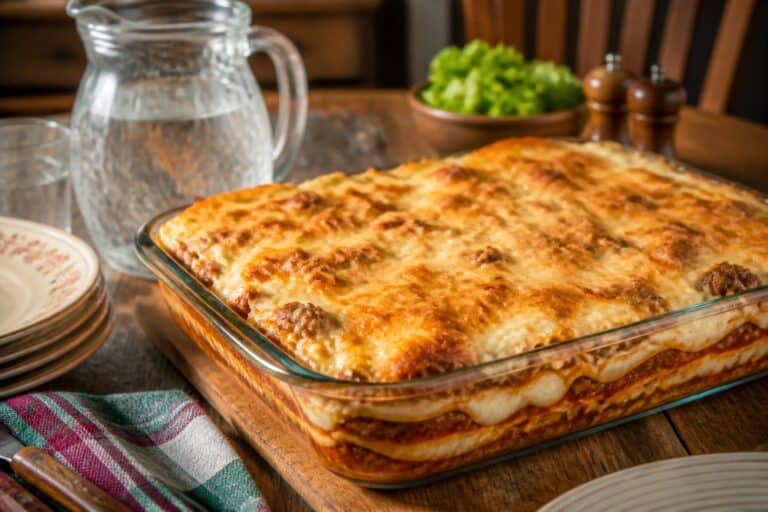
11. Wegmans Prepared Lasagna
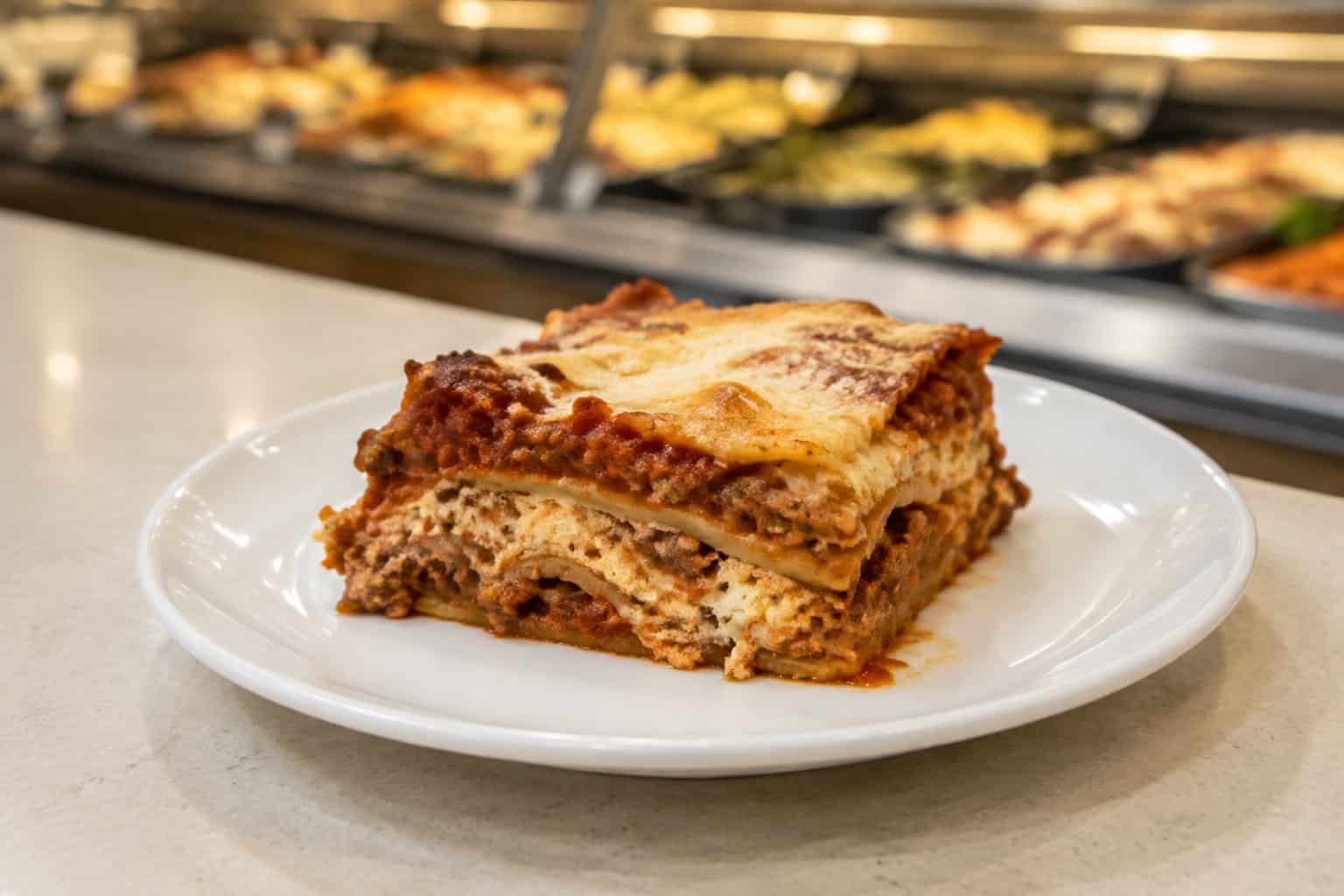
Wegmans sells several versions of prepared lasagna in its refrigerated and frozen sections, but the texture often disappoints. You may notice the noodles turn mushy after reheating, even when you follow the instructions on the package.
The sauce-to-cheese ratio can feel inconsistent from tray to tray. Some portions taste heavy on sauce, while others leave you with dry patches of noodle and little flavor.
Price is another issue. You’re paying a premium for something you can make more cheaply at home, and the taste doesn’t always justify the cost difference.
If you’re looking for a quick dinner, you might get more value from Wegmans’ other prepared entrees. For lasagna specifically, making your own or trying a different brand may give you better results for the money.
12. Wegmans Prepared Alfredo Pasta
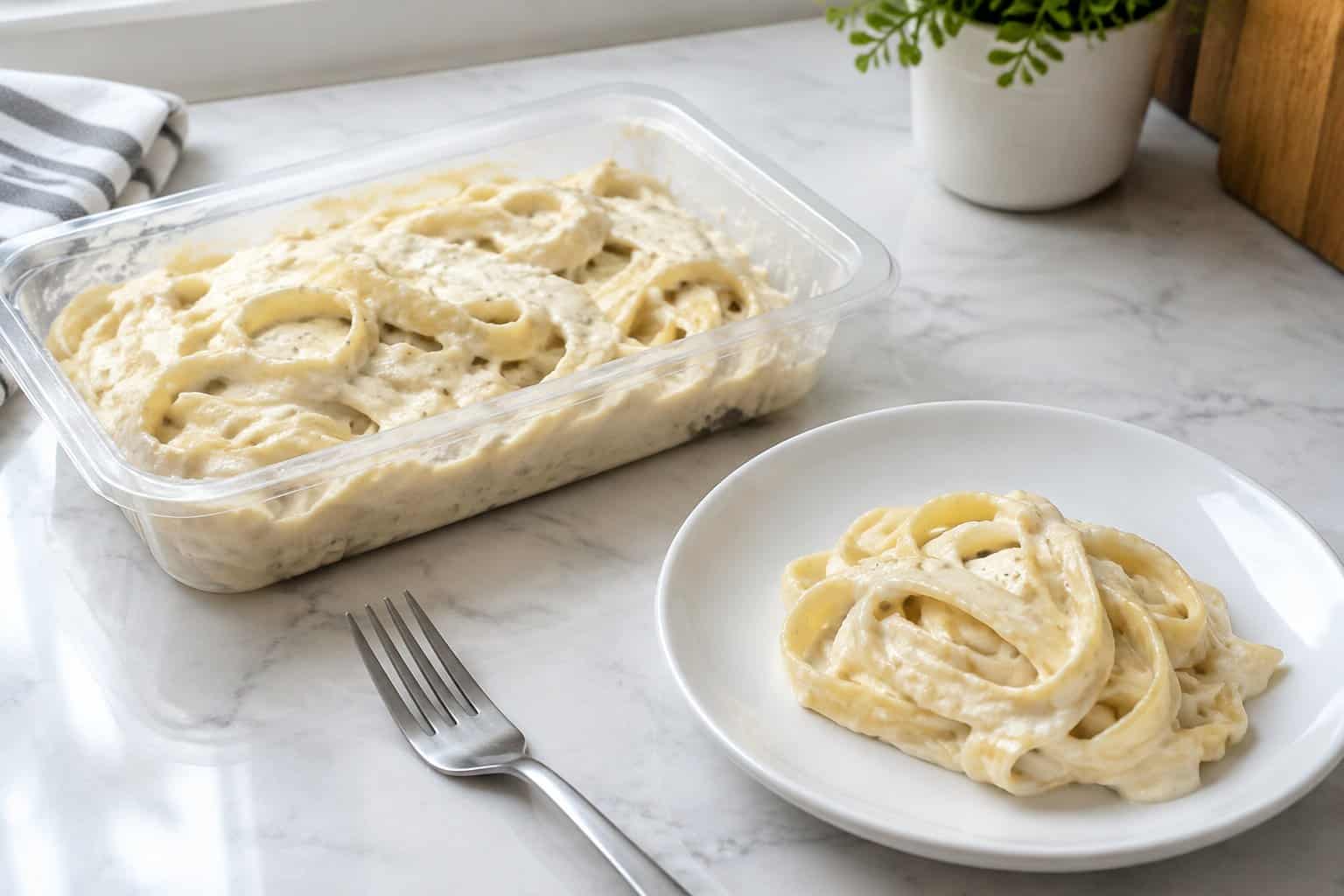
The Alfredo pasta in the prepared foods section looks appealing under the warming lights, but the texture often disappoints once you get it home. The sauce tends to separate or thicken too much by the time you reheat it, leaving you with a gluey consistency instead of the smooth, creamy finish you expect from Alfredo.
You’re also paying a premium for something you could make yourself with better results. A block of cream cheese, butter, and parmesan costs a fraction of the price and takes about ten minutes to prepare.
The noodles themselves often come out overcooked from sitting in the tray. If you reheat leftovers, you’ll notice the pasta turns mushy fast, which isn’t something you want from a dish that’s already on the heavier side.
For the price point, your money stretches further on other prepared options.
13. Wegmans Prepared Shepherd’s Pie
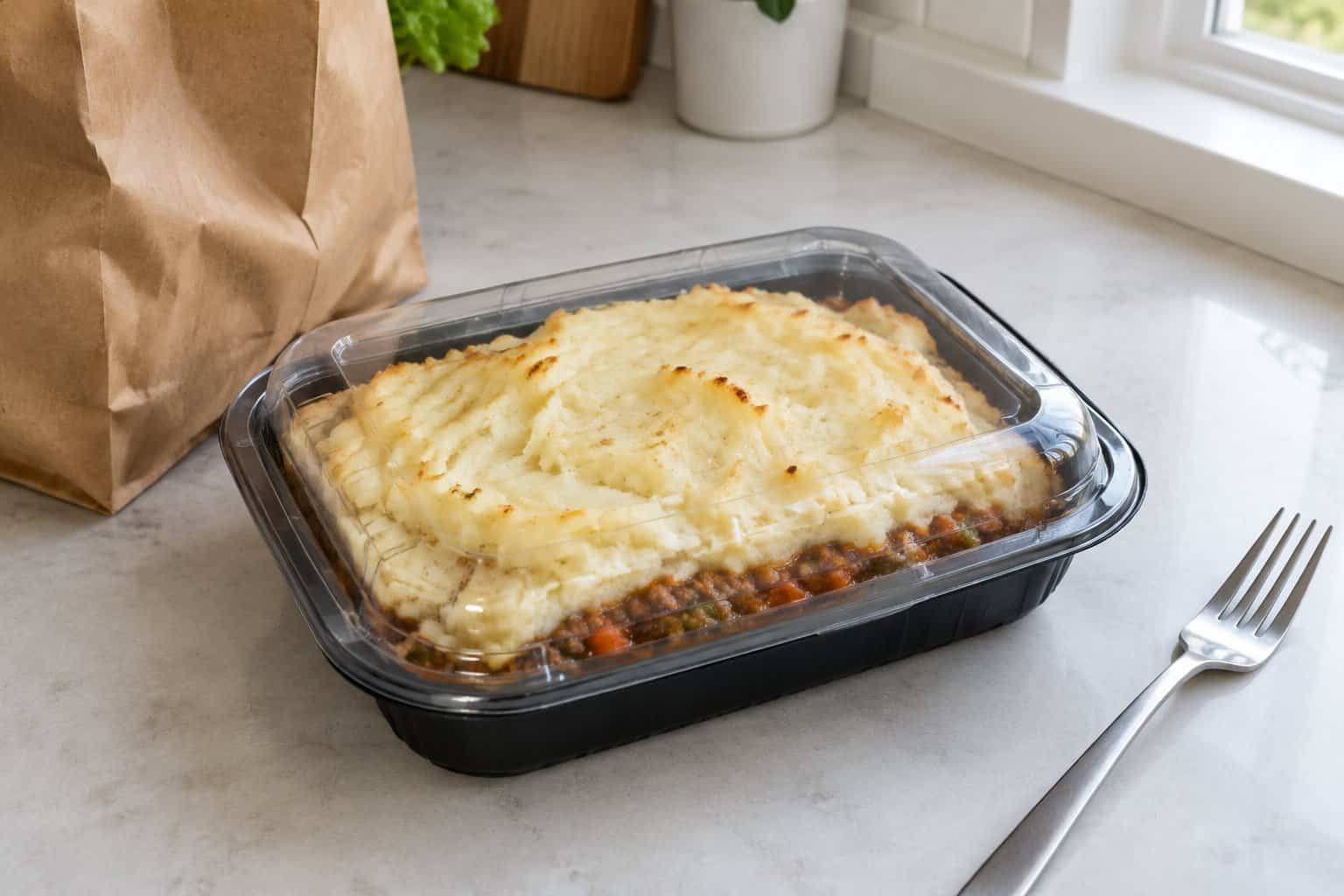
You’ll find the mashed potato topping on this dish can turn gummy after reheating, which affects the overall texture. The meat and vegetable filling underneath often lacks seasoning, leaving you reaching for salt and pepper at the table.
Portion size is another factor to weigh before buying. You’re paying a premium price for a dish that doesn’t always deliver enough servings to justify the cost, especially for a household of three or more.
If you compare it to a homemade version, the difference becomes clear. Fresh shepherd’s pie allows you to control the seasoning and texture, while the prepared option relies on reheating methods that don’t always preserve quality.
You might find better value in Wegmans’ other prepared entrees, particularly ones that hold up better to microwave or oven reheating. This dish works best as an occasional convenience buy rather than a regular addition to your cart.
14. Wegmans Prepared Chicken Pot Pie
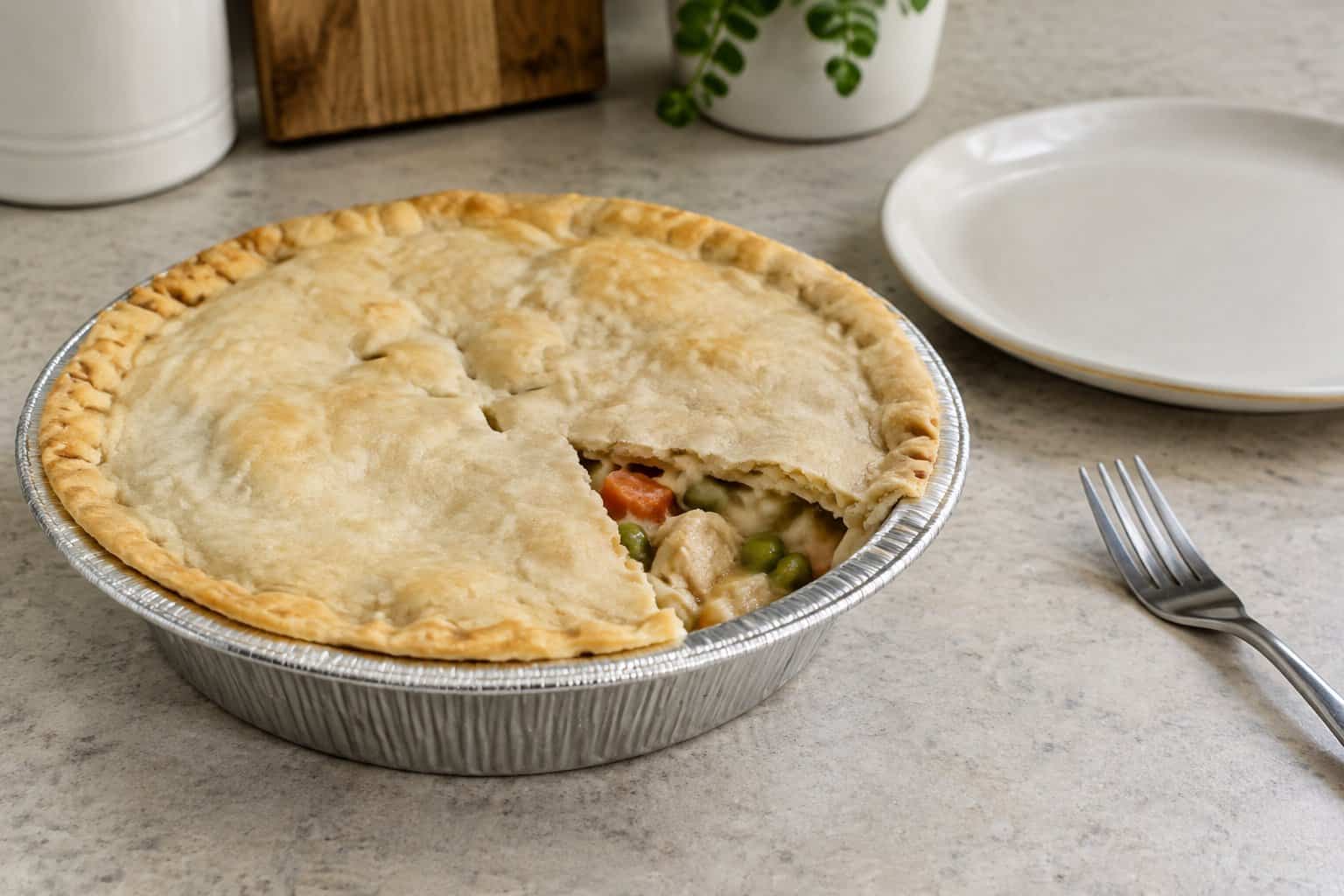
Wegmans’ prepared chicken pot pie looks appealing in the warming case, but the filling-to-crust ratio often disappoints. You’ll typically find a thick layer of pastry on top with a thinner portion of actual filling underneath.
The gravy tends to run thin, lacking the richness you’d expect from a dish built around cream and stock. Chunks of chicken are also sparse, so you may end up paying more attention to the vegetables than the protein you’re likely craving.
Price is another factor worth considering. You’re paying a premium for convenience, yet the taste doesn’t always match homemade versions or even some frozen store brands.
If you reheat it, the crust can turn soggy rather than staying crisp. For the cost, you might find better value and flavor by making your own version or trying a different brand entirely.
15. Wegmans Prepared Salmon Entrées
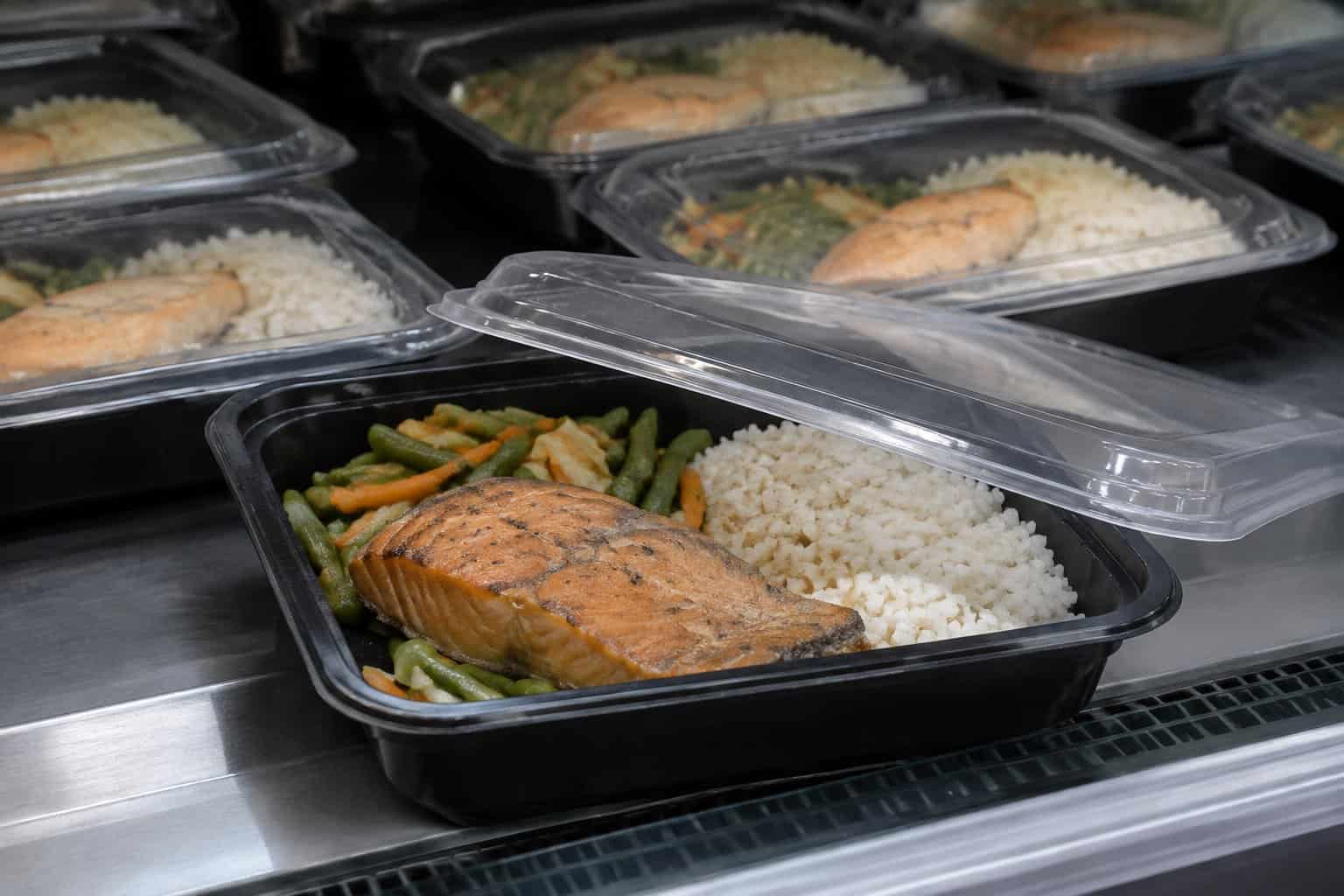
Wegmans prepared salmon entrées look appealing in the display case, but the texture often disappoints once you reheat them at home. The fish tends to dry out quickly, even with just a few minutes under high heat.
You’re also paying a premium for something you could easily make fresh for less. Raw salmon fillets cost significantly less per pound than the prepared versions, and seasoning your own fish takes only a few extra minutes.
The sauces used in these entrées can overpower the salmon’s natural flavor. Many customers report that the glazes taste overly sweet or artificial, masking rather than enhancing the fish.
Portion sizes vary inconsistently between purchases, too. You might get a generous fillet one week and a noticeably smaller cut the next, despite paying the same price.
If you want salmon for dinner, buying it raw and cooking it yourself gives you better control over quality and cost.
16. Wegmans Prepared Vegetable Sides
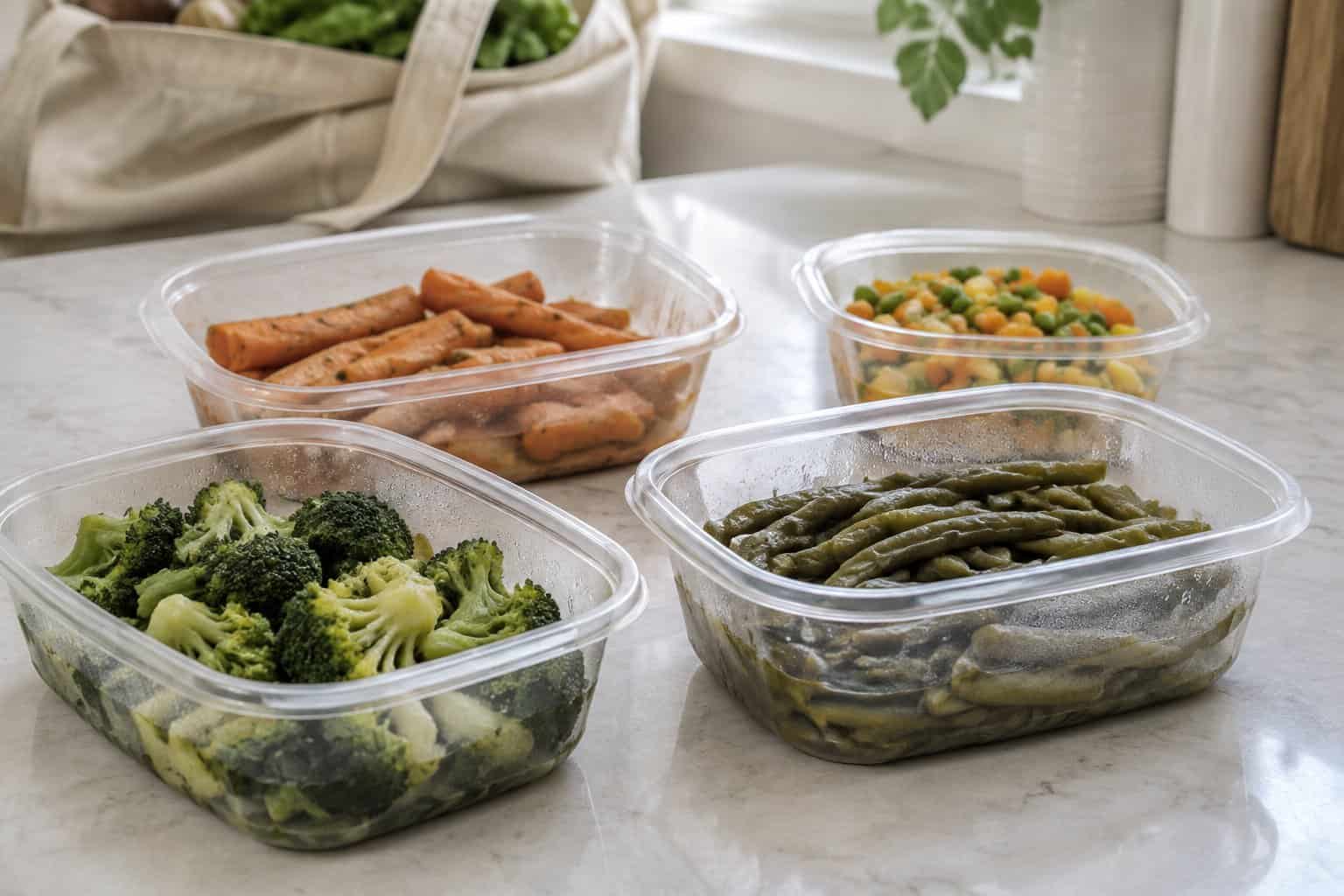
Prepared vegetable sides sit near the hot bar and in the grab-and-go cases, usually dressed with butter, oil, or a light sauce. The quality varies more than you’d expect from one visit to the next.
Vegetables that sit under heat lamps for extended periods tend to lose their texture. You may notice broccoli or green beans that have turned mushy or dull in color by the time you pick them up.
Seasoning is another inconsistent factor. Some batches taste well-balanced, while others come across as either bland or too heavy on salt and oil.
Price is worth considering too. You’re often paying a premium for vegetables you could buy raw and prepare yourself in less time than a round trip to the store takes.
If you want fresh vegetables with better texture, buying produce separately and cooking it at home usually gives you more control over the outcome.
17. Wegmans Bakery Cupcakes

Wegmans bakery cupcakes often look better than they taste. The frosting can be overly sweet, masking the flavor of the cake underneath rather than complementing it.
Texture is another issue you might notice. Some batches come out dense or dry, especially if they’ve been sitting in the case for a while.
Flavor variety can also be inconsistent across locations. A chocolate or vanilla cupcake that tastes great at one store might fall flat at another, since freshness depends heavily on how recently it was baked.
If you’re buying for a larger event, you may find the cost adds up quickly for a product that doesn’t always deliver on quality. You’re often better off trying Wegmans’ cakes or individual pastries, which tend to get more consistent praise for flavor and texture.
18. Wegmans Bakery Decorated Cakes

If you’re buying a decorated cake for a birthday or special event, you should know what you’re getting into first. The frosting tends to be extremely sweet, and the designs don’t always match what’s shown in the display case or online ordering system.
Pricing is another issue. A mid-size carrot cake can run close to $14 for just a quarter of the whole cake, and that adds up fast if you’re feeding a larger group.
The cake itself is often assembled from sheet pans cut into circles rather than baked in individual layer pans. This method works fine for texture, but it means the cake can taste more mass-produced than custom-made.
If you want something that looks and tastes distinct for a special occasion, you’re better off checking a local bakery instead. Wegmans decorated cakes work for convenience, not for impressing guests.
19. Wegmans Bakery Muffins
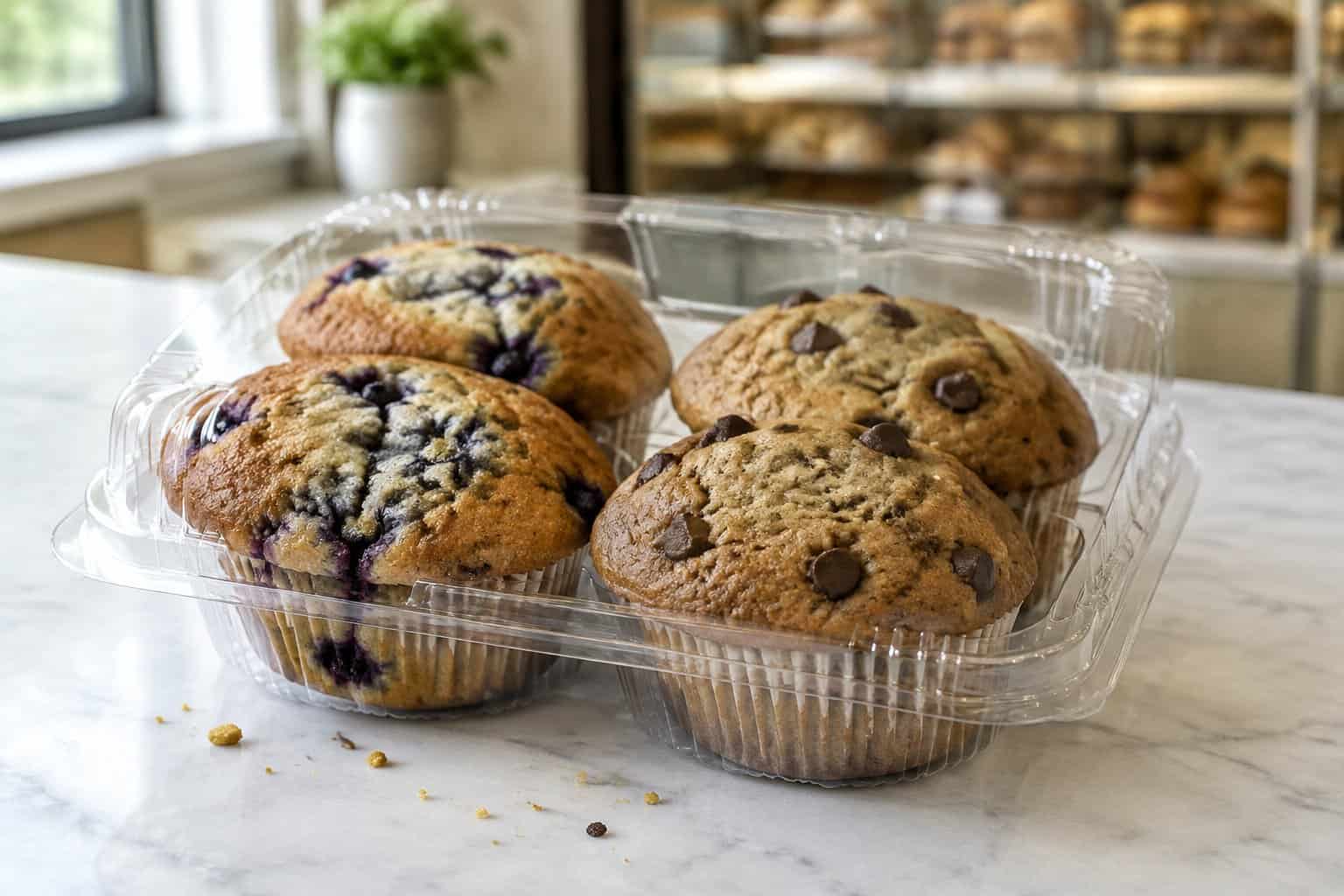
Wegmans bakery muffins look impressive on the shelf, but the taste doesn’t always match the presentation. You’ll notice they lean heavily toward sweetness, with some varieties tasting more like cake than a breakfast option.
The texture can also be inconsistent. Some batches come out dense and overly moist, while others dry out faster than you’d expect for a bakery-fresh item.
If you’re buying blueberry or banana nut muffins specifically, you may find the fruit distribution uneven. One bite might be packed with flavor, while the next is mostly plain batter.
Given the price point, you’re likely better off making muffins at home or trying a different bakery item at Wegmans. The bakery’s breads and bagels tend to get more consistent praise from shoppers than its muffin selection.
For a special treat, these muffins work fine. For a regular purchase, they’re not the best use of your money.
20. Wegmans Bakery Croissants

Wegmans sells plain butter croissants alongside its chocolate versions, but the plain ones don’t get the same praise. You’ll often find them lacking the flaky, layered texture that makes a croissant worth the calories.
Instead, you may notice a denser crumb and a crust that’s softer than expected. A good croissant should shatter slightly when you bite into it, and these tend to fall short of that standard.
Freshness is also inconsistent. If you buy one later in the day, you might get a croissant that’s already gone stale or lost its shape sitting in the display case.
If you’re craving a croissant from Wegmans, you’re better off sticking to the chocolate-topped pain au chocolat, which consistently gets better reviews from shoppers than the plain version.
21. Wegmans Bakery Bagels
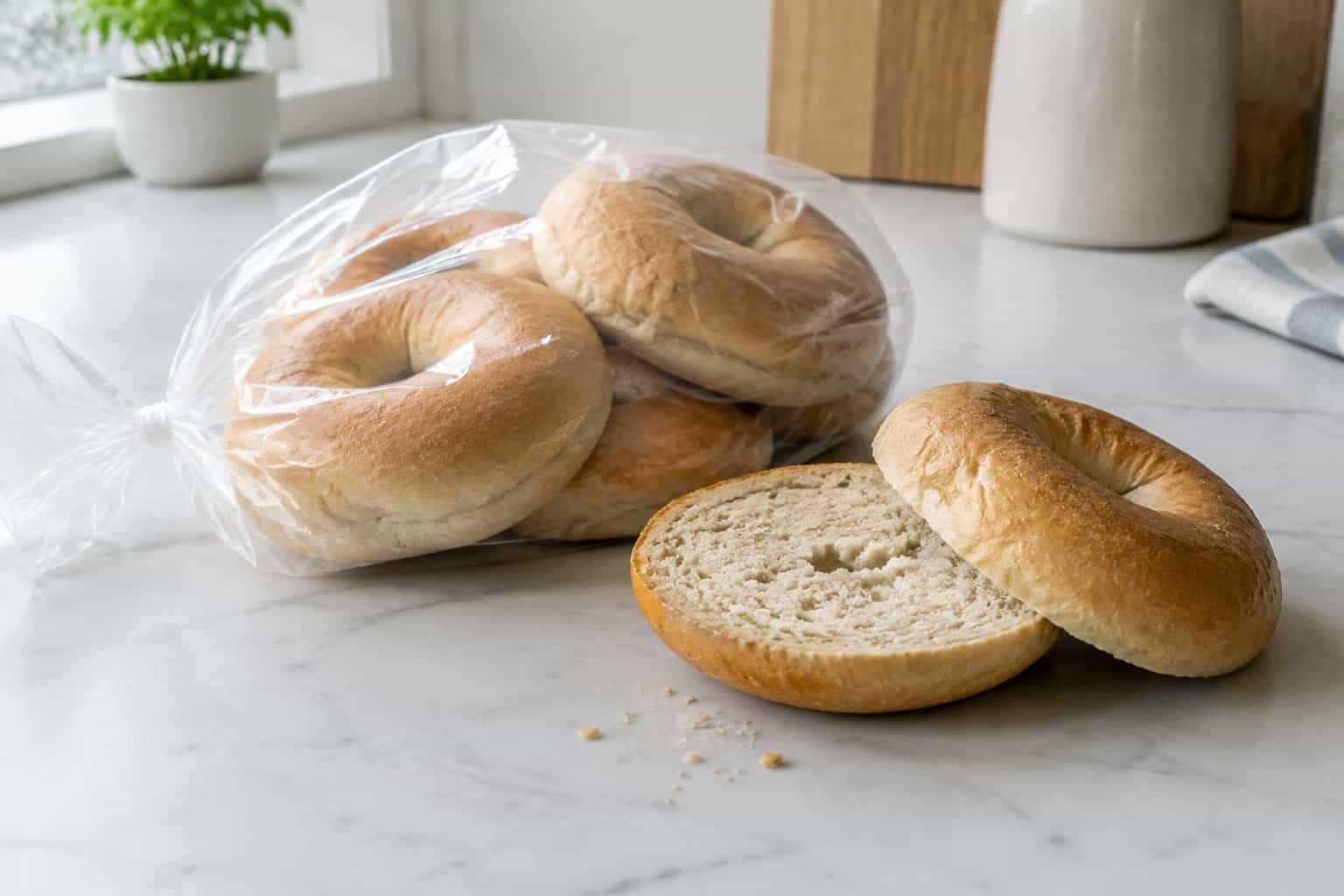
Wegmans bagels have a texture problem. Many customers describe them as soft and bread-like rather than chewy, which is a defining trait of a proper bagel.
The crust lacks the slight crispness you get from a traditional boiling-then-baking method. Without that step done correctly, the bagel ends up dense in some spots and oddly airy in others.
Flavor is another issue. Several varieties taste bland, relying heavily on toppings like everything seasoning to make up for a lack of depth in the dough itself.
If you’ve had bagels from a dedicated bagel shop, the difference becomes obvious. Wegmans bagels work fine in a pinch, but they don’t hold up against the real thing.
Your better bet is to save bagel purchases for a specialty bakery and use your Wegmans trip for other bread items instead.
22. Wegmans Store-Brand Frozen Pizza
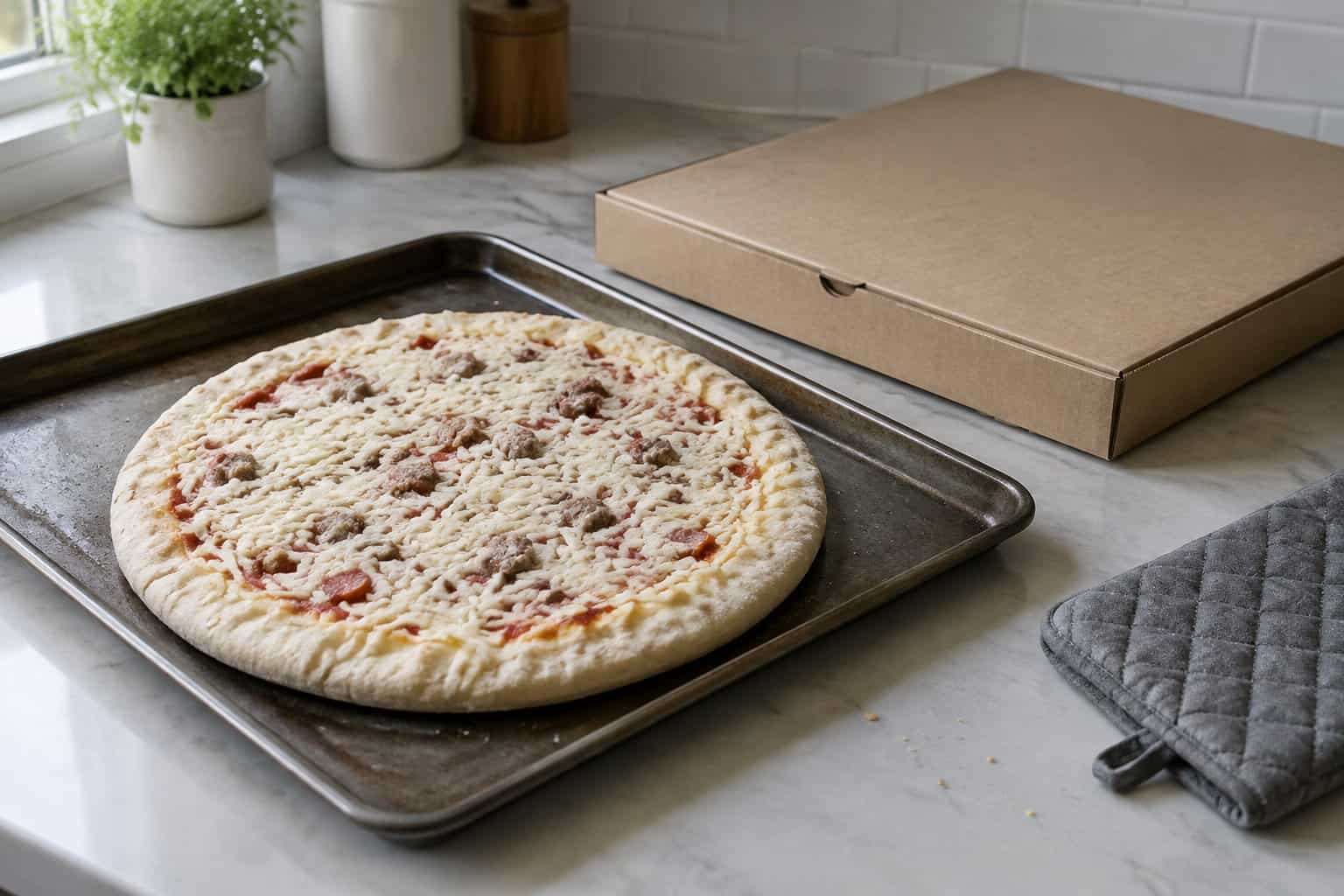
Wegmans’ Bake & Rise line often disappoints when it comes to flavor and texture. The crust tends to bake up thick and cakey rather than crisp, which isn’t what most people want from a frozen pizza.
Customer reviews back this up, averaging around 2.7 out of 5 stars. You’ll see the same complaints repeated: bland sauce, rubbery cheese, and a crust that doesn’t hold up.
At $4.49 for a 29.6-ounce pie, the price seems reasonable. But you may find that the low cost doesn’t make up for the lack of flavor.
If you’re comparing options, you might get better results from other store brands. Some reviewers who’ve tested multiple supermarket pizzas side by side have ranked Wegmans’ version near the bottom of the list, behind competitors like Trader Joe’s and Costco’s Kirkland brand.
23. Wegmans Store-Brand Frozen Entrées
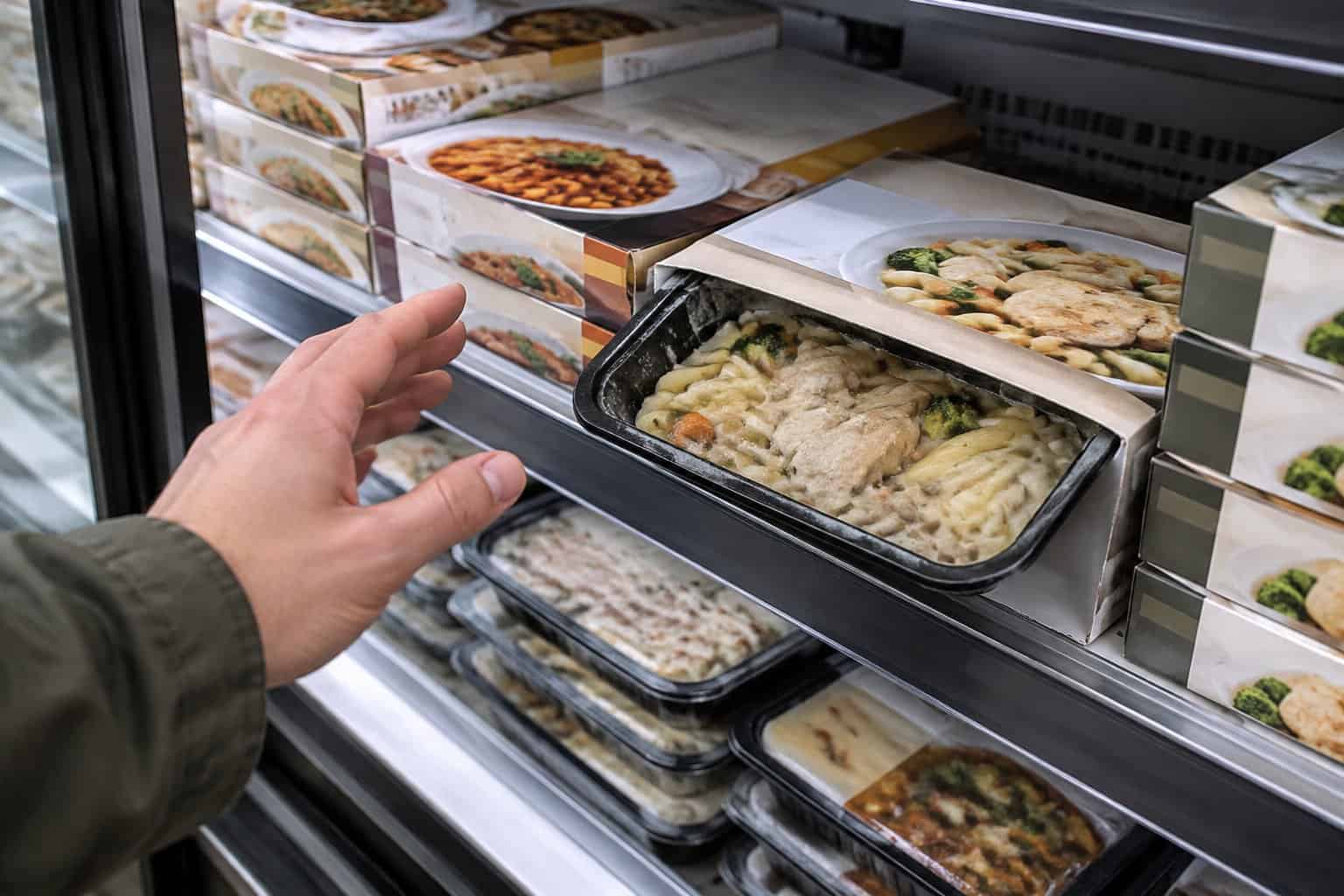
You might expect Wegmans’ private-label frozen entrées to match the quality of its fresh prepared foods, but several fall short. Weight inconsistencies have been reported, with some meals containing less filling or protein than the packaging suggests.
You’ll also notice texture problems in certain dishes, particularly those with pasta or rice bases that turn mushy after microwaving. Sauce-to-solid ratios can feel off balance, leaving you with either a watery dish or one that’s too dry.
If you’re comparing these entrées to national brands, you may find the seasoning noticeably blander. Many shoppers who’ve tried multiple varieties suggest sticking to Wegmans’ fresh prepared meals instead, since the frozen versions don’t always reflect the same quality control.
Before buying in bulk, you’re better off testing a single entrée first to see if it meets your expectations.
24. Wegmans Store-Brand Frozen Vegetables
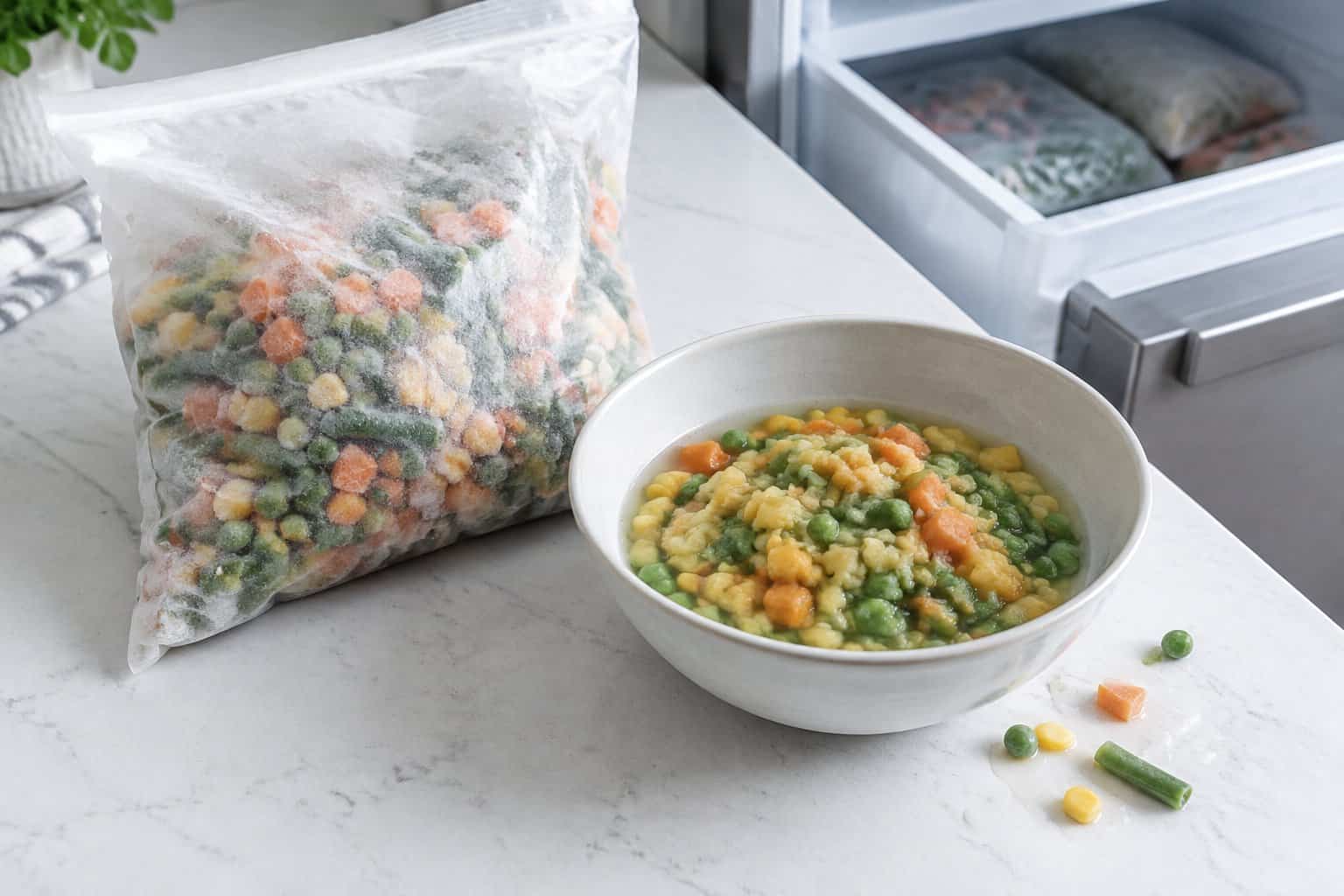
Frozen vegetables seem like a safe pick in any grocery run, but you should check the texture before committing to Wegmans’ store brand. Some bags come out soggy or mushy once cooked, which isn’t what you want when you’re trying to get a quick side dish on the table.
The inconsistency is the real issue. One bag might steam up fine, while the next turns watery or bland. You won’t always know which batch you’re getting until you’ve already opened it.
If you rely on frozen vegetables for weeknight meals, this unpredictability can be frustrating. You’re better off testing a single bag first rather than stocking up in bulk. Comparing a few national brands side by side can help you figure out what holds texture and flavor more reliably before you commit to Wegmans’ version long-term.
25. Wegmans Store-Brand Canned Soup
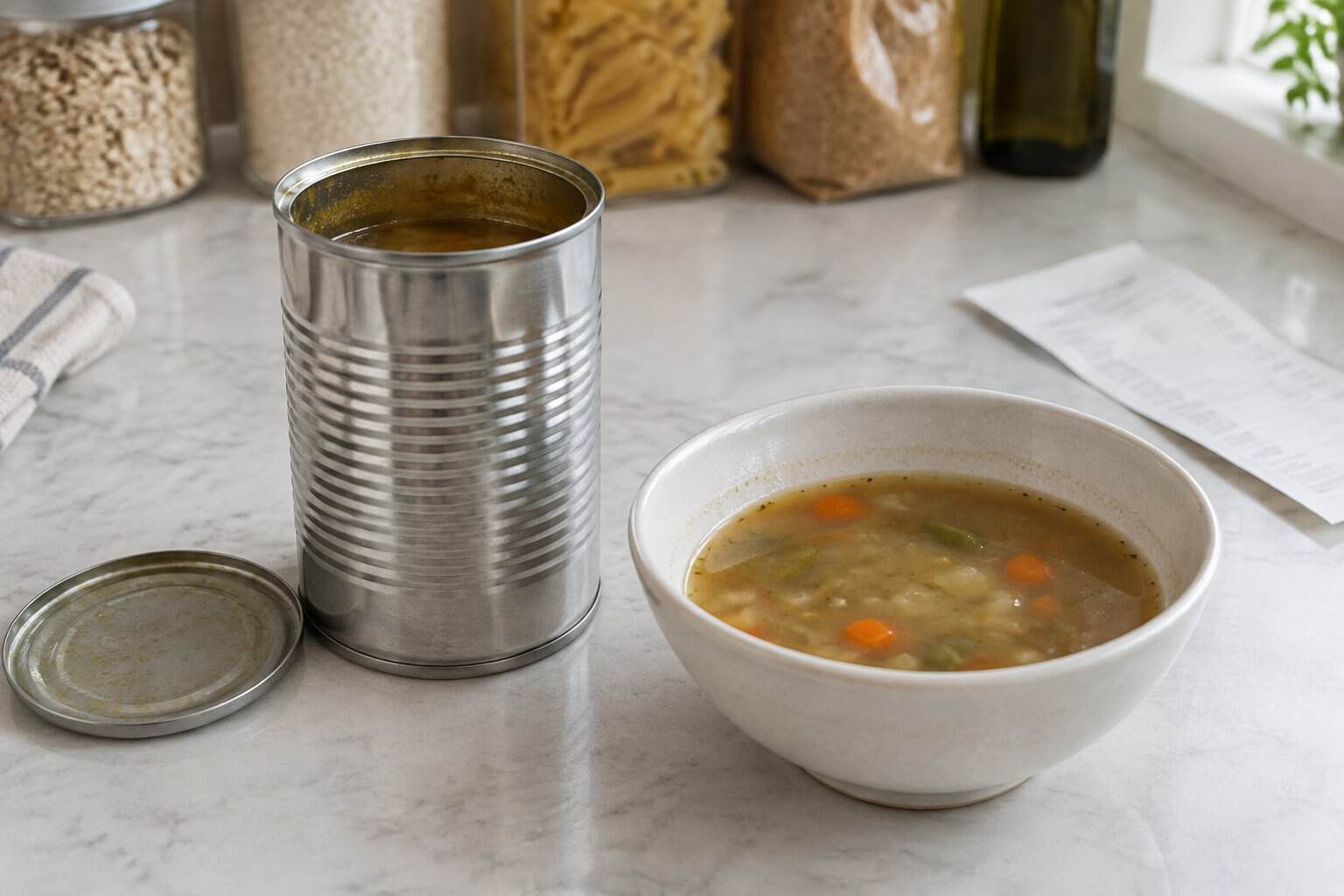
Wegmans’ canned vegetable soup has landed at the bottom of several taste-test rankings, and for good reason. The ingredient list looks solid on paper, with carrots, celery, corn, green beans, peas, and tomato puree, but the actual flavor often comes across as flat or slightly off.
You might also notice that this soup isn’t vegetarian, despite what the name suggests. That’s a detail worth checking if you’re buying it for someone with dietary restrictions.
The chicken noodle variety doesn’t fare much better. The low-sodium version in particular has drawn complaints for tasting bland and unappealing.
If you’re craving soup, you’re better off making it from scratch or trying a different brand entirely. Wegmans excels in plenty of departments, but canned soup isn’t where this store shines.
26. Wegmans Store-Brand Cereal
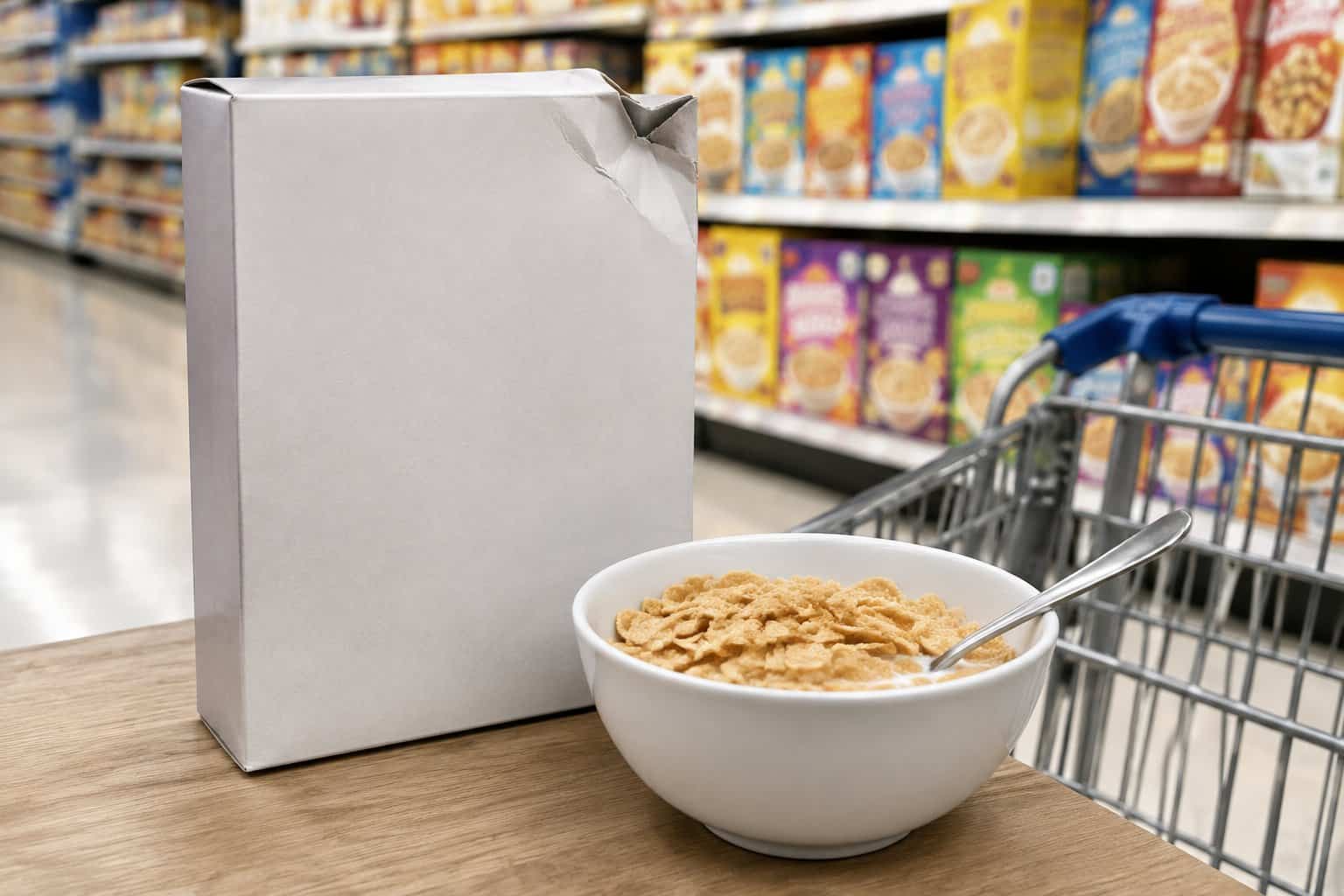
Wegmans store-brand cereal fills the shelf space next to name brands, but the flavor often falls short in comparison. You’ll notice the texture tends to be softer, and some varieties turn soggy in milk faster than you’d expect.
The sweetened options can taste artificial rather than genuinely sweet. If you’ve grown up on Frosted Flakes or Cinnamon Toast Crunch, the store-brand versions won’t quite replicate that taste profile.
Price is the main selling point here, since you’ll pay less per box than for national brands. But the savings come with a trade-off in quality that you’ll likely notice after a few bowls.
Some shoppers have found success with specific limited-edition flavors, though these come and go unpredictably. For your everyday cereal needs, you’re probably better off paying slightly more for a brand you already trust.
27. Wegmans Store-Brand Crackers
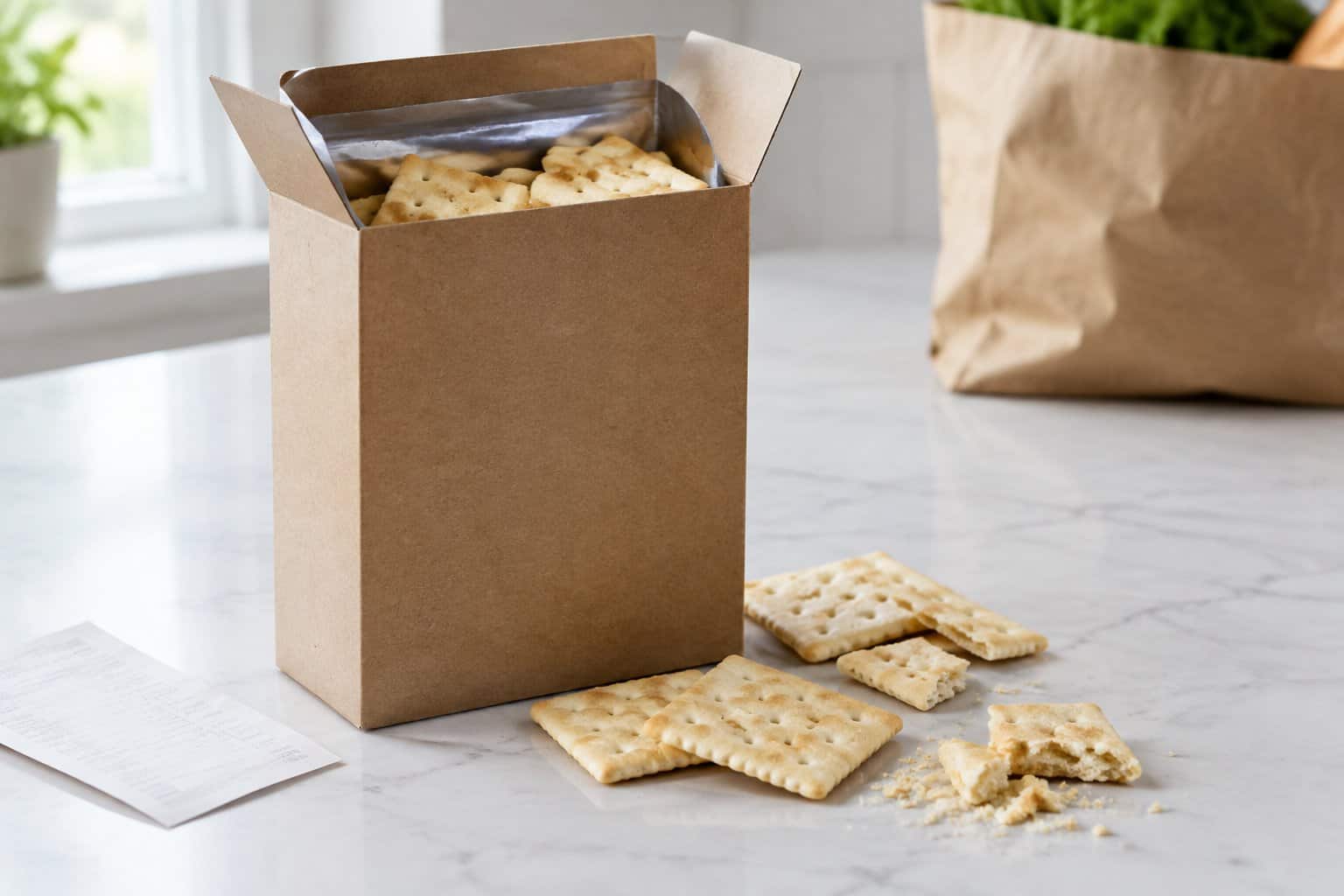
If you’ve tried the Wegmans store-brand crackers, you may have noticed they fall short of the name brands they’re meant to replace. The texture tends to be softer than expected, and some varieties lose their crunch shortly after the box is opened.
You might also find the flavor lacks the depth found in brands like Ritz or Triscuit. Seasoned options, in particular, often taste muted rather than bold.
For the price difference, you’re not saving as much as you’d expect once you factor in how quickly you go through a box. If crackers are a regular snack in your house, you may want to stick with a trusted national brand instead.
Wegmans does many store-brand items well, but this isn’t one of their stronger categories.
28. Wegmans Store-Brand Chips
If you’re stocking up for snacking, you might want to look past the Wegmans-brand bags. Many shoppers find the flavor flat compared to national brands, and the texture can come across as stale even when the bag is fresh.
You’ll notice the seasoning on flavored varieties tends to be inconsistent. Some chips in the bag taste overly salty while others barely have any seasoning at all.
The price difference between Wegmans chips and name brands isn’t always significant enough to justify the quality gap. You’re often better off paying a little more for a product you know will deliver consistent crunch and flavor.
If you do want to try the store brand, stick to the plain varieties. The simpler recipes tend to hold up better than the flavored options, which is where most of the complaints center.
29. Wegmans Store-Brand Bottled Salad Dressing
You might expect the store brand to match national brands, but the dressing often falls short on flavor balance. Many varieties taste thinner and less tangy than Kraft or Newman’s Own equivalents.
The texture can separate faster than other brands, so you need to shake the bottle more often before use. Oil and vinegar ratios sometimes feel off, especially in vinaigrette styles.
If you’re after bold, well-rounded flavor, you’ll likely notice the seasoning lacks depth. Herbs and spices can taste muted rather than fresh.
Price savings exist, but the difference per bottle is usually small. You’re better off paying slightly more for a brand with consistent quality, or making your own dressing at home with oil, vinegar, and spices you already have.
30. Wegmans Store-Brand Pasta Sauce
You’ll find plenty of reasons to question this one before you add it to your cart. The texture often skews watery, which means your pasta ends up with a sauce that slides off instead of clinging to each bite.
Flavor is another sticking point. Many shoppers describe it as flat or overly sweet, lacking the depth you’d expect from a slow-simmered marinara.
You should also know about the 2023 recall tied to the diavolo variety, where undisclosed anchovies showed up due to a manufacturing mix-up at LiDestri Foods. That kind of labeling error raises questions about quality control across the line.
If you’re comparing it to name-brand options, you’ll likely notice the difference in consistency and taste. Your better bet is spending a little more on a sauce with a stronger reputation, or making your own if you want full control over the ingredients.
How to Judge Whether a Wegmans Product Is Worth the Price
Before you put a Wegmans item in your cart, look past the packaging and brand name. Two factors matter most: the actual cost per unit and what’s listed on the label.
Compare Unit Prices and Serving Sizes
Wegmans often sells items in different container sizes than competitors, which makes direct price comparisons tricky. Check the unit price listed on the shelf tag, usually shown as cost per ounce, pound, or count.
A larger package isn’t always cheaper per unit. Wegmans sometimes prices its bulk options higher per ounce than the standard size, especially with prepared foods and snacks.
Pay attention to serving size definitions too. Some products list smaller servings than you’d expect, which makes the per-serving cost look lower than what you’ll actually pay for a realistic portion.
Use your phone to check prices at other stores before committing to a Wegmans item, particularly for name-brand products you can find elsewhere for less.
Check Ingredients and Nutrition Labels
A higher price doesn’t guarantee better ingredients. Read the ingredient list on Wegmans-branded items to see where fillers, preservatives, or added sugars rank.
Compare sodium and sugar content against similar products from other brands. Some Wegmans prepared meals carry higher sodium levels than their supermarket price suggests.
Look for recognizable ingredients near the top of the list. If water, modified starches, or artificial flavoring appear before the main ingredient, the product may not match the quality you’d expect at that price point.
Check the nutrition label for serving count per package, since some items pack fewer usable servings than the price implies.
How to Avoid Disappointing Purchases
A few simple checks before you check out can save you from wasted money and freezer clutter. Pay attention to how long a product will last in your kitchen and know what options exist if a purchase doesn’t meet expectations.
Consider Shelf Life and Household Needs
Before adding a prepared meal or bulk item to your cart, check the expiration date and think about how quickly you’ll actually eat it.
Many of Wegmans’ prepared foods are made fresh daily, which means they often need to be consumed within two to three days.
If you live alone or have a small household, large bulk-sized items like family-style lasagna or multi-pound meat packs may go to waste before you finish them.
Ask yourself:
- Will you realistically eat this before it spoils?
- Does your household size match the portion size?
- Do you have freezer space if you need to extend its life?
Matching the product to your actual consumption habits, rather than buying based on price per unit alone, prevents food waste and unnecessary spending.
Use Wegmans’ Return Policy When a Product Falls Short
If a product doesn’t meet your expectations, Wegmans accepts returns on most items, including food, as long as you have your receipt.
Bring the item back to the customer service desk, and you can receive a refund or exchange.
This applies to packaged goods, prepared foods, and even store-brand items that didn’t taste the way you expected.
Keep your receipts, at least temporarily, for any higher-priced or unfamiliar products you’re trying for the first time.
If you’re uncertain about a new item, ask an employee at the counter about its ingredients or preparation before buying it. This small step can prevent a return trip altogether.