The 30 Worst Whole Foods Products for Your Money: Items to Skip Every Time
Whole Foods has a reputation for quality, but not every product on its shelves is a smart purchase. Some items carry a markup that goes beyond what the ingredients or preparation justify, while others fall short on taste or nutrition despite their premium price tag.
Before you fill your cart, it helps to know which products rarely deliver enough value to match their cost. Understanding where Whole Foods tends to overcharge or underdeliver can help you shop smarter and avoid wasting money on items you can get cheaper or better elsewhere.
This list breaks down 30 products worth skipping and explains why they don’t hold up as worthwhile purchases.
1. Whole Foods Market Organic Coconut Water
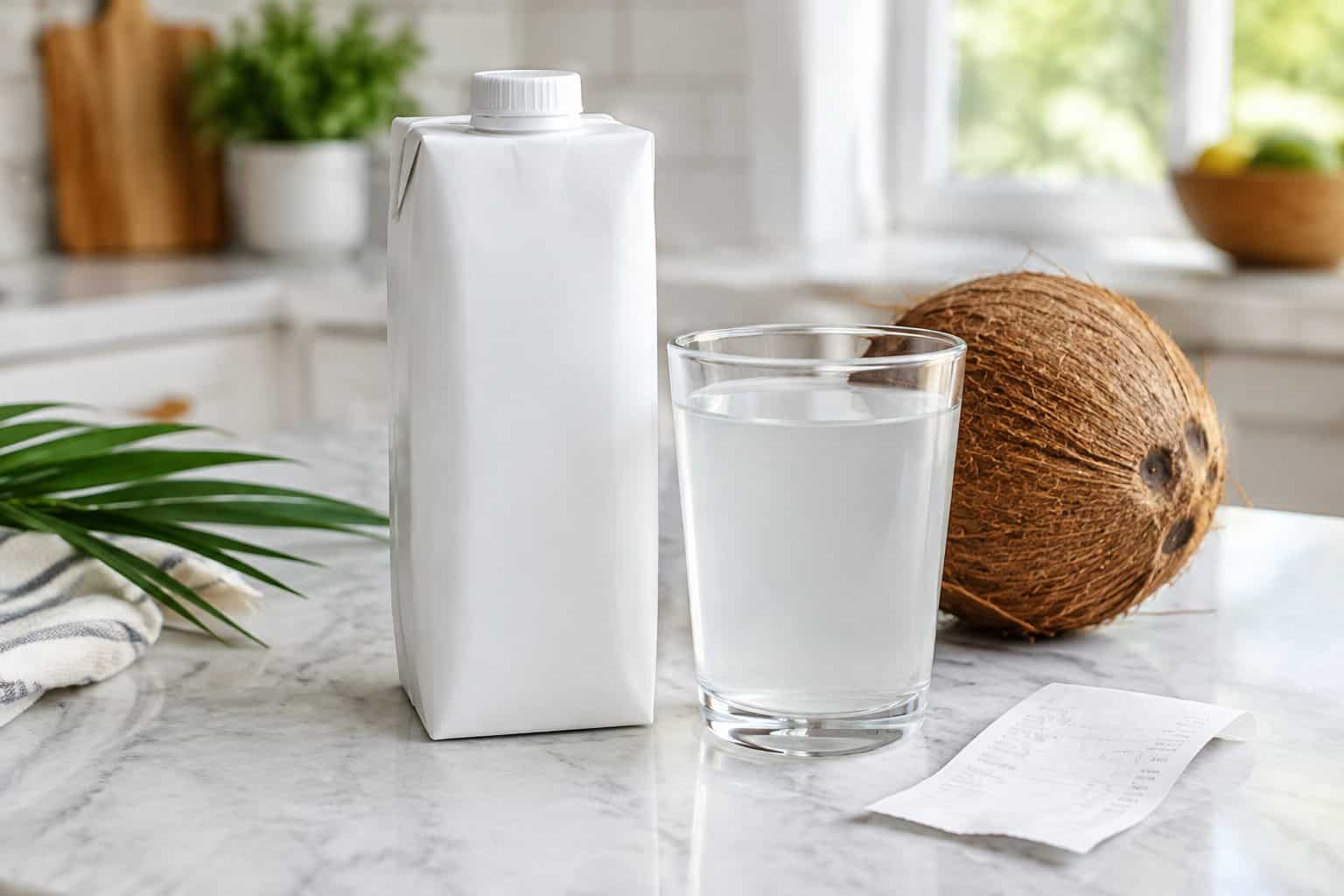
You’ll pay a premium for this 365 brand coconut water, and the price doesn’t always match the value you get.
A 32-ounce bottle costs more than similar options at other grocery chains, yet the taste and quality are comparable to cheaper alternatives.
If you’re buying it for hydration or as a workout recovery drink, you’re better off checking the sugar content first. Some coconut water products contain more natural sugar per serving than you might expect, which can offset any perceived health benefit.
You should also compare the pulp-free version against other 365 coconut water options, since pricing varies between sizes and formulations.
Before adding it to your cart, consider whether a generic or store-brand coconut water meets your needs just as well for less money.
2. 365 by Whole Foods Market Organic Maple Syrup
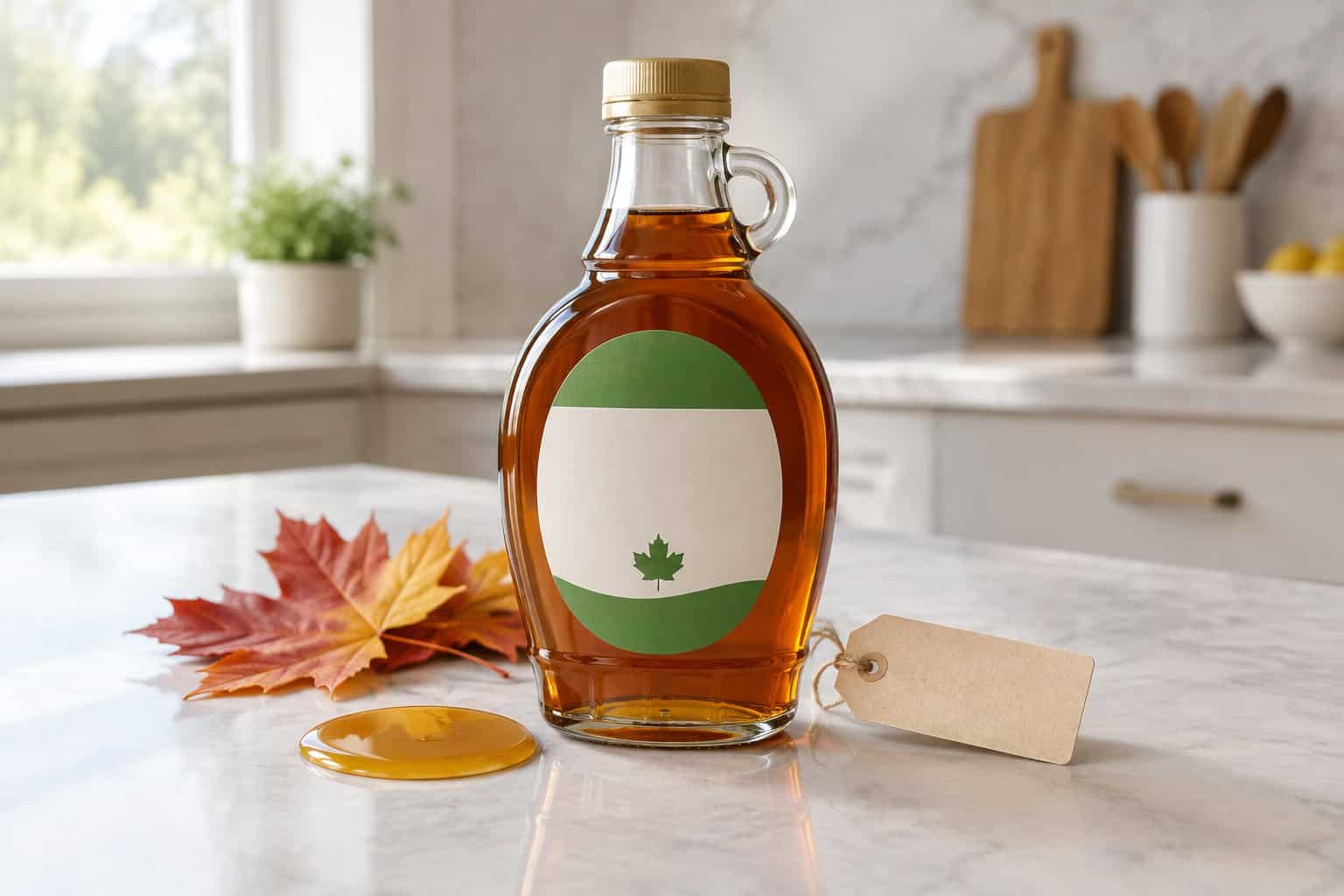
You can buy this syrup in Dark, Amber, and Golden Grade A varieties, usually in 12 or 32 fluid ounce bottles. It’s organic, which adds to the cost compared to standard supermarket syrup.
The price per ounce runs higher than many national maple syrup brands, even ones carrying the same organic certification. You’re paying extra for the Whole Foods label without getting a meaningfully different product.
Taste tests show the flavor and consistency fall in line with other mid-range maple syrups. The Amber variety delivers a thinner texture than some shoppers expect from that grade.
If you’re buying maple syrup specifically for the 365 brand name, you should know you can find comparable organic options elsewhere for less. Your money goes further with a different organic syrup that doesn’t carry the Whole Foods markup.
3. 365 by Whole Foods Market Organic Quinoa
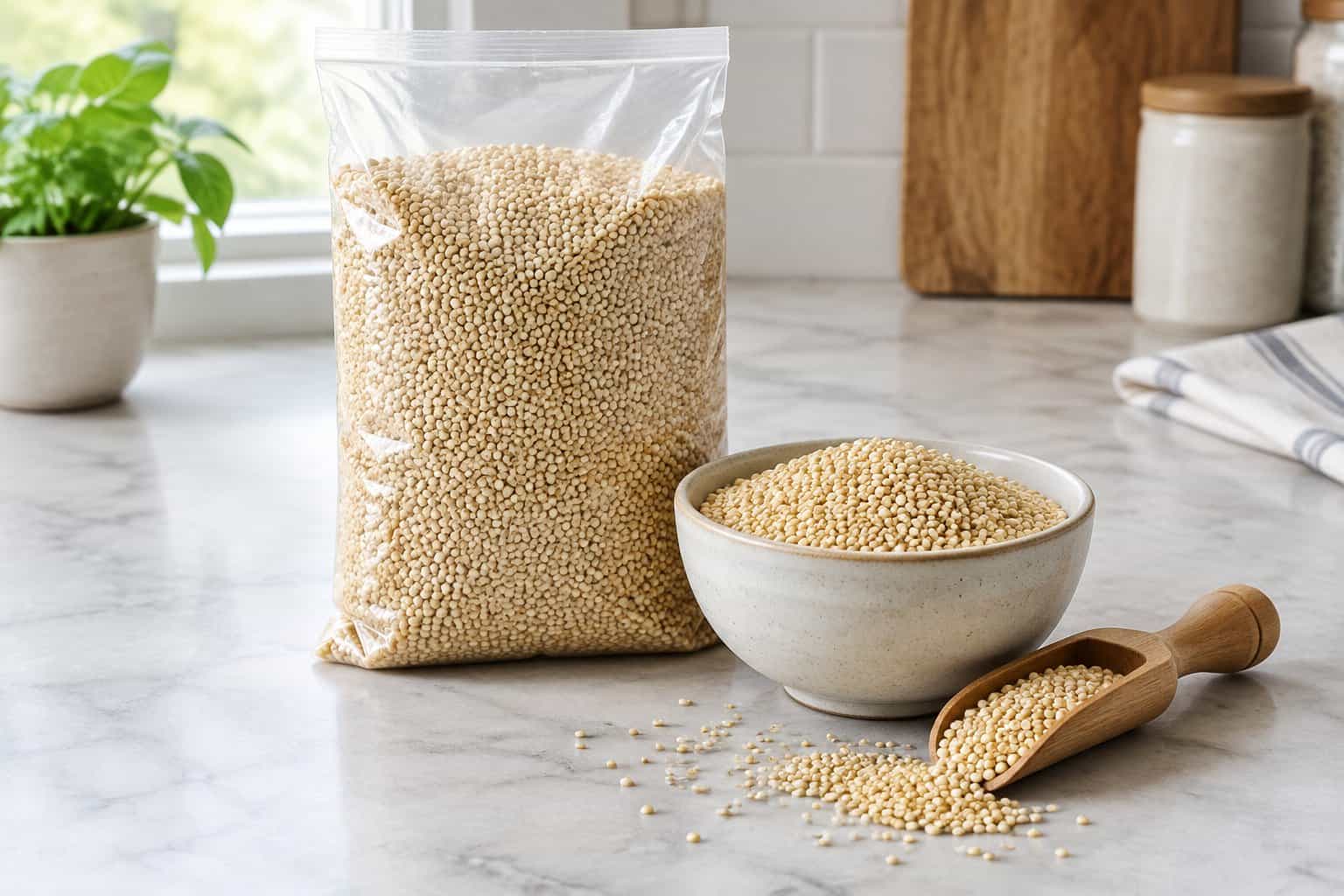
You can find this organic white quinoa in the 16-ounce dry package or a 12-ounce frozen version. On paper, it looks like a solid pick. It’s a single-ingredient product with no additives or coatings, and quinoa naturally offers all nine essential amino acids.
The problem shows up when you compare the price per ounce to other organic quinoa brands at different grocery stores. You’re often paying a premium simply for the 365 label, not for a meaningfully different product.
The texture and flavor are mild, which works for some recipes but leaves others wanting more depth. If you’re stocking your pantry with basics, your money may go further with a non-branded organic quinoa that costs less per serving without sacrificing quality.
4. 365 by Whole Foods Market Organic Chia Seeds
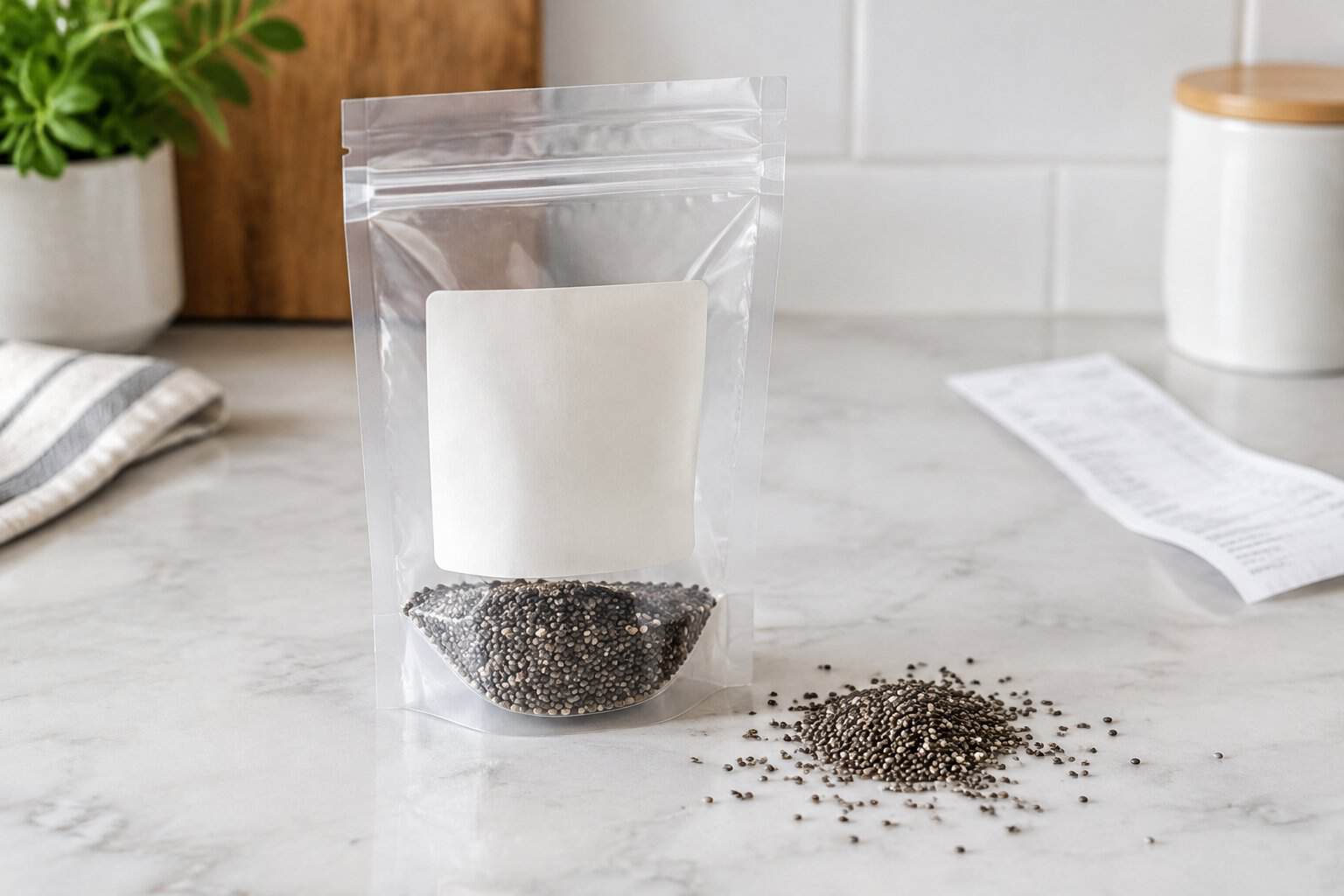
You can find 365 organic chia seeds in several sizes, including 15-ounce and 30-ounce bags. The basic nutritional value is identical to any other brand, since chia seeds don’t vary much regardless of who packages them.
The issue is value. You’re paying for the Whole Foods name on a product that offers no meaningful difference from cheaper alternatives sold elsewhere.
Bulk bins at other grocery stores often let you buy the same organic chia seeds for less per ounce. You’re also not getting any unique sourcing or processing that would justify a premium price.
If you already shop at Whole Foods regularly, picking these up isn’t a bad choice. But if you’re comparing prices across stores, you’ll likely find better deals on identical quality chia seeds somewhere else.
5. 365 by Whole Foods Market Organic Almond Butter
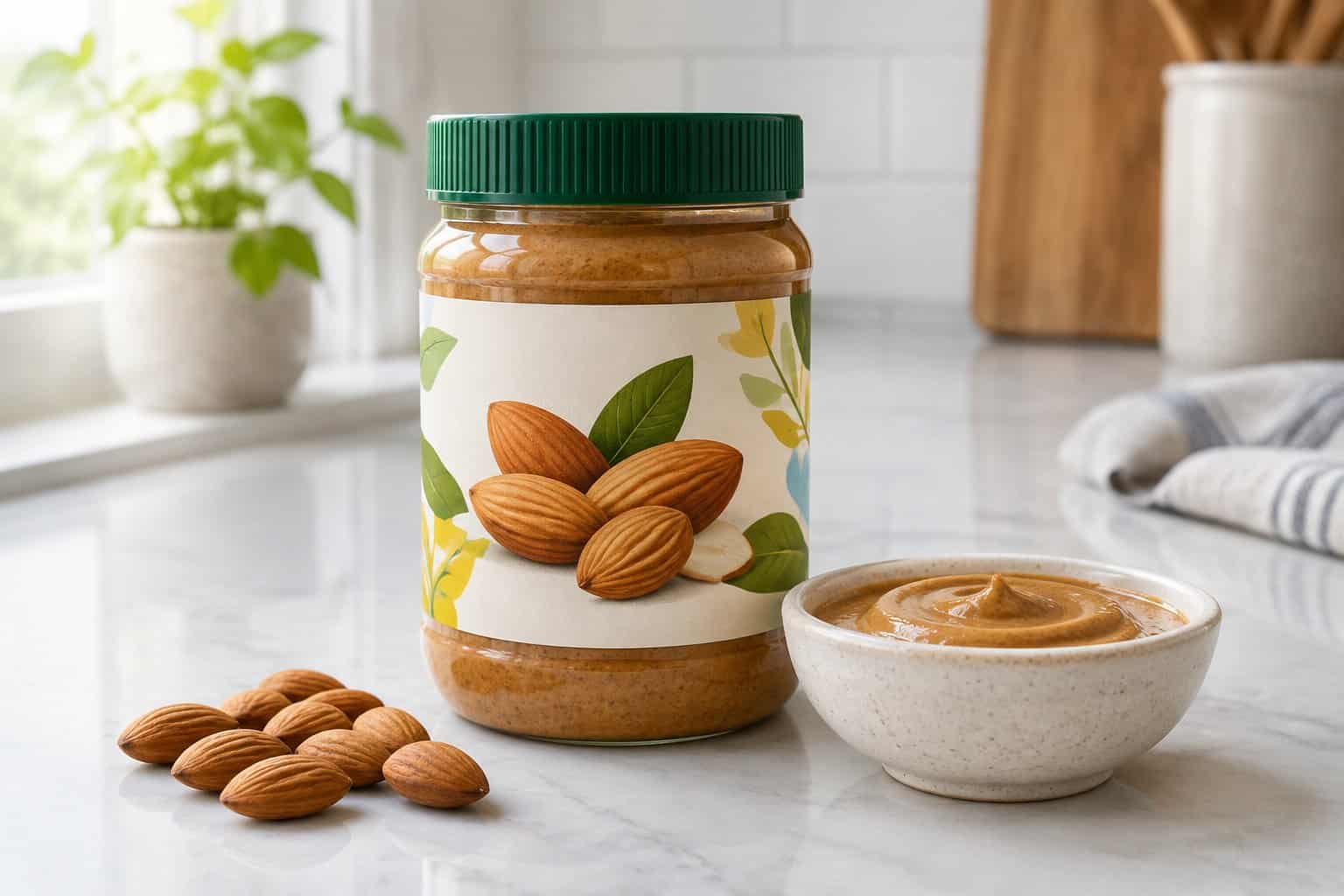
This jar comes in 16- and 28-ounce sizes and lists just one ingredient: organic California almonds. No added sugar or salt sounds appealing, but that simplicity comes at a cost.
You’ll likely notice the price per ounce runs higher than competing almond butters with similar ingredient lists. Many store brands offer the same single-ingredient formula for less.
Separation is another issue you’ll deal with. Natural almond butter requires regular stirring to recombine the oil, and this version is no exception.
The texture can also feel inconsistent between batches. Some jars spread smoothly, while others turn out drier or grainier than expected.
If you’re buying this for the “organic” label alone, you should compare unit prices first. You may find better value elsewhere without sacrificing ingredient quality.
6. 365 by Whole Foods Market Organic Peanut Butter
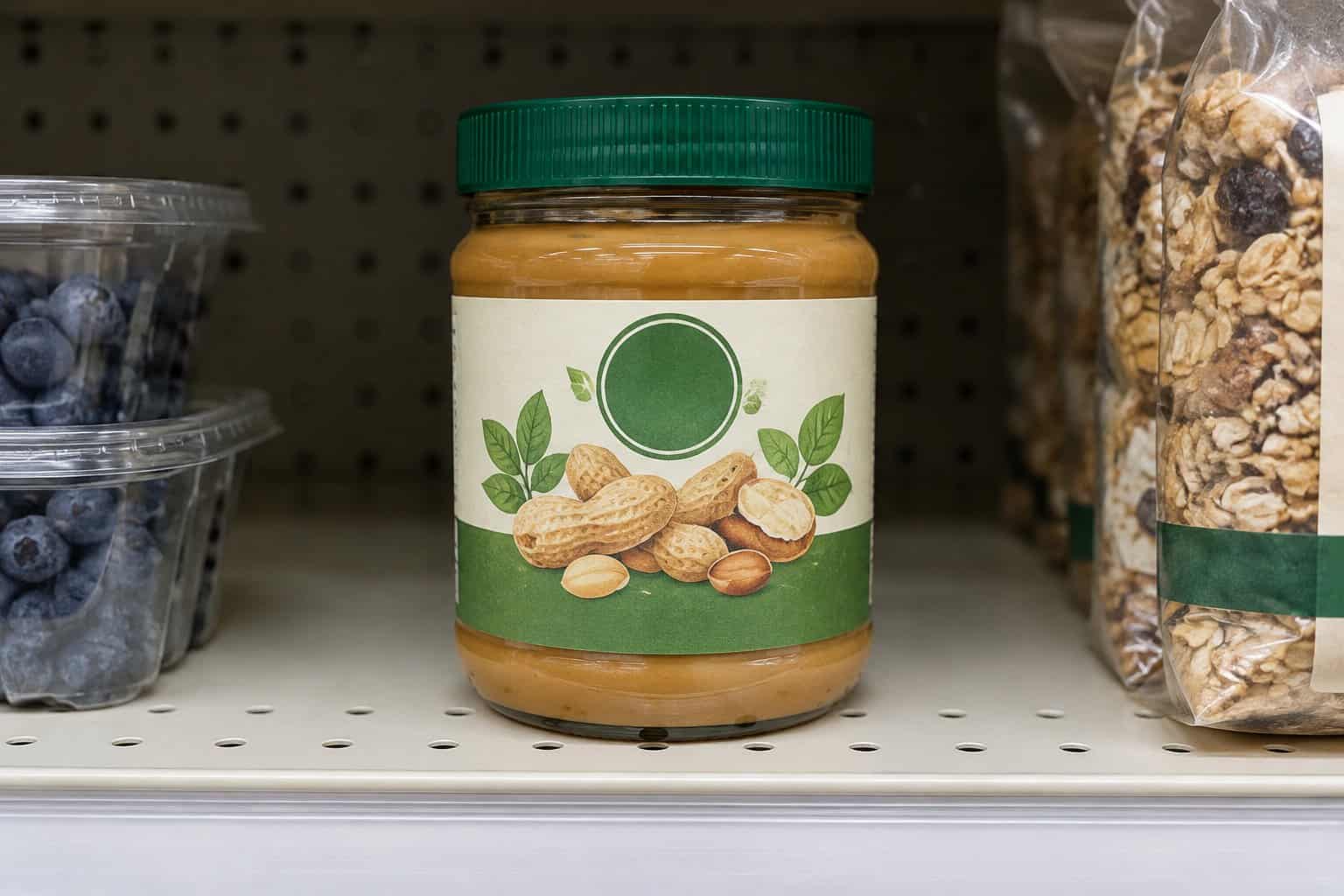
You expect natural peanut butter to separate a bit. But this one takes it further than most.
The oil and solids split so completely that stirring becomes a chore rather than a quick fix. You’ll need a knife or spoon to work through the hardened layer at the bottom before you get a usable consistency.
Once mixed, the flavor is acceptable. It’s not bad, just unremarkable compared to other natural options on the market.
At around $7-8 for a jar, you’re not overpaying by much. But the extra effort required to make it spreadable cuts into the convenience you’re paying for.
If you want a no-stir option, 365 does offer that version. For the standard organic creamy variety, though, you should factor in the time and mess before buying.
7. 365 by Whole Foods Market Organic Olive Oil
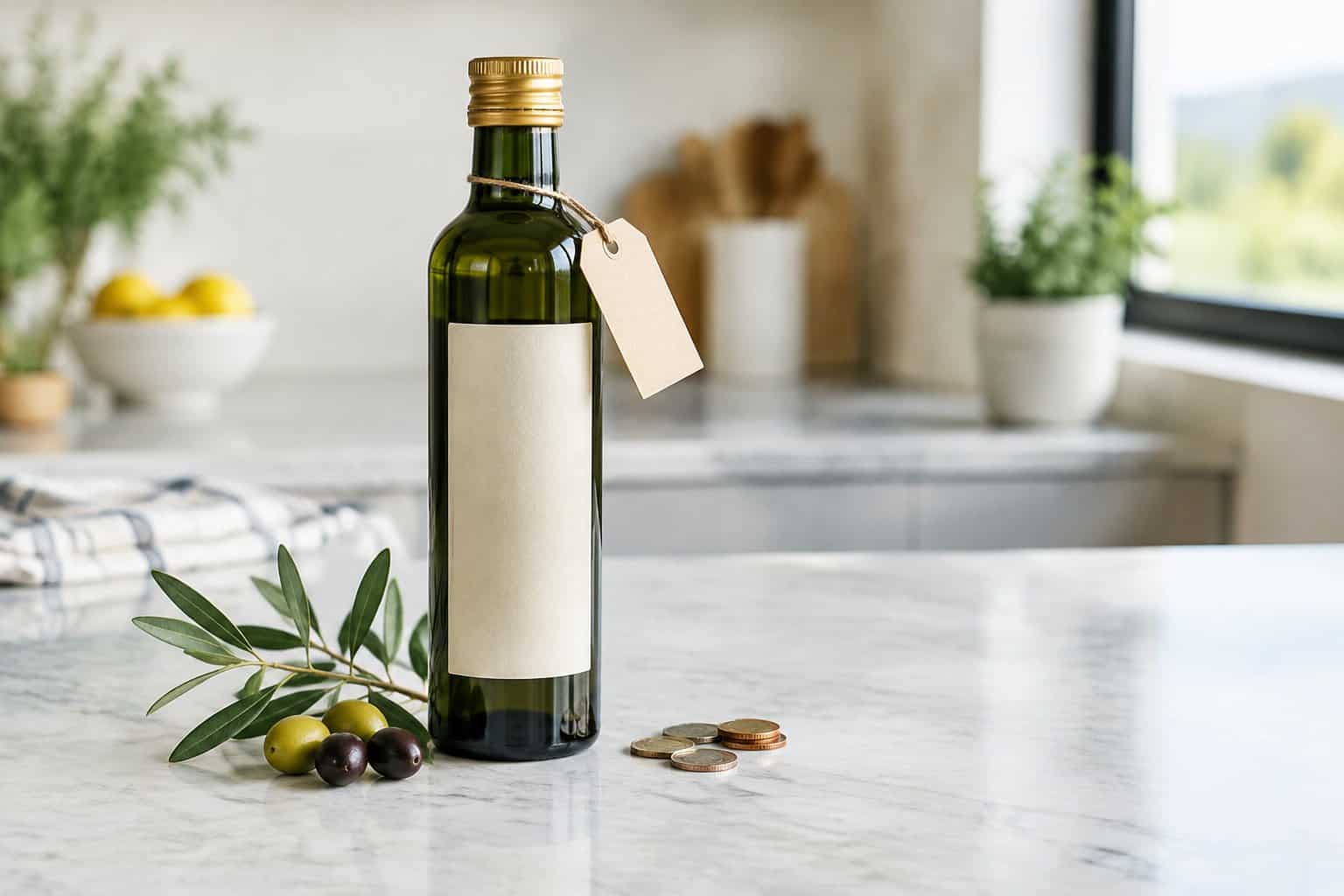
You might assume the 365 label guarantees premium quality, but the price-to-value ratio here doesn’t quite hold up. This olive oil is marketed as a budget-friendly organic option, yet several independent sources have raised questions about sourcing transparency and freshness.
Unlike single-origin oils, this product is often a Mediterranean blend, meaning you don’t know the specific country or region your oil comes from. That lack of traceability matters if you care about flavor consistency or production standards.
You’re also paying an organic premium without the quality assurances that typically justify that cost. If you compare it to mid-range oils at other retailers, you’ll often find better flavor and clearer sourcing for a similar price.
If olive oil quality matters to you, your money may be better spent on a single-origin bottle with clear certification, rather than defaulting to this one out of brand loyalty.
8. 365 by Whole Foods Market Organic Balsamic Vinegar
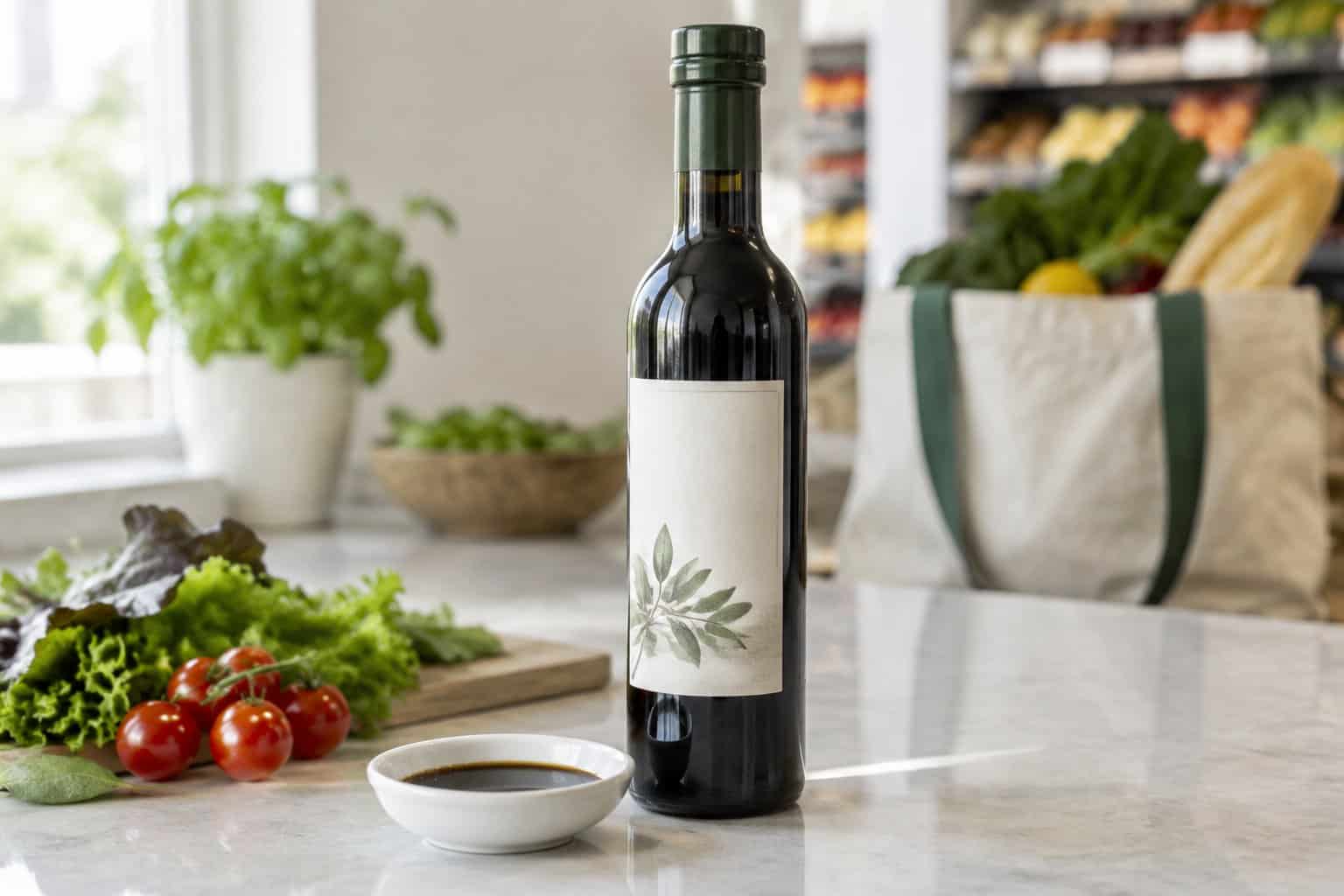
This vinegar comes in a 16.9 fl oz bottle and is also sold as a two-pack. It’s consistently ranked among the better-selling balsamic options on the market, and Amazon lists it as a Choice product.
Here’s the issue: the price per ounce often lands close to what you’d pay for a traditional Balsamic Vinegar of Modena PGI, yet this product doesn’t carry that certification. You’re paying a premium without the regulatory guarantee of aging or origin that comes with certified options.
The flavor profile is also thinner than true aged balsamic. You’ll notice it lacks the syrupy consistency and deep sweetness found in higher-grade versions, which often contain added caramel color or thickeners to compensate.
If you’re using it for everyday vinaigrettes, it works fine. But if you want something you’d drizzle over cheese or fruit, your money is better spent elsewhere.
9. 365 by Whole Foods Market Organic Canned Beans
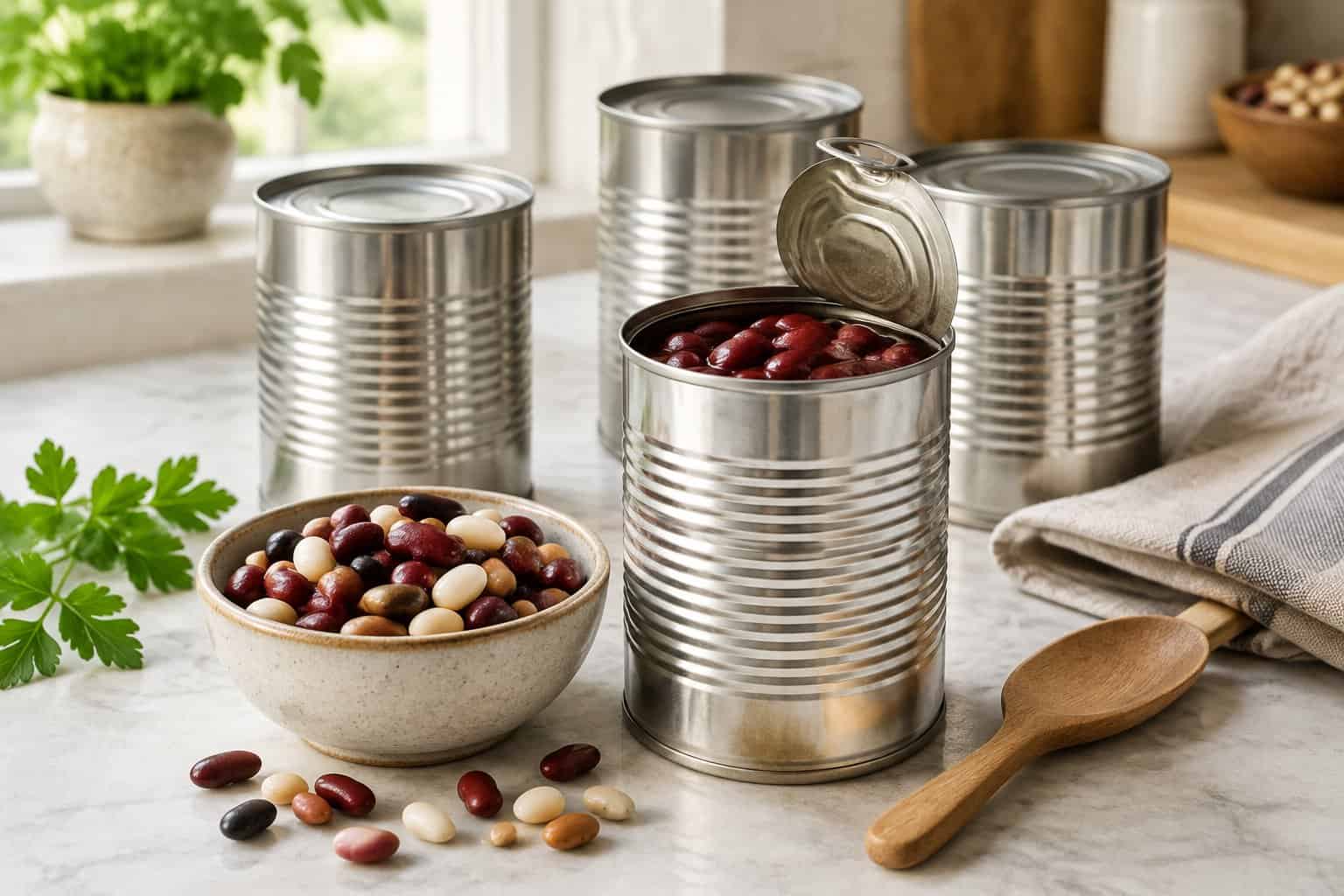
Canned beans seem like a hard product to get wrong, but quality still varies across brands. Several of the organic varieties in the 365 line, including the baked beans, have drawn criticism for bland, underwhelming flavor. If you’re expecting the seasoning depth of a name brand, you may be disappointed.
The organic bean trio and black beans are decent options for basic pantry use. But the baked beans specifically have been called out as some of the worst on the market, falling short on taste compared to competitors at similar or lower prices.
You’re also paying a premium for the organic label here. If flavor matters to you more than the organic certification, you might get better value and taste from a conventional canned bean brand instead. Check ingredient lists and sodium content before assuming 365 beans are automatically the better choice.
10. 365 by Whole Foods Market Organic Pasta
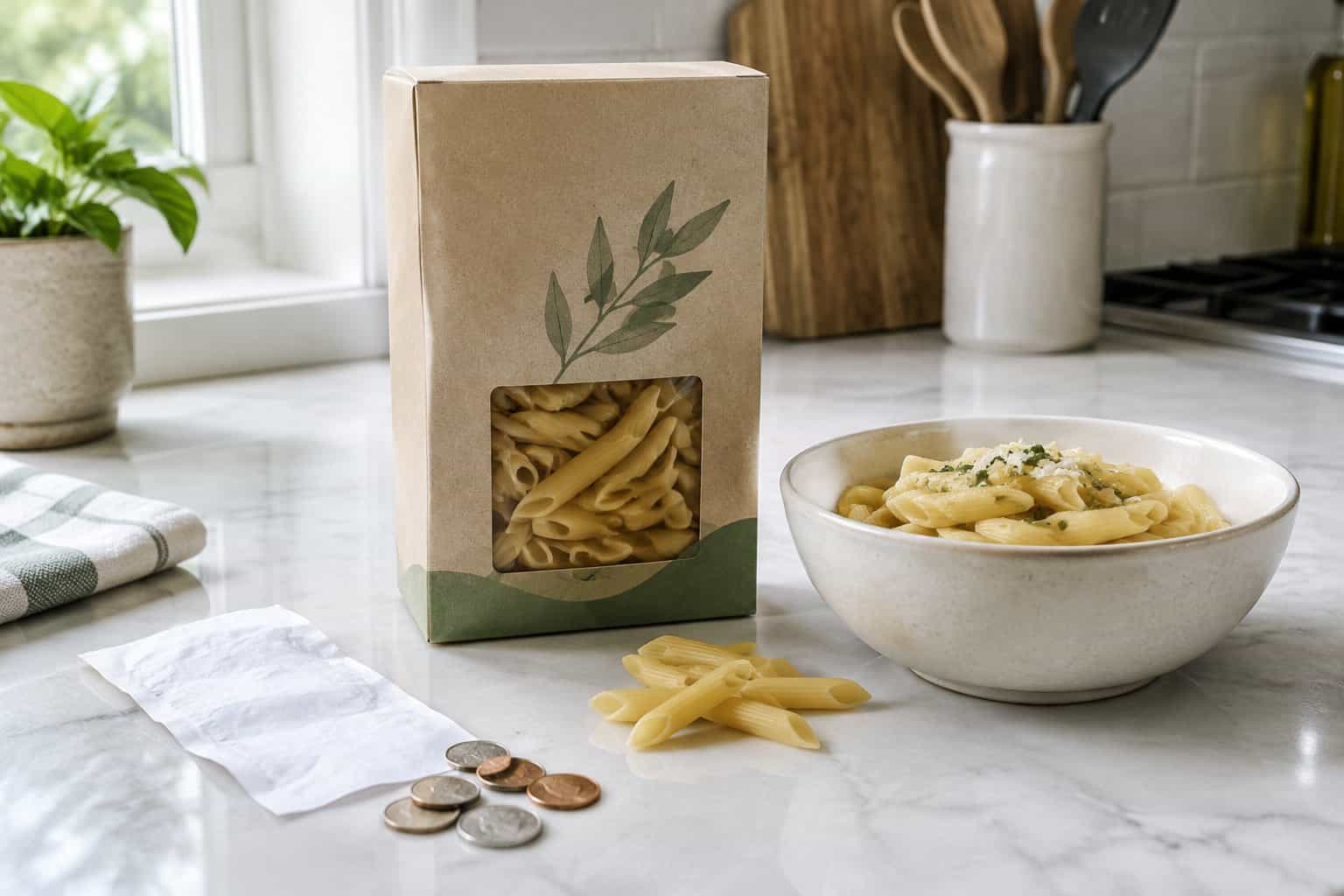
You might assume organic pasta justifies a higher price tag, but the actual difference comes down to the wheat-growing process, not the taste or texture on your plate.
When you compare 365 organic spaghetti or linguine to a standard non-organic box, you’re often paying close to double for a product that cooks and tastes nearly the same.
The ingredient list is simple, just organic durum wheat semolina, which is true of most dried pasta brands regardless of price.
If you’re not specifically prioritizing organic certification, you can find comparable quality at a fraction of the cost elsewhere.
Your money is better spent here if organic sourcing matters to you personally. Otherwise, you’re paying extra for a label that doesn’t change how the pasta performs in your kitchen.
11. 365 by Whole Foods Market Organic Tomato Sauce
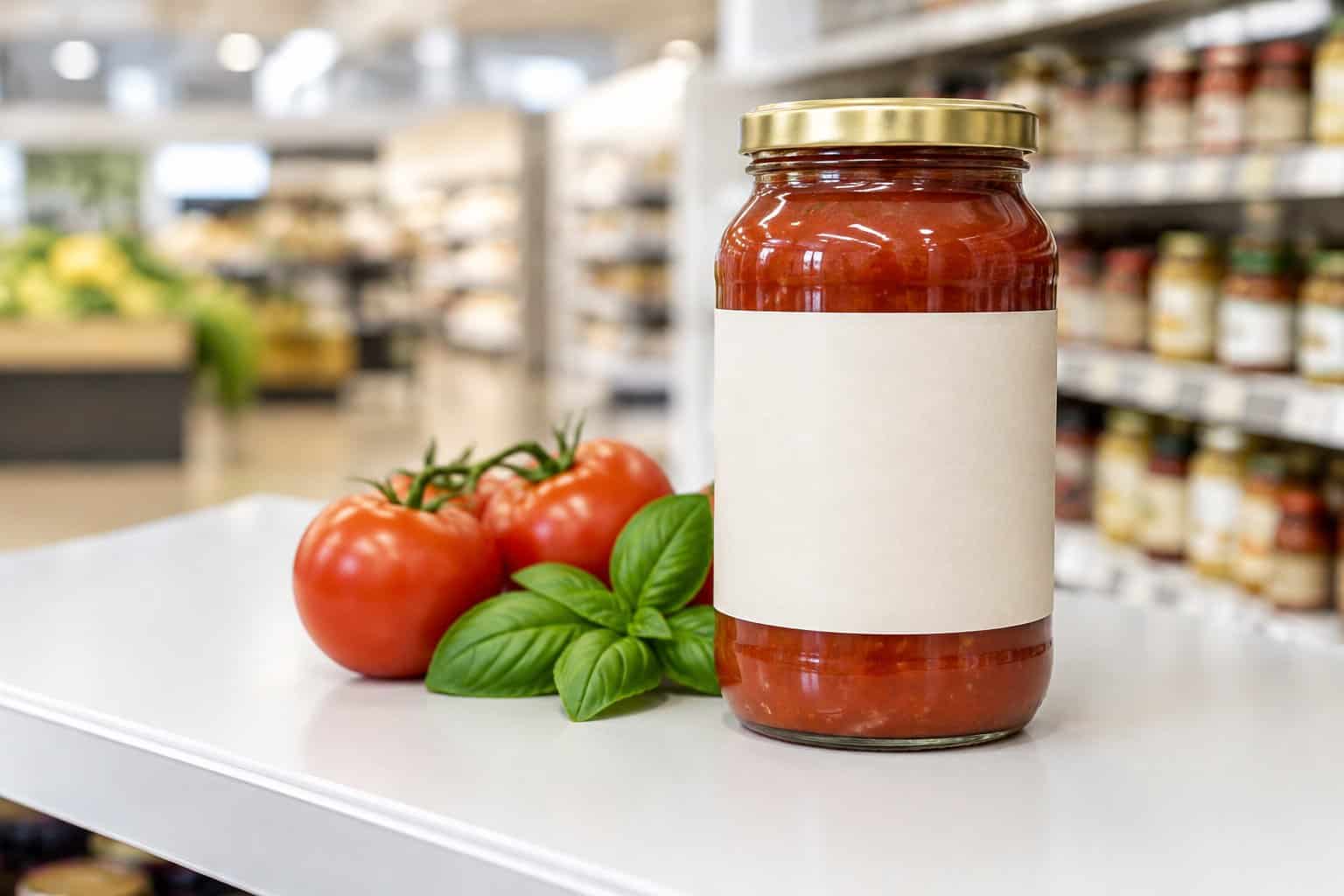
You can find this tomato sauce in 8-ounce and 15-ounce sizes, and on paper it looks simple enough. But once you check the label, you’ll notice the sodium content runs higher than you’d expect from a basic sauce.
If you’re watching your salt intake, this isn’t the best option for you. You’ll also find that the texture leans thin compared to competitors like Mutti or Bianco DiNapoli, which rely on better tomatoes to begin with.
The organic label adds a premium to your grocery bill, but you won’t necessarily taste a difference. For the price you’re paying, you’d expect richer flavor or a more concentrated consistency.
Instead, you get something that works fine as a cooking base but doesn’t stand out on its own. If you’re using it in a recipe with plenty of other seasonings, you probably won’t notice the shortcomings. But eaten plain, it falls flat.
12. 365 by Whole Foods Market Organic Granola
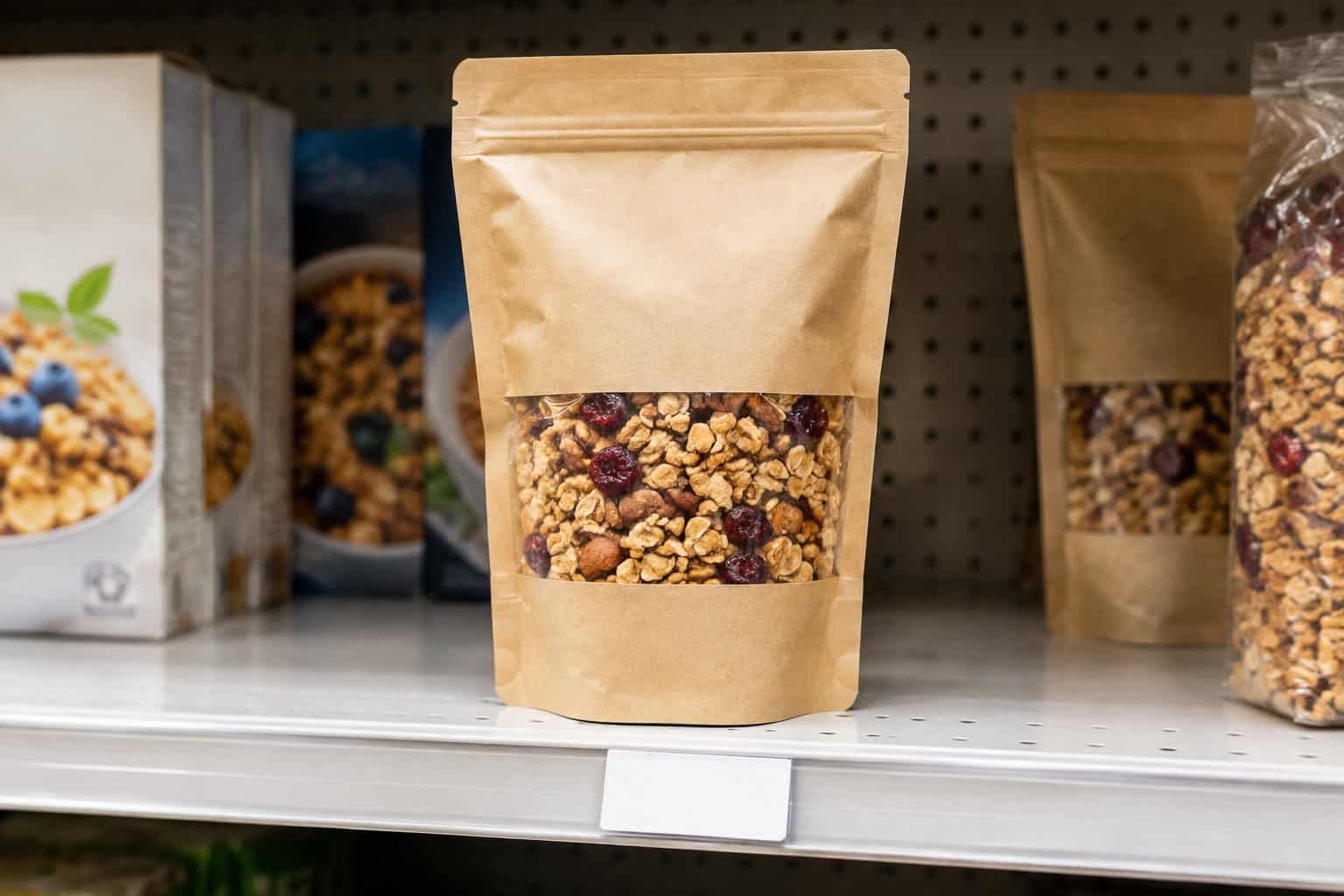
The Organic Oat & Honey Granola looks simple on the shelf, but the ingredient list tells a different story. You’ll find up to four separate sweeteners in the mix, including cane sugar and brown rice syrup.
That’s a lot of added sugar for a product marketed as a wholesome breakfast choice. You’re paying a premium for organic certification, yet the formulation still leans heavily on sweeteners rather than whole-food ingredients.
The oats and almonds are real, and the organic label does mean something in terms of sourcing. But if you’re buying granola expecting a low-sugar option, this isn’t it.
At 17 ounces, the price per serving adds up quickly compared to making your own oat-based granola at home. You get convenience, but you’re not necessarily getting the health value the “organic” branding implies.
13. 365 by Whole Foods Market Organic Cereal
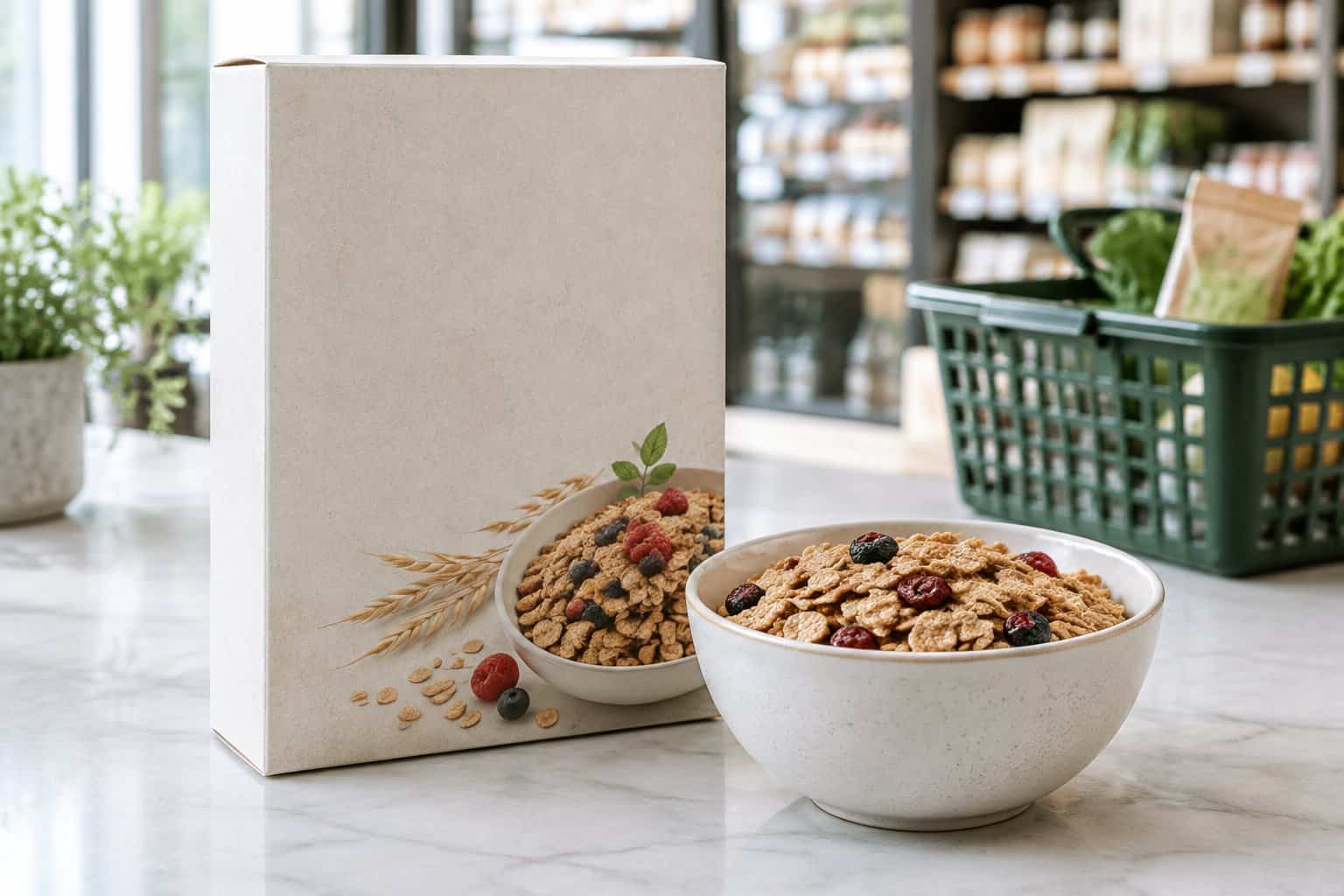
You’d expect an organic cereal to come with a health advantage, but several varieties in this line don’t offer much beyond the label. Options like the Organic Fruity Super Rings and Marshmallow Galaxy are marketed toward kids, yet they still contain significant amounts of added sugar.
Independent lab testing has also raised concerns. Some 365 cereal products, including Organic Morning O’s, have tested positive for heavy metals above recommended safety thresholds.
You’re paying a premium for the organic label, but that doesn’t guarantee a meaningfully better nutritional profile than conventional cereals on the shelf next to it. If you compare ingredient lists, you’ll often find sugar ranks high regardless of the organic certification.
For the price, your money may be better spent on a plain oat-based cereal or oatmeal, where you control what gets added.
14. 365 by Whole Foods Market Organic Rolled Oats
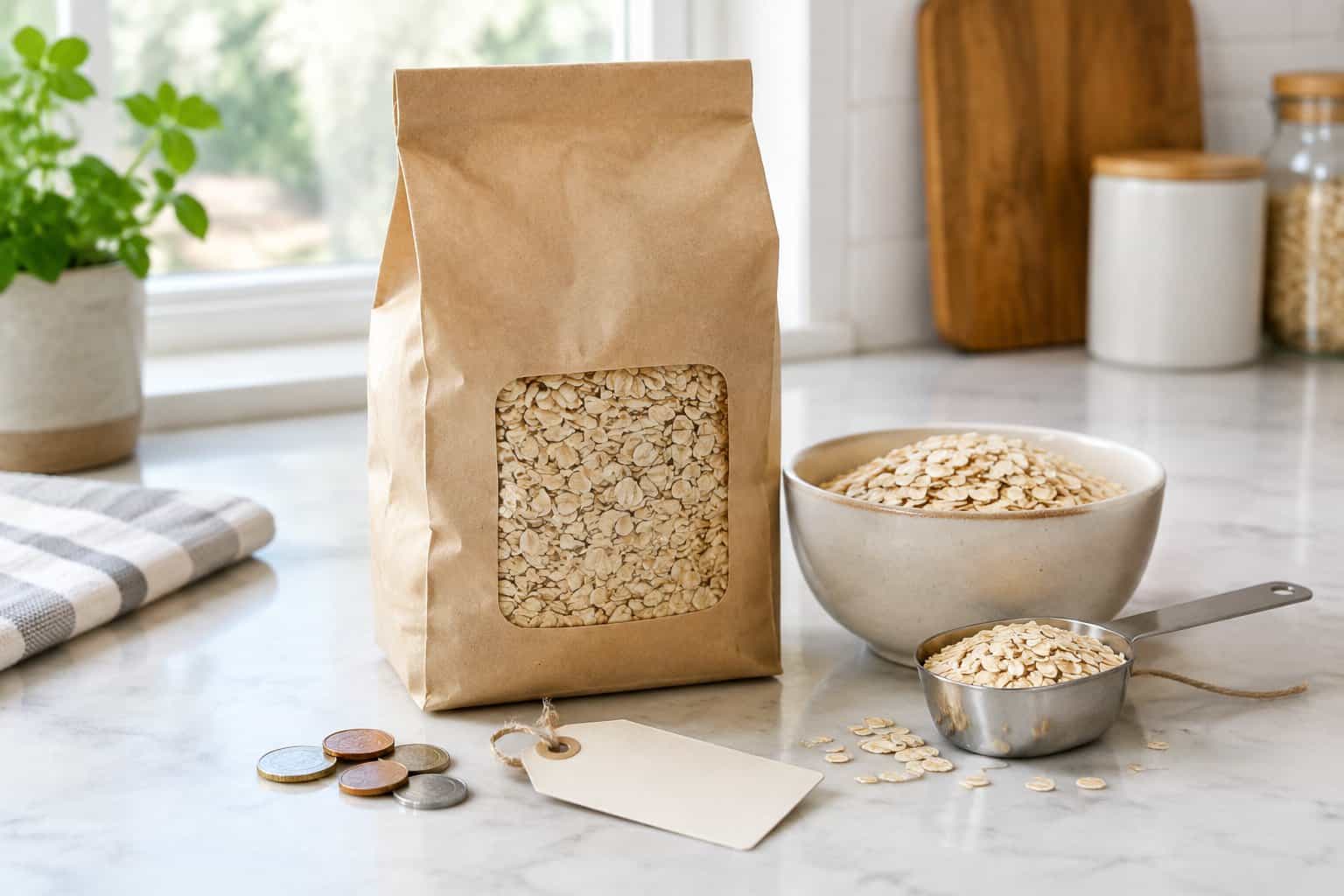
These oats come in both old-fashioned and quick varieties, and both offer solid quality for the price. You get a straightforward product with no added sugar, sodium, or preservatives.
The real downside isn’t quality, it’s value compared to alternatives. You can find comparable organic rolled oats at other grocery chains or bulk bins for noticeably less per ounce.
Oats are a commodity product. Brand differences matter less here than with items where processing or sourcing creates real quality gaps.
If you’re already shopping at Whole Foods for other items, grabbing a container isn’t a bad decision. But if you’re trying to stretch your grocery budget, you’re paying a premium for a product that doesn’t differ much from cheaper options sitting on shelves elsewhere.
15. 365 by Whole Foods Market Organic Rice Cakes
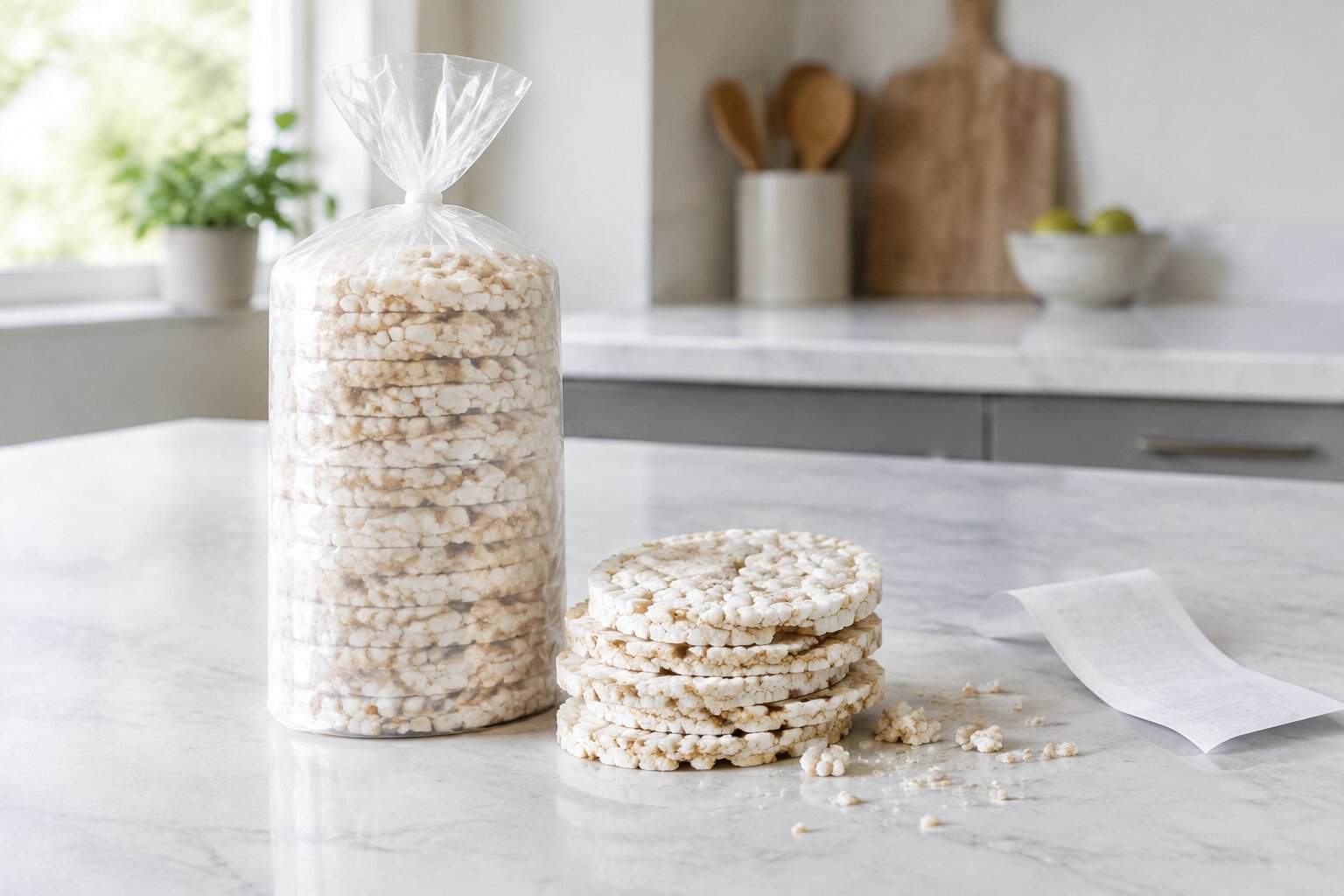
You’re paying a premium for what amounts to puffed rice and air. These rice cakes offer little nutritional value beyond basic carbohydrates, with minimal fiber and almost no protein to keep you full.
If you’re buying them as a low-calorie snack, you’ll likely end up eating more to feel satisfied. That defeats the purpose of choosing a “light” option in the first place.
The texture is often inconsistent, with some cakes cracking apart before you even open the package. You’re also competing against cheaper store brands at other grocery chains that taste nearly identical.
Flavored varieties don’t fare much better, since the coatings add sugar without adding real nutrition. For the price, you could buy whole grain crackers or air-popped popcorn and get more fiber and staying power per serving.
16. 365 by Whole Foods Market Organic Tortilla Chips
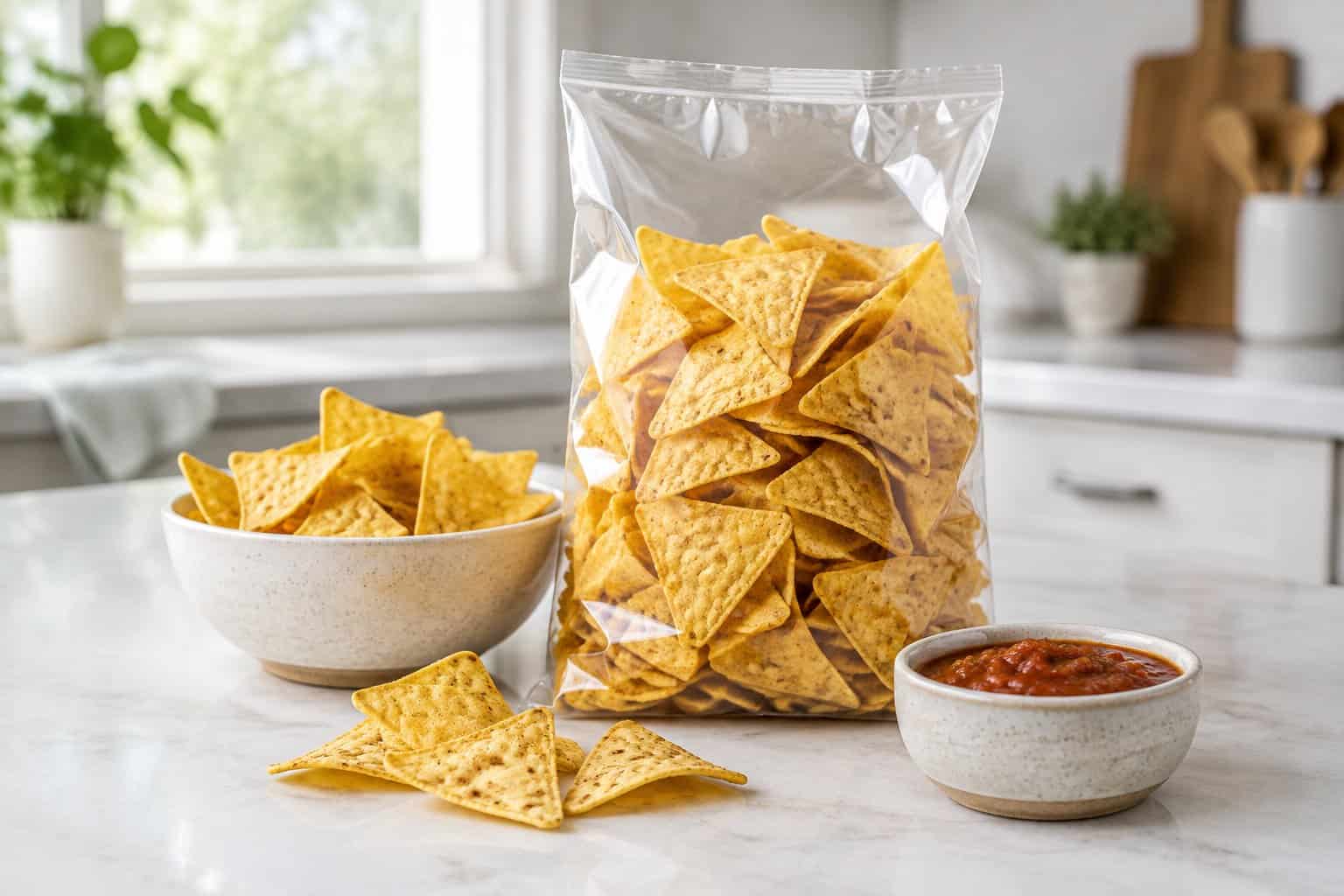
You’re paying a premium for a short ingredient list, but the value math doesn’t always work in your favor. These chips run on organic corn, oil, and salt, which sounds clean, but you can find comparable ingredient lists on non-organic brands for less money.
Bag sizes also vary between 12 and 14 ounces depending on the style you choose, so you’re not always comparing equal amounts when you check the price per ounce.
The blue corn version scores notably lower on independent ingredient analyses than the white corn options, despite similar branding and shelf placement. If you’re buying based on the “organic” label alone, you may be overpaying for a distinction that doesn’t translate to a meaningfully better snack.
You’re better off checking unit pricing against other tortilla chip brands before assuming the 365 label guarantees savings.
17. 365 by Whole Foods Market Organic Crackers
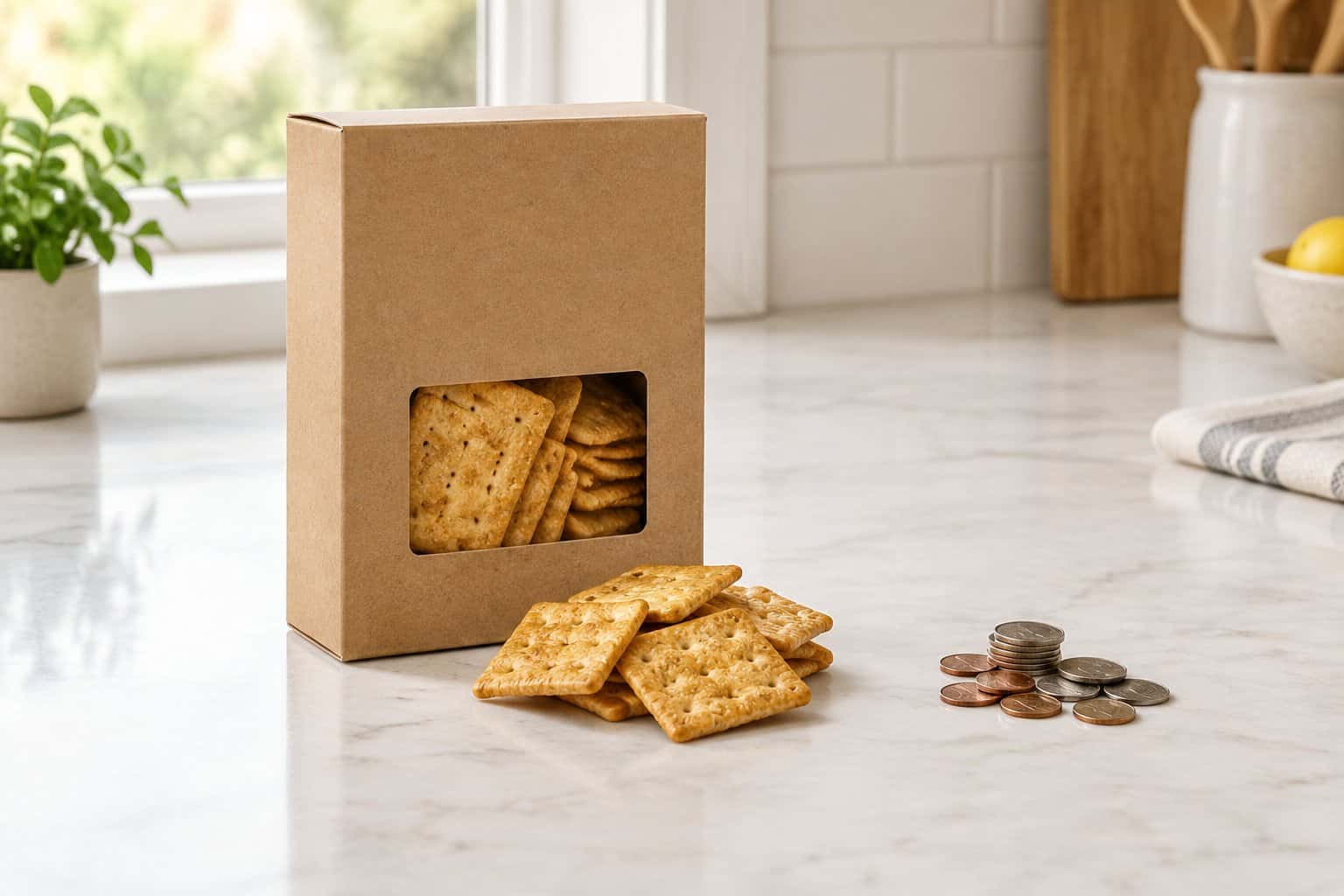
If you buy the 365 Organic Mini Sandwich Cheese Crackers, you’re paying for a product that’s faced legal scrutiny. A lawsuit filed against Whole Foods alleges that these crackers contain more palm oil than organic cheddar cheese, which contradicts how the product is marketed. You’re essentially paying a premium for “organic” cheese flavor that may not reflect what’s actually in the package.
The Golden Round Crackers and Original Water Crackers carry similar concerns. You’re often paying more for the 365 label without getting ingredients that clearly outperform cheaper store brands.
When you compare price to actual value, these crackers don’t always justify the cost. You can find comparable taste and texture in non-organic alternatives for less money. If organic certification matters to you, check the ingredient list carefully before assuming the label guarantees quality.
18. 365 by Whole Foods Market Organic Dried Mango
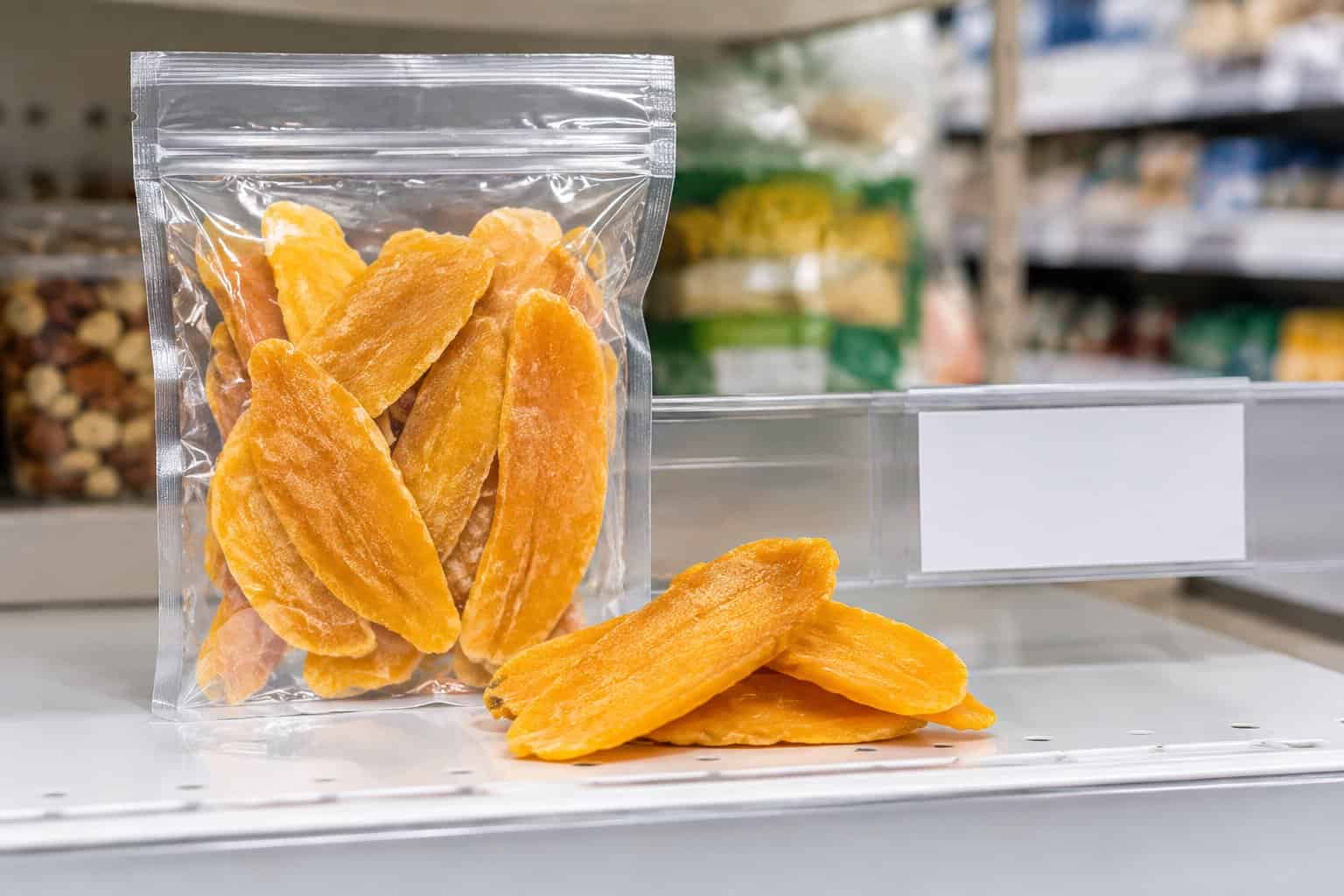
This dried mango comes from Mexico and contains only one ingredient: organic mango. No added sugar, no preservatives, nothing extra. That sounds like a win, but it’s also where the problem starts.
At $7.99 for 8 ounces, you’re paying a premium for something that’s naturally low in sweetness compared to sulfur-dioxide-treated or sugar-coated versions sold elsewhere. Many shoppers find the texture tougher and the flavor more tart than expected.
If you’ve grown accustomed to sweeter, softer dried mango from other brands, this version can feel like a letdown. You’re paying organic prices for a product that some find less enjoyable to eat.
The packaging is resealable, which helps with freshness. But that convenience doesn’t offset the price-to-satisfaction ratio for buyers who prioritize taste over simplicity.
19. 365 by Whole Foods Market Organic Trail Mix
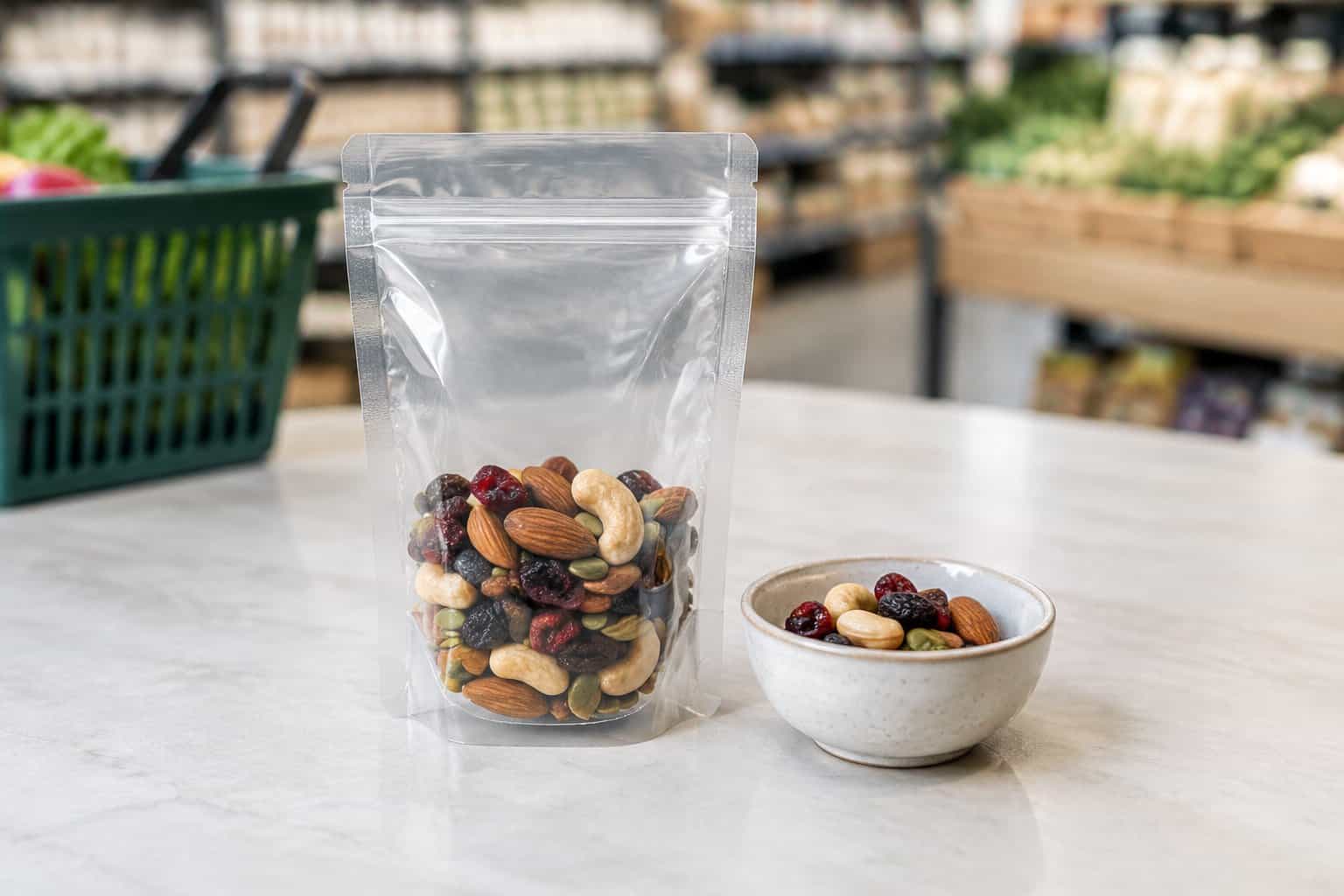
You’re paying a premium for a product that’s mostly nuts, seeds, and dried fruit mixed together in a bag. The Organic Omega-3 variety runs around $8 for 12 ounces, which breaks down to significantly more per pound than buying the same raw ingredients separately in the bulk bins.
Nutritionally, you get a mixed bag too. Dried fruit adds concentrated sugar, and portion control becomes difficult once you start snacking from a resealable bag.
You can replicate most versions of this mix at home for a fraction of the cost. Buy organic almonds, pumpkin seeds, and dried cranberries separately, then combine them yourself. You’ll control the ratios, avoid added oils or sweeteners in certain blends, and stretch your grocery budget further than the pre-packaged version allows.
20. 365 by Whole Foods Market Organic Protein Bars
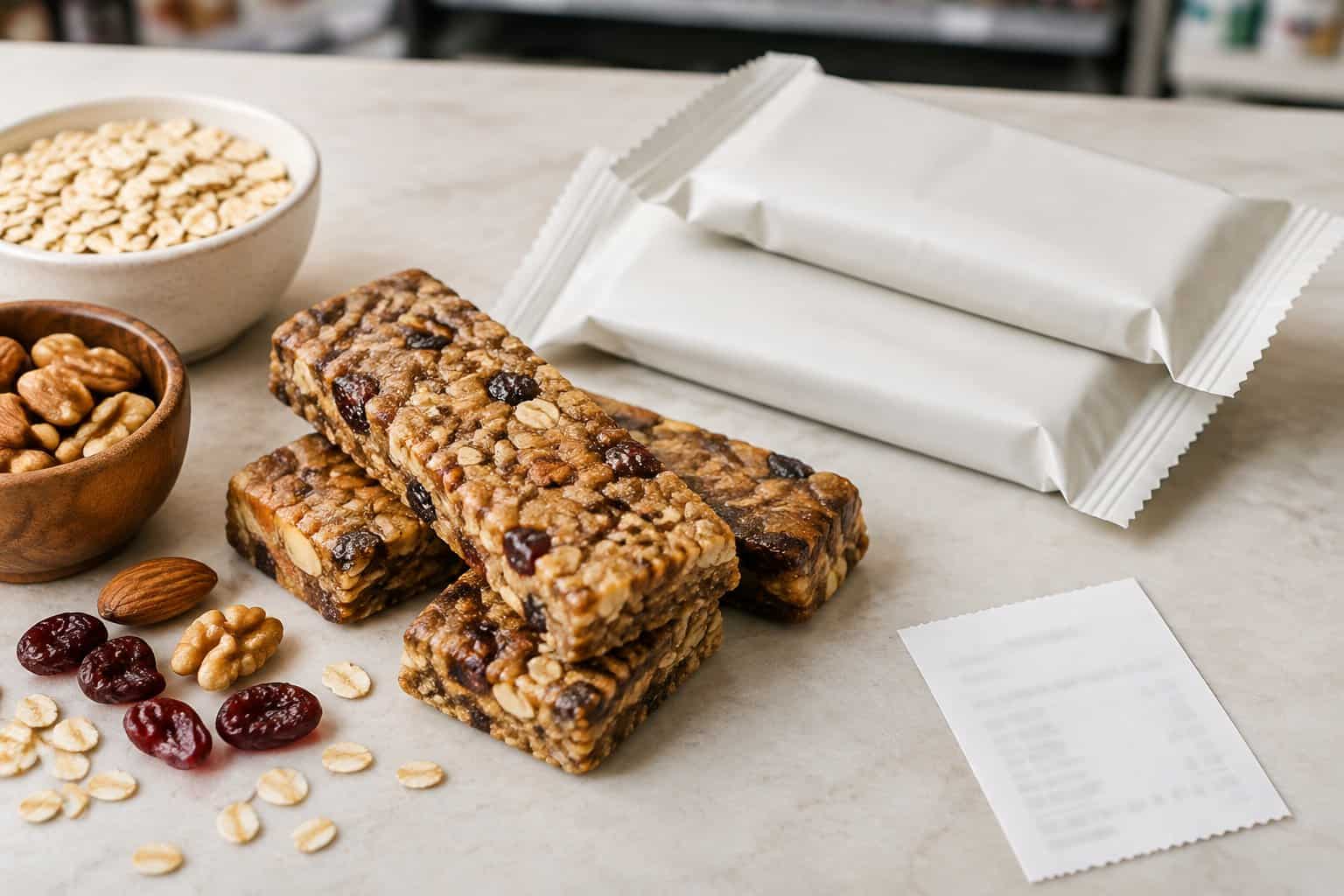
You might grab these bars expecting a solid protein boost, but the numbers don’t always add up to the price you pay. Many flavors deliver around 8 to 10 grams of protein, which is modest compared to other bars in the same price range.
The ingredient list often leans on brown rice syrup and cane sugar for sweetness. You’re paying a premium for the organic label, but the sugar content can rival a candy bar more than a fitness snack.
Texture is another issue you’ll notice quickly. Some bars turn dense and chalky within a few months of purchase, even when stored properly.
If your goal is muscle recovery or appetite control, you’ll likely find better value elsewhere. Store brands at other retailers frequently offer higher protein counts and lower sugar for less money.
For occasional snacking, these bars work fine. For a dedicated protein source, your dollar stretches further with other options.
21. 365 by Whole Foods Market Plant-Based Burger Patties
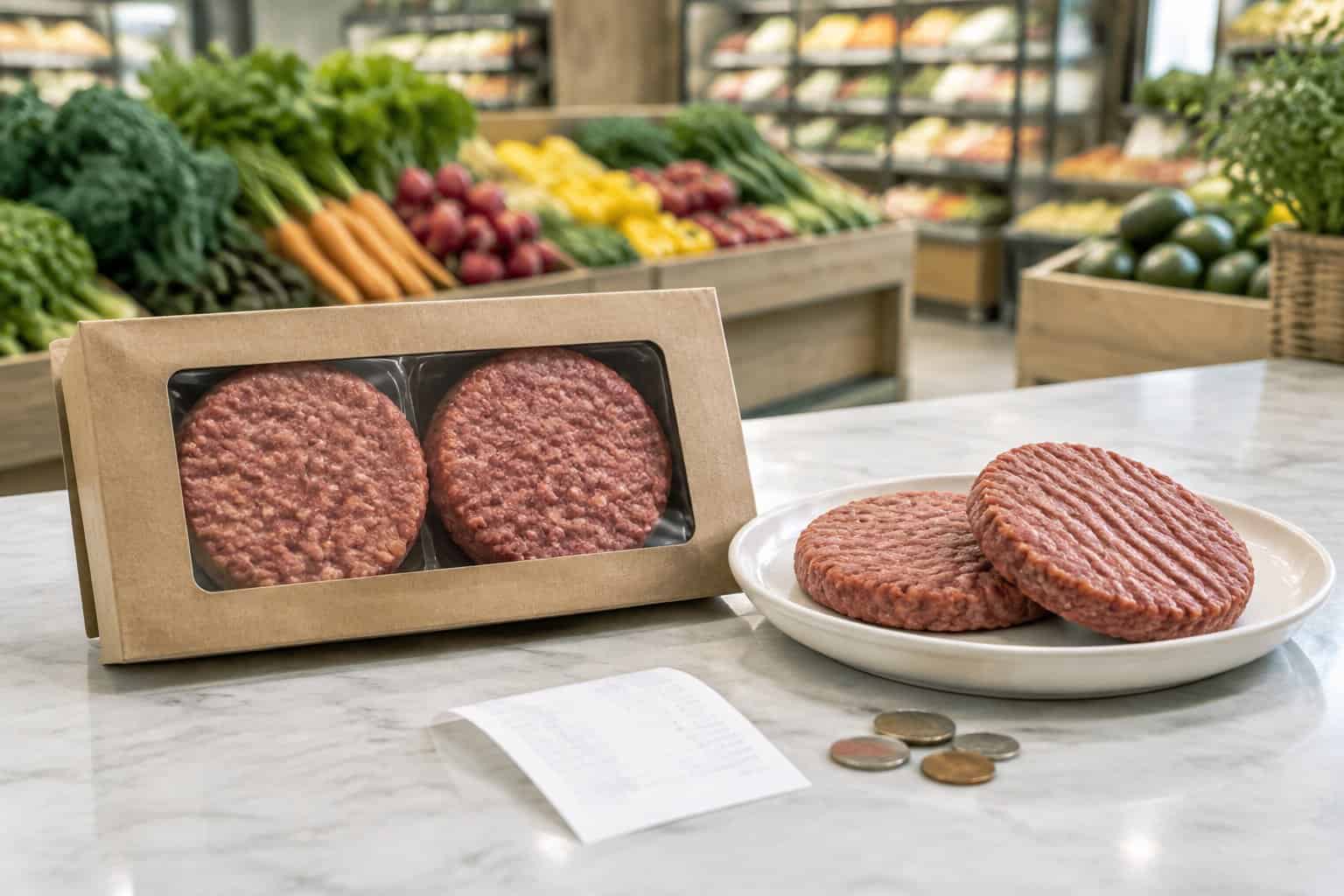
You’ll find these patties sold frozen in an 8-ounce package, usually two to a box. At 210 calories per serving, the nutrition profile looks reasonable on paper, but the eating experience doesn’t match other plant-based options on the same shelf.
The texture is where this product struggles most. Pan frying doesn’t produce the sear or bite you’d expect, and the patties can turn out mushy rather than firm.
You’re also getting a smaller patty than what competitors offer, so one burger may not satisfy you the way a Beyond or Impossible patty would. If you want a filling meal, you’ll likely need to cook more than one.
Given the inconsistent cooking results and underwhelming size, your money is better spent on a more established plant-based brand that delivers reliable texture and flavor every time.
22. Beyond Meat Beyond Burger
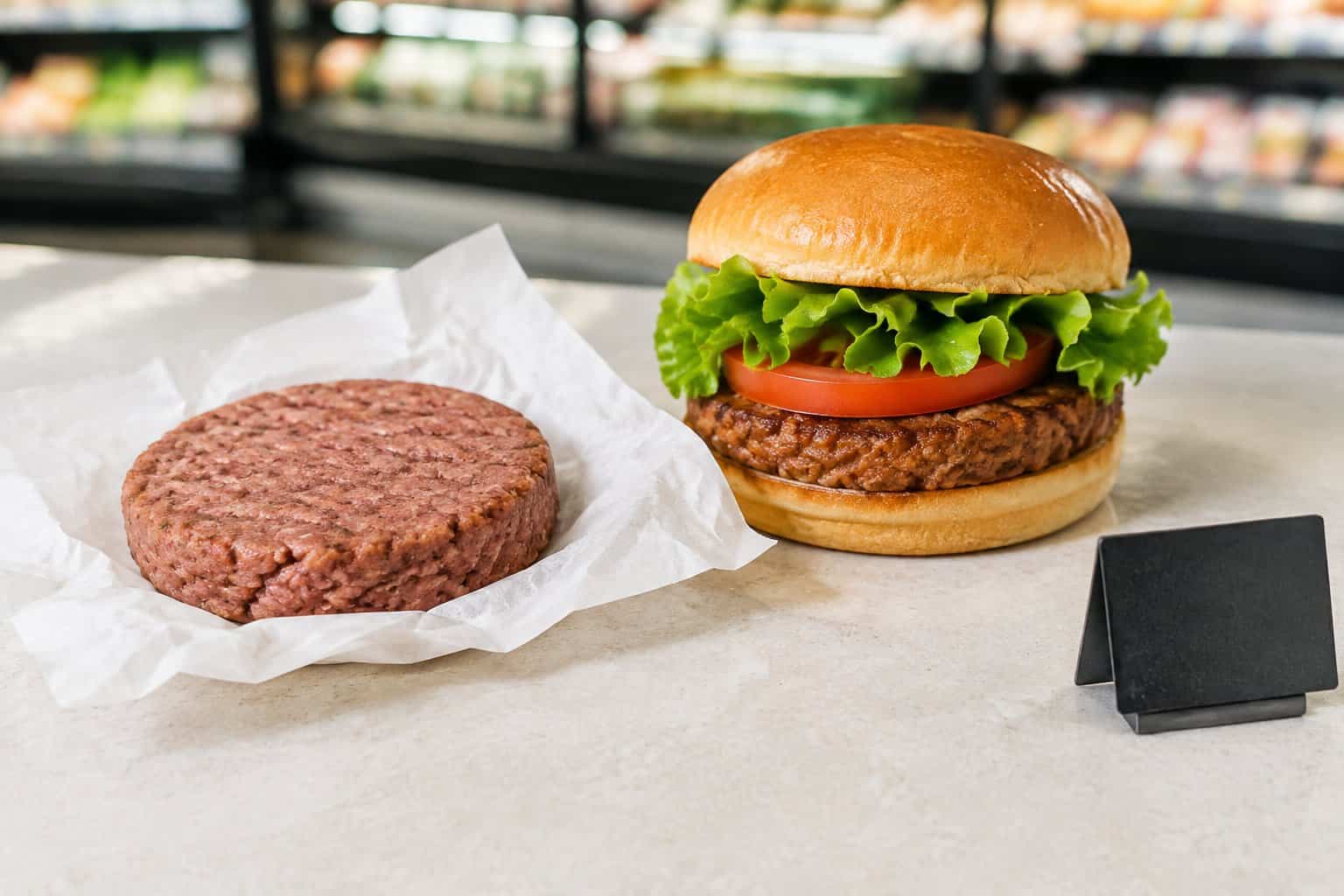
A single Beyond Burger patty contains around 390 mg of sodium. Traditional ground beef has roughly 66 mg per serving.
If you’re watching your salt intake, this is a significant jump. The patty also relies on canola oil, which some research links to inflammation when consumed in large amounts.
You’re paying a premium price for a product marketed as a healthier choice, but the nutritional profile doesn’t always support that claim. Many customers also report quality control issues, including factory contamination concerns that have surfaced in past reports.
Your money may stretch further with whole-food plant proteins like lentils, beans, or chickpeas. These options typically cost less per serving and contain fewer processed ingredients.
If you’re buying the Beyond Burger specifically for health reasons, you should compare the label against simpler alternatives before adding it to your cart.
23. Impossible Foods Impossible Burger
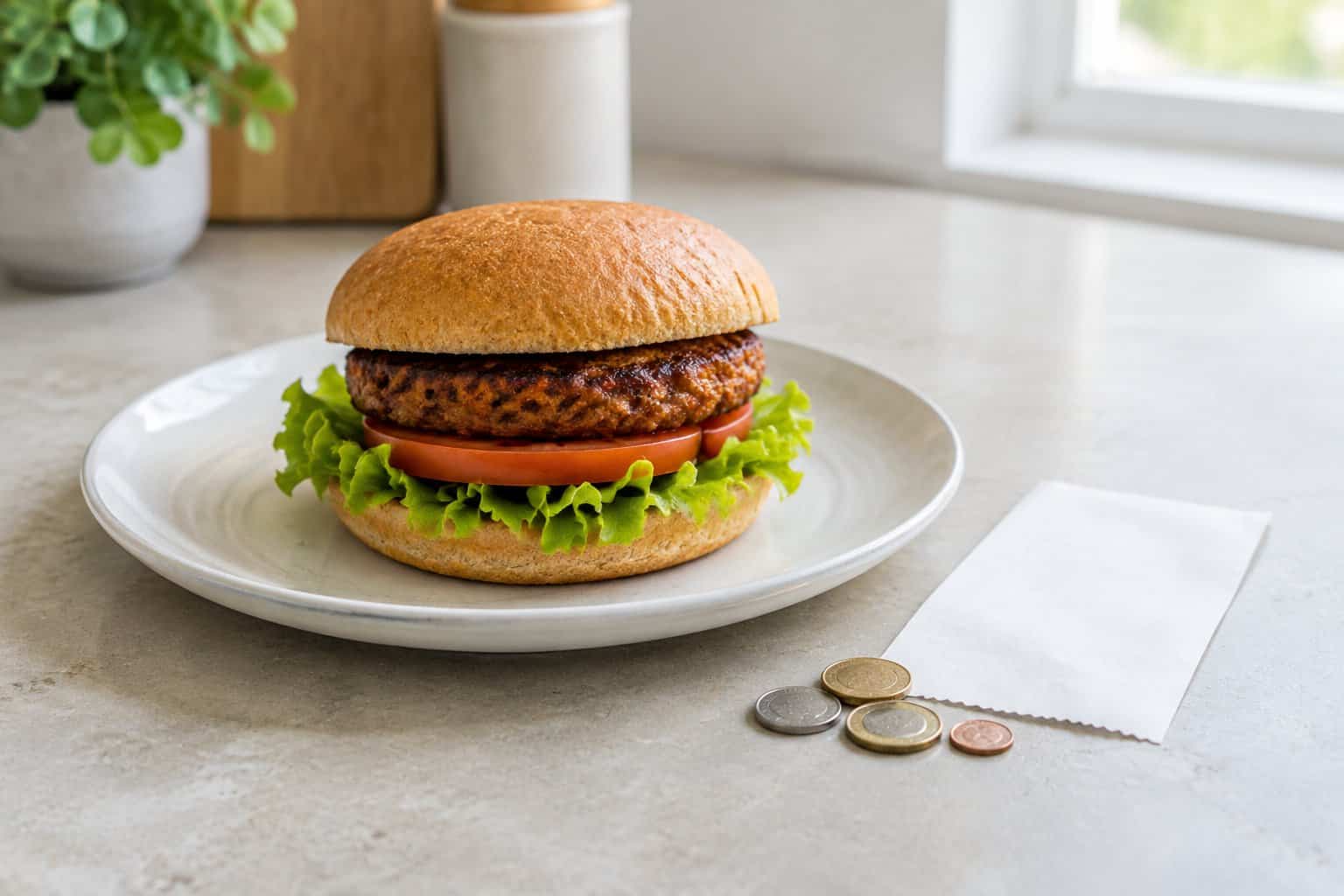
The Impossible Burger costs more per pound than ground beef in most Whole Foods locations. You’re paying a premium for plant-based engineering, but that doesn’t mean you’re getting a nutritionally superior product.
The ingredient list includes soy protein concentrate, sunflower oil, and genetically modified soy leghemoglobin. If you’re shopping at Whole Foods specifically for non-GMO options, this product doesn’t fit that goal.
Sodium content runs high in most varieties, often matching or exceeding what you’d find in regular beef patties. You’re also getting a longer ingredient list than a simple cut of meat would require.
If your priority is avoiding processed ingredients, your money is better spent on fresh ground beef, turkey, or a basic bean-based patty you make yourself. You’ll save on cost and control exactly what goes into your meal.
24. 365 by Whole Foods Market Vegan Cheese Slices
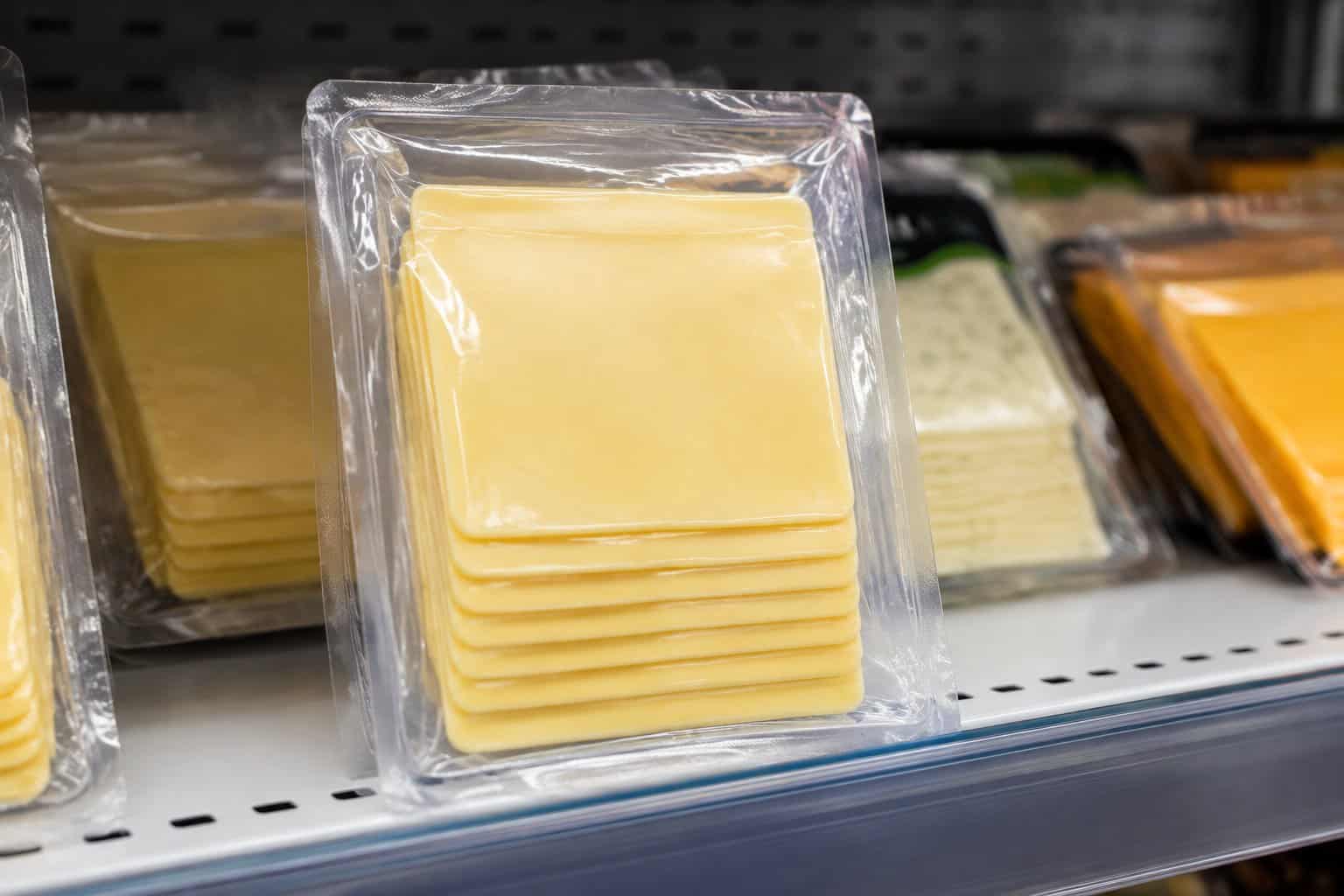
These slices promise a cheddar-style alternative, but the texture often misses the mark. You’ll notice the slices are rubbery and don’t melt the way dairy cheese or even some competitor brands do.
The flavor leans bland, relying heavily on salt rather than any real cheddar-like tang. If you’re making a grilled cheese or burger, you may find yourself disappointed by how little the slices contribute beyond a vague yellow color.
Compared to brands like Violife, which Whole Foods also stocks, the 365 version falls short on both taste and meltability. You’re paying a premium price for a product that performs worse than alternatives sitting on the same shelf.
For an 8 oz package, the cost per slice adds up quickly if you’re buying this regularly. Your money stretches further with a different brand or a block-style vegan cheese you shred yourself.
25. 365 by Whole Foods Market Organic Kombucha
You might expect kombucha to be a simple, low-cost item, but the 365 line runs higher than some competing brands without a clear quality advantage.
The flavor lineup has gotten experimental, with varieties like pickle kombucha that stray far from what most people want from this drink. You’re paying for novelty here, not necessarily a better product.
Sugar content is another issue worth checking. Many bottles carry more added sugar than you’d expect from something marketed as a health drink, which undercuts the reason you’re buying it in the first place.
If you’re after the probiotic benefits kombucha is known for, you can often find better value and more consistent quality from dedicated kombucha brands. The 365 version works fine as an occasional purchase, but it’s not the standout deal you’d expect from a store brand.
26. 365 by Whole Foods Market Cold-Pressed Green Juice
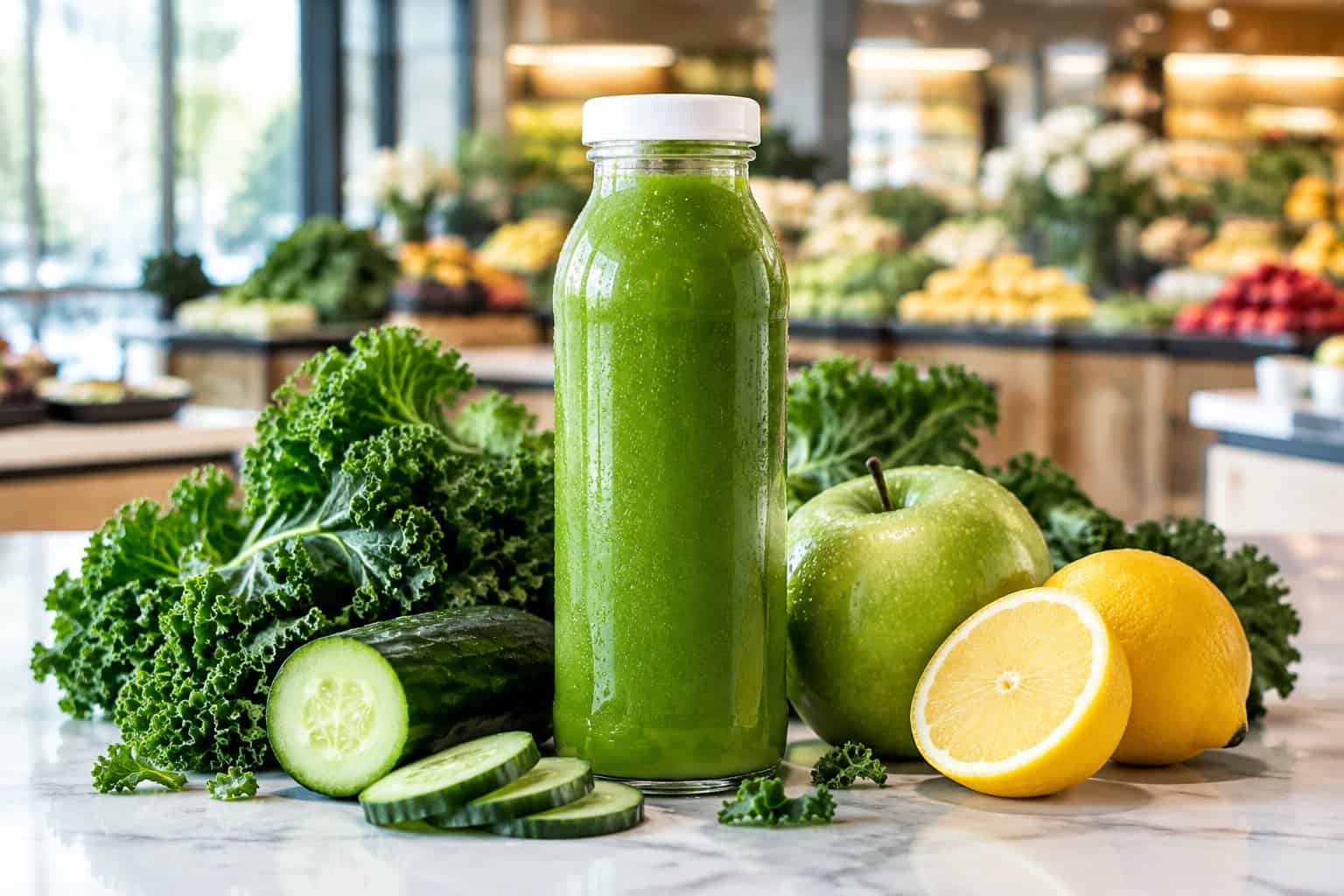
Cold-pressed juice carries a premium price tag, and this one is no exception. At roughly 121 calories per 8-ounce serving, you’re paying a lot for something with only 1 gram of protein and zero fat.
The carb count sits around 30 grams per serving, most of which comes from sugar extracted from fruits and vegetables. You lose the fiber during the pressing process, so your body absorbs that sugar faster than it would from eating whole produce.
You can make a similar blend at home for a fraction of the cost if you own a juicer. If you’re buying this for weight management or blood sugar control, you should know it won’t offer the same benefits as eating your greens whole.
The convenience is real, but so is the markup.
27. 365 by Whole Foods Market Organic Coconut Aminos
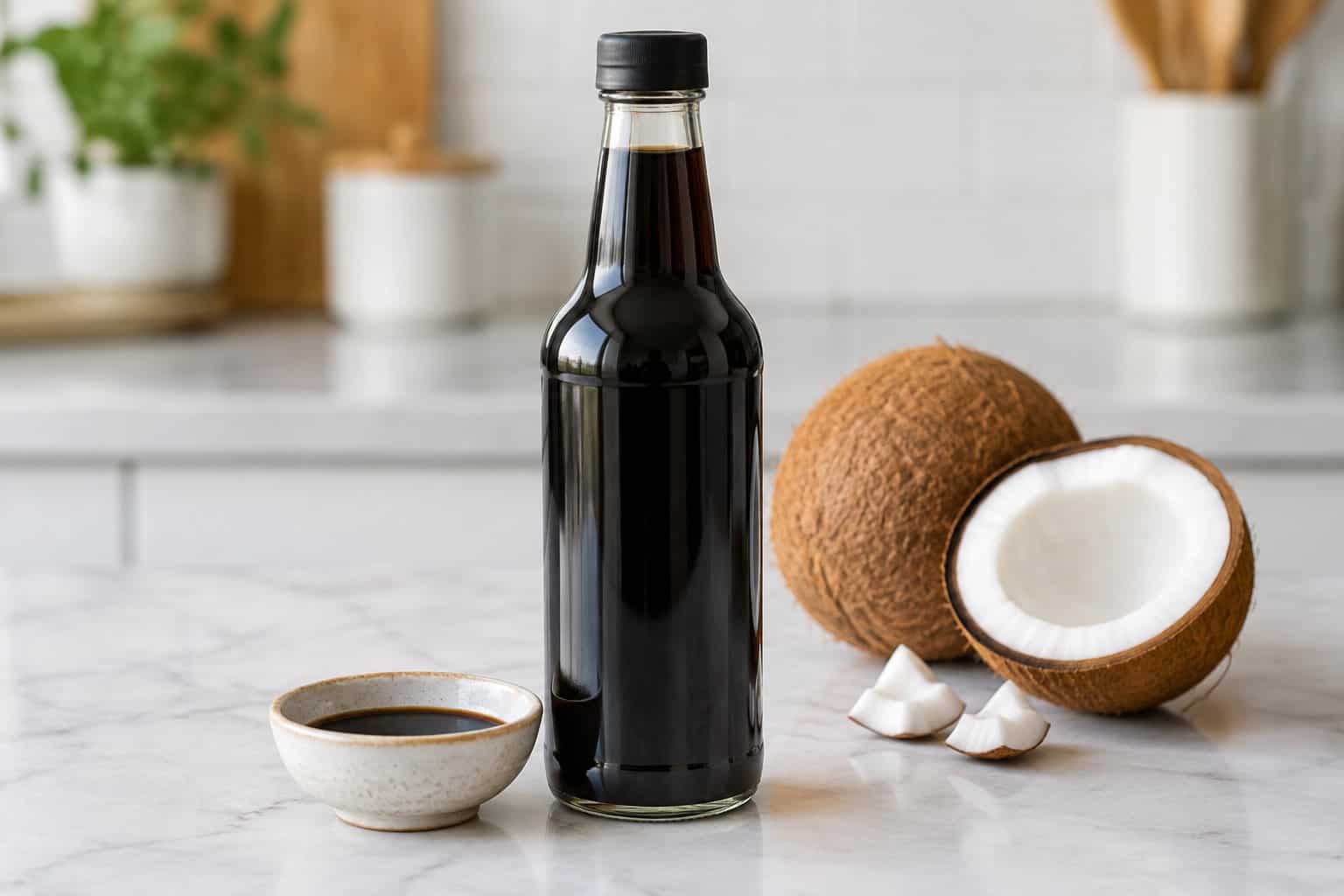
If you’re buying coconut aminos as a soy sauce substitute, you’ll pay a premium for a 10-ounce bottle that doesn’t last as long as you’d expect. The ingredient list is simple: coconut blossom nectar, sea salt, and water. That simplicity is part of the problem.
You can find comparable or identical formulations from other brands, often at a lower price per ounce. The flavor profile is milder and sweeter than soy sauce, so you may need to use more per recipe to get the same depth of taste.
Sodium content is lower than soy sauce, but it’s not sodium-free, so you shouldn’t assume it’s a guilt-free pour. If you’re cooking in bulk or using it daily, the cost adds up quickly compared to traditional seasoning sauces. You’re mostly paying for the organic and 365 label here.
28. 365 by Whole Foods Market Organic Tahini
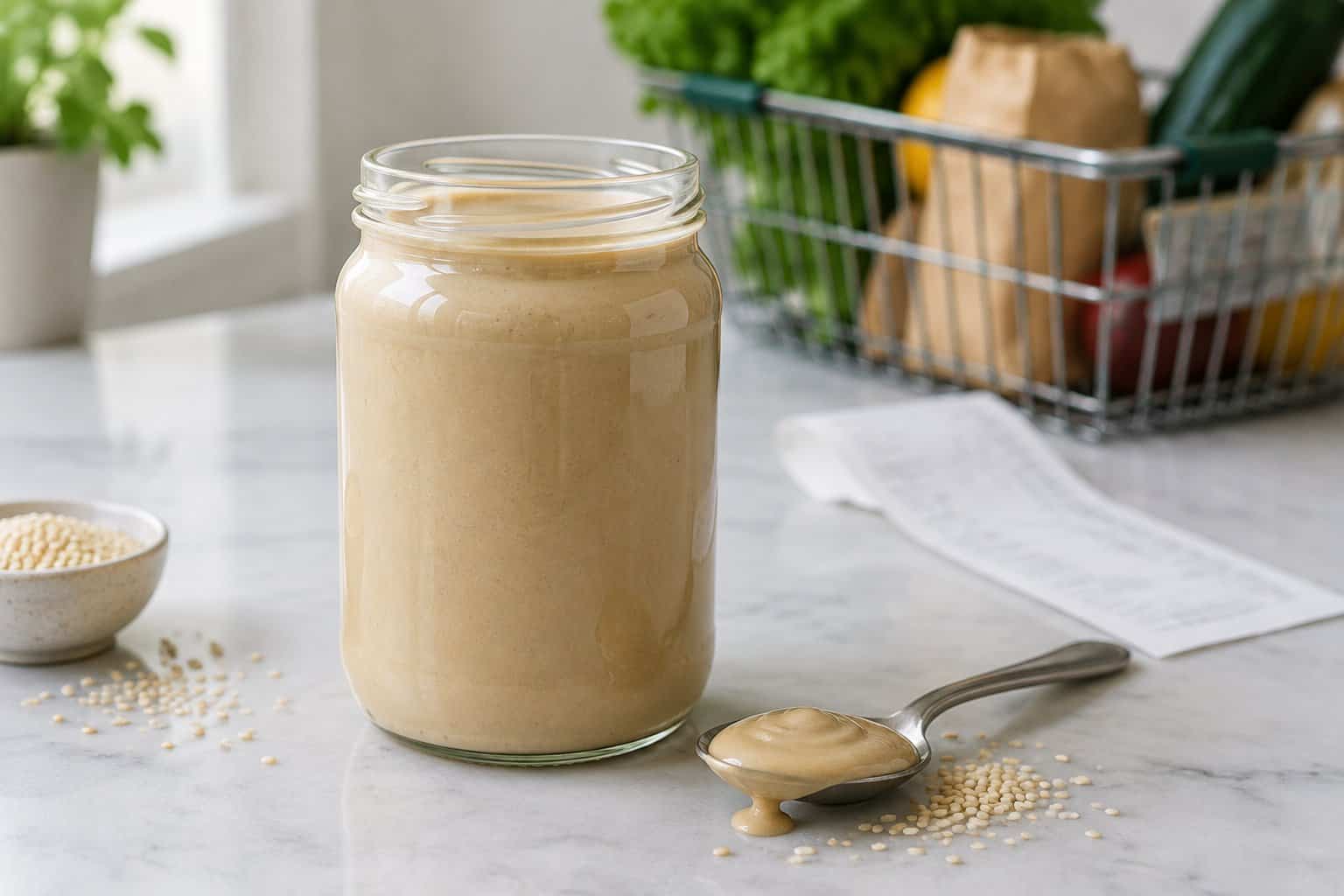
This tahini is a basic sesame paste with a short, clean ingredient list and USDA organic certification. You’re not getting anything fancy here, but you’re also paying a premium for that simplicity.
The texture can be inconsistent between jars. Some batches separate heavily, leaving you with a thick layer of oil on top and dense paste at the bottom that takes real effort to stir back together.
You can find comparable organic tahini brands at lower prices, even at other grocery chains. The 365 label itself doesn’t add much value beyond the Whole Foods name.
If you use tahini occasionally for hummus or dressings, this works fine. But if you go through it regularly, you’ll notice the cost difference compared to dedicated Middle Eastern or specialty brands that often deliver smoother consistency for less money.
29. 365 by Whole Foods Market Organic Ground Coffee
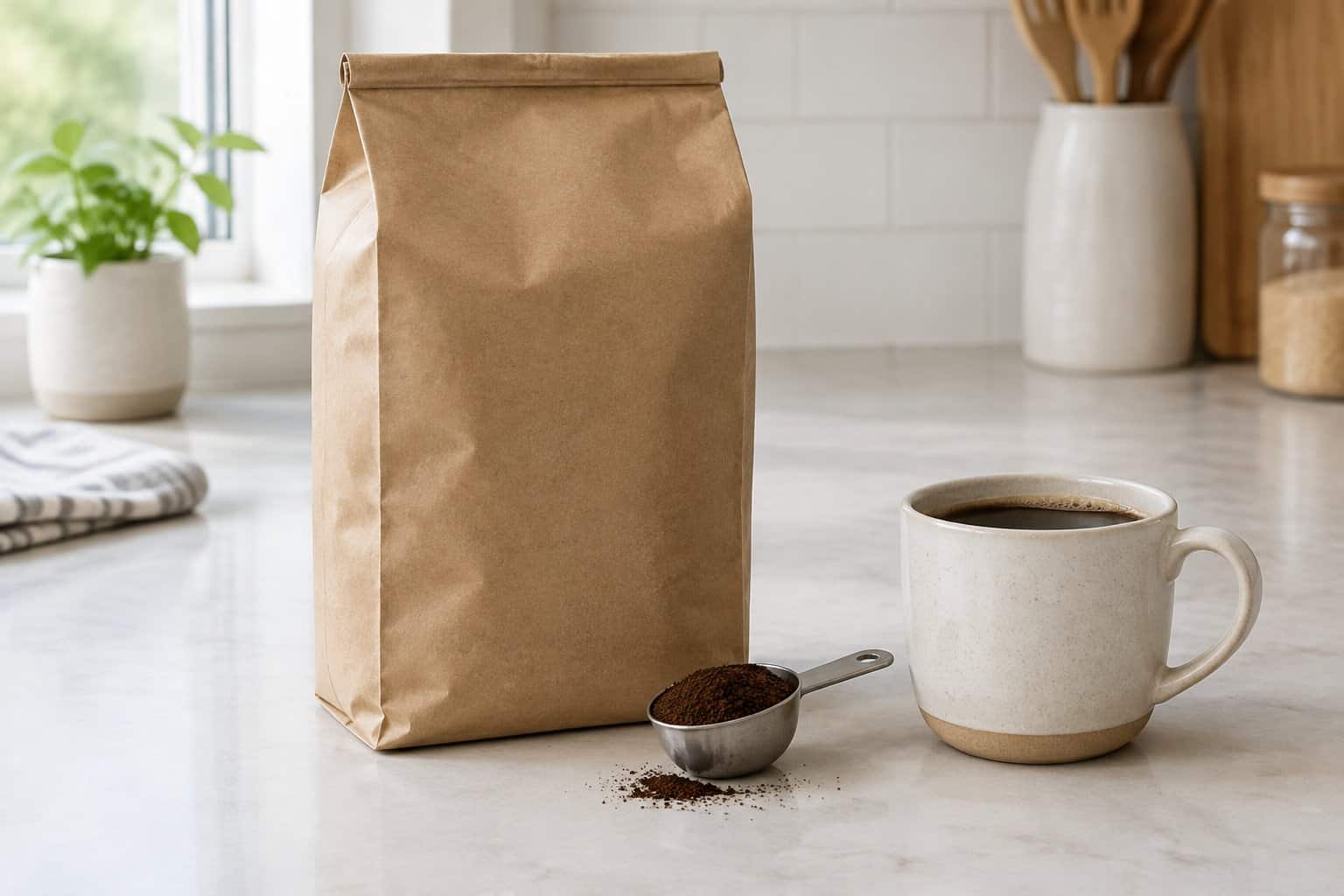
You might expect more consistency from a store-brand coffee that carries an organic certification. Reviewers have described the flavor as flat or mildly stale compared to beans from dedicated roasters.
The Pleasant Morning Buzz blend, a medium-dark Vienna roast, works fine for automatic drip machines, but it doesn’t stand out in taste or aroma. You’ll notice the lack of batch or roast date transparency, which makes it hard to judge freshness at the shelf.
If you’re comparing value against specialty brands, this coffee doesn’t offer a clear advantage in price or quality. You’re often better off buying whole beans from a smaller roaster and grinding them yourself.
That extra step gives you fresher flavor and more control over your cup. For a product marketed as a premium organic option, this one simply doesn’t deliver enough to justify repeat purchases.
30. 365 by Whole Foods Market Organic Tea Bags
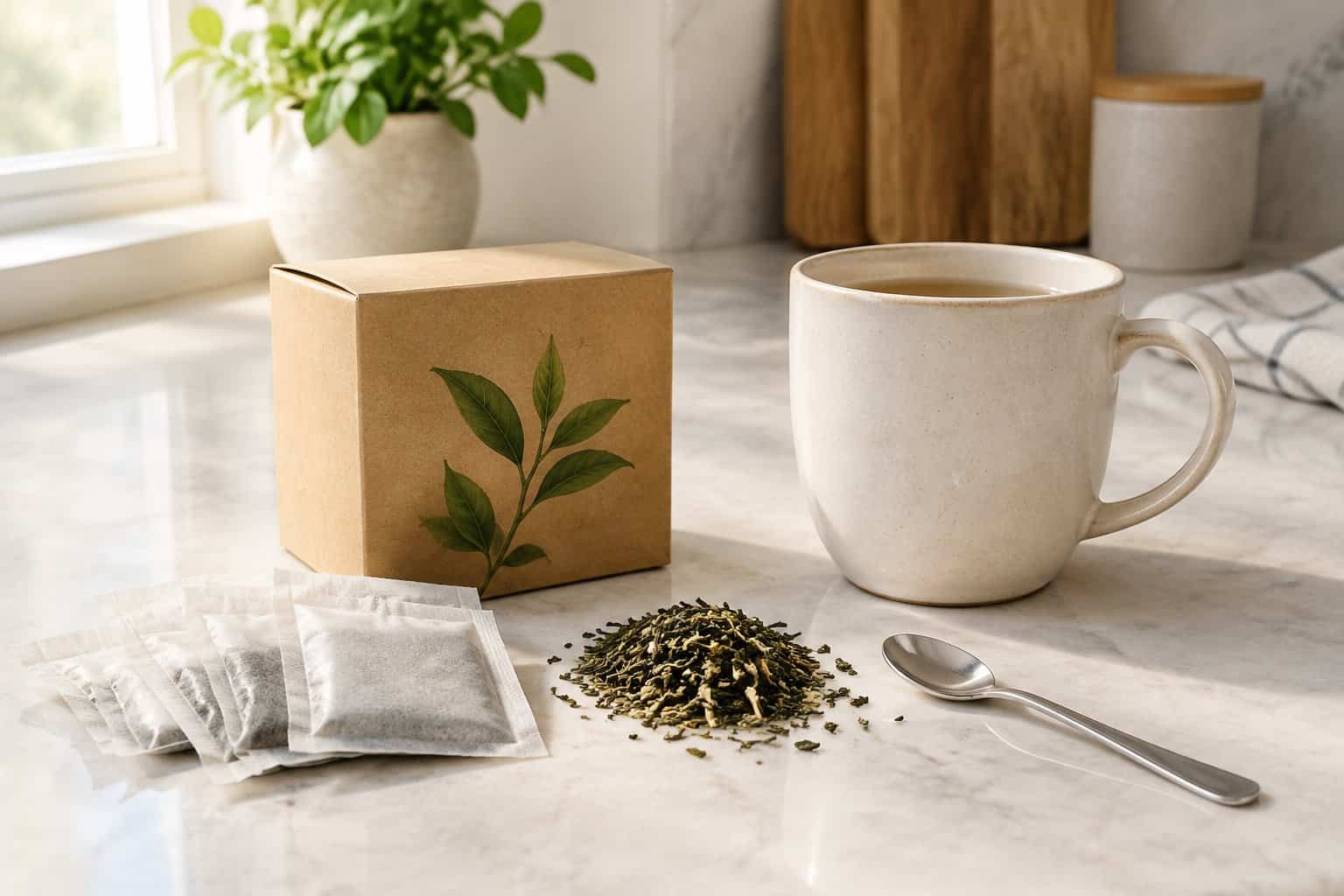
You get two options here, black tea and green tea, both sold in boxes of 70 single-serve bags. The organic certification is legitimate, but that is where the appeal mostly ends.
Reviewers describe the black tea as mild to the point of blandness, with weak flavor coming up as a common complaint. If you prefer a bold, full-bodied cup, this will likely disappoint you.
The green tea fares a bit better, with more consistent praise for value and flavor. Still, you are not getting anything distinctive compared to other organic tea brands at similar price points.
You are paying for the organic label and the convenience of single-serve bags, not for standout quality. If flavor strength matters to you, your money is better spent on a brand that specializes in tea rather than a store label covering dozens of unrelated product categories.
How to Judge Value at Whole Foods
Price tags alone don’t tell you whether a product is a good deal. You need to look at the cost per unit and weigh that against what you’re actually getting, from preparation time saved to the quality of ingredients used.
Compare Unit Prices, Not Package Prices
A lower sticker price doesn’t always mean a lower cost per ounce or per serving. Whole Foods often sells smaller package sizes than competitors, which can hide a higher per-unit cost.
Check the unit price listed on the shelf tag, usually shown in small print below the item price. This number lets you compare products of different sizes on equal footing.
Steps to compare effectively:
- Note the unit price (per oz, per lb, or per count)
- Compare it to the same product at another store
- Check if store brand options offer a lower unit cost than name brands
- Watch for “value size” labels that don’t actually offer better per-unit pricing
This habit catches inflated prices that a simple glance at the total cost would miss.
Account for Convenience and Ingredient Quality
Price comparisons only tell part of the story. Pre-cut produce, prepared meals, and ready-to-cook proteins cost more because you’re paying for labor and time saved, not just the food itself.
Ask yourself if that convenience is worth the markup for your schedule. For some shoppers, skipping 15 minutes of chopping vegetables justifies a higher price; for others, it doesn’t.
Ingredient quality matters too. If a product uses higher-grade meat, organic certification, or fewer additives, a higher price may reflect that difference rather than overcharging.
Compare ingredient lists between the Whole Foods version and a cheaper alternative before assuming you’re paying only for the name.
How to Spend Less Without Sacrificing Quality
Lowering your Whole Foods bill comes down to two habits: knowing which products offer real savings and timing your purchases around discounts that actually matter.
Check Store Brands and Bulk Pricing
Whole Foods’ own brand, 365, often costs 20-30% less than name brands for comparable quality. You’ll find this especially true for pantry staples like pasta, canned beans, oats, and spices.
Check unit pricing on the shelf tag, not just the total price. A larger package sometimes costs more per ounce than a smaller one, particularly with “premium” branded items.
Bulk bins are worth your attention for:
- Grains and legumes
- Nuts and dried fruit
- Coffee beans
- Spices in small quantities
Buying from bulk bins lets you purchase only what you need, which cuts down on waste and avoids paying for packaging. For staples you use often, compare the bulk price per pound against the pre-packaged version before deciding.
Use Sales and Prime Discounts Selectively
Prime members get extra markdowns on top of sale prices, but these discounts don’t apply evenly across every department. You’ll see the deepest cuts on seasonal produce, select meats, and 365-branded items.
Check the weekly sales flyer before you shop, since Whole Foods rotates deals regularly. Stocking up during a sale works well for shelf-stable goods like canned goods, grains, and frozen items.
Avoid letting a discount justify buying something you don’t normally purchase. A 20% markdown on an overpriced specialty item still leaves you paying more than you’d spend elsewhere at full price.
Your best strategy is comparing the discounted price against your usual store’s regular price before assuming you’re getting a deal.