The 30 Foods Every American Family Had in Their Pantry: A Nostalgic Look Back
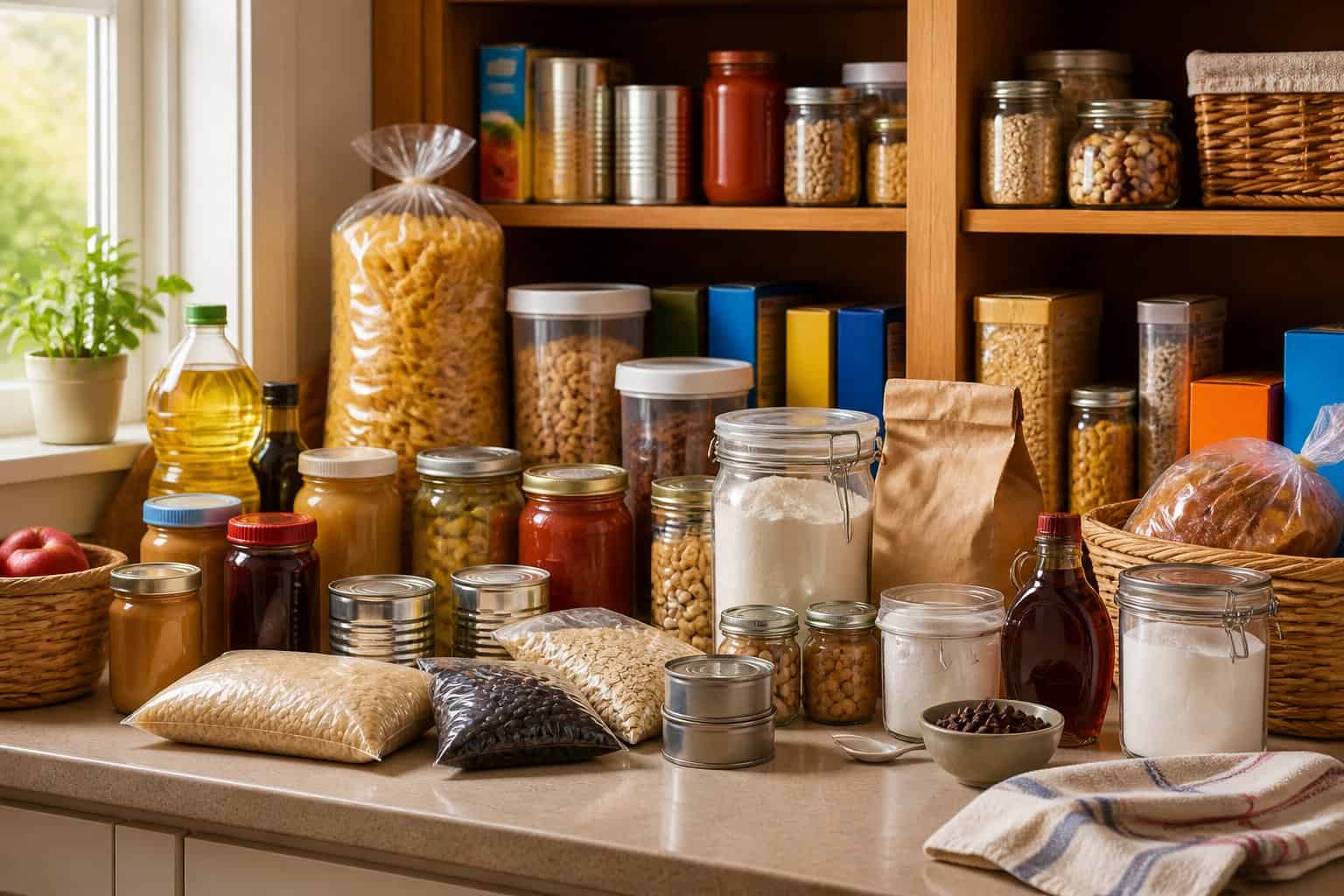
Pantries in American homes have changed a great deal over the decades. What sat on your shelves often depended on the era, the economy, and what your family could afford at the time.
Some foods stayed popular for generations, while others disappeared once new products or conveniences took their place. Looking back at these items gives you a clearer picture of how American eating habits have shifted, and why certain staples became so common in the first place.
1. All-purpose flour
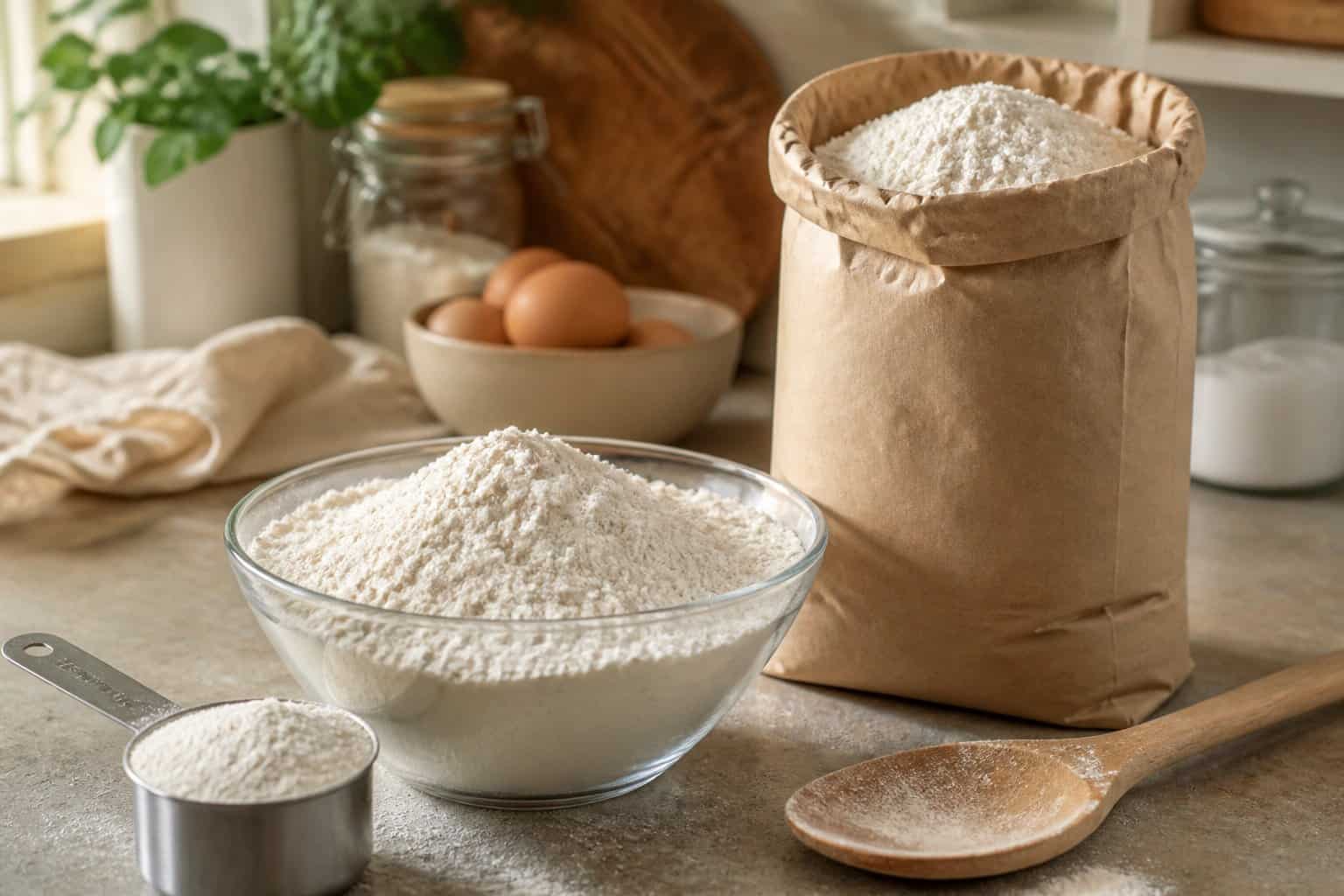
Flour has sat in your family’s pantry for generations, and for good reason. You can turn it into bread, biscuits, dumplings, or pie crusts with just a few other ingredients.
During harder economic times, families relied on flour because it stretched a limited budget further than pre-made goods. You could bake instead of buy, which meant more meals for less money.
Beyond baking, flour works as a thickener for gravies, sauces, and soups. It’s also a base for coating meats before frying.
Because it stores well in a sealed container, you don’t have to worry about frequent replacement. A single bag can last you months if kept dry and away from pests.
Whether you bake often or only occasionally, flour remains one of the most practical items you can keep stocked.
2. Granulated sugar
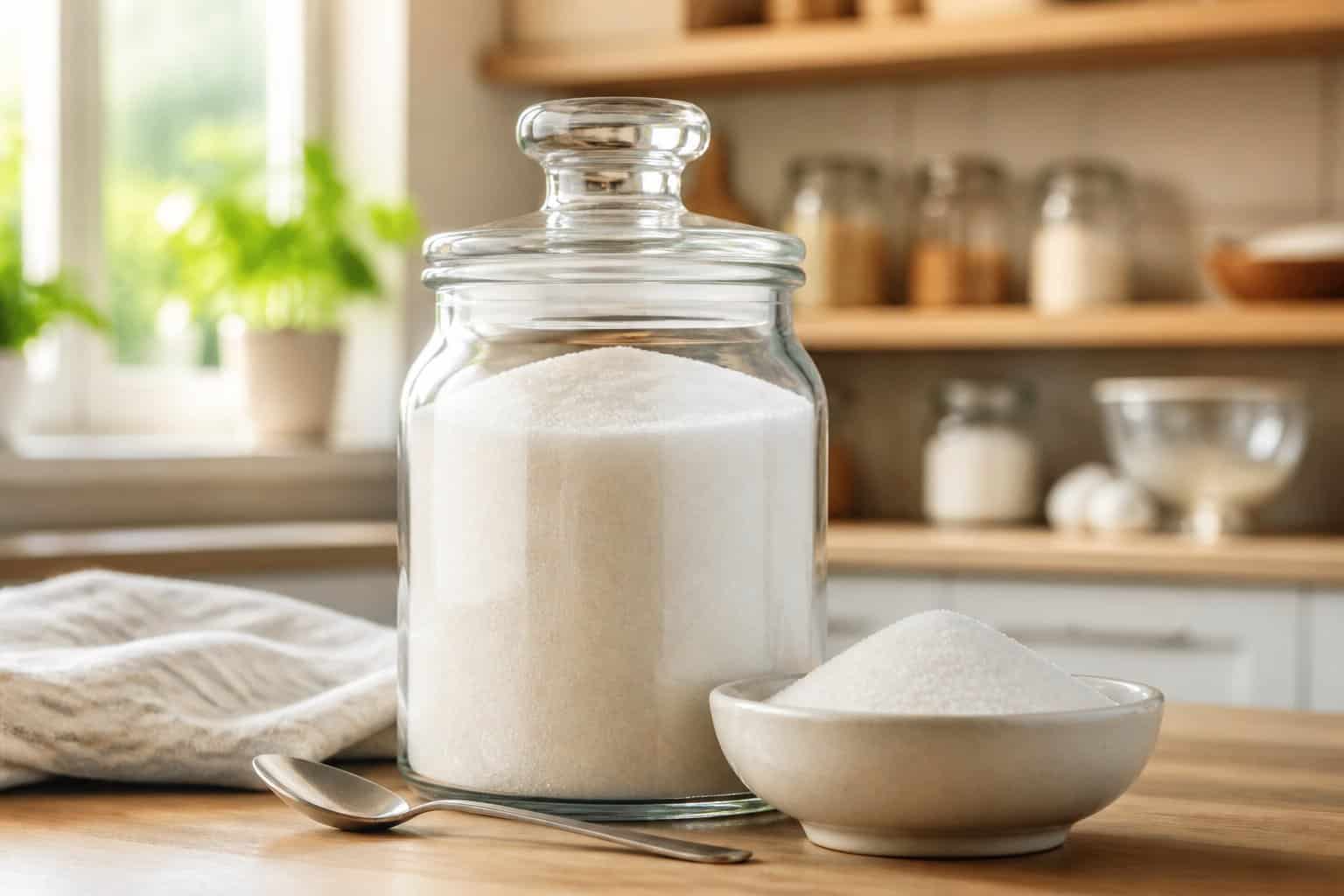
Every American pantry has held a bag of white granulated sugar at some point. You used it for baking, sweetening coffee or tea, and preserving fruit through canning.
Sugar’s shelf life makes it a practical staple. It doesn’t spoil if you keep it dry, so it can sit in your cupboard for years without losing usefulness.
During difficult economic periods, sugar served more than sweetening purposes. You could use it to make jams and preserves, which extended the life of seasonal fruit and reduced waste.
It also worked as a trade item in communities where cash was scarce. Households that grew their own produce often relied on sugar to turn surplus crops into something that would last through winter.
Even today, you likely keep sugar on hand for baking, canning, or emergency preparedness. Its simplicity and durability explain why it has remained a constant in American kitchens for generations.
3. Brown sugar
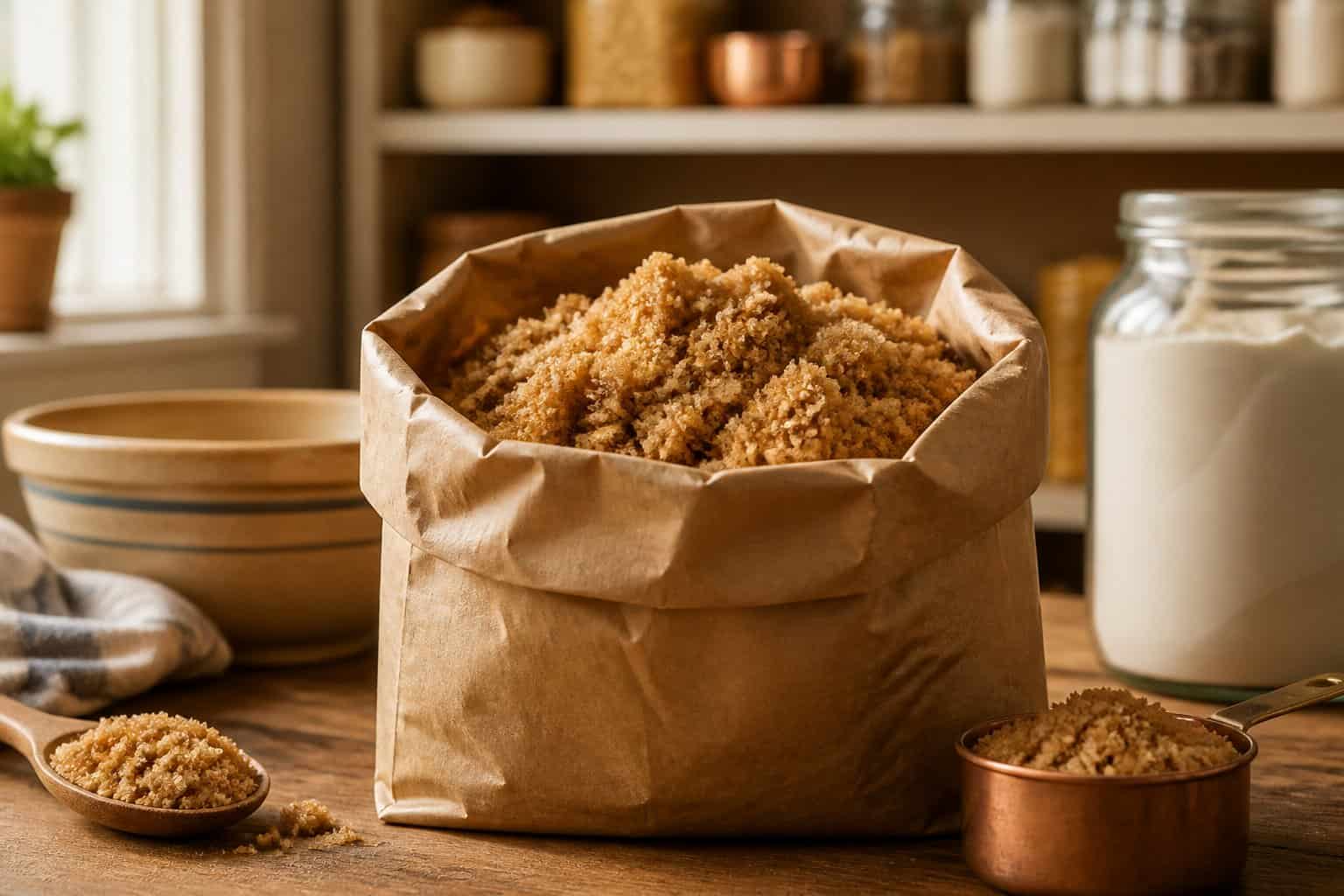
Brown sugar sat next to white sugar in nearly every pantry, and you likely used both without thinking twice. The molasses content gave it a deeper flavor, which made it a natural fit for baked beans, gingerbread, and spice cakes.
You could also make your own version at home by mixing molasses into white sugar. This trick came in handy when store-bought brown sugar ran low or wasn’t available.
Its moisture content set it apart from white sugar in baking. Cookies made with brown sugar turned out softer and chewier, a difference bakers noticed and relied on.
Brown sugar also worked well in glazes for ham and in barbecue sauces, where its slight caramel notes balanced out vinegar and tomato. Even today, it remains a staple for anyone who bakes regularly or prepares classic American comfort food.
4. Table salt
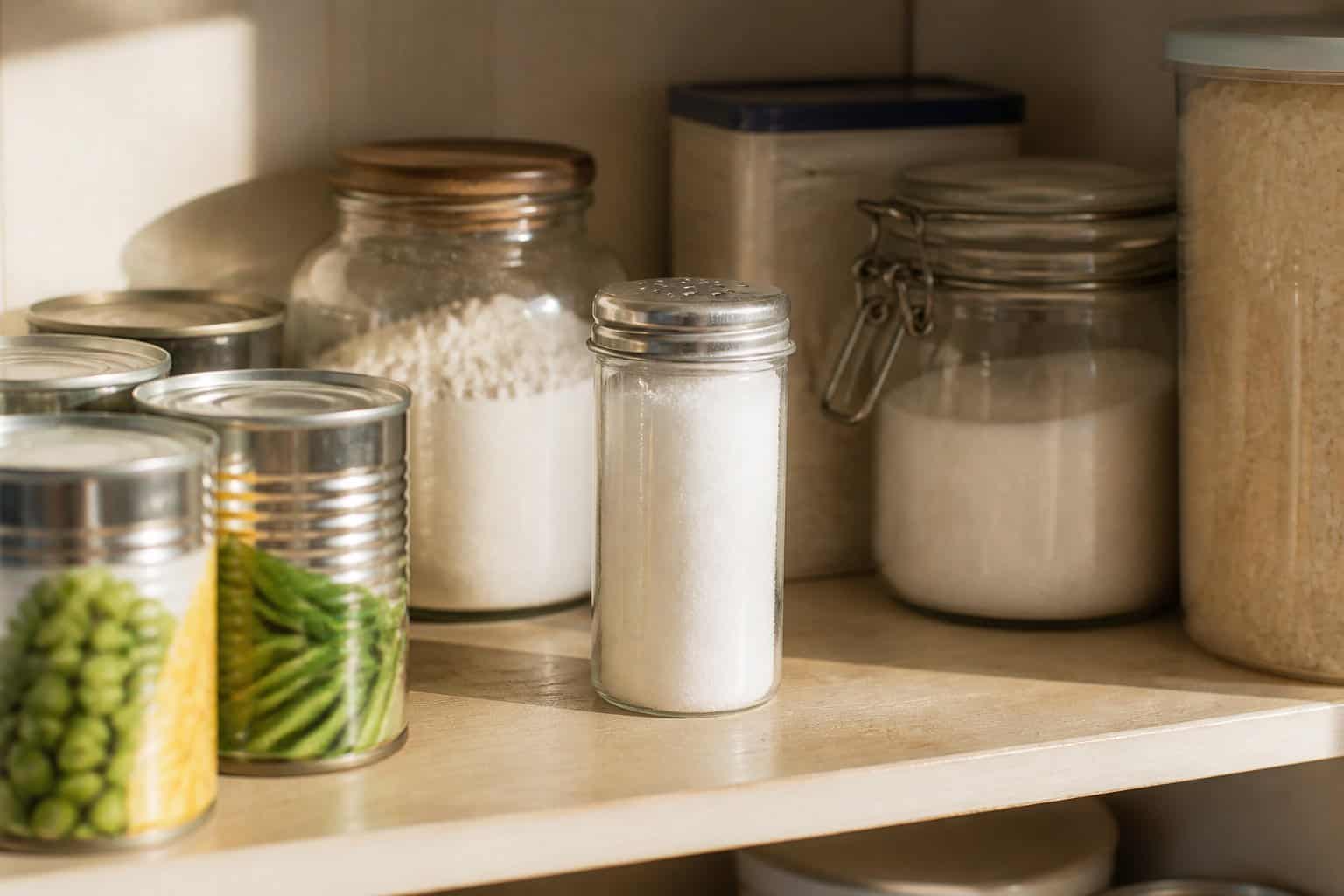
Table salt has always been a pantry constant, and it doesn’t go bad. Store it properly, and it will last indefinitely.
Most American households stocked iodized table salt, since iodine was added starting in the 1920s to address nutritional deficiencies. You likely still have a container of it in your cabinet right now.
Its uses go beyond seasoning. You could use salt to preserve meats, cure vegetables, and make pickles when refrigeration was limited or unavailable.
Salt also served practical purposes outside cooking. You might have used it to clean surfaces, remove stains, or even brush your teeth in a pinch.
Because it’s inexpensive and shelf-stable, salt became one of those items you bought once and kept for years. A single box could sit in your pantry for a decade and still work exactly as intended.
5. Black pepper
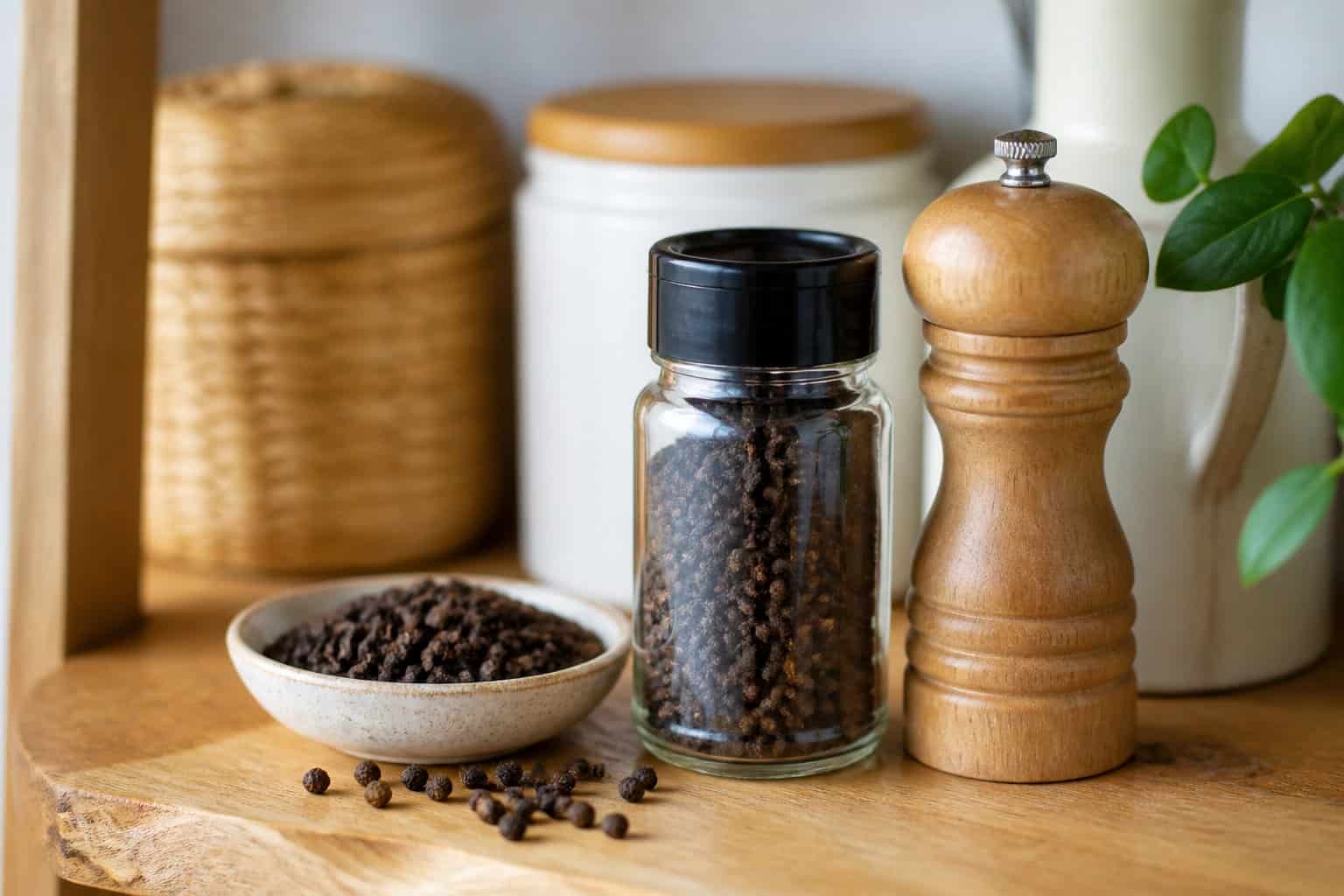
Black pepper sat on nearly every American table, usually paired with a matching salt shaker. You likely remember the small glass shaker with a metal lid, half-filled and slightly clumped from kitchen humidity.
Coarsely ground or fine, black pepper worked into almost everything you cooked. You reached for it on eggs, meats, soups, and vegetables without thinking twice.
Some households kept whole peppercorns and a grinder instead of pre-ground pepper. This gave you a stronger, fresher flavor when you needed it.
Black pepper didn’t spoil quickly, so you could keep a container in your pantry for months or even years. Its long shelf life made it a dependable staple you didn’t have to restock often.
Compared to other spices, pepper was inexpensive and widely available at any grocery store. That accessibility helped it become a fixture in your family’s kitchen, regardless of budget or region.
6. White Rice
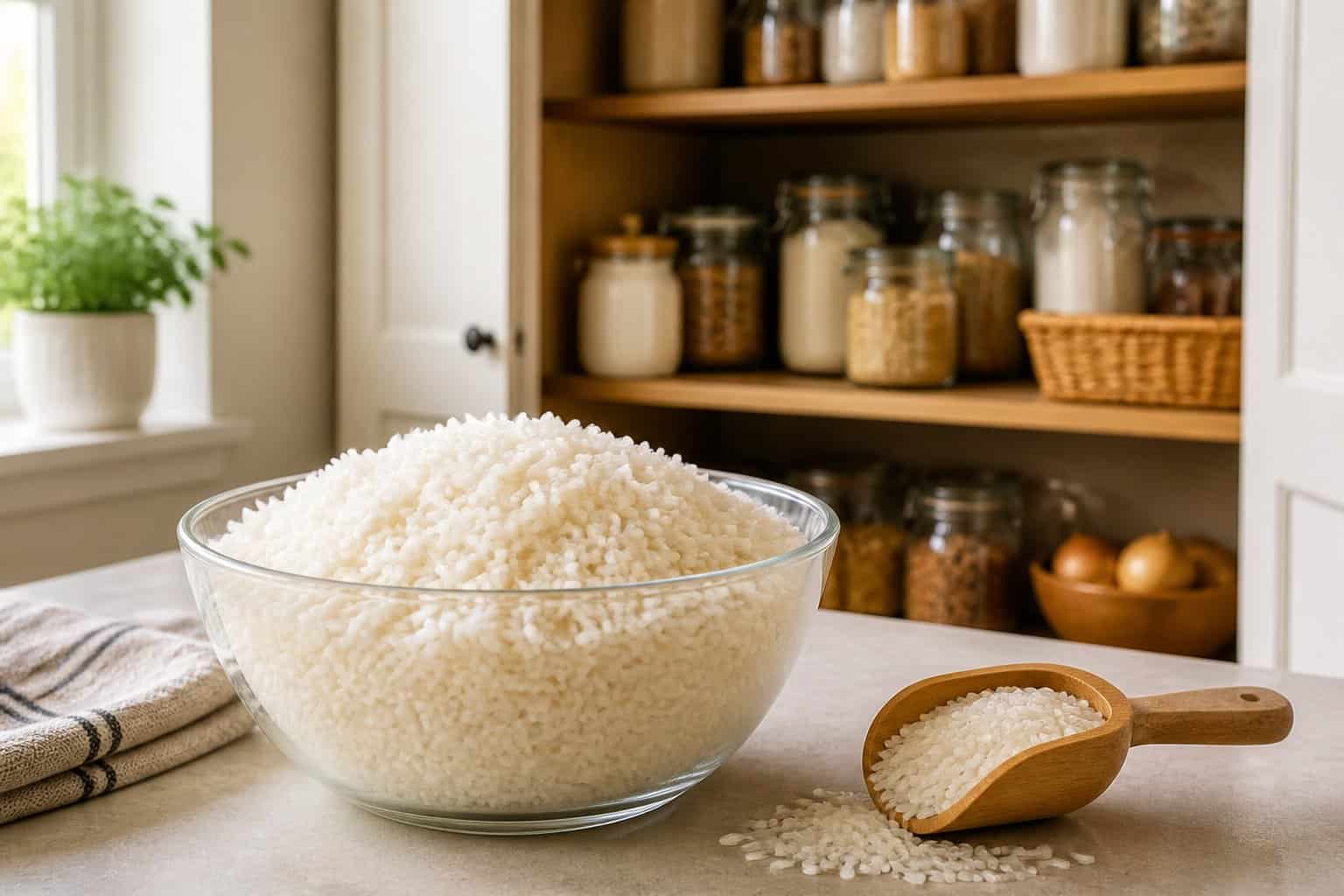
White rice sat in nearly every American pantry for a simple reason: it lasted almost indefinitely and stretched a grocery budget further than most other staples.
You could buy it in bulk cheaply, store it in a sealed container, and count on it staying edible for years without refrigeration. That reliability made it a fixture during the Depression and long after.
Its neutral flavor also made it practical. You could pair it with beans, vegetables, gravy, or whatever protein was available, turning small amounts of other ingredients into a full meal.
Rice also absorbed seasonings well, so families could vary meals without needing a long list of ingredients. A pot of rice with onions, or rice cooked in broth, gave you a filling dish at minimal cost.
Because it required only water and heat to prepare, it fit into households with limited cooking equipment or time.
7. Long-grain rice
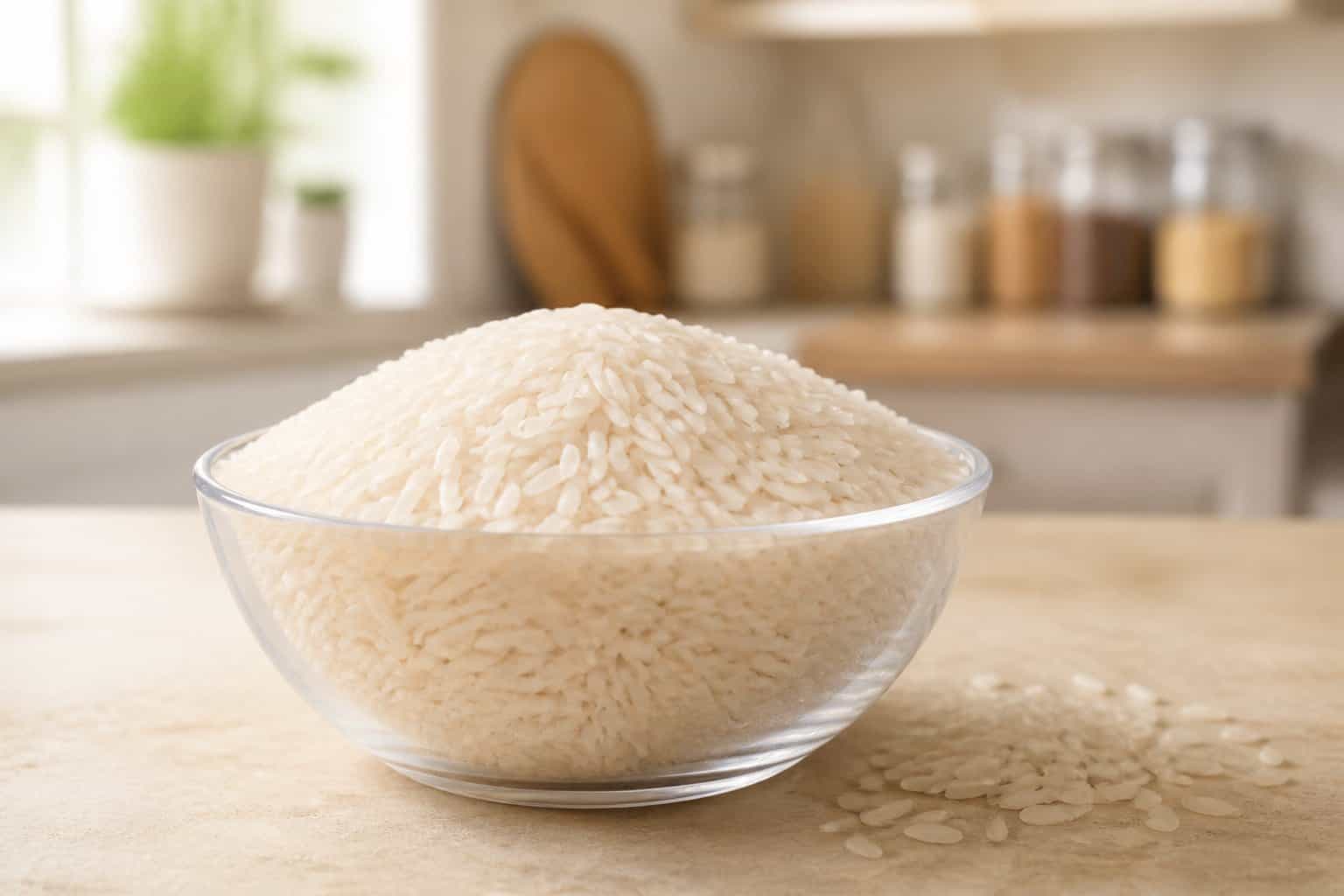
You probably had a bag of long-grain white rice tucked in your cabinet, and there’s a practical reason for that. It’s cheap, cooks up light and fluffy, and works as a base for almost any dish you’re making. Jasmine and basmati varieties fall into this category, and both became pantry regulars for their versatility.
Unlike brown rice, long-grain white rice has had the bran layer removed. That means it lacks the oils that cause spoilage, so it stores far longer without going rancid. Properly sealed and kept away from moisture, it can last decades.
You likely used it to stretch meals when money was tight or to pair with beans, vegetables, or canned meat for a full dinner. Its neutral flavor makes it easy to season however you like, which is part of why it stuck around in kitchens for generations.
8. Spaghetti
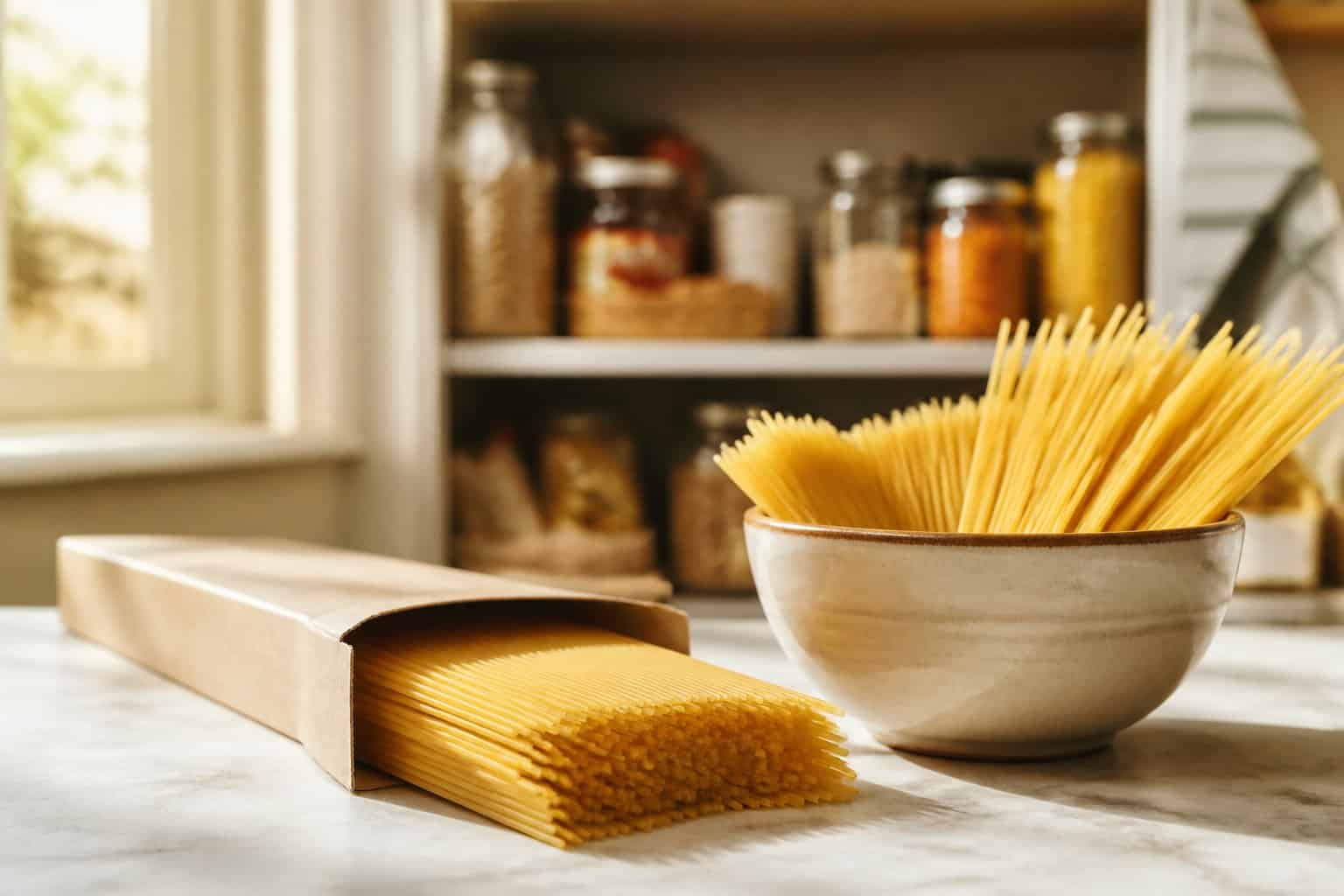
Spaghetti was a fixture in American pantries for most of the twentieth century. You could buy it dried, in long bundles, and it stayed fresh in the cupboard for a long time without spoiling.
Its appeal came from simplicity. You only needed boiling water and a jar of sauce to put together a filling dinner in under thirty minutes.
Many families paired it with canned tomato sauce, ground beef, or whatever vegetables were on hand. This flexibility made it a reliable choice on nights when you needed something quick and affordable.
Spaghetti also stretched a grocery budget further than most proteins. A single box could feed a family of four or five for very little cost.
By the 1950s and 1960s, it had become a weekly staple in many households. You would likely have found at least one box tucked away in a kitchen cabinet at any given time.
9. Elbow macaroni
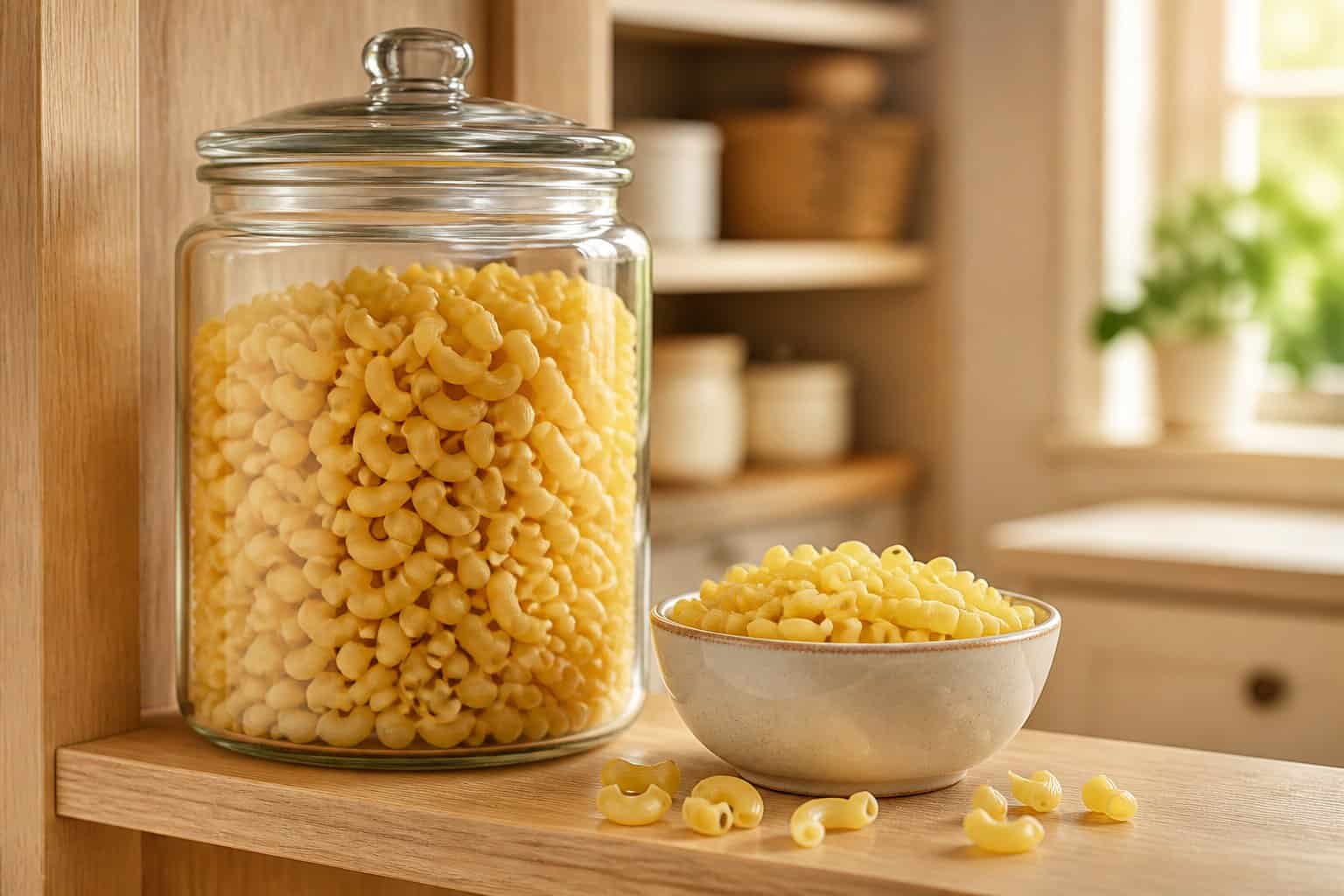
Elbow macaroni has probably shown up in your pantry more than any other pasta shape. Its curved, hollow tube design isn’t just for looks; it holds sauce and cheese well, which is why it became the standard for macaroni and cheese.
Kraft introduced its boxed macaroni and cheese dinner in the 1930s, and it quickly became a household staple during the Great Depression. You could feed a family for pennies, and that affordability kept it in circulation for decades.
Beyond mac and cheese, you likely used elbow macaroni for pasta salads, casseroles, and soups. Some families even paired it with canned tomatoes or ham for simple, filling meals.
Its long shelf life made it a practical choice for stocking up. Whether you bought it boxed with cheese powder or plain in a bag, elbow macaroni gave you a reliable base for quick, budget-friendly dinners.
10. Rolled oats
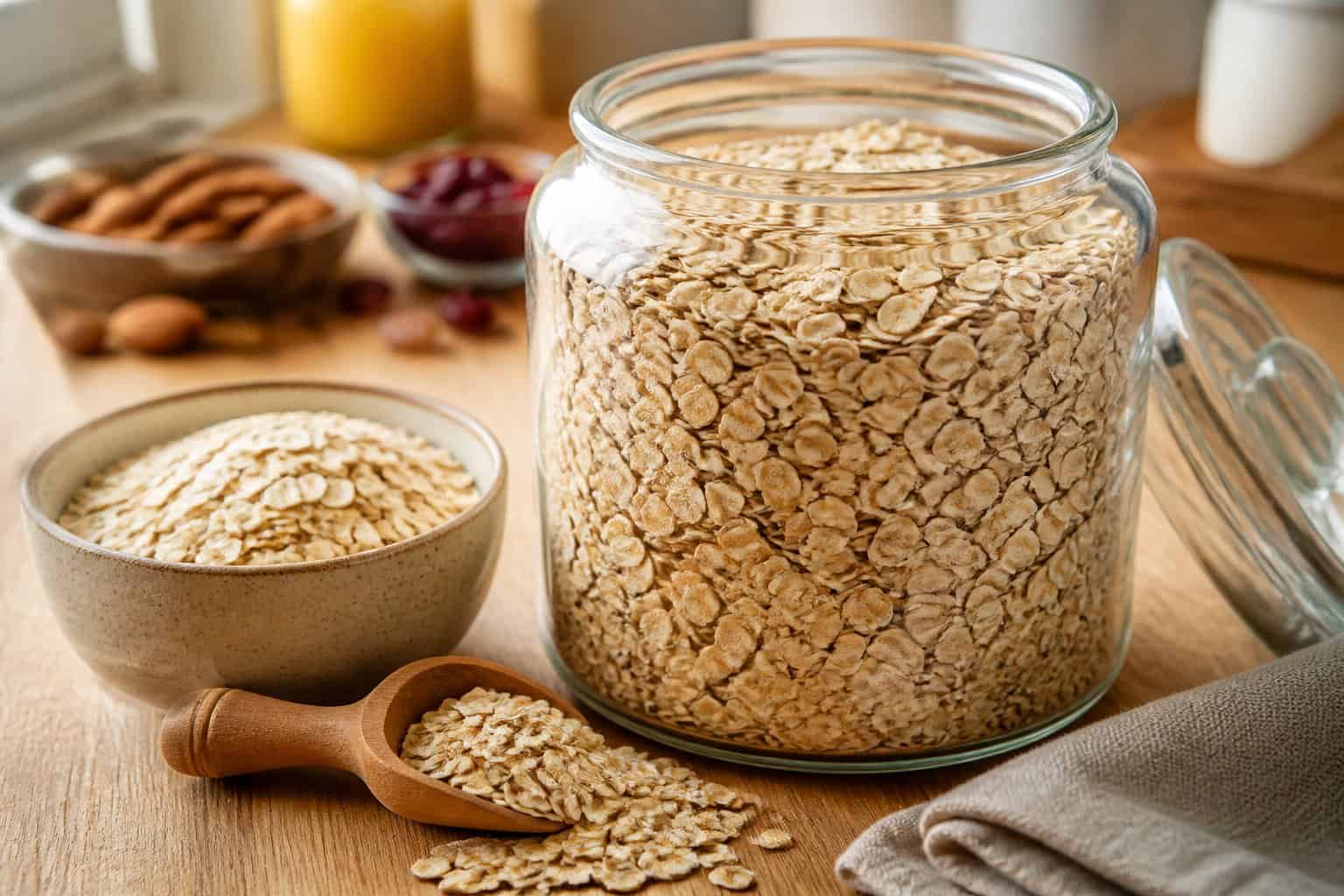
You probably remember the round cardboard container tucked in the back of your pantry. Rolled oats were a breakfast staple in nearly every American household, valued for being cheap, filling, and quick to prepare.
You could cook them on the stovetop in minutes or bake them into cookies, granola, and muffins. This versatility made oats a pantry item you reached for constantly, not just at breakfast.
During colder months, you likely had a bowl of hot oatmeal before school or work. It was an easy way to start the day without spending much money or time.
Oats also had a long shelf life, so you could stock up without worrying about spoilage. That practicality kept them a constant presence in kitchens across generations, even as other breakfast trends came and went.
11. Cornmeal
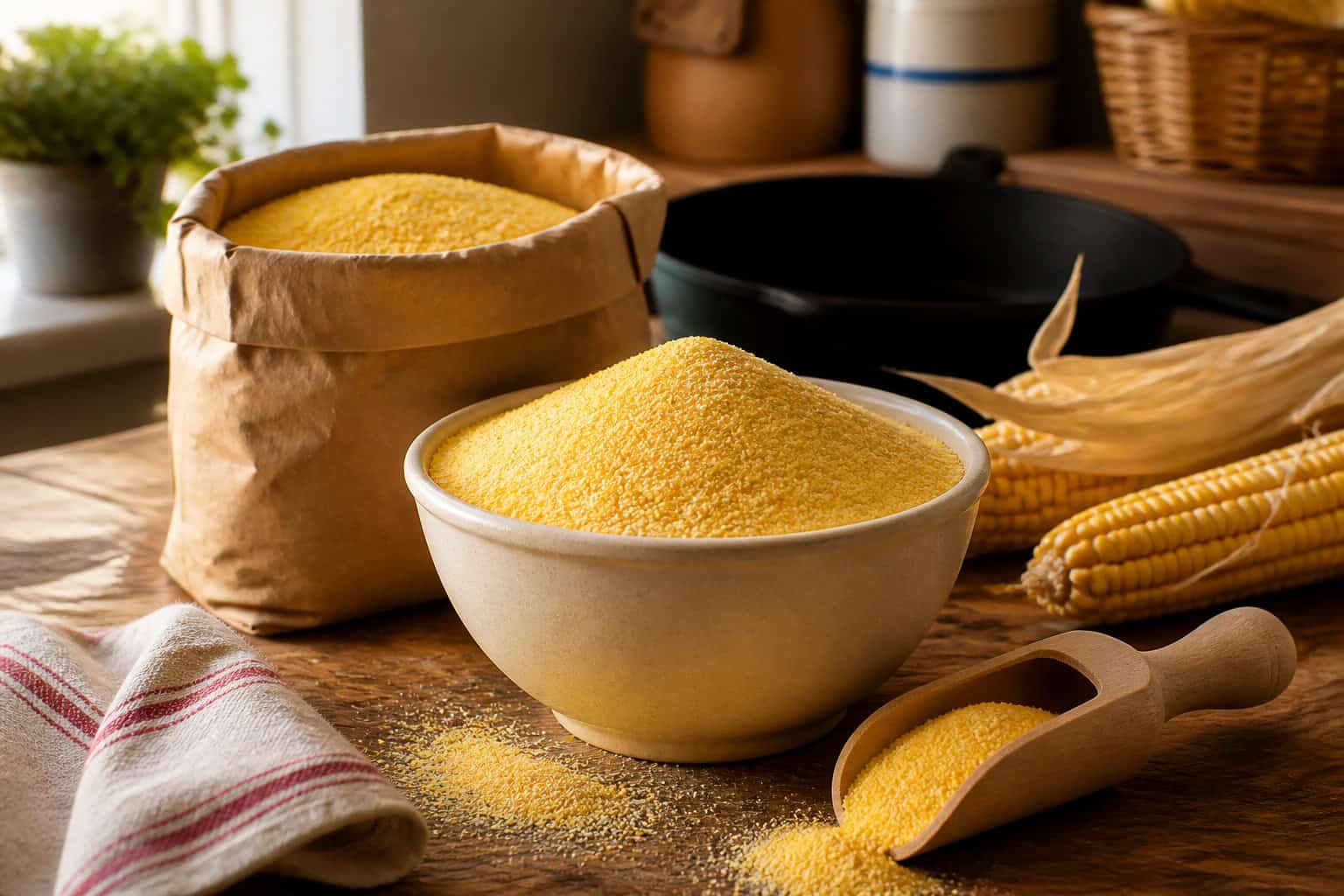
Cornmeal sat in nearly every American pantry for good reason. It was cheap, filling, and available in most regions, which made it a dependable staple when money was tight.
You could stretch a small bag of cornmeal into several meals. Cornbread, mush, and johnnycakes all came from the same simple ingredient, and each dish used minimal additional supplies.
During the Great Depression, cornmeal mush became a common breakfast because it required only water or milk and a bit of salt. Families often paired it with whatever protein or vegetables they had on hand.
Cornmeal also stored well without refrigeration, which mattered before most households had reliable cold storage. You could keep it for months in a sealed container without worrying about spoilage.
Its versatility, low cost, and long shelf life explain why it remained a kitchen fixture for generations, even as other pantry items came and went.
12. Pancake mix
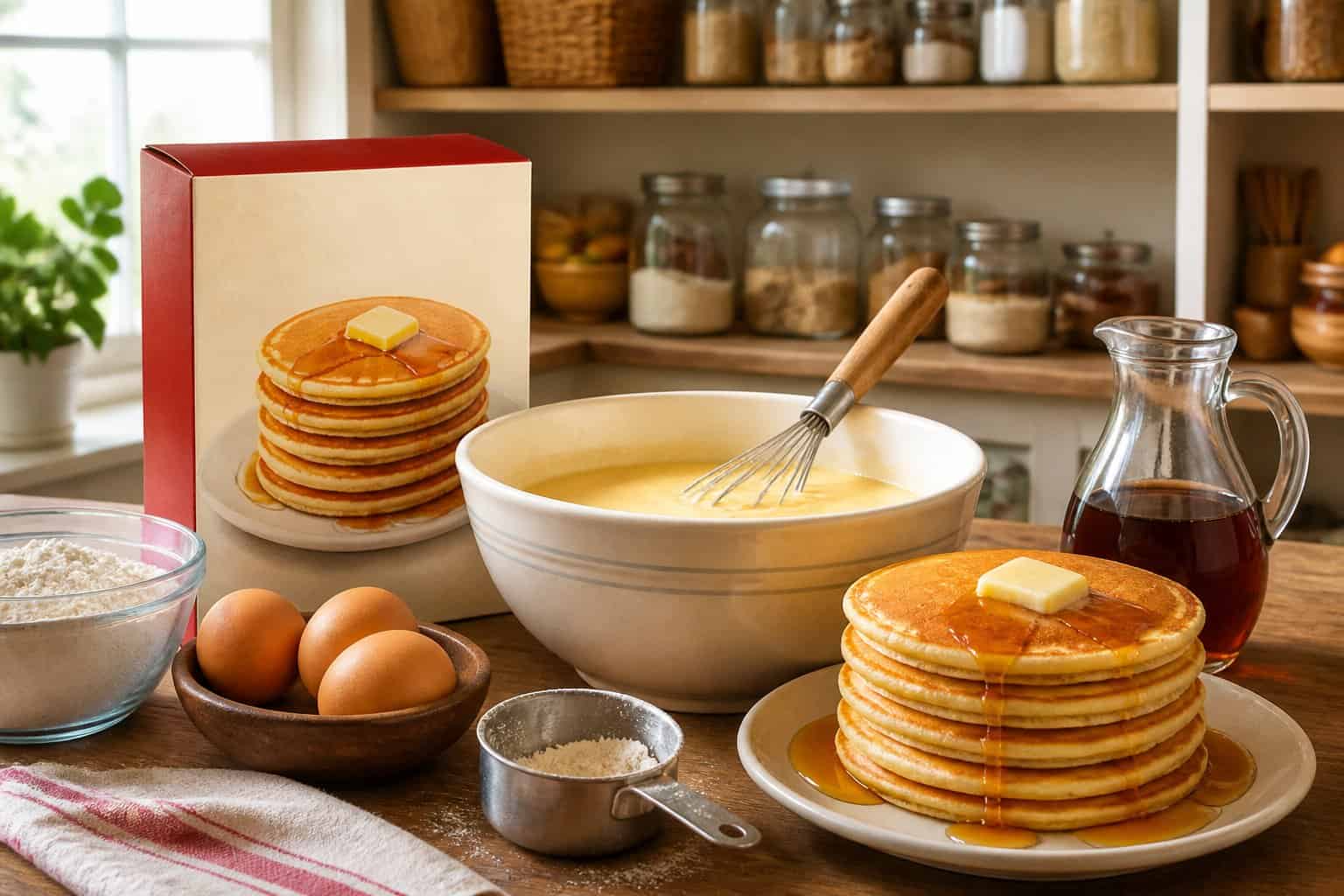
Boxed pancake mix simplified your weekend breakfast routine for decades. You just added water, milk, or an egg, and within minutes you had batter ready for the griddle.
Aunt Jemima was the name most families reached for, though the brand was retired in 2021 and now operates as Pearl Milling Company. Other options like Bisquick offered similar convenience while doubling as a base for biscuits and other quick recipes.
You likely remember the distinct smell of the mix and the particular ratio of ingredients printed on the box. For many households, Saturday or Sunday mornings meant pulling that familiar box from the shelf.
The appeal was straightforward: less mess, less time, and consistent results without measuring flour, baking powder, and salt separately. Even as scratch cooking has seen a resurgence, pancake mix remains a practical staple you can still find in most grocery stores today.
13. All-purpose baking mix
You likely kept a box of all-purpose baking mix in your pantry because it saved you time. One blend typically covered biscuits, pancakes, waffles, and simple cakes, so you didn’t need separate recipes for each.
The mix usually combined flour, a leavening agent, salt, and sometimes a small amount of fat or sugar. You just added liquid, and occasionally eggs, to get workable dough or batter.
This made it useful on busy mornings or when you wanted fresh bread without measuring several ingredients. You could also stretch your grocery budget, since one box replaced multiple pantry staples.
Many families relied on it during the mid-1900s, when convenience products became more widely available. Even now, you’ll find it in kitchens because it still delivers consistent results with minimal effort.
14. Baking Soda
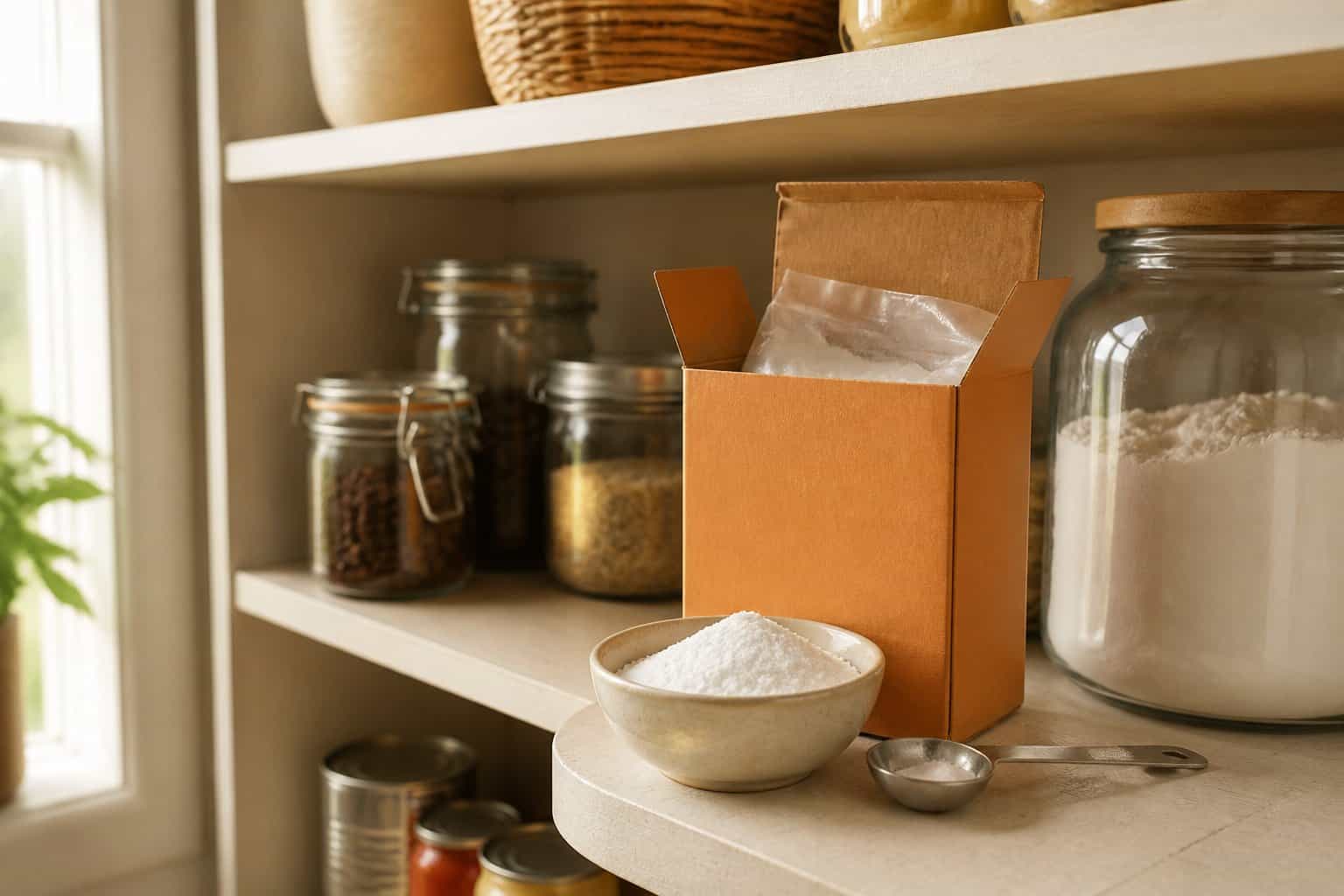
Baking soda sat in nearly every American pantry, often in that small yellow box tucked toward the back of a shelf. You likely knew it as a baking ingredient, but its usefulness went far beyond that.
Sealed, it lasts indefinitely. Once opened, you can expect it to stay effective for about two to three years.
You can test old baking soda by adding a pinch to vinegar. If it fizzes, it still works.
Its uses extended well past recipes. You could use it to deodorize your refrigerator, scrub greasy pans, or even brush your teeth in a pinch.
Some families kept a box specifically for cleaning and another for cooking, since odors from the fridge could transfer if you weren’t careful. Its simplicity and low cost made it a fixture in nearly every kitchen.
15. Baking powder
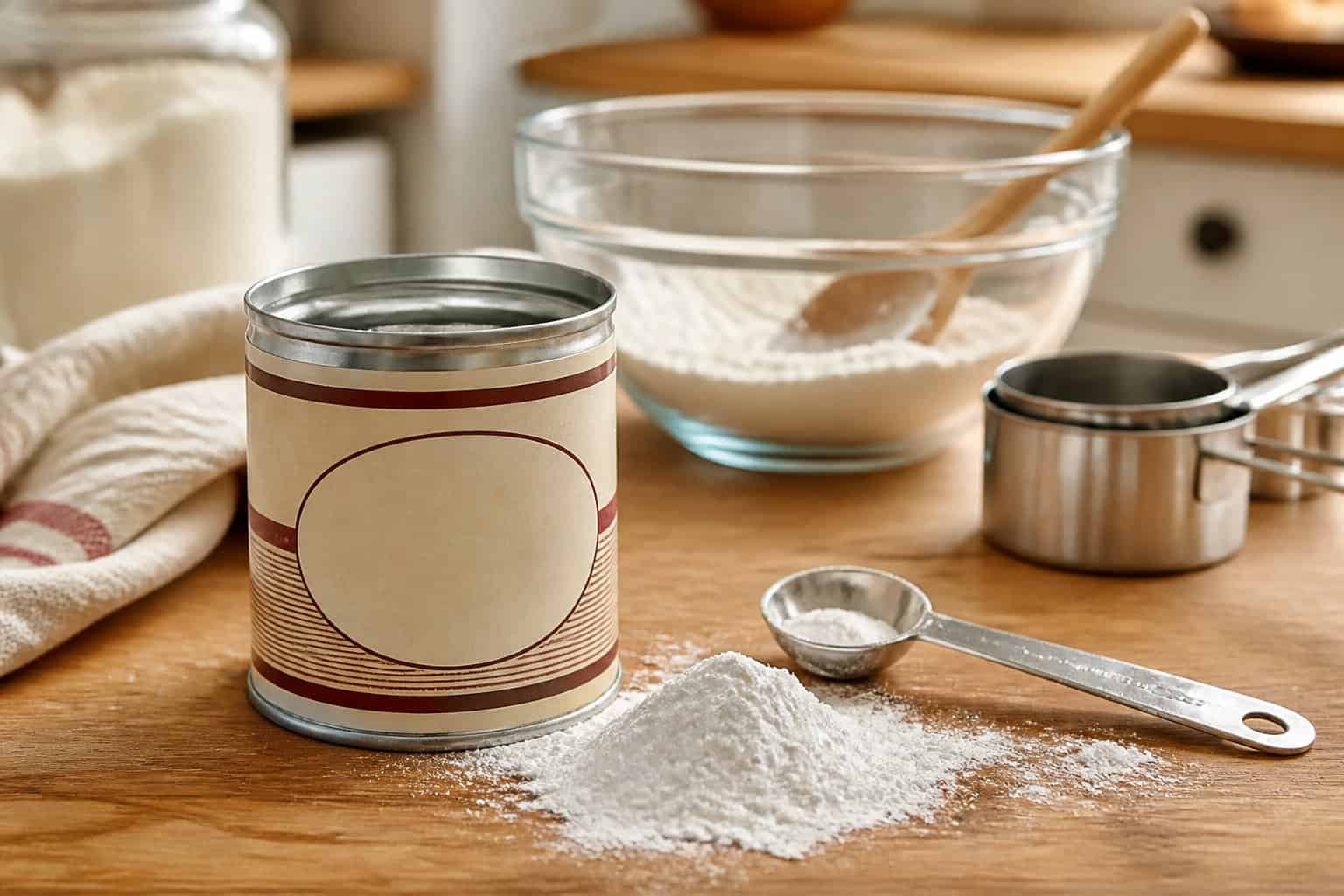
Baking powder became a pantry fixture after its development in the mid-1800s. Before it existed, you relied on yeast or beaten eggs to make bread and cakes rise, both of which took more time and effort.
Once baking powder was available, quick breads, biscuits, and cakes became far easier to make at home. You could mix a batter and get consistent results without waiting for fermentation.
Most households kept a tin in the cupboard for everyday baking. It worked alongside baking soda, though the two serve different purposes depending on the recipe’s acidity.
Manufacturers competed heavily to sell baking powder in the late 1800s and early 1900s, and brands advertised it as a modern convenience. That marketing helped cement its place in American kitchens for generations.
Even as boxed cake mixes and prepared doughs became common, you still needed baking powder on hand for basic scratch cooking.
16. Active dry yeast
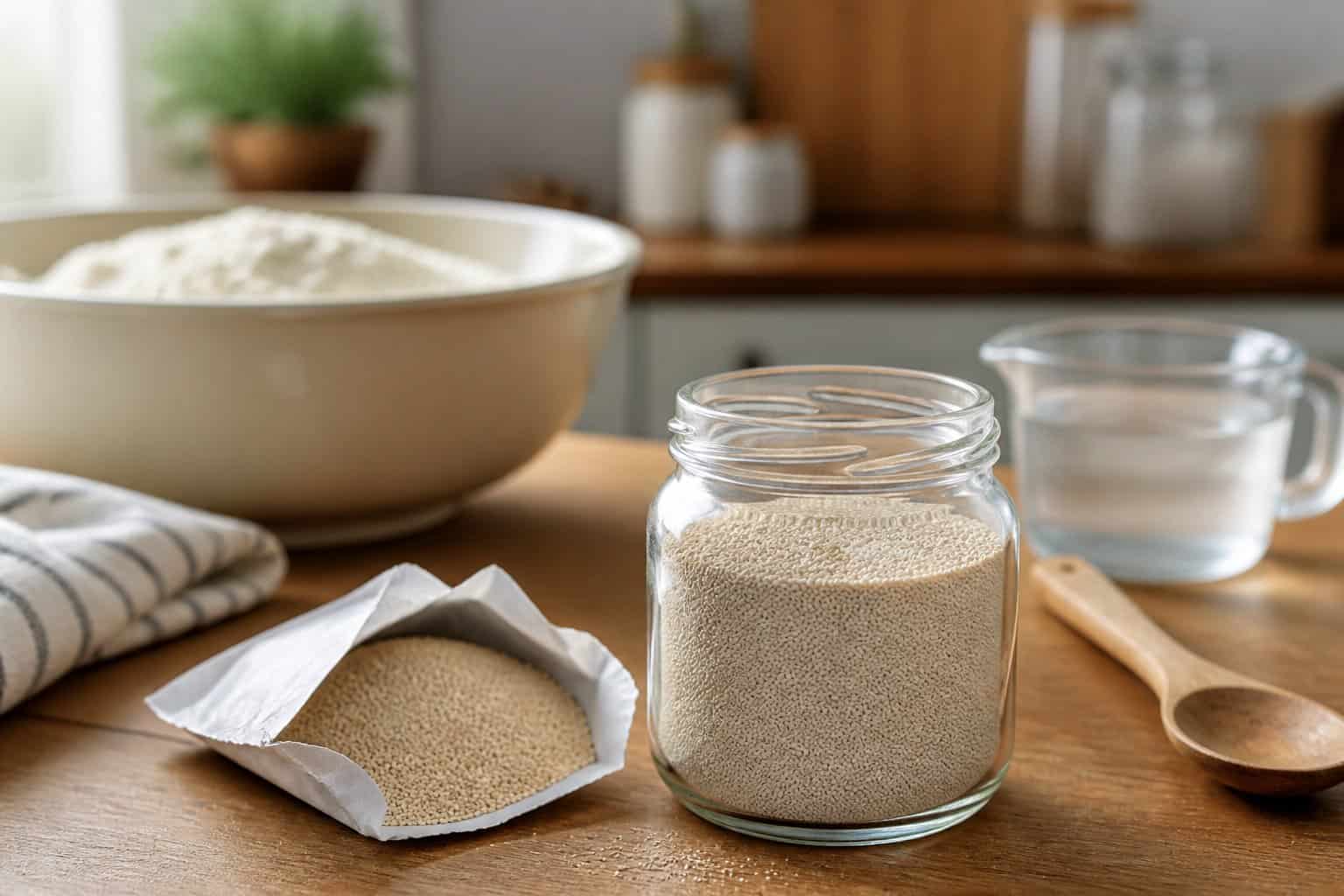
You probably remember the small packets or jars of active dry yeast tucked in the back of your family’s cupboard. It was the key ingredient for turning flour, water, and sugar into actual bread.
Fleischmann’s built its reputation on this product, and its brand became a household name for over a century. Chances are your family reached for that same familiar packaging.
Unopened, active dry yeast can last two to four years past its printed date if kept sealed. Once you opened a packet, you likely stored it in the fridge or freezer to keep it active longer.
You used it for more than loaves. Rolls, cinnamon buns, and pizza dough all depended on that small spoonful of yeast doing its job.
Before using it, you probably proofed it in warm water with a pinch of sugar, watching for that telltale foam that told you it was still alive.
17. Canned tomato soup
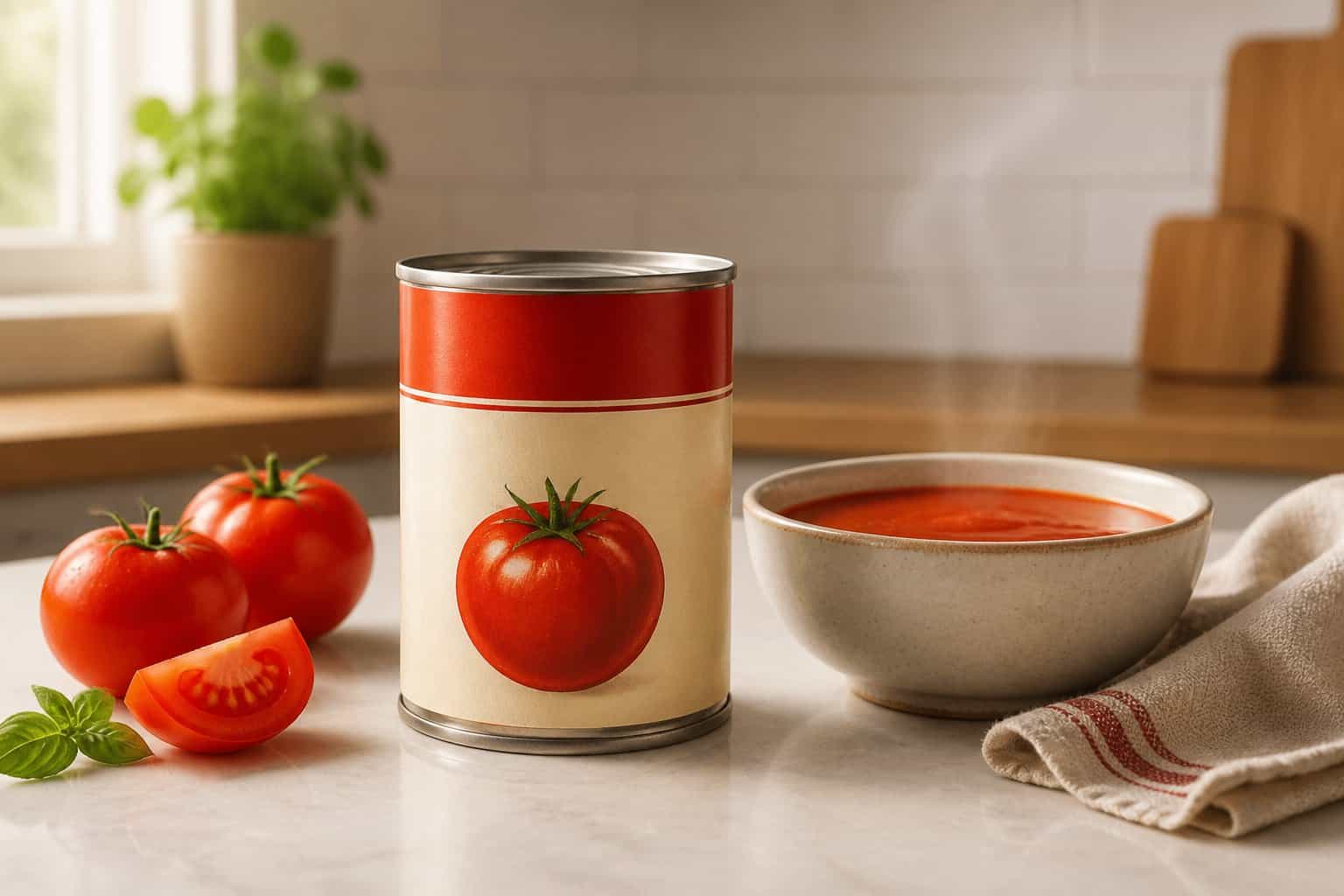
Campbell’s tomato soup has sat in American pantries since 1897, making it one of the longest-running staples in your kitchen. You likely remember it paired with a grilled cheese sandwich, a combination that became a lunchtime standard for generations.
The soup’s appeal comes from its simplicity. You just add water or milk, heat it up, and you have a meal in minutes. This made it a reliable choice during busy weeknights or tight budgets.
Beyond eating it as soup, you probably used it in casseroles and sauces. Many mid-century recipes called for a can of tomato soup as a base ingredient, adding both flavor and moisture without extra prep work.
Its long shelf life meant you could always keep a few cans on hand for whenever you needed a quick, warm meal without a grocery run.
18. Canned green beans
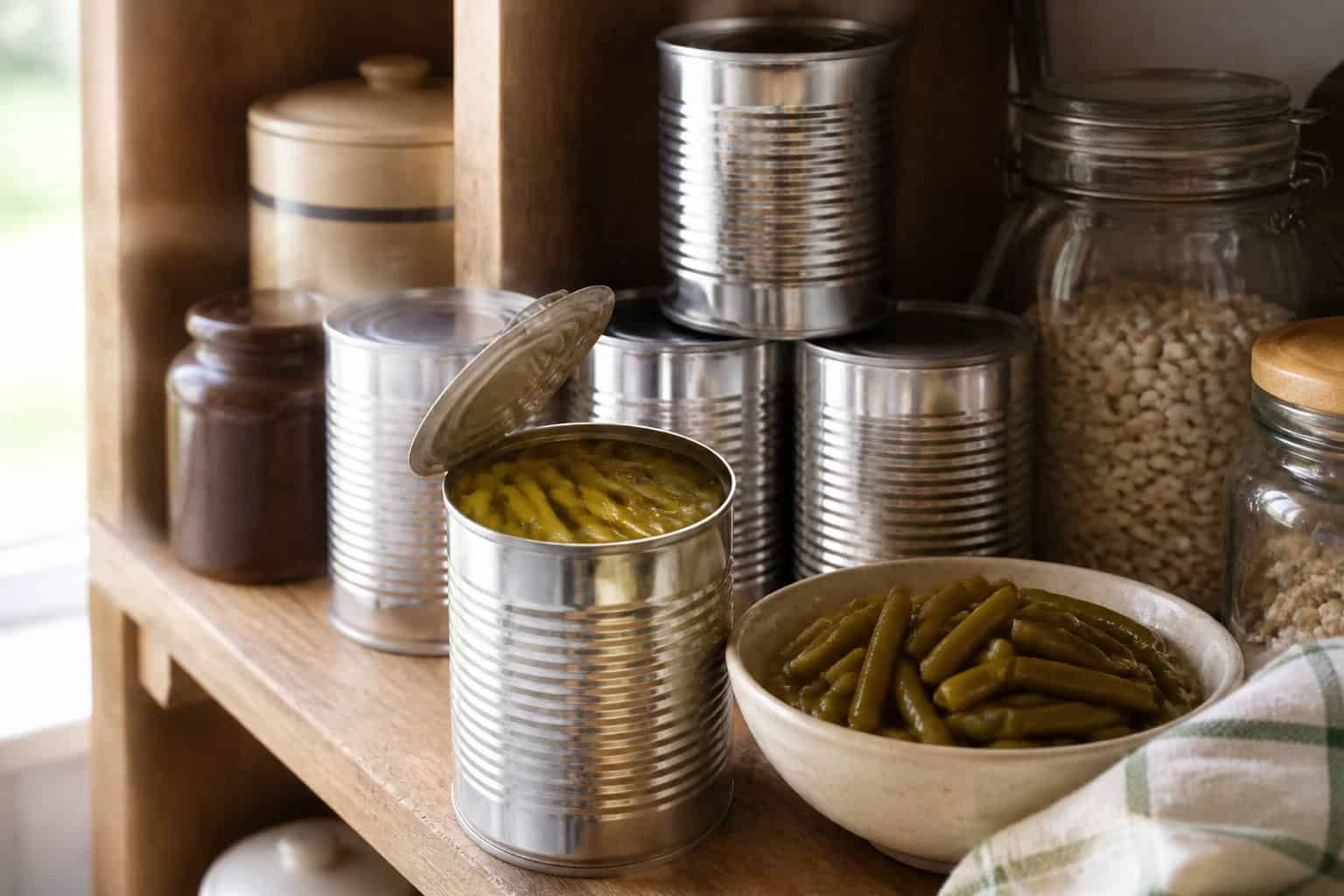
You probably remember the classic green bean casserole showing up at nearly every holiday dinner. That recipe, built around canned green beans, condensed cream of mushroom soup, and fried onions, became a fixture in American kitchens after Campbell’s introduced it in 1955.
Canned green beans offered a shortcut when fresh produce wasn’t always available or affordable year-round. You could stock several cans without worrying about spoilage, which made meal planning easier for busy households.
They also worked as a simple side dish on their own. A quick heat on the stove with butter, salt, and pepper was often all it took.
For many families, having a few cans of green beans in the pantry meant a vegetable was always within reach, even on nights when grocery shopping wasn’t an option.
19. Canned corn
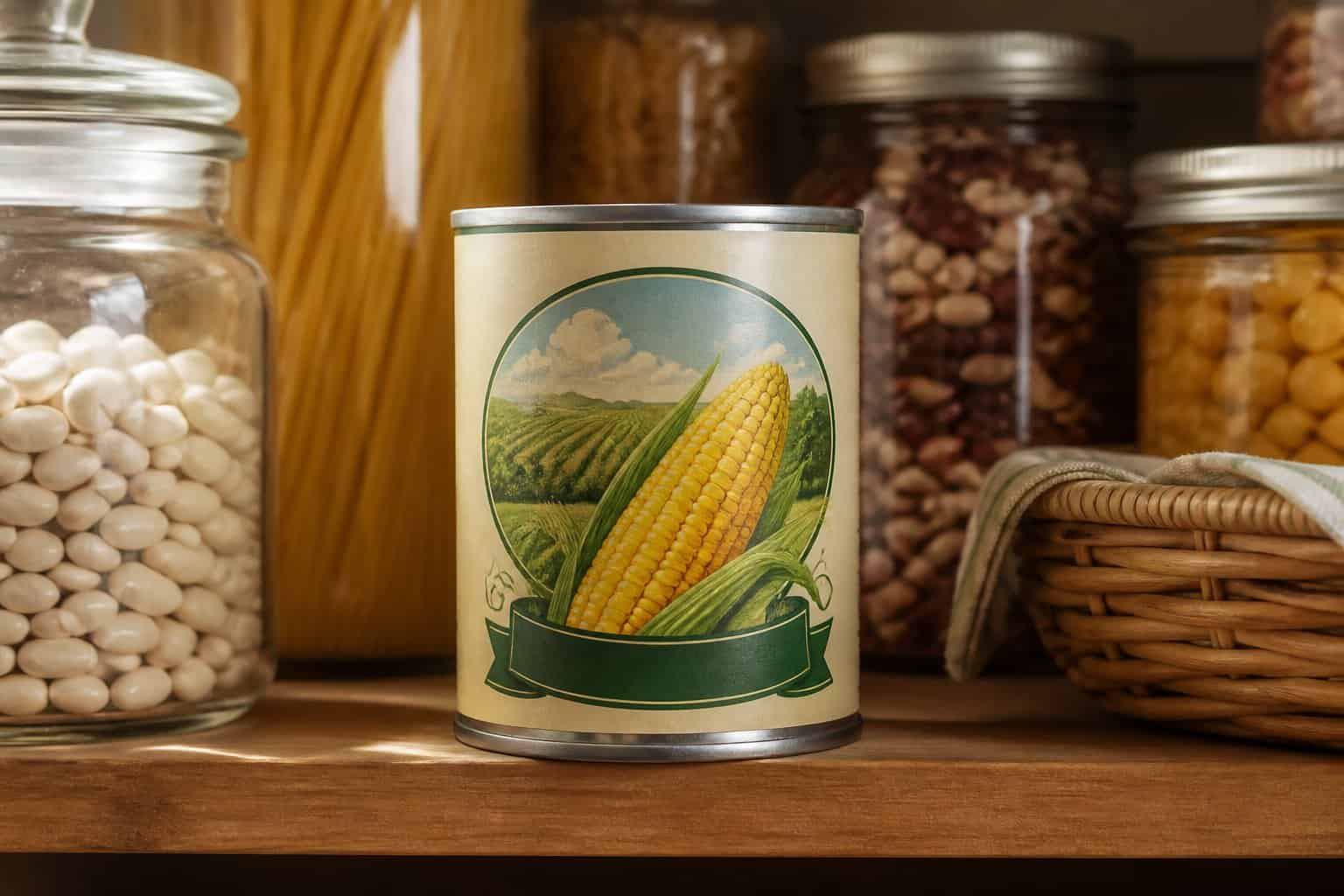
Canned corn was a fixture in your kitchen because it worked with almost any meal. You could serve it as a simple side dish, toss it into soups, or mix it into casseroles without much effort.
Whole kernel and creamed corn were the two main types you would find on shelves. Creamed corn had a thicker, sweeter texture, while whole kernel corn kept its shape and worked better in mixed dishes.
Unlike fresh corn, the canned version didn’t depend on the growing season. You could buy it any time of year, which made meal planning easier during the winter months.
It also required no preparation beyond heating. That convenience made it a practical choice for weeknight dinners when time was limited.
Canned corn stayed in your pantry rotation for decades because it was affordable, reliable, and paired well with meat, potatoes, and other vegetables you already had on hand.
20. Canned peas
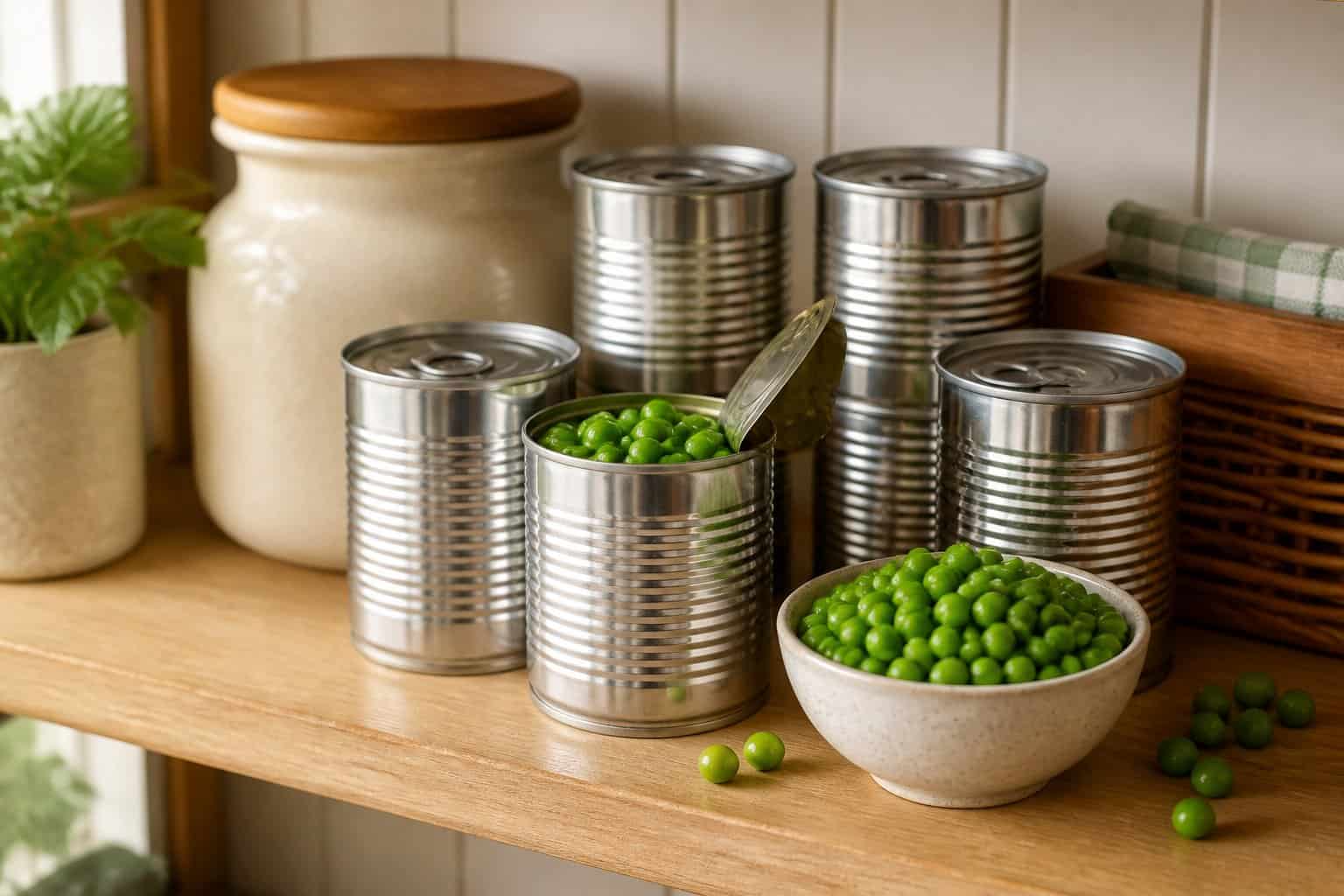
You probably remember the small, olive-green cans sitting on the pantry shelf, ready for a quick side dish. Canned peas were a fixture in American kitchens for most of the twentieth century, prized for their long shelf life and minimal prep.
You’d drain them, heat them with a bit of butter, and dinner had a vegetable. That simplicity made them a weeknight staple, especially when fresh produce wasn’t always available or affordable.
Their soft texture and mild flavor set them apart from frozen or fresh peas. You either accepted that difference or avoided them altogether, but they still found their way into casseroles, pot pies, and side dishes across the country.
Even now, you can find canned peas in most grocery stores. They remain a budget-friendly option for anyone who values convenience over the bite of fresher alternatives.
21. Canned kidney beans
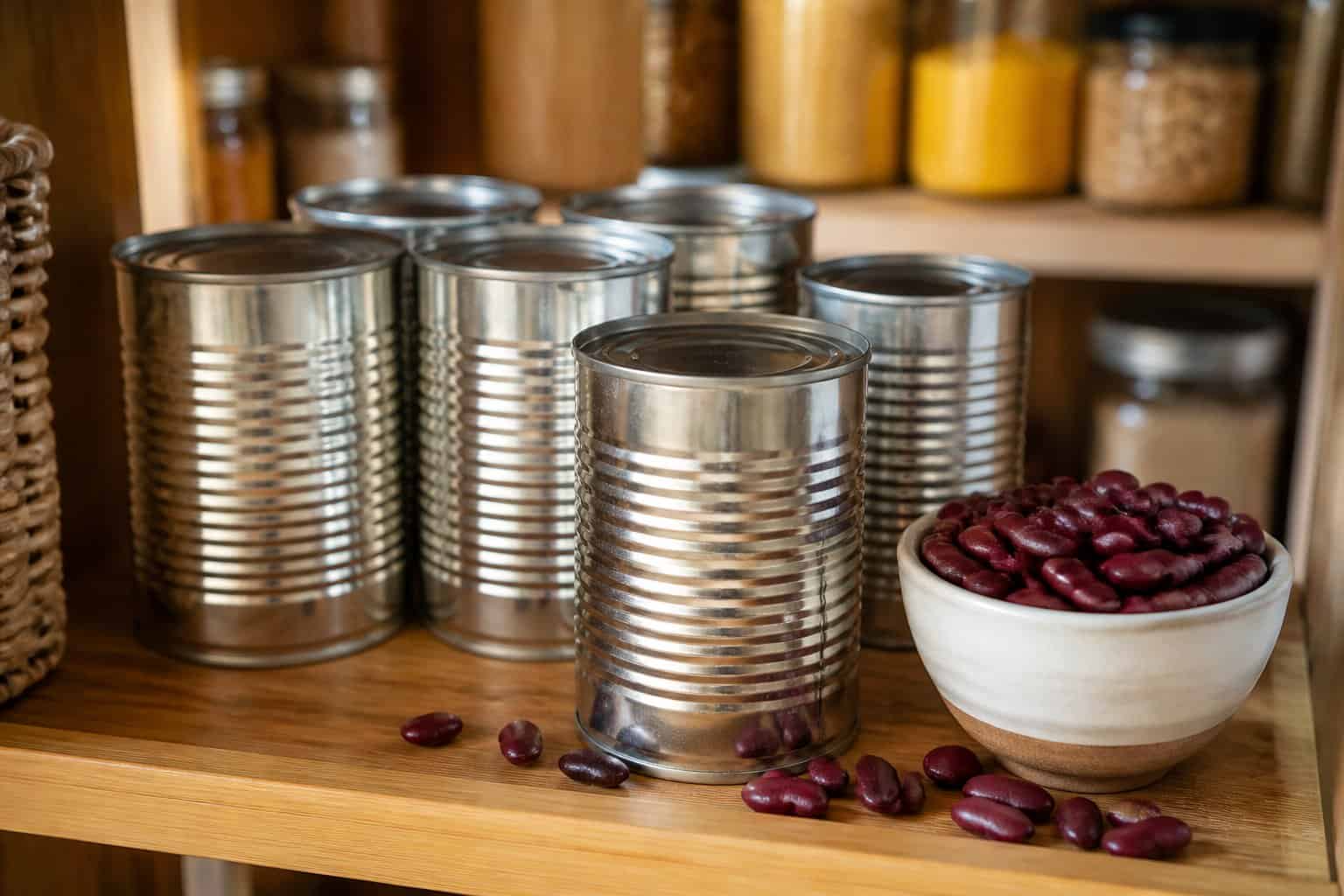
You probably remember kidney beans showing up in chili more often than anywhere else. Their firm texture holds up well during long simmering, which made them a natural match for ground beef, tomatoes, and spices.
You may have also seen them in three-bean salad, a common side dish at potlucks and summer cookouts. Their dark red color and slightly sweet flavor helped balance the sharper taste of vinegar-based dressings.
Kidney beans give you a good source of protein and fiber without any prep work beyond opening the can. That convenience made them a reliable pantry item when you needed to stretch a meal or add bulk to a recipe quickly.
Because they hold their shape after cooking, you could count on them for stews and casseroles too. They stayed useful even when fresh produce or meat wasn’t available in your kitchen.
22. Canned baked beans
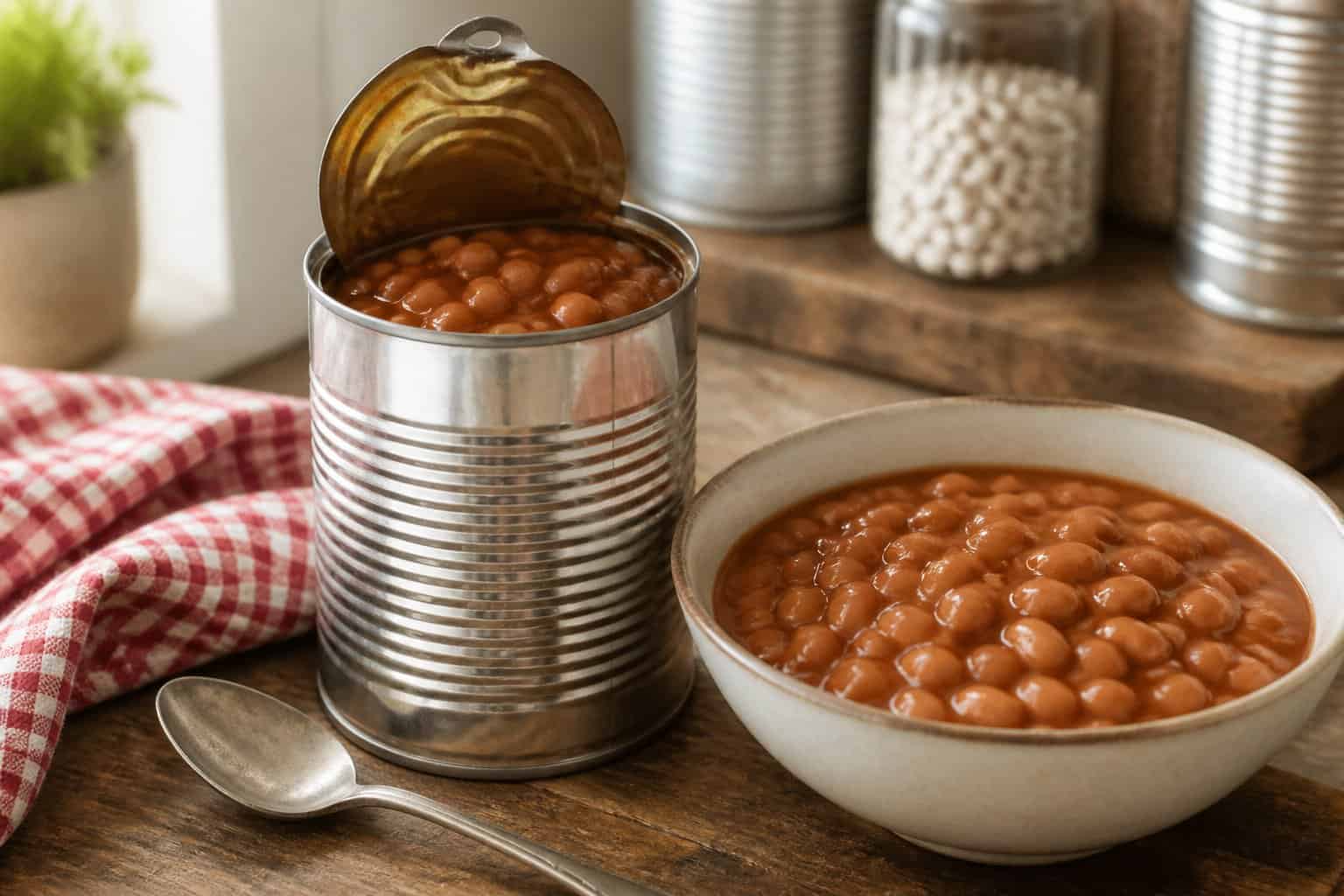
You probably remember a can of baked beans sitting in your family’s pantry, ready for a quick side dish or a simple meal. Heinz began commercial canning of baked beans in 1895, building on a dish that Indigenous peoples in the Northeast had been preparing long before canning existed.
The sauce is what defines the product for you. Most versions use a slightly sweet tomato-based sauce, though some brands lean savory instead.
You didn’t need to bake anything at home to get that slow-cooked flavor. Canned versions rely on a steam process rather than actual baking, which let you serve a hearty dish in minutes.
Van Camp’s became one of the most recognized names in your pantry, offering beans stewed in a seasoned sauce that paired easily with hot dogs, cornbread, or barbecue. This convenience made baked beans a practical choice for busy weeknights and casual gatherings alike.
23. Canned tuna
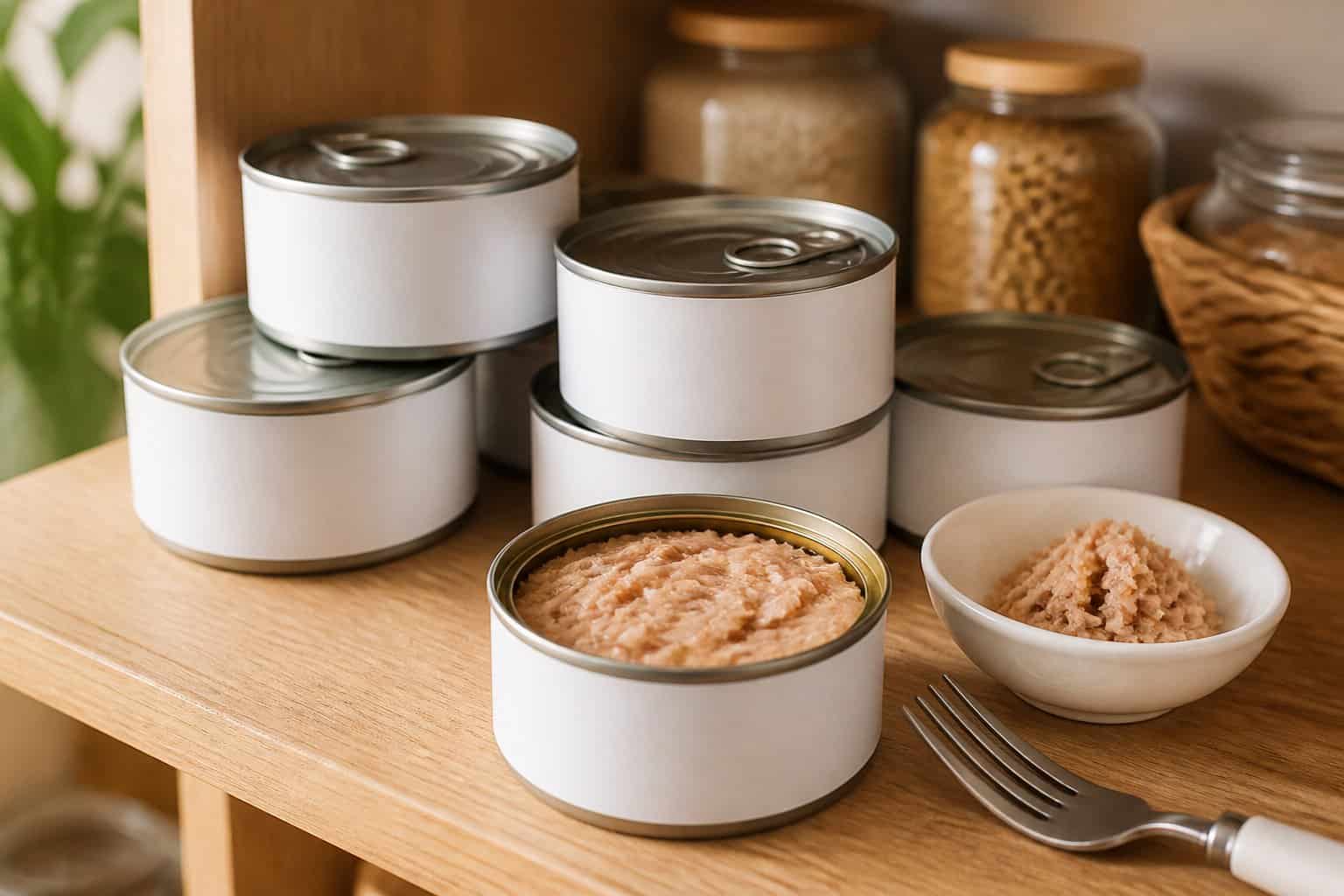
Canned tuna sat in your pantry as a dependable protein source that required no refrigeration and almost no preparation. You could open a can, add mayonnaise, and have a sandwich filling in under five minutes.
Tuna salad became a lunchtime standard in many households, often paired with celery, pickles, or hard-boiled eggs. It also formed the base for tuna casserole, a dish that combined canned tuna with noodles, canned soup, and sometimes canned vegetables.
The convenience factor made canned tuna especially useful on busy weeknights or during Lent, when many families avoided meat on Fridays. It gave you a way to serve a filling meal without much cooking time or cleanup.
Compared to fresh fish, canned tuna offered a longer shelf life and a lower price point. That combination kept it in steady rotation in your kitchen for decades, regardless of the season or your grocery budget.
24. Canned chicken
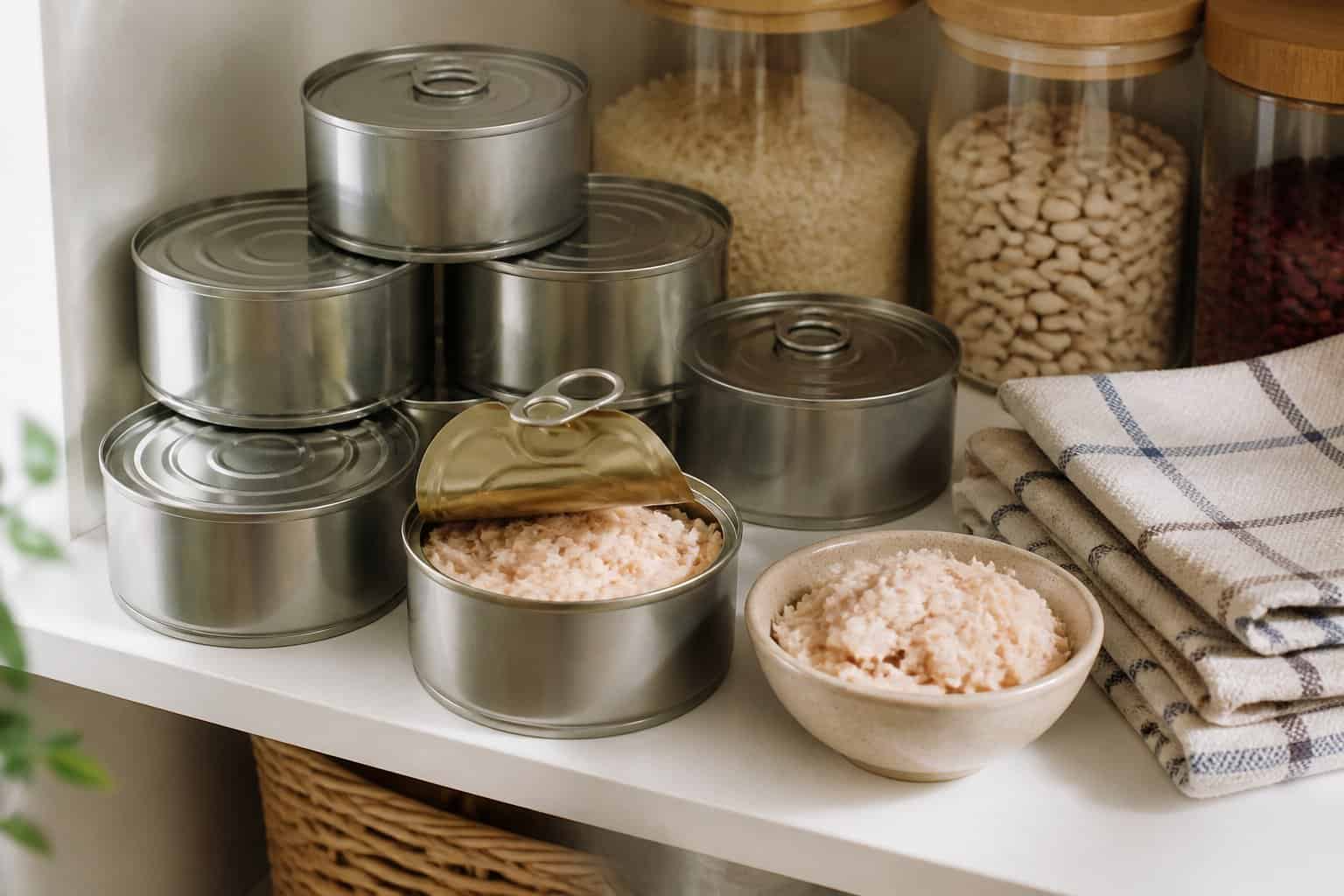
Canned chicken sat in nearly every pantry for a simple reason: it lasted years without refrigeration. You could open a can and have cooked, ready-to-eat meat in seconds, no thawing or roasting required.
Whole canned chicken was especially common in the mid-20th century. Some brands packed an entire bird into a single can, bones removed, ready to shred for casseroles or sandwiches.
You likely used it for chicken salad, pot pie filling, or a quick addition to soup. It worked well when fresh chicken wasn’t affordable or available, particularly during rationing periods and in rural areas far from grocery stores.
The texture differs from fresh chicken, softer and more uniform, but that never stopped families from relying on it. Even today, you can still find canned chicken on store shelves, though it no longer holds the central place it once did in weekly meal planning.
25. Peanut butter
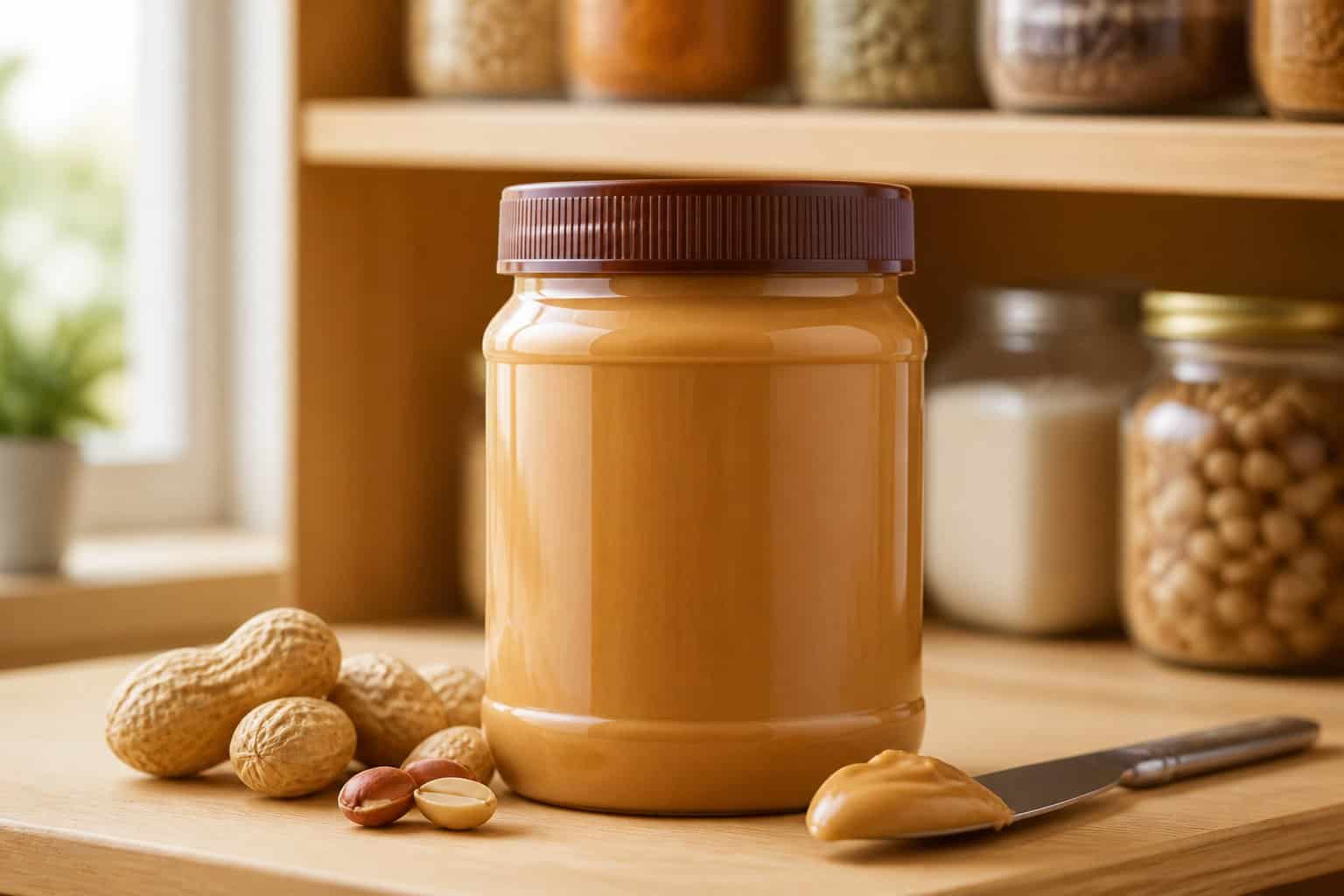
You probably remember a jar of peanut butter sitting in your pantry, ready for lunches or a quick snack. It became a household staple by the 1950s, especially as families packed sandwiches for kids during the post-war baby boom.
Part of its appeal was practicality. Peanut butter didn’t need refrigeration, it stayed fresh for months, and it gave you an easy source of protein without much preparation.
Brands and formulas varied over the decades, but the basic role stayed the same in your kitchen: a dependable spread for bread, crackers, or celery. You could count on it when other foods ran low.
In more recent years, allergy concerns have changed how you think about peanut butter, especially around schools. Even so, it remains one of the most recognizable items you’d expect to find in an American pantry.
26. Strawberry jam
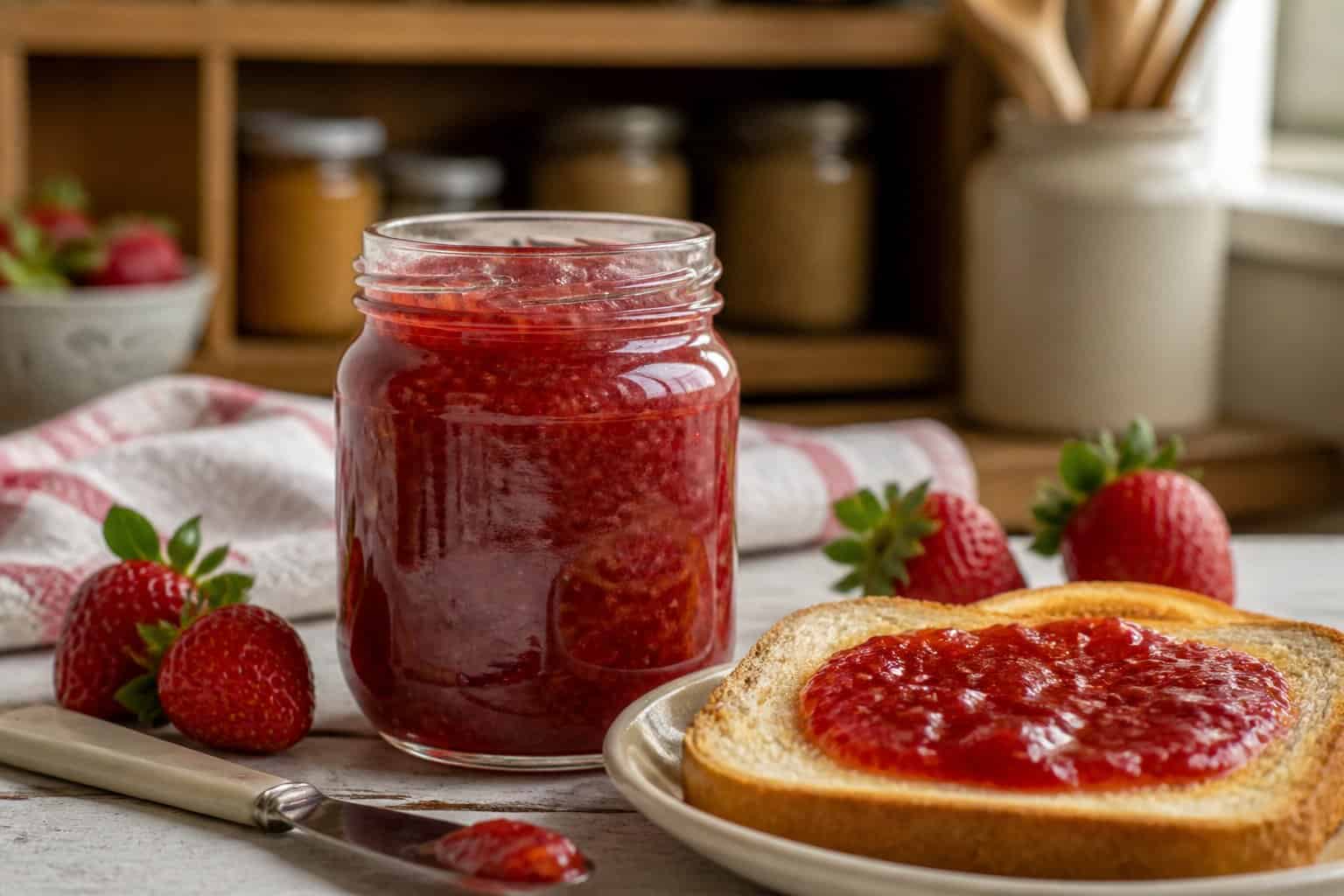
You probably remember a jar of strawberry jam sitting in your fridge door or pantry shelf. Smucker’s was often the brand of choice, and it’s been a fixture in American households for more than a century.
The appeal was simple. It paired with peanut butter for sandwiches, worked as a topping for toast, and filled thumbprint cookies during the holidays.
You didn’t need much to make a meal feel complete. A spoonful on biscuits or stirred into oatmeal did the job.
Unlike fresher produce, jam had staying power. It sat unopened for months and still tasted right when you finally cracked the lid.
For many families, it wasn’t fancy or expensive, but it was reliable. That consistency is exactly why it earned a permanent spot in your kitchen.
27. Apple butter
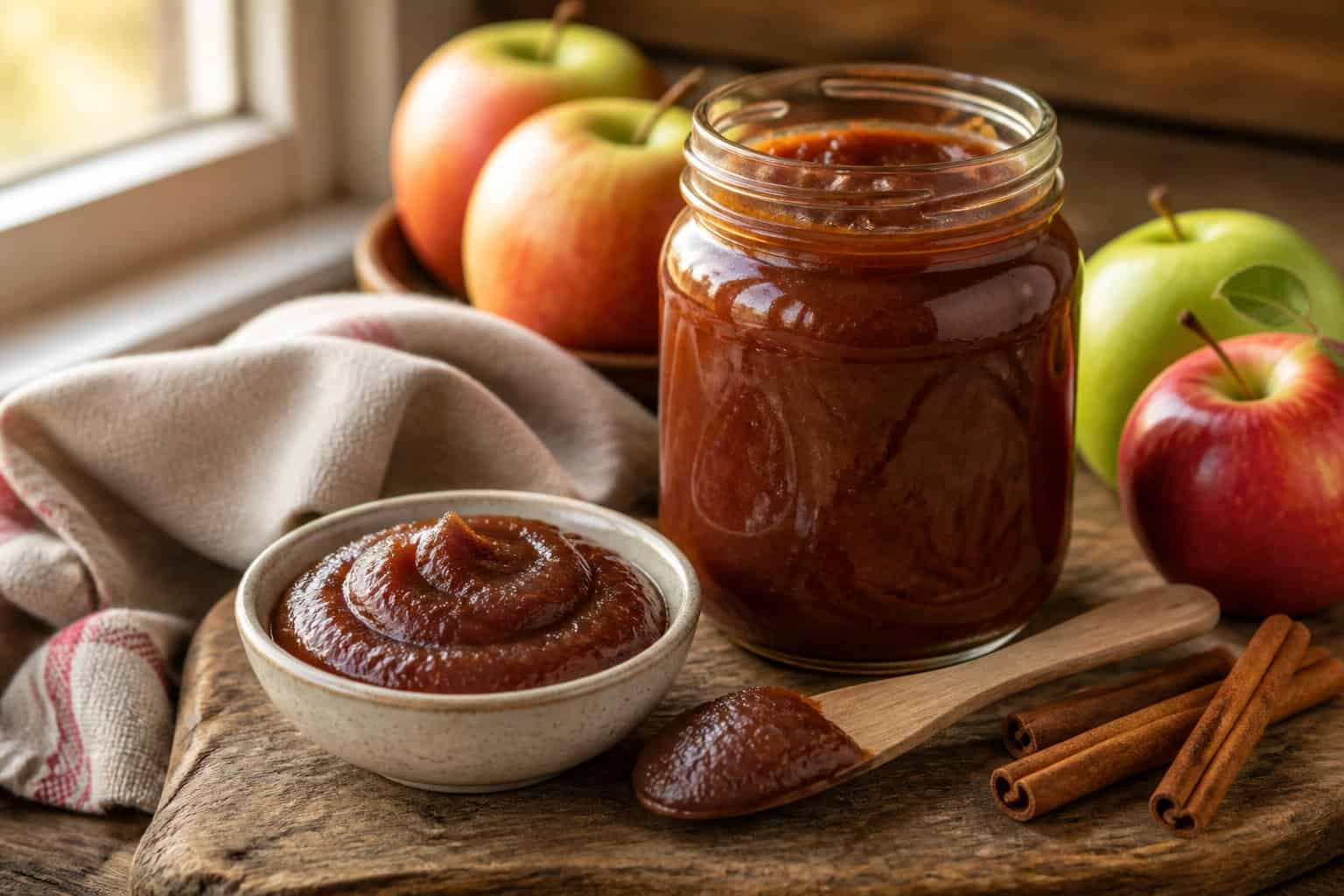
Apple butter has been part of American kitchens since the late 1600s. You make it by cooking apples slowly with apple juice or water until the natural sugars caramelize, producing a thick, deep brown spread.
Unlike apple sauce, apple butter contains no added dairy butter. The name refers to its smooth, spreadable texture rather than any dairy content.
Pennsylvania Dutch communities helped establish apple butter as a regional staple, and brands like Musselman’s still produce it there today with cinnamon and cloves added. Making it traditionally required an entire day, with family members taking turns stirring and watching the pot.
You’d typically find apple butter on toast, biscuits, or used as a filling in baked goods. In Appalachian and Midwestern households, it served practical purposes beyond flavor. It helped preserve surplus apples for use throughout the winter months when fresh fruit wasn’t available.
28. Crisco shortening
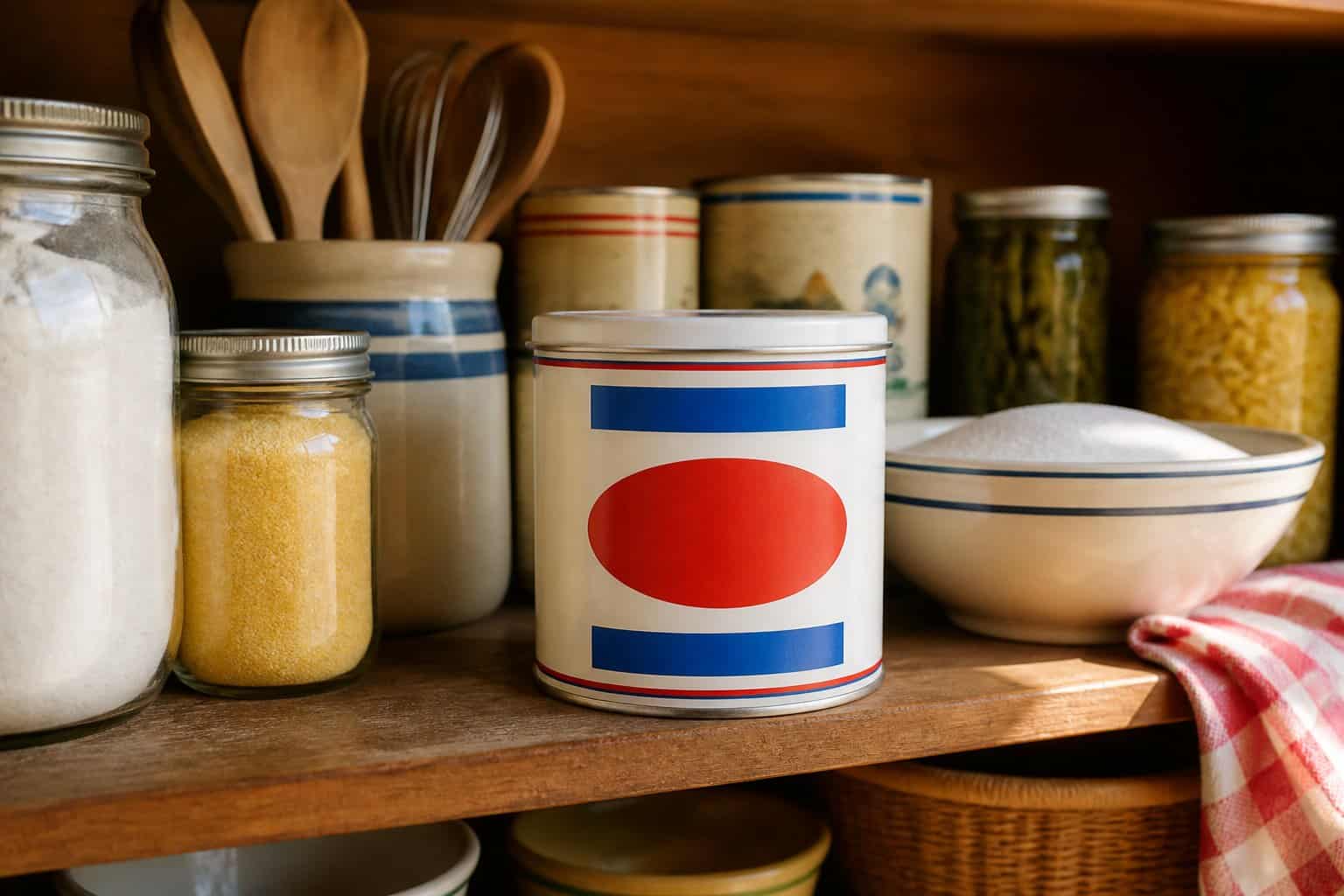
Crisco arrived in 1911 as the first shortening made entirely from vegetable oil, using hydrogenated cottonseed oil instead of animal fat. Procter & Gamble developed it partly to find a reliable use for cottonseed byproducts, and the timing worked in its favor.
You would have found it marketed as cleaner and more modern than lard, which dominated American kitchens at the time. The pitch worked. Within five years, families were buying more than 60 million cans annually, roughly three cans per household nationwide.
By the early 1940s, vegetable shortening had become one of the top-selling food categories in the country, with Crisco consistently leading sales. You used it for pie crusts, fried foods, and cakes that needed a specific texture butter couldn’t replicate.
It stayed in pantries for generations before health concerns about trans fats eventually reshaped its formula and reputation.
29. Vegetable oil
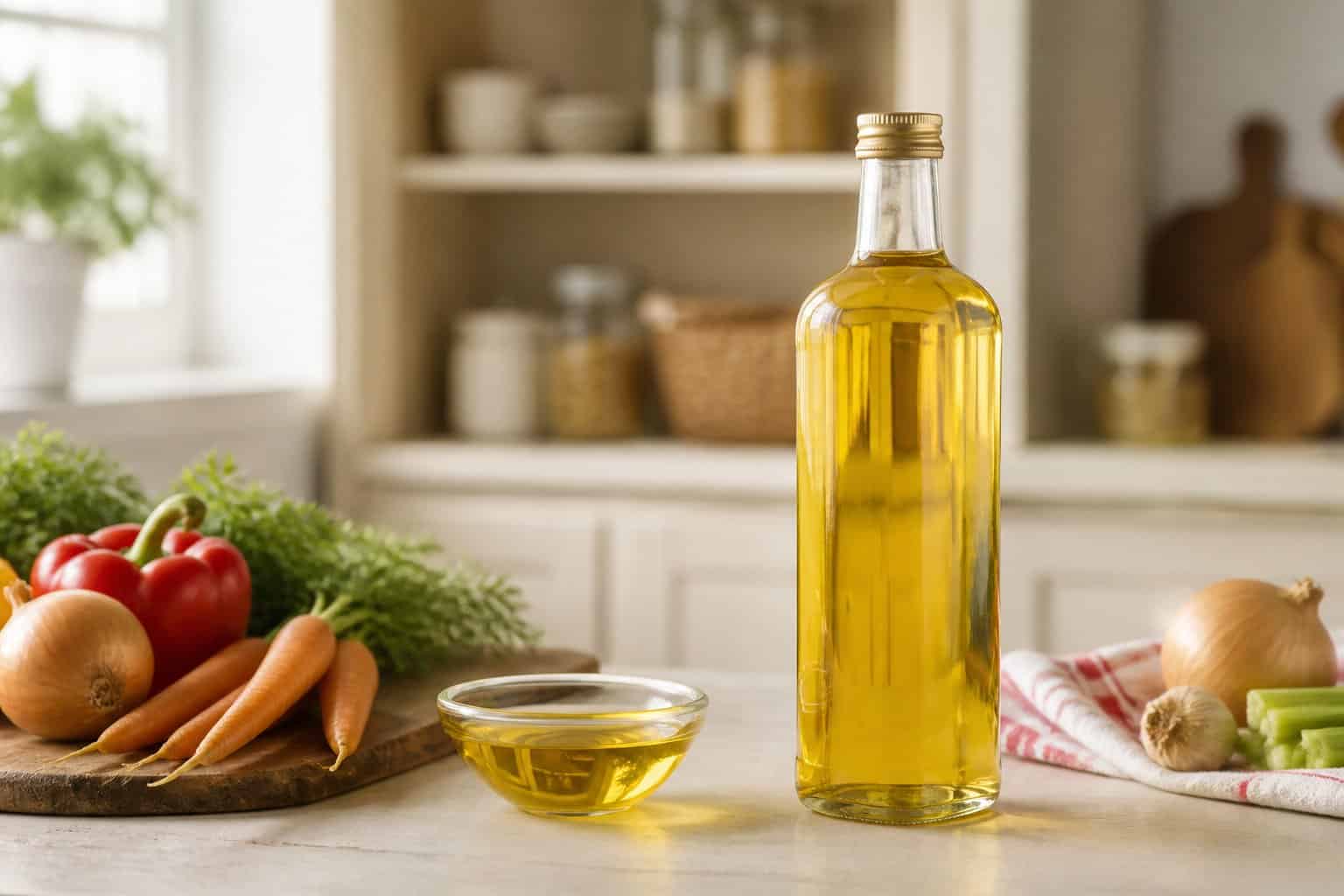
Vegetable oil replaced lard and butter in your kitchen sometime in the mid-20th century, and it never left. You reached for it because it was cheap, neutral in flavor, and worked for nearly everything from frying to baking.
Before this shift, animal fats and a handful of specialty oils dominated American cooking. Industrial processing changed that, making seed oils like soybean, corn, and canola widely available and affordable by the 1950s and 1960s.
You likely kept a bottle on hand for practical reasons. It has a long shelf life, doesn’t require refrigeration, and handles high heat without breaking down quickly.
Vegetable oil also shows up in store-bought baked goods, salad dressings, and packaged snacks, so your reliance on it extended beyond direct cooking. Even now, it remains one of the most common items in your pantry, whether you buy the generic blend or a specific type like canola or sunflower oil.
30. White vinegar
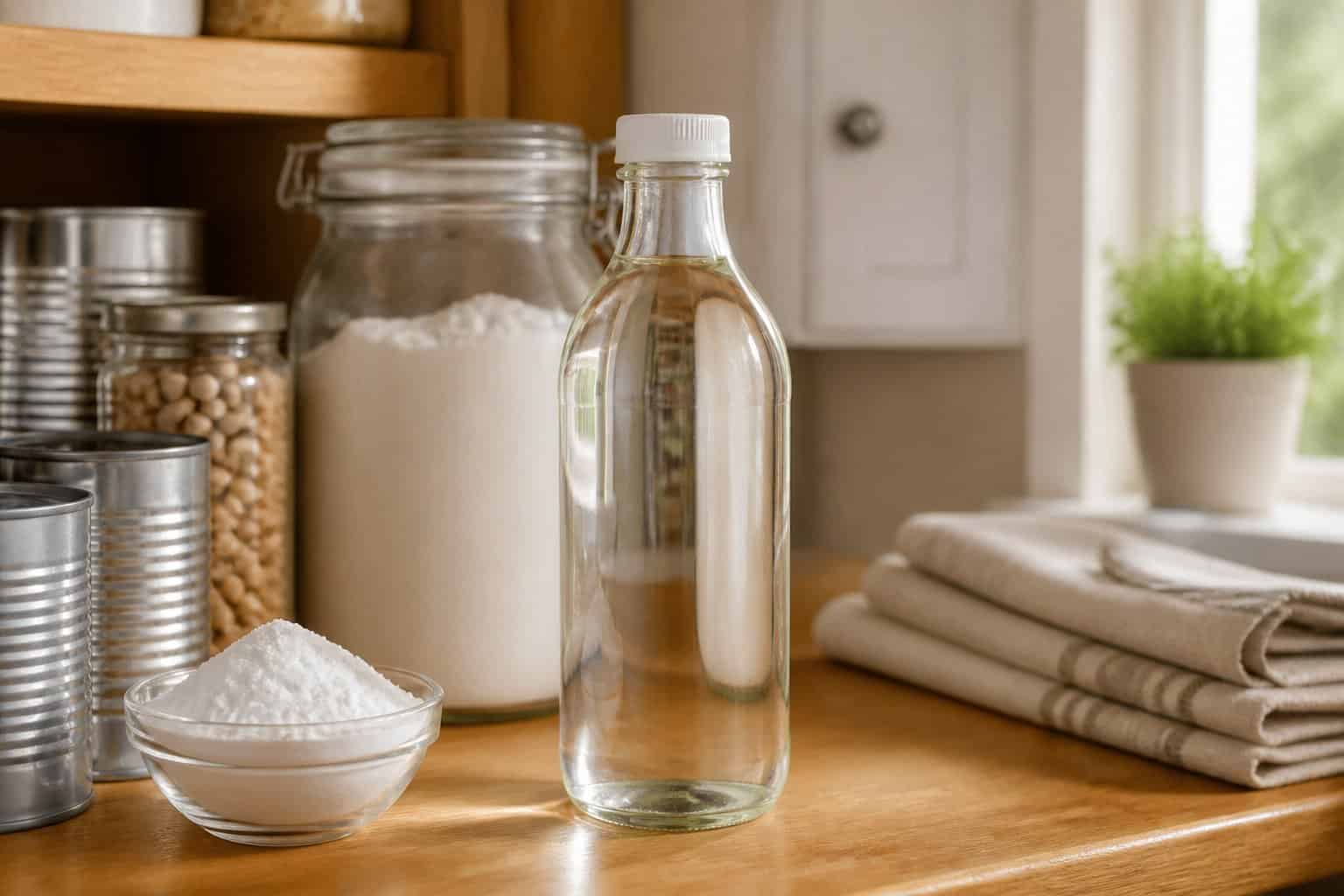
You probably had a gallon jug of white vinegar somewhere in your pantry, likely near the cleaning supplies rather than the cooking oils. It cost only a few cents and did far more work than its price suggested.
You used it for pickling vegetables, cutting the grease in salad dressings, and preserving foods before refrigeration became common. A splash also brightened soups and sauces without adding real flavor of its own.
Beyond cooking, you relied on it to clean glass, deodorize drains, and remove hard water stains. Many households kept it as a laundry booster to soften fabric and reduce odors.
Its acidity made it useful as a natural disinfectant long before specialized cleaning products existed. You didn’t need instructions—everyone just knew a bottle of white vinegar handled dozens of small household problems at once.
How Pantry Staples Became Household Mainstays
Pantry staples earned their place in American kitchens through a combination of economic necessity, technological innovation, and effective marketing. Understanding these factors helps you see why certain foods became fixtures while others faded away.
Convenience, Cost, And Shelf Life
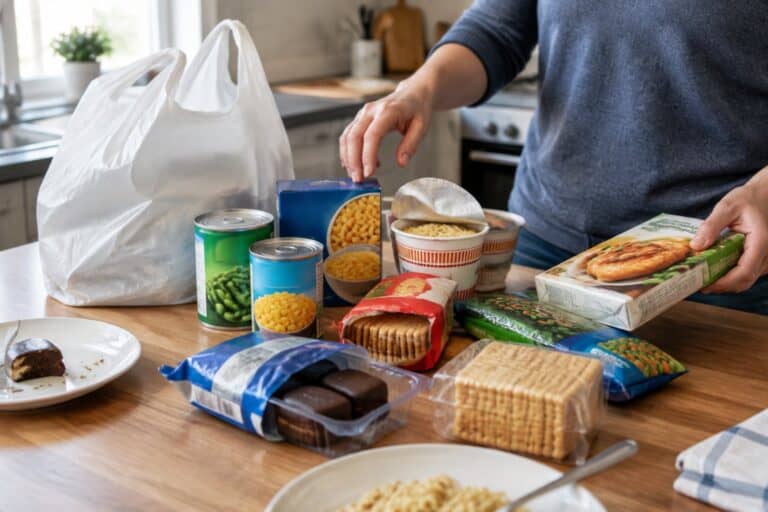
You can trace the rise of pantry staples directly to three practical factors: price, storage, and ease of use. Canned vegetables, dried beans, and boxed pasta cost less per serving than fresh alternatives, especially before widespread refrigeration made perishables easier to keep.
Shelf-stable foods also solved a logistical problem. Without a refrigerator in every home until the mid-20th century, you needed ingredients that wouldn’t spoil between shopping trips.
Products like:
- Powdered milk
- Canned soup
- White rice
- All-purpose flour
lasted for months, sometimes years, without special storage conditions. That reliability made them a default choice for budget-conscious households managing unpredictable food supplies.
The Influence Of Wartime Rationing And Postwar Shopping
World War II changed how you would have stocked a pantry for decades afterward. Rationing programs limited access to sugar, butter, and meat, pushing families toward substitutes like margarine, powdered eggs, and canned fish.
These wartime habits didn’t disappear when rationing ended in 1946. Many households continued buying shelf-stable substitutes out of habit or because they had become accustomed to the taste and cost savings.
The postwar economic boom then introduced disposable income and new grocery formats. Supermarkets expanded rapidly between 1945 and 1960, and you gained access to a wider variety of packaged foods than any previous generation had seen.
Brand Marketing And Supermarket Expansion
Food companies capitalized on postwar prosperity by marketing convenience as a lifestyle upgrade. Brands like Campbell’s, Kraft, and General Mills invested heavily in print and television advertising, positioning their products as modern solutions for busy households.
Supermarket chains grew from roughly 24,000 stores in 1948 to over 30,000 by the early 1960s, giving you more shelf space and product variety than local grocers had previously offered. This expansion created competition among brands, which in turn drove further innovation in packaging and preservation.
Jell-O, Spam, and instant coffee became household names partly because of aggressive advertising campaigns that tied these products to convenience and modern living. You weren’t just buying food; you were buying into an idea of efficiency that matched the era’s cultural values.
Changing Pantry Habits Across Generations
Pantry habits shift as cooking methods, health information, and family traditions evolve. Your grocery list today reflects decades of change in how you shop, cook, and think about food.
From Scratch Cooking To Convenience Foods
Your grandparents built meals around raw ingredients: flour, lard, dried beans, and whatever vegetables were in season. Cooking took hours, and you learned recipes by watching someone else make them, not by reading a label.
By the 1950s and 60s, convenience foods started replacing scratch cooking in your kitchen. Canned soups, boxed cake mixes, and instant potatoes cut prep time dramatically.
Today, you likely balance both approaches. You might keep canned beans for speed but still make bread or sauces from scratch when time allows.
Health Trends And Ingredient Awareness
Your pantry choices now depend heavily on ingredient labels, something your grandparents rarely checked. You look for terms like “low sodium,” “organic,” or “non-GMO” before buying.
Fat became a target in the 1980s and 90s, pushing you toward low-fat versions of crackers, dairy, and snacks. More recently, your focus has shifted toward sugar content and processed ingredients instead.
You’re also more likely to stock alternative flours, plant-based proteins, and fermented foods like kimchi or kombucha. These weren’t part of a typical American pantry 40 years ago.
Awareness of allergies and dietary restrictions plays a bigger role in your shopping too. Gluten-free, dairy-free, and keto-friendly products now occupy shelf space that canned meats or powdered milk once held.
Regional Traditions And Family Food Memories
Your pantry often reflects where your family came from, not just what’s trending nationally. A Southern household might keep grits and hot sauce; a Midwestern one might stock canned corn and casserole staples.
Family recipes tied to specific foods create lasting memories tied to specific brands or products. You might still buy a certain gravy mix or pickle brand simply because it appeared at every holiday meal growing up.
These traditions don’t disappear even as convenience and health trends change your habits. You may cook healthier versions of old recipes, but the memory and intent behind them stays the same.