The 30 Worst Olive Garden Dishes According to Diners
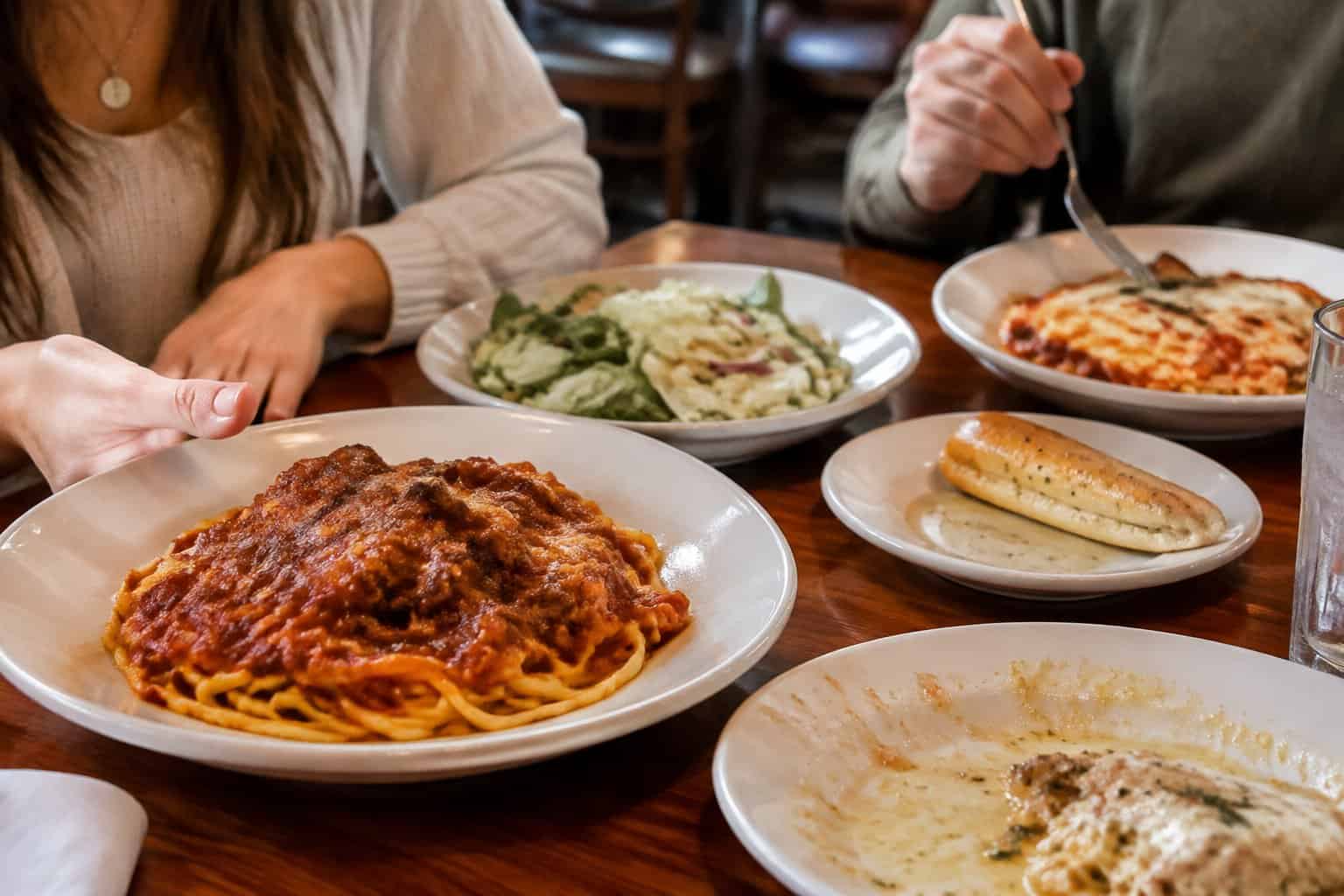
Olive Garden is one of the most popular sit-down chains in the country, and plenty of its dishes earn steady praise. But not every item on the menu holds up once you look past the photos and descriptions.
Diners have shared their honest opinions about which dishes disappoint, whether due to bland flavors, poor value, or inconsistent preparation. This article breaks down 30 dishes that customers frequently rank among the worst at Olive Garden, based on reviews and feedback. You can use this information to make better choices the next time you sit down to order. If you also grab fast food on the go, our list of the 30 worst McDonald’s menu items according to customers is worth a look too.
1. Tour of Italy
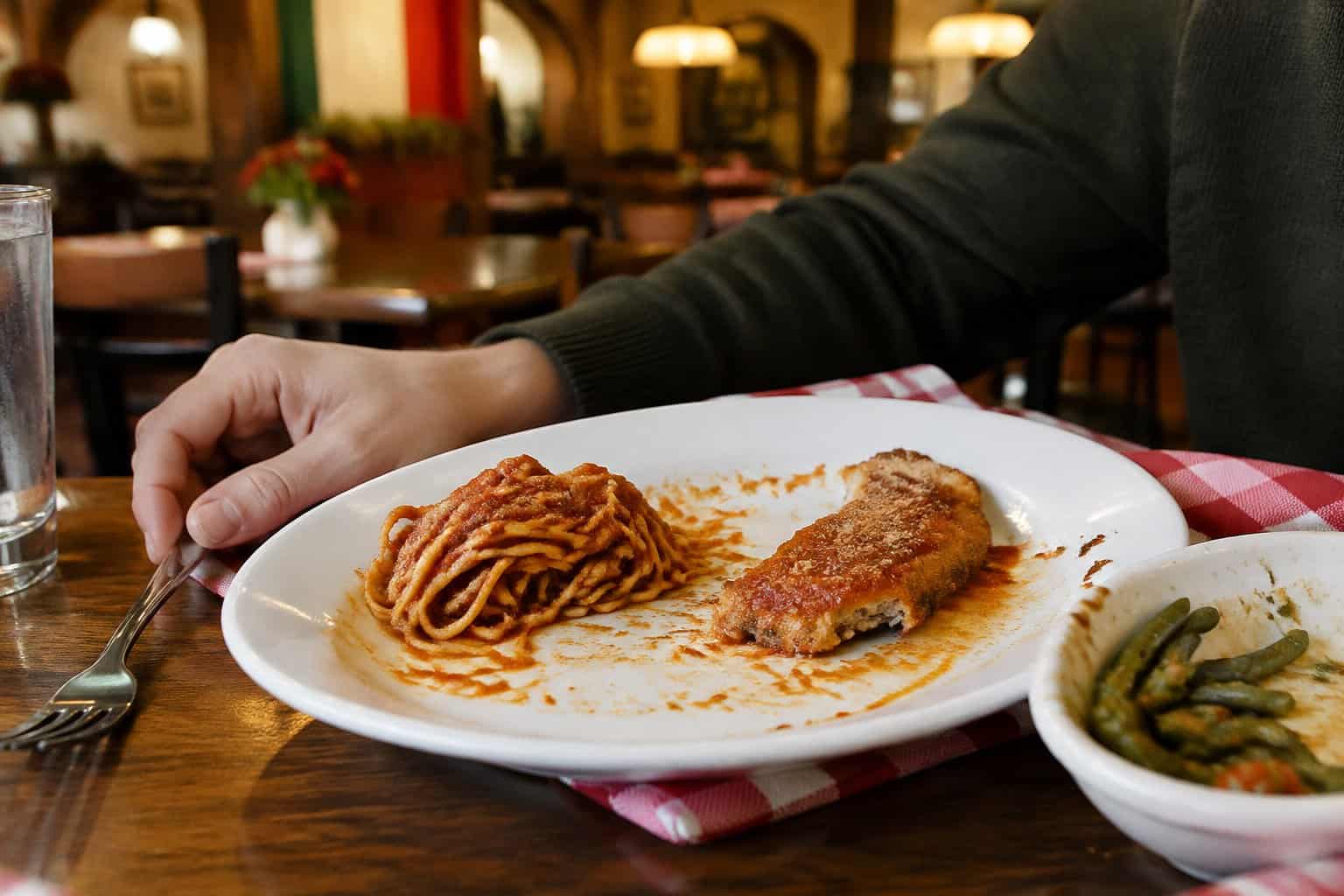
You might expect this sampler to give you the best of Olive Garden in one plate, but diners often report the opposite.
The dish combines chicken Parmigiana, lasagna Classico, and fettuccine Alfredo on a single plate. The problem is portion size. Each component is scaled down so much that you end up with small, lukewarm samples rather than a satisfying meal.
Reviewers frequently mention that the flavors blend together on the plate, with sauces running into each other and softening the breading on the chicken. The lasagna can arrive dry at the edges, while the Alfredo sauce sometimes tastes heavier and less balanced when eaten alongside two other rich dishes.
You’re also paying a premium for the convenience of trying three dishes at once, which many diners feel isn’t worth it compared to ordering one full entrée.
If you want a better experience, pick one full-size entrée instead of the sampler. You’ll get a properly portioned dish with sauce and breading that hasn’t been compromised by sitting next to other foods on a crowded plate.
2. Chicken Alfredo
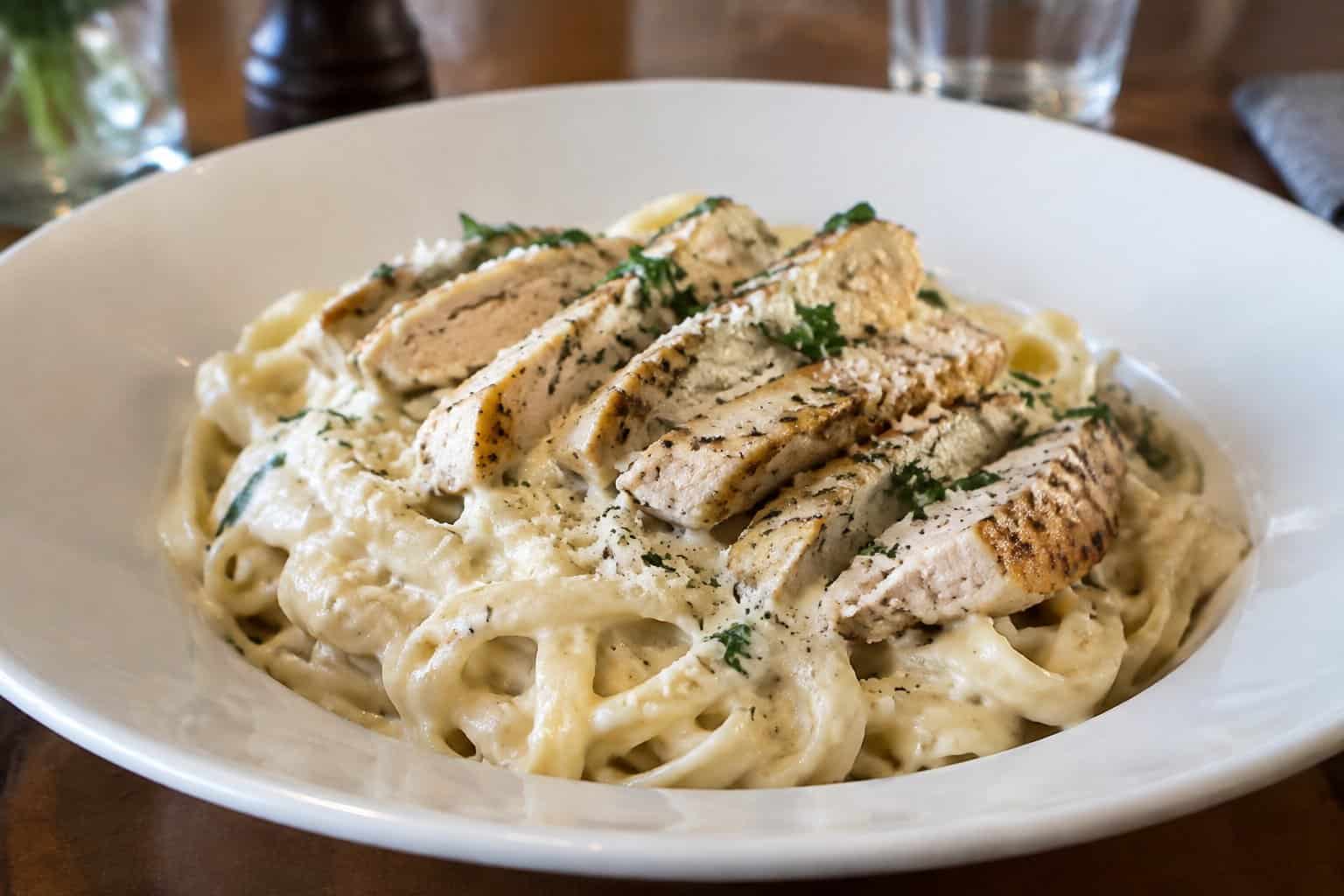
Chicken Alfredo is one of Olive Garden’s best-known dishes, but it also draws some of the most consistent criticism. Diners frequently describe the sauce as overly thick and bland, lacking the real depth of butter, cream, and parmesan that a proper Alfredo should have. Some reviewers note it tastes closer to a jarred sauce than something made fresh in-house.
Texture complaints are common too. The sauce can feel heavy and gluey rather than silky, and it tends to congeal quickly once it cools on the plate. The grilled chicken on top often gets mixed reviews as well, with some diners finding it dry or oddly bland compared to the richness of the sauce beneath it.
Nutritionally, this dish is also hard to overlook. If you check Olive Garden’s nutrition information, you’ll see it’s one of the heavier entrées on the menu, high in both calories and sodium.
If you want the flavor without the heaviness, consider splitting it with someone at your table, or choose a grilled chicken dish with vegetables instead.
3. Five Cheese Ziti al Forno
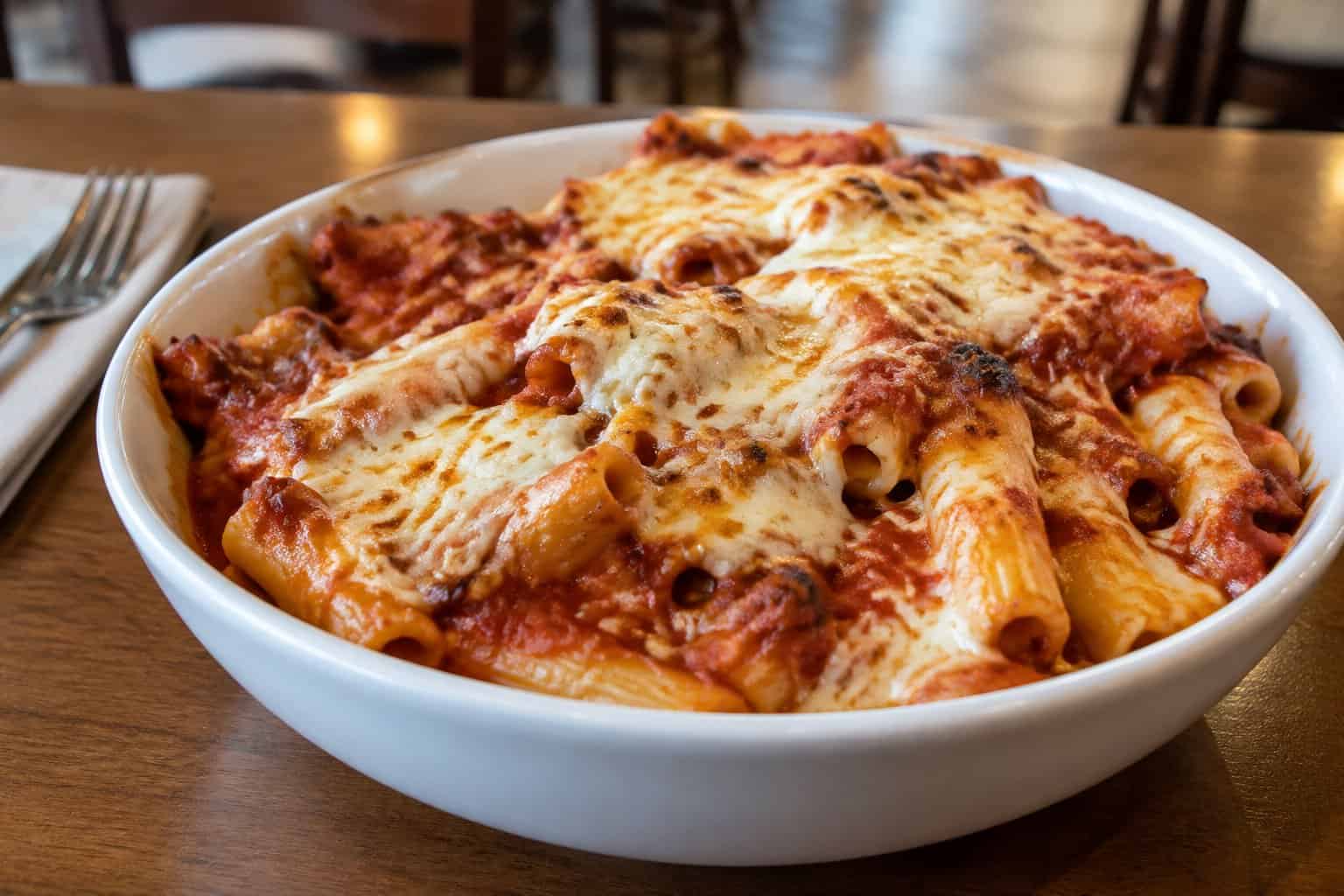
This baked pasta dish gets mixed reactions, and you should know why before ordering it. Many diners find the blend of cheeses overwhelming rather than balanced. Instead of distinct flavors, you often end up with a dense, one-note cheesiness that masks the sauce underneath.
Texture is another common complaint. You might notice the ziti itself can turn mushy after baking. The toasted breadcrumb topping, meant to add crunch, sometimes arrives soggy instead of crisp.
Portion consistency is an issue too. Some diners report receiving a dish that’s mostly pasta with minimal cheese blend or sauce, making it feel more like plain baked ziti than the five-cheese version advertised.
If you want a cheesy pasta without these drawbacks, try a simpler pasta with marinara and add a protein instead. The sauce won’t get lost under a heavy layer of cheese, and there’s no baked topping to go soggy.
4. Chicken Parmigiana
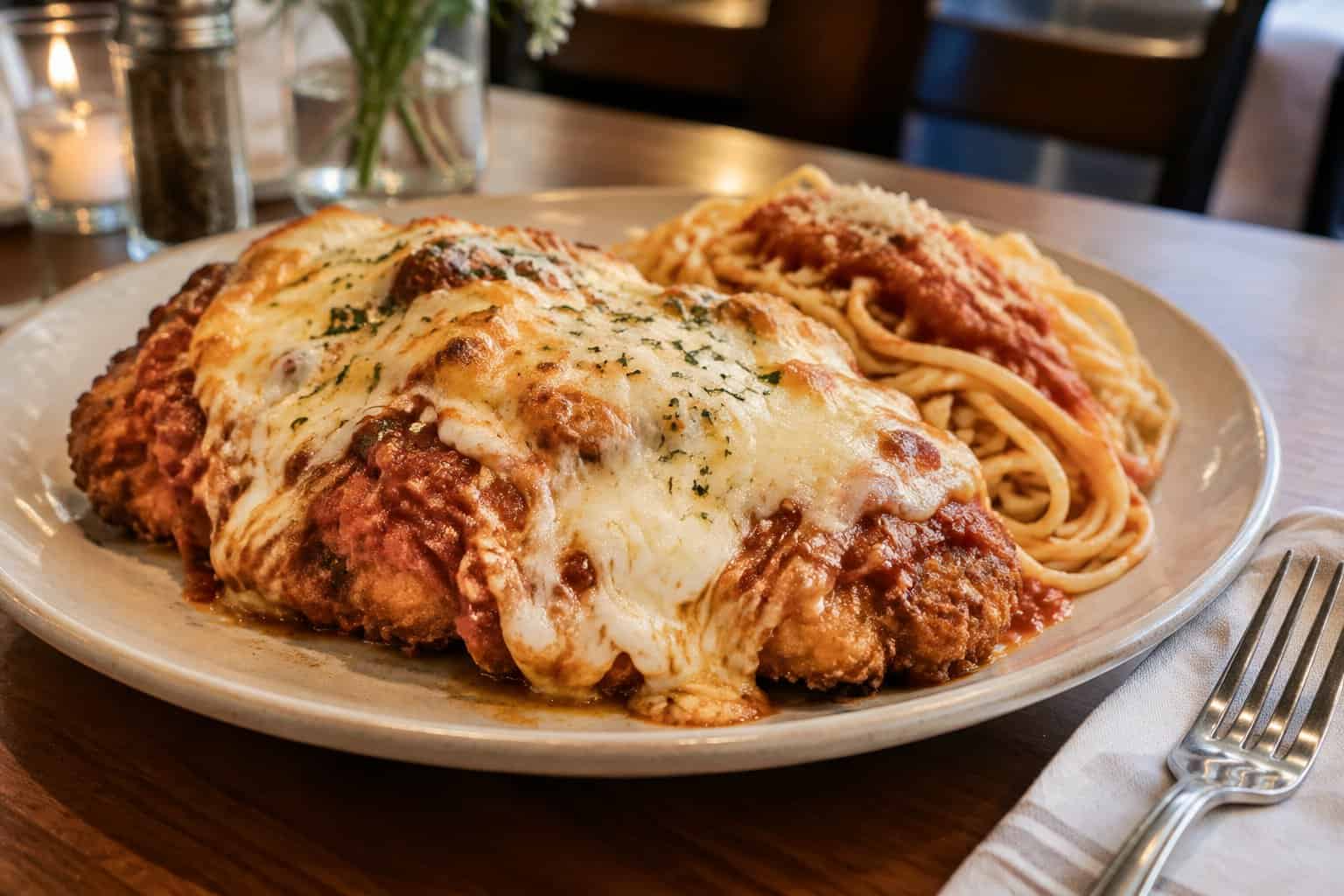
Chicken Parmigiana is one of Olive Garden’s most recognizable entrees, but it consistently draws criticism from diners who expect more from a signature dish.
Your biggest complaint is likely to be the chicken itself. Many reviewers describe the cutlet as dry, with a breading that lacks the crispness you’d expect from a properly fried piece of chicken. Instead of a crunchy exterior, you often get a soggy or soft coating that fails to hold up under the sauce.
The marinara and cheese combination doesn’t always help matters either. You may find the sauce overcooked or thin, and it doesn’t do enough to balance out the dryness of the meat. The pasta served alongside it tends to be overdone too, adding to the sense that the dish feels rushed rather than carefully prepared.
If you want chicken with fewer texture complaints, consider a grilled chicken option instead, since there’s no breading to go soggy under the sauce.
5. Lasagna Classico
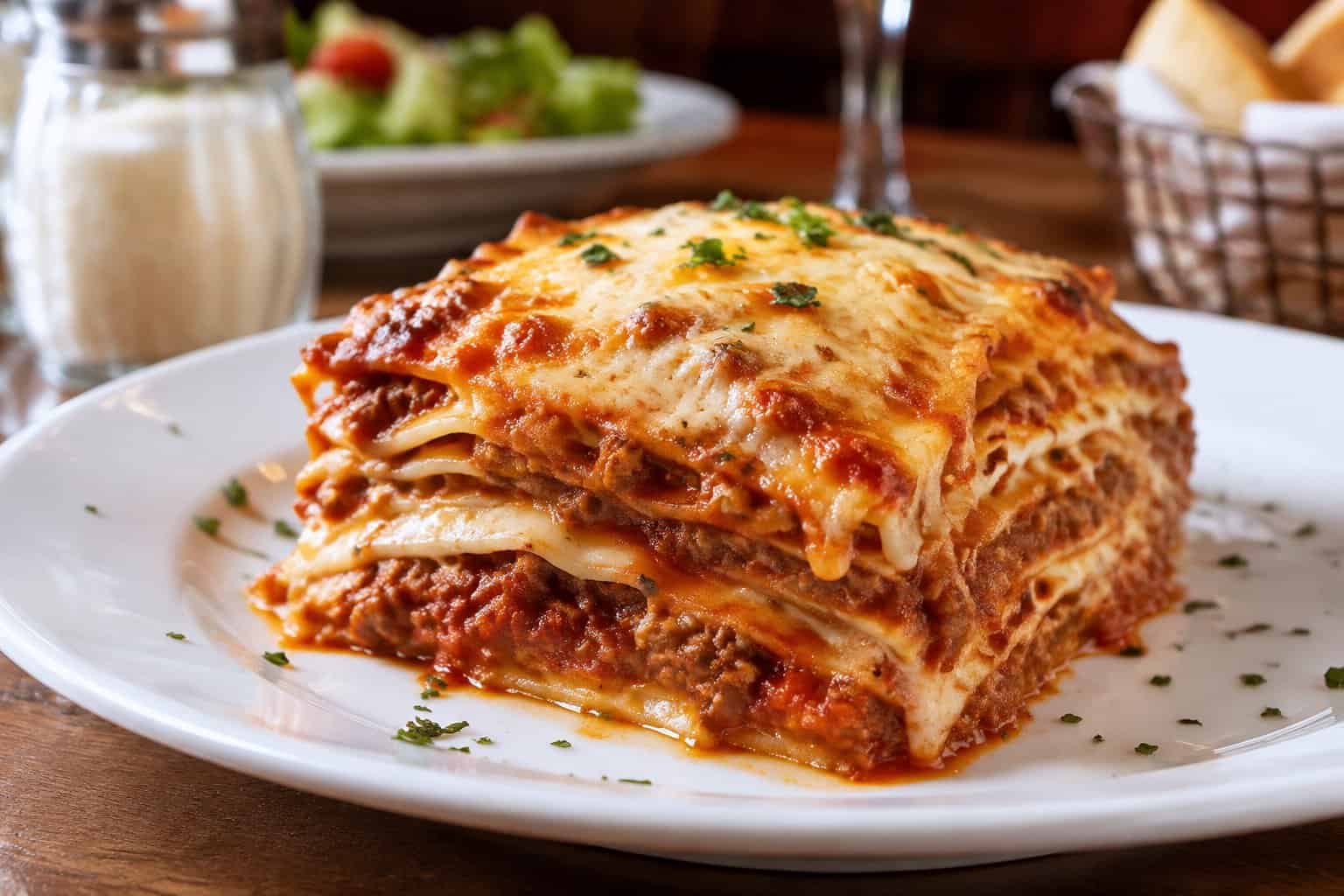
If you order the Lasagna Classico expecting something rich and flavorful, you might come away disappointed. Many diners describe it as bland, with a watery or overly acidic tomato sauce that overwhelms the other ingredients.
You may also notice the texture feels mushy rather than layered and firm. Some customers have compared biting into it to eating a whole tomato, with little else coming through in terms of taste. This can make the dish feel one-dimensional, especially if you’re expecting the balance of cheese, meat, and pasta you’d get from a classic lasagna.
Consistency is another issue you might run into. Like many chain dishes, the quality can vary depending on where and when you order.
If you want a more reliable option, consider the Chicken Scampi instead. It skips the tomato sauce entirely, so you won’t be gambling on a watery or overly acidic batch.
6. Shrimp Scampi
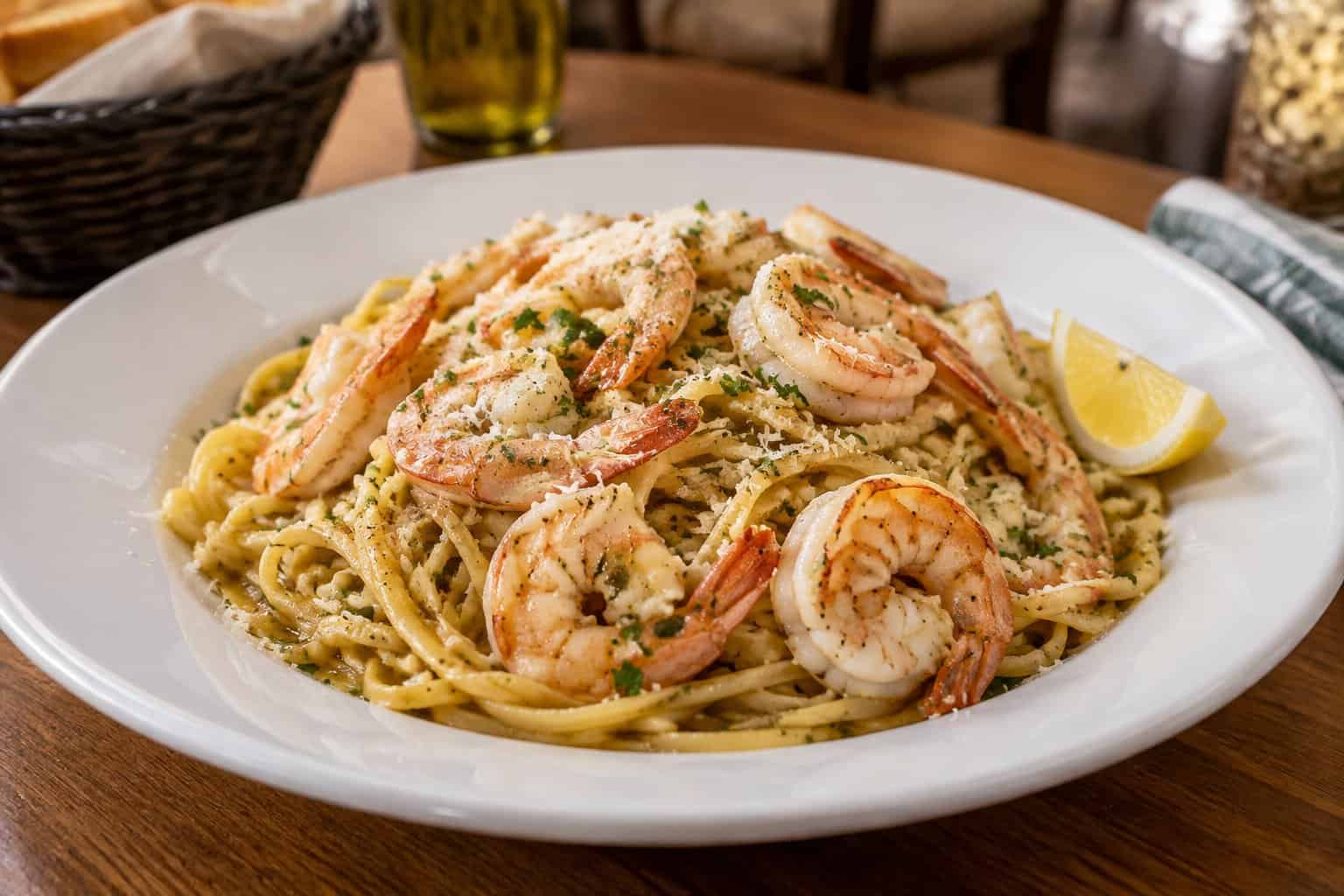
You might expect this dish to be a standout, but many diners find it underwhelming. The main complaint centers on the shrimp count, which often feels too low for the price you pay.
The sauce can also miss the mark. Some reviewers describe it as thin and lacking the garlic punch you’d want from a proper scampi.
Portion inconsistency is another issue you may encounter. The asparagus and tomatoes meant to round out the dish sometimes arrive overcooked or sparse, leaving you with a plate that looks better on the menu than on your table.
Temperature problems come up in reviews too. You may receive a dish that’s lukewarm rather than hot, which affects both the shrimp texture and overall enjoyment.
If you want a shrimp dish without these drawbacks, consider the Shrimp Alfredo instead. The creamy sauce doesn’t depend on a delicate garlic balance, so there’s less that can go wrong in the kitchen.
7. Chicken Marsala
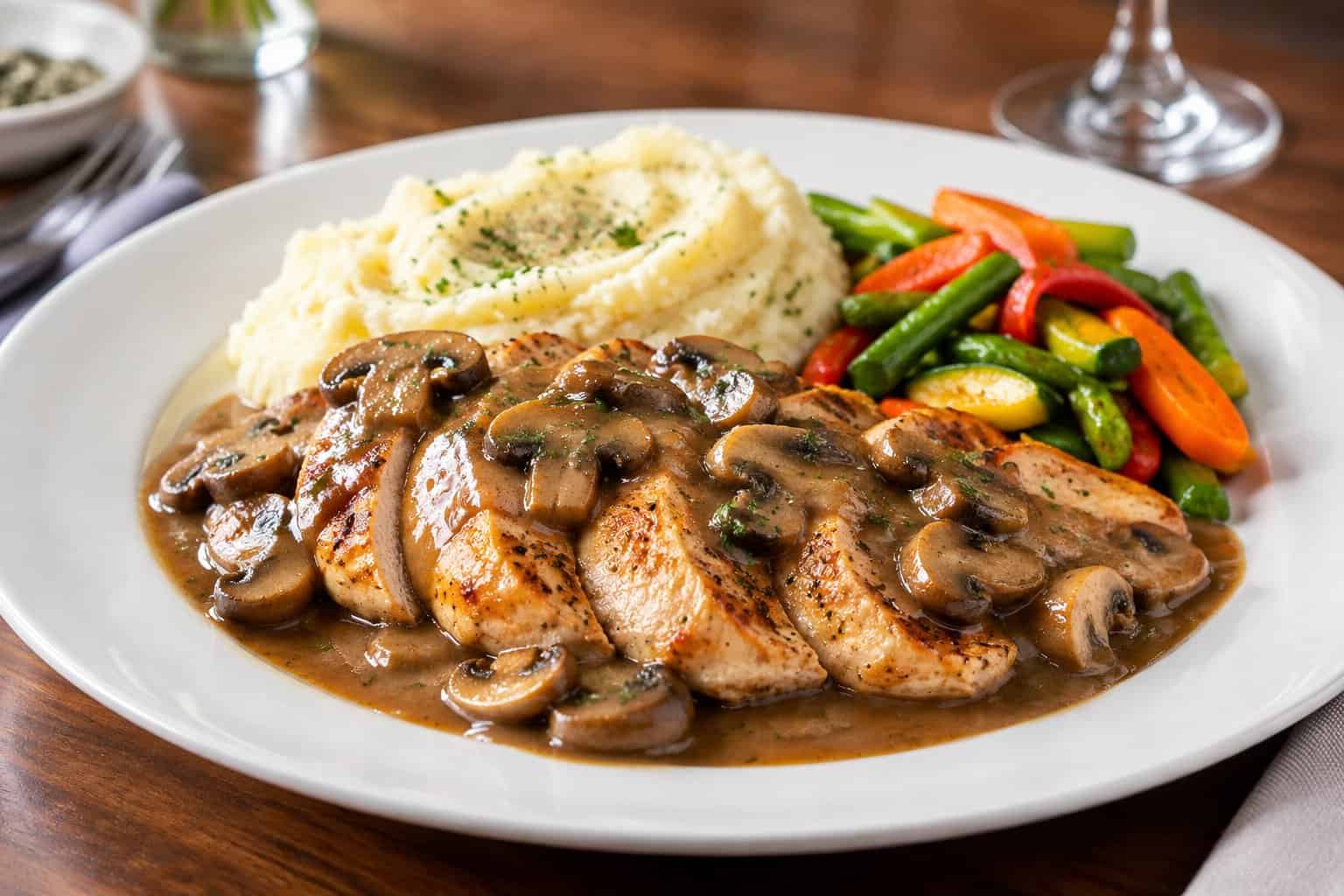
Chicken Marsala comes up often when diners talk about disappointing meals at Olive Garden. The dish pairs chicken with mushrooms in a Marsala wine sauce, but many customers say the sauce tastes thin and lacks depth.
You might also notice the chicken itself can be inconsistent. Some portions come out dry or overcooked, which undercuts the whole dish since the sauce is supposed to be the main draw.
Part of the issue is that Marsala sauce relies on reduction and balance between sweet wine and savory stock. When it’s rushed, the result tastes watery instead of rich.
If you’re after something more dependable, choose a simpler grilled chicken plate where there’s no sauce reduction to get wrong, or ask your server which chicken dish is most popular at that location.
8. Eggplant Parmigiana
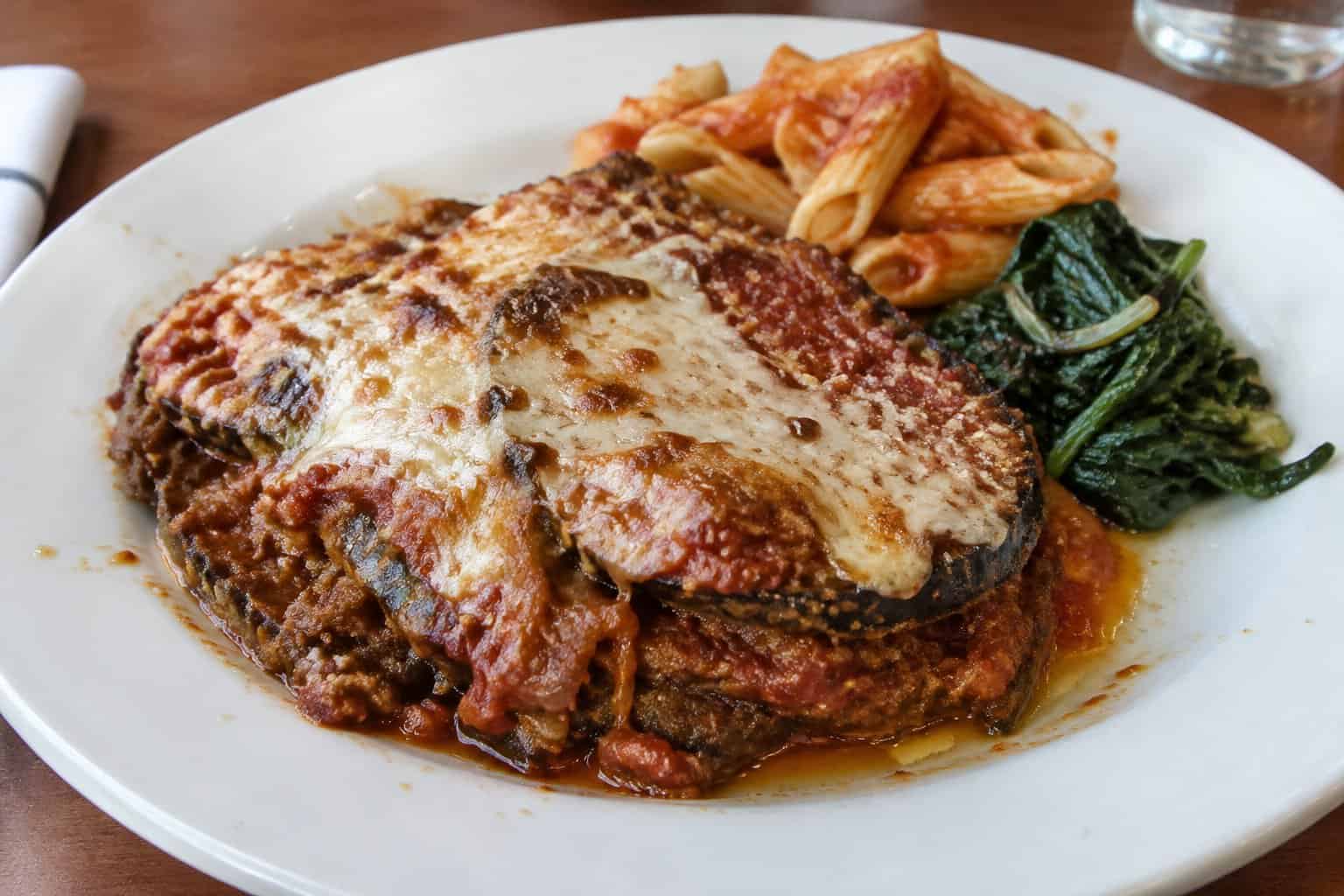
You might expect Eggplant Parmigiana to deliver the crisp, savory comfort of a classic Italian dish. Instead, you often get breaded eggplant slices that turn soggy under a heavy layer of sauce and cheese.
The texture is the biggest complaint. Reviewers have noted inconsistent results, with some batches coming out mushy and others oddly tough.
Flavor is another issue. The dish tends to lean bland, with the marinara and cheese doing most of the work while the eggplant itself adds little beyond bulk and moisture.
If you want a meatless dish that’s more reliable, consider a simple pasta with marinara, or ask your server for vegetarian options that aren’t breaded, so there’s nothing to turn soggy under the sauce.
9. Cheese Ravioli
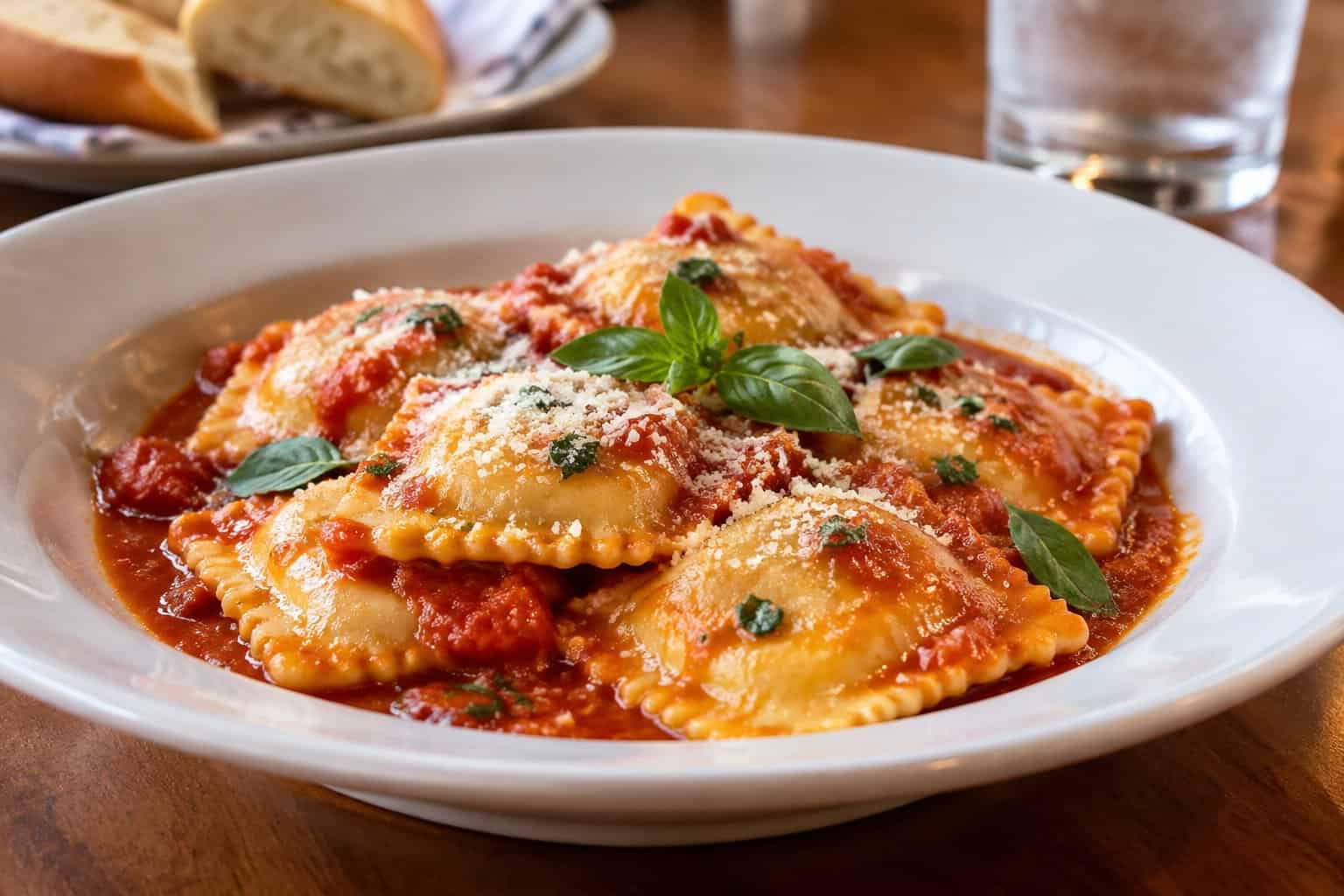
You might expect cheese ravioli to be a safe, simple choice. Many diners find it disappointing instead.
The pasta itself tends to arrive overcooked or mushy, losing the texture that makes ravioli satisfying. Inside, the cheese filling often comes across as bland, lacking the richness you’d want from a dish built around cheese.
Portion size is another common complaint. You’re served a modest number of ravioli, and without much seasoning or complexity in the sauce, the dish can feel like an afterthought rather than a main course.
The marinara option keeps things vegetarian, but it doesn’t add much flavor depth. The meat sauce version helps somewhat, though it doesn’t fully compensate for the underwhelming filling.
If you’re looking for a better option, consider a pasta with a protein and a more flavorful sauce. You’ll likely find more satisfaction in dishes where the sauce and protein carry more weight, rather than relying on filling alone.
10. Spaghetti with Meatballs
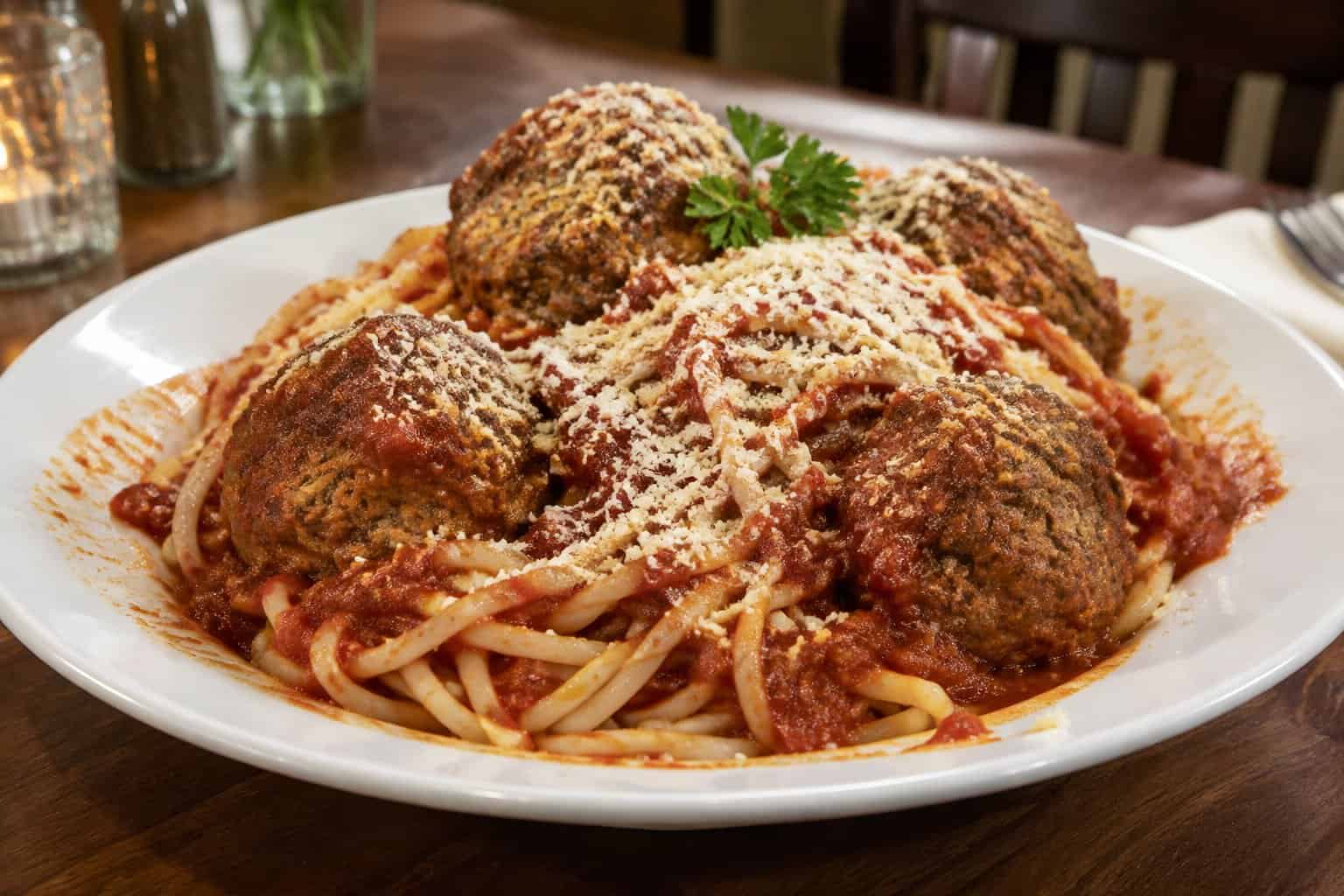
Spaghetti with meatballs is one of the most basic items on the menu, and many diners say it tastes that way. Many diners say the meatballs taste dense and more like breadcrumbs than meat.
You may also notice the marinara sauce leans sweet, which some diners say makes the dish taste more like a jarred sauce than something special.
The pasta itself rarely draws complaints, but it doesn’t do much to elevate the overall plate. Without a well-seasoned sauce or flavorful meatballs, you’re left with a dish that feels more like a filler option than a highlight.
If you want something more satisfying, skip the basic spaghetti and pick a pasta with a richer sauce or a protein you actually enjoy, such as shrimp or grilled chicken.
11. Chicken and Shrimp Carbonara
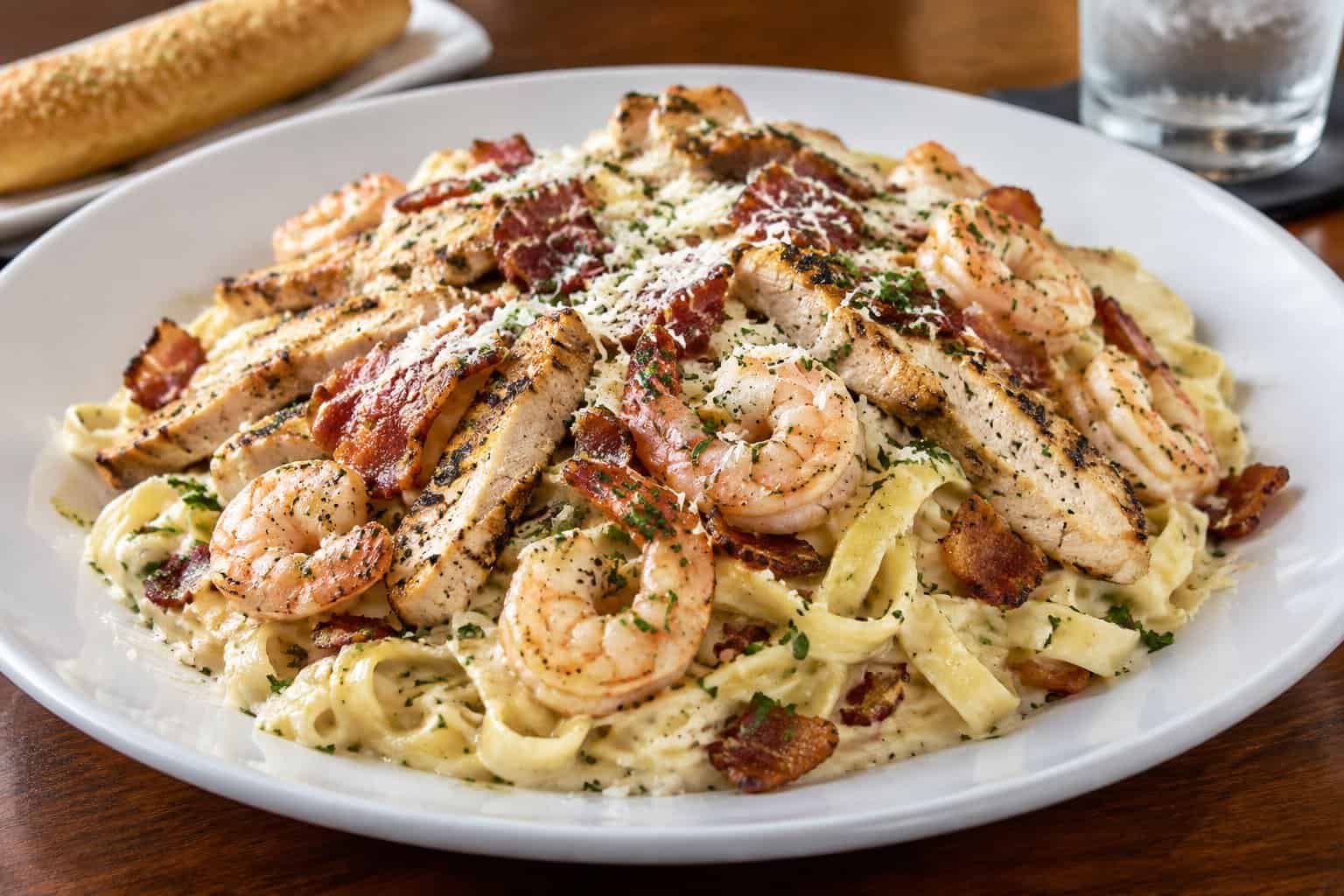
This dish looks impressive on arrival. Spaghetti, chicken, shrimp, bacon, and roasted red peppers come together in a creamy sauce with a lot of visual appeal.
The problem for many diners is the execution. The sauce often gets described as heavy and one-note, lacking the smoky depth you’d expect from a real carbonara.
Portion consistency is another common complaint. You might order this expecting a balanced ratio of protein to pasta, but some diners report getting more noodles than chicken or shrimp.
Value is also a sticking point. Since you’re paying extra for two proteins, you may feel shortchanged if the shrimp or chicken feels sparse once you dig in.
If you want something more reliable, choose a pasta with just one protein. It’s a simpler, more consistent dish, and you’ll know exactly what you’re paying for.
You’ll also avoid the risk of an overly rich sauce masking the other ingredients, which is a frequent criticism of the carbonara.
12. Herb-Grilled Salmon
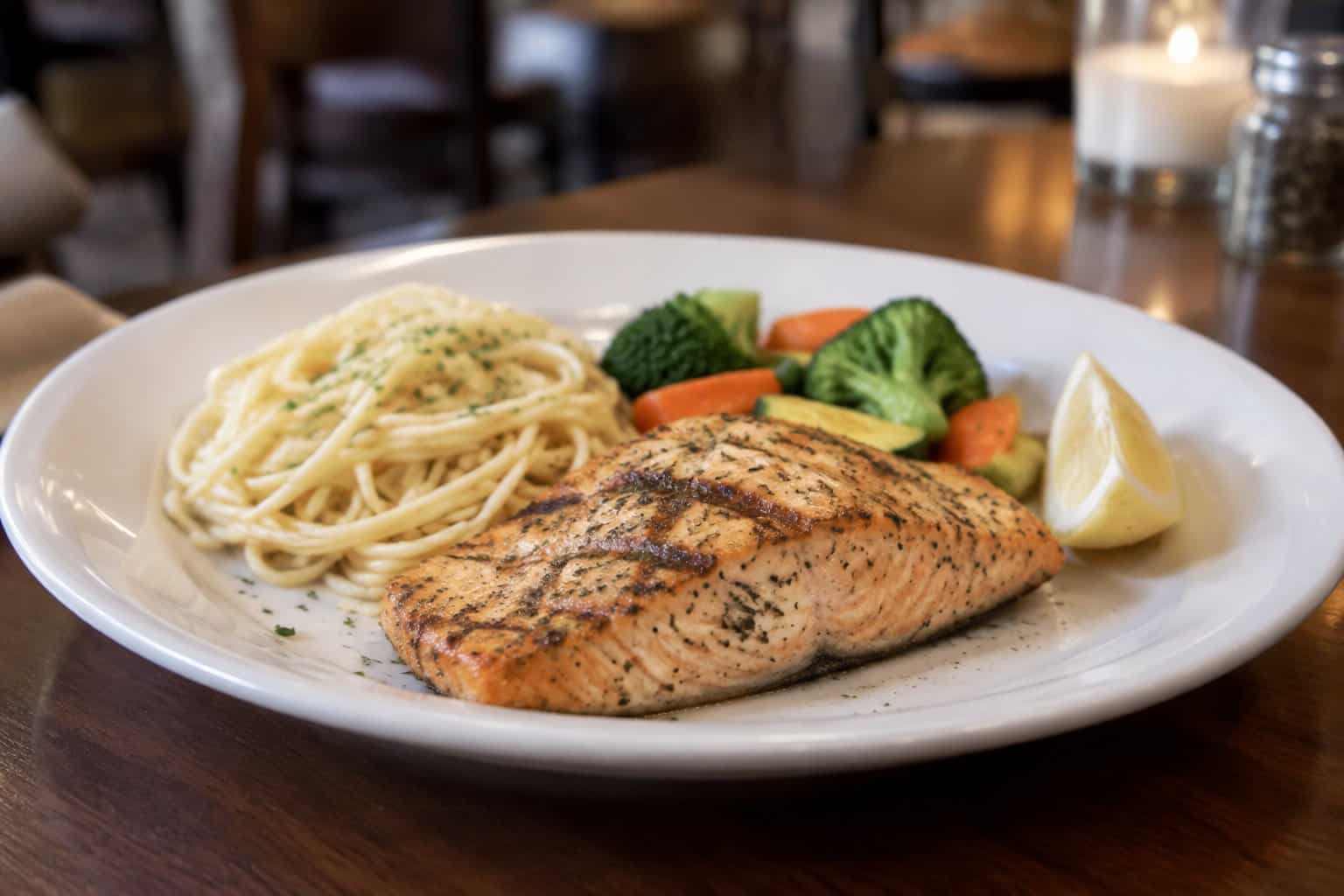
Olive Garden’s Herb-Grilled Salmon is marketed as a lighter alternative to the chain’s pasta-heavy menu. It comes topped with garlic-herb butter and served alongside Parmesan garlic broccoli. On paper, it sounds like a reasonable choice for anyone wanting something other than carbs.
In practice, many diners find the fish itself disappointing. The salmon can turn out dense and dry, and the garlic-herb butter doesn’t do enough to compensate for the lack of moisture. Some diners say it simply doesn’t taste as fresh as they hoped.
The broccoli side also draws mixed reactions. Some find it undercooked and bland, which doesn’t help the overall impression of the plate.
If you’re after something that doesn’t involve pasta, you have better options on the menu. Grilled chicken dishes tend to hold up better in terms of texture, and they’re less likely to arrive overdone or dry. You might also consider sticking with a classic pasta dish instead, since seafood isn’t where this chain’s kitchen consistently shines.
13. Chicken Margherita
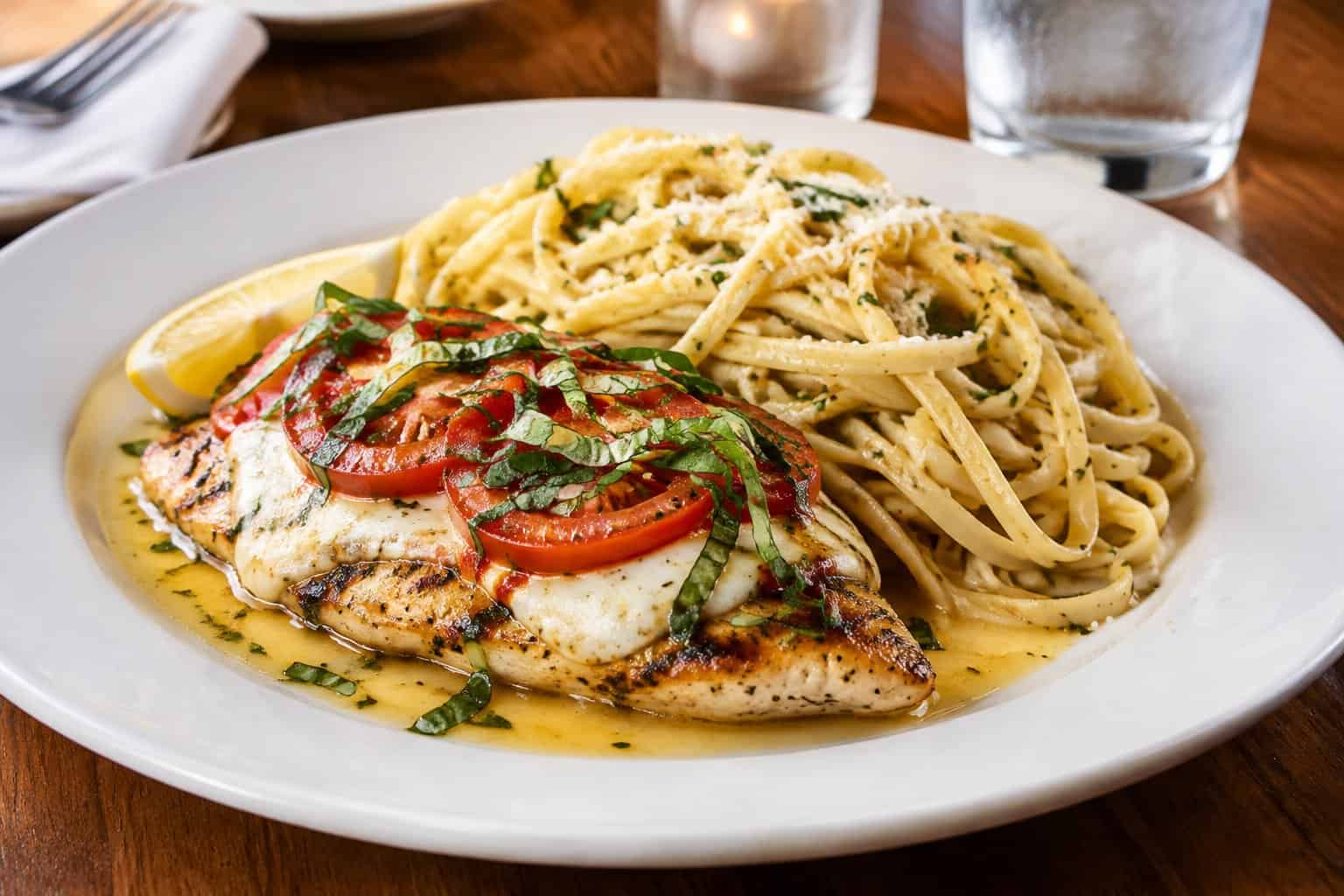
Chicken Margherita at Olive Garden draws inspiration from a classic margherita pizza, but the execution leaves many diners unconvinced. You get grilled chicken topped with mozzarella, pesto and tomatoes, finished with a lemon garlic sauce and served with a side of broccoli.
The combination sounds appealing on paper, but the flavors often fail to come together. Diners have pointed out that the lemon garlic sauce can overpower the pesto, leaving you with a muddled taste instead of the bright, fresh profile you’d expect from a margherita-style dish.
The chicken itself tends to come across as dry, and the toppings don’t always compensate for that texture issue. You may find the dish feels more like a disjointed collection of ingredients than a cohesive entrée.
If you want chicken without the risk of this flavor mismatch, choose a simpler grilled chicken dish with just one sauce, so the flavors don’t compete.
14. 6 oz. Sirloin
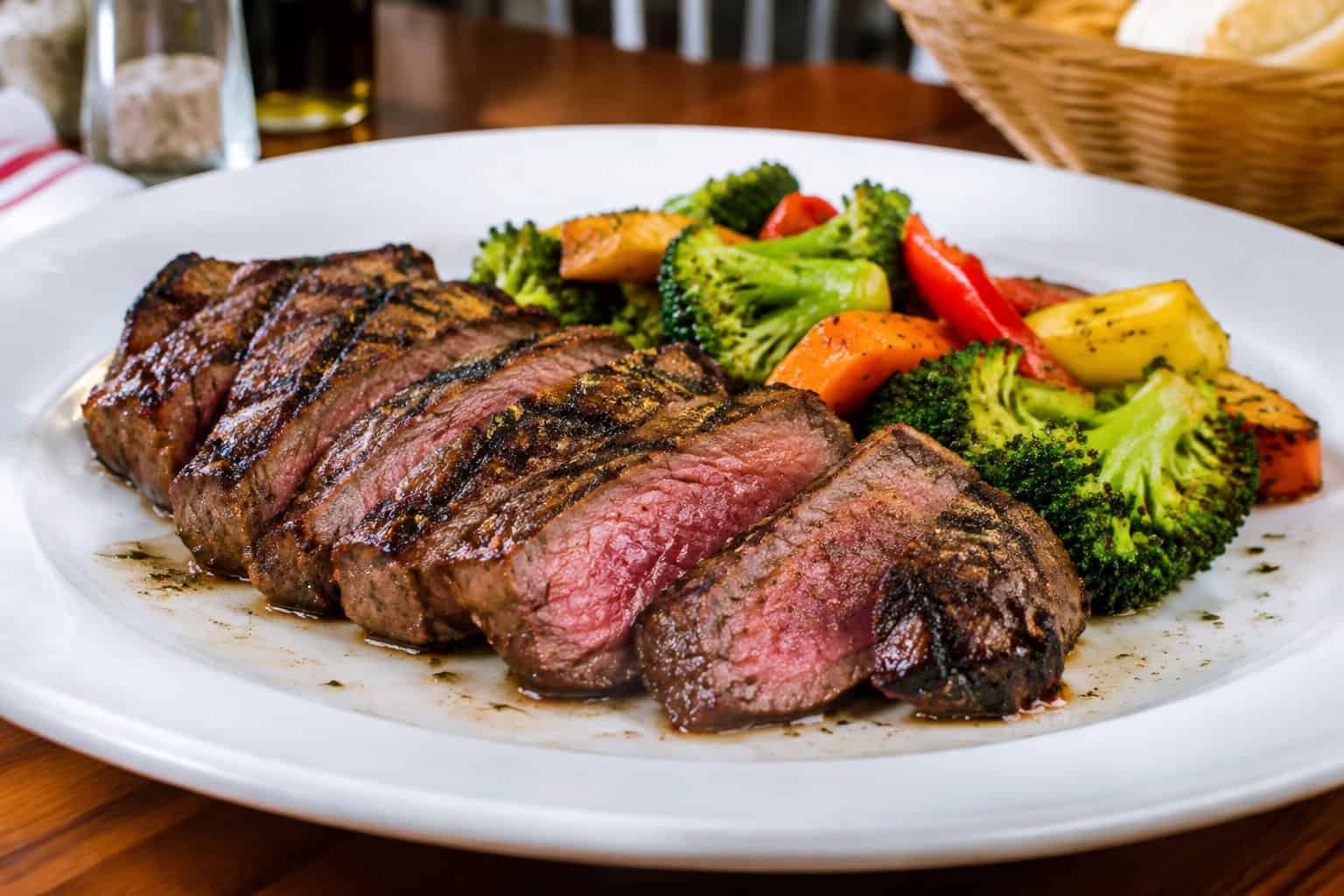
Steak is not what most people think of when they picture Olive Garden, and the 6 oz. sirloin shows why. Reviews are mixed, with some diners describing it as seared well with a decent crust, while others find it inconsistent from visit to visit.
At this price point and portion size, you are often better served ordering one of the pasta dishes that make up most of the Olive Garden menu. A chain built around pasta and Italian-American comfort food is unlikely to match a steakhouse’s grill skills or quality control.
A buttery topping can help mask shortcomings, but it can also bury the steak’s natural flavor. If the sirloin itself is overcooked or underseasoned, butter alone will not fix the core problem. You may end up paying for a protein that feels like an afterthought on a pasta-focused menu.
Instead, order a dish closer to what the kitchen does every day, such as the Chicken Scampi. If you really want a steak, a dedicated steakhouse is the safer bet. Olive Garden’s parent company, Darden Restaurants, also runs steakhouse chains such as LongHorn Steakhouse.
15. Fried Mozzarella
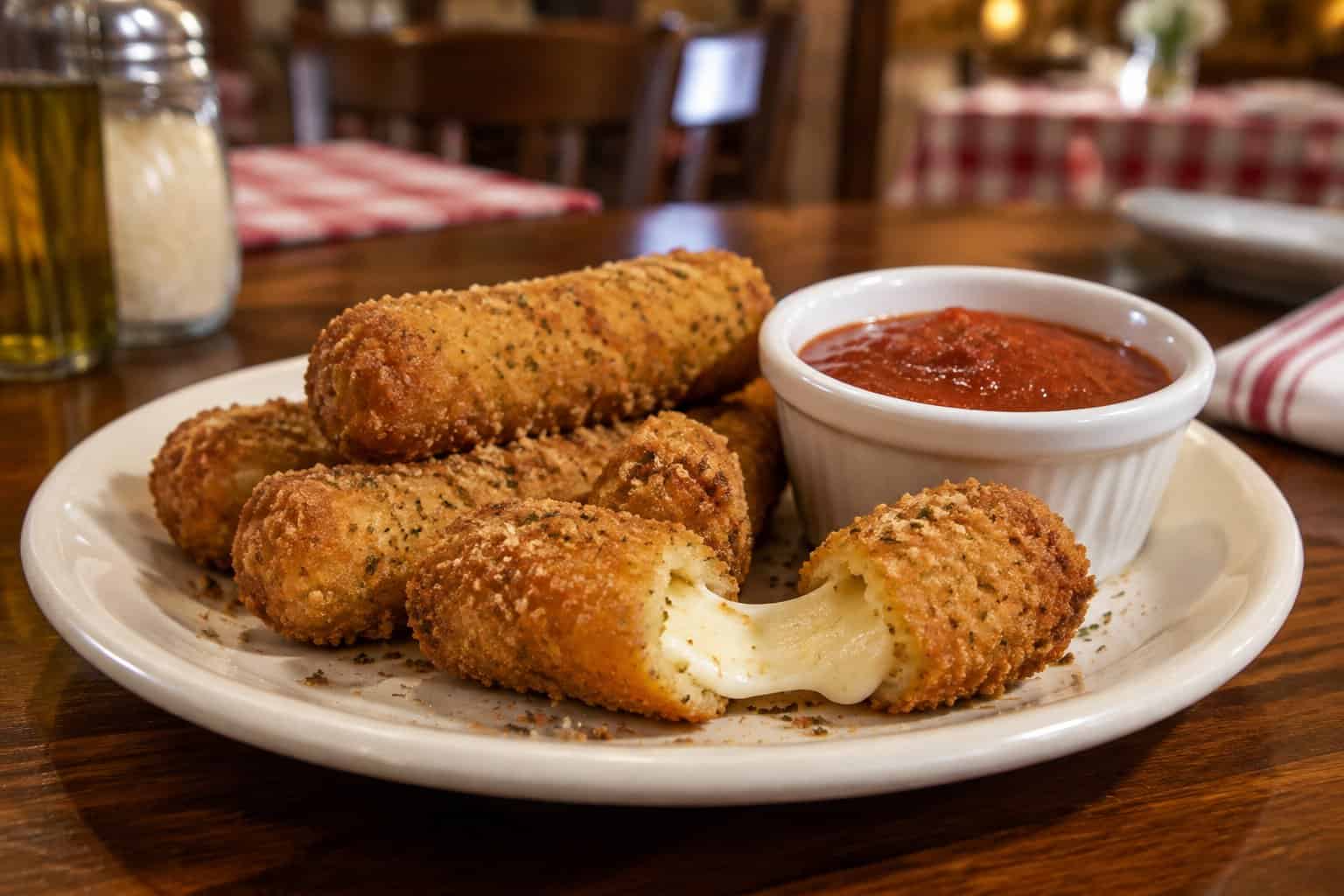
You might expect fried mozzarella to deliver the same satisfaction as classic mozzarella sticks, but many diners say it falls short. The coating often turns soft within minutes of arriving at your table, losing the crunch you want from a fried appetizer.
Inside, the cheese itself tends to disappoint. Instead of a warm, gooey center, you may find it barely melted, with a texture that snaps instead of stretching when you pull it apart. Some reviewers describe the flavor as bland or oddly plastic-like, which undermines the appeal of a dish built around cheese.
Portion size is another common complaint. You may feel the amount you receive doesn’t match what you’d expect for the price, especially compared to other fried appetizers on the menu.
If you want a better start to your meal, consider sharing a different appetizer with the table, or skip the fried starters altogether and save room for your entrée.
16. Calamari
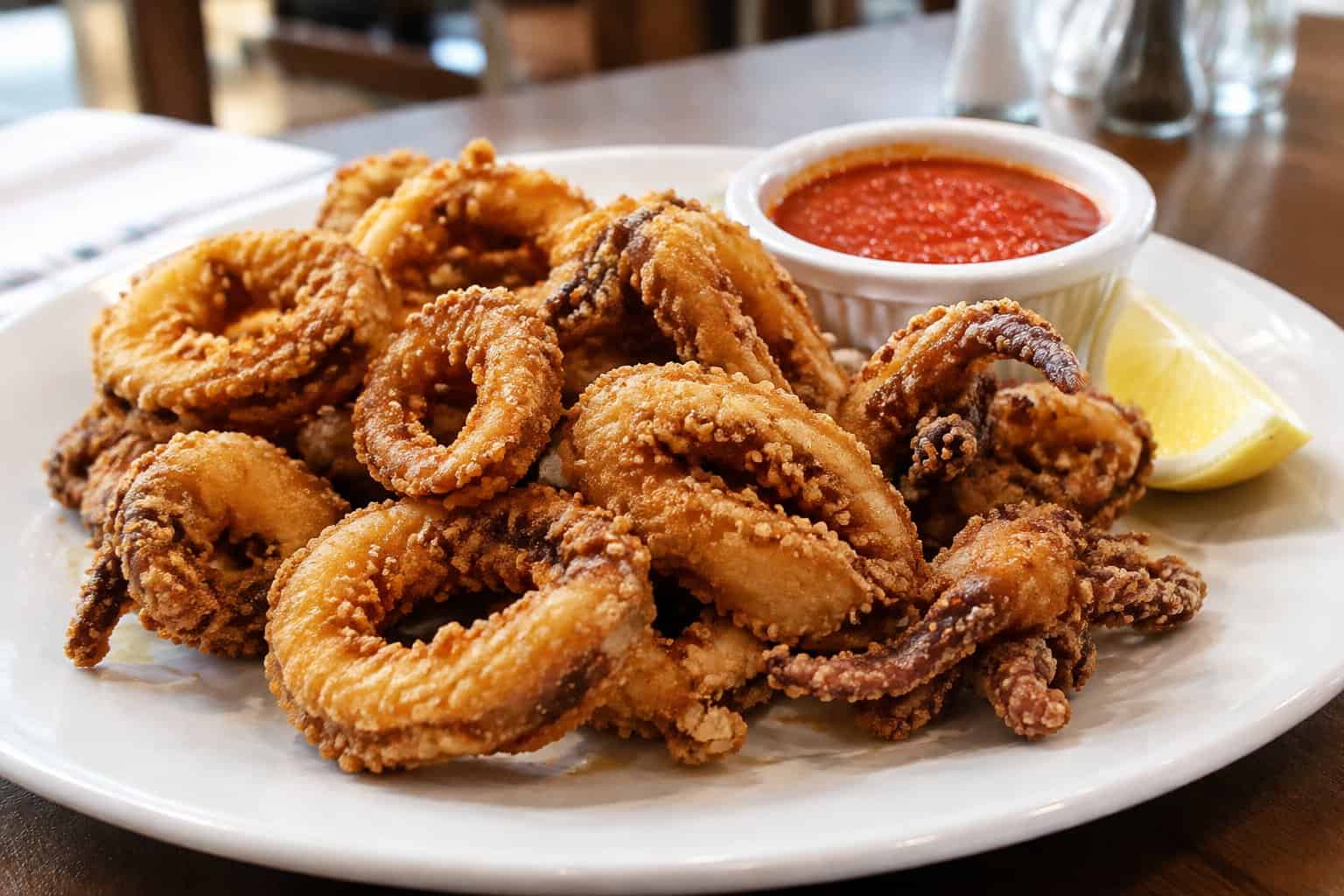
Calamari shows up on plenty of must-try lists, but at Olive Garden, it tends to disappoint. Some diners call it one of the weaker appetizers, citing a combination of heavy breading and an underwhelming taste.
Texture is another recurring complaint. The breading can turn soft or greasy depending on how long the dish sits before it reaches your table, and that inconsistency makes it hard to trust every order will turn out the same.
The dipping sauces served alongside the calamari can also dominate the plate. Rather than complementing the squid, they often overpower it, leaving you with more breading and sauce than actual seafood flavor.
If you’re craving seafood, you’re better off ordering it as an entrée, such as the Shrimp Alfredo, where it isn’t relying on breading and dipping sauce to carry the dish.
17. Lasagna Fritta
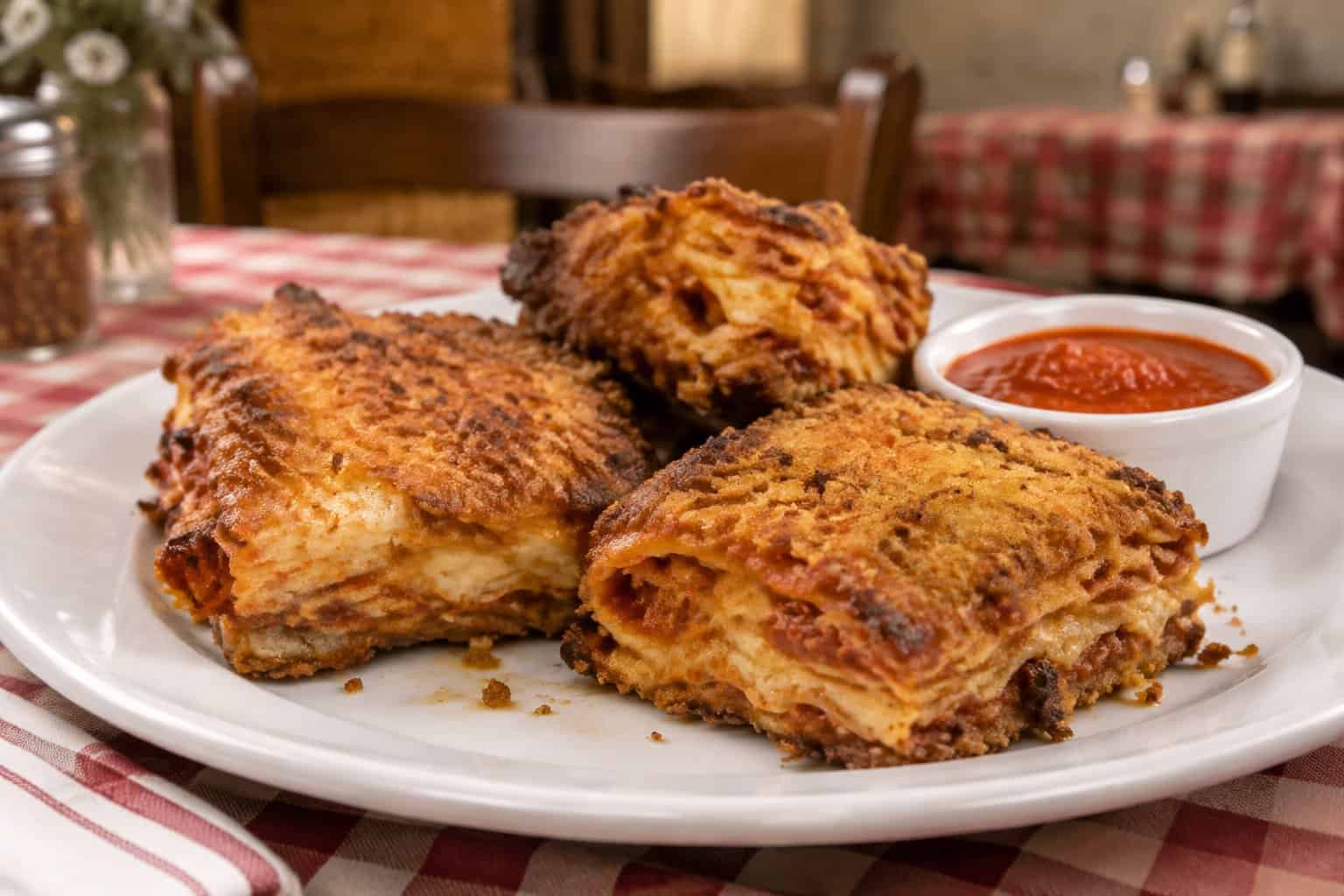
Lasagna Fritta takes the classic layered dish and turns it into fried, breaded pieces served over sauce. The concept sounds appealing, but many diners find the execution disappointing once it arrives at the table.
The breading often turns soggy within minutes, especially once it sits in the pool of Alfredo and meat sauce underneath it. You end up with a texture that’s neither crispy nor creamy, just a mushy exterior that fails to hold up.
The filling inside can also feel sparse compared to the amount of breading surrounding it. You’re paying for a dish built around a satisfying cheese and pasta center, but the ratio often leans too heavily toward fried coating.
Combining two heavy sauces on one plate makes the dish feel overly rich without adding much flavor complexity. You get a one-note sweetness and saltiness that overwhelms the dish rather than complementing it.
If you love the idea, eat it right away while it’s still crisp, or choose a starter that isn’t sitting in a pool of sauce so the coating doesn’t go soft.
18. Toasted Ravioli
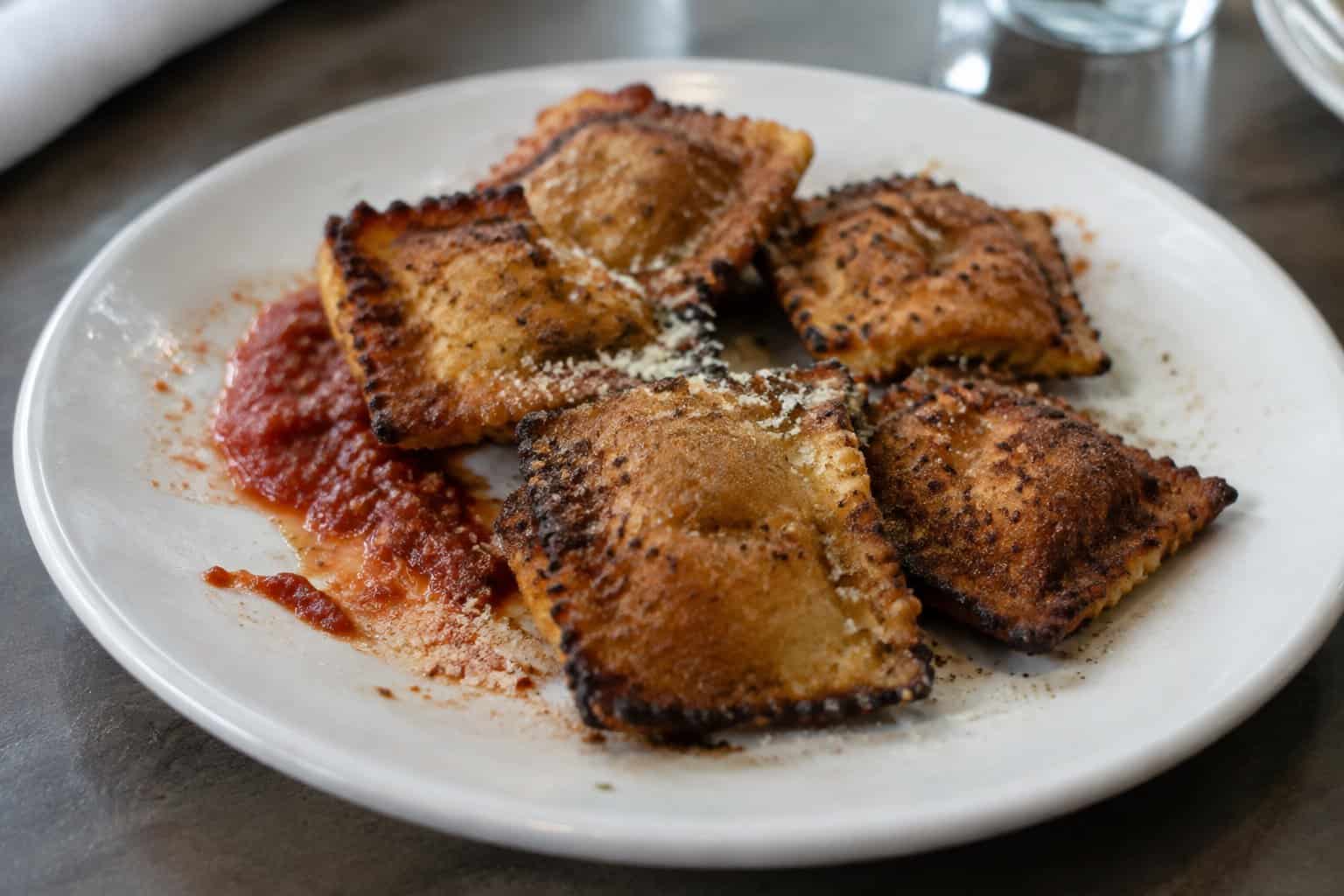
You might expect something crispy and satisfying when you order Toasted Ravioli, but many diners find the execution underwhelming. The pasta is lightly fried and typically stuffed with a seasoned beef filling, then served alongside marinara for dipping.
On paper, this sounds like a reasonable appetizer, especially if you enjoy fried food paired with pasta. In practice, though, the texture often falls short. The breading can turn soggy quickly once it sits, and the filling sometimes lacks the bold flavor you’d want from a fried dish.
Part of the problem is that this appetizer doesn’t do anything particularly special. You can find similar, often better, versions at other restaurants or even make a more flavorful copycat at home using panko breadcrumbs for extra crunch.
If you’re craving a starter before your entrée, consider the Stuffed Ziti Fritta instead. It’s a similar fried-pasta idea, and some diners find it holds up better than a plate of limp ravioli.
19. Spinach-Artichoke Dip
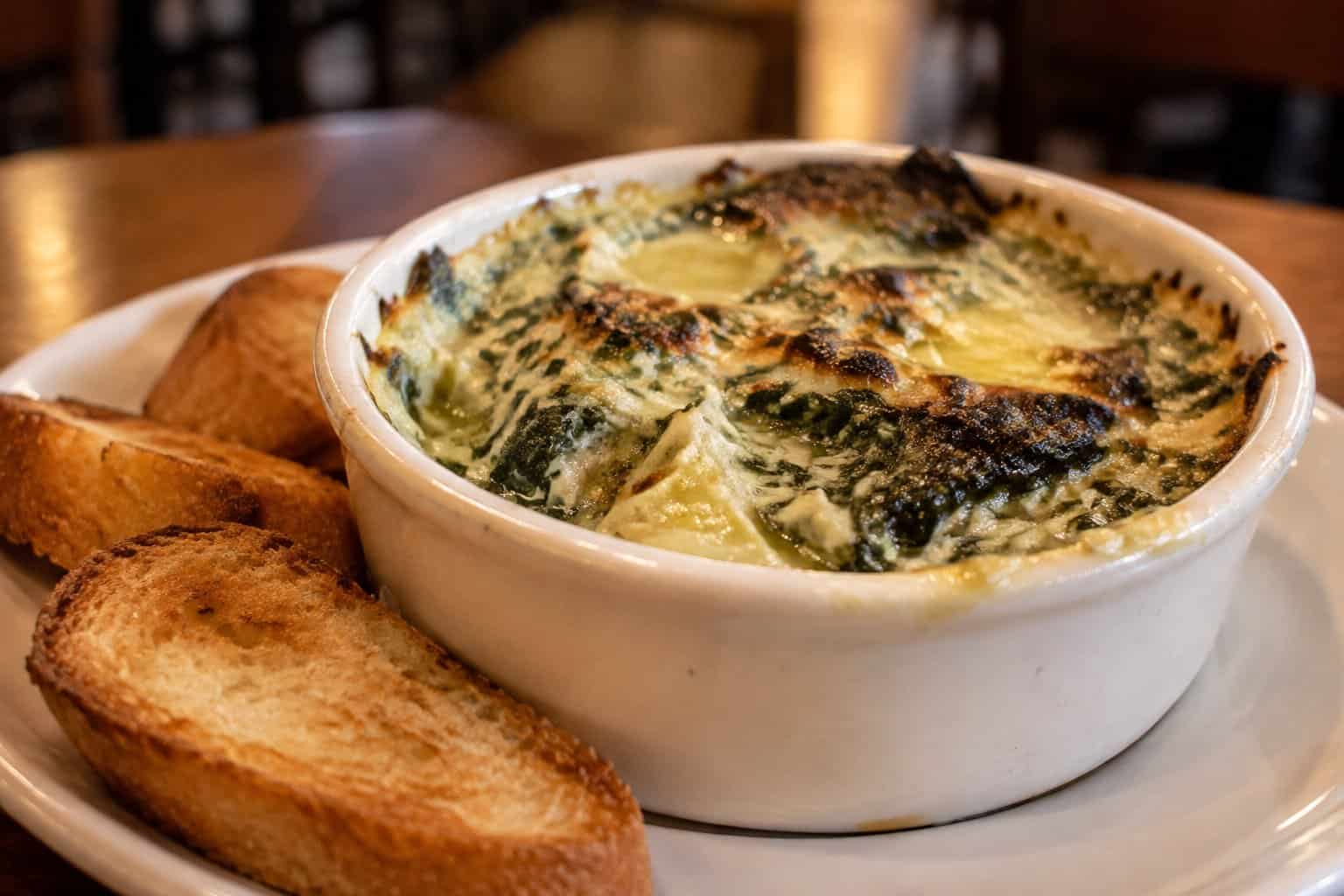
Spinach-artichoke dip sounds like a safe choice, but many diners say the version served at Olive Garden falls short of the homemade standard. The dip often comes across as thinner and less cheesy than expected, lacking the rich, baked texture that makes this appetizer worth ordering in the first place.
The balance of spinach, artichoke, and cheese can also feel inconsistent from visit to visit. You might get a batch that tastes watery or one that’s overly salty, with the artichoke flavor barely noticeable.
The chips served alongside it are another common complaint. Diners frequently describe them as stale or too hard, making it difficult to scoop up the dip without them breaking apart.
If you want a more reliable starter, ask your server which appetizer is most popular at that location, since kitchens vary.
20. Zuppa Toscana
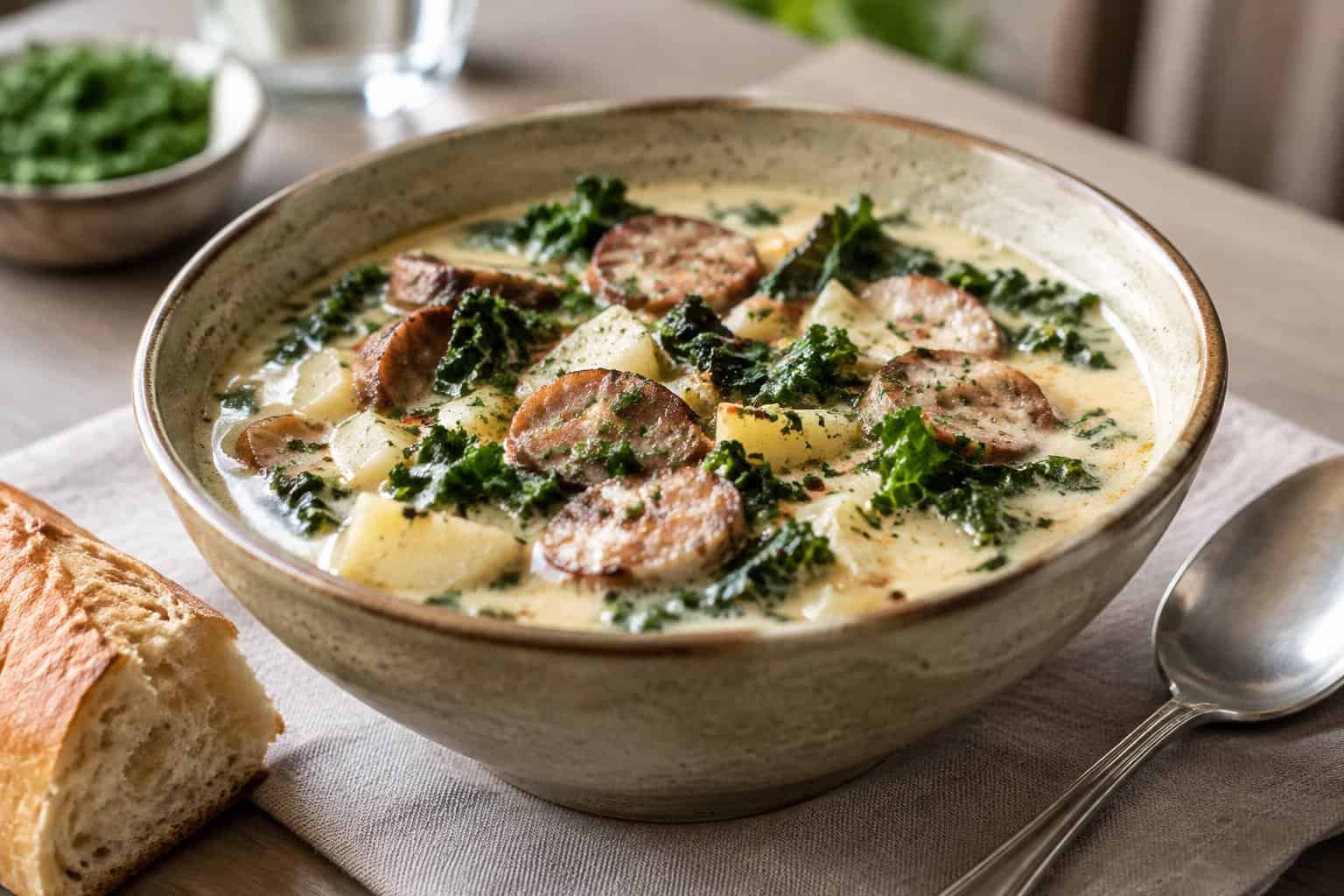
Zuppa Toscana is one of the more divisive soups on the Olive Garden menu. It combines Italian sausage, potatoes, and kale in a creamy broth, but your experience with it can vary a lot depending on the location and batch.
Some diners report that the broth tastes thin or watery rather than rich. Others find it too salty, especially when the sausage sits in the soup for a while during busy service hours.
The potatoes can also be inconsistent. You might get pieces that are undercooked and firm, while other servings arrive with potatoes that have gone soft and mushy.
Portion size is another common complaint, particularly when you order it as a side rather than a bowl. You may feel like the ratio of broth to solid ingredients leans too heavily toward liquid.
If you love the flavors, Zuppa Toscana is also one of the easier restaurant soups to make at home, where you can control the salt and keep the potatoes just right. The FDA’s guide to sodium in your diet is a handy reference if salt is your main concern.
21. Minestrone
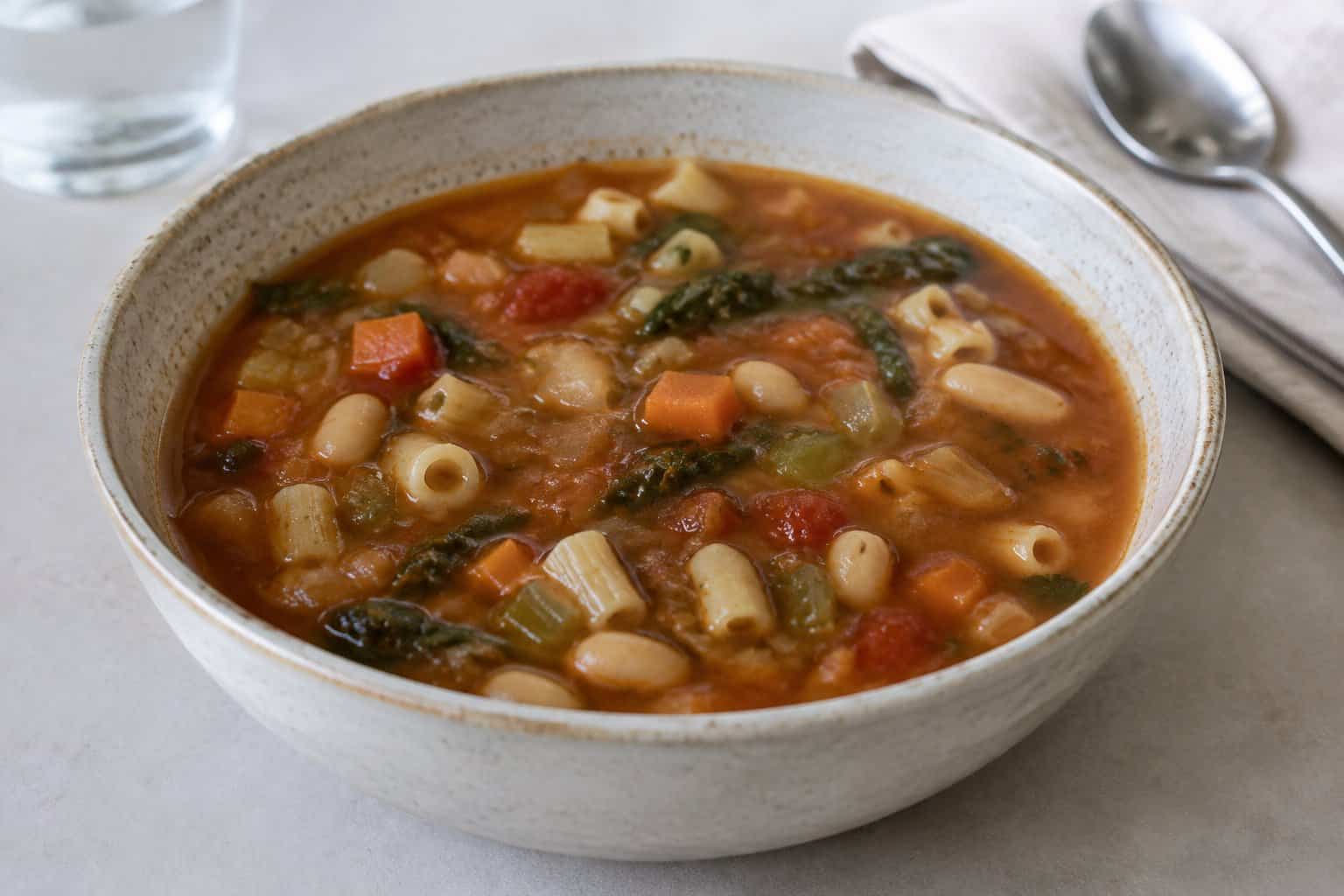
Minestrone sits on the soup menu as the vegetable-based option, and it tends to get overlooked for good reason. You’ll find a broth loaded with beans, pasta, and vegetables, but many diners describe the overall flavor as flat and underseasoned.
The tomato base often comes across as watery rather than rich, leaving the soup tasting more like seasoned vegetable water than a hearty Italian classic. Dipping your breadsticks in it helps mask some of the blandness, but that shouldn’t be necessary for a soup meant to stand on its own.
Texture is another issue you might notice. The vegetables can turn mushy, and the pasta sometimes loses its shape entirely.
If you like minestrone, it’s an easy soup to make at home, where you can load it with more vegetables and season it the way you like.
22. Pasta e Fagioli
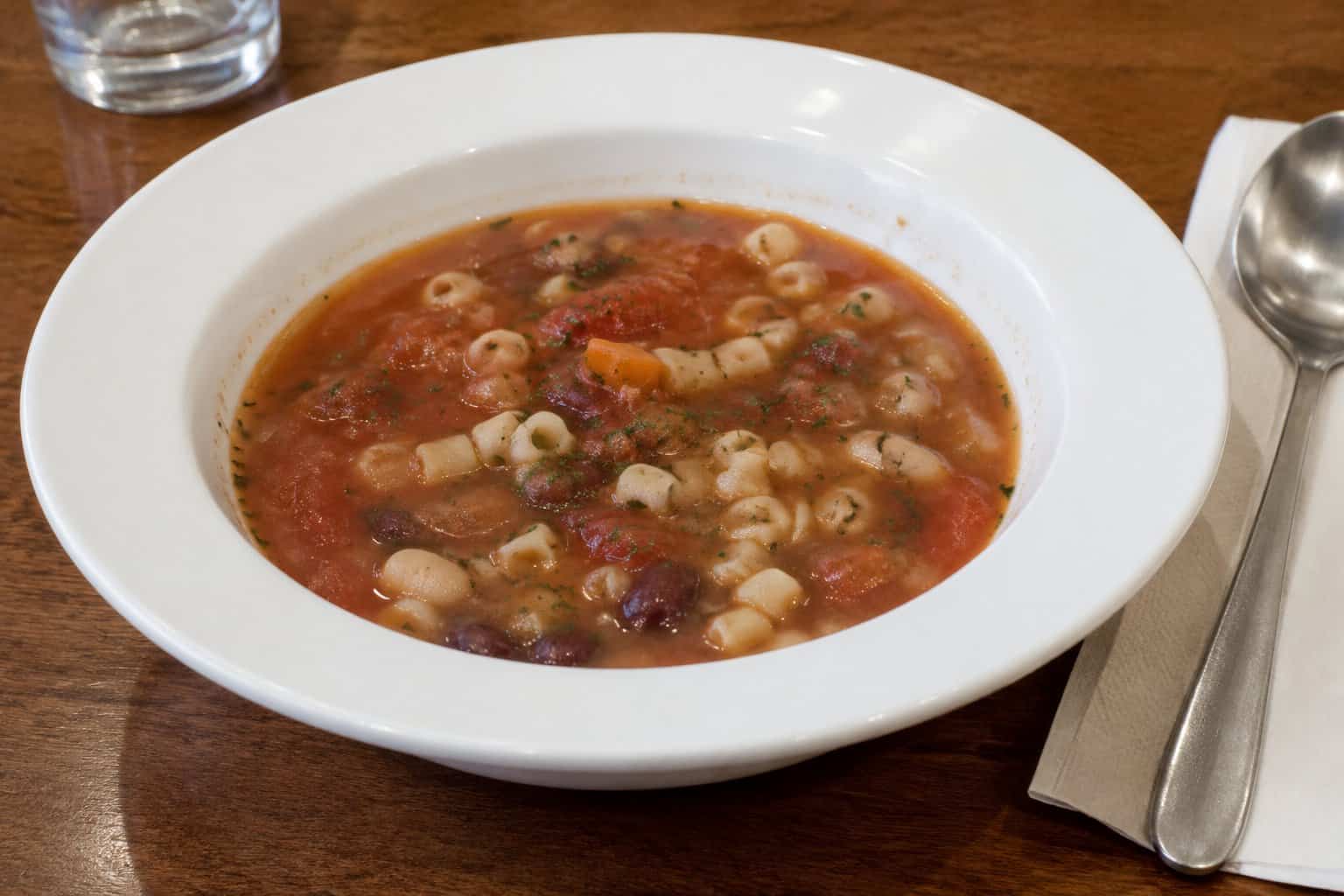
Pasta e Fagioli often gets overlooked when you compare it to Olive Garden’s other soup options. The combination of small pasta, ground beef, tomatoes, and beans sounds promising on paper. In practice, many diners find the flavors fall flat compared to what’s possible with this classic Italian soup.
You might notice the broth tastes thin and underseasoned, lacking the depth you’d expect from a hearty bean and pasta soup. The ground beef can come across as bland, doing little to enhance the overall dish. When you’re picturing a rich, comforting bowl of pasta e fagioli, this version may leave you wanting more.
Part of the problem is context. Soup comes with many entrées, so it’s easy to compare this option directly against the other soups on the menu.
If you want a better outcome, ask for a small taste of another soup before committing to a full bowl, or add a pinch of salt and pepper at the table to wake up the broth.
23. Chicken & Gnocchi Soup
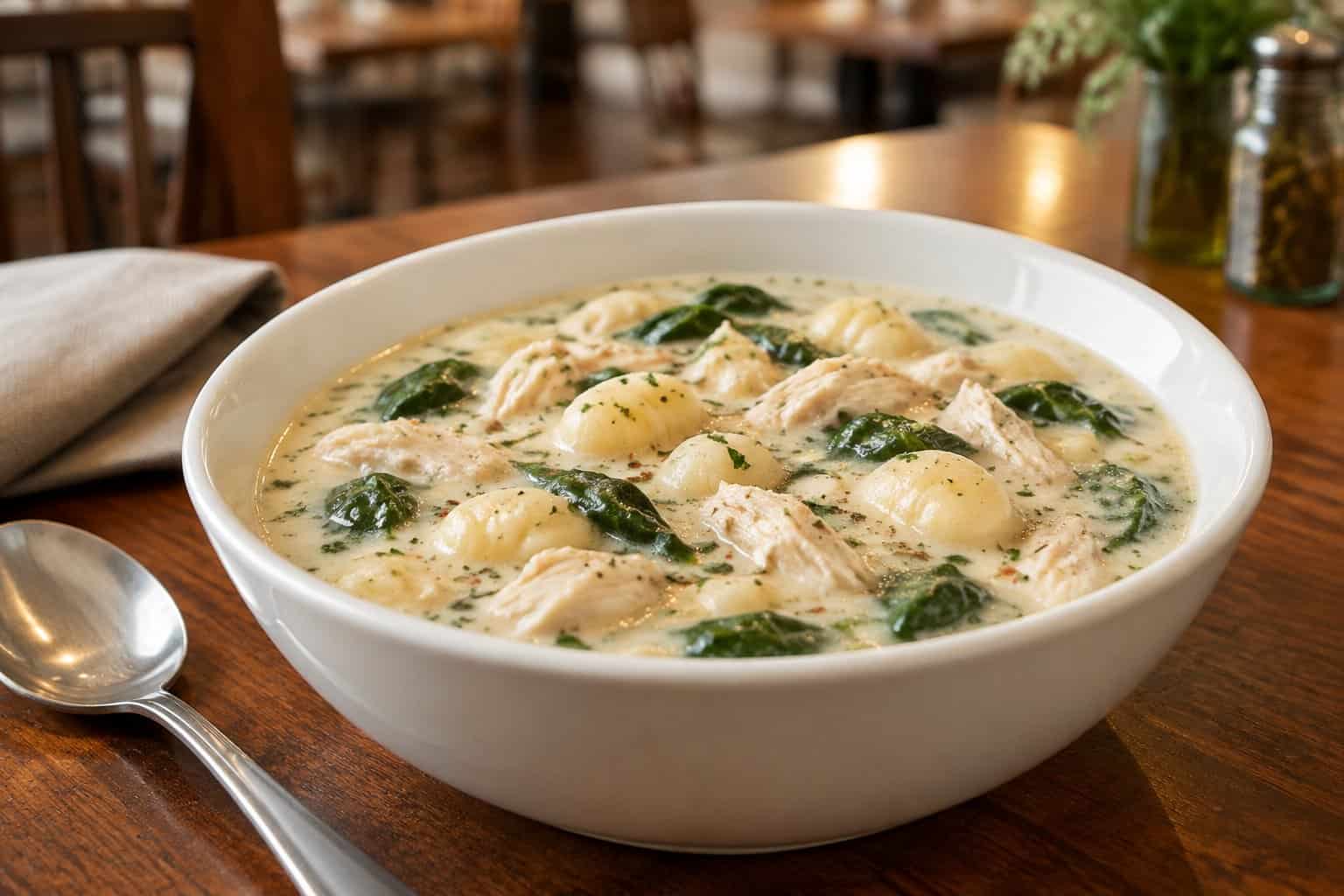
You might expect this soup to be a comforting classic, but many diners find it disappointing. The broth is heavy and buttery, often described as overly rich without much depth of flavor.
If you’re hoping for tender chicken, you may be let down. Reviewers frequently note that the chicken is scarce and dry, while the gnocchi can come out gummy or undercooked rather than soft and pillowy.
The combination of a one-note buttery taste and inconsistent texture makes it hard to recommend.
If you love the idea of this soup, try making it at home with our Olive Garden chicken gnocchi soup recipe, where you control how much chicken goes into every bowl.
24. Famous House Salad
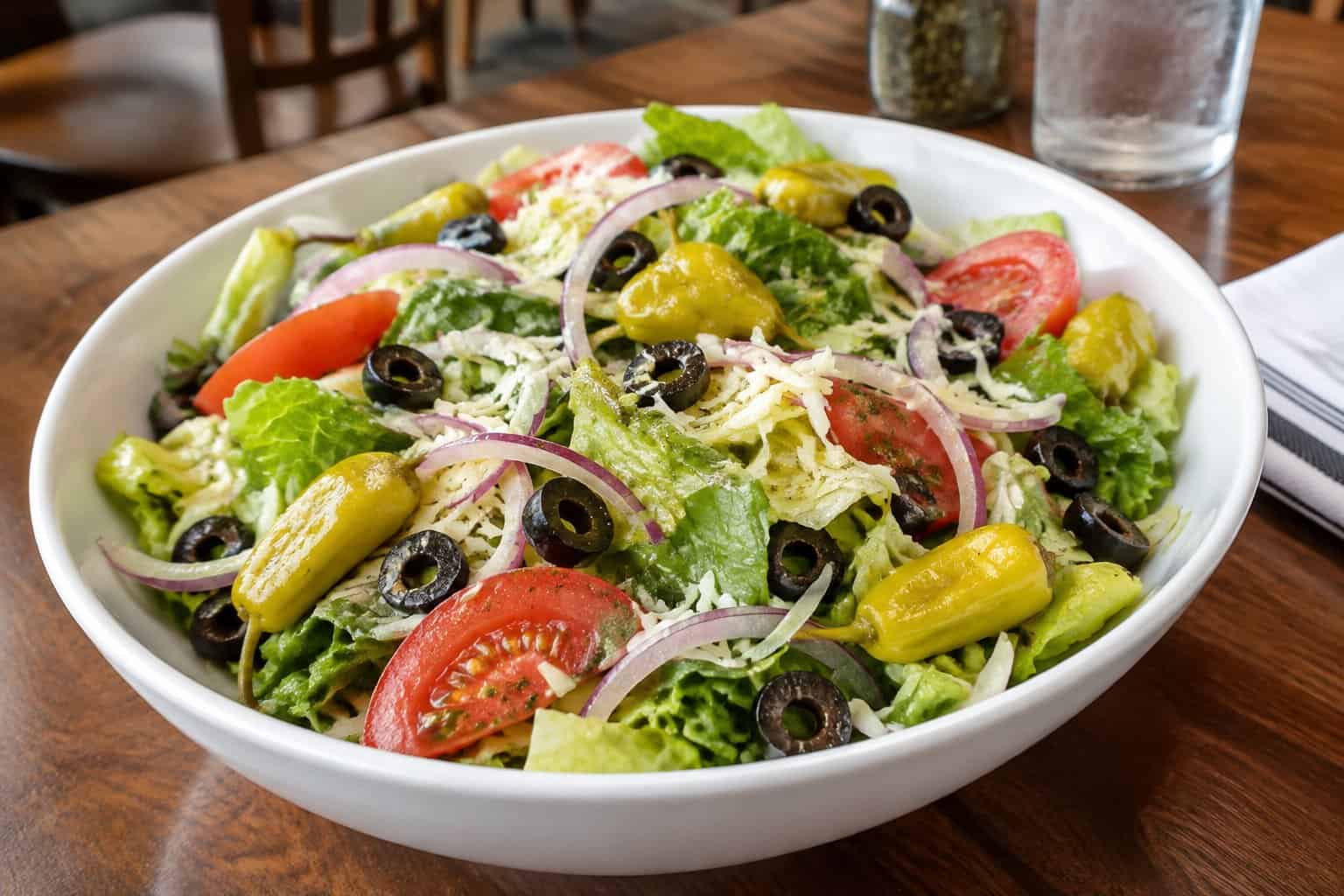
The Famous House Salad gets plenty of praise, but some diners find it underwhelming once the novelty wears off. The lettuce can arrive soggy or overdressed, leaving the bowl swimming in the signature Italian dressing instead of lightly coated. If you prefer a crisp salad with balanced flavor, this can be a letdown.
Another common complaint is inconsistency. Some visits bring a generous mix of olives, pepperoncini, and tomatoes, while other times you get mostly plain lettuce with a few scattered toppings. This unevenness makes it hard to know what you’re getting each time you order.
The dressing itself divides opinion. While it’s a signature item, some diners find it too tangy or salty, overpowering the fresh vegetables underneath. If you’re not a fan of that bold flavor profile, the salad may not suit your taste.
A better choice is to ask for the dressing on the side so you can control how much you use. This lets you enjoy the fresh ingredients without the sogginess. Pairing a lighter portion with breadsticks or soup can also give you more balance without relying on the salad as a main component of your meal.
25. Breadsticks
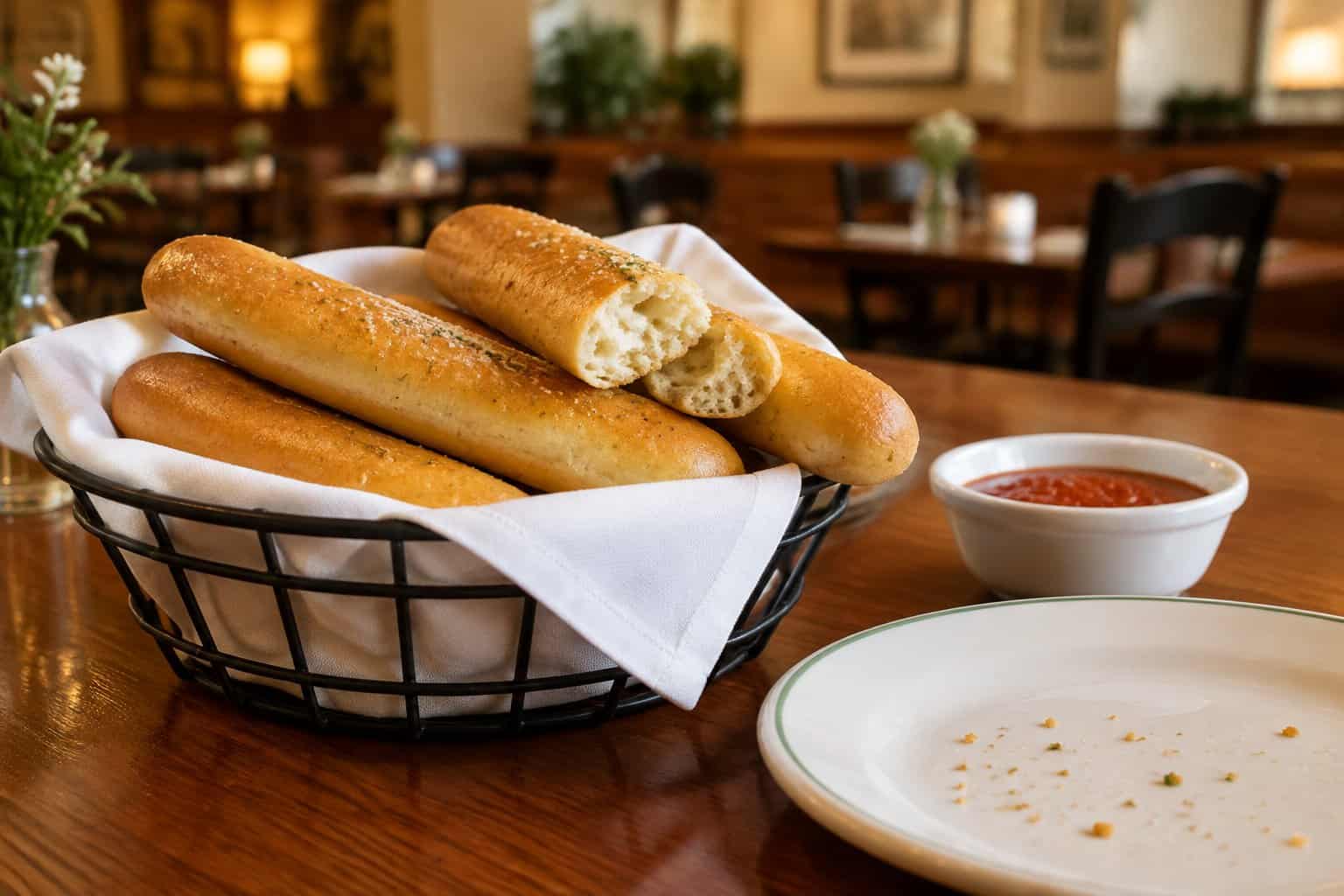
You’ve probably heard the breadsticks called legendary, but that reputation doesn’t mean every diner walks away impressed. Some find them doughy and underbaked in the middle, with a texture that feels more like raw dough than fully cooked bread. Others point out that the garlic butter topping can taste more like salt than actual garlic, leaving the flavor flat.
There’s also the issue of pacing. Breadsticks often arrive as one per person plus an extra for the table, and if you’re not paying attention, you might end up waiting longer than expected for a second round. When you’re hungry and expecting a steady supply right away, that pacing can feel disappointing.
If you want them at their best, ask for a fresh, hot batch, and don’t count on them as your main filler. That way, you’re not depending on the breadsticks alone to carry the meal.
26. Tiramisu
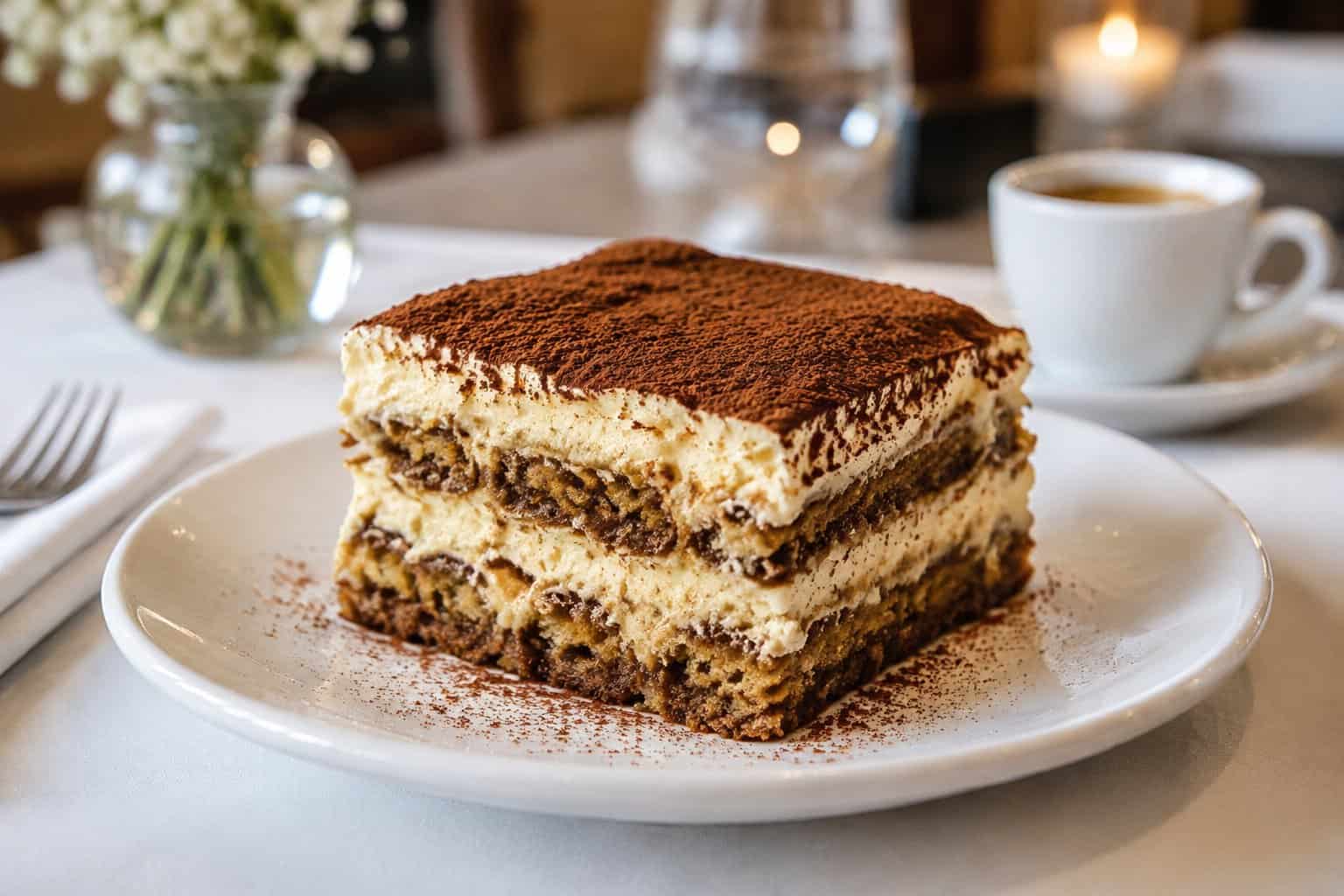
You might expect Olive Garden’s tiramisu to deliver the rich, boozy depth found in traditional versions, but many diners say it falls short, without the strong espresso flavor they associate with authentic tiramisu.
Reviews frequently describe the texture as too soft or lacking the firm, layered structure that makes tiramisu satisfying. You may also notice the flavor comes across as flat or overly sweet, without the balance of bitter coffee and mascarpone that defines the dish elsewhere.
Consistency is another issue. Some visits produce a decent version, while others leave you with something that tastes more like a generic coffee cake than a proper tiramisu.
If you want dessert after your meal, consider the Sicilian Cheesecake instead. It’s a simpler dessert with fewer texture complaints, and a more reliable way to end your meal on a high note.
27. Black Tie Mousse Cake
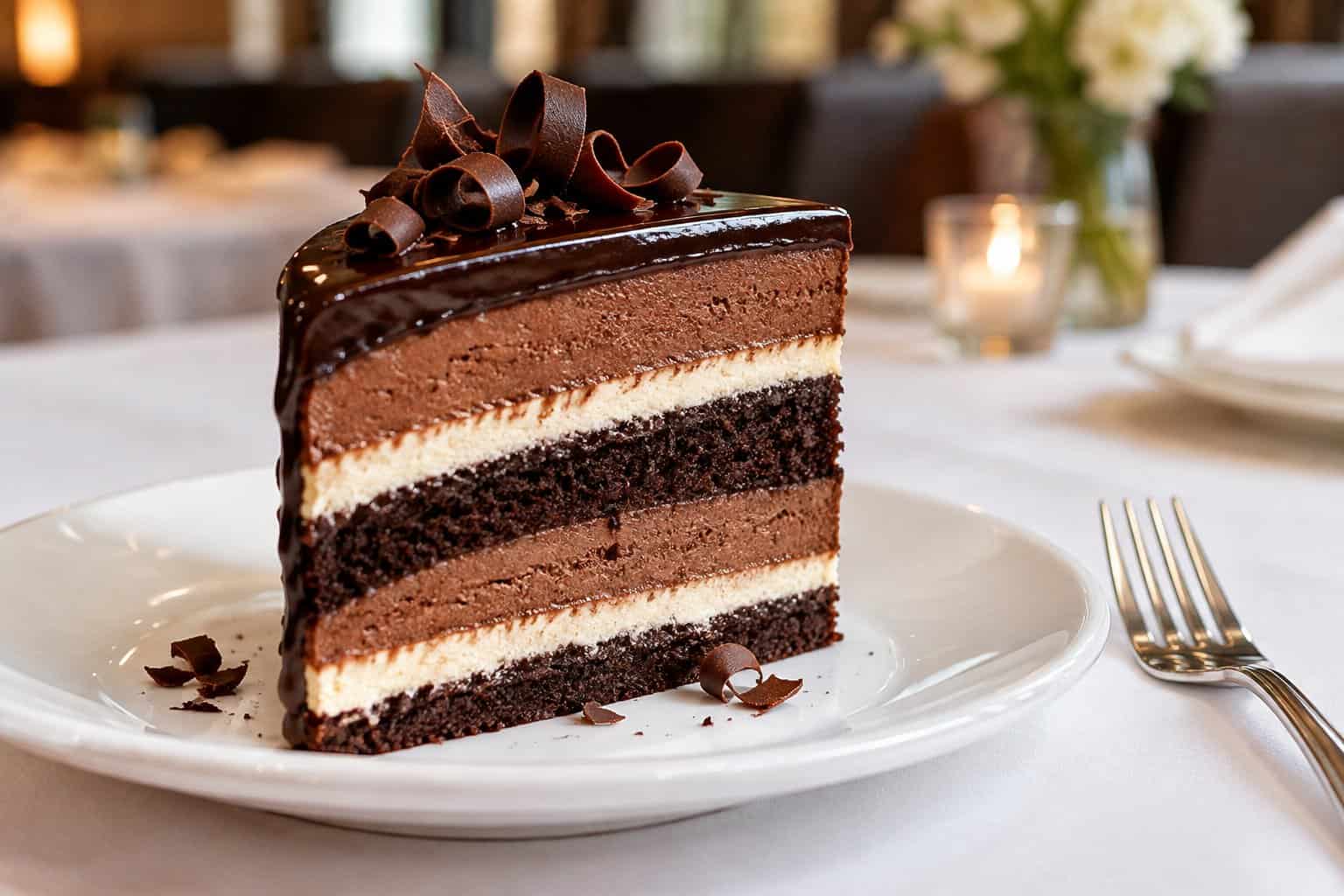
The Black Tie Mousse Cake has a reputation as a safe choice, but that reputation doesn’t mean it’s a favorite among diners. It’s essentially a tuxedo-style cake, layering chocolate cake with mousse and a shell of chocolate coating. Many diners find it unremarkable compared to other restaurant chocolate desserts, describing it as heavy without being especially flavorful.
Part of the problem is texture. The mousse layer can come across as dense rather than light, and the chocolate shell sometimes tastes more like coating than real chocolate.
For chocolate lovers specifically, you might be happier asking your server whether any limited-time desserts are available, since Olive Garden adds seasonal options from time to time.
28. Chocolate Brownie Lasagna
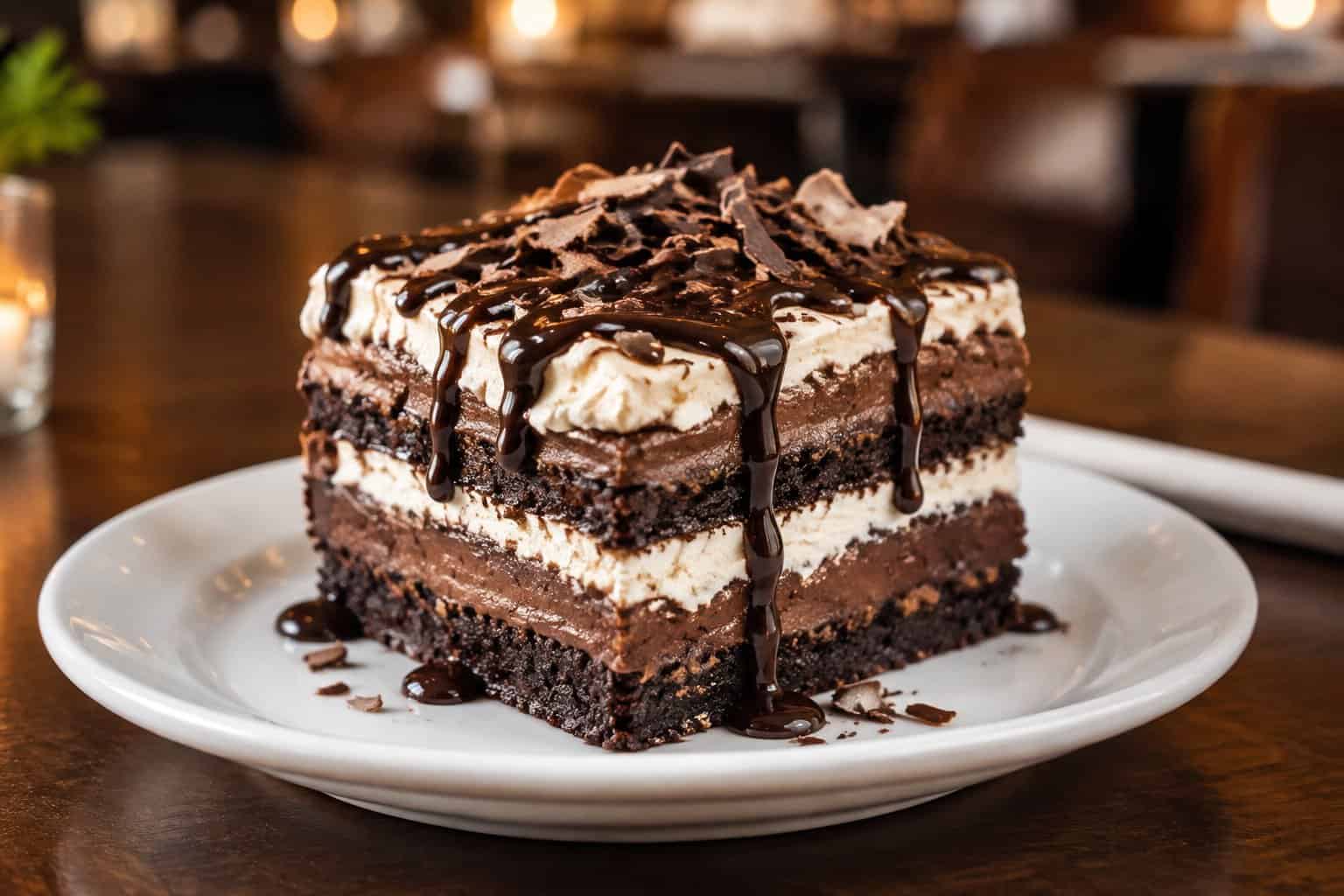
If you order the Chocolate Brownie Lasagna expecting a warm, fresh-baked brownie, you may be disappointed. This dessert layers fudge brownie with a sweet vanilla cream cheese frosting and chocolate on top.
Many diners find it far too heavy to finish after a full Italian meal. You’re often already stuffed from breadsticks, salad, and a pasta entrée, so a dense multi-layer dessert can feel like more than your stomach can handle.
The texture is another common complaint. Some diners find it dense rather than gooey, which isn’t what you’d expect from a brownie dish.
The chocolate sauce on top tends to be thick and overly sweet for some palates, overwhelming the other flavors instead of complementing them. If you’re looking for something lighter to end your meal, share it with the table or choose a smaller, lighter dessert instead.
29. Lemon Cream Cake

The Lemon Cream Cake is Olive Garden’s attempt at a light, citrus-forward dessert, but many diners find it misses the mark. The cake layers often come across as dense rather than airy, and the lemon flavor can taste artificial instead of fresh.
You might also notice the dessert is served chilled. This can make the cake texture feel stiff and the cream filling slightly waxy, which takes away from the overall experience.
Some diners also point out that the portion feels small for the price, especially when compared to other desserts on the menu. If you’re looking for more value, consider sharing a larger dessert with the table instead.
If citrus is what you’re craving, ask your server whether a seasonal special might better suit your taste, since Olive Garden sometimes offers limited-time desserts.
30. Warm Italian Doughnuts
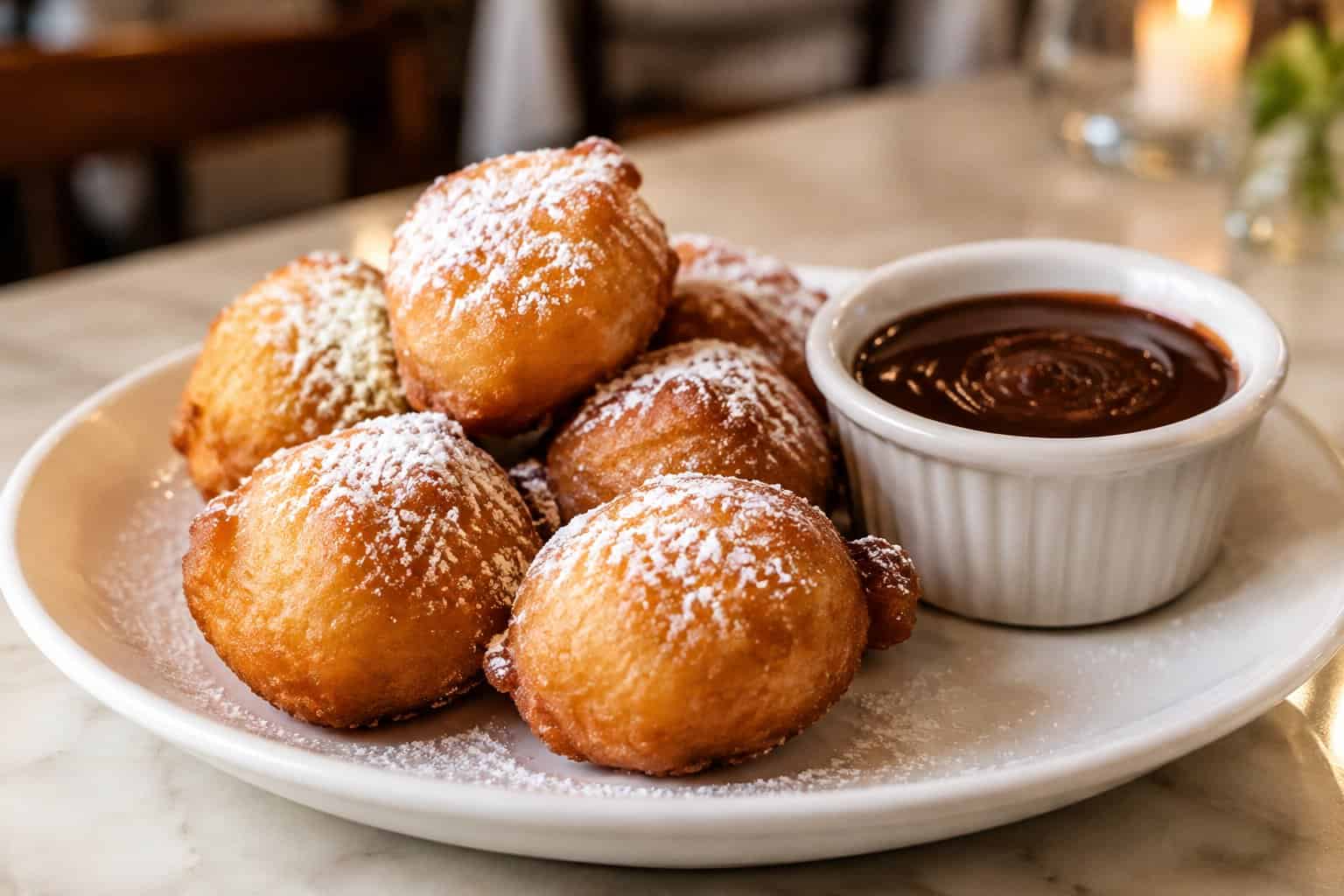
These doughnuts get a lukewarm reaction from many diners, and the complaints tend to center on texture. Many diners describe them as dense and heavy rather than light and airy, which is what you’d expect from a proper doughnut.
The dipping sauce doesn’t always save the dish either. Some reviewers note it can taste artificial or overly sweet, which clashes with the fried dough instead of complementing it.
There’s also the issue of temperature and freshness. When these doughnuts sit for even a short time before reaching your table, they lose whatever appeal they had, turning cold and greasy rather quickly.
A common tip among regular visitors is to only order this dessert if you’re eating in the restaurant, since it doesn’t travel well for takeout. If you’re looking for a better way to end your meal, you may be happier sharing a slice of cheesecake with the table.
If you want something warm, ask your server about seasonal dessert specials instead of defaulting to the doughnuts.