The 30 Worst Lidl Products According to Shoppers
Lidl has built a loyal customer base by offering lower prices on groceries and household items. Shoppers often praise the retailer for its deals, but not every product on the shelves meets expectations.
Across review sites and social media, customers have flagged certain items as disappointing purchases. Shoppers have pointed to specific foods and drinks they feel fall short on taste, quality, or value compared to other options at the store. This list looks at some of the products that shoppers suggest skipping on your next trip.
1. Fresh Atlantic Salmon Fillets
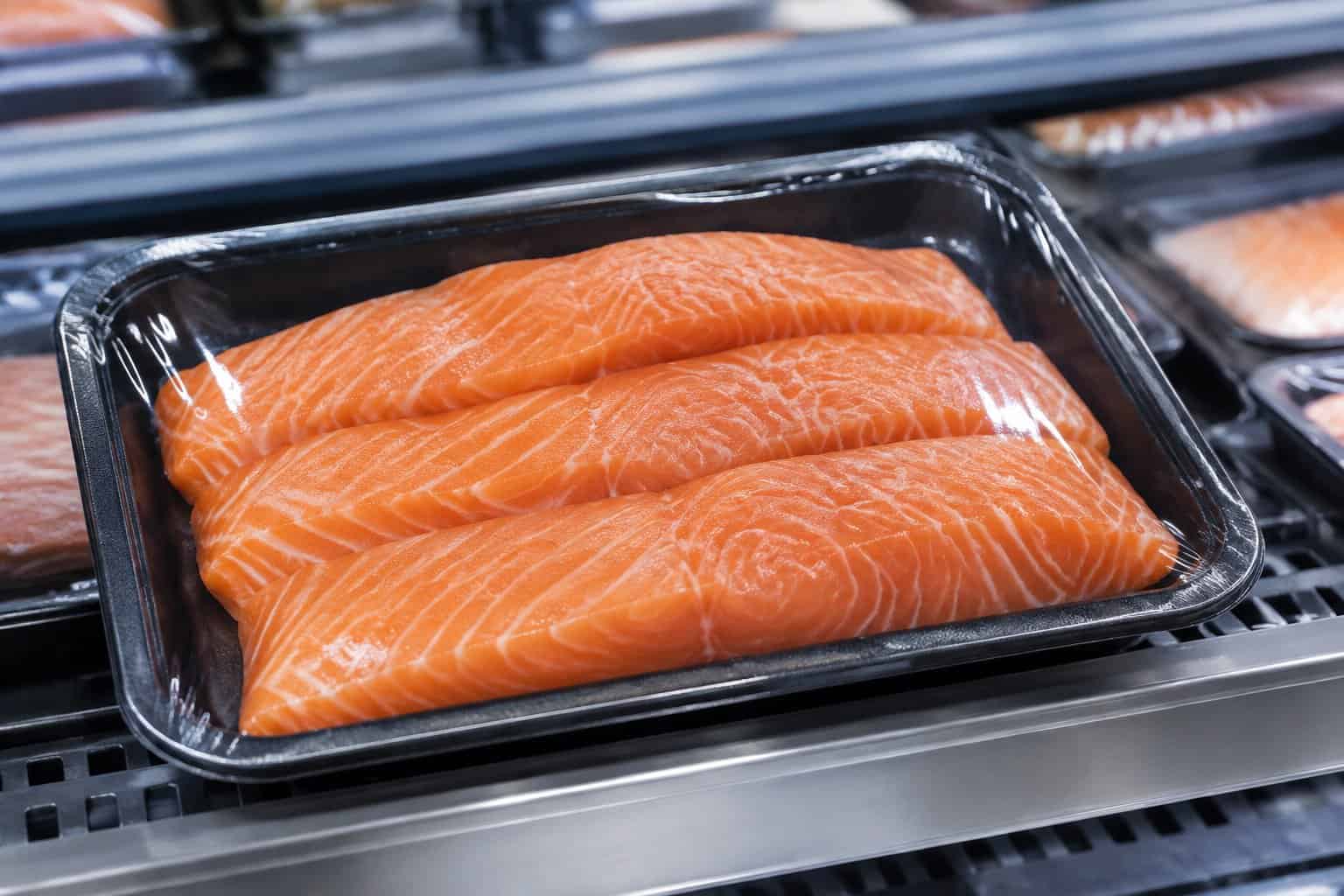
If you’ve picked up a pack of Lidl’s fresh Atlantic salmon fillets, you may have noticed a stronger fishy smell than you’d expect from fresh fish. Many shoppers report this same issue, which can be a sign the fish has been sitting for a while.
You might also run into inconsistent quality from one visit to the next. One week the fillets look firm and bright, and the next they seem dull or slightly discolored, making it hard to know what you’re actually getting.
Portion sizes can be uneven too, with some fillets noticeably thinner or smaller than others in the same pack. If you’re cooking for multiple people, this makes it tricky to get consistent results at the table.
A better option is to check the seafood counter at a grocery store that sells whole fish or cuts it to order in front of you. You can also try frozen wild-caught salmon from a trusted brand, since fish frozen soon after it’s caught can taste fresher than “fresh” fillets that have spent a few days in the case. Always check the sell-by date and smell the package before you commit to buying it.
2. Bellarom Ground Coffee
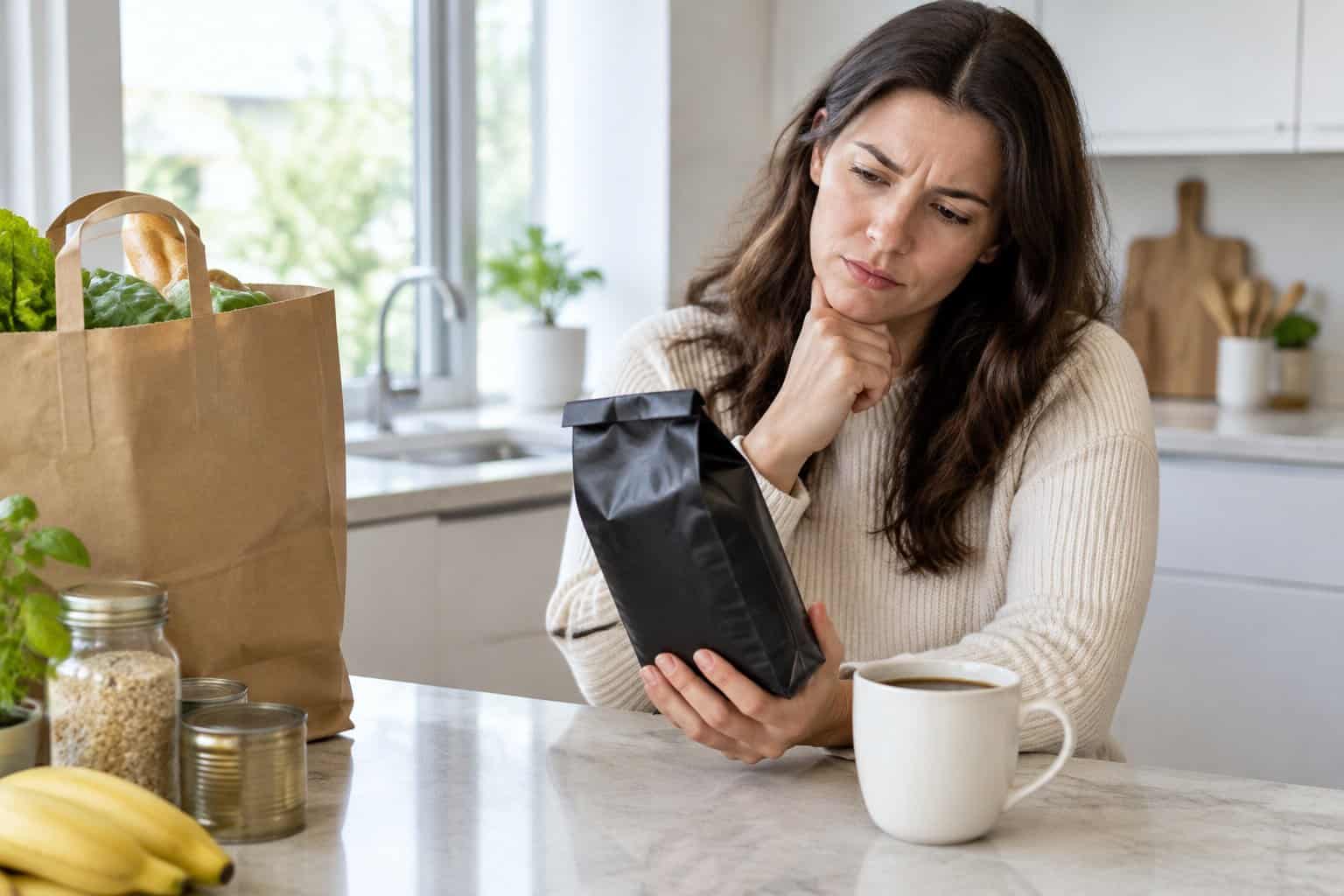
If you’ve picked up a bag of Bellarom ground coffee for the low price tag, you may have noticed the flavor doesn’t quite match the savings. Many shoppers describe it as weak or watery, even when brewed at normal strength. Others find the taste flat, with little of the richness you’d expect from a medium or dark roast blend.
Part of the problem seems to be inconsistency between batches. You might get a decent bag one week and a noticeably stale or bitter one the next.
A better option is to look for a whole bean coffee from a local roaster or a supermarket brand that lists its origin and roast date clearly. Grinding your own beans just before brewing will give you a fresher cup than anything pre-ground sitting on a shelf for months. If you want to stick with budget supermarket coffee, try one of Lidl’s whole bean coffees and grind it at home before committing to a large bag.
3. Store-Brand Potato Chips
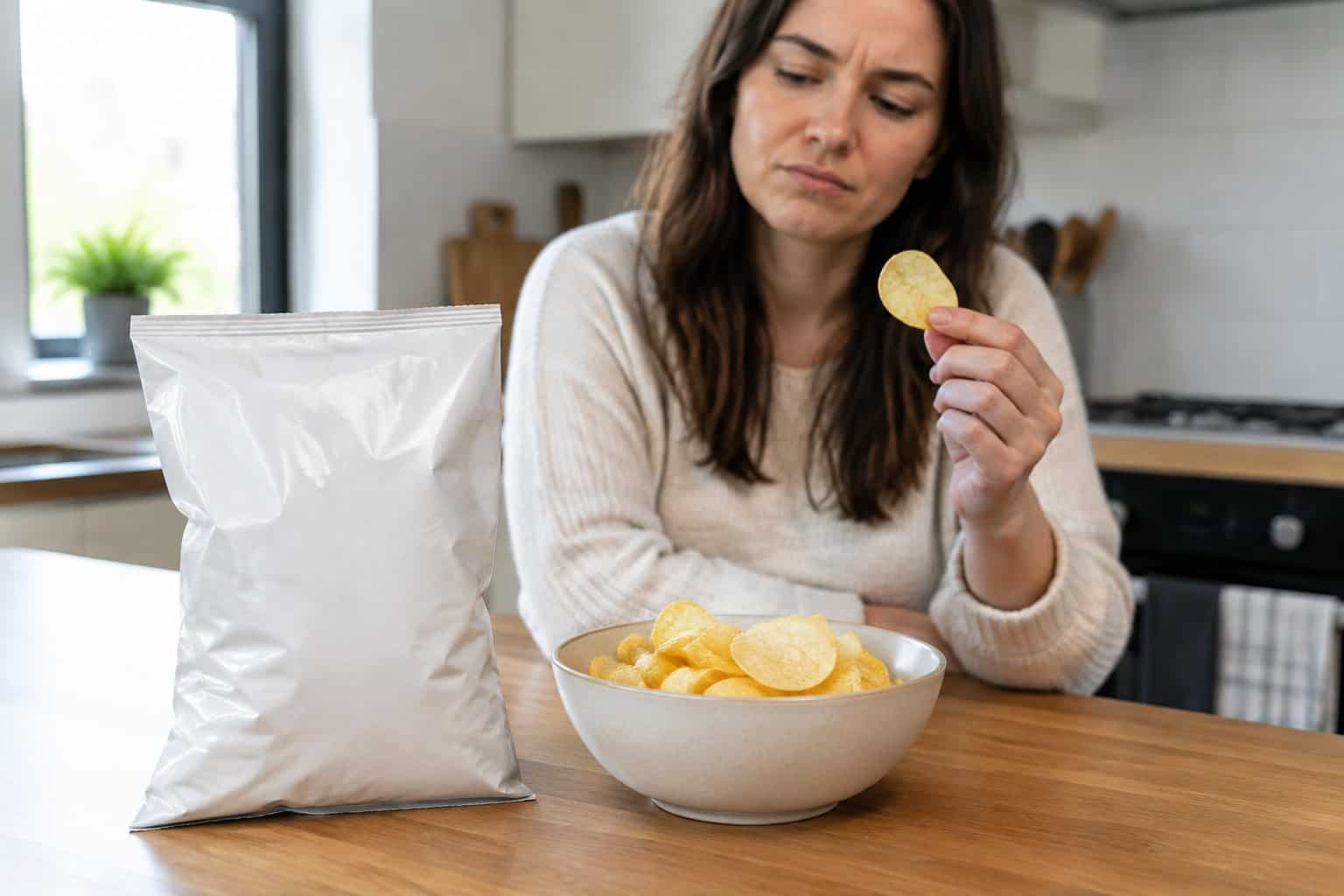
If you’ve picked up a bag of Lidl’s store-brand potato chips, you may have noticed they taste stale faster than other brands once opened. Several shoppers mention the bag doesn’t reseal well, which means the chips lose their crunch within a day or two.
You might also find the seasoning uneven across the bag, with some chips tasting overly salty while others seem bland. This inconsistency can make the snacking experience frustrating, especially if you’re buying them for a party or get-together.
Another common complaint involves the amount of broken chips found inside the bag. You may open a fresh bag only to discover it’s filled with shards and crumbs rather than whole chips, which isn’t ideal if you’re planning to serve them to guests.
For a better option, try a name-brand chip like Lay’s Classic or a kettle-cooked chip, which many shoppers find crunchier and more evenly seasoned. Whatever you buy, roll the bag down tightly and close it with a clip so the chips stay crisp.
4. Fresh Blueberries
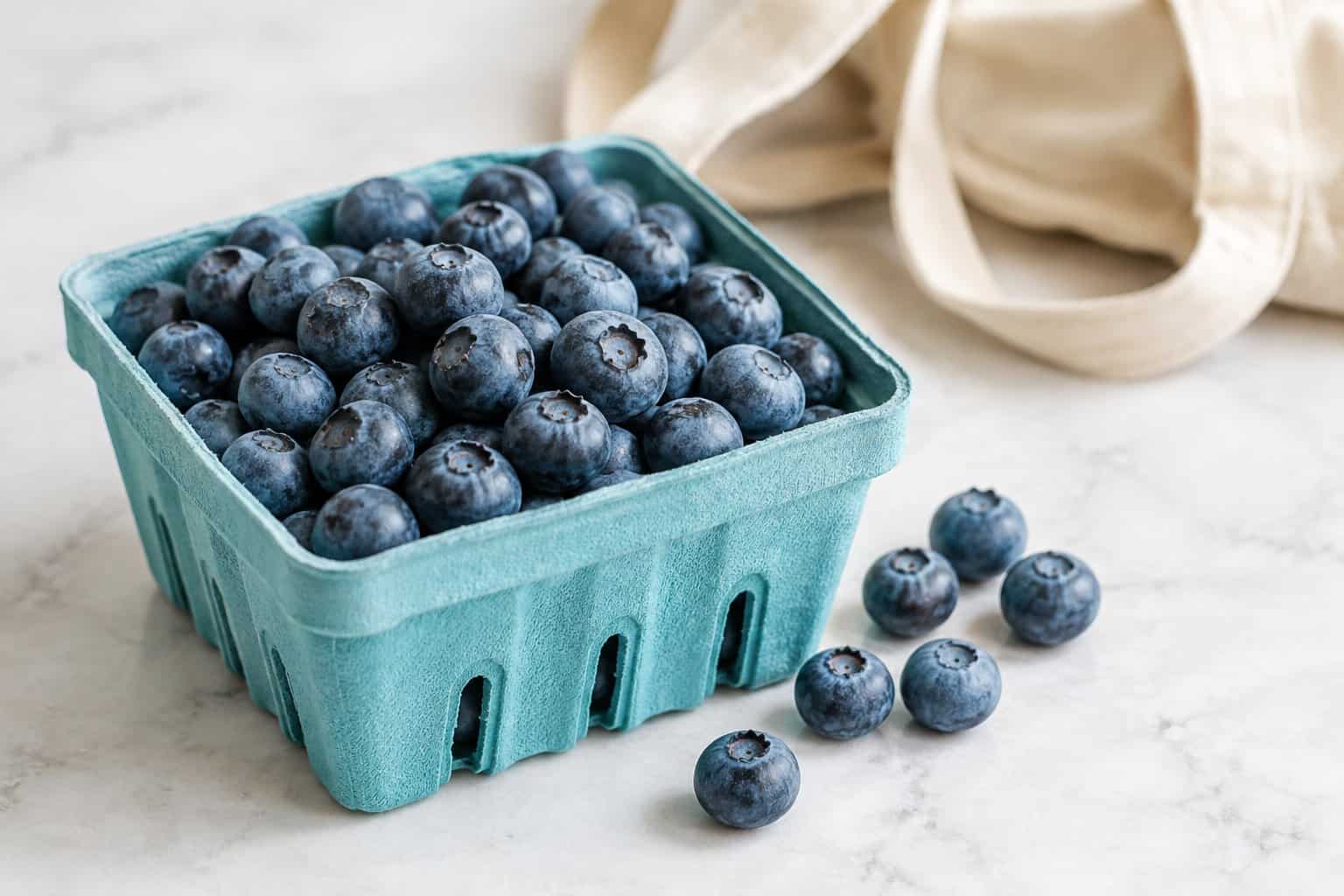
Shoppers have reported that Lidl’s fresh blueberries often don’t last as long as expected. You may notice the container looking fine in the store, but once you get it home, mold can set in within a day or two.
Some buyers have also pointed out that the berries can be inconsistent in quality. One batch might be firm and sweet, while the next is soft, watery, or lacking in flavor.
If you want blueberries that hold up better, it helps to check the container carefully before buying. Look for berries that are dry, firm, and free of any white mold spots at the bottom of the container.
You might also consider buying from a store with higher produce turnover, or opting for frozen blueberries instead. Frozen berries keep for months and work well in smoothies, baking, or oatmeal without the risk of spoiling within days.
5. Bagged Salad Mixes
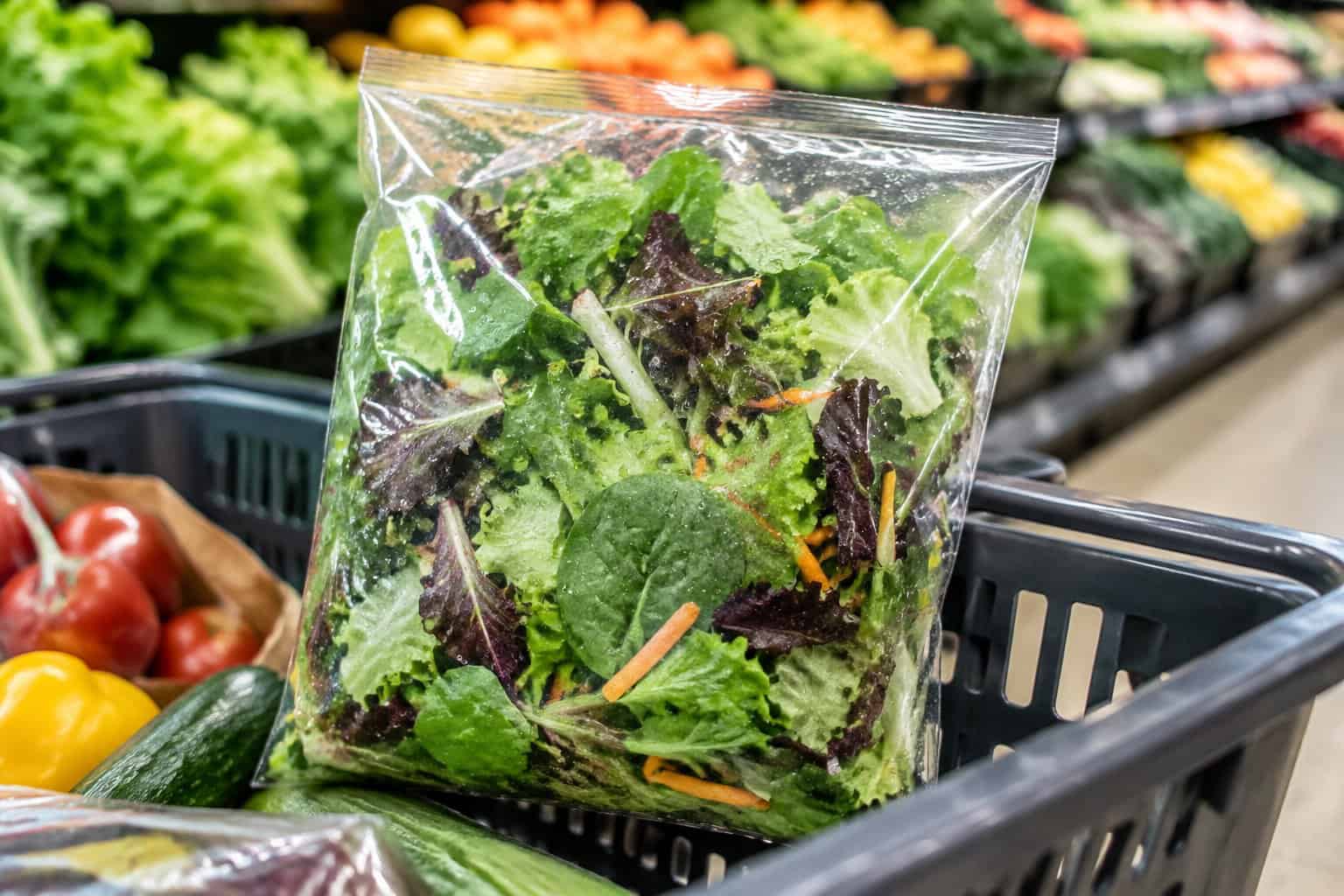
You’ve probably noticed the bagged salad mixes at Lidl wilt faster than you’d expect, sometimes within a day or two of purchase even when the date on the bag suggests otherwise. Shoppers frequently report finding slimy leaves near the bottom of the bag or patches of discoloration hidden under fresher-looking greens on top.
You might also run into bags that feel oddly damp or waterlogged, which speeds up spoilage once you get it home. This moisture issue seems to affect the pre-washed varieties more than whole heads of lettuce, since trapped condensation in sealed packaging gives bacteria a place to thrive.
Taste-wise, you may find the leaves lack crunch and taste slightly bitter compared to fresher alternatives. If you want salad that actually lasts through the week, consider buying a whole lettuce, like romaine or iceberg, and washing and chopping it yourself.
It takes a few extra minutes, but you’ll get better texture and a longer shelf life. Alternatively, check the produce section for individually wrapped heads rather than pre-bagged mixes, since whole lettuce tends to hold up better against refrigerator humidity and rough handling during transport. The FDA’s produce safety tips also recommend buying bagged salad greens only if they’re kept refrigerated or on ice.
6. Avocados
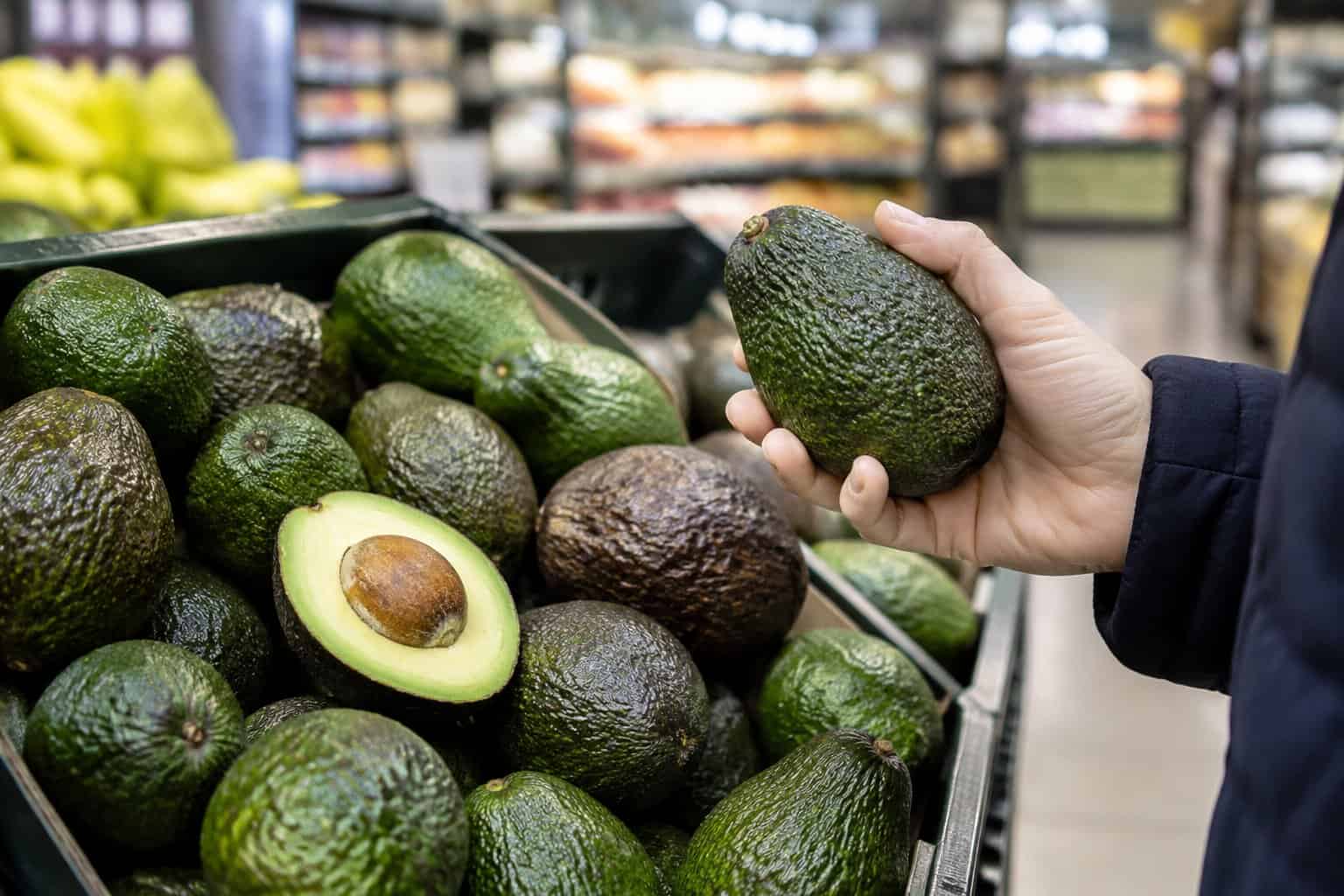
Avocados sold as ready to eat often turn out to be nowhere close to ready when you get them home. You might cut one open expecting a soft, creamy texture, only to find it hard, pale, and nearly impossible to mash. Other times the opposite happens, and the fruit has already turned brown and mushy before you even get a chance to use it.
This inconsistency makes meal planning frustrating, especially if you are buying avocados for a specific recipe or occasion. You cannot always trust the packaging or in-store labeling to match what you actually get once you slice into one.
A better approach is to buy avocados that are still slightly firm and let them ripen on your counter for a few days. This gives you more control over the process and a better chance of hitting that ideal texture. You can also check for even coloring and gently press the stem end to judge ripeness before buying, which helps you avoid the guesswork that comes with ones sold as ready to eat.
7. Vine Tomatoes
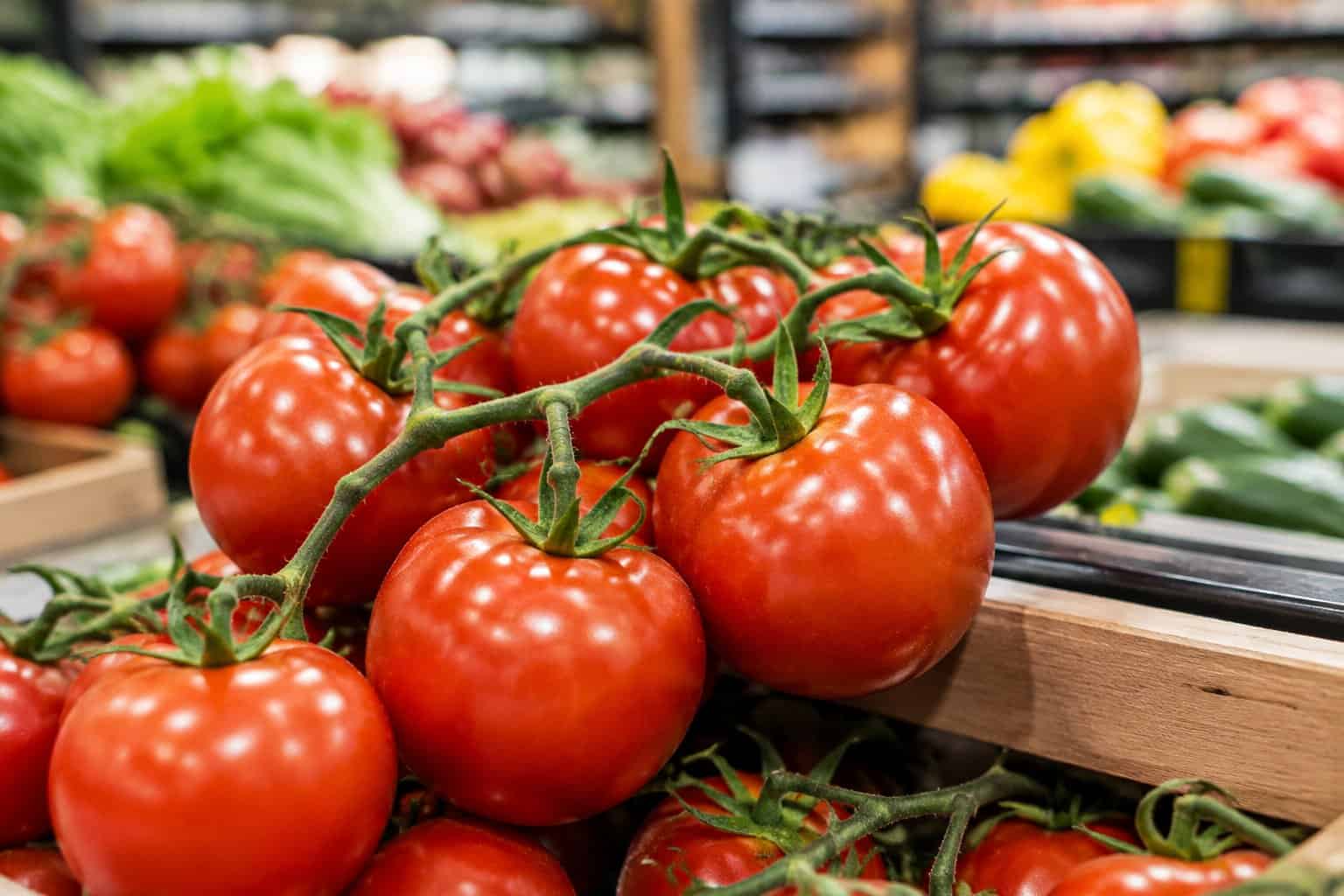
If you’ve picked up a pack of vine tomatoes at Lidl, you may have noticed they don’t always last as long as expected. Several shoppers report that the tomatoes turn soft or wrinkled within a day or two of purchase, even when stored properly.
You might also find that the flavor falls short compared to tomatoes from other grocers. Some buyers describe them as watery or bland, lacking the richness you’d expect from vine-ripened produce. The skins can also split more easily than you’d like, especially if the tomatoes sit in the fridge for a few days.
Price is usually the draw here, but if freshness matters more to you than saving a few cents, it may be worth looking elsewhere. Farmers markets often carry vine tomatoes with better flavor, especially in summer. If you prefer sticking to grocery stores, a store with a busy produce section may offer more consistent quality.
Checking the tomatoes closely before you buy can help you avoid the softest ones. Looking for firm, brightly colored tomatoes with intact vines attached is a simple way to improve your odds of a better batch.
8. Peaches
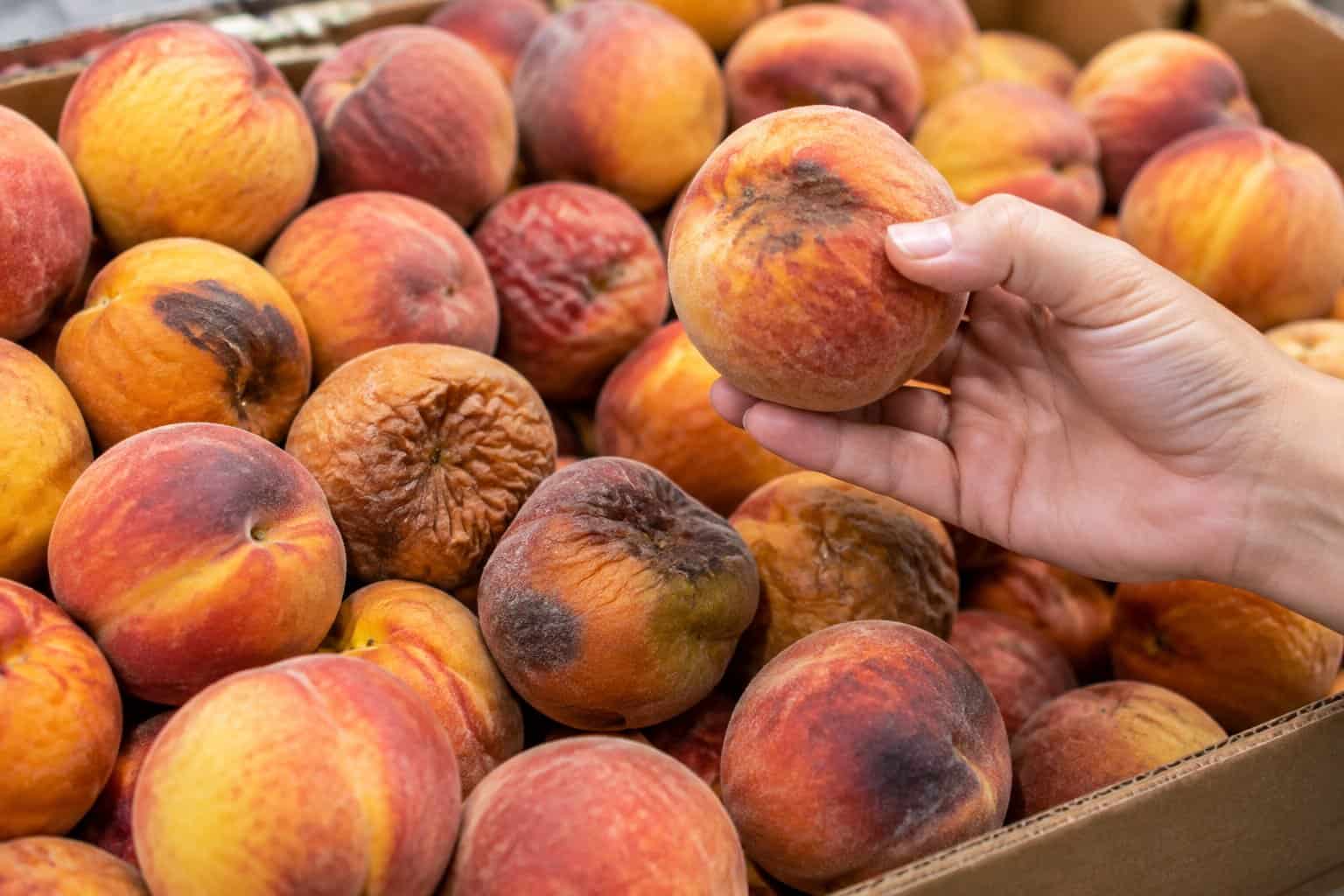
Peaches draw regular complaints from Lidl shoppers. You may notice that bags or loose peaches look ripe and appealing in the display, but the flesh underneath can be mealy or dry rather than juicy. Some shoppers have also reported bruising that isn’t visible until you cut into the fruit.
Because peaches are delicate, their quality depends heavily on handling during transport and storage. If you buy them when they’re not in peak season, you’re more likely to end up with fruit that lacks flavor or ripens unevenly.
A better approach is to buy peaches when they’re in season, typically during the summer months, rather than year-round. Checking for a slight give near the stem and a fragrant smell can help you pick better ones in store.
If you want a more reliable option, frozen peaches can be a safer bet, since they’re usually picked and frozen at peak ripeness. This avoids the gamble of fresh peaches that may have traveled long distances before reaching the shelf.
9. Store-Brand Ice Cream
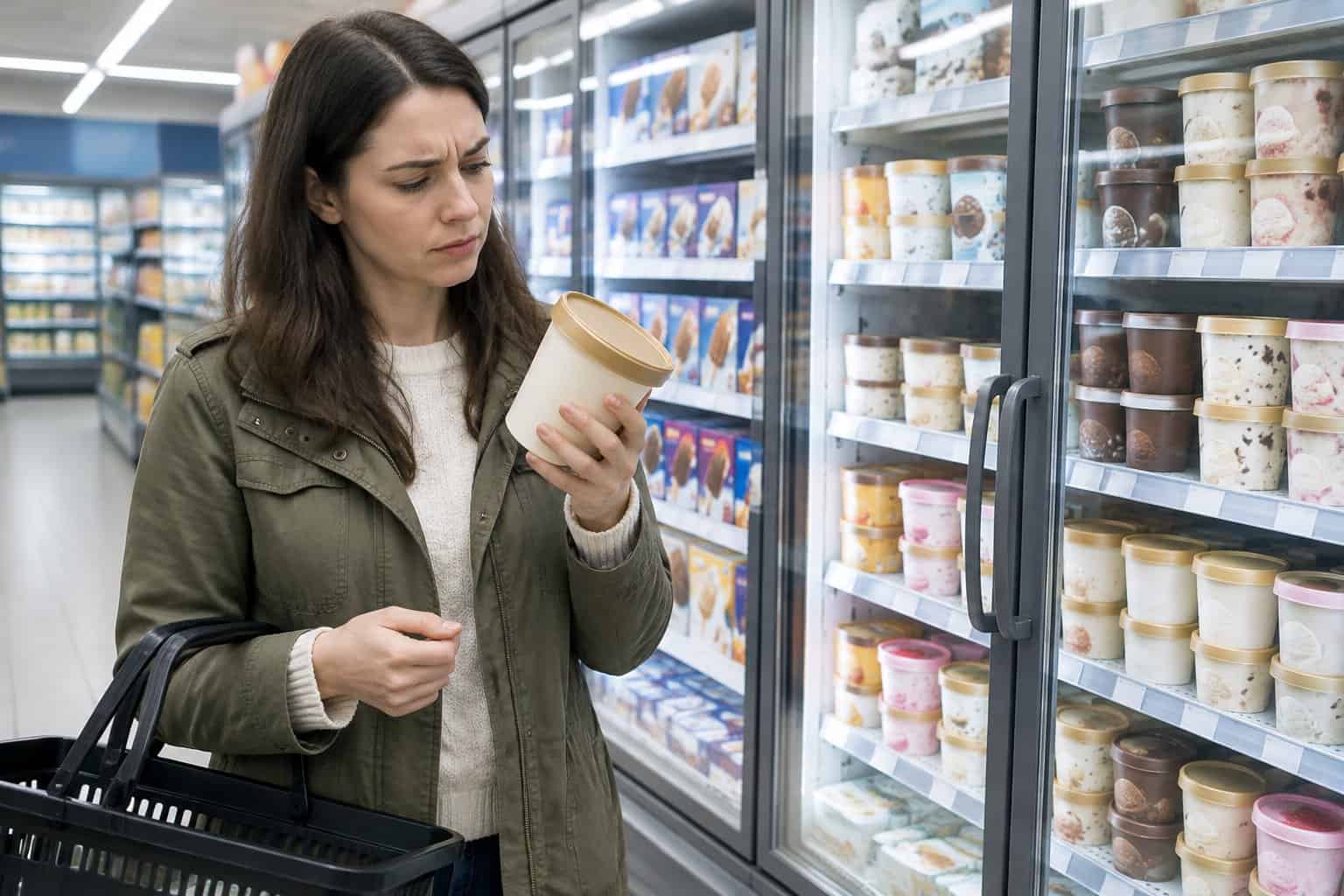
Lidl’s store-brand ice cream is cheap, but texture is where many shoppers say it falls short. Common complaints describe it as icy or grainy rather than smooth and creamy, especially after the tub has been opened and refrozen a few times.
Budget ice creams often have more air whipped in and less cream than premium pints, which can make them taste thinner and less rich. You may also notice ice crystals forming on the surface, a sign of freezer burn that shows up faster once a tub has been opened.
Flavor is the other sticking point. Some shoppers find the vanilla bland and the mix-in flavors light on chunks. If creamy texture matters to you, compare labels and pick a premium pint that lists cream and milk near the top of the ingredient list, then finish it within a few weeks of opening.
10. Fresh Raspberries
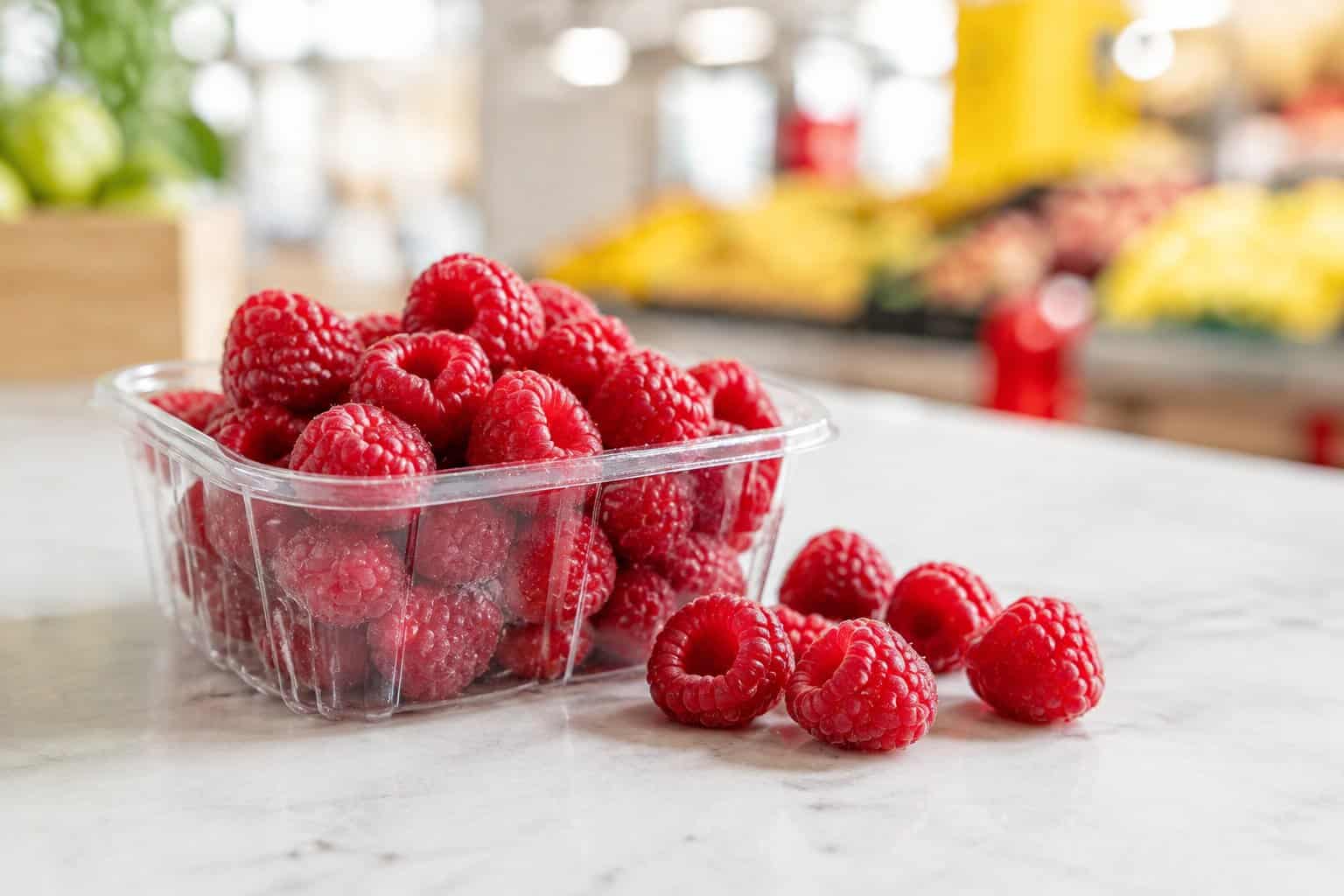
Fresh raspberries at Lidl are a common complaint among shoppers who notice the fruit turning mushy or moldy within a day or two of purchase. Since raspberries are delicate and don’t travel well, even small amounts of moisture in the packaging can speed up spoilage.
You might open the container only to find the berries at the bottom have already started leaking juice or growing fuzzy white mold. Raspberries are among the most fragile fruits in the produce section, so this can happen fast, which makes planning meals around them frustrating.
If you want to use raspberries soon after buying them, check the bottom of the container before purchasing and look for any visible moisture or discoloration. You can also try rinsing and drying them as soon as you get home, then storing them in a container lined with paper towels to absorb excess moisture.
For a more reliable option, frozen raspberries hold up much better and work well in smoothies or baking. If you prefer fresh berries, buying them closer to when you plan to eat them, rather than days in advance, can help you avoid wasting money on spoiled fruit.
11. Fresh Strawberries
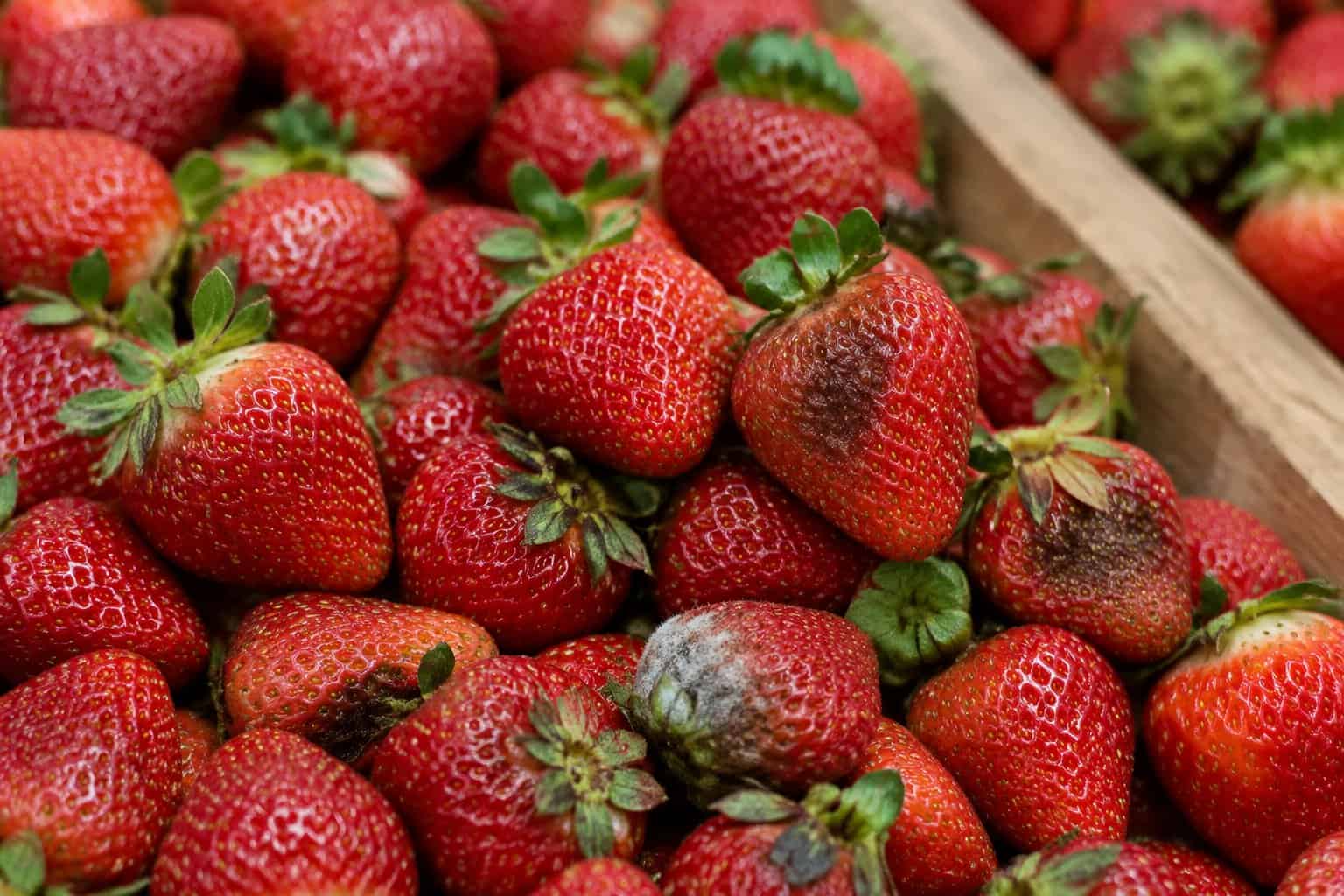
Strawberries are one of the most common complaints among Lidl shoppers, and the issue almost always comes down to mold. Several customers report finding white, fuzzy mold on strawberries within a day or two of buying them, which may point to how the fruit is stored or shipped before it reaches the shelves.
You might open the container at home only to find a layer of mold hiding underneath the top strawberries that looked fine in the store. This makes it difficult to trust the packaging at a glance, since the surface fruit can look perfectly red and firm while the ones underneath are already spoiling.
Because of this, many shoppers say they inspect every side of the container before buying, or avoid Lidl strawberries altogether. If you want fresher berries, try buying them loose from a local farm stand or farmers market when in season, since you can check each one individually.
Alternatively, frozen strawberries are a dependable backup and work well in smoothies or baking, so they’re worth considering if fresh ones keep letting you down.
12. Cantaloupe and Watermelon
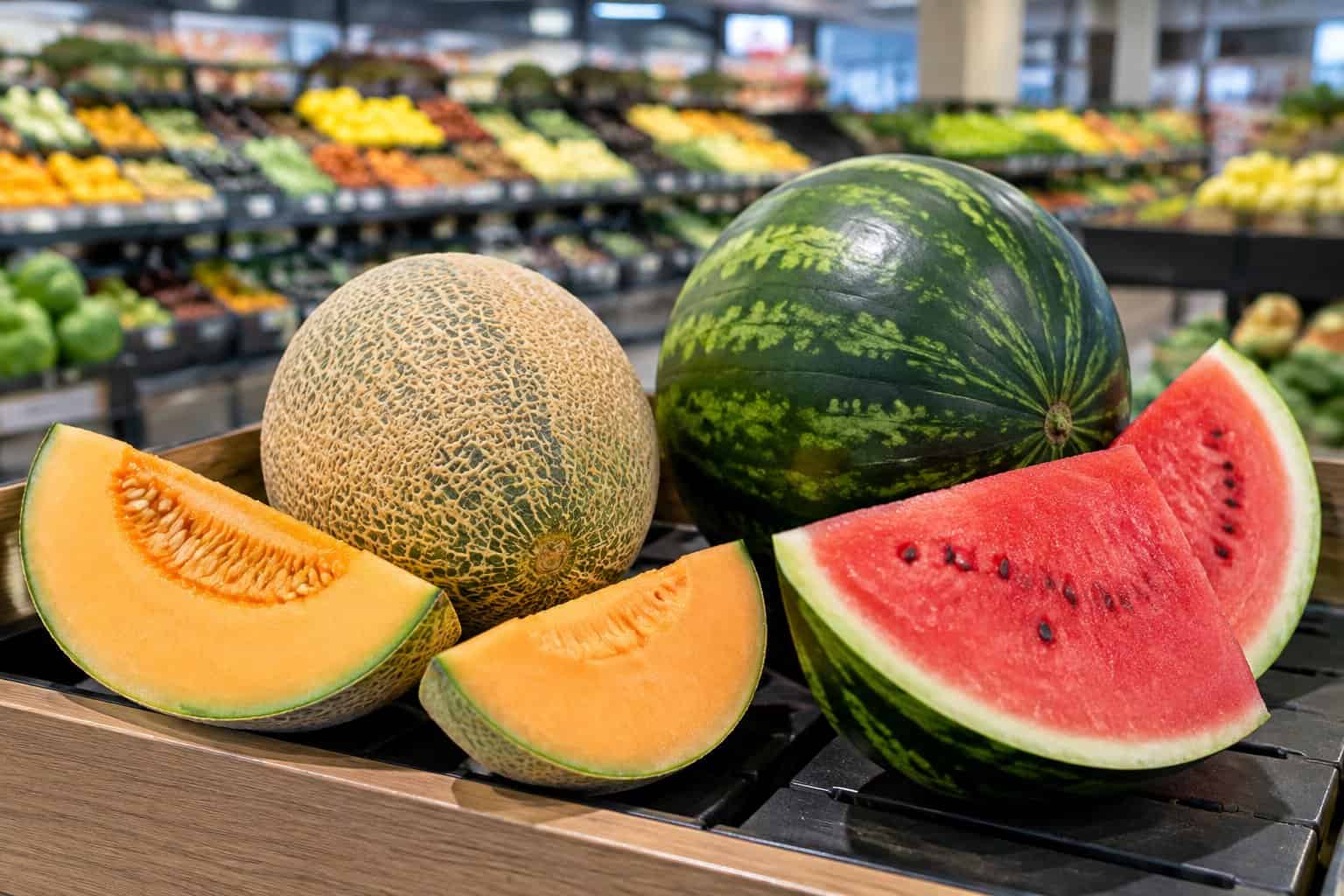
If you’ve picked up cantaloupe or watermelon from Lidl, you may have noticed inconsistent ripeness. Some shoppers find the melons underripe and bland, with little of the sweetness you’d expect. Others report the opposite problem, getting fruit that’s already overripe or mushy by the time they cut into it.
You might also run into issues with how these melons are stored and displayed. Whole melons sitting at room temperature for too long can affect texture and flavor once you get them home. Pre-cut containers can be hit or miss too, sometimes arriving watery or with a faded, less appetizing color.
A better bet is to check your local farmers market during peak summer months, when cantaloupe and watermelon are in season and sold closer to harvest. If you’re sticking with grocery stores, try giving the melon a gentle squeeze and checking for a sweet smell at the stem end before buying. Whole melons generally hold up better than pre-cut ones, so you’ll have more control over freshness if you cut them yourself at home.
13. Pre-Cut Fruit Cups
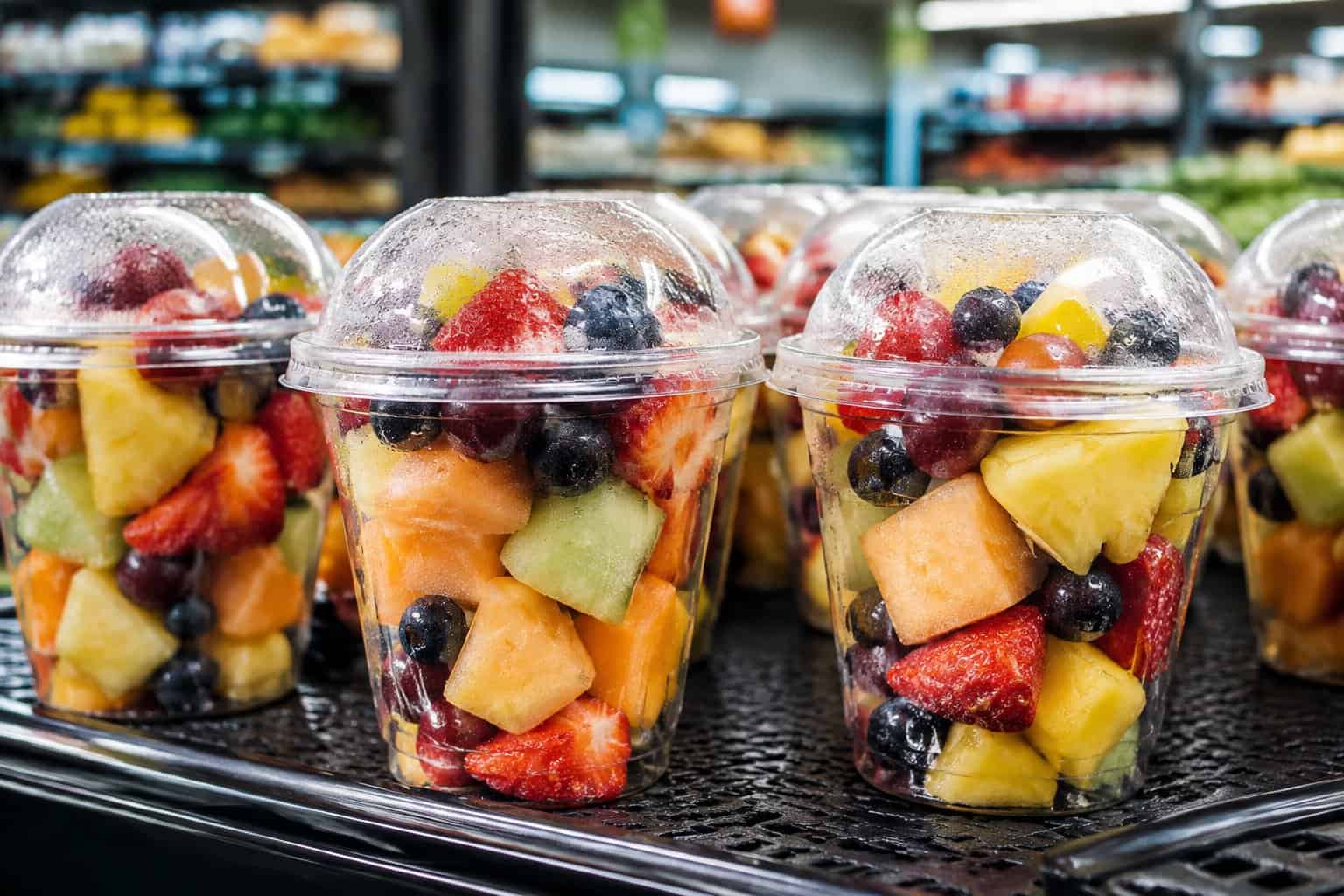
You might reach for these when you want a quick, healthy snack without the hassle of chopping fruit yourself. The convenience sounds appealing, but many shoppers have found the actual eating experience disappointing.
The fruit inside often arrives underripe or oddly textured, with melon pieces that taste watery and apple slices that brown faster than expected. Some shoppers also feel the portions are small for the price.
Freshness is another common complaint. Some shoppers report that the cups taste fine on the day of purchase but turn mushy or lose flavor within a day or two, even when stored properly in your fridge.
If you want pre-cut fruit without the inconsistency, buying whole fruit and cutting it yourself right before eating gives you better texture and flavor control. Preparing a batch at home once or twice a week often ends up being cheaper too.
14. Pre-Cut Vegetables
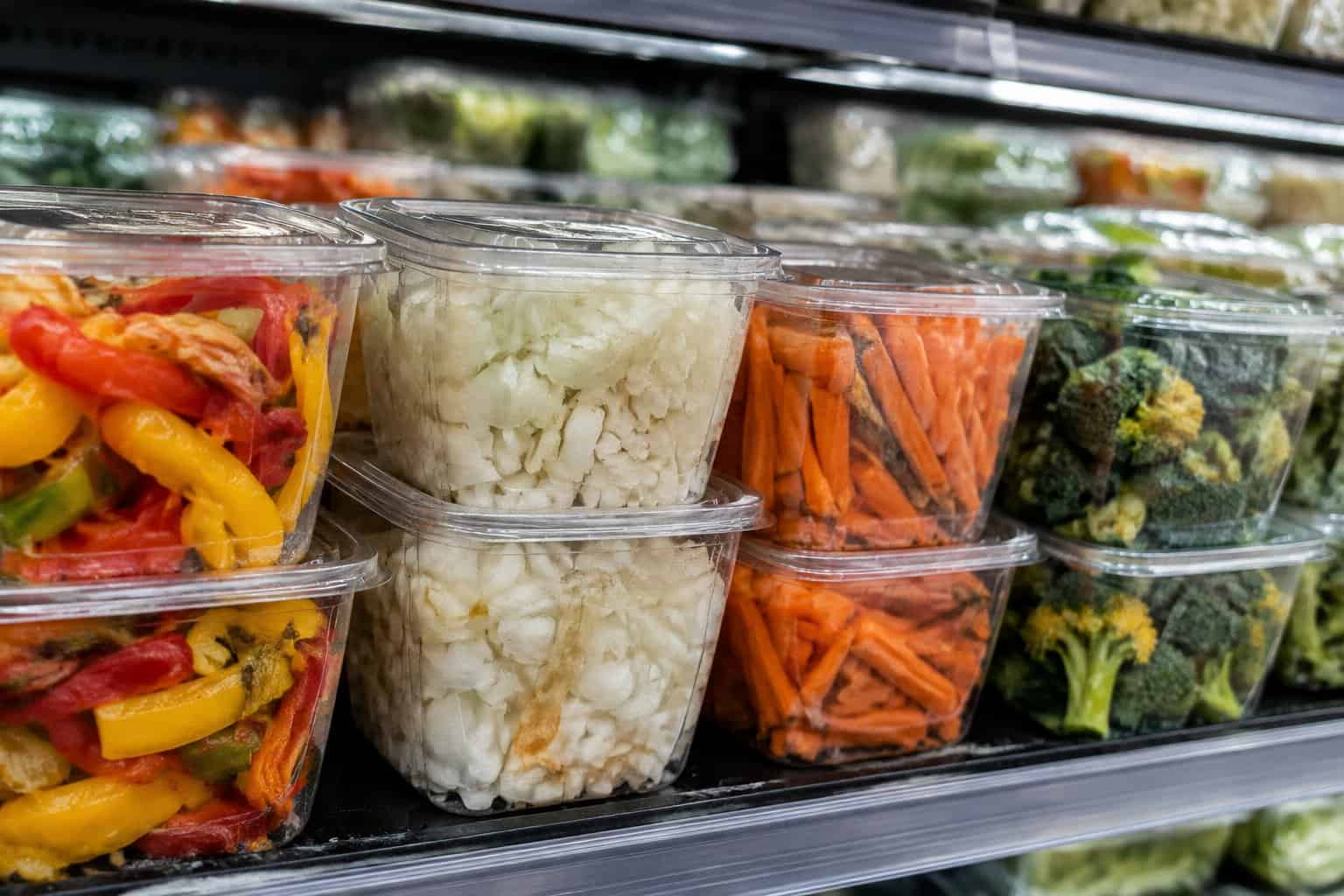
If you buy pre-cut vegetables at Lidl, you have probably noticed they spoil faster than expected. Many shoppers say bags of chopped peppers, onions, or stir-fry mixes turn slimy or develop a sour smell within a day or two of purchase, even when stored properly in the fridge.
You might also find inconsistent portions in each bag, with some packs containing more stems or discolored pieces than usable vegetables. This makes it hard to judge how much you are actually getting for the price, and it can feel like a waste of money when half the bag goes straight into the trash.
A better option is to buy whole vegetables from Lidl’s produce section instead. Whole peppers, onions, and carrots tend to last longer and let you control freshness and portion size yourself.
Cutting your own vegetables also means you avoid the added moisture that builds up in sealed bags, which speeds up spoilage. It takes a few extra minutes, but you get fresher results and less waste overall.
15. Packaged Fresh Herbs
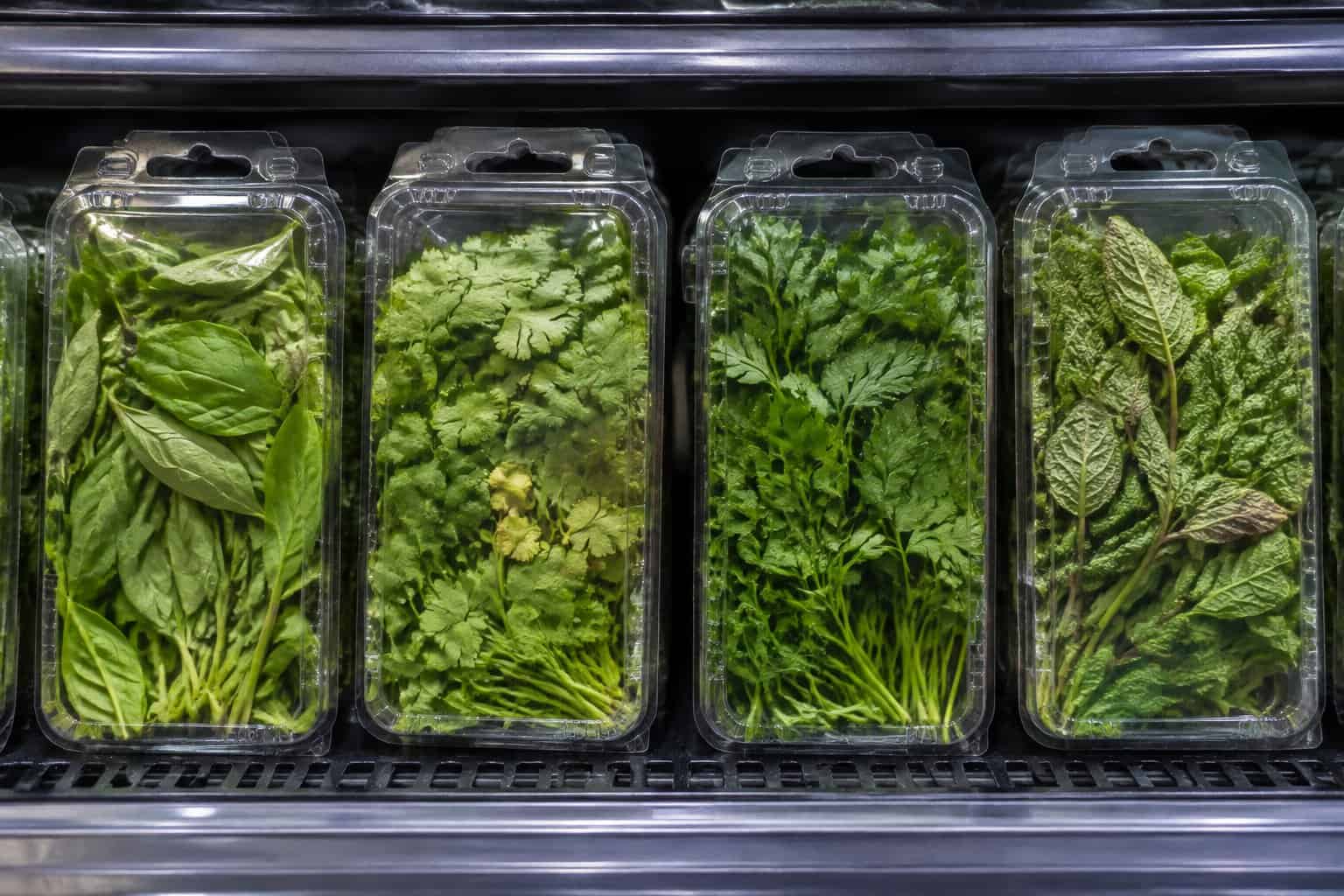
Fresh herbs in small plastic clamshells are a common purchase at Lidl, but many shoppers find they wilt or turn slimy within a day or two of buying them. You may notice basil leaves blackening quickly or cilantro going limp even when stored properly in the fridge. This quick turnaround doesn’t leave much time to actually use a full pack before it spoils.
Part of the problem seems to be the packaging itself. The sealed plastic clamshells can trap moisture, which speeds up decay rather than preventing it. You might open a pack expecting several days of use and instead get only one or two before the herbs are unusable.
A better option is to buy potted living herbs if your local Lidl carries them, since they tend to last much longer when kept on a windowsill. You could also check the farmers market or a grocery store with higher produce turnover for cut herbs. If you only need a small amount, growing your own basil or mint at home avoids the waste altogether.
16. Bakery Baguettes
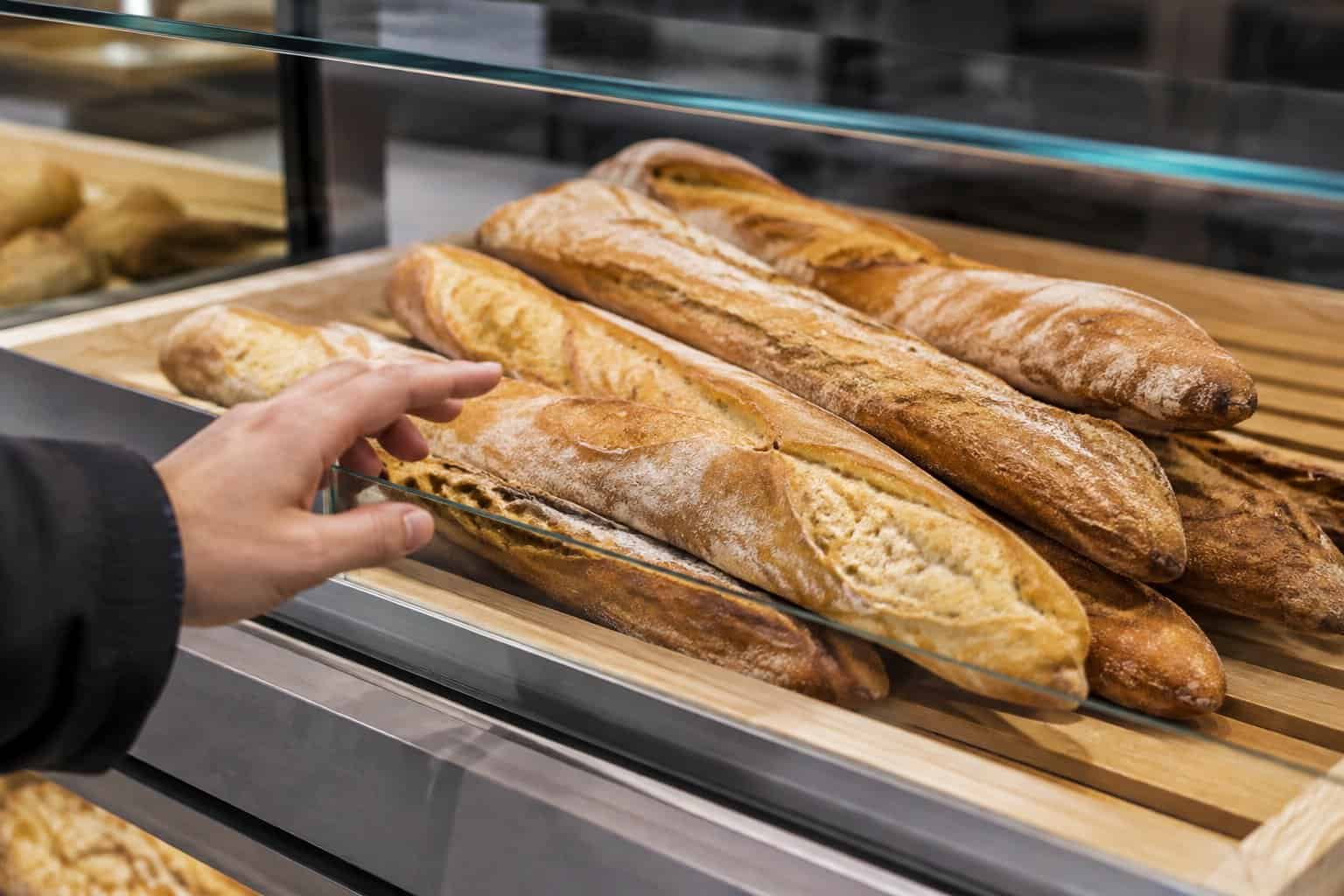
You might pick up a Lidl bakery baguette expecting a crisp crust and a soft, airy center, but many shoppers find the texture disappointing. The crust often turns chewy rather than crackly within a few hours of purchase, and the inside can feel dense instead of light.
Another common complaint is how quickly the baguette goes stale. If you don’t eat it the same day, you may find it hard and dry by the next morning, even when stored in a paper bag or bread box.
Some shoppers also note that the flavor is bland compared to bakery baguettes from other stores, lacking the slight tang or depth you’d expect from a well-fermented dough.
If you want a better option, look for a baguette from a local bakery or an artisan bread supplier near you, where you can buy it fresh the same morning. Alternatively, a par-baked baguette that you finish in your own oven, which often results in a fresher crust and better texture overall.
17. Bakery Pretzel Rolls
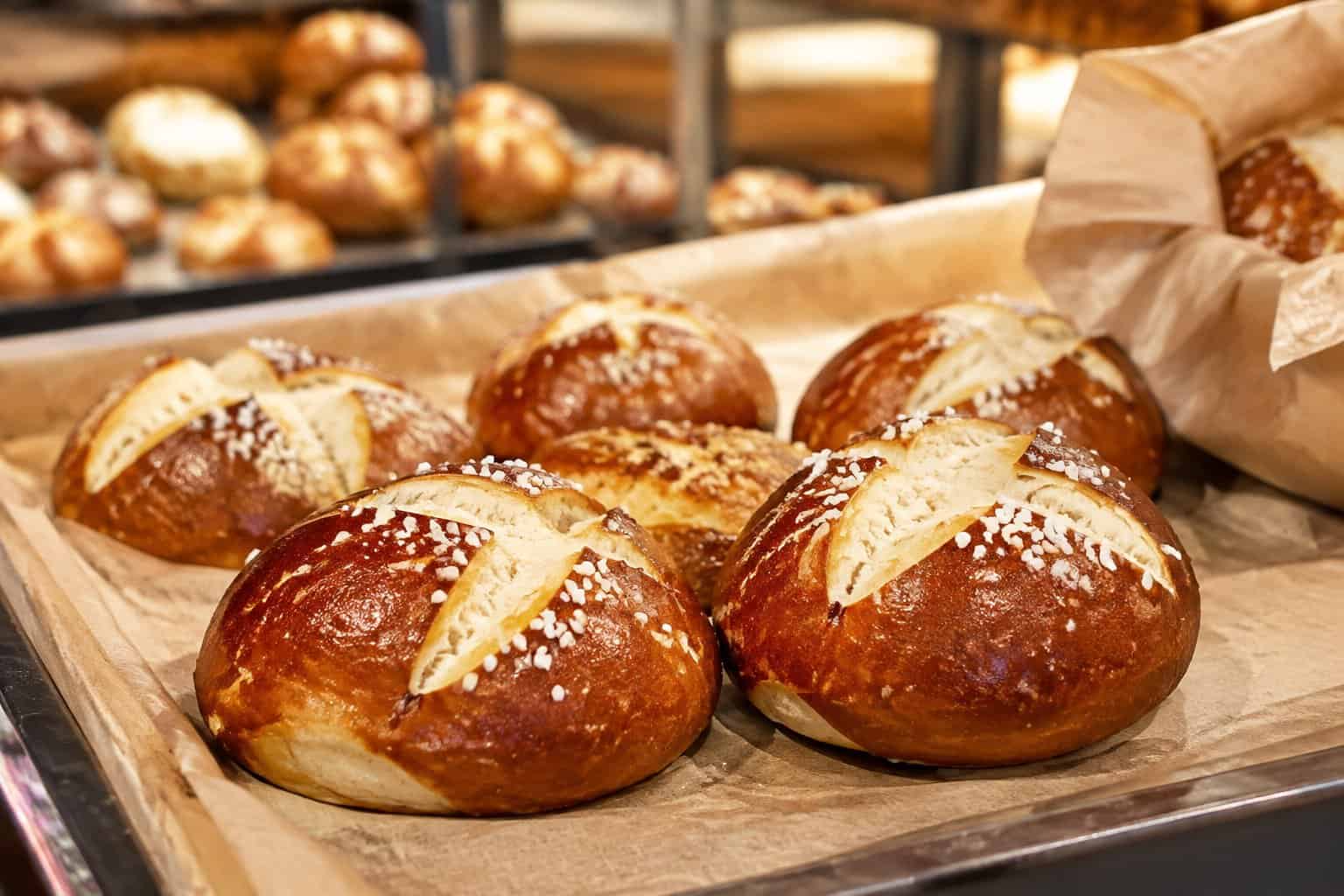
Lidl’s in-store pretzel rolls have plenty of fans, so the complaints mostly come down to freshness and consistency rather than the recipe itself.
Since the rolls are baked in-store throughout the day, one that’s been sitting in the case for hours can turn tough and dry, or go gummy if it was bagged while still warm. Some shoppers also find the coarse salt unevenly spread, with some rolls heavily salted and others barely seasoned.
The rolls also don’t keep well. By the next day, many shoppers find the crust has gone soft and leathery, so a bag bought for the week can be a letdown by day two.
For better results, buy them early in the day and eat them the same day, or warm them for a few minutes in the oven to bring back the crust. If you want something that lasts longer, a sturdy packaged sandwich roll will hold up better in your bread box.
18. Packaged Sliced White Bread
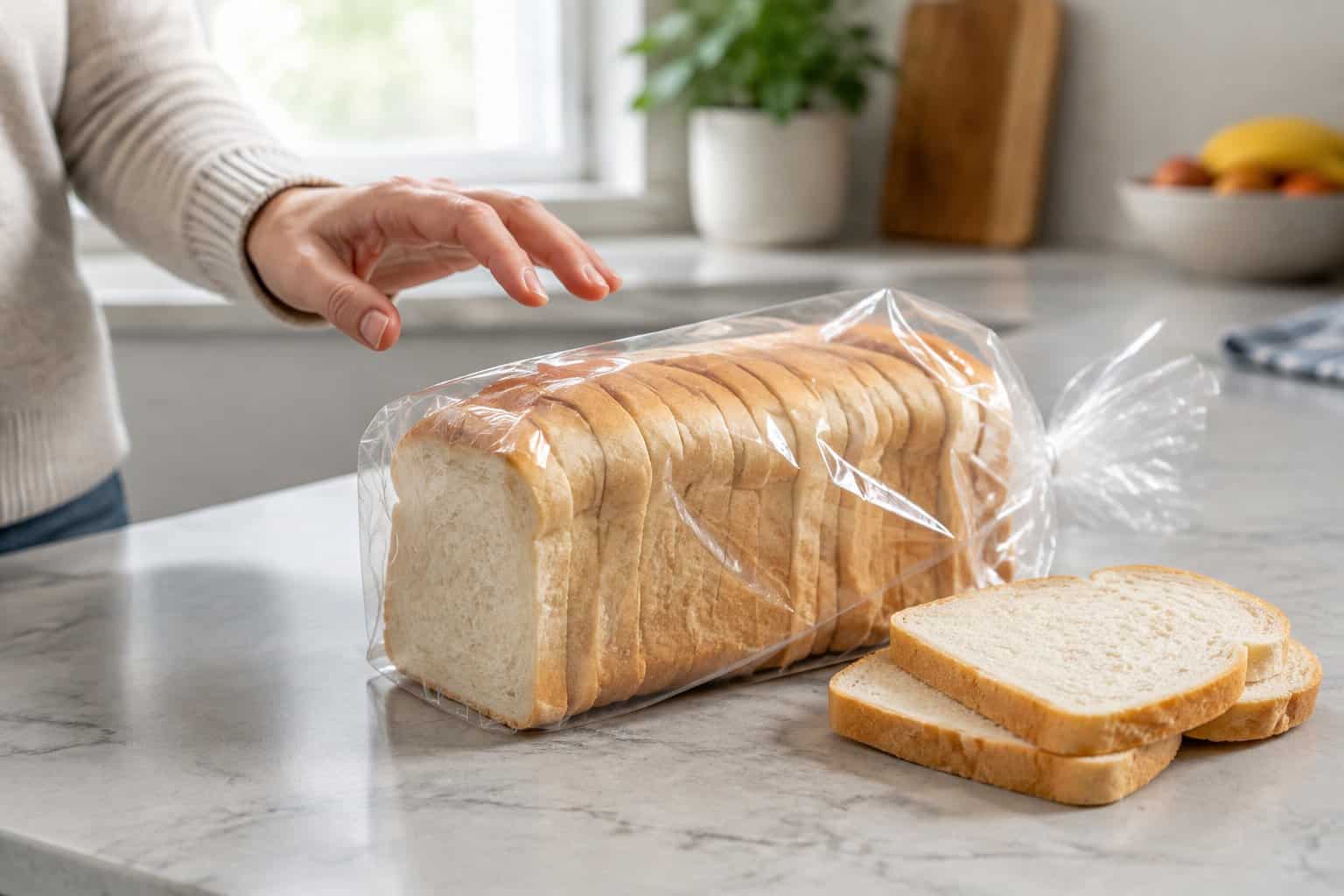
If you buy Lidl’s sliced white bread, you may notice it tends to go stale or moldy faster than loaves from other stores. Several shoppers have reported finding mold within just a few days of purchase, even when the bread is stored properly in a cool, dry place.
You might also find the texture disappointing. Some describe it as overly soft and gummy, almost doughy, rather than having the light, airy crumb you’d expect from a decent white loaf.
The taste can be a letdown too. You may pick up on a slightly bland or artificial flavor compared to bakery-fresh alternatives, which can make sandwiches and toast less enjoyable.
If freshness and taste matter to you, try a name-brand sandwich loaf or a loaf from a local bakery, and freeze half of it as soon as you get home so it doesn’t go moldy before you finish it.
You could also try a different supermarket’s own-brand bread if you’ve had repeated issues, since quality can vary noticeably between chains even at similar price points. Lidl’s main rival has its share of misses too, as our list of the worst Aldi products money can buy shows.
19. Bakery Croissants
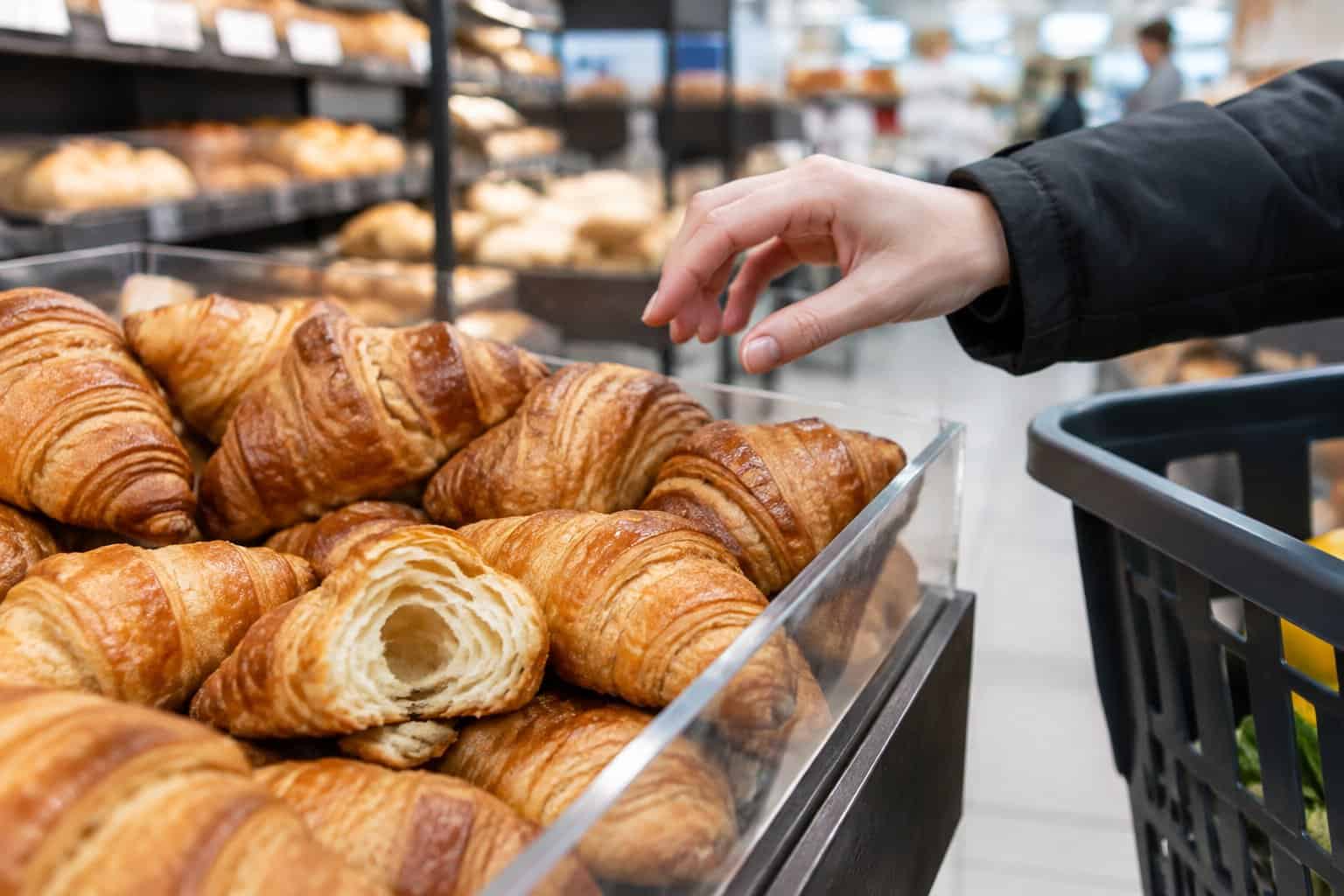
Lidl’s bakery croissants have a mixed reputation, and if you’ve bought them fresh from the in-store bakery, you may understand why. The main complaint centers on inconsistency. Some batches come out flaky and buttery, while others turn out dense, doughy, or undercooked in the middle.
You might also notice that the texture doesn’t hold up well after the first few hours. Croissants that seem fine when warm can turn chewy or stale by the next morning, which is frustrating if you’re planning to enjoy them over a couple of days.
Another issue shoppers bring up is the lack of real butter flavor compared to bakery-style croissants elsewhere. For a pastry that’s supposed to be rich and layered, the taste can come across as flat.
If you want a more reliable result, buy croissants early in the morning, when the first batch comes out of the oven, and pick ones that look puffed and golden rather than flat and pale. A few minutes in a hot oven can also bring back some crispness the next day. For special occasions, a local bakery is usually worth the extra cost.
20. Bakery Chocolate Croissants
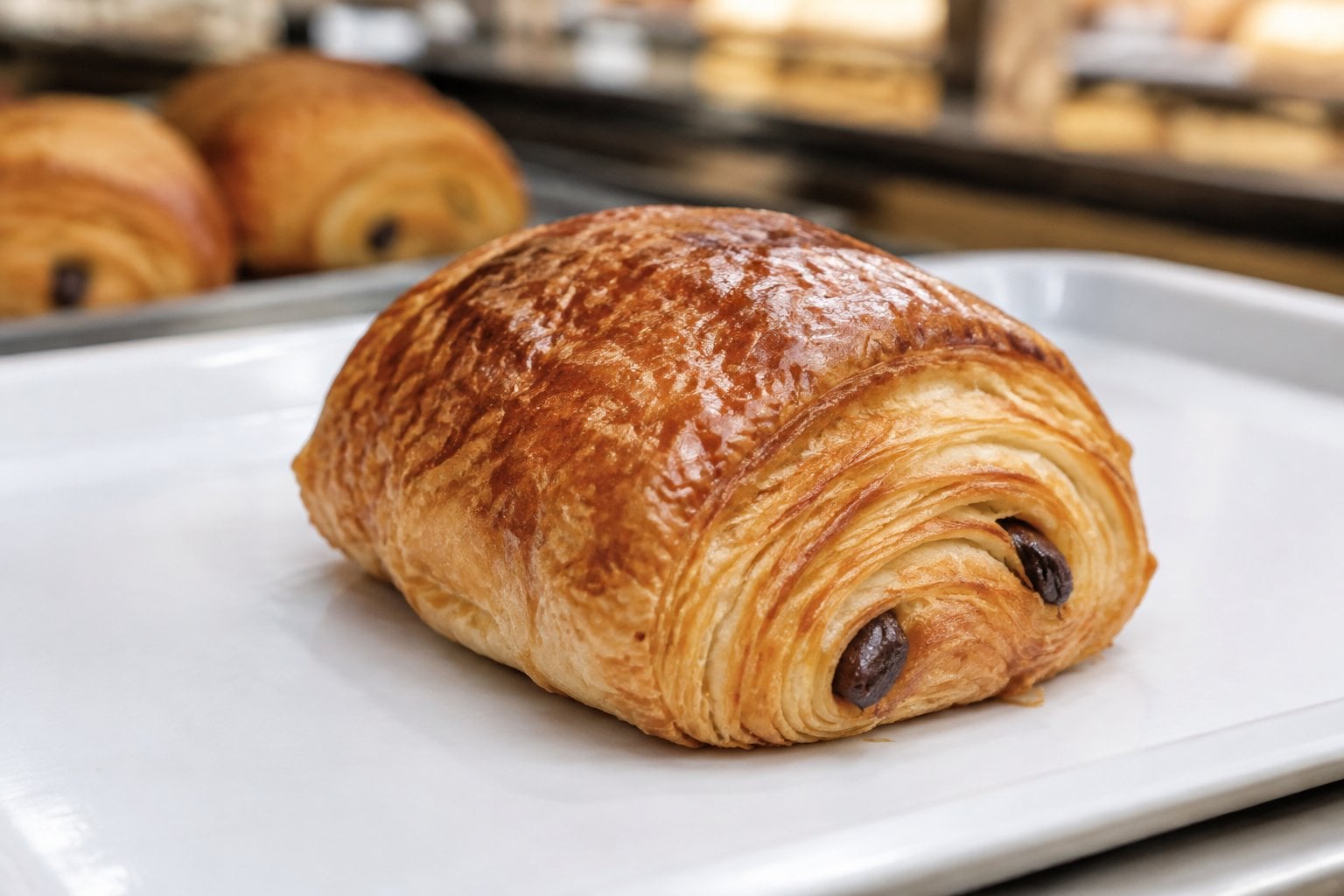
Opinions on this one split pretty hard. Some shoppers rave about it, while others say it falls short compared to a proper bakery version.
Your biggest complaint will likely center on consistency. One batch might turn out flaky and buttery, but the next can feel dense or undercooked in the middle. Since these are baked fresh in-store throughout the day, you’re somewhat at the mercy of timing and how long it’s been sitting out.
Chocolate distribution is another sore spot. You may find some pastries loaded with chocolate while others barely have a thin sliver running through them.
If you’re after something more reliable, a local bakery will usually give you better quality control, even if it costs more. Frozen proof-and-bake chocolate croissants are another option, since baking them at home lets you control the final texture yourself.
For the best shot at a good Lidl pastry, try to buy it early in the day when it’s freshly baked and the case hasn’t been picked over.
21. Bakery Donuts
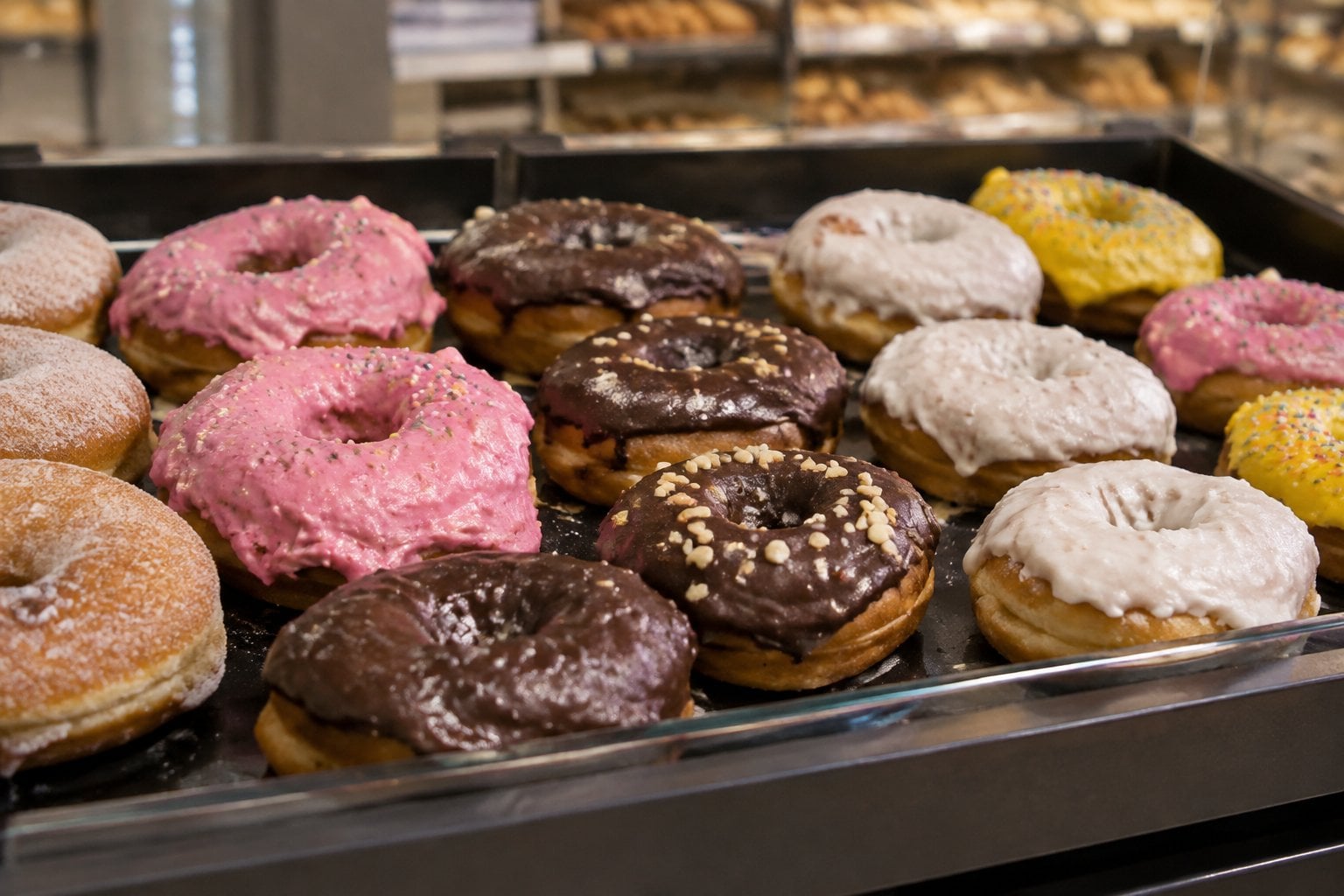
Lidl’s in-store bakery donuts draw fairly consistent complaints. Many describe the texture as overly yeasty and dense, rather than light and fluffy like you’d expect from a fresh donut. The dough can feel heavier than it should, which makes the eating experience less enjoyable.
You might also notice that the glaze or icing on these donuts doesn’t always hold up well. Some shoppers report that it tastes overly sweet without much depth of flavor, while others find it gets sticky or messy rather quickly. The filling in jelly or cream-filled varieties can also be inconsistent, sometimes sparse or oddly flavored.
If you’re craving a donut, a local bakery or a specialty donut shop will likely give you a fresher, more satisfying result. If you do buy them at Lidl, go early in the day, when the donuts are at their freshest.
22. Bakery Cookies
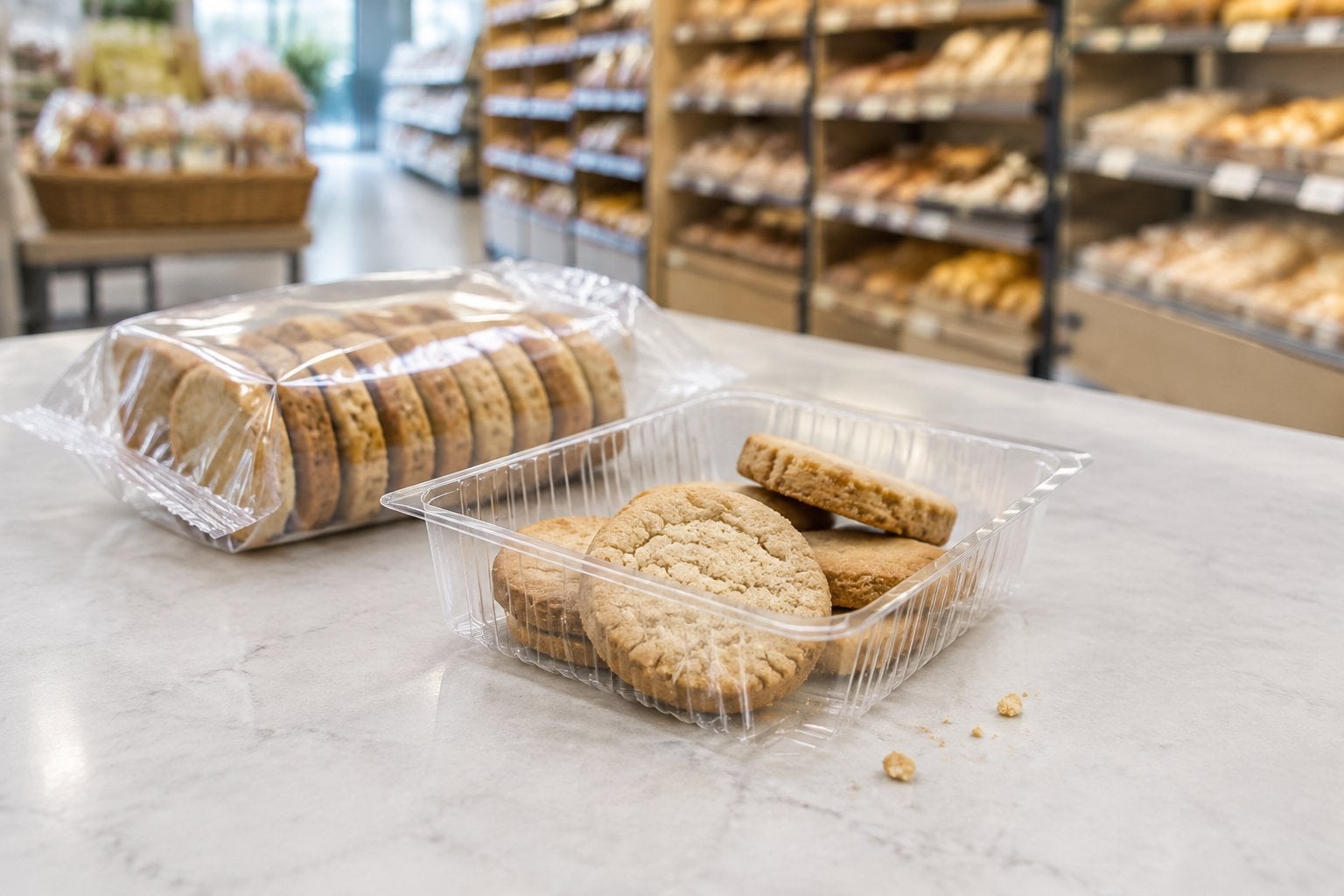
If you’ve picked up a tray of cookies from Lidl’s in-store bakery, you may have noticed they don’t always taste as good as they look. Some shoppers say the texture can be inconsistent, with certain batches coming out dry or overly crumbly instead of soft and chewy.
You might also find the sweetness level a bit much, especially with the chocolate chip and double chocolate varieties. A few customers have mentioned that the chocolate used tastes waxy rather than rich, which affects the overall flavor.
Freshness is another common concern. Since fresh-baked cookies usually have fewer preservatives than packaged ones, cookies can go stale within a day or two if you don’t eat them right away.
If you want something more reliable, consider packaged European-style butter cookies or wafers from the cookie aisle instead. These tend to have a more consistent taste and texture since they’re mass-produced in a controlled setting. You’ll likely get a longer shelf life too, which makes them a better option if you don’t plan on finishing a whole batch right away.
23. Frozen Meals
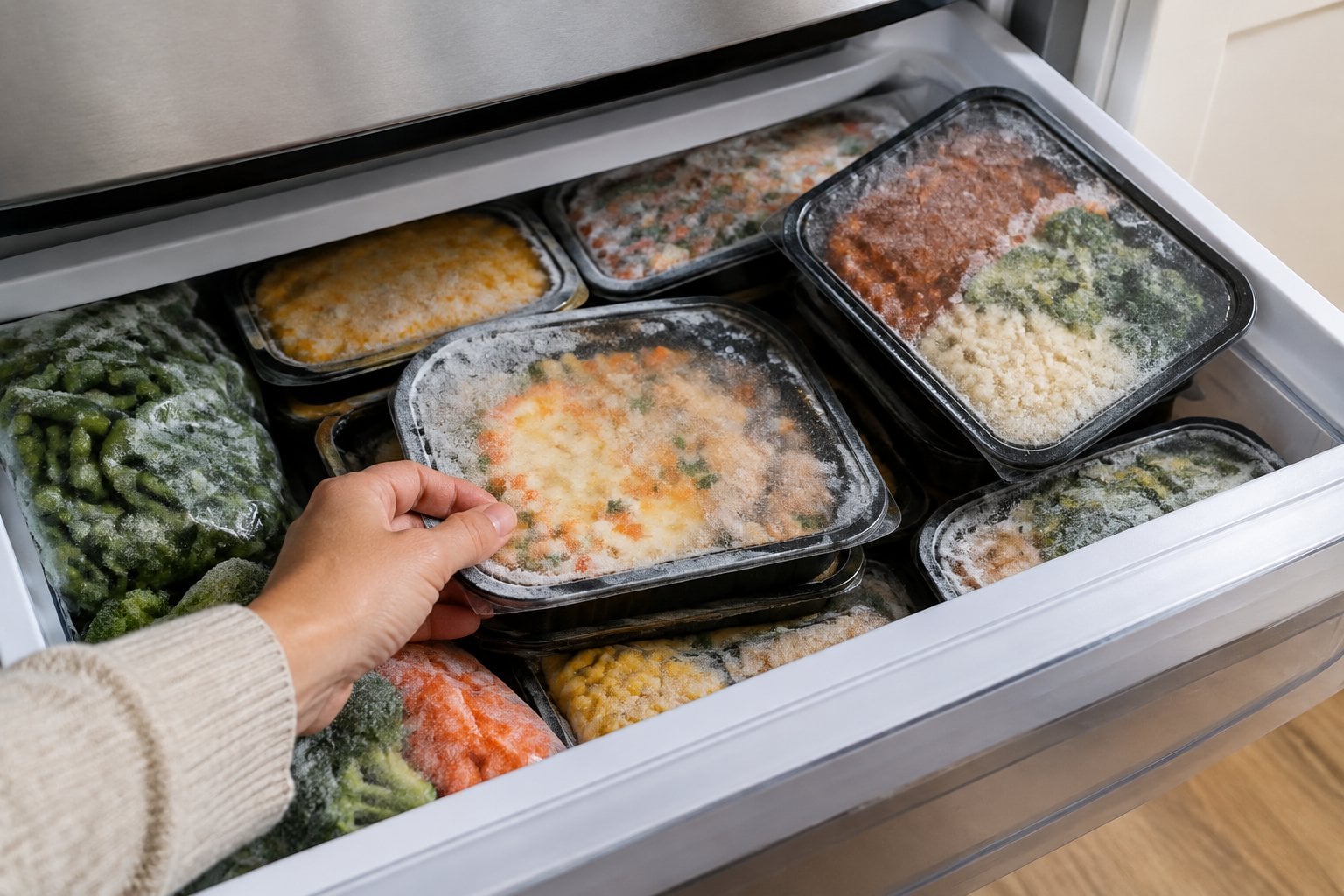
Lidl’s frozen meals are an easy grab for a quick dinner, but shoppers often say the results don’t match the picture on the box. Common complaints include bland sauces, rubbery meat, and pasta or rice that turns mushy in the microwave.
Portion size is another sticking point. A meal that looks filling in the freezer case can leave you hungry, especially the single-serve trays.
Cooking can be uneven too. Some shoppers find the edges overcooked while the center is still cold, so you end up stirring and reheating more than once.
A better option is to build your own quick meal from frozen vegetables and a simple protein, or cook a big batch of something at home and freeze it in portions. You’ll get more food for your money and more control over the flavor.
24. Fresh Pasta
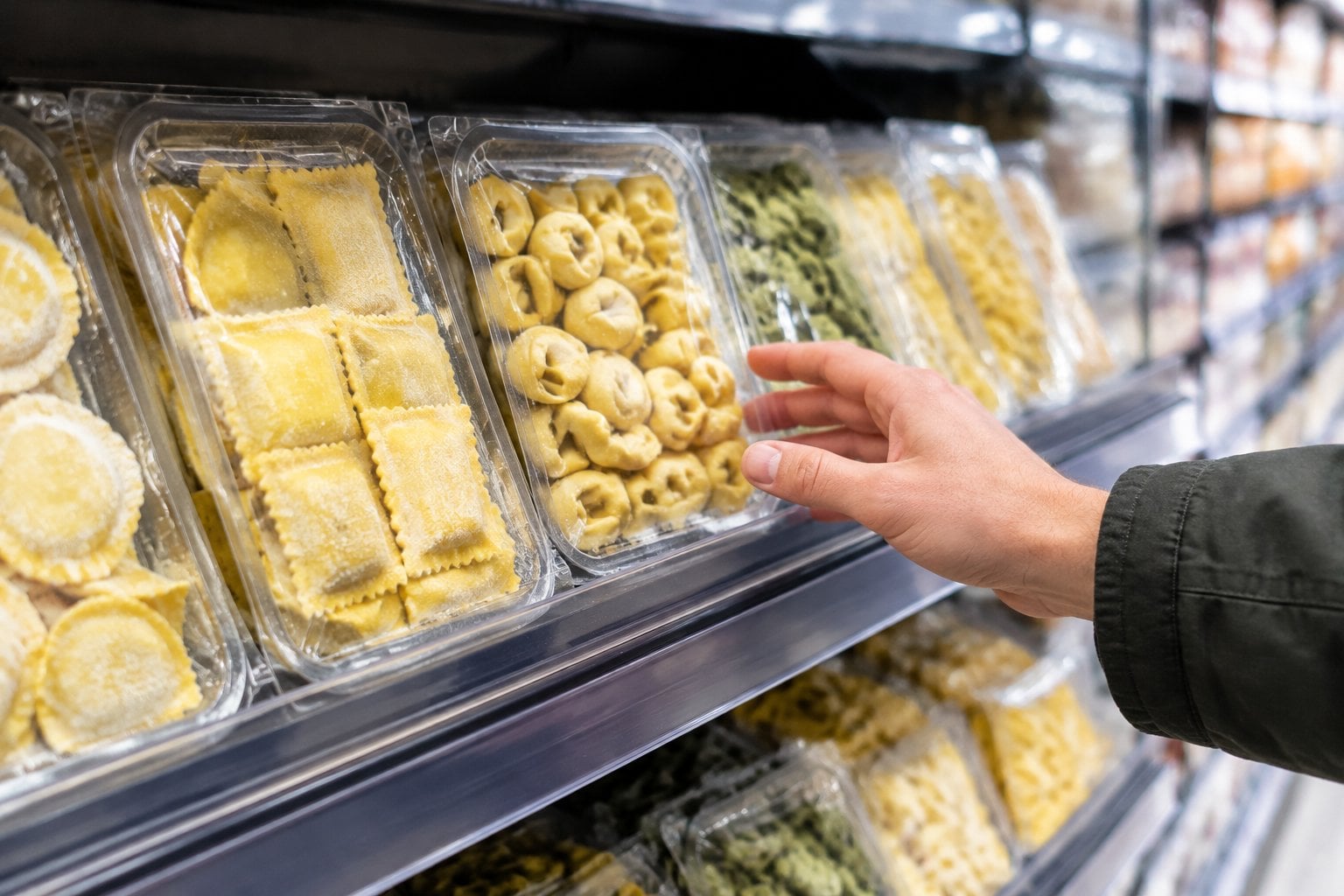
Lidl’s fresh pasta range includes stuffed varieties like ravioli and tortellini, along with plain fettuccine and tagliatelle, but shoppers have raised concerns about consistency. You might notice that some packs have a shorter shelf life than expected, with the pasta turning sticky or developing an off smell before the date on the package.
Another common complaint involves the filling-to-pasta ratio in stuffed options. You could find the cheese or meat filling sparse compared to pricier brands, which makes the dish feel less satisfying for the price.
Texture is also a sticking point. Some batches cook up gummy or clump together in the pot, even when you follow the instructions on the package closely.
If fresh pasta is a staple in your kitchen, you might get better results from a well-known refrigerated brand like Buitoni, or from good dried pasta, which keeps for months and cooks up more consistently. Checking the date and texture of the packaging before buying can help you avoid a disappointing batch at Lidl.
25. Frozen Pizza
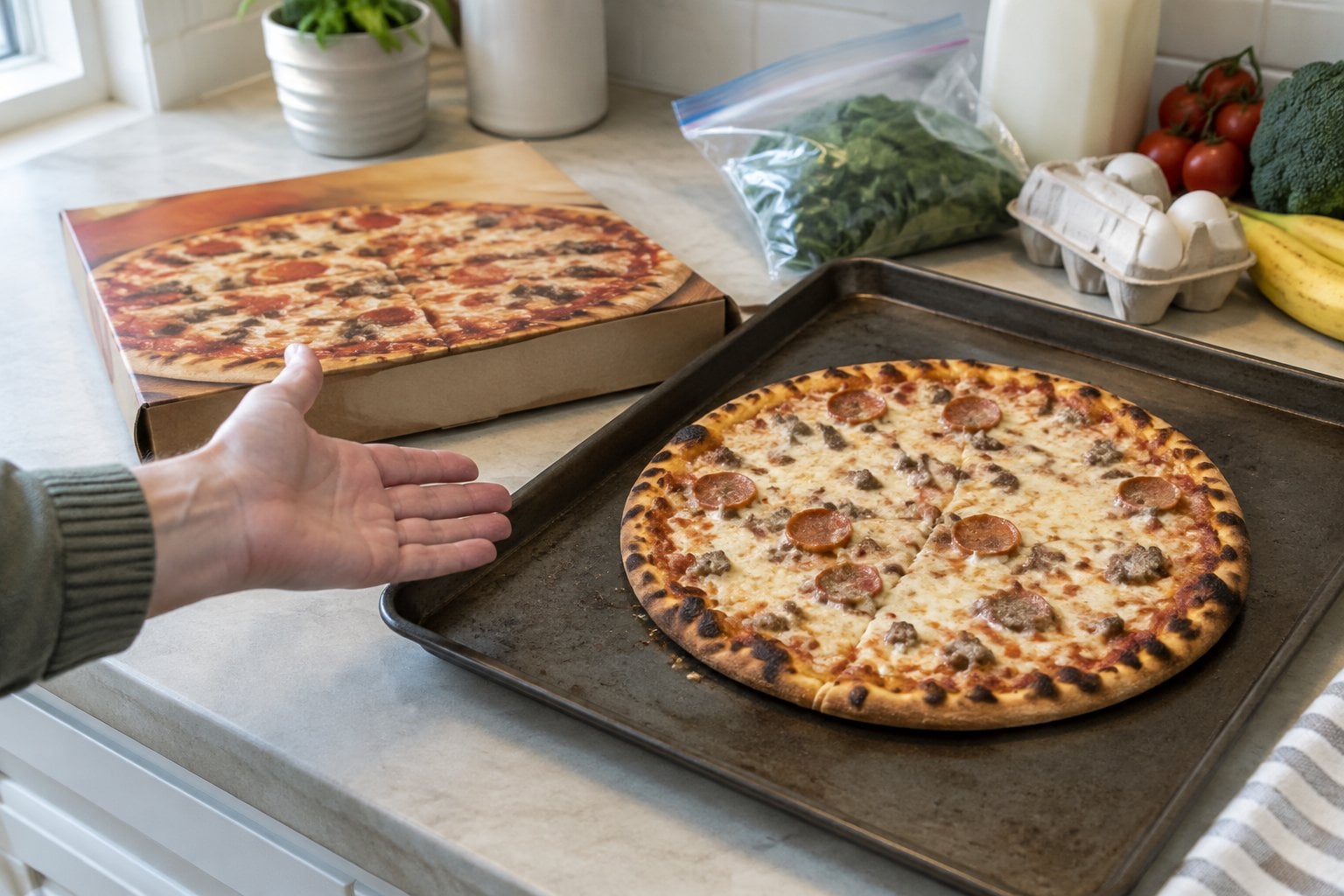
You may have run into quality problems with Lidl’s frozen pizzas. The most common complaints are a bland sauce, sparse cheese, and toppings that look nothing like the photo on the box.
The crust is another sticking point. You might find it turns out soggy in the middle or overly tough at the edges, even when you follow the baking instructions closely. A frozen pizza that cooks unevenly is frustrating when you are expecting something quick and reliable for dinner.
Portion and topping distribution have also come up as complaints, with some boxes feeling light on cheese or meat compared to the picture on the packaging. If you want a more dependable option, try a well-known national brand such as DiGiorno. You could also try making a quick homemade pizza using a store-bought crust and your own toppings, which gives you more control over quality and freshness than relying on a frozen option.
26. Frozen Chicken Nuggets
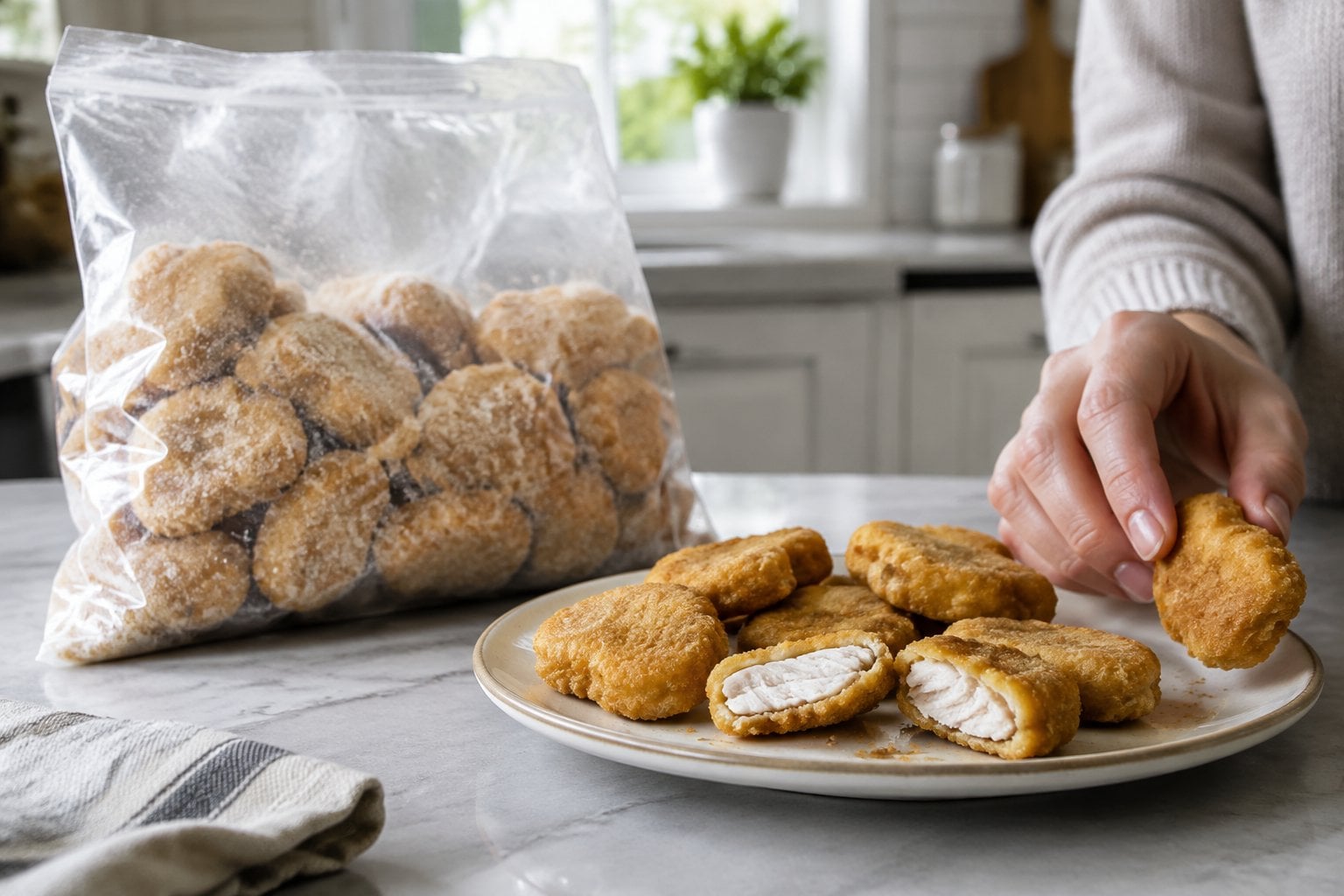
If you’ve picked up a bag of Lidl’s frozen chicken nuggets, you may have noticed complaints about texture being a common theme. Some shoppers describe the coating as overly processed, with a mushy bite rather than the firmer, more recognizable chicken texture you get from pricier brands.
You might also find the breading uneven on some pieces, leaving parts of the nugget soggy once cooked. This can be frustrating if you’re baking rather than frying, since the coating doesn’t always crisp up the way you’d expect.
Taste is another sticking point for you if you’re used to fast food style nuggets. Several reviewers say Lidl’s version lacks the seasoning depth found in competitors, making them bland unless you add your own sauces or spices.
A better alternative is a well-known brand such as Tyson or Perdue. You can also make your own by breading chunks of chicken breast and baking them on a wire rack, which helps the coating crisp up.
27. Store-Brand Cereal
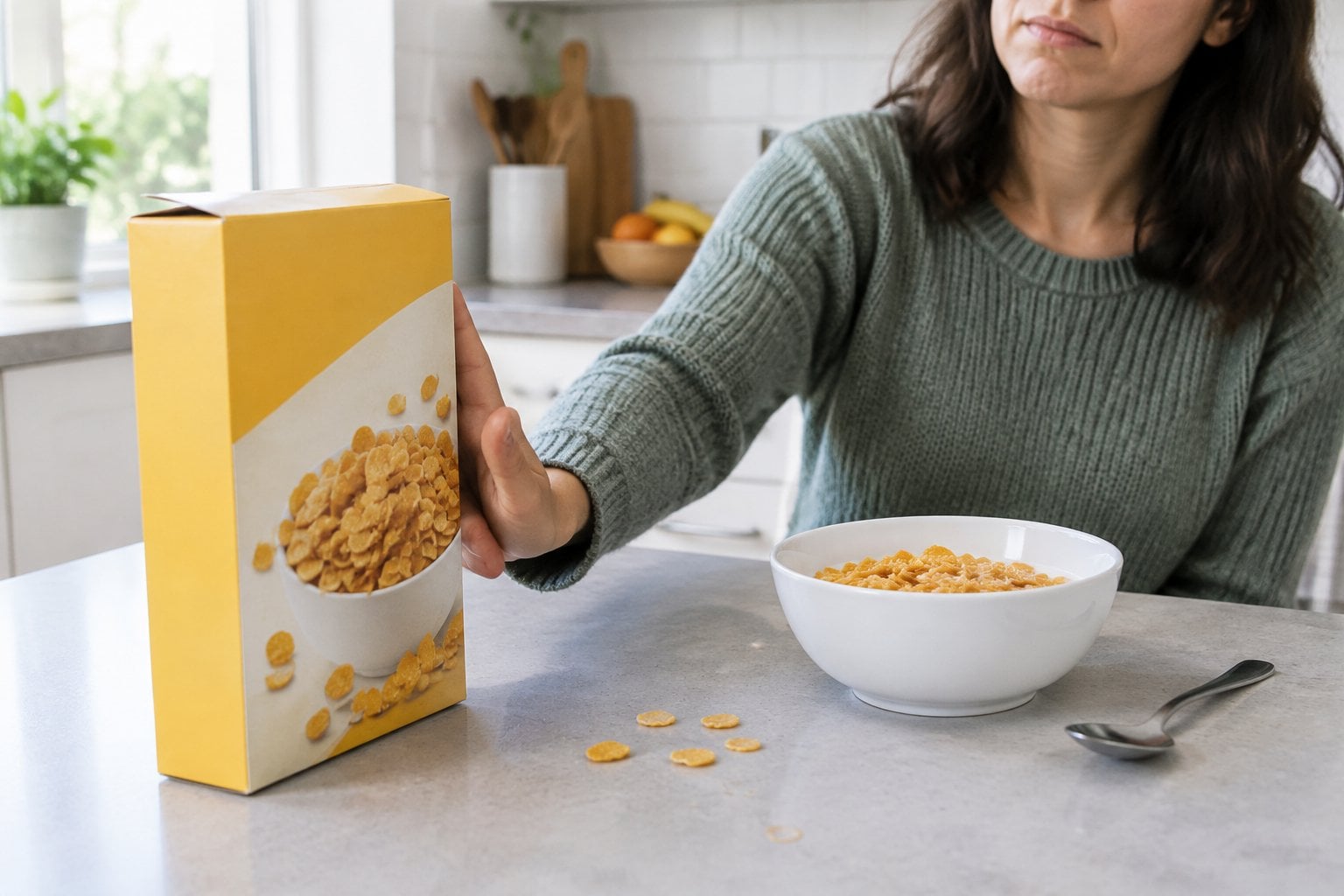
Lidl’s store-brand cereals are cheaper versions of familiar name brands, and shoppers often say you can taste the difference. Common complaints are that the frosted and flavored varieties taste sweet but flat, while the plainer ones come across as bland.
Texture is another issue. Many shoppers say the flakes and O’s go soggy quickly once milk is added, and a box that has sat on the shelf for a while can taste stale.
A better option is plain rolled oats, which are cheap, filling, and easy to dress up with fruit or honey.
If you’re set on boxed cereal, buying a name-brand option during a sale might serve you better than settling for the store-brand version just to save a small amount of money.
28. Packaged Sliced Ham
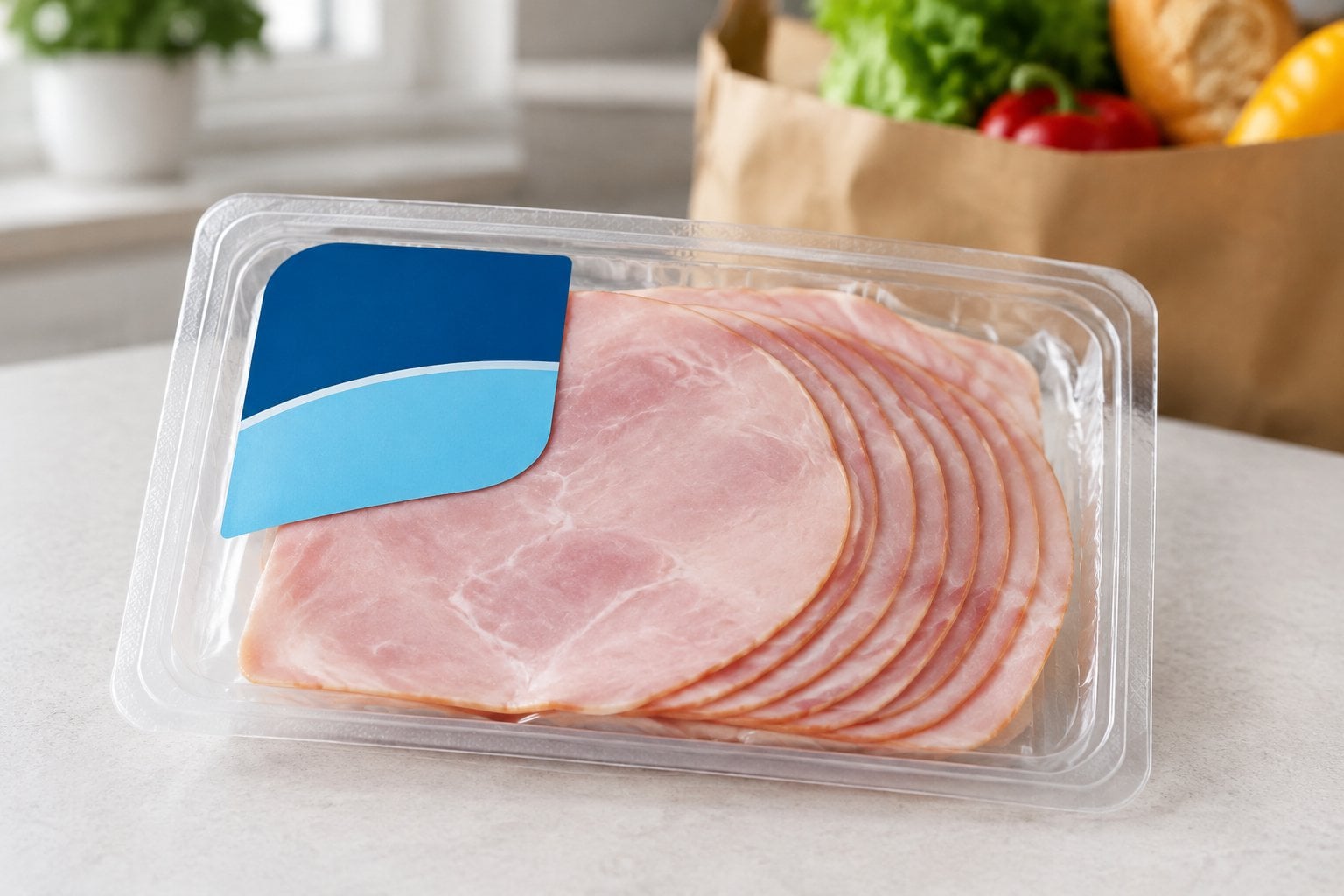
If you have picked up a pack of Lidl’s sliced deli ham, you may have noticed inconsistencies between batches. Some shoppers report slices that are watery or have an odd texture, which can make sandwiches soggy rather than satisfying.
You might also find the flavor underwhelming compared to other deli meats. Several customers describe the taste as bland or overly salty, with little of the smoky or savory depth you would expect from a quality ham.
Packaging issues come up often too. You may encounter slices stuck together in a way that tears the meat apart when you try to separate them, which is frustrating if you are building sandwiches quickly.
For a better experience, you could try ham sliced to order at a supermarket deli counter, where you can ask for the thickness you want.
29. Breakfast Sausages
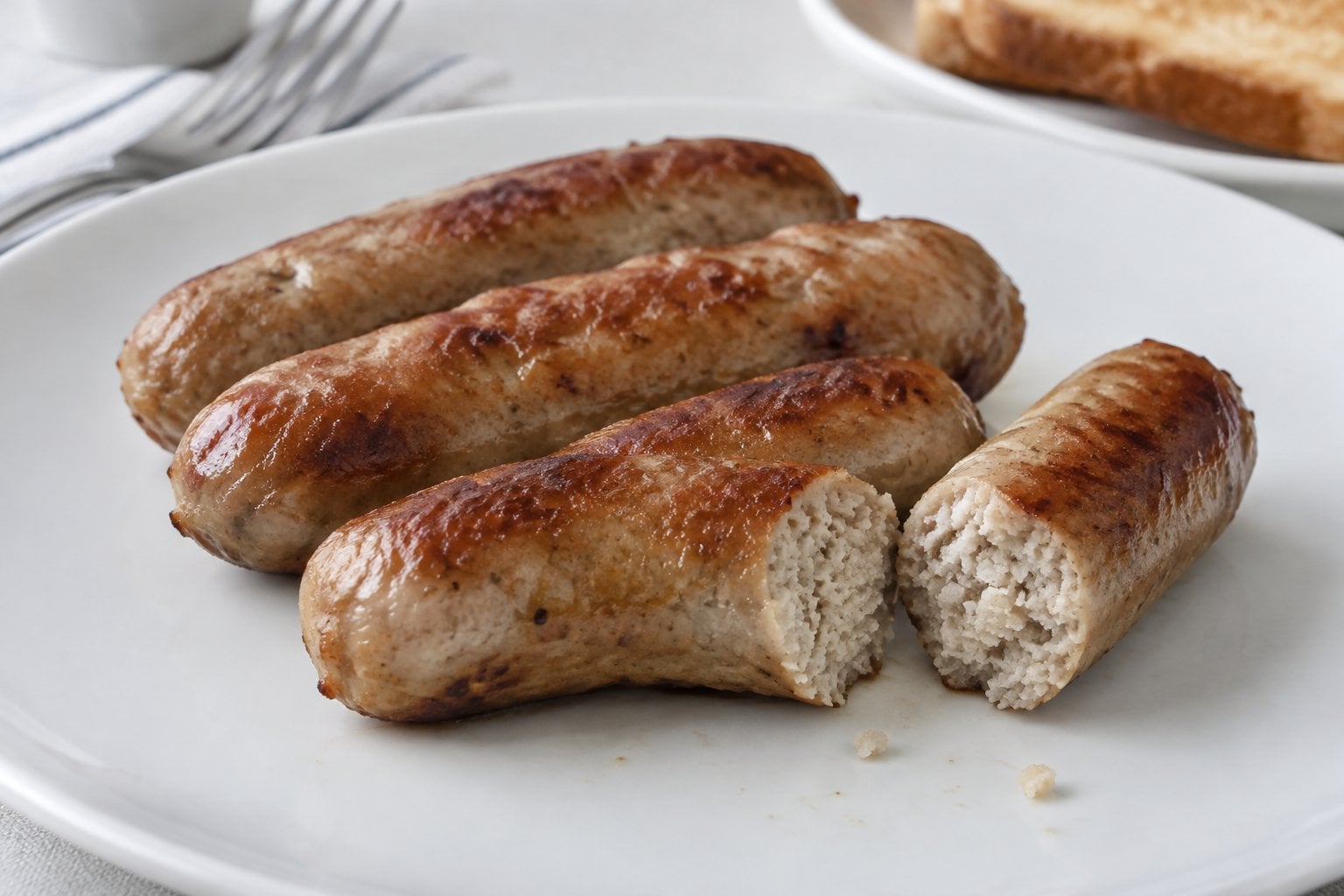
Lidl’s breakfast sausages have drawn complaints from shoppers who expect a hearty, meaty bite but instead find a soft, mushy texture once cooked. Some buyers describe the filling as overly processed, with a grainy consistency that doesn’t hold together well in the pan.
You might also notice an imbalance in seasoning, with some links tasting bland while others seem overly salty in the same pack. This inconsistency makes it hard to know what you’re getting from one cooking session to the next.
The casings have also been a sticking point for some customers, who report they split or shrivel unevenly during cooking. If you’re after a sausage that keeps its shape and snap, this isn’t always the product that delivers.
A better option is a well-known brand like Jimmy Dean, or a butcher-counter sausage if your store carries one, since these often have a coarser grind and a firmer bite.
30. Fresh Chicken Breasts
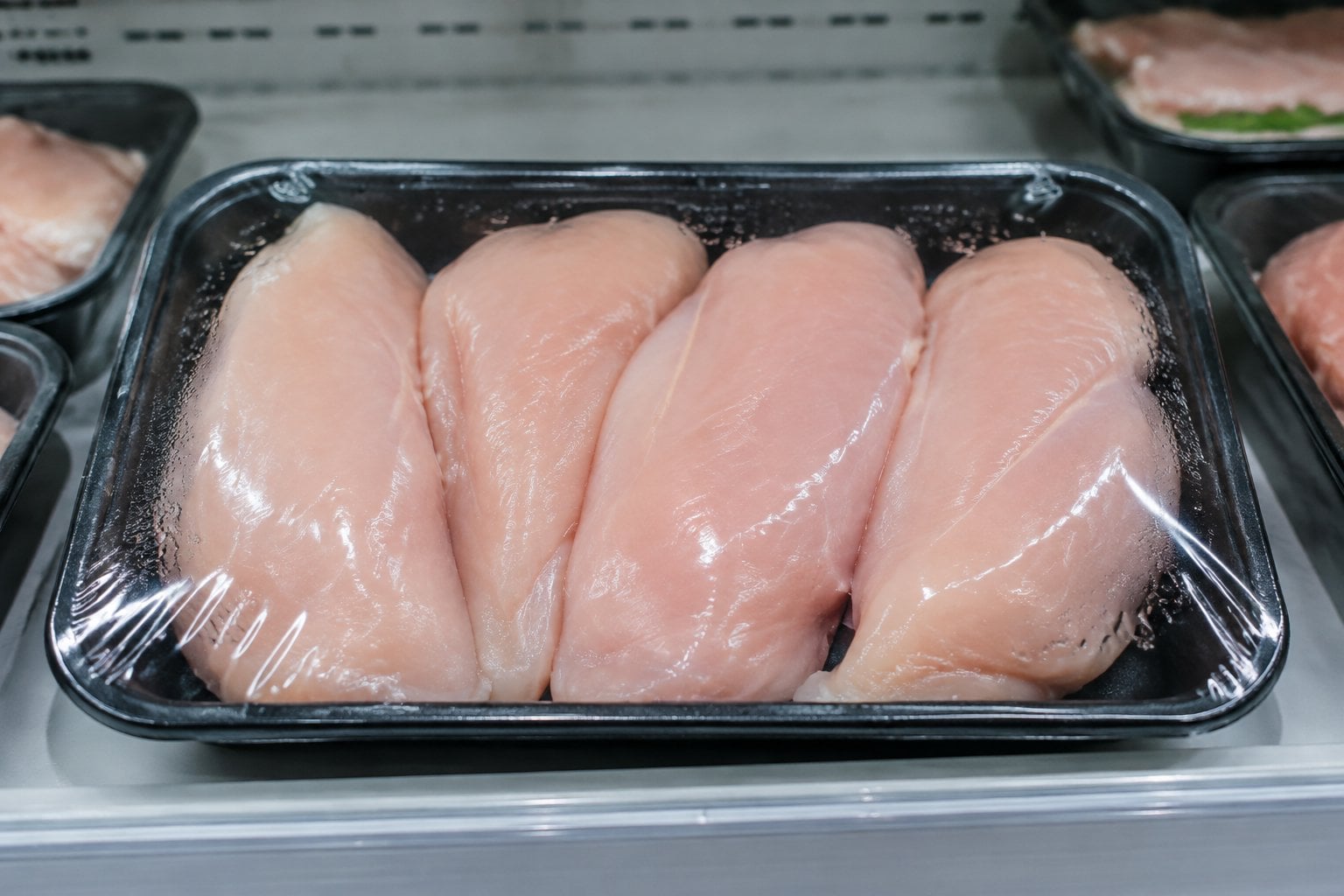
If you’ve bought fresh chicken breasts from Lidl, you may have noticed an unusual amount of liquid released during cooking. Many shoppers report that the chicken ends up simmering in its own water rather than browning properly, even without added oil. This can leave the meat with a rubbery texture instead of a nice sear.
You might also find the quality inconsistent from one trip to the next. Some packs cook up fine, while others seem watery or lack flavor compared to chicken from other stores. This inconsistency makes it hard to know what you’re getting until you’re already cooking it.
Freshness is another common concern. A few shoppers have mentioned that the chicken doesn’t last as long as expected, even when stored properly in the fridge. If you’re planning meals for later in the week, this can be frustrating.
For better results, check the label before you buy. Under USDA rules, chicken that soaks up water during processing must say so on the package as “retained water,” along with how much, and the USDA’s guide to water in meat and poultry explains what those labels mean. Air-chilled chicken, or chicken from a butcher counter, usually releases less liquid in the pan, and patting the meat dry before cooking helps it brown.