The 30 Worst Kroger Products Shoppers Should Think Twice About Before Buying
Kroger stocks thousands of items across its stores, and not every product lives up to expectations. Some items fall short on taste, quality, or value compared to what you’d find elsewhere.
As a shopper, you deserve to know which products might disappoint before they end up in your cart. This guide breaks down 30 Kroger products that have drawn criticism from customers for issues ranging from poor flavor to inconsistent quality.
Whether you’re a regular Kroger shopper or just starting to explore their store brands, this information can help you make more informed choices on your next trip.
1. Kroger Canned Green Beans
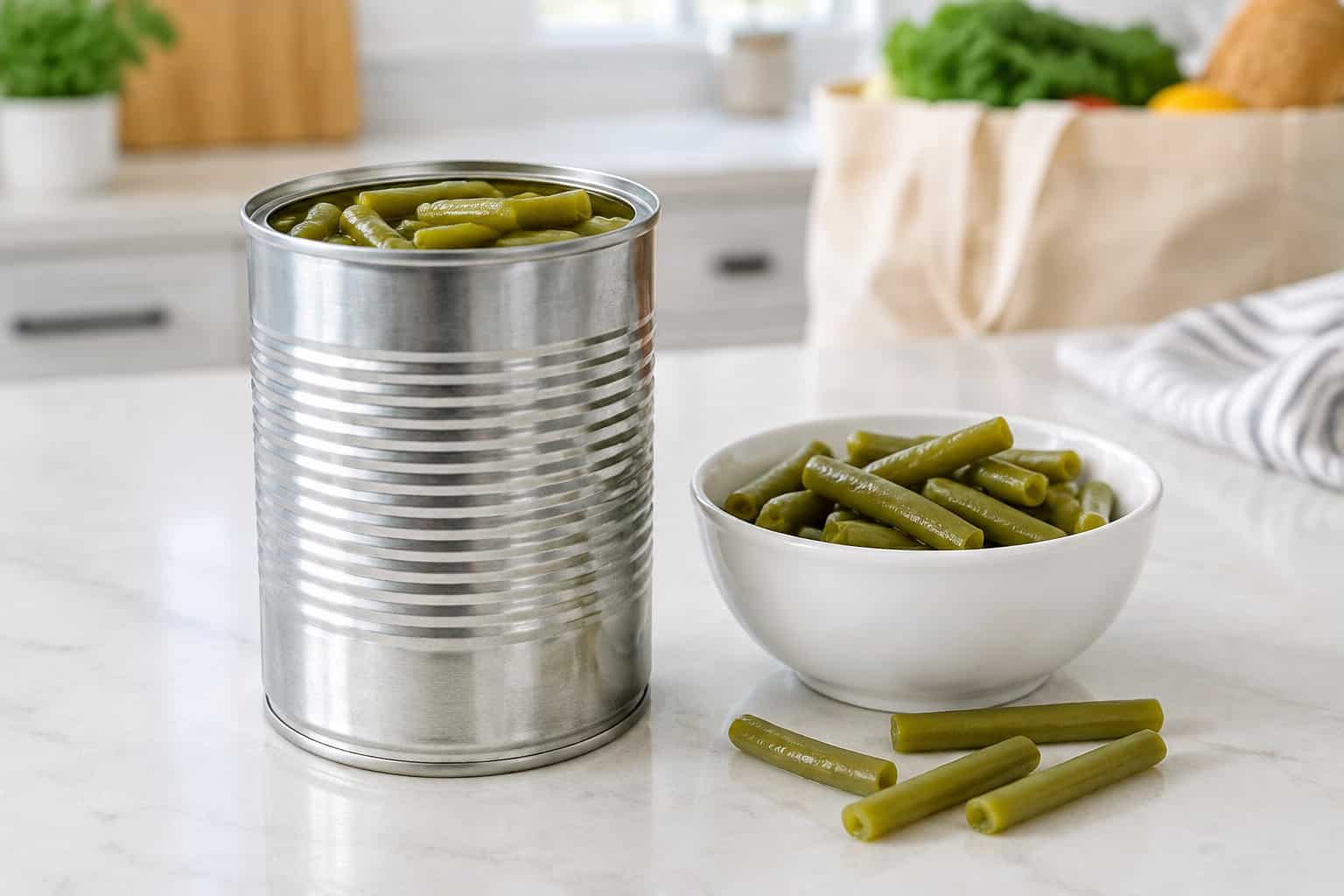
Kroger’s canned green beans are a pantry staple for many shoppers, but you might notice they fall short on texture. Many customers report a mushy, overly soft consistency after cooking, which can make them less appealing as a side dish.
The flavor also tends to be mild to the point of blandness. You may find yourself reaching for extra seasoning just to make them taste like something.
Compared to pricier brands, the liquid-to-vegetable ratio can feel off, leaving you with a can that seems mostly broth. If you’re looking for a firmer bite and more robust taste, you’ll likely want to compare labels before tossing this into your cart.
For quick weeknight meals, they still get the job done. But if texture and flavor matter to you, this is one item worth reconsidering.
2. Kroger Canned Corn
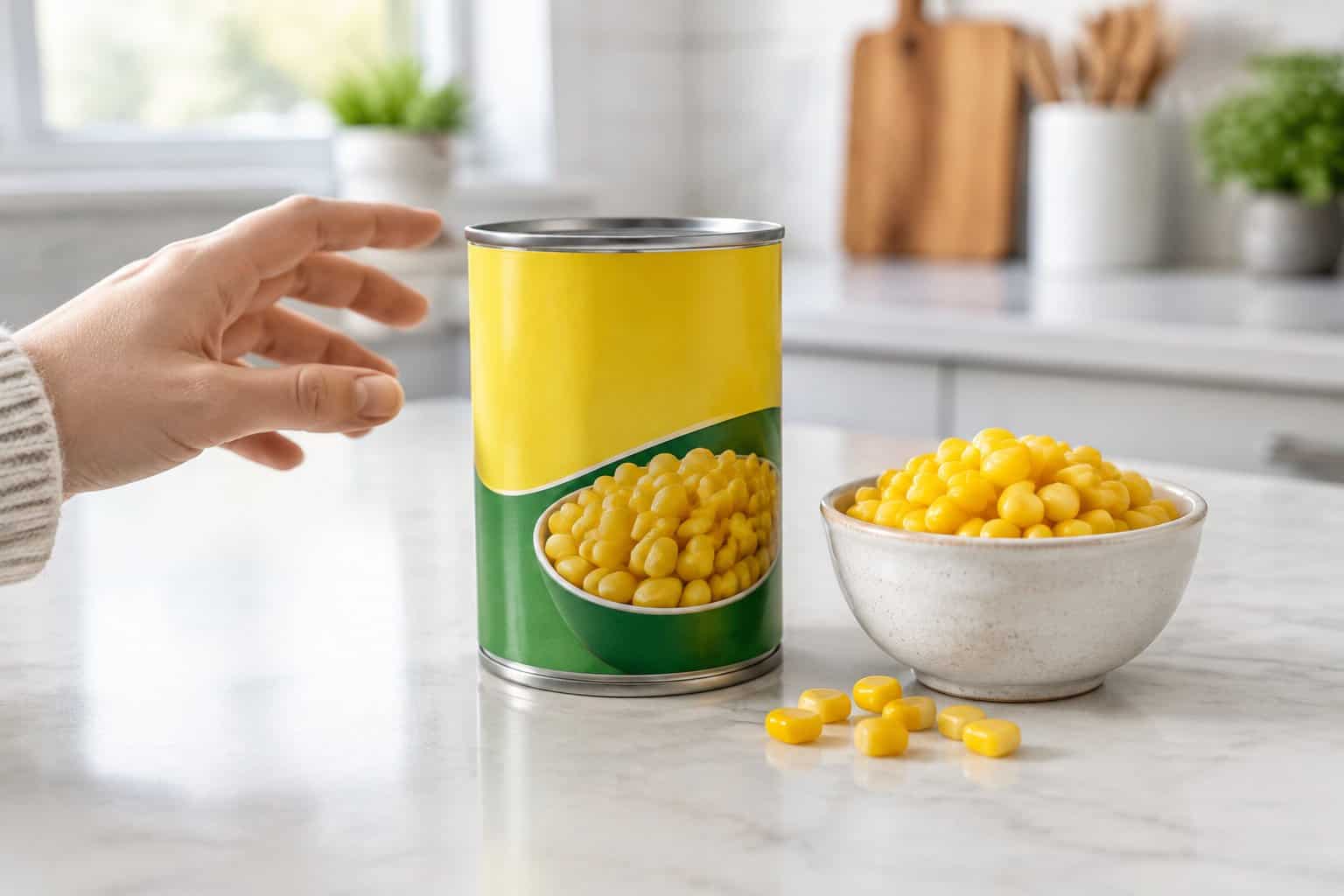
Kroger’s canned corn often falls short when it comes to taste and texture. Many shoppers report a watery consistency that dilutes the flavor, leaving you with a product that tastes bland compared to name-brand options.
You might also notice the kernels lack sweetness and crunch, which are two qualities that matter most in canned corn. This can make dishes like casseroles, salads, and side dishes taste flat.
Price is usually the main reason people choose Kroger’s canned corn, but the savings may not be worth it. If you prioritize flavor and texture over cost, you’re likely better off spending a little more on a different brand.
Before you stock up, consider comparing a can side-by-side with a competitor. You may find the difference in quality justifies paying extra for a corn that actually delivers on taste.
3. Kroger Canned Peas
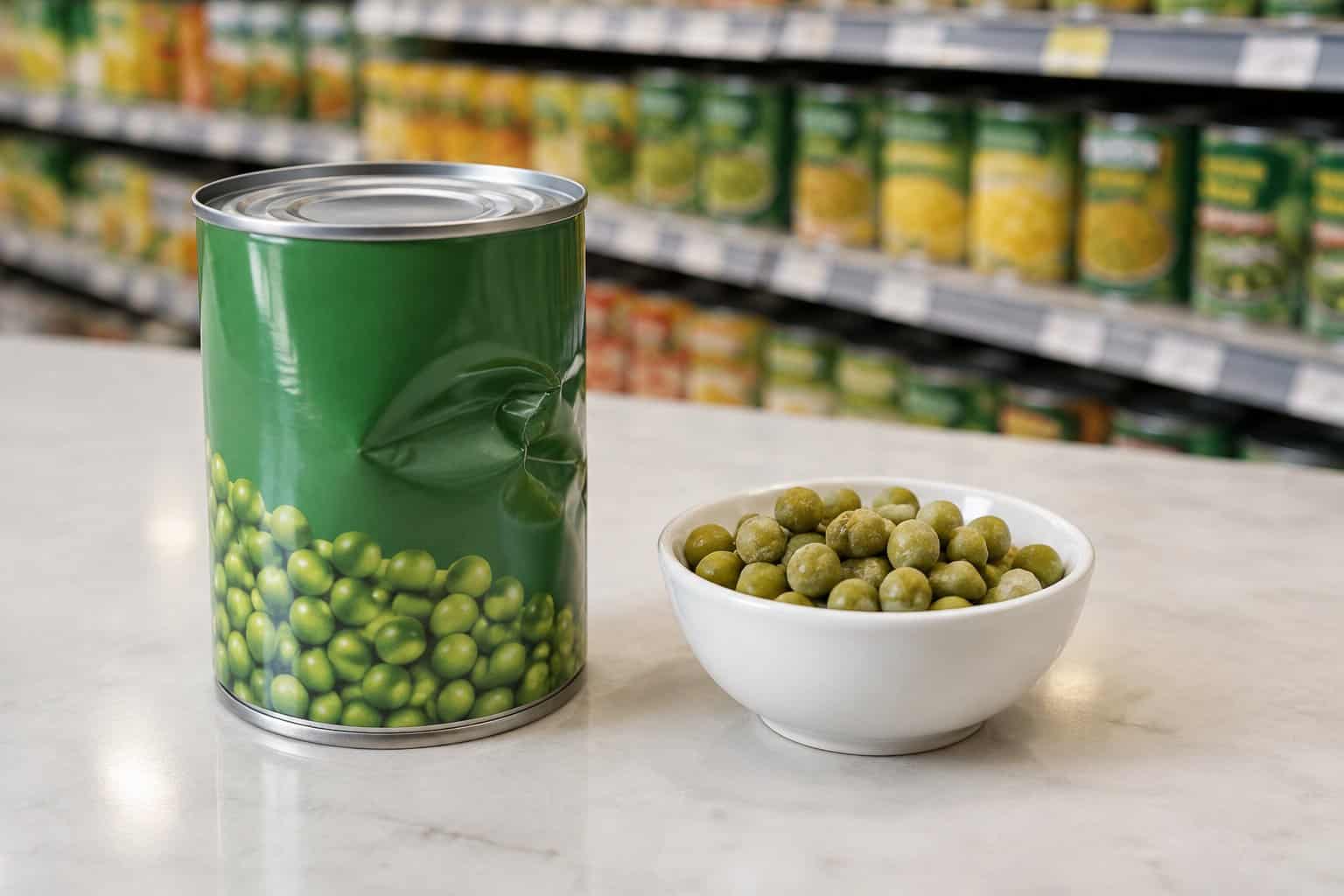
Kroger canned peas often fall short when compared to other canned vegetable options on the shelf. Many shoppers describe the texture as mushy, with little of the natural sweetness you’d expect from fresh or frozen peas.
The canning liquid tends to mute whatever flavor the peas originally had. You may find yourself reaching for extra butter or seasoning just to make them palatable.
Color and appearance can also be inconsistent from can to can. Some batches look dull or slightly discolored, which isn’t appealing if you’re serving them as a side dish.
If you want peas with better texture and taste, frozen varieties are generally a smarter choice. You’ll get a fresher flavor and firmer bite without the soft, waterlogged quality that canned peas are known for.
For a pantry staple, there are simply better options worth your money.
4. Kroger Canned Carrots
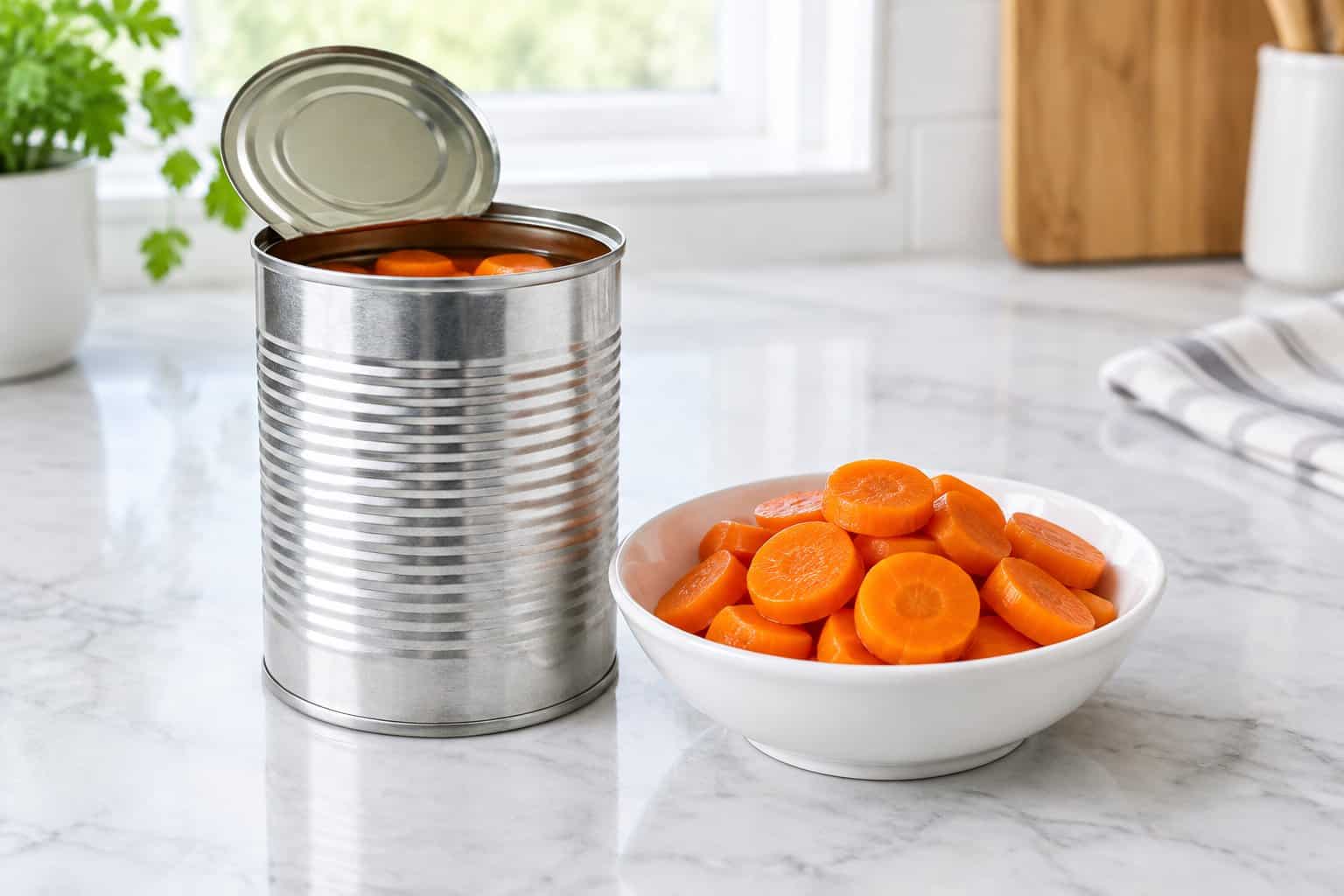
You may notice an issue with Kroger’s canned carrots that goes beyond taste. Several shoppers have reported finding product that doesn’t match what’s shown on the label.
One widely shared complaint involved a can labeled as whole baby carrots that actually contained large, roughly cut pieces of regular carrots. This kind of mismatch raises questions about quality control at the packing stage.
Beyond labeling concerns, canned carrots in general tend to lose texture and flavor during processing. You’ll likely find them softer and blander than fresh or frozen alternatives.
If you’re looking for value, you might get better results from frozen carrots, which usually retain more texture and nutrients. When buying canned, check the label closely and consider reading recent reviews first.
5. Kroger Cut Green Beans
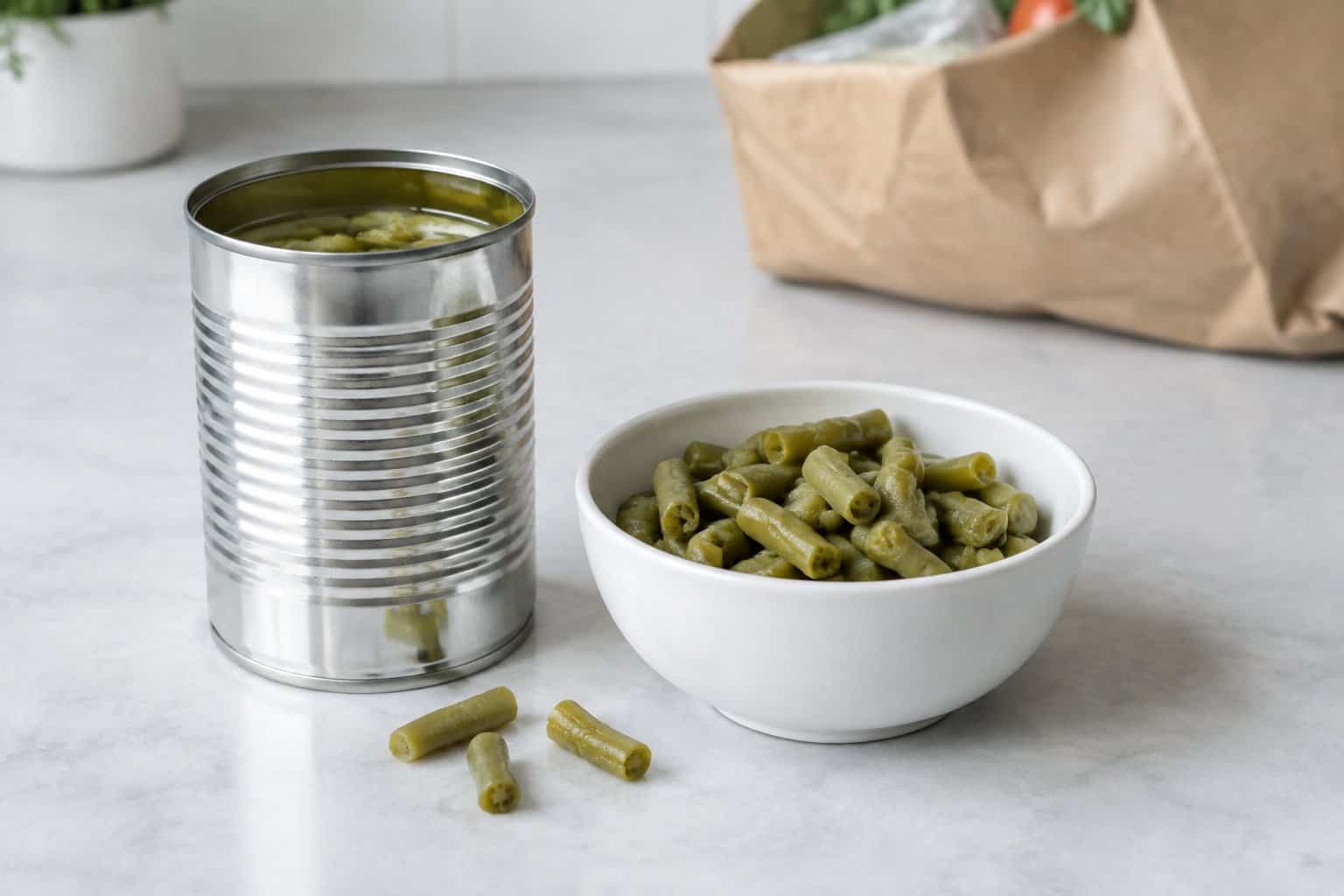
Canned green beans are a pantry staple, but Kroger’s version tends to disappoint on texture. You’ll notice the beans often turn out mushy once heated, lacking the slight bite that fresher or higher-quality canned vegetables maintain.
The sodium content is another factor worth checking before you buy. A single serving can carry a significant portion of your daily recommended sodium intake, which adds up quickly if you’re using canned vegetables regularly in your meals.
Flavor-wise, you may find these beans bland on their own, requiring extra seasoning to make them palatable. If you’re comparing options, frozen green beans typically retain better texture and a fresher taste for a similar price.
For a dish where green beans are the star rather than a quiet side note, you’re likely better off reaching for a different brand or format at the store.
6. Kroger Mixed Vegetables
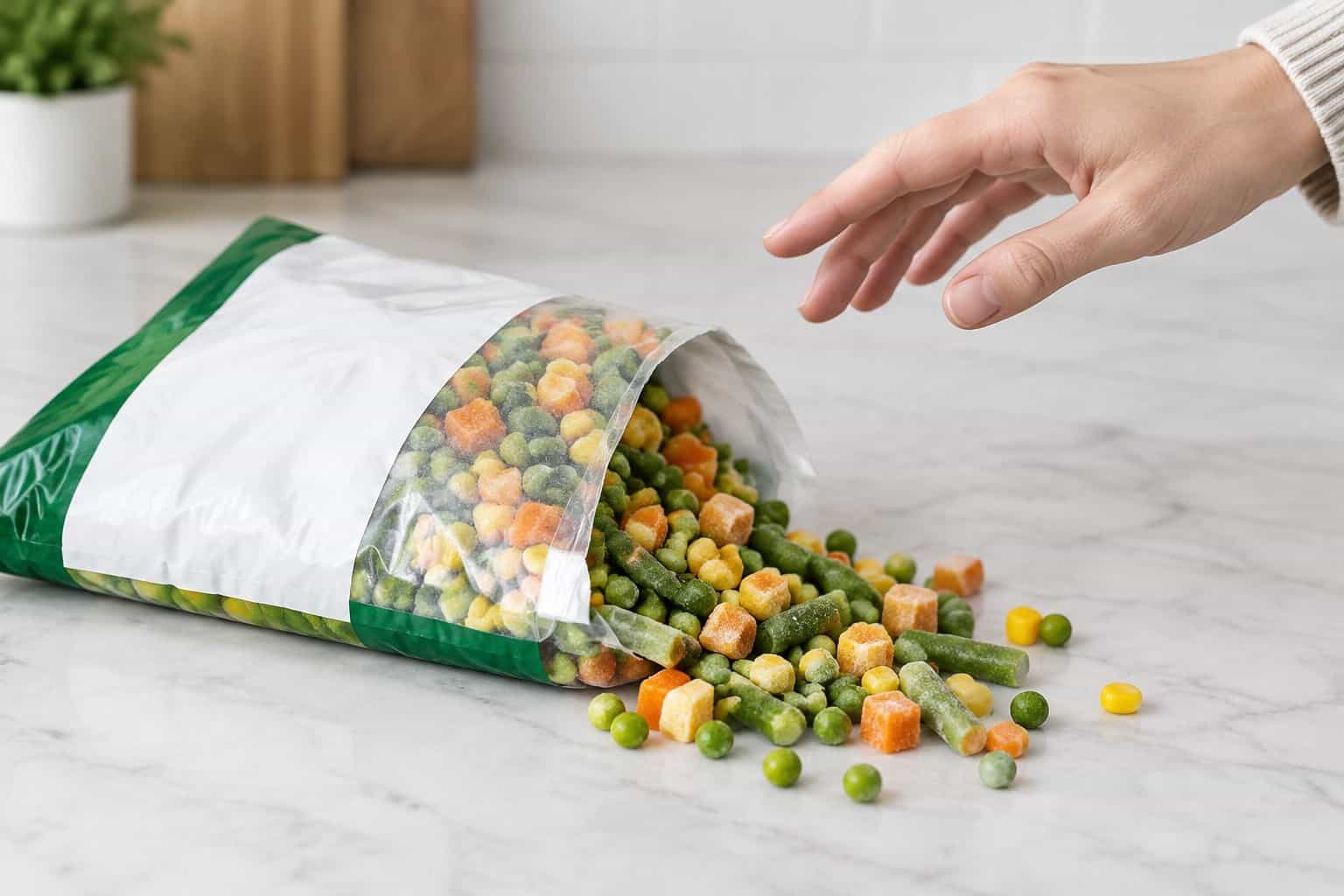
Kroger’s frozen mixed vegetables have landed in recall territory more than once. In 2023, Kroger pulled a wide range of frozen vegetable products from shelves due to safety concerns, leaving many shoppers wary of this freezer staple.
When you buy a bag of frozen mixed vegetables, you’re trusting that the carrots, peas, and corn inside meet basic safety standards. A recall history undermines that trust, even after the specific issue has been resolved.
You should check lot numbers and expiration dates before using any frozen vegetables you already have at home. If you’re unsure whether your bag falls under a past recall, Kroger’s website and customer service can confirm it for you.
Given the track record, you may want to inspect packaging for damage or signs of thawing and refreezing before adding this item to your cart.
7. Kroger Cream Style Corn
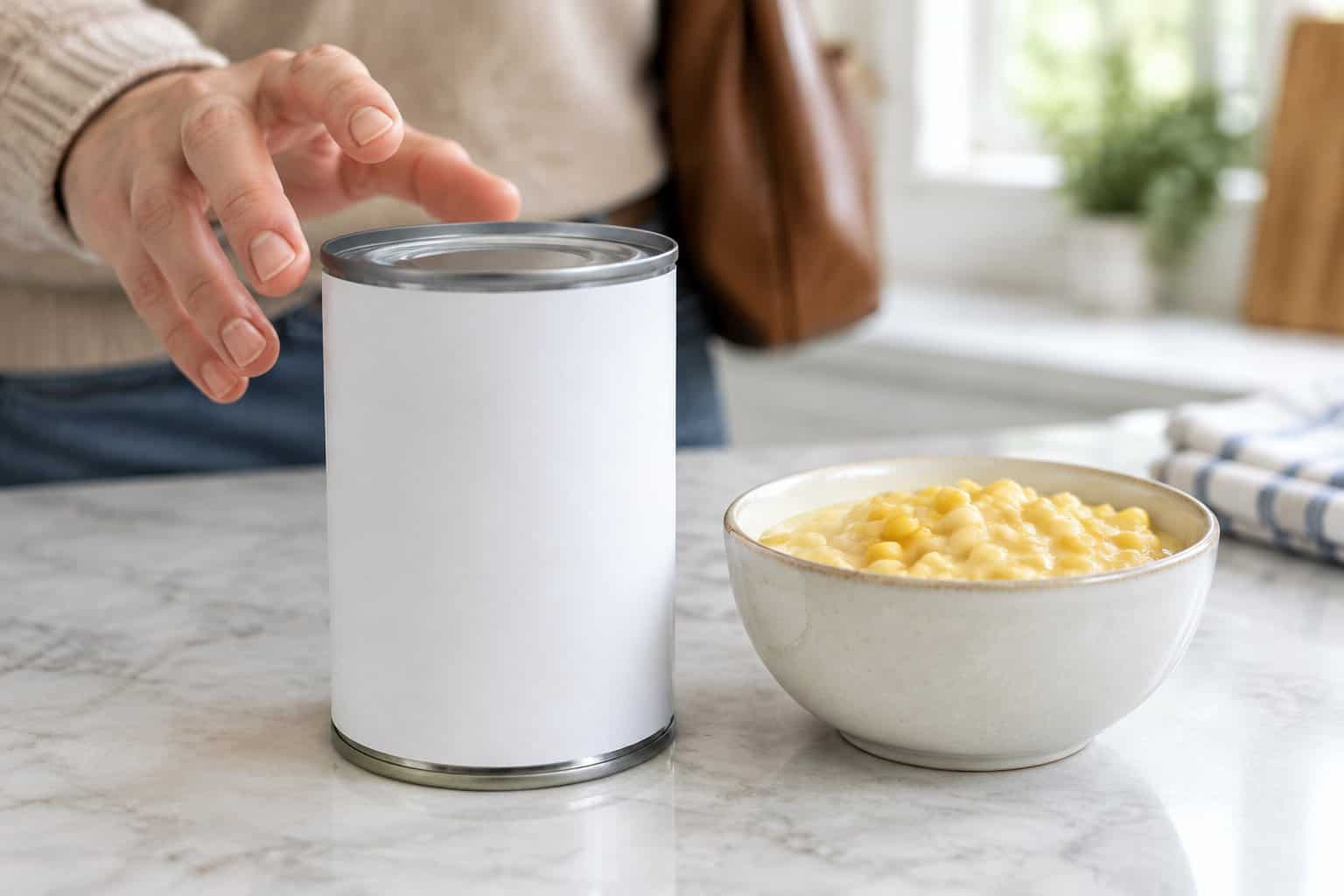
Kroger Cream Style Corn tends to disappoint on texture. You may notice an overly starchy, almost paste-like consistency that doesn’t match the look on the label.
The corn itself often lacks sweetness. Many national brands use a higher ratio of actual corn kernels to the creamy liquid, giving you a fuller bite and more natural flavor.
With this product, you’re more likely to get a thinner, blander result that needs extra butter, sugar, or seasoning just to taste acceptable.
If you’re using it in a casserole or cornbread recipe, you might find the moisture content throws off your measurements. The excess liquid can make baked dishes soggier than intended.
For the small price difference, you’re better off choosing a brand with a more consistent kernel-to-cream ratio and better quality control.
8. Kroger Canned Potatoes
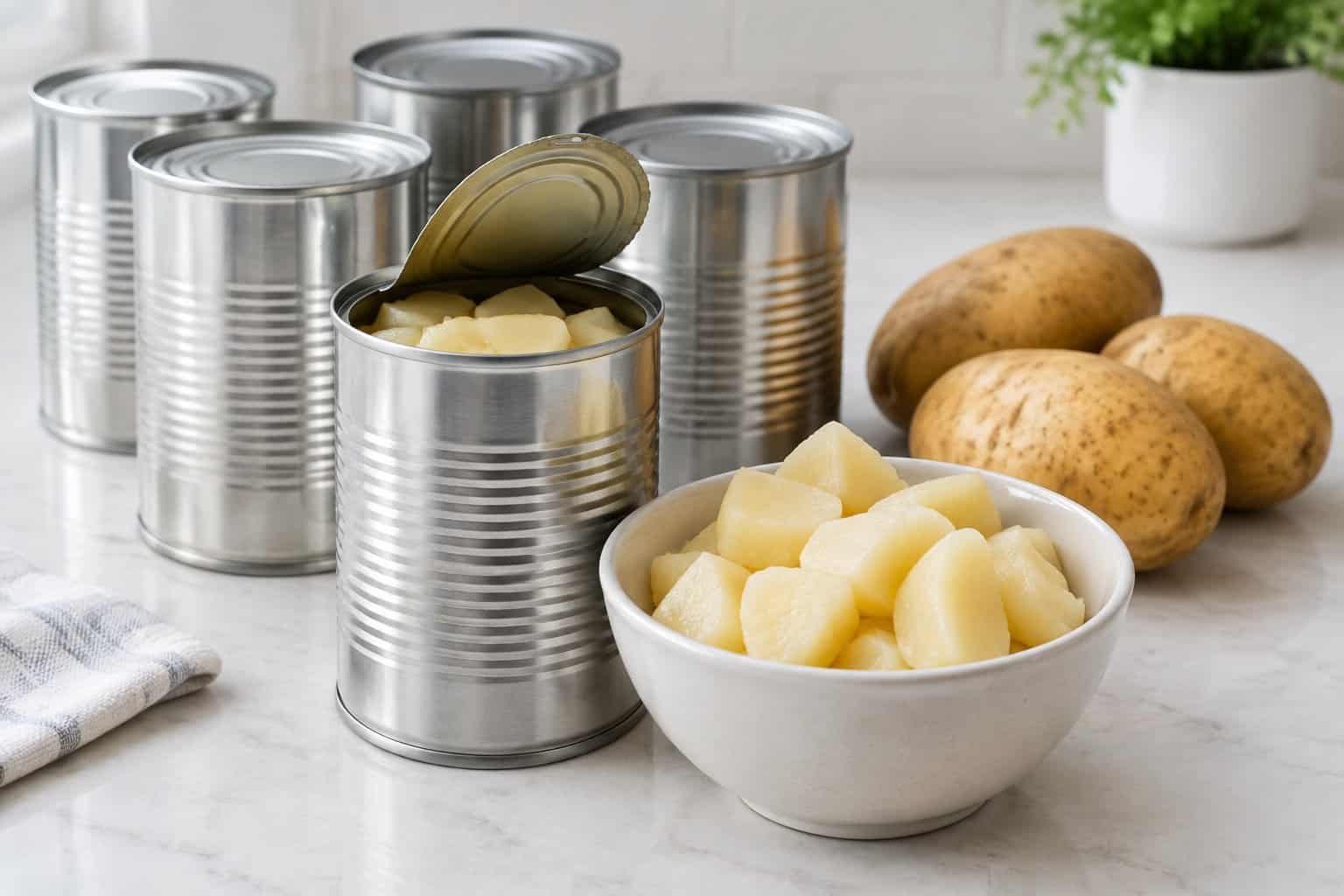
You may have noticed complaints about Kroger’s canned potatoes, and they’re worth taking seriously. Several shoppers report opening a can only to find discolored or mushy pieces that don’t look appetizing.
Texture is the main issue here. Canned potatoes already tend toward soft, but you’ll find Kroger’s version crosses into mealy or waterlogged territory more often than competing brands.
Flavor is another letdown. You’re paying for a product that should taste like potatoes, but many cans deliver a bland, almost metallic aftertaste instead.
If you’re using them for soups or stews, you might not notice much difference. But if you’re planning to pan-fry or roast them for a side dish, the texture problems become obvious fast.
Fresh potatoes cost barely more and give you control over seasoning and consistency. Given the complaints, you’re better off skipping this one and buying raw potatoes instead.
9. Kroger Tomato Sauce
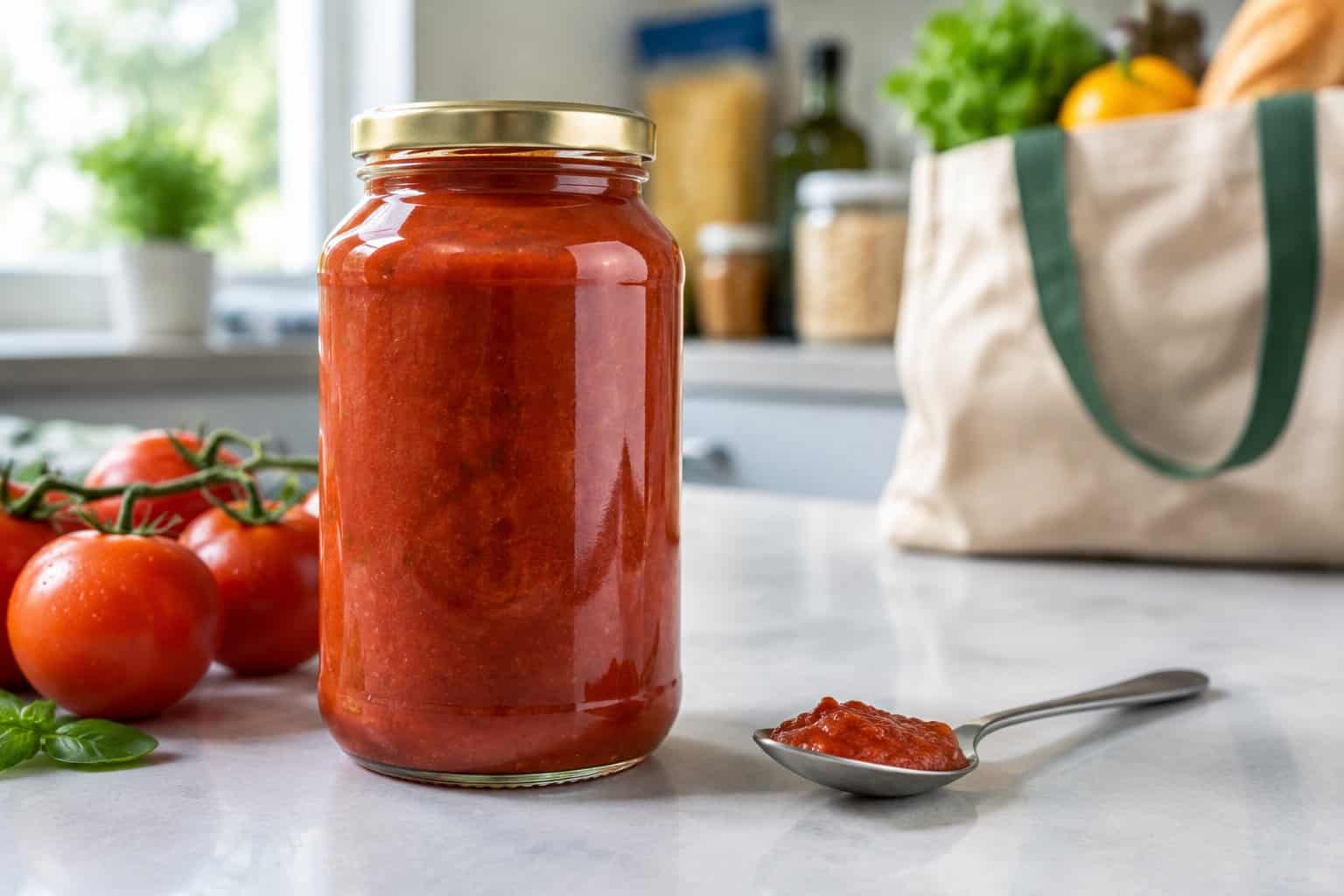
If you’re comparing canned tomato products, Kroger’s private-label sauce tends to land near the bottom of taste tests. The flavor often comes across as flat or overly acidic compared to name-brand options.
You’ll notice the texture can be thinner than expected, which affects how well it coats pasta or works as a base for other dishes. This can leave you adding extra seasoning or thickener just to get the consistency you want.
The tomato quality itself is a factor here too. Many store-brand canned tomatoes, including Kroger’s, use lower-grade tomatoes than premium brands, and the difference shows up in the final taste.
If you’re building a recipe where the sauce is the star, you’re better off spending a bit more on a brand known for consistent quality.
10. Kroger Pasta Sauce
Kroger’s pasta sauce has fallen short in multiple side-by-side taste tests against other store and name brands. Testers comparing sauces from various retailers consistently ranked it near the bottom for flavor and overall quality.
You’ll notice the sauce often tastes flat or overly sweet compared to competitors. Some reviewers describe the texture as thin, lacking the richness you’d expect from a traditional Italian-style sauce.
The ingredient list leans heavily on fillers and added sugars rather than real tomatoes and herbs. If you’re used to restaurant-quality or imported sauces, this one may disappoint you.
Shoppers who’ve tried pairing it with pasta note that it doesn’t hold up well on its own. You’ll likely need extra seasoning or additions to make it taste balanced.
Given the number of alternatives on the shelf, you have better options if sauce quality matters to your meal.
11. Kroger Macaroni and Cheese Dinner
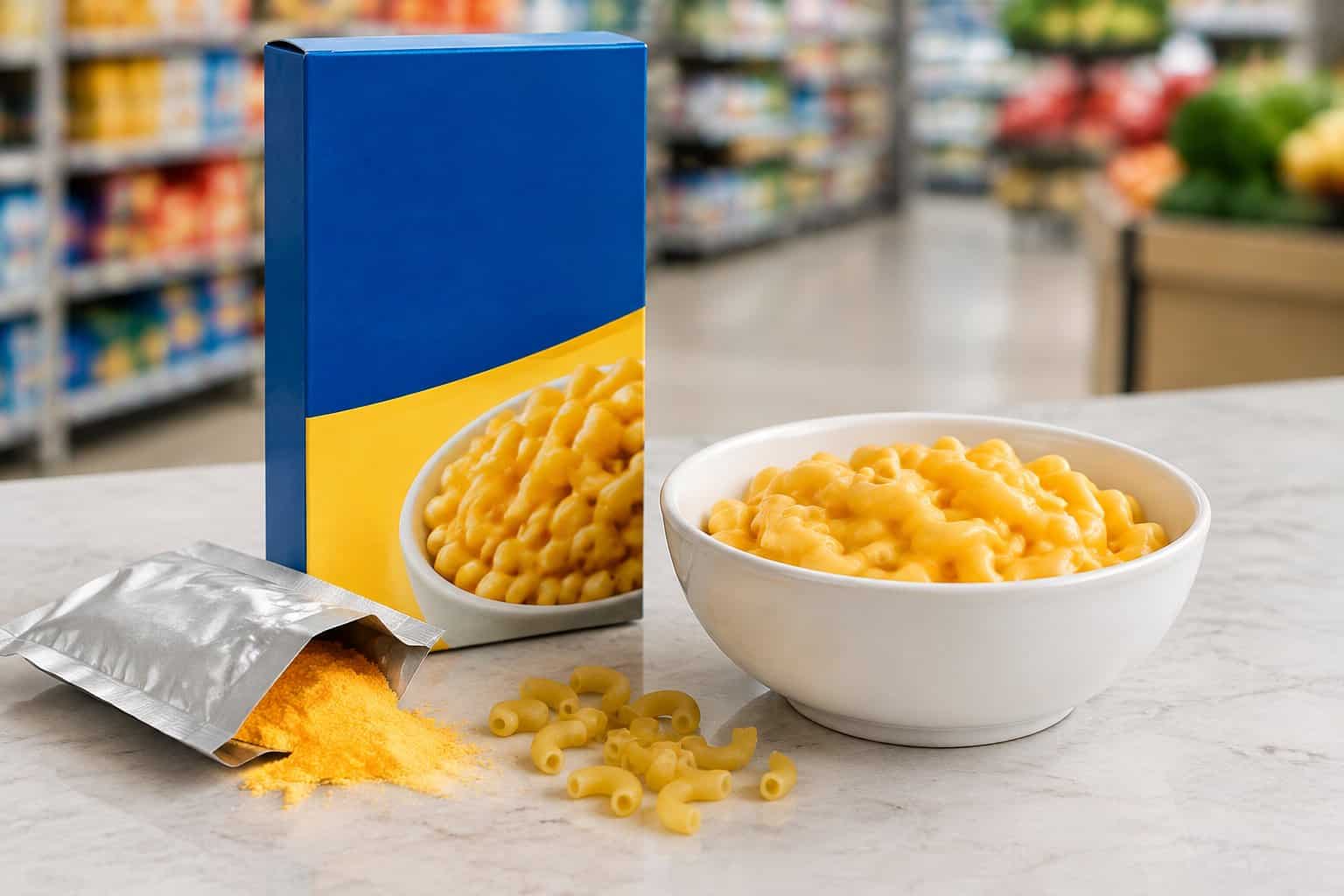
Kroger’s boxed macaroni and cheese sits at the bottom tier of their private label options. You’ll notice the cheese powder lacks the sharpness found in name-brand versions, and the texture tends toward grainy rather than smooth.
If you’ve compared it side by side with Kraft, the difference in flavor is hard to ignore. The sauce often turns out thinner, even when you follow the butter and milk measurements exactly as directed.
Some shoppers report the noodles cook unevenly, leaving you with a mix of mushy and firm pasta in the same pot. For a product meant to be a quick, reliable meal, that inconsistency defeats the purpose.
You’re better off paying slightly more for Kroger’s higher-tier Private Selection line or sticking with a trusted national brand. The savings on this particular item don’t offset the drop in quality you’ll taste in every bite.
12. Kroger Instant Mashed Potatoes
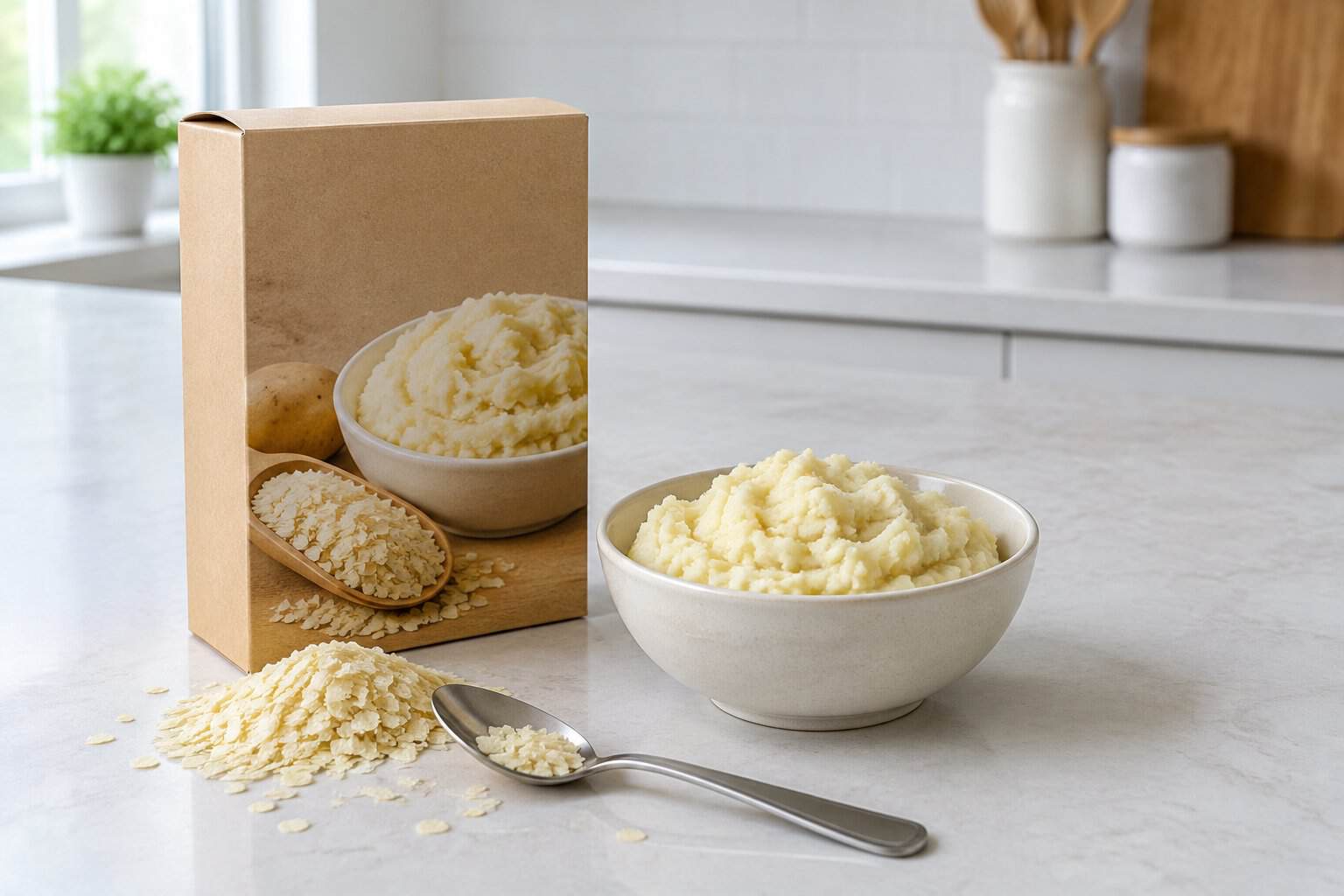
If you’ve tried Kroger’s instant mashed potatoes, you may have noticed a texture problem. Many shoppers describe them as gummy or pasty rather than light and fluffy.
The flavor also tends to fall flat. Compared to other instant mashed potato brands on the market, Kroger’s version often lands in the middle or lower tier in taste tests, lacking the buttery richness some competitors deliver.
You might also find the seasoning uneven once prepared. Some batches taste bland, while others come out slightly too salty, making consistency a real issue.
For a pantry staple meant to save you time, this inconsistency can be frustrating. If you’re feeding a family or serving guests, you probably want predictable results every time you open the box.
Given the number of instant mashed potato options available at similar price points, you may want to compare a few brands before committing to Kroger’s version as your go-to side dish.
13. Kroger Boxed Rice Pilaf
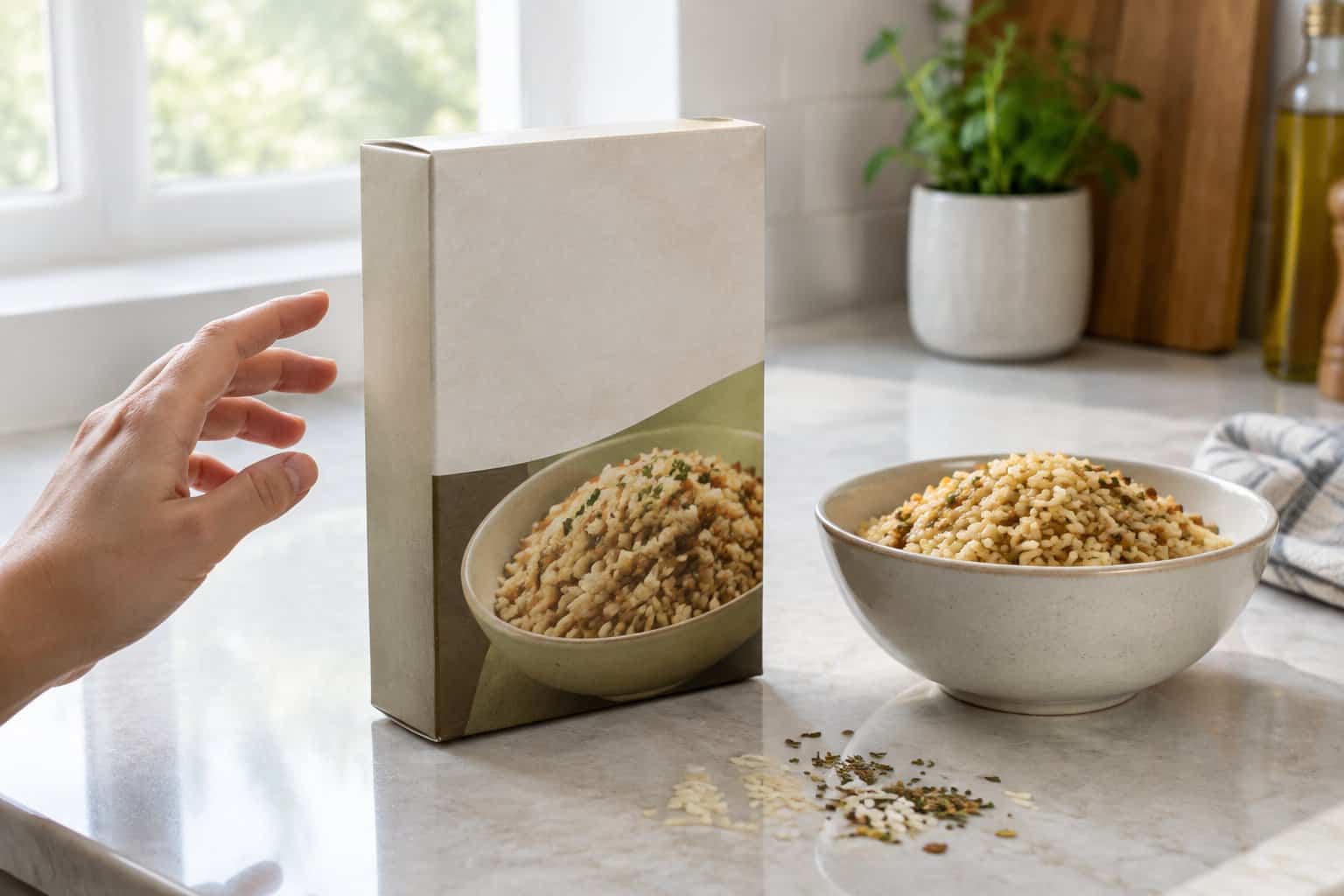
Kroger’s boxed rice pilaf often falls short when compared side by side with other brands. Taste tests have found the seasoning packets inconsistent, sometimes bland and other times overly salty.
You may notice the rice itself doesn’t hold texture well during cooking. It can turn mushy if you don’t watch the water ratio closely, leaving less room for error than the instructions suggest.
The dried vegetable pieces included in the mix tend to rehydrate unevenly. You’ll sometimes find a few bites with tough, underdone pieces mixed in with others that are soft.
For the price, you’re not getting much advantage over cooking plain rice and adding your own seasonings. If you want more reliable flavor and texture, you may want to compare ingredient lists before adding this to your cart.
14. Kroger Chicken Noodle Soup
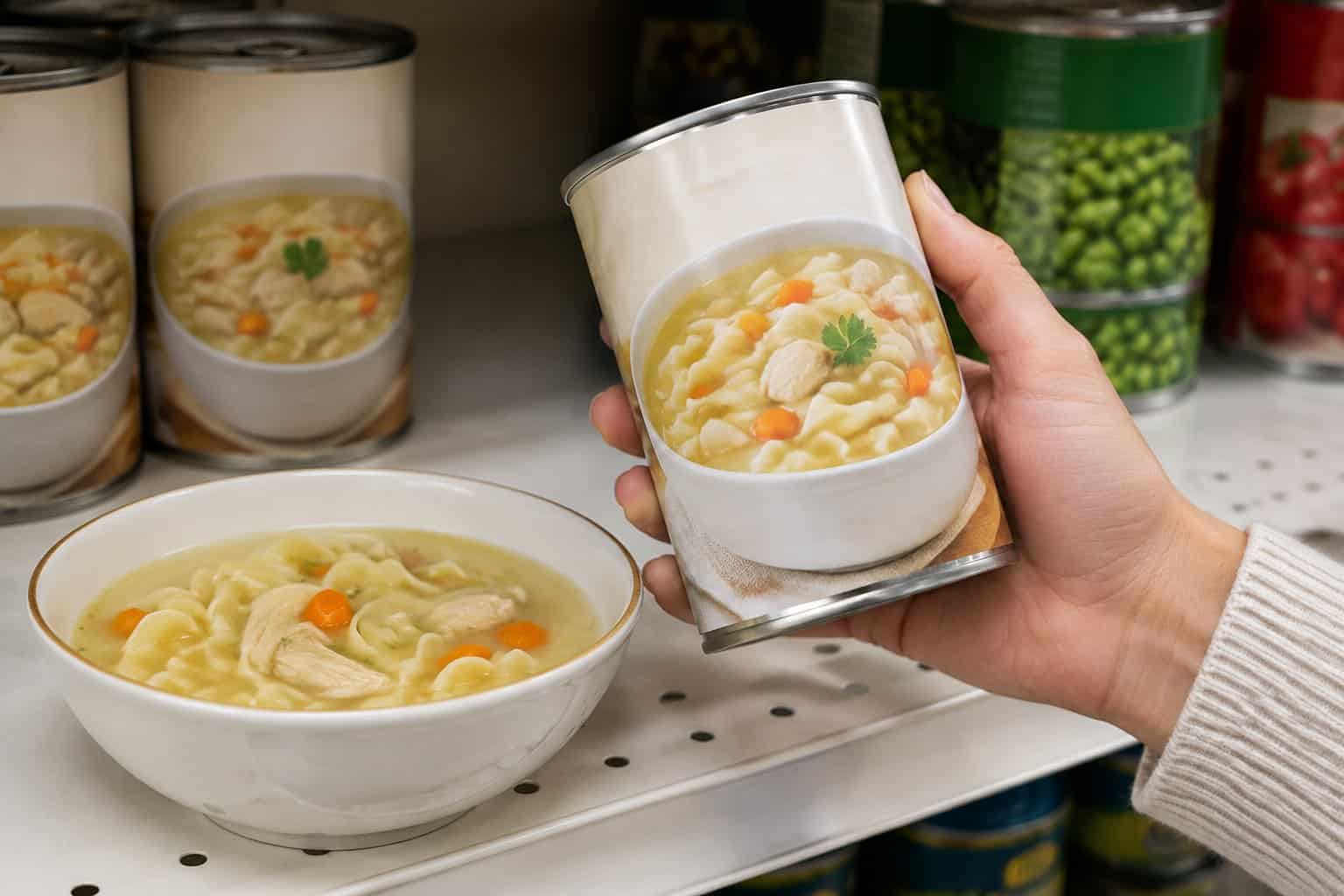
Kroger’s canned Chicken Noodle Soup doesn’t offer much to get excited about. The broth tastes thin and lacks real chicken flavor, leaving most of the seasoning to come from salt rather than actual ingredients.
Speaking of salt, this soup contains roughly 680 milligrams of sodium per cup, which adds up to nearly 1,500 milligrams in a single can. If you’re watching your sodium intake, this product makes that harder to manage.
You do get a reasonable 12 grams of protein per can, and the calorie count stays low. But the nutritional upside doesn’t make up for the bland taste or the high sodium content.
At around 89 cents per can, the price is low. Still, you’re better off choosing a different brand if flavor and sodium levels matter to you.
15. Kroger Condensed Tomato Soup
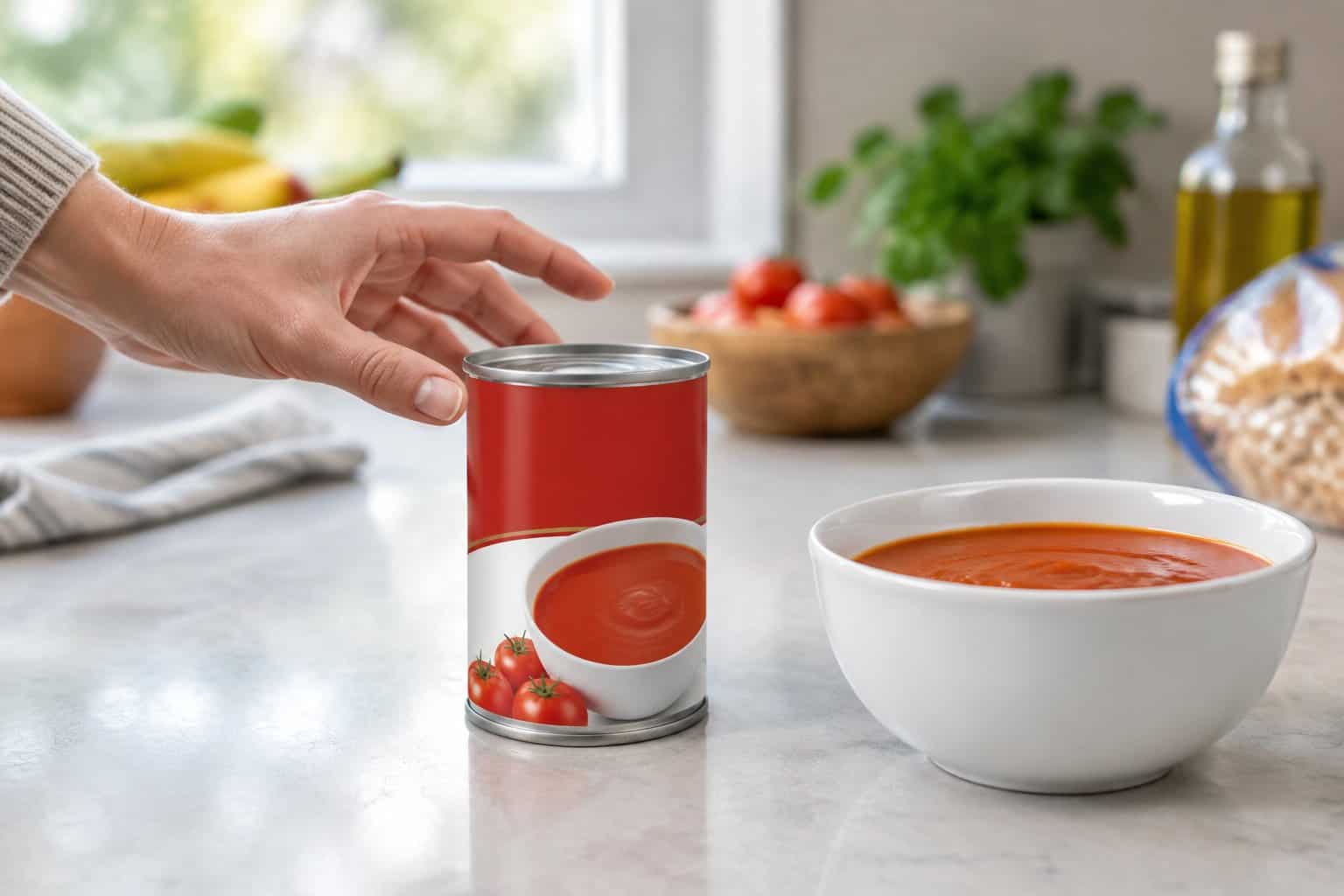
Kroger Condensed Tomato Soup is a budget-friendly pantry staple, but it falls short when compared to name-brand versions. You may notice a thinner consistency and a flavor that leans more acidic than sweet.
The ingredient list includes added sugars and sodium levels that can add up quickly if you’re watching your intake. A single serving often contains a significant portion of your recommended daily sodium.
When you prepare it with water instead of milk, the taste becomes noticeably flatter. You’ll likely need to add your own seasonings to make it taste balanced.
If you’re comparing nutrition labels, you’ll find this product doesn’t stand out for quality ingredients. It works in a pinch, but you may find better value and flavor from other brands on the same shelf.
16. Kroger Frozen Cheese Pizza
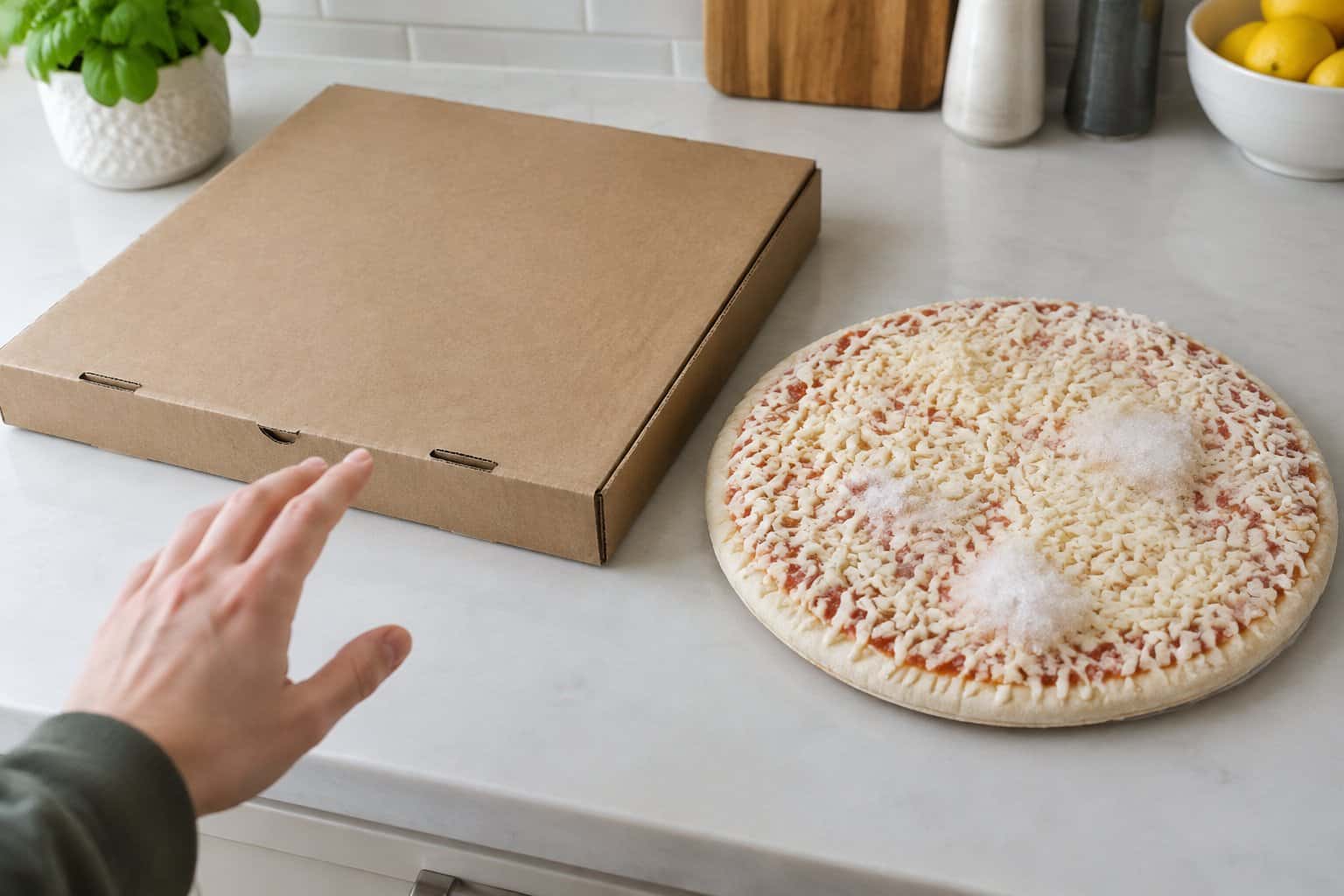
Kroger’s frozen cheese pizza is a budget option that many shoppers find lacking once it comes out of the oven. The crust tends to bake up dense and doughy rather than crisp, even when you follow the package instructions exactly.
The cheese itself is another common complaint. You may notice it melts unevenly or takes on a rubbery texture instead of the smooth, bubbly finish you’d expect from a good cheese pizza.
Flavor-wise, this pizza often falls flat. The sauce can taste thin and overly sweet, with little of the savory depth found in better frozen options.
If you’re deciding between this and a pricier brand, the small savings may not outweigh the disappointing results. You’re better off checking reviews before adding it to your cart, since your expectations should stay modest with this particular product.
17. Kroger Frozen Pepperoni Pizza
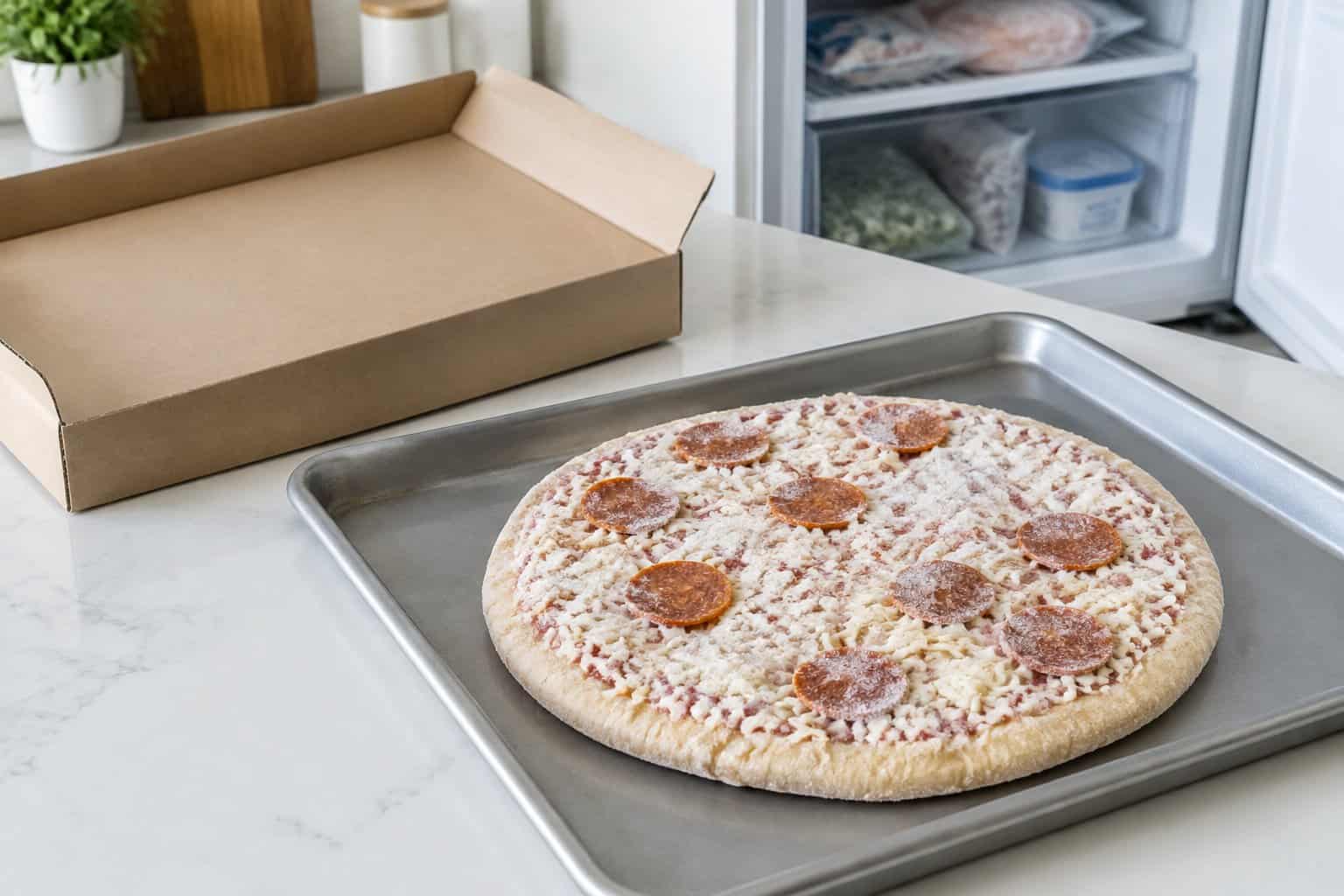
Kroger’s Pepperoni Classic Crust pizza consistently ranks among the lowest-rated frozen pizzas on the market. Your main complaint will likely match everyone else’s: it’s bland.
Seasoning seems minimal, and the overall flavor falls flat compared to competitors in the same price range. Even at $3 to $4 for a 20.6-ounce pie, you may feel the quality doesn’t match the cost.
The rising crust version has its own problems. You might notice a strong baking powder or baking soda taste in the crust that overwhelms the toppings entirely.
If you decide to try this pizza anyway, consider adding extra cheese or toppings before baking. This can help mask some of the blandness and improve the texture.
Cooking it on a grill instead of in the oven may also give you better results than the standard preparation method.
18. Kroger Frozen Garlic Bread
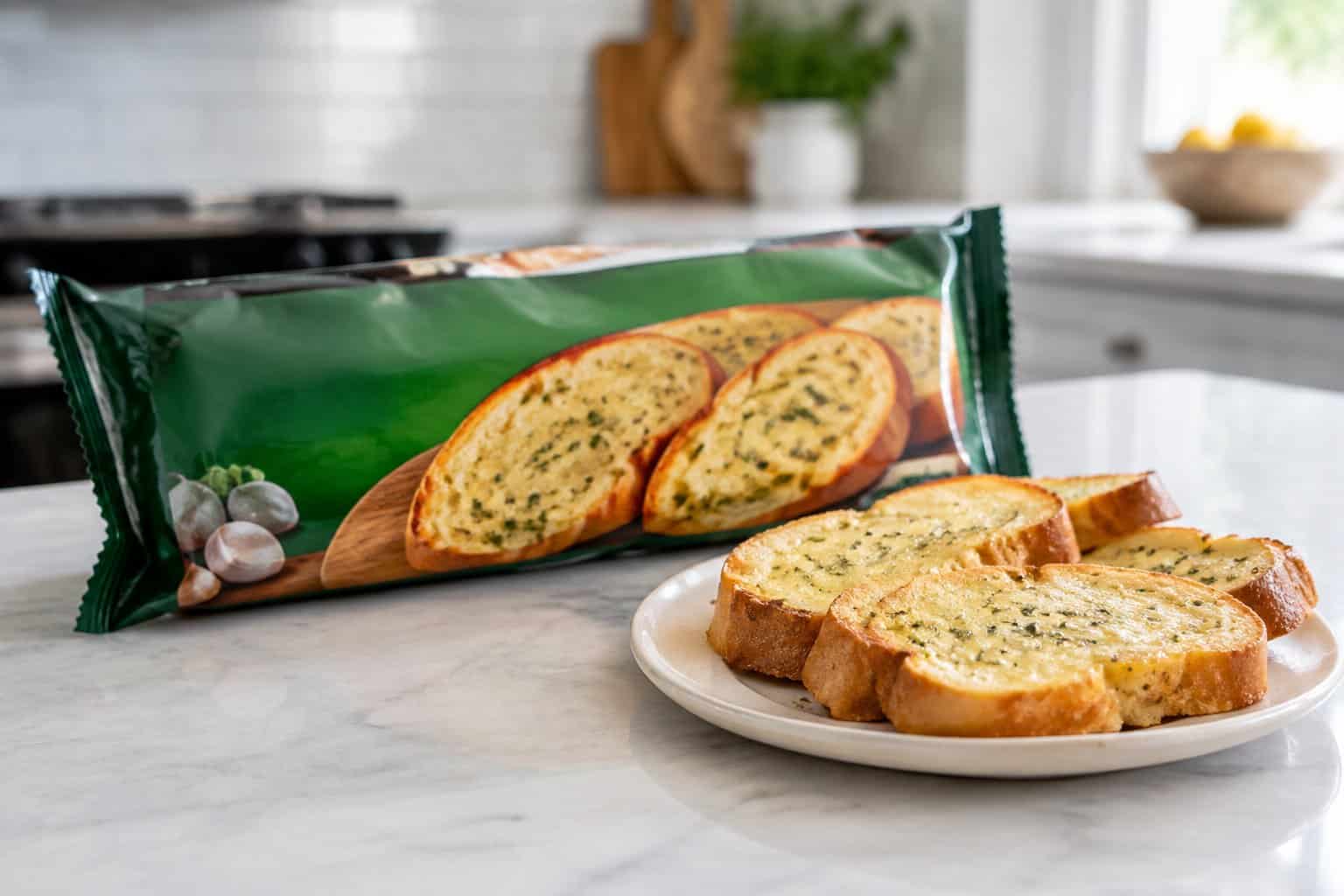
Frozen garlic bread in the Kroger store brand often leans on garlic powder and seasoning blends rather than real minced garlic. You get a product that’s more salty than garlicky when you bite into it.
The bread itself tends to run dense and doughy once baked. You may notice it doesn’t crisp up the way bakery-style loaves do, even if you follow the oven directions closely.
The butter or butter-flavored spread used on these loaves is frequently a blend with added oils. You’ll taste a flatter, less rich flavor than you’d expect from real butter.
Portion sizes can also disappoint you. Many loaves are thin or pre-sliced in a way that leaves you short on bread for a full meal.
If you want a product with real garlic and noticeable butter flavor, you’re better off checking ingredient labels on other brands before adding this one to your cart.
19. Kroger Frozen French Fries
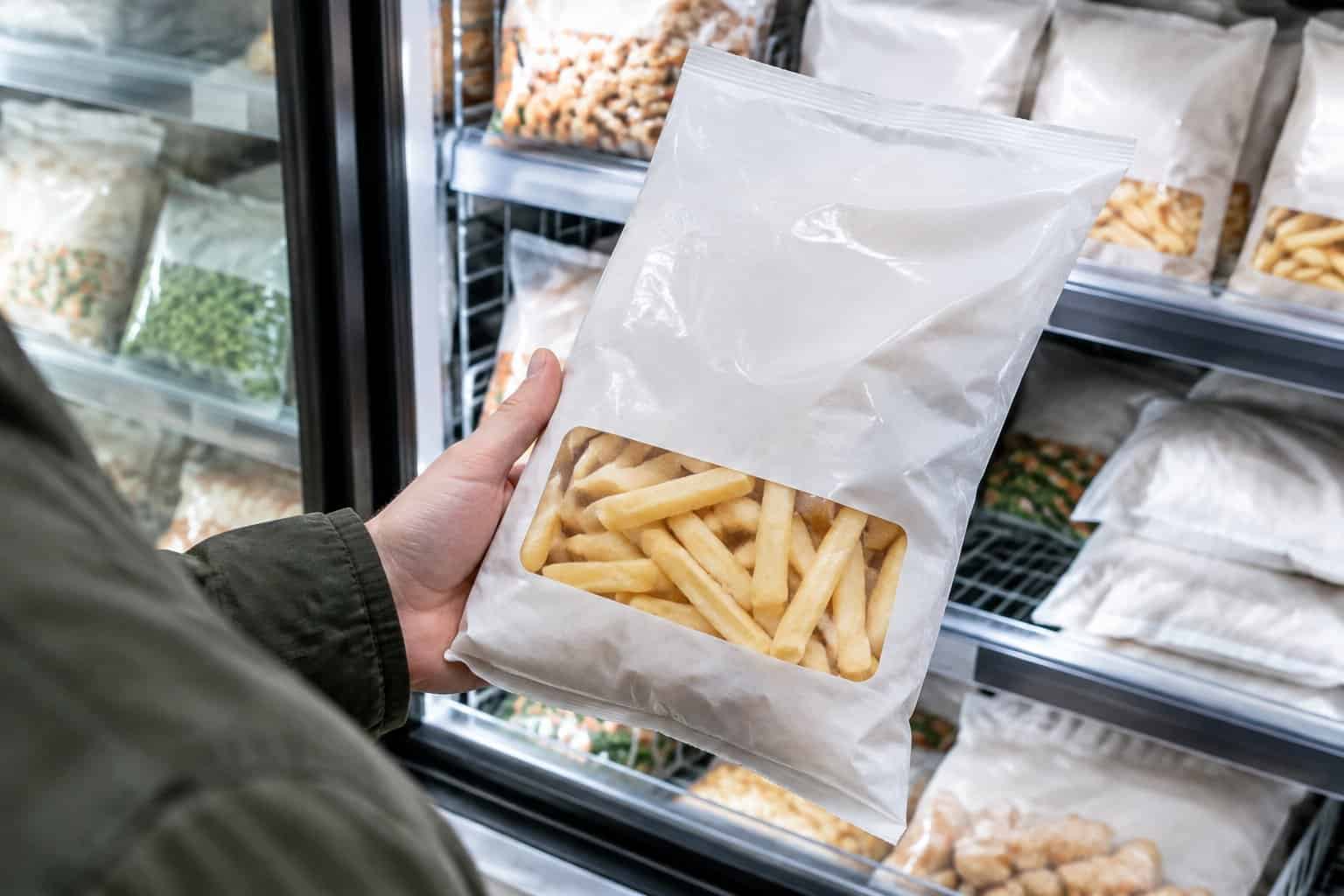
Kroger’s frozen french fries don’t hold up well against competitors, according to shopper surveys. In one Mashed survey, over 26% of respondents ranked Kroger fries as the worst among six major brands, putting them below Market Pantry, Whole Foods, McCain, and Alexia.
You’ll likely notice the texture falls short when baked. Many shoppers report the fries turn out soggy rather than crisp, even when you follow the package instructions closely.
If crispiness matters to you, other store brands and name brands consistently outperform Kroger’s version in side-by-side taste tests. The price difference doesn’t always justify the quality gap you’ll experience.
Before stocking your freezer, consider trying a sample bag first. Your results may vary depending on your oven and cooking method, but the general consensus points to Kroger fries underperforming compared to competitors.
20. Kroger Frozen Mixed Vegetables
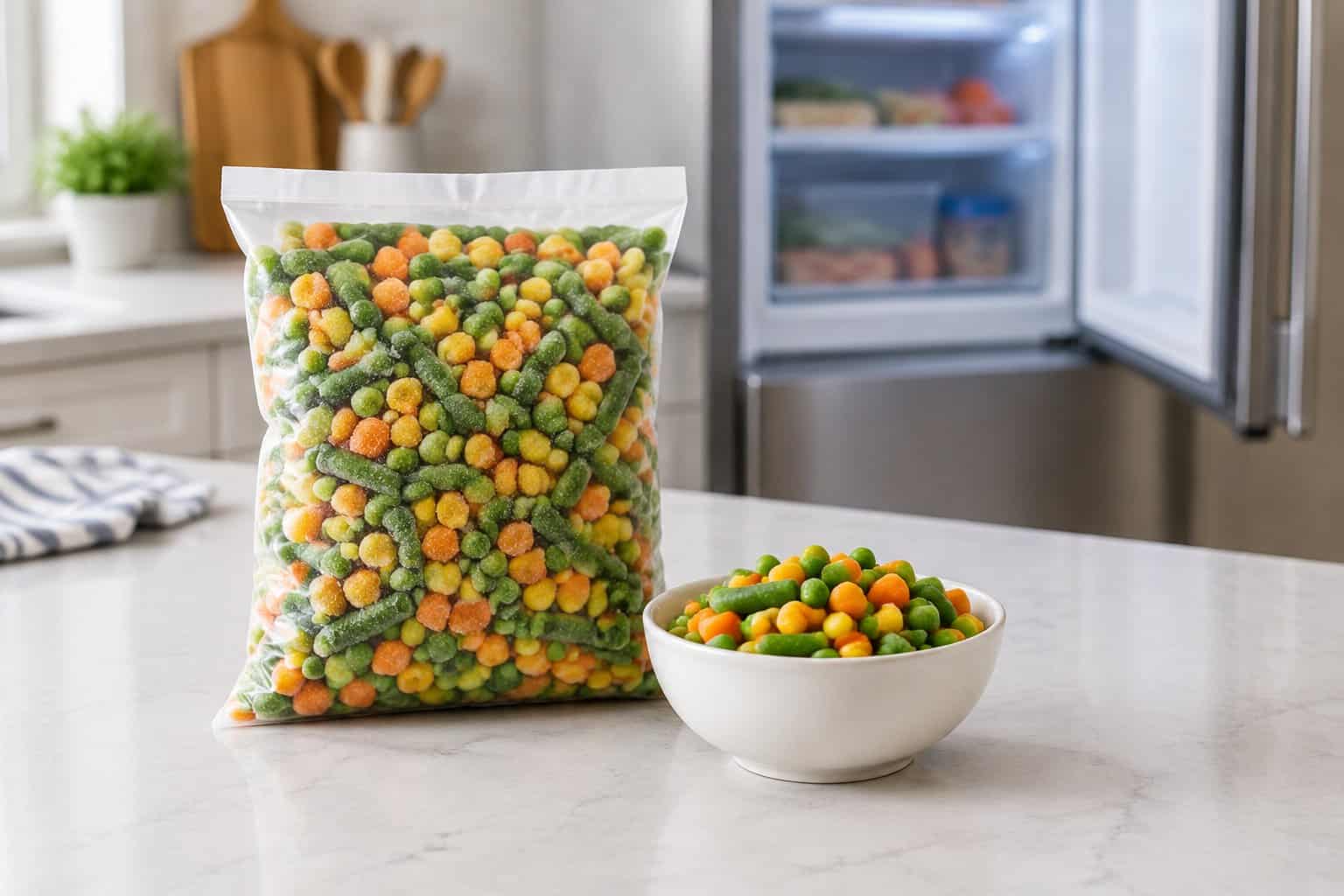
Kroger’s frozen mixed vegetables, which include a blend of carrots, corn, green beans, and peas, have been tied to multiple recalls over the years.
In 2023, Twin City Foods recalled several Kroger-brand frozen vegetable products after testing revealed possible listeria contamination. The affected bags carried a “best if used by” date of February 2024, and the recall extended to other store brands, including Food Lion and Signature Select.
Beyond safety concerns, you may also notice texture problems with these products. Shoppers frequently describe the vegetables as rubbery or chewy once cooked, whether microwaved or boiled.
Given the recall history and inconsistent texture, you might want to check the packaging date before buying or consider a different brand for your freezer.
21. Kroger Frozen Chicken Nuggets
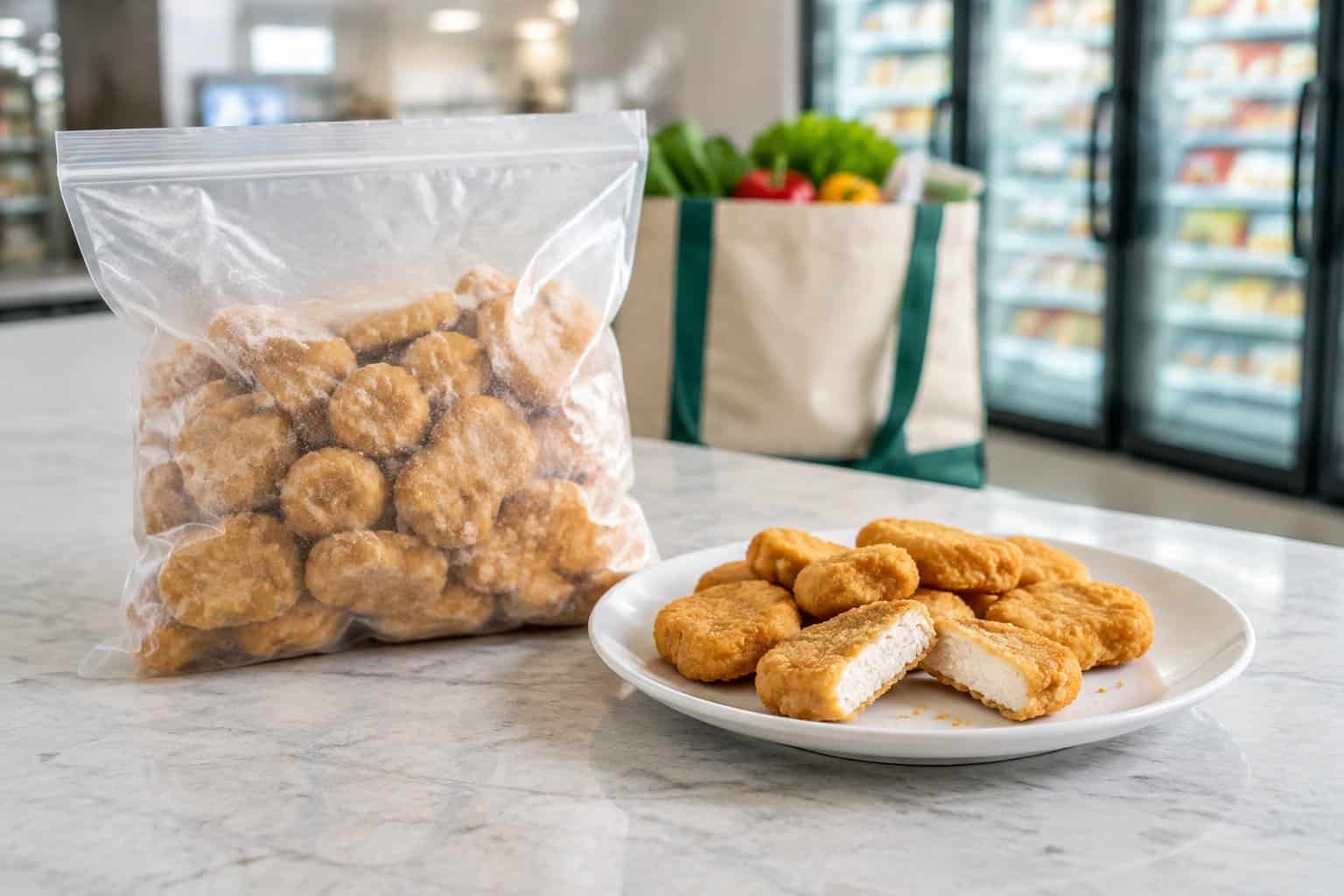
You’ll notice the color before the taste. These nuggets have an unusually orange coating, but that doesn’t translate into flavor.
The breading tends to overwhelm the chicken inside, leaving you with a bite that’s mostly crunch and little substance. Texture is another issue. Some batches turn out mushy after baking, even when you follow the package instructions closely.
If you’re comparing them to name-brand options, you’ll likely find the seasoning falls flat by comparison. The chicken itself can taste heavily processed, which isn’t unusual for frozen nuggets, but it’s more noticeable here.
For a quick meal, they’ll do the job. If you’re looking for something you’d actually crave, you may want to try a different brand first.
22. Kroger Frozen Fish Sticks
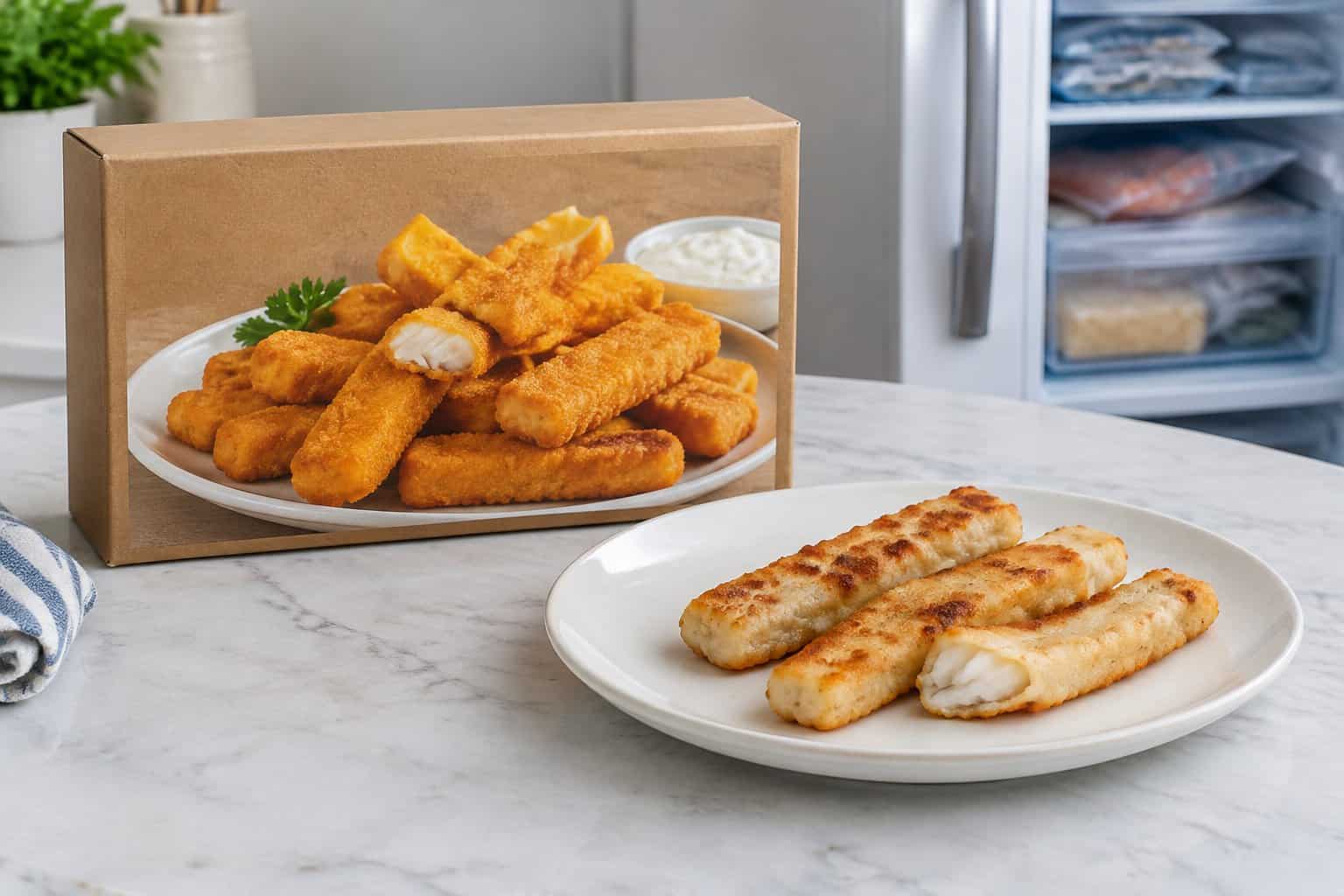
Kroger’s frozen fish sticks often land near the bottom of customer rankings. Shoppers frequently cite a bland, overly processed taste that doesn’t match the appeal of other seafood brands.
The breading-to-fish ratio is another common complaint. You may notice a thick, heavy coating that leaves little room for actual fish inside, which affects both texture and nutritional value.
Sodium and saturated fat content also run higher than many comparable products. If you’re trying to limit these nutrients in your diet, this brand may not be your best option.
Negative reviews have piled up over time, with some shoppers specifically recommending alternatives during Lent or other periods when fish consumption increases. You might find better quality and flavor by choosing a different brand, even if it costs a bit more.
Before buying, compare labels and reviews to see if this product fits your needs.
23. Kroger Deli Sliced Turkey
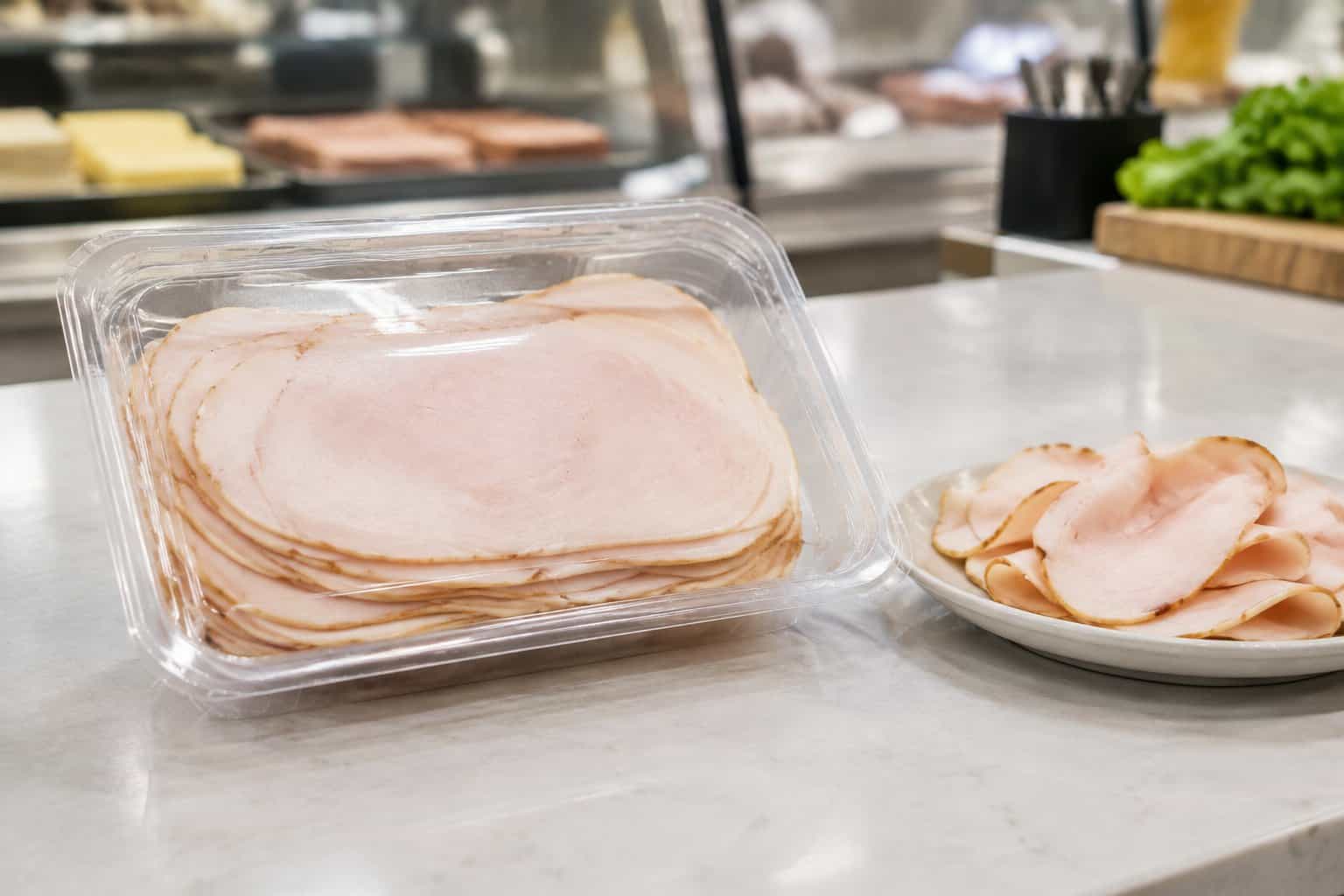
Kroger’s deli turkey has a shorter shelf life than many shoppers expect. Once opened, the thin slices and air exposure can speed up bacterial growth, even in the fridge.
You may notice a slick film on the surface or a sour smell within three to five days. That’s a clear sign the meat has turned and should be thrown out.
The deli counter itself has drawn consistent complaints about selection and quality compared to competitors like Publix or Wegmans. If you’re buying turkey for sandwiches you plan to eat over several days, you’ll want to check it daily.
Buying smaller quantities more often can help you avoid waste. It also reduces your risk of eating meat that’s already past its prime.
24. Kroger Deli Sliced Ham
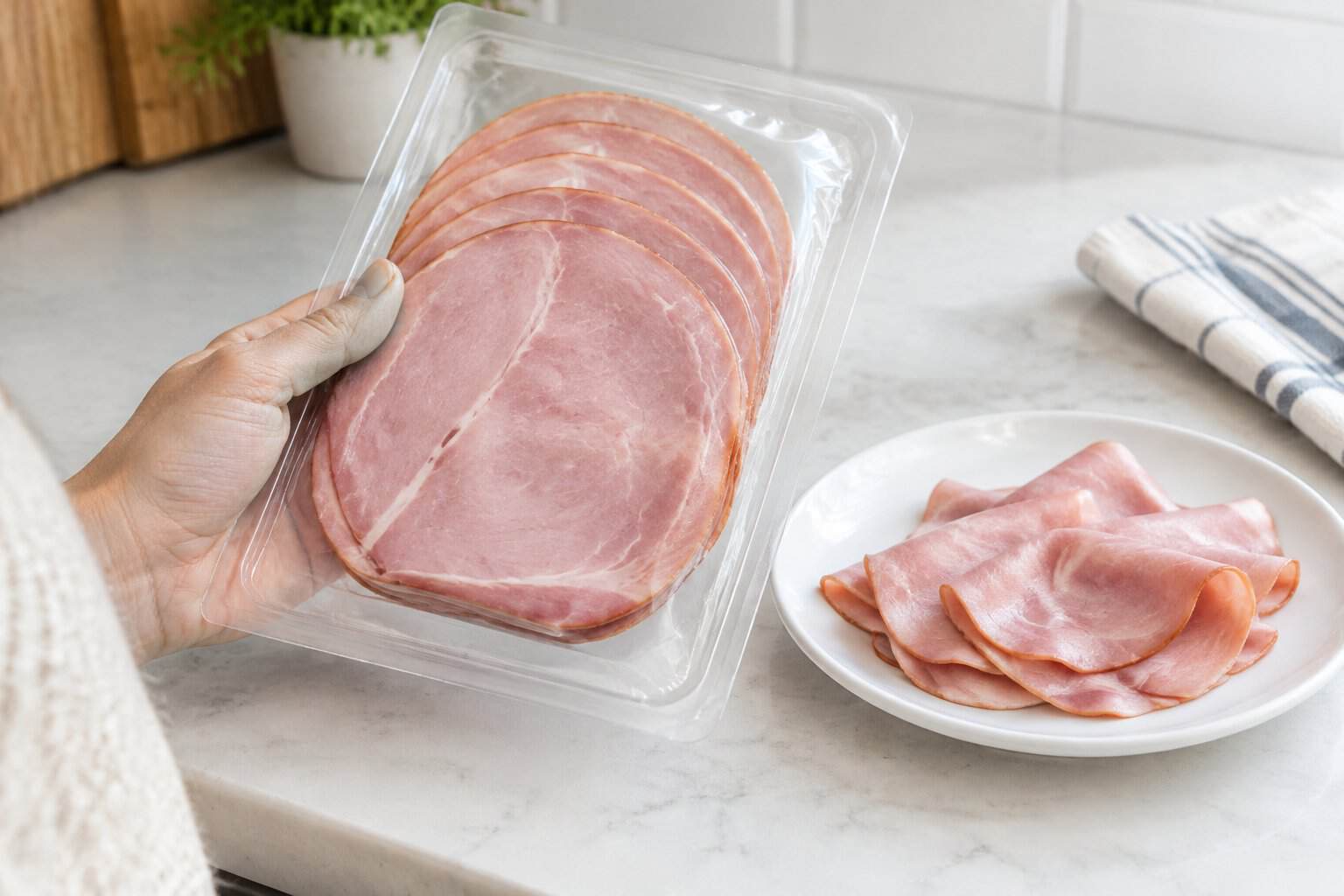
If you order sliced ham from the Kroger deli counter, you may want to check the weight before you leave the store. Shoppers have reported discrepancies between the weight listed on the label and what the package actually contains.
You can ask the deli staff to weigh your order in front of you before it’s sealed. This gives you a chance to verify the amount matches what you’re paying for.
Sliced ham also has a shorter shelf life than many shoppers expect. Once opened, it typically stays fresh for only three to five days, and you’ll notice changes in texture or smell once it starts to turn.
Buying smaller quantities more frequently can help you avoid waste. You should also store it properly in an airtight container to extend its usability within that window.
25. Kroger Ground Beef
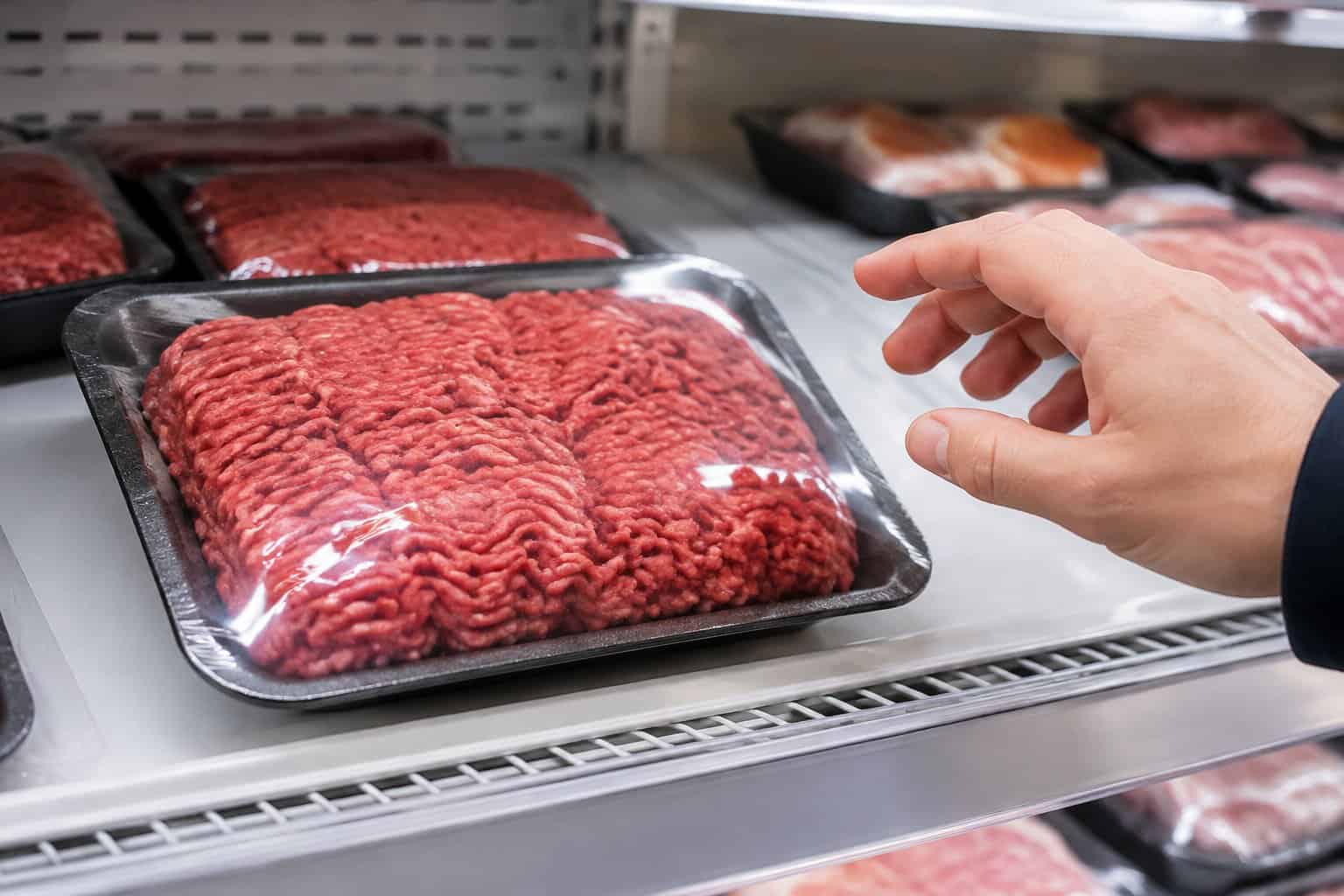
Ground beef is one product where you may want to pay closer attention at Kroger. Some shoppers have reported that packages spoil faster than the sell-by date suggests, leading to concerns about how the meat is handled before it reaches shelves.
Independent testing of ground beef from multiple grocery chains has raised questions about consistency across the industry, and Kroger has been included in some of these comparisons. Results can vary by location, since each store grinds and packages beef based on its own supply chain.
If you buy ground beef here, check the packaging date and color before purchasing. Cook or freeze it soon after buying, and trust your senses if something smells or looks off, even if the date hasn’t passed.
26. Kroger Boneless Skinless Chicken Breasts
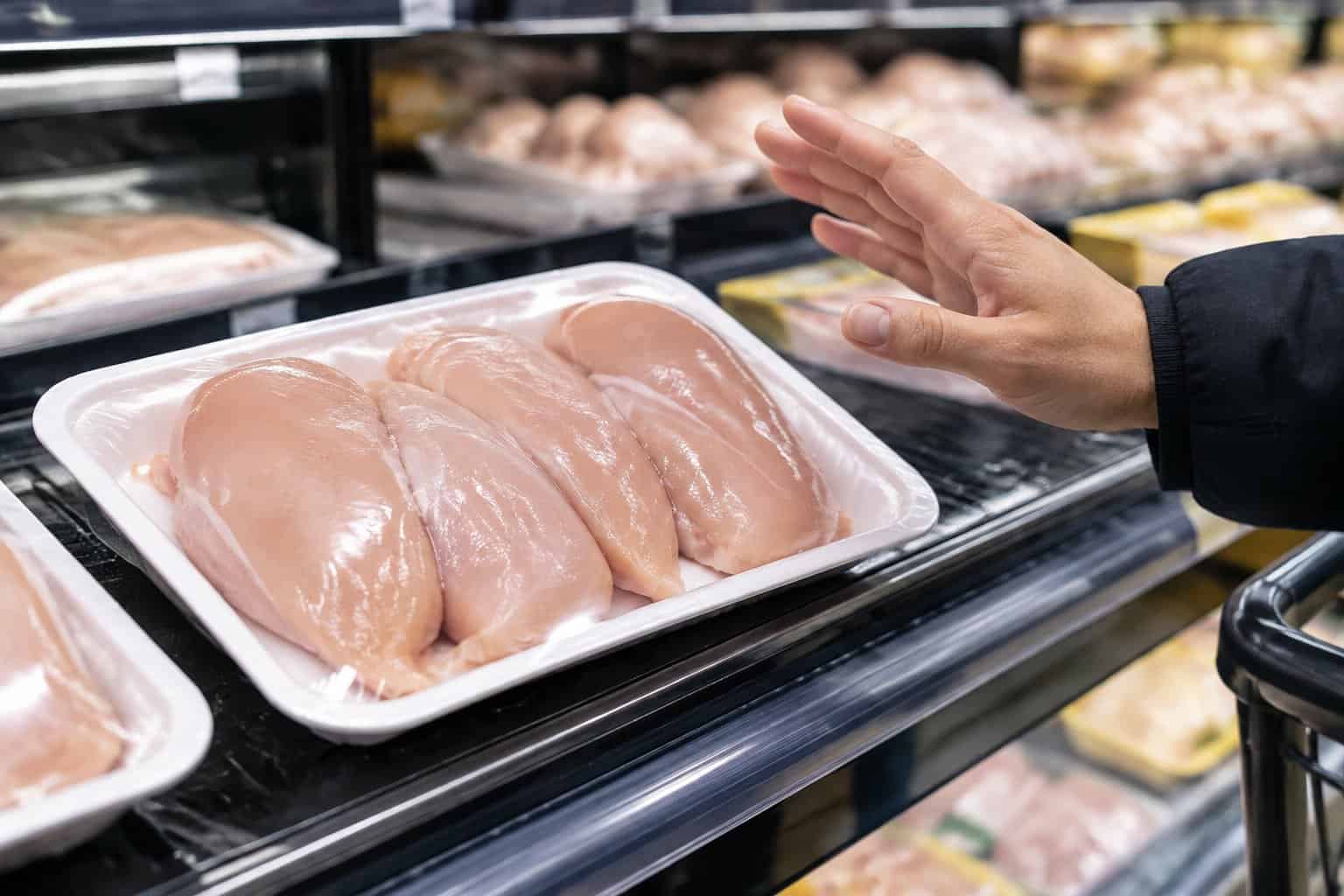
Kroger’s Private Selection Honey Dijon Boneless and Skinless Chicken Breasts with Rib Meat were flagged in a federal food safety alert over an undeclared egg allergen. The back label listed ingredients for a different product, leaving out egg entirely.
This matters if you or someone in your household has an egg allergy. You can’t rely on the packaging to tell you what’s actually in the product you’re eating.
The affected chicken was distributed to Kroger and Fred Meyer stores across nine states. If you bought this item, you should check your fridge or freezer before using it.
Beyond this specific alert, some shoppers have also reported inconsistent quality with Kroger’s chicken, including off tastes after a few days of storage. Combined with pricing that isn’t always competitive with other grocery chains, this product is worth a second look before you add it to your cart.
27. Kroger Store-Brand Shredded Cheddar Cheese
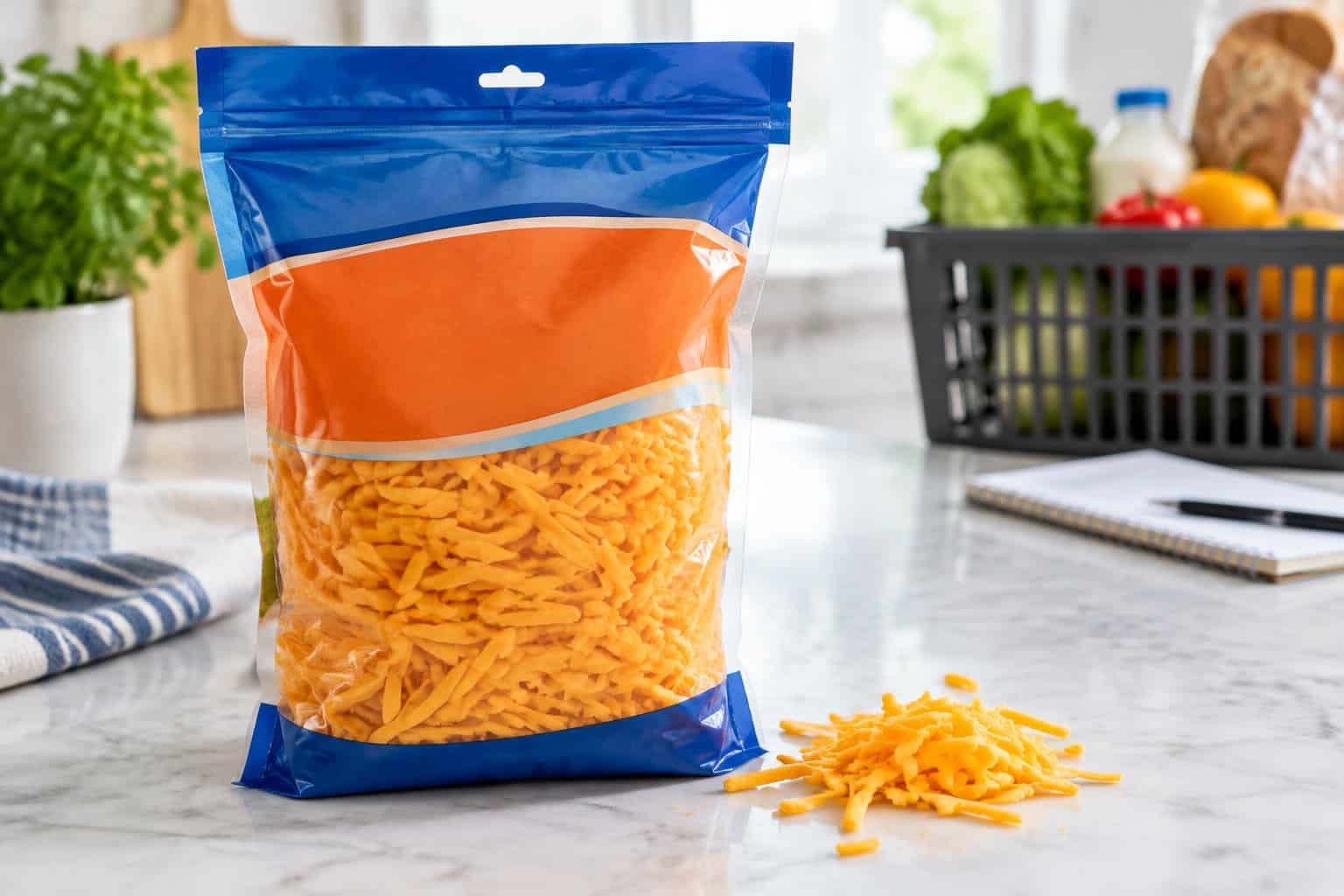
Kroger’s shredded cheddar has a mixed reputation among shoppers. Some customers rank it as a solid alternative to name brands like Sargento, praising its creamy texture and sharper flavor. Others report receiving bags with mold or clumping well before the printed expiration date.
If you buy this product, check the bag carefully before purchase. Look for any signs of moisture buildup or discoloration through the packaging.
Like most pre-shredded cheeses, Kroger’s version contains anti-caking agents to prevent clumping in the bag. This additive is standard across the shredded cheese category, not unique to Kroger, but it means you’re not getting a pure block-cheese product.
You may find better consistency by buying a block of Kroger cheddar and shredding it yourself. This avoids the additives and reduces your risk of encountering spoilage issues reported by other customers.
28. Kroger Sliced American Cheese
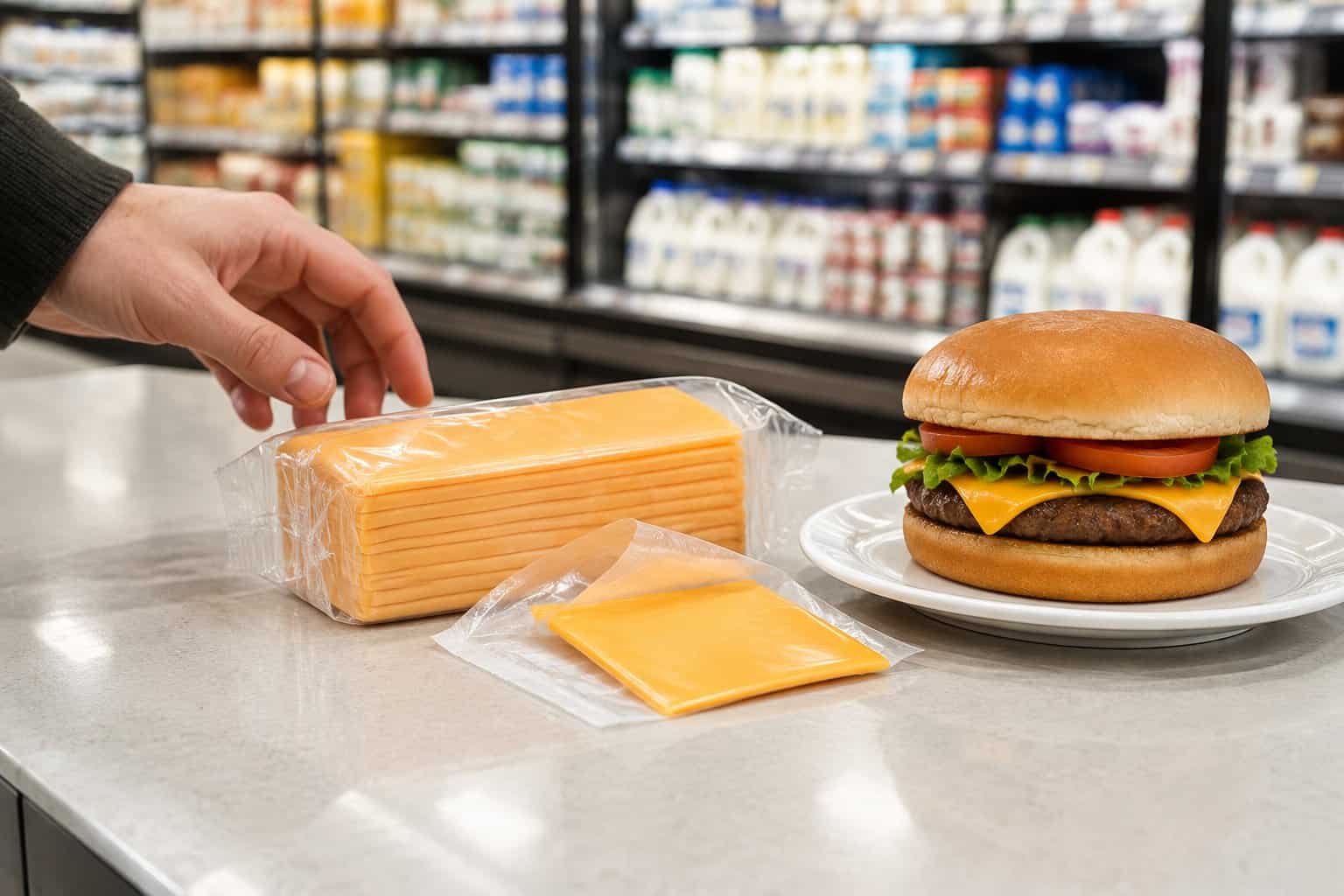
Kroger discontinued its sliced American cheese, and many shoppers were caught off guard. If this was a regular item in your fridge, you likely noticed it disappear from shelves without much explanation.
The lack of communication is part of the problem. You’re left guessing whether it’s a permanent change or a temporary supply issue, and store employees often can’t give you a straight answer either.
American cheese slices are a staple for sandwiches and burgers in many households. Losing a reliable, affordable option disrupts your routine, especially if you’ve already adjusted your shopping list around it.
You can switch to another store brand or a different Kroger cheese product, but the texture and melt quality won’t necessarily match what you were used to. If consistency matters to you, it’s worth testing a few alternatives before committing to a replacement.
29. Kroger Plain Greek Yogurt
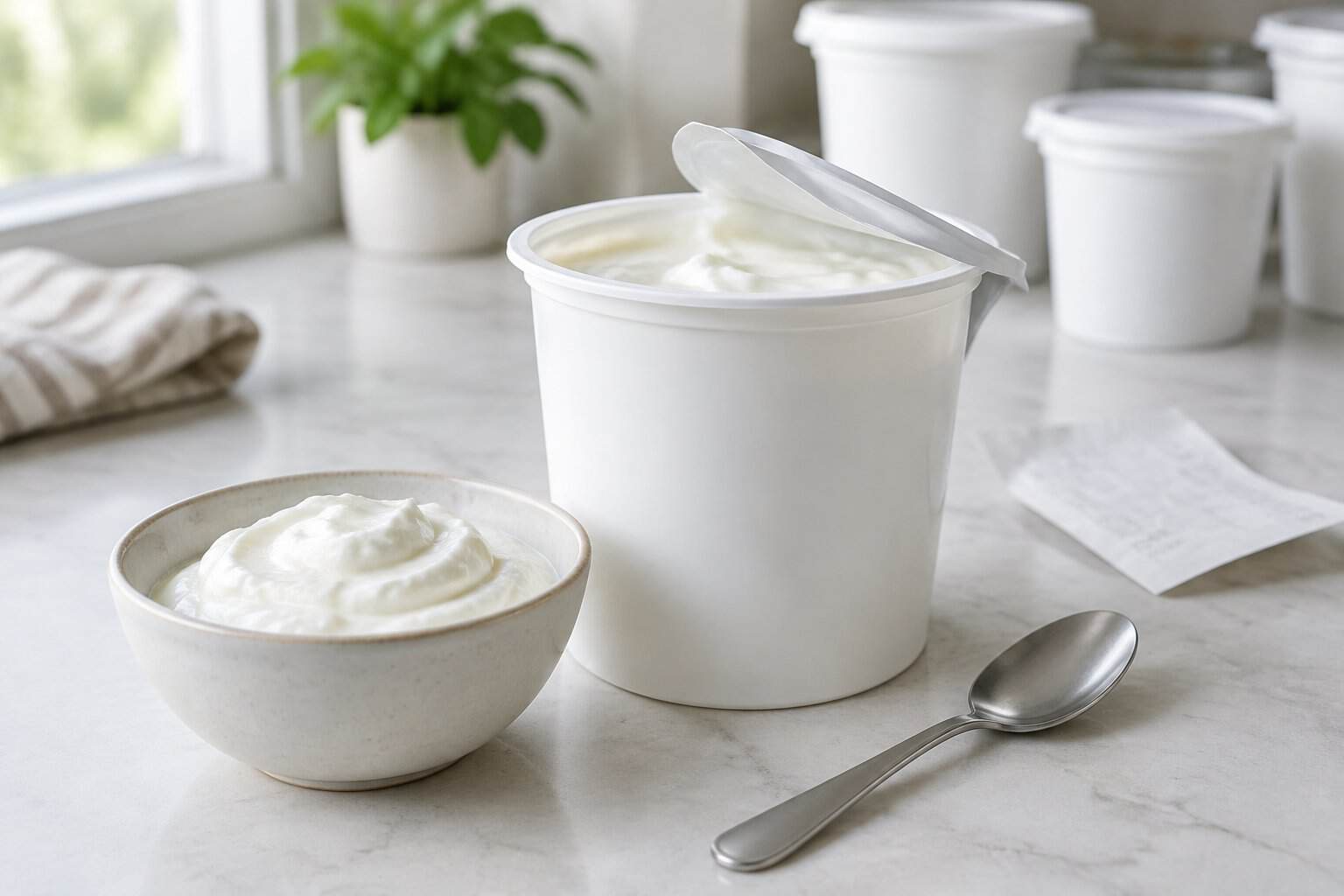
Plain Greek yogurt should be simple: milk and live cultures, nothing more. Kroger’s version often falls short of the texture and tang you get from brands like Fage or Chobani.
You’ll notice a thinner consistency that doesn’t hold up well in recipes calling for a thick, scoopable base. The tartness is also less pronounced, which can leave sauces and dips tasting flat.
Protein content varies by container, so you need to check labels closely if that’s your main reason for buying Greek yogurt. Some reviewers have noted inconsistent batches, with certain tubs tasting noticeably more watery than others.
If you’re using it for baking or as a sour cream substitute, the difference becomes more obvious. You may find yourself needing to strain it further to get the texture you actually want.
30. Kroger Low-Fat Cottage Cheese
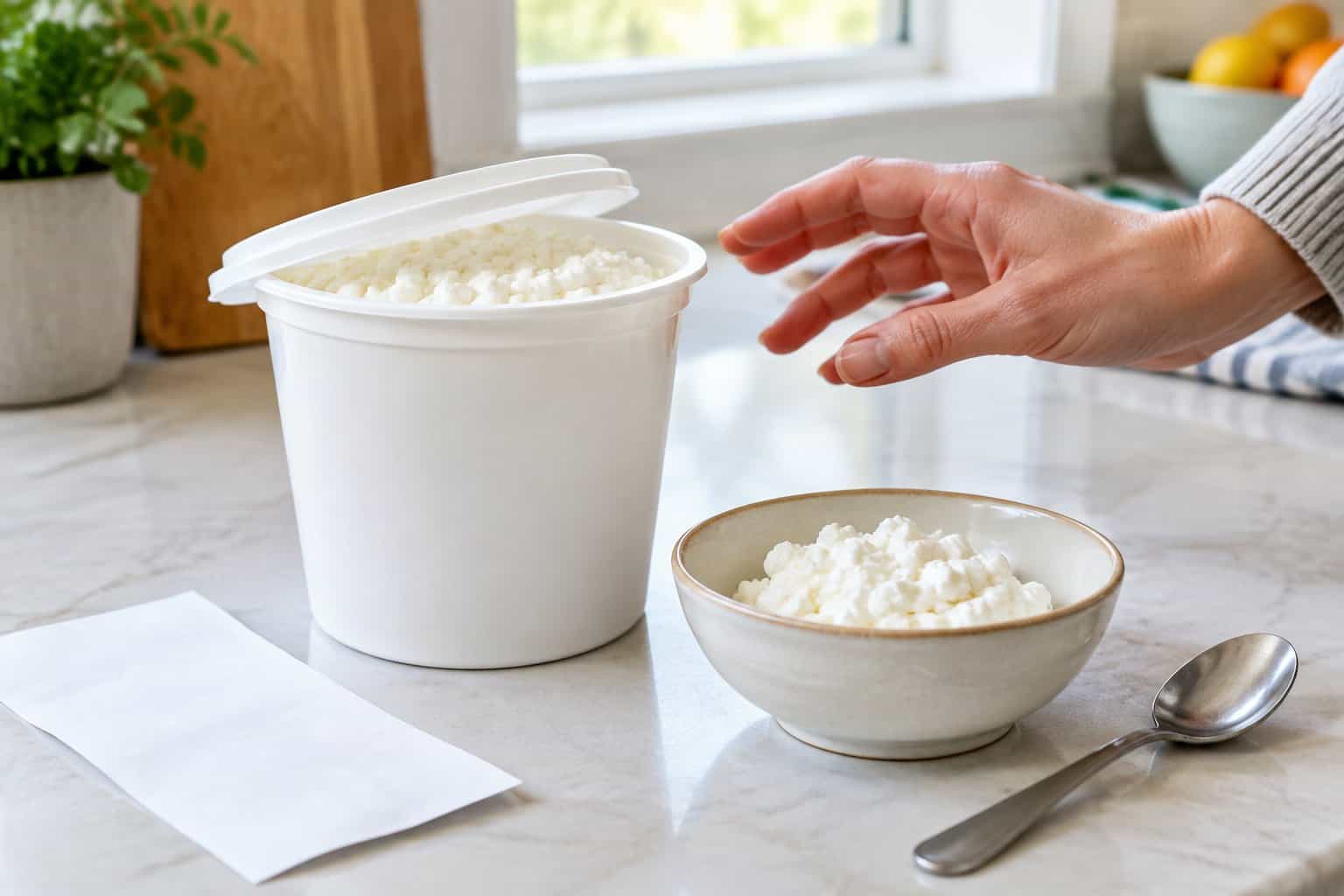
Kroger’s low-fat cottage cheese often falls short compared to name-brand options. Many shoppers note a watery texture that doesn’t hold up well, even after draining.
The flavor can taste flat or slightly sour compared to competitors like Daisy or Breakstone’s. You may find the curds inconsistent in size, with some batches overly mushy.
Ingredient lists sometimes include thickeners like carrageenan, which some shoppers prefer to avoid. If you’re looking for a cleaner label with just milk, cream, salt, and cultures, this product may not meet that standard.
For a smoother eating experience, you might want to compare labels before buying. Checking ingredient counts can help you spot added stabilizers that affect both texture and taste.
If quality and consistency matter to you, this is one item worth skipping on your next shopping trip.
How to Evaluate Kroger Products
Price, ingredients, and shopper feedback each tell a different part of the story when you’re deciding whether a Kroger product belongs in your cart. Looking at all three together gives you a more accurate picture than relying on brand loyalty or packaging alone.
Compare Unit Prices and Package Sizes
Kroger’s store brand isn’t automatically cheaper per ounce than national brands or competing store labels. Shelf tags list unit pricing, usually per ounce or per count, so you can compare items of different sizes fairly.
A larger package doesn’t always mean a better deal. Some Kroger products come in sizes that look like bulk savings but actually cost more per unit than a smaller container.
Check these before buying:
- Unit price listed on the shelf tag, not just the total price
- Package weight compared to similar products from other brands
- Sale pricing versus the regular shelf price, since discounts can shift the math
Check Ingredients and Nutrition Labels
Ingredient lists reveal quality differences that price alone won’t show you. Kroger products sometimes substitute fillers, added sugars, or lower-grade oils compared to premium or national brand versions.
Read the first few ingredients closely, since they make up the bulk of the product. If water, modified starch, or seed oils appear early in the list on items like canned vegetables or frozen meals, expect a thinner texture or blander taste.
Nutrition labels also help you spot sodium or sugar content that’s higher than comparable products. This matters most with canned goods, frozen entrees, and packaged snacks, where formulations vary more between brands than you might expect.
Consider Reviews, Recalls, and Product Changes
Shopper reviews and recall history give you information that’s not visible on the packaging. Kroger has issued recalls tied to contamination and foreign material in items like produce and poultry, so checking recent recall notices before buying is a reasonable precaution.
Online reviews and shopper forums often flag formula changes, too. A product you liked in the past may have been reformulated with cheaper ingredients or a different recipe, which shows up in complaints about taste or texture shifting over time.
Cross-reference recent feedback with your own past experience. If multiple sources mention a decline in quality, treat that as a signal worth taking seriously rather than dismissing as one-off complaints.
How to Shop More Selectively
Not every disappointing product is actually bad. Some issues come down to personal taste, while others point to real quality problems, and knowing the difference helps you make smarter choices at checkout.
Separate Personal Preferences From Quality Concerns
Before you write off a product permanently, ask yourself if the issue is objective or subjective. A cereal that tastes too sweet for your liking isn’t the same as one with stale, soggy flakes right out of the box.
Check ingredient lists and compare them to name-brand versions you’ve liked before. If a Kroger product has similar ingredients but a different flavor profile, that’s likely a preference issue, not a defect.
Read multiple reviews rather than relying on a single complaint. One person’s “too bland” might be another person’s “perfectly balanced.”
Keep a simple mental checklist:
- Texture problems (mushy, gritty, rubbery) often signal quality issues
- Flavor intensity (too salty, too mild) is usually preference
- Packaging defects (leaks, damage) are quality concerns
- Taste style (prefers a different spice blend) is preference
Use Kroger’s Return Policy When a Product Disappoints
Kroger accepts returns on store-brand products you’re not satisfied with, even without a receipt in many cases. This applies to food items that taste off, have texture problems, or simply don’t meet your expectations.
Bring the product, or what’s left of it, to the customer service desk. You don’t need to finish the item first; partial packages are accepted for refunds or exchanges.
This policy exists because Kroger stands behind its private-label brands, including Simple Truth and Private Selection. Taking advantage of it costs you nothing and gives Kroger direct feedback on products that may need reformulation.
Keep your receipt when possible, since it speeds up the process. Without one, store staff can usually look up the purchase through your loyalty card.