
The 30 Worst Costco Foods According to Shoppers: Products Members Recommend Avoiding
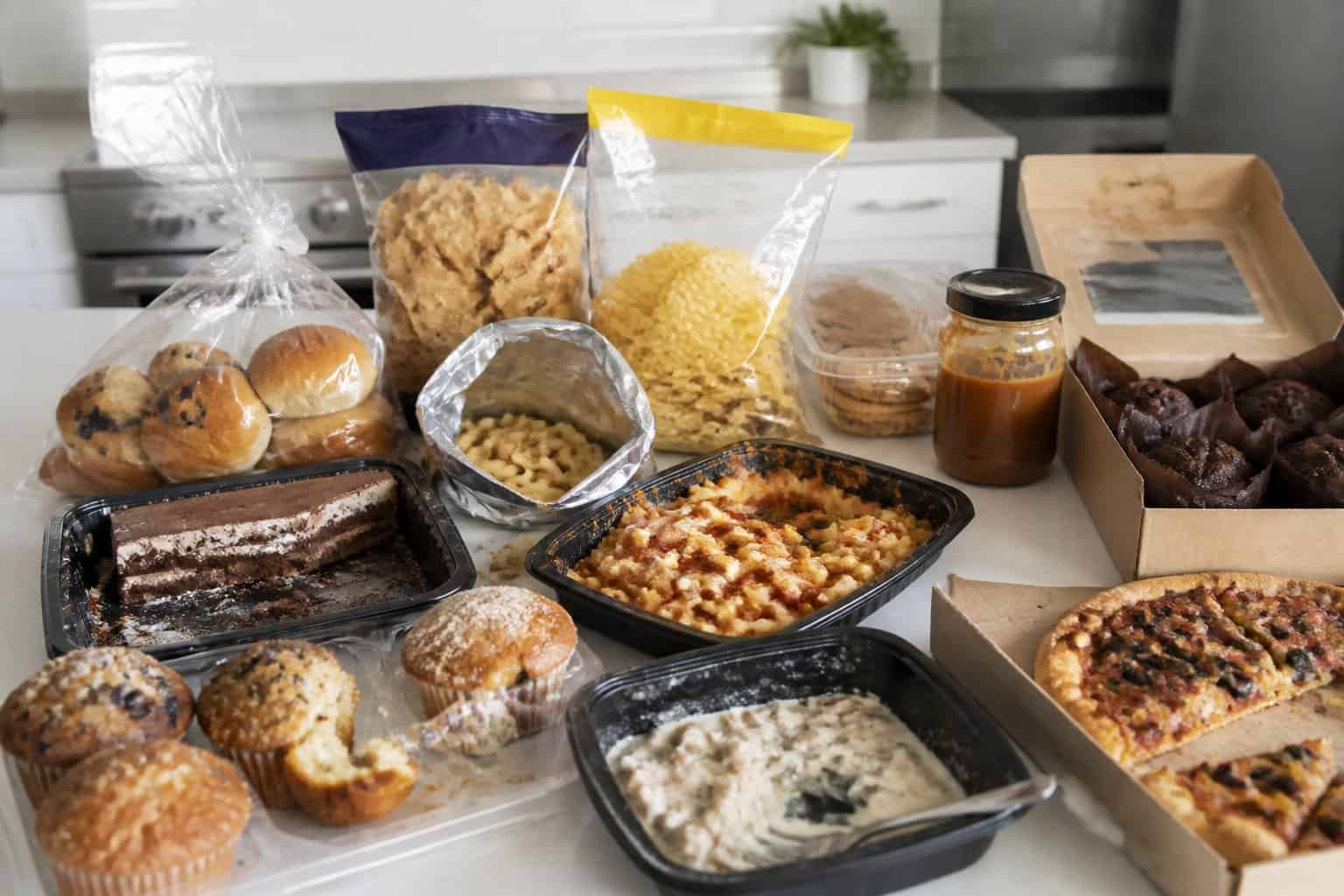
Costco has built a loyal following thanks to its bulk pricing, generous return policy, and wide selection of grocery items. But not every product on those warehouse shelves lives up to the hype. Even devoted members agree that certain foods consistently fall short when it comes to taste, quality, or value.
Shoppers have identified specific Costco items that earn low marks for issues like texture problems, freshness concerns, and flavor that doesn’t meet expectations.
From prepared meals to pantry staples, these products have sparked complaints across customer reviews, Reddit discussions, and food forums. Understanding which items tend to disappoint can help you make smarter purchasing decisions on your next warehouse run.
This guide examines the foods that Costco members warn others to skip or approach with caution. You’ll learn about common quality issues, what factors influence these negative reviews, and how to navigate the aisles more strategically.
Curious which Costco items shoppers love? See the 30 best Costco foods according to shoppers.
1. Snapdragon Chicken Pad Thai (Costco ready meal)
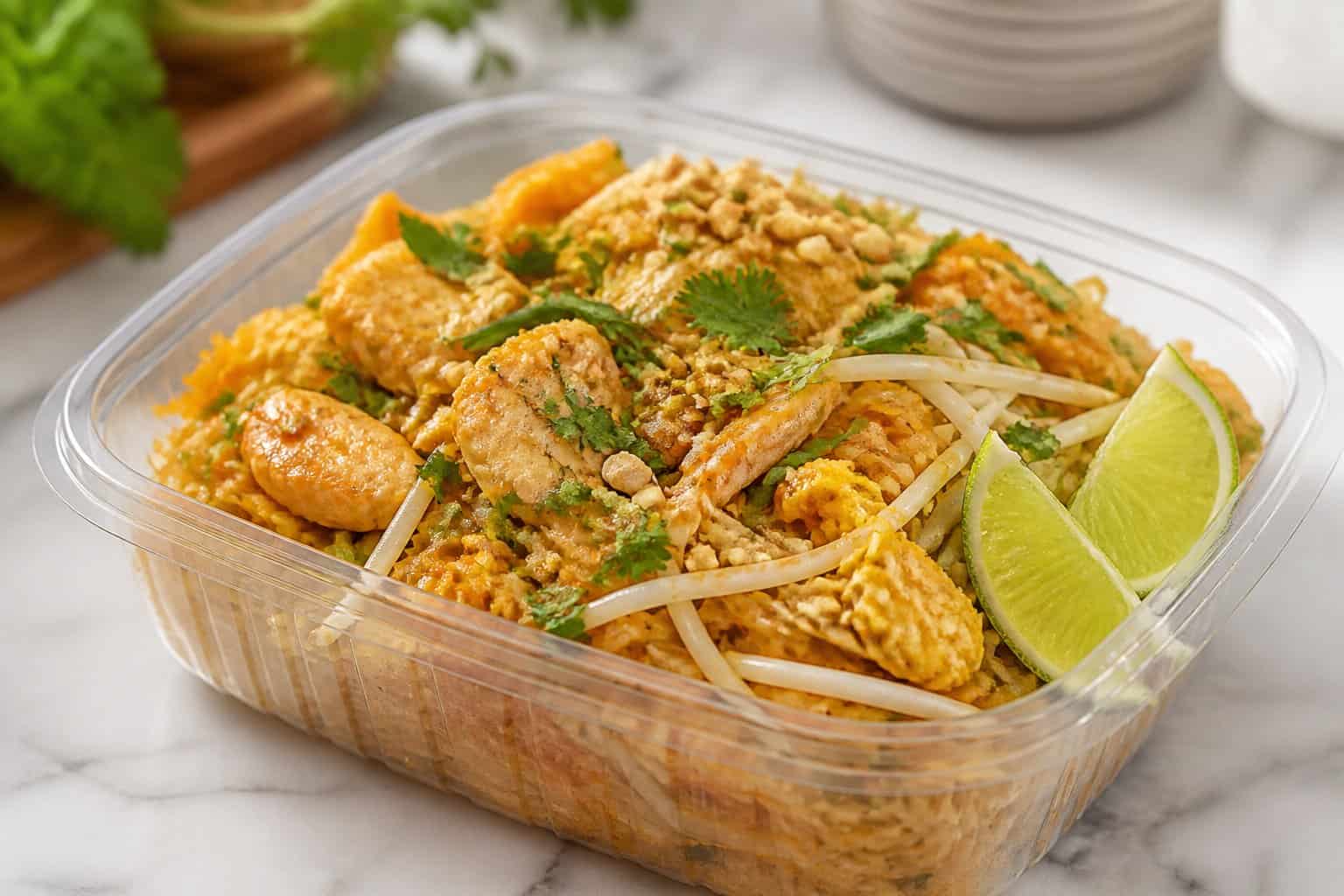
This refrigerated meal has earned a reputation as one of Costco’s most disappointing food items. The two-pound package sells for around $16.47, but shoppers consistently warn others to skip it.
Customers describe the dish as bland, mushy, and flavorless. The noodle texture falls short of expectations, and the sauce consistency fails to deliver on the promised “tangy” stir fry experience.
One major complaint centers on the recipe itself. Traditional pad Thai relies on peanuts for authentic flavor, but Snapdragon substitutes tahini instead. This swap leaves many customers confused about why the dish tastes nothing like the Thai classic they expected.
The product includes chicken, rice noodles, bell peppers, and bean sprouts. Despite these standard ingredients, shoppers regularly call it one of their worst Costco purchases and advise others not to make the same mistake.
2. Kirkland Signature Rotisserie Chicken (when overcooked/dry)
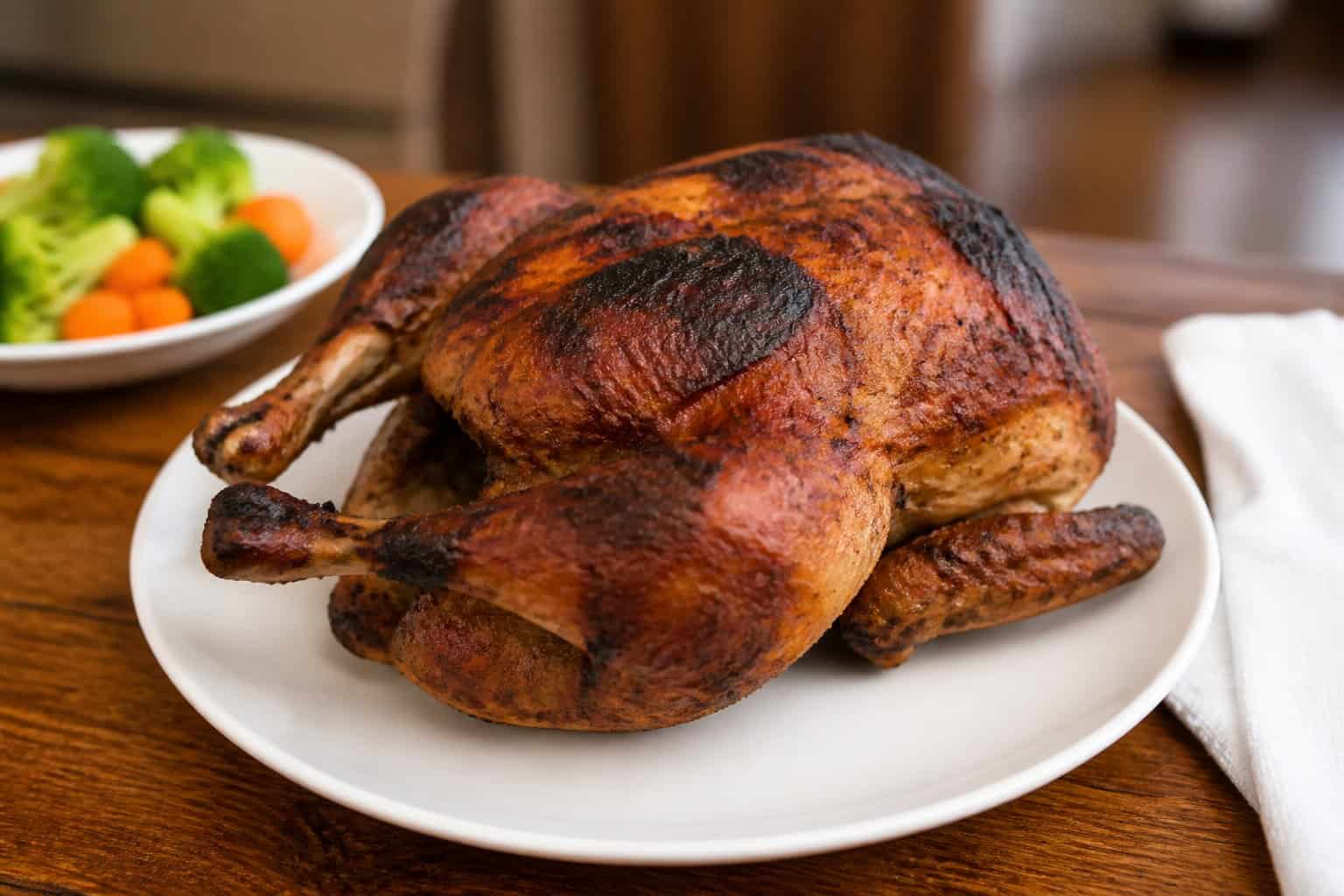
Costco’s rotisserie chicken is one of the store’s most iconic items, but when you get an overcooked or dry bird, the experience falls flat. Customer complaints have increased in recent years about inconsistent quality and texture.
The main issue centers on cooking times that vary between locations. When the chicken sits too long under heat lamps or gets overcooked, the meat becomes dry and stringy. You might find the breast meat particularly disappointing in these cases.
Some shoppers report that chickens can taste underseasoned or vary in quality depending on which supplier your local Costco uses. While a perfectly cooked rotisserie chicken remains a great value, you should check for moisture and proper temperature before purchasing to avoid disappointment.
3. Costco Pre-Made Fruit Platter (moldy/low-quality fruit reports)
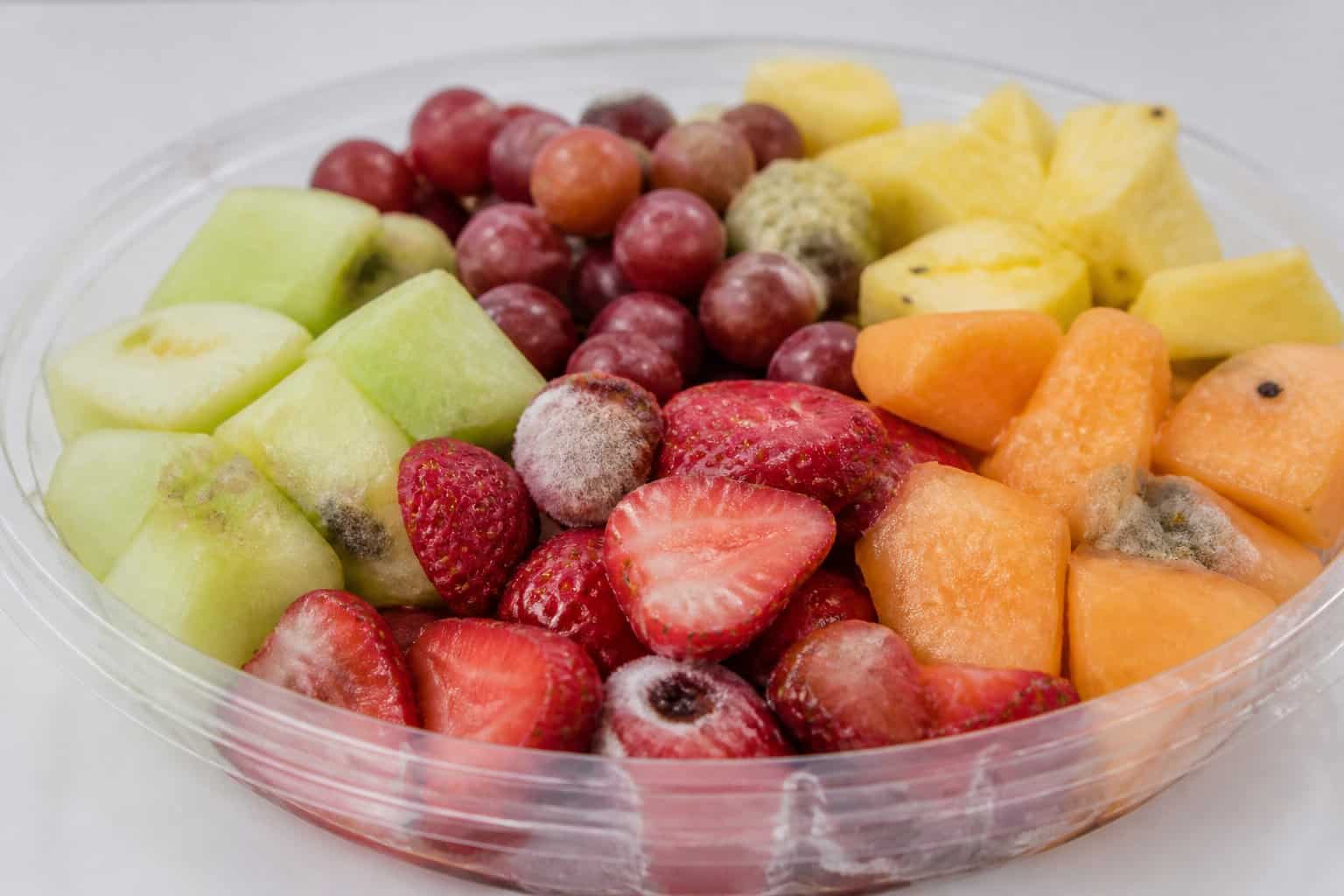
Pre-cut fruit trays at Costco have drawn consistent criticism from shoppers. These ready-to-serve platters often arrive with quality issues that make them a risky purchase.
Customers report receiving fruit trays with mold, bruising, and questionable freshness. The pre-cut nature of these products means you can’t inspect individual pieces before buying, unlike selecting your own whole fruit.
Food safety experts note that pre-cut fruit has a shorter shelf life than whole fruit. Once fruit is cut, it begins deteriorating faster and becomes more susceptible to bacterial growth.
You’re paying a premium for the convenience of pre-cut fruit, but many shoppers find the quality doesn’t justify the cost. Reports of spoilage appearing within a day or two of purchase are common across customer feedback platforms.
4. Kirkland Organic Hummus (off flavor complaints)
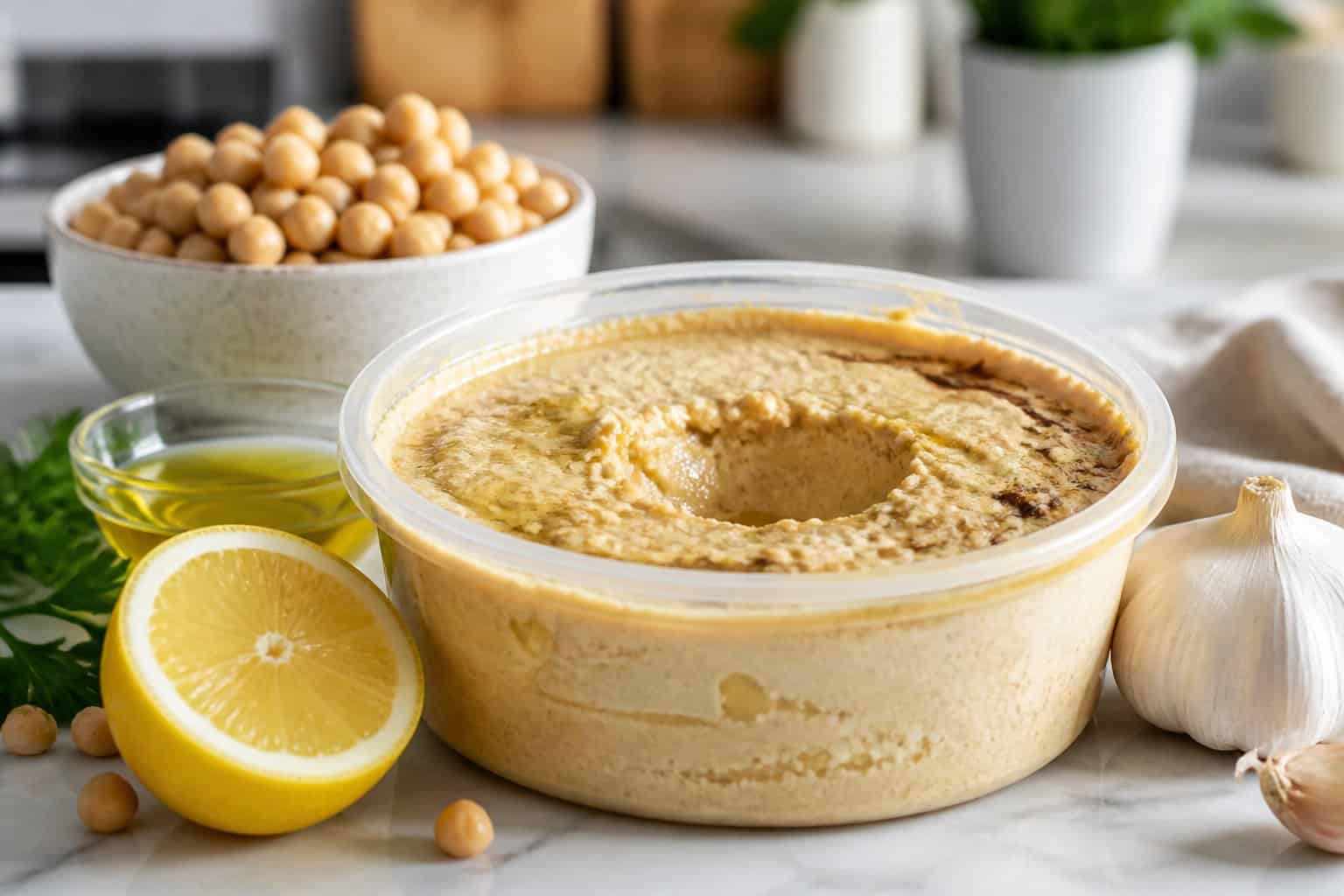
Costco’s Kirkland Organic Hummus has drawn criticism from shoppers who expected better from the warehouse club’s private label. You might notice an off-putting flavor profile that doesn’t match traditional hummus expectations.
Multiple customers report that the organic version tastes notably different from standard hummus varieties. The flavor balance seems skewed, with some shoppers detecting an unusual aftertaste or odd seasoning mix.
The garlic-to-tahini ratio appears inconsistent across batches. While some Kirkland hummus products receive praise for their homemade-style taste, the organic variety frequently misses the mark. You’re paying a premium for the organic label, but the flavor quality doesn’t justify the extra cost.
Many shoppers suggest sticking with non-organic alternatives or other brands when you’re looking for reliable hummus at Costco.
5. Costco Frozen Salmon Portions (texture issues)
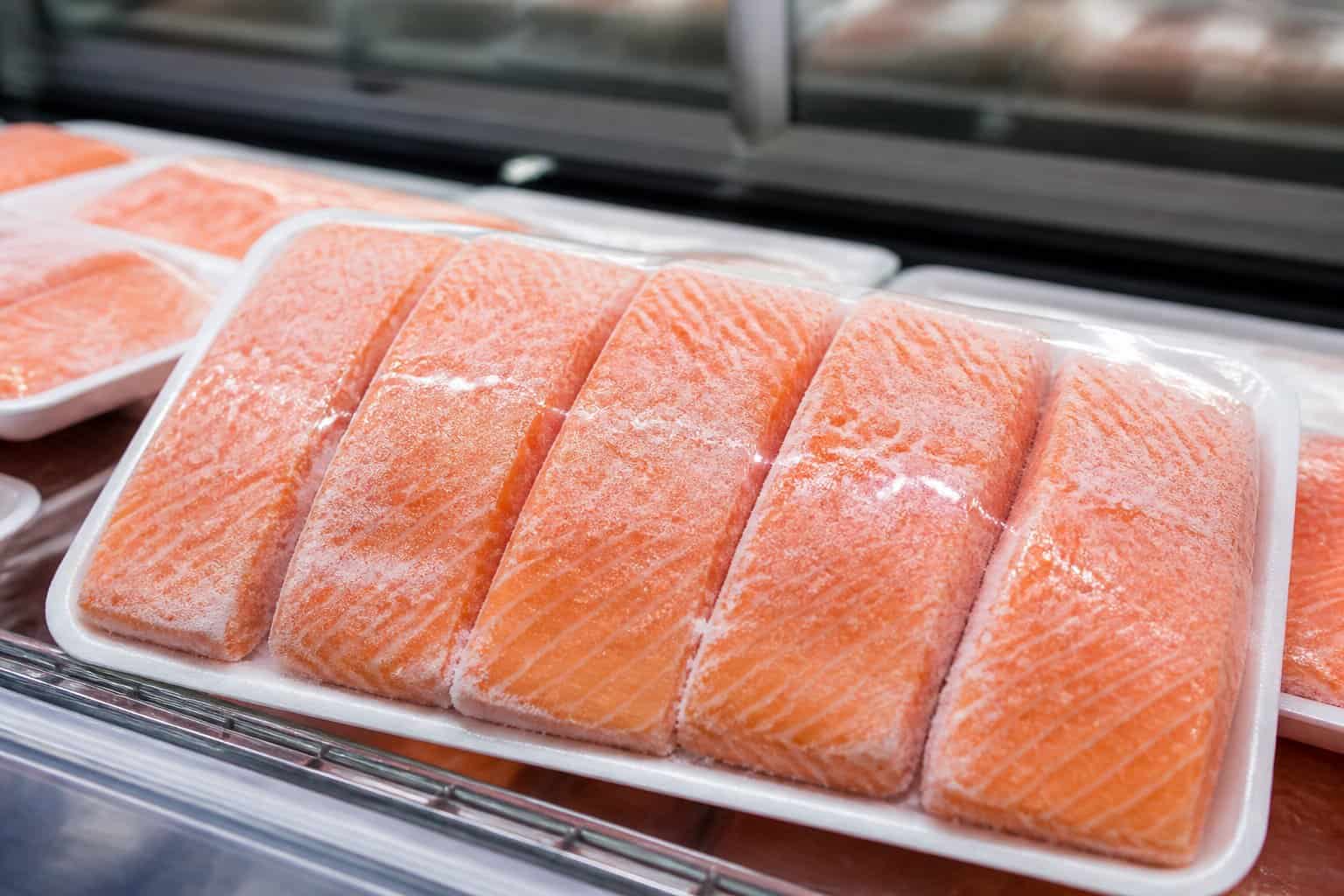
Costco’s frozen salmon has become a frequent source of customer complaints, particularly regarding texture problems. Multiple shoppers report that certain varieties develop a mushy consistency when thawed, with filets that fall apart during preparation.
The Orca Bay frozen keta salmon has generated significant negative feedback on Reddit and other platforms. Users consistently cite dry, unappetizing texture as a primary concern. Some frozen salmon products also suffer from being overly seasoned, which masks poor texture quality.
The farmed Atlantic salmon has become one of the most returned meats at Costco. You’ll likely encounter filets with an unpleasant consistency that doesn’t hold together properly during cooking.
While Costco’s fresh salmon maintains high quality standards, the frozen varieties often fail to meet the same expectations. The texture issues make these products difficult to recommend despite their convenience.
6. Kirkland Signature Sandwich Bread (too dense for some)
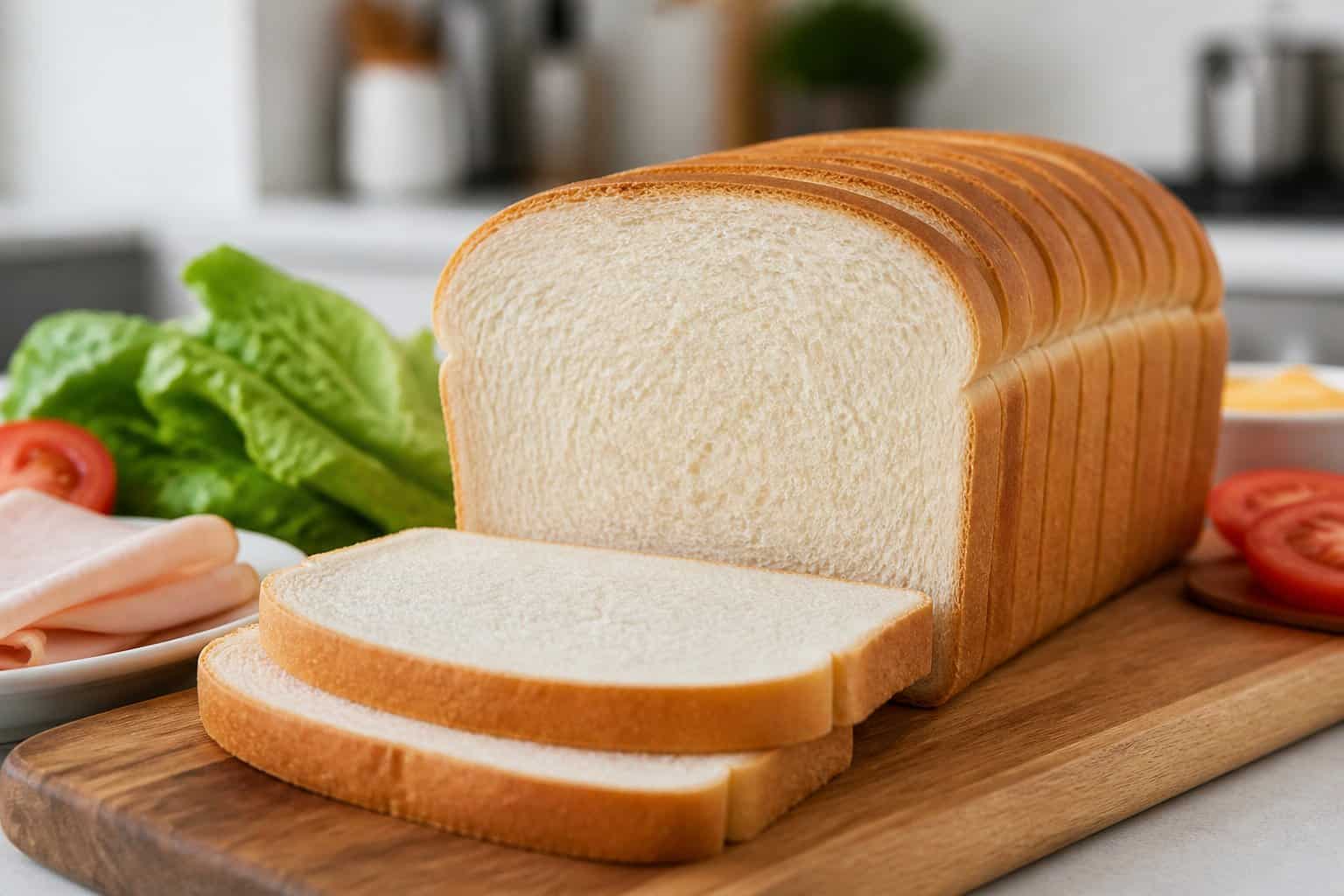
Kirkland Signature sandwich bread divides shoppers based on texture preferences. Many customers find the loaves too dense and heavy compared to other sandwich breads they’re accustomed to buying.
The bread’s compact texture doesn’t toast as well as lighter varieties. You may notice it can feel somewhat gummy when making sandwiches, which turns off shoppers who prefer airier bread for everyday use.
The large quantity also poses a problem. Kirkland sandwich bread comes in multi-loaf packs, so if you discover you don’t like the dense texture after your first loaf, you’re stuck with the remainder.
Some members report the bread goes stale quickly despite the size of the package. If your household doesn’t consume bread rapidly, you might find yourself wasting loaves before you can use them all.
7. Costco Bakery Sheet Cake (soggy or overly sweet)

Costco sheet cakes divide shoppers into two camps. Some people serve them at weddings, while others won’t touch them.
The main complaint centers on the excessive frosting. The icing tends to be overly sweet, which overwhelms the cake’s flavor. The cake itself rates as mediocre at best, offering little to balance out the sugar rush.
The filling often tastes artificial rather than fresh. You’ll find the texture problematic, with some cakes appearing wet and spongy. This soggy quality makes the eating experience disappointing.
Professional reviewers note that while the price point attracts budget-conscious shoppers, the execution falls short. The sheer amount of frosting paired with the underwhelming cake base creates an imbalanced dessert that many people regret purchasing.
8. Costco Shrimp Cocktail (rubbery shrimp reports)
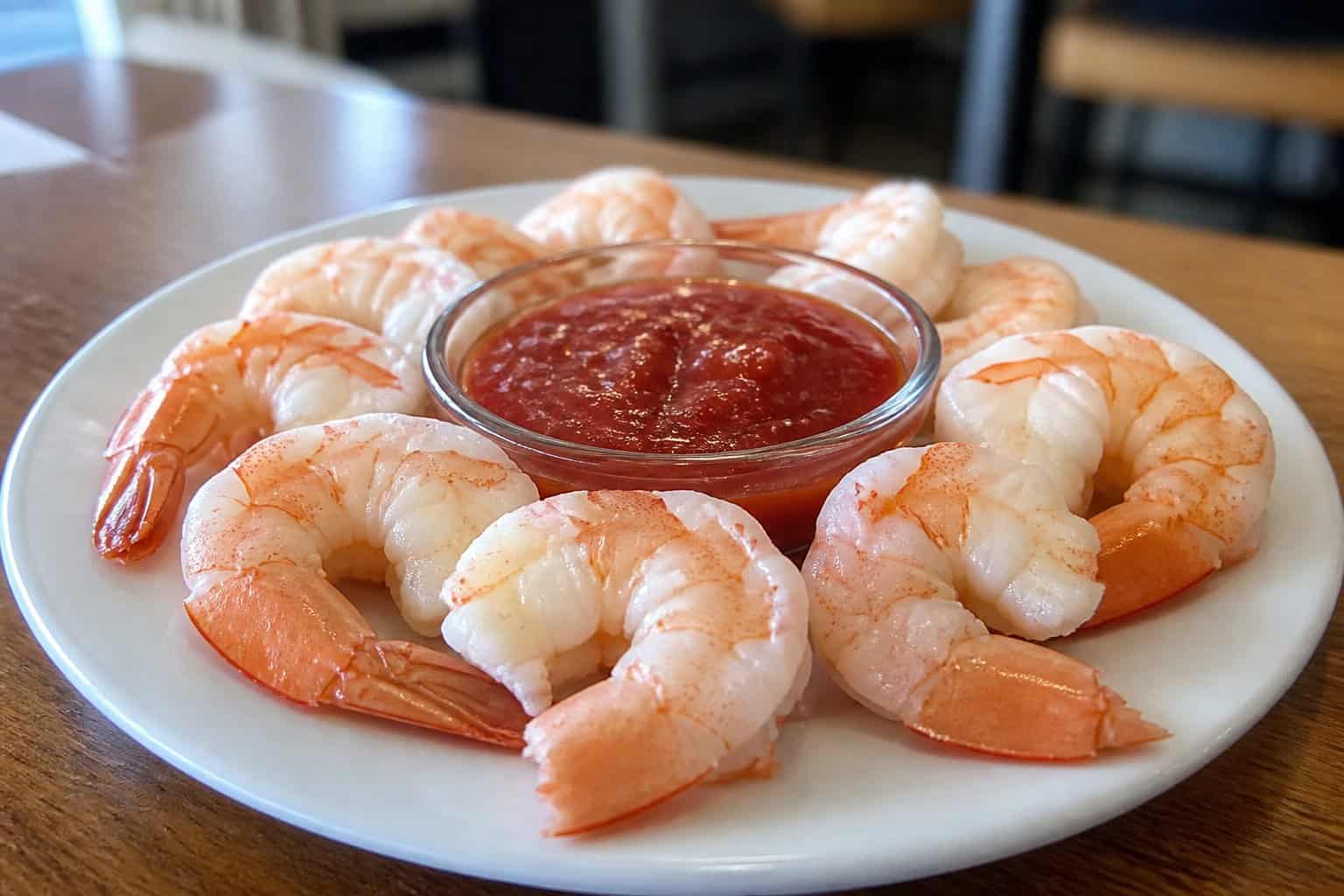
Costco’s shrimp cocktail has faced growing complaints from regular buyers who noticed a decline in texture quality. Many shoppers report the shrimp has become increasingly tough and rubbery, particularly in recent purchases.
The convenience of ready-to-eat shrimp cocktail makes it a popular choice for parties and gatherings. However, you may find yourself disappointed by the inconsistent texture that some customers have experienced.
Beyond the rubbery texture, complaints include issues with deveining and inconsistent sizing in Costco’s shrimp products. Some shoppers have also mentioned a fishy smell that suggests freshness concerns.
Despite these negative reviews, other customers continue to purchase the product regularly. If you’re considering buying Costco’s shrimp cocktail, you might want to inspect the package carefully or consider purchasing frozen shrimp to prepare yourself.
9. Kirkland Signature Ice Cream Sandwiches (icy texture)
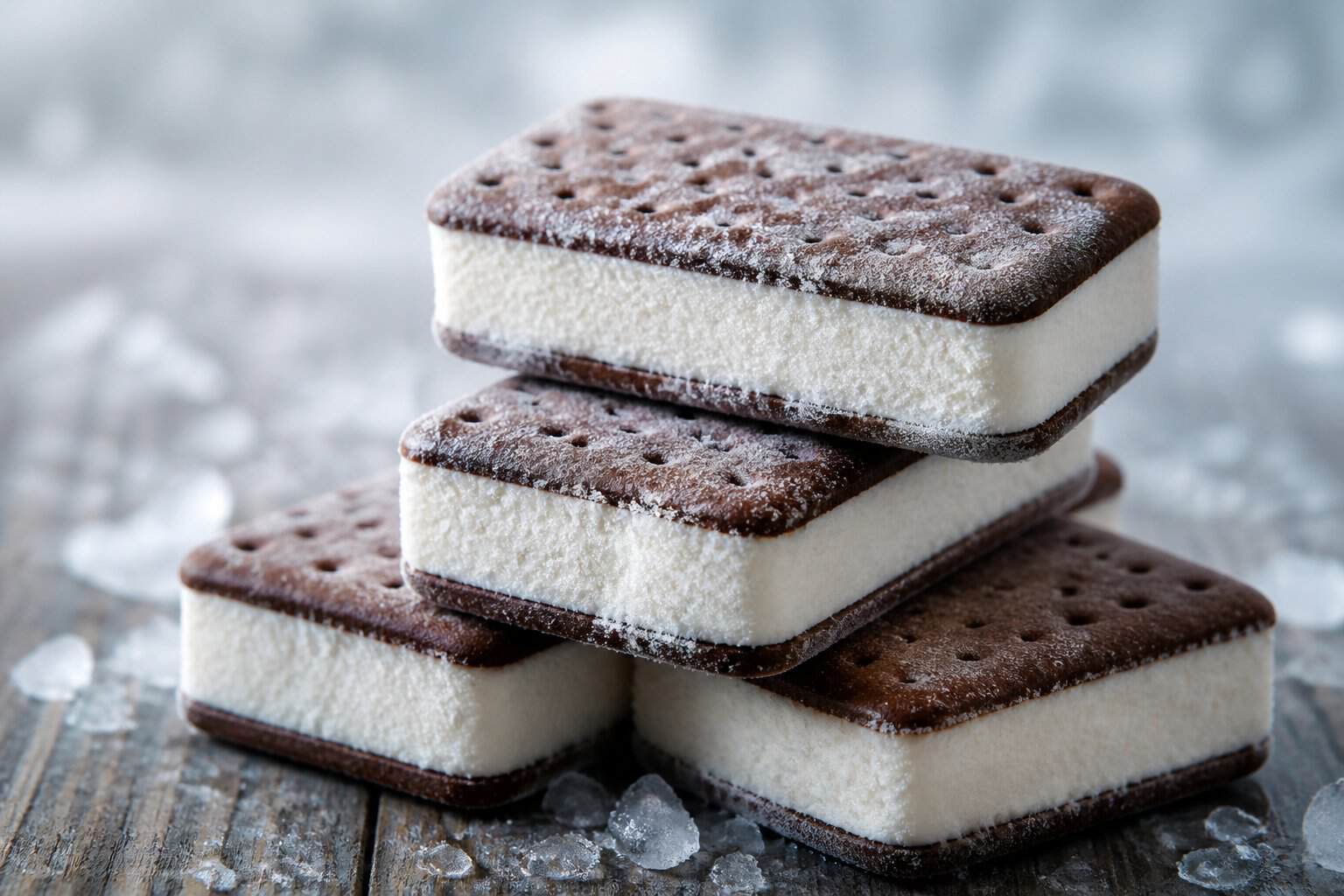
You might expect a smooth, creamy treat when you pick up these ice cream sandwiches, but many Costco shoppers report a disappointing icy texture instead. The ice cream layer often develops freezer burn or ice crystals that affect the eating experience.
Several customers note that the texture feels grainy rather than velvety. This issue seems to occur even when the product is stored properly in your freezer.
The chocolate cookie wafers typically hold up fine, but they can’t compensate for the subpar ice cream quality. For the bulk quantity you’re required to purchase, the inconsistent texture makes these sandwiches a risky buy. Many shoppers suggest you skip these and opt for other frozen dessert options at Costco that deliver better quality.
10. Costco Private Label Milk (shorter shelf life complaints)
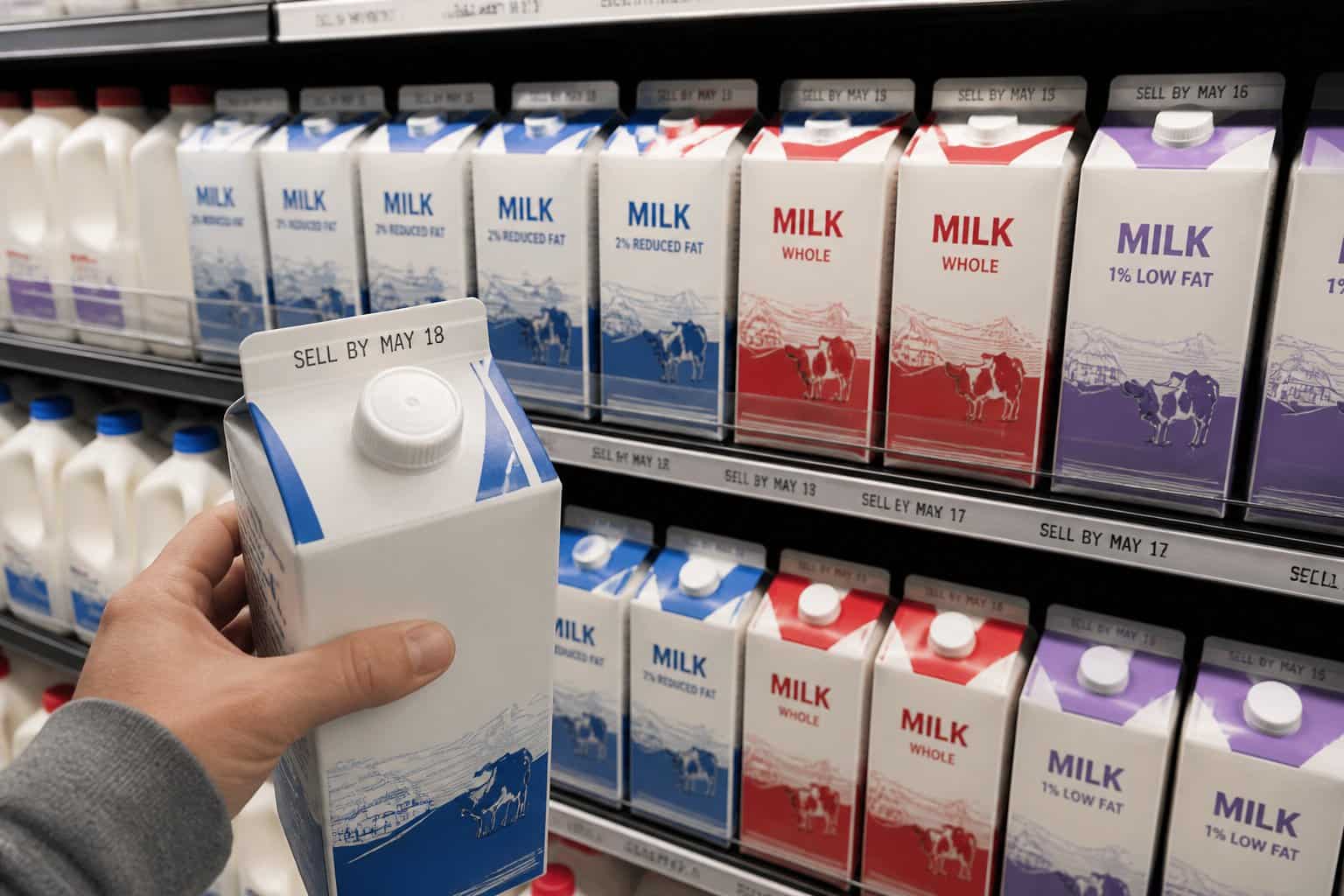
You might find conflicting feedback about Kirkland milk’s freshness. While many shoppers praise its extended shelf life, recent customer discussions from 2025 through 2026 suggest quality concerns have emerged.
Some members report the milk no longer maintains the same freshness levels it once did. These complaints appear alongside broader observations about Costco products experiencing quality declines.
Beyond freshness issues, you’ll encounter practical complaints about the packaging. The square bottle design makes pouring messy and difficult for many users.
If you purchase the reduced-fat variety, you may notice dark spots in your milk. Costco adds dehydrated milk solids to boost protein content, which creates these harmless but unappealing particles. This additive differentiates Kirkland milk from standard brands and bothers some customers who prefer conventional milk without supplementation.
11. Kirkland Signature Organic Eggs (cracking and quality concerns)
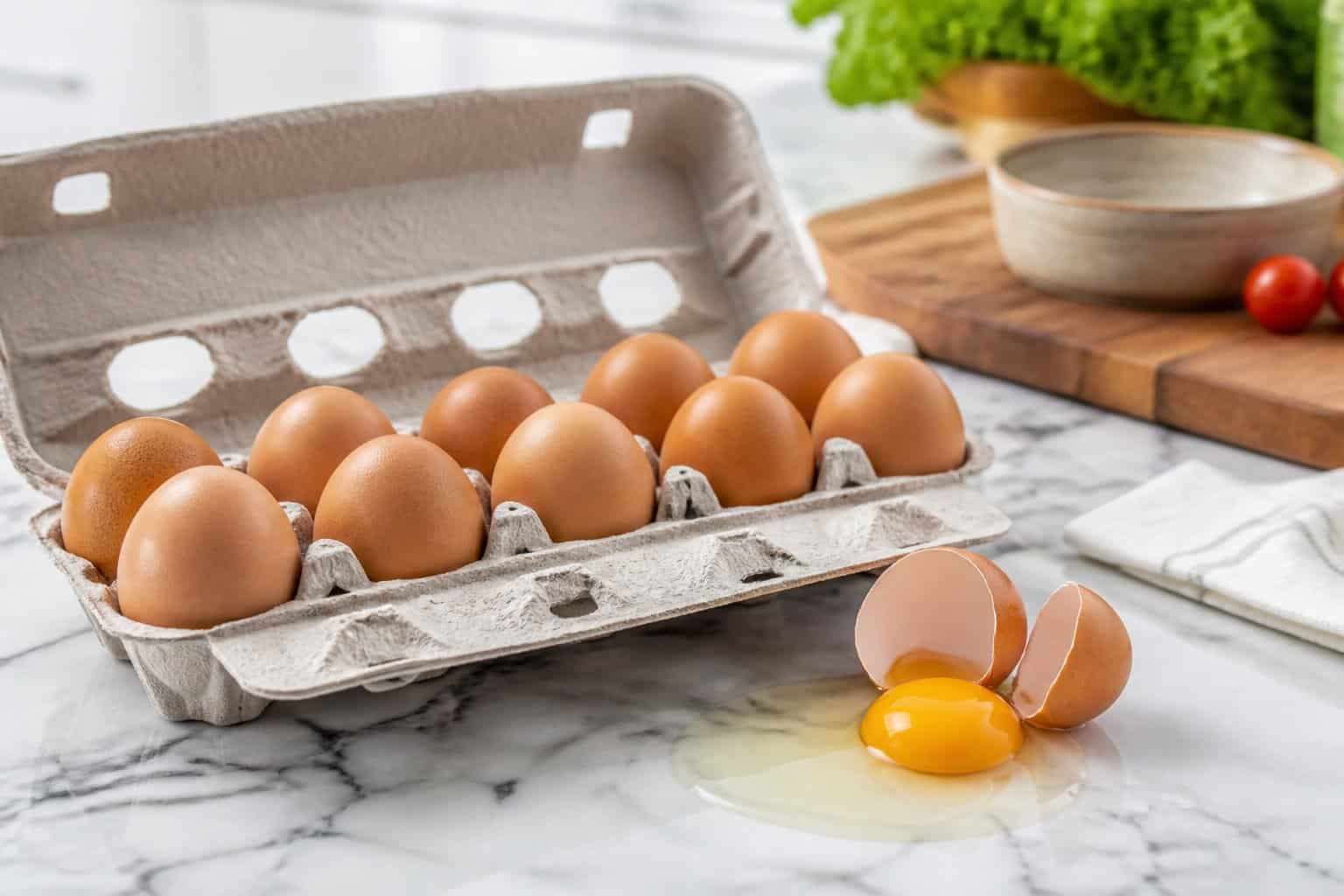
Costco shoppers have raised multiple concerns about Kirkland Signature organic eggs in recent years. The shells have become noticeably thinner, often crumbling when you try to crack them open.
Many customers report finding broken eggs in nearly every carton they purchase. Some shoppers note finding four or more cracked eggs per five-dozen box, which undermines the value proposition.
The yolk quality has also drawn criticism. You might notice pale, powdery yolks that lack the rich color typically associated with organic eggs. This can indicate inadequate feed quality or lower nutrient content.
Since Costco sources from multiple farms and distributors, the inconsistency suggests varying standards among suppliers. These quality issues have prompted some longtime buyers to reconsider their egg purchases at Costco.
12. Costco Frozen Mac and Cheese (bland/watery)
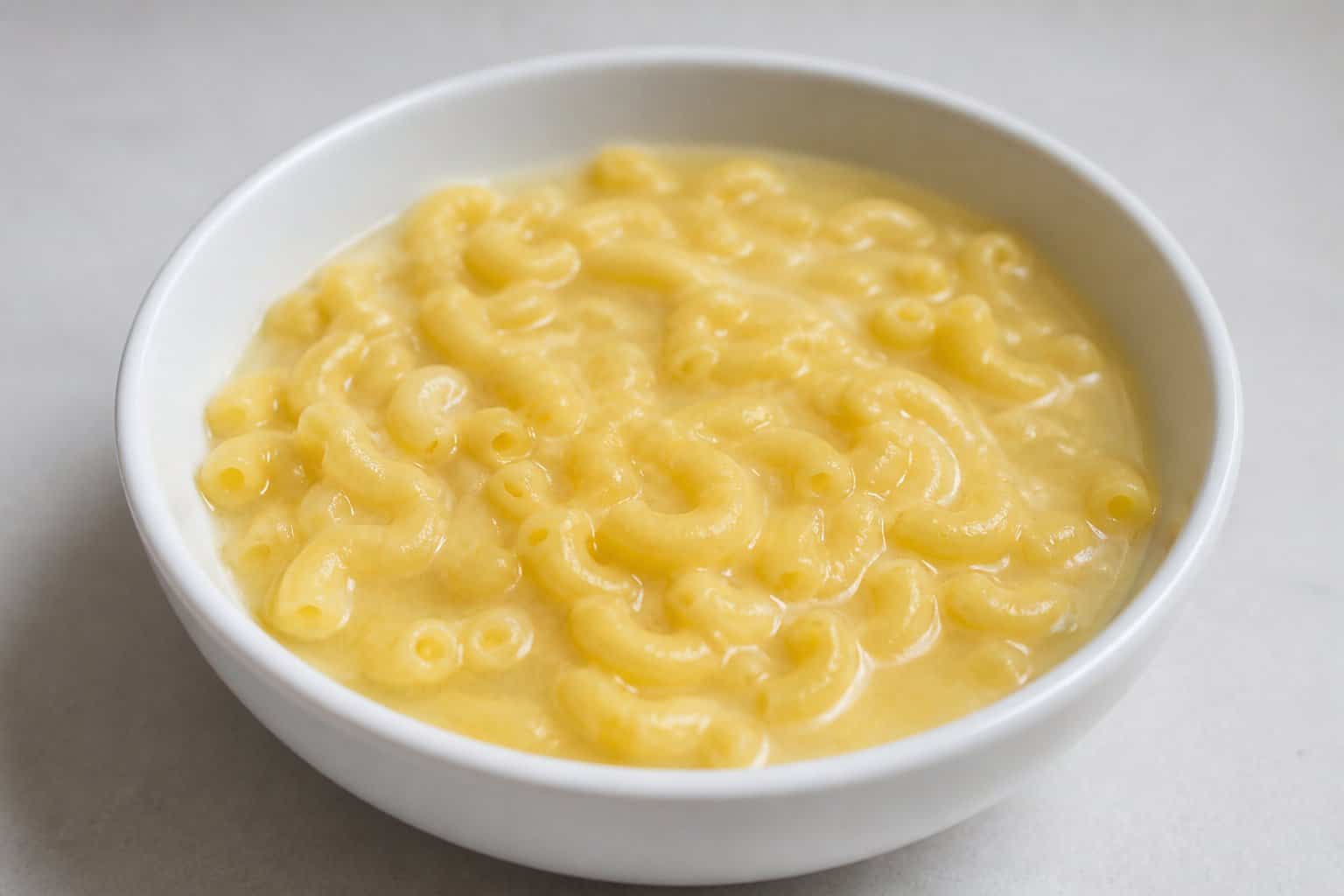
Costco’s Kirkland Signature mac and cheese has become a frequent target of customer complaints. Shoppers consistently describe it as disappointingly bland, lacking the rich, cheesy flavor you’d expect from a comfort food classic.
The texture issues add to the problem. Many customers report the sauce comes out watery rather than creamy, failing to properly coat the pasta. Some reviews mention an overwhelming garlic presence that overshadows any cheese flavor.
Reddit users have called it one of Kirkland’s worst prepared food offerings. The consensus is clear: despite Costco’s usual reputation for quality store-brand products, this mac and cheese misses the mark. You’re better off choosing a different brand or making your own from scratch.
13. Costco Pre-Packaged Sushi (rice quality and freshness complaints)
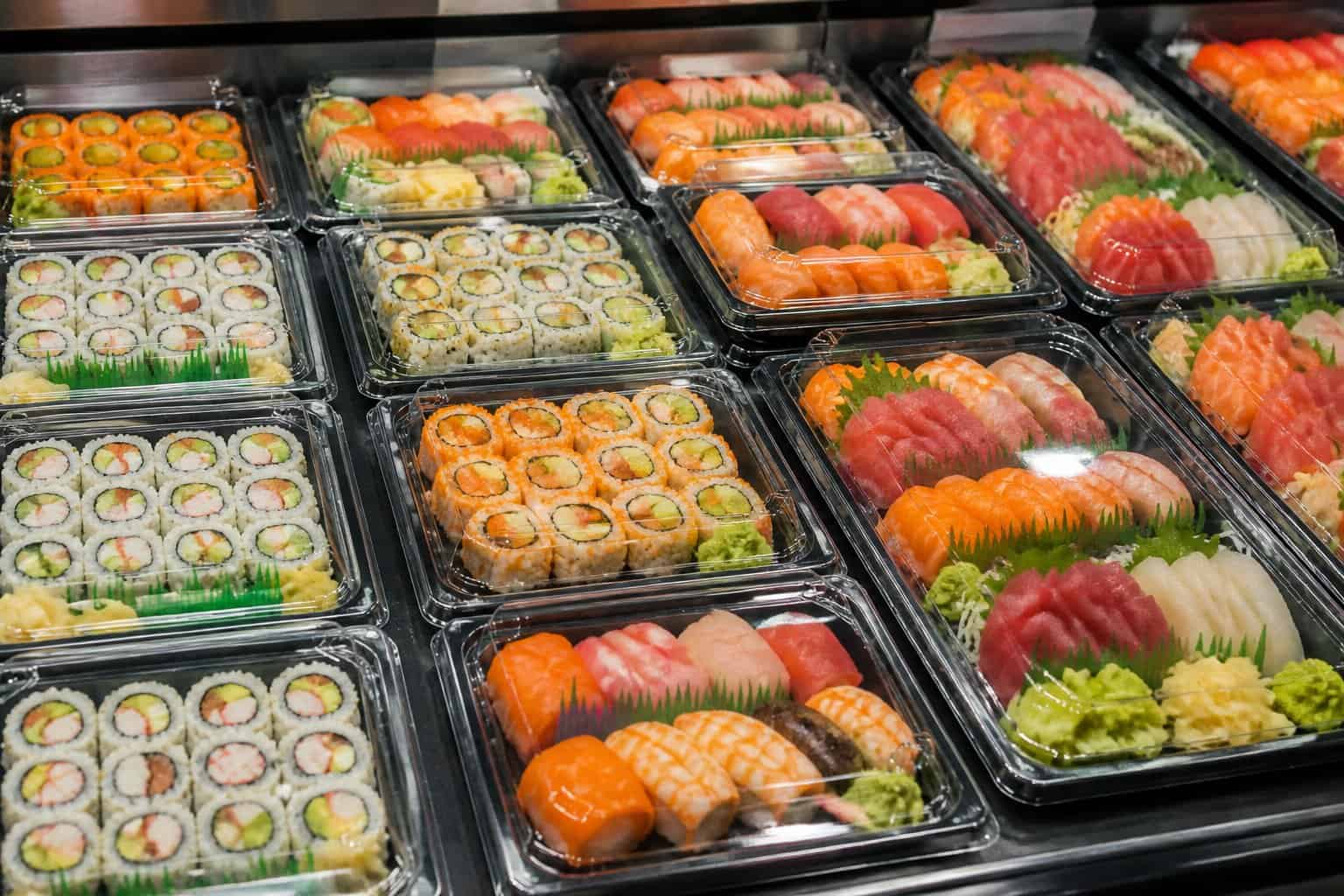
While Costco made efforts to develop sushi rice that could hold up in display cases, shoppers have reported mixed experiences with the pre-packaged options. The rice quality remains a point of contention among customers who expect consistent texture and freshness.
You’ll find that freshness concerns are common with pre-made sushi from any grocery store. Some Costco shoppers note their sushi can taste less fresh compared to restaurant-prepared options, particularly if it’s been sitting for several hours.
The convenience factor appeals to many buyers, but quality control issues have led certain customers to question whether the product justifies its price point. Your experience may vary depending on when the sushi was packaged and how quickly your local warehouse moves its inventory.
Instagram posts and Reddit discussions highlight that some shoppers consider certain Costco sushi selections underwhelming, with complaints about portions and overall quality.
14. Kirkland Signature Beef Steak (inconsistent trimming/tough cuts)
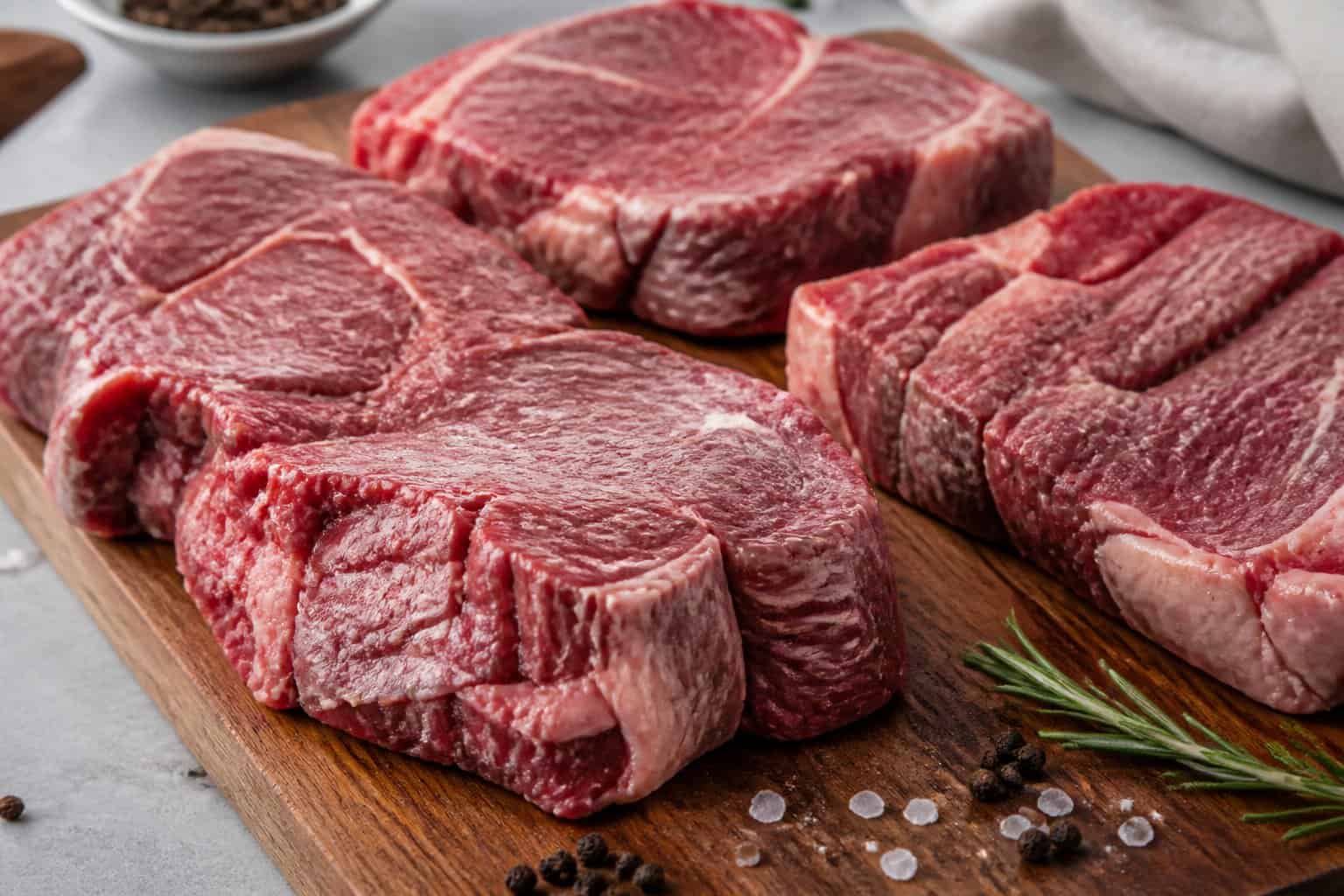
Costco shoppers have voiced concerns about declining quality in certain beef steaks, particularly with inconsistent butchering and trimming. The filet mignon often arrives with excess fat, chain meat, and silverskin that you’d normally expect to be removed before packaging. This means extra prep work at home.
Recent complaints point to ribeyes showing mediocre quality at some locations, especially in Southern California. The trimming inconsistencies force you to do the butcher’s job yourself, which defeats the purpose of buying pre-cut steaks.
While Costco stocks USDA Prime beef representing only 2% of the American meat supply, the actual cutting and trimming quality doesn’t always match the grade. You’re paying premium prices but getting steaks that require significant additional preparation before cooking.
15. Costco Ready-to-Eat BBQ Ribs (sauce imbalance)
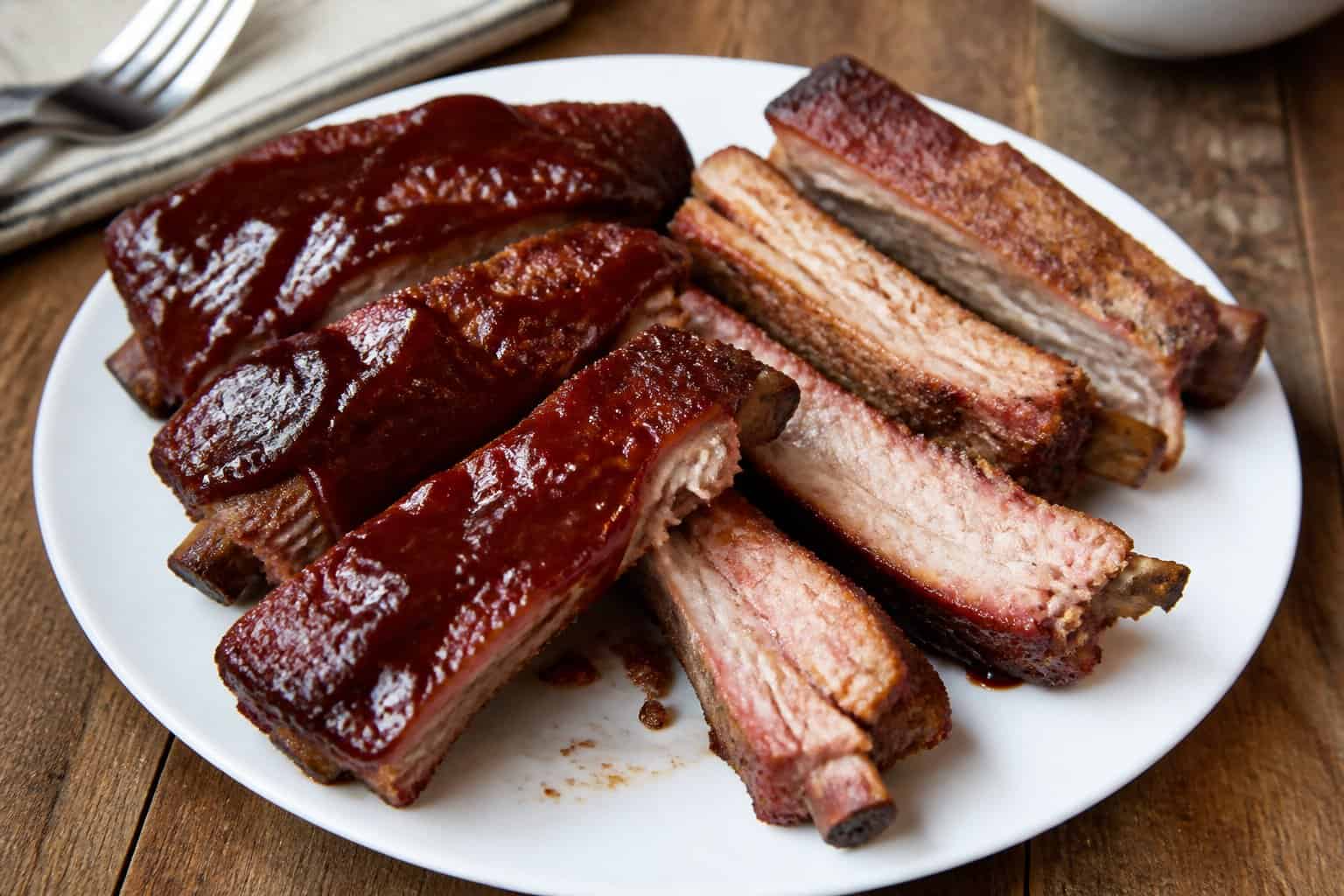
Costco’s ready-to-eat ribs generate mixed reactions from shoppers, with sauce application being a common complaint. You’ll find these hot-and-ready ribs near the rotisserie chickens, positioned as a convenient dinner option.
The main issue centers on inconsistent sauce distribution and flavor balance. Some customers report the ribs arrive too dry, requiring additional sauce or creative preparation methods to make them palatable. Others note that Costco switched from sauced BBQ ribs to dry rub varieties years ago, leaving fans of the original disappointed.
The convenience factor doesn’t always compensate for quality concerns. When you’re paying for ready-to-eat ribs, you expect proper seasoning and moisture levels without needing to doctor them at home. Several shoppers have expressed frustration enough to avoid repurchasing them entirely.
16. Costco Frozen Pizza (soggy crust complaints)
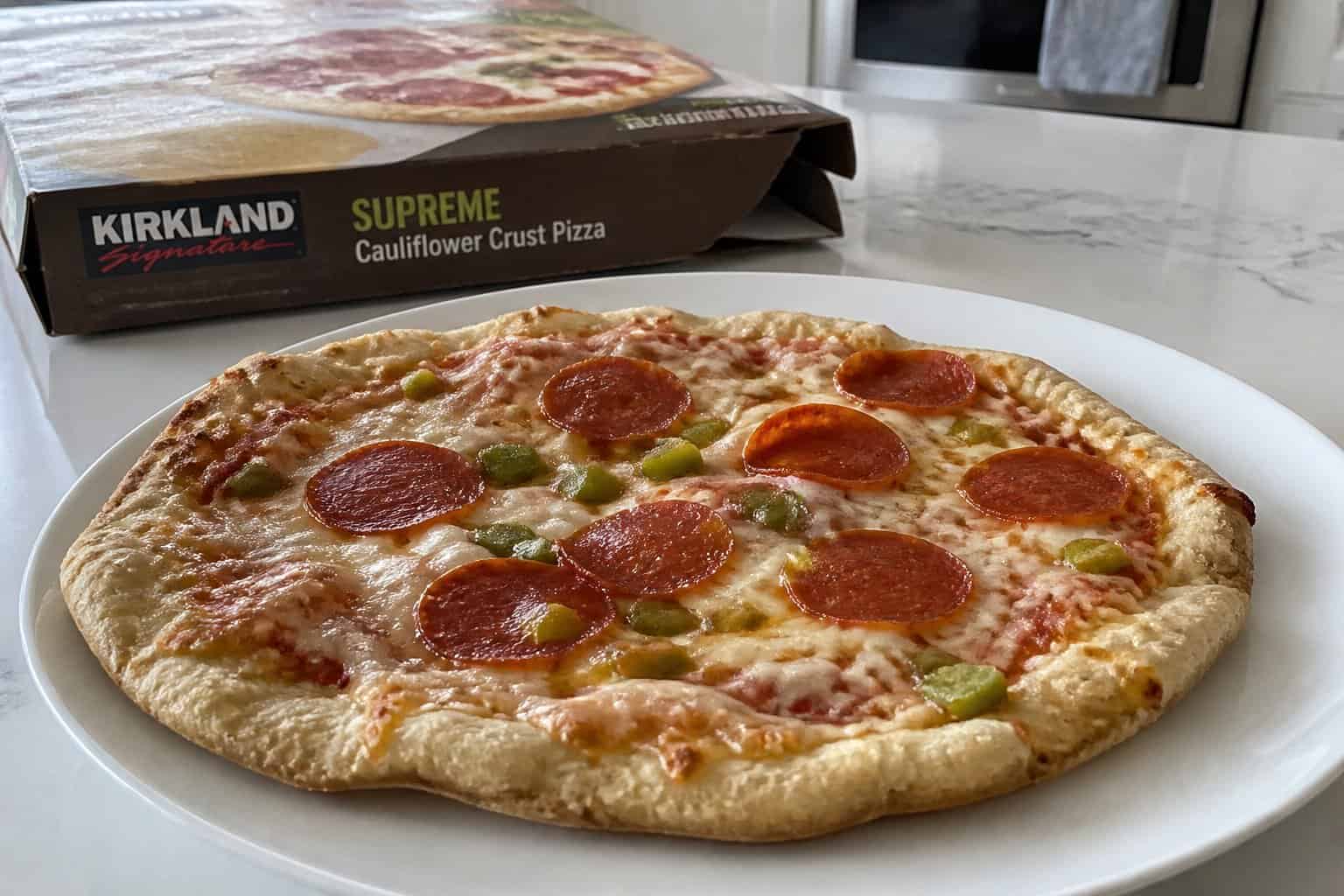
Costco’s frozen pizza selection has received mixed reviews from shoppers, with texture issues being a common complaint. The Kirkland Signature frozen pepperoni pizza, priced at $13.49 for four pizzas, has disappointed many customers despite its value.
Shoppers frequently mention problems with soggy or undercooked crusts that fail to crisp up properly during baking. While some buyers appreciate the convenience and price point, the crust texture often falls short of expectations. Food bloggers and regular customers have noted that even when the crust does crisp, the overall flavor profile doesn’t meet the standard you’d expect from Costco products.
The recipe for Kirkland frozen pizza changed approximately three years ago, which prompted divided reactions among longtime buyers. If you’re looking for quality frozen pizza at Costco, you may want to explore other brands in their freezer section.
17. Costco Kirkland Signature Protein Bars (chalky texture)
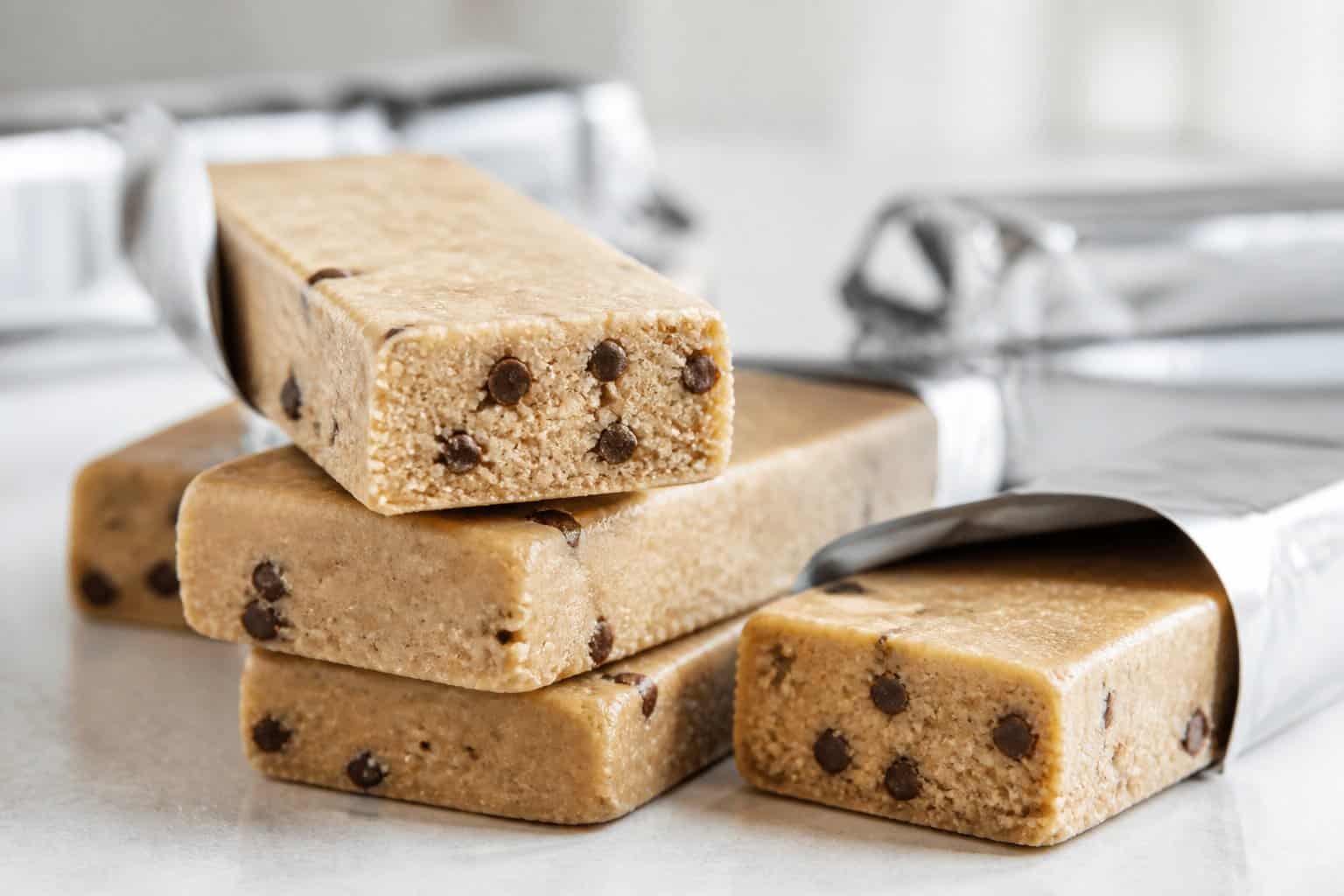
Kirkland Signature Protein Bars consistently rank among Costco’s most complained-about products. While the macros look appealing on paper—21g of protein, 190 calories, and just 2g of sugar—the texture tells a different story.
You’ll find numerous shoppers describing these bars as “chalky,” “sandy,” or overly dense. The grainy consistency makes them difficult to chew and enjoy, even if you’re focused on hitting your protein goals. Some customers report a strange aftertaste that lingers after eating.
The bars come in four flavors: Chocolate Chip Cookie Dough, Chocolate Brownie, Chocolate Peanut Butter Chunk, and Cookies and Cream. However, flavor variety doesn’t fix the fundamental texture problem.
Recent buyers have noted quality issues too, with some bars containing dry powder pockets instead of the softer texture earlier versions had. The bars also tend to become sticky in warm temperatures.
18. Costco Frozen Tater Tots (greasy after baking)
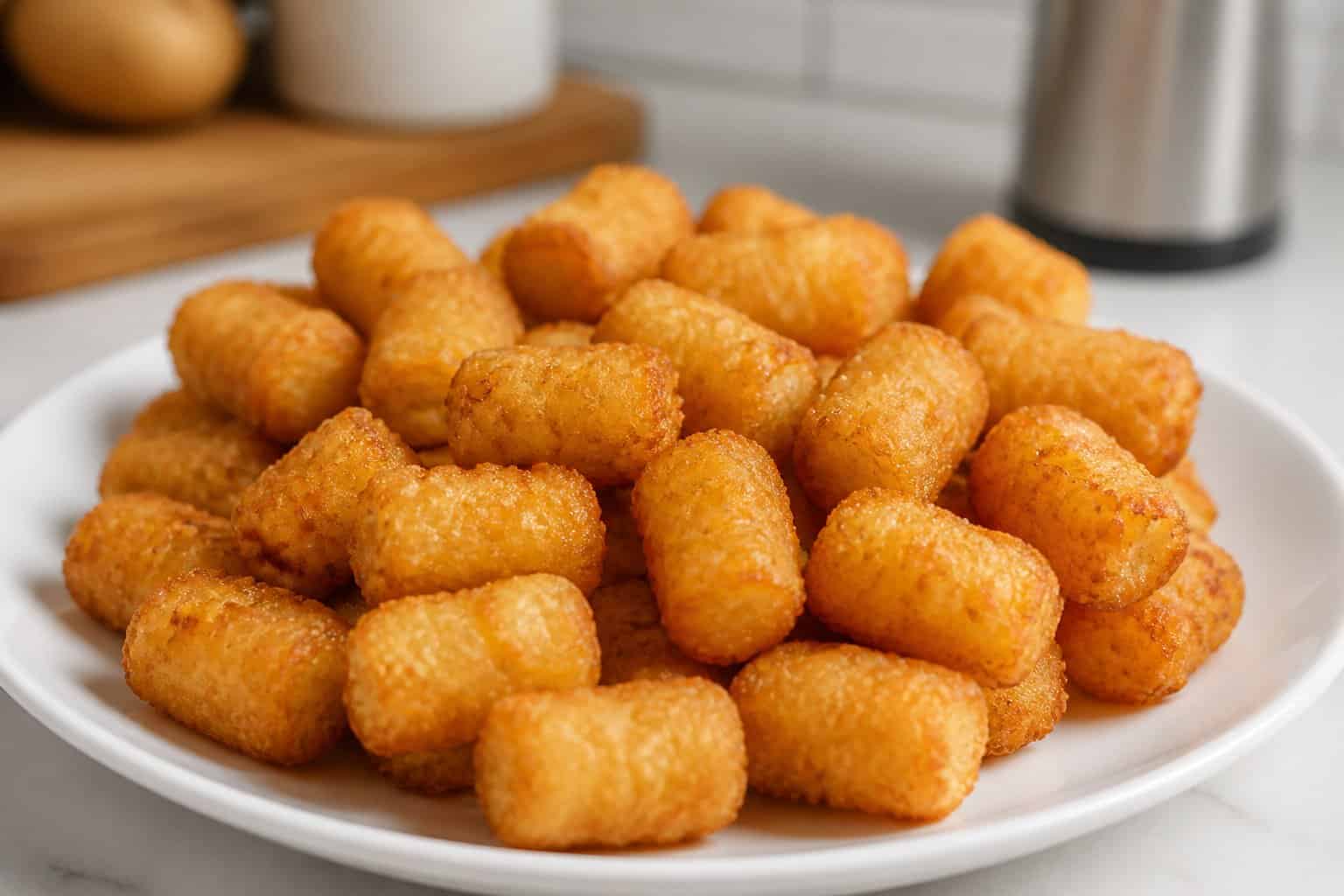
Costco’s frozen tater tots present a common problem that frustrates shoppers. When you bake them according to package instructions, they often come out excessively greasy rather than crispy.
The excess oil pools on your baking sheet and leaves the tots with an unpleasant, soggy texture. You might expect a golden, crunchy exterior, but instead you get a product that feels heavy and oil-laden.
Many customers report needing to blot the tots with paper towels after cooking to make them palatable. This extra step defeats the purpose of a convenient frozen side dish.
The grease issue affects both taste and texture, making these tater tots a disappointing choice when you’re looking for a quick addition to your meal.
19. Costco House Brand Pain Reliever (ineffective for some shoppers)

Costco’s Kirkland Signature pain relievers typically offer significant savings compared to name-brand alternatives. However, some shoppers report these medications don’t provide the same level of relief they experience with branded options.
The effectiveness concern centers on generic formulations that, while containing the same active ingredients, may differ in inactive ingredients or manufacturing processes. Some customers claim they need to take more pills or wait longer for relief when using the Kirkland version.
You might find these pain relievers work perfectly fine for your needs, as many shoppers report no difference from name brands. The price advantage remains substantial if the product works for you. But if you notice reduced effectiveness, the savings may not justify switching from your preferred brand.
Medical professionals generally consider generic pain relievers equivalent to name brands when active ingredients match.
20. Costco Bagged Salad Mixes (wilting/short shelf life)
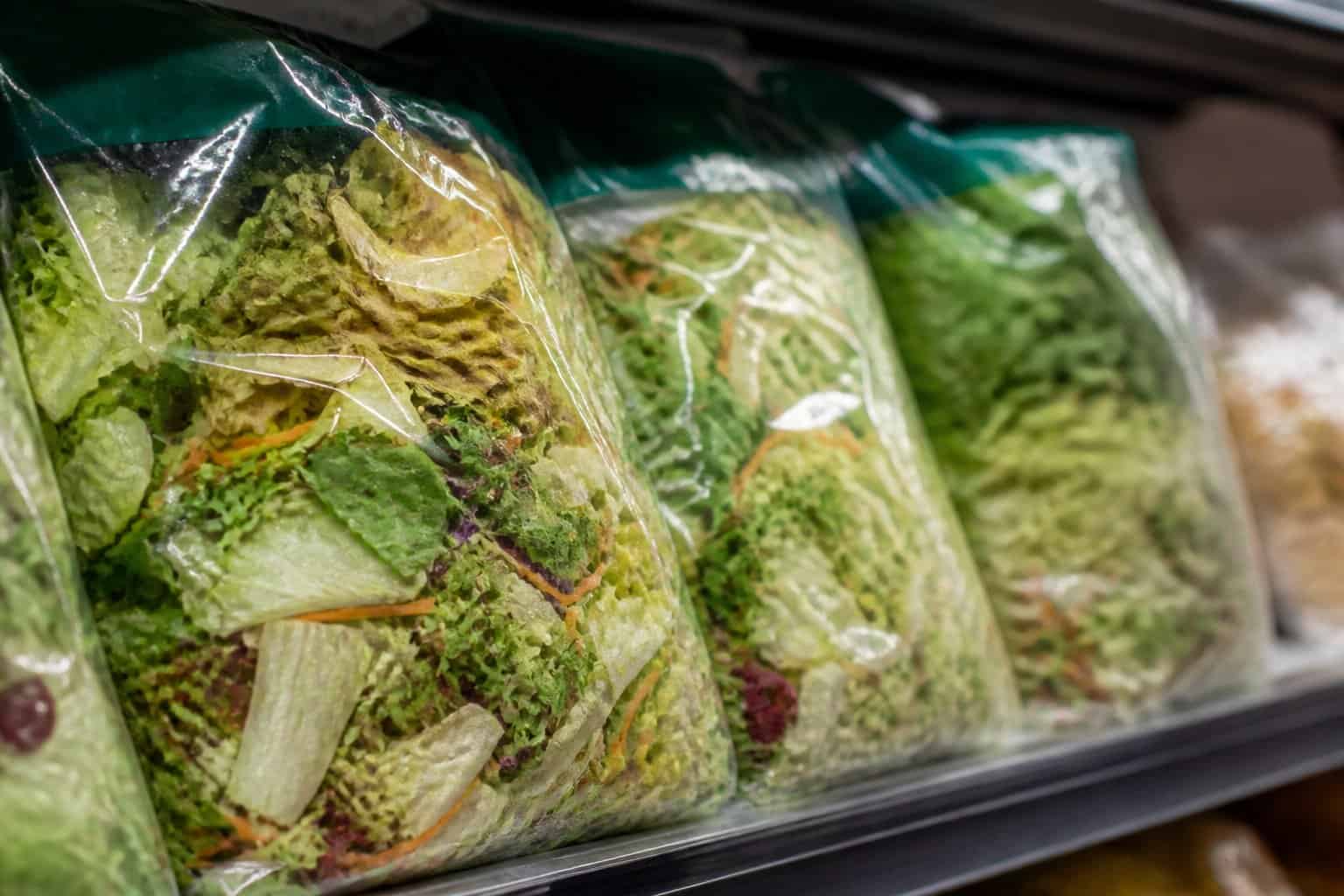
Pre-packaged salads at Costco have generated consistent complaints from shoppers regarding freshness issues. You may encounter wilted greens or slimy leaves before the expiration date arrives.
The large package sizes that typically make Costco attractive can work against you with bagged salads. These products have short shelf lives, and finishing multiple pounds before spoilage occurs can be challenging for smaller households.
Some shoppers have reported finding their salad kits already showing signs of deterioration while still on store shelves. The organic spring mixes and Mediterranean salad kits appear particularly prone to quality inconsistencies. Certain ingredients and mix-ins degrade faster than others, releasing moisture that accelerates spoilage.
The convenience factor that makes these salads appealing can quickly disappear when you open your refrigerator to find unusable greens days before you expected them to expire.
21. Kirkland Signature Multigrain Crackers (stale batches reported)
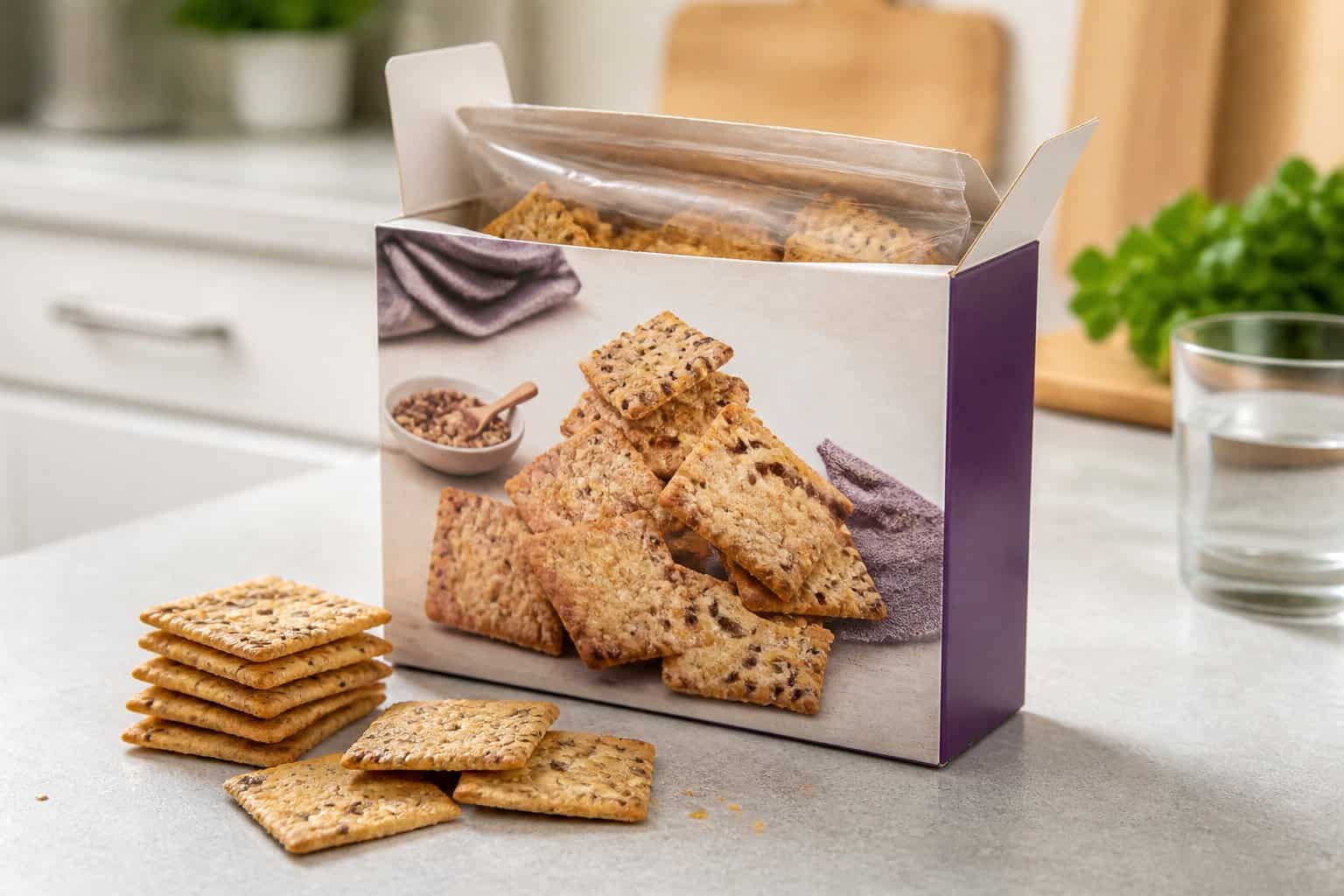
You might want to check the freshness date before adding these crackers to your cart. Multiple shoppers have reported receiving stale boxes that lack the crisp texture multigrain crackers should deliver.
The issue appears inconsistent, with some batches arriving perfectly fresh while others seem past their prime. When these crackers are good, they offer decent value for snacking and cheese boards. When they’re stale, you’re left with chewy, flavorless rounds that belong in the trash.
The problem may stem from inventory turnover or storage conditions at individual warehouses. If you do end up with a stale box, Costco’s return policy covers this situation. You can bring them back for a full refund, no questions asked.
22. Costco Pre-Cooked Chicken Breasts (dry texture)
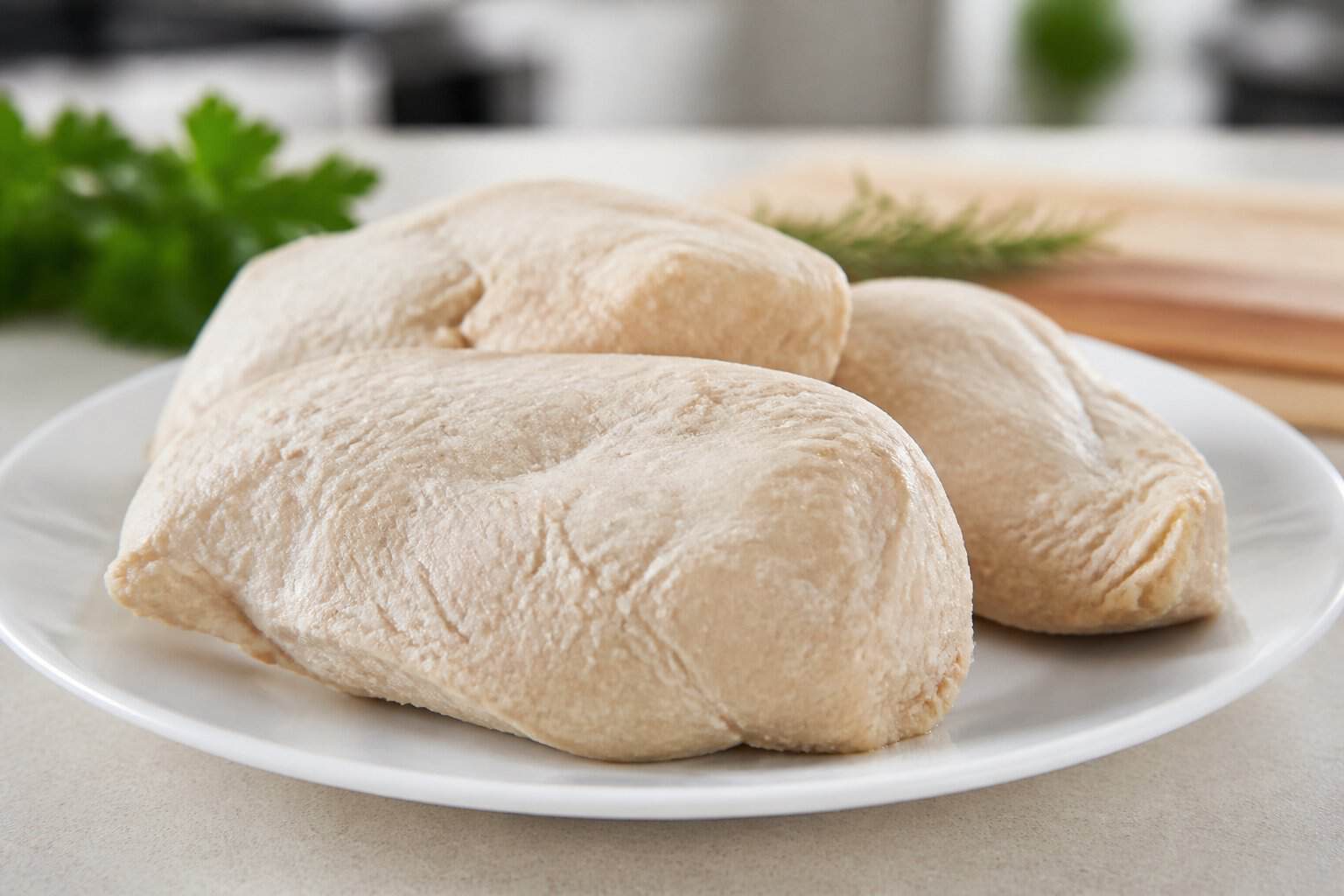
Pre-cooked chicken breasts should offer convenience without sacrificing quality, but many Costco shoppers report consistent dryness issues. The texture often lacks the moisture you’d expect from ready-to-eat poultry.
When you reheat these breasts, the dryness becomes more pronounced. This makes them less appealing for quick meals or salads where tender, juicy chicken is essential.
The problem appears widespread enough that customers frequently mention it in reviews and online discussions. You might find yourself adding extra sauce or dressing just to make the chicken palatable.
For the price point, you’re getting convenience but compromising on eating experience. The pre-cooked option may save time, but the tough, dried-out texture leaves many shoppers disappointed and looking for alternatives at other retailers.
23. Kirkland Signature Light Tuna Pouch (metallic taste reports)
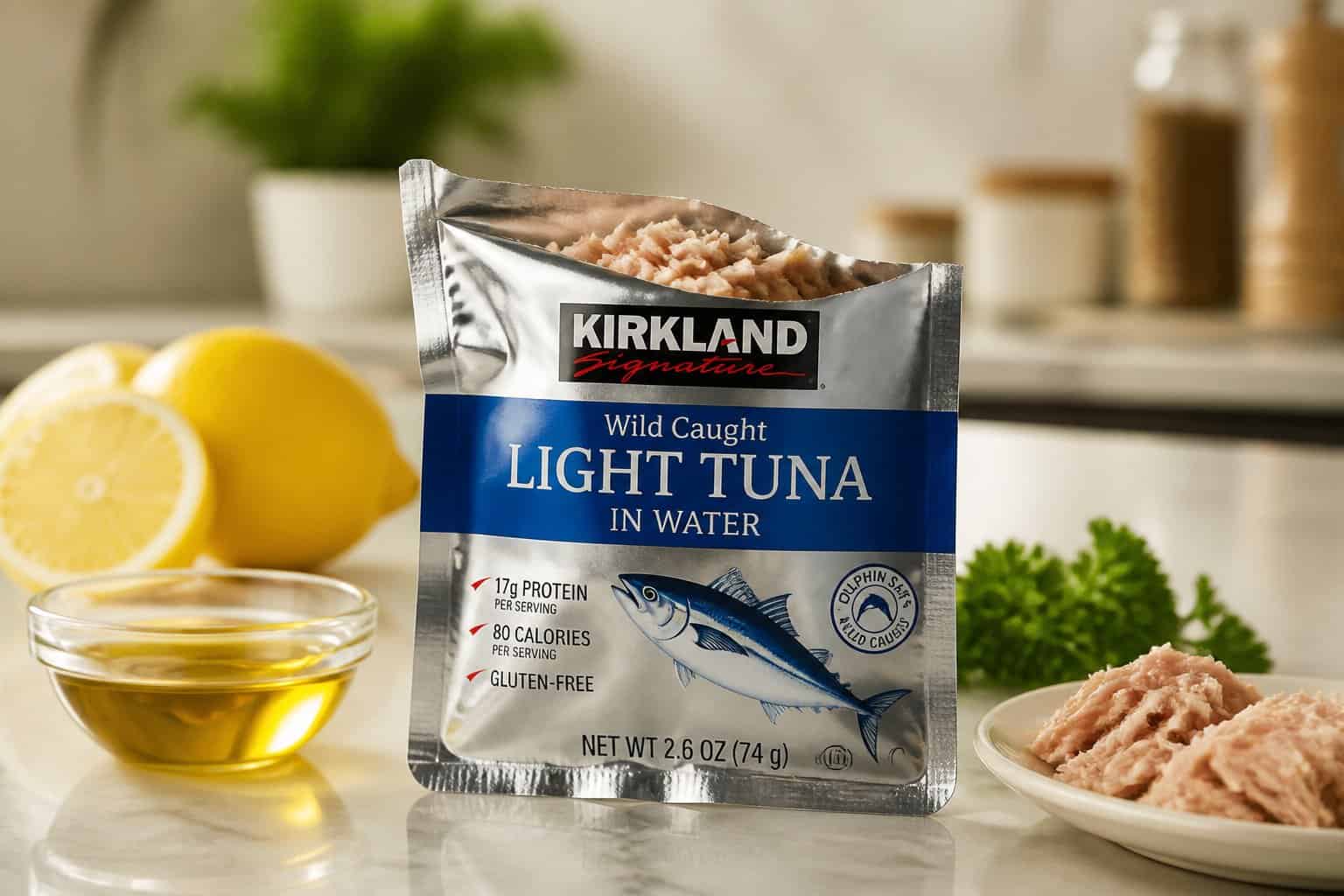
The Kirkland Signature Light Tuna Pouch has drawn criticism from shoppers who report an unpleasant metallic taste. This flavor issue appears consistently across customer reviews, making it difficult to ignore.
You might find the taste notably different from canned tuna or other brands you’ve tried. The metallic notes can overpower the natural fish flavor, which affects the overall eating experience whether you’re making sandwiches or salads.
Some Costco members suggest the pouch packaging itself may contribute to the off-putting flavor. While the convenience of pouches appeals to many shoppers, the taste complaints have led customers to stick with traditional canned options or switch to different brands entirely.
The product remains available at Costco, but you should consider trying a single pouch before committing to a multi-pack purchase.
24. Costco Frozen Fruit Smoothie Mix (icy/separated after thaw)
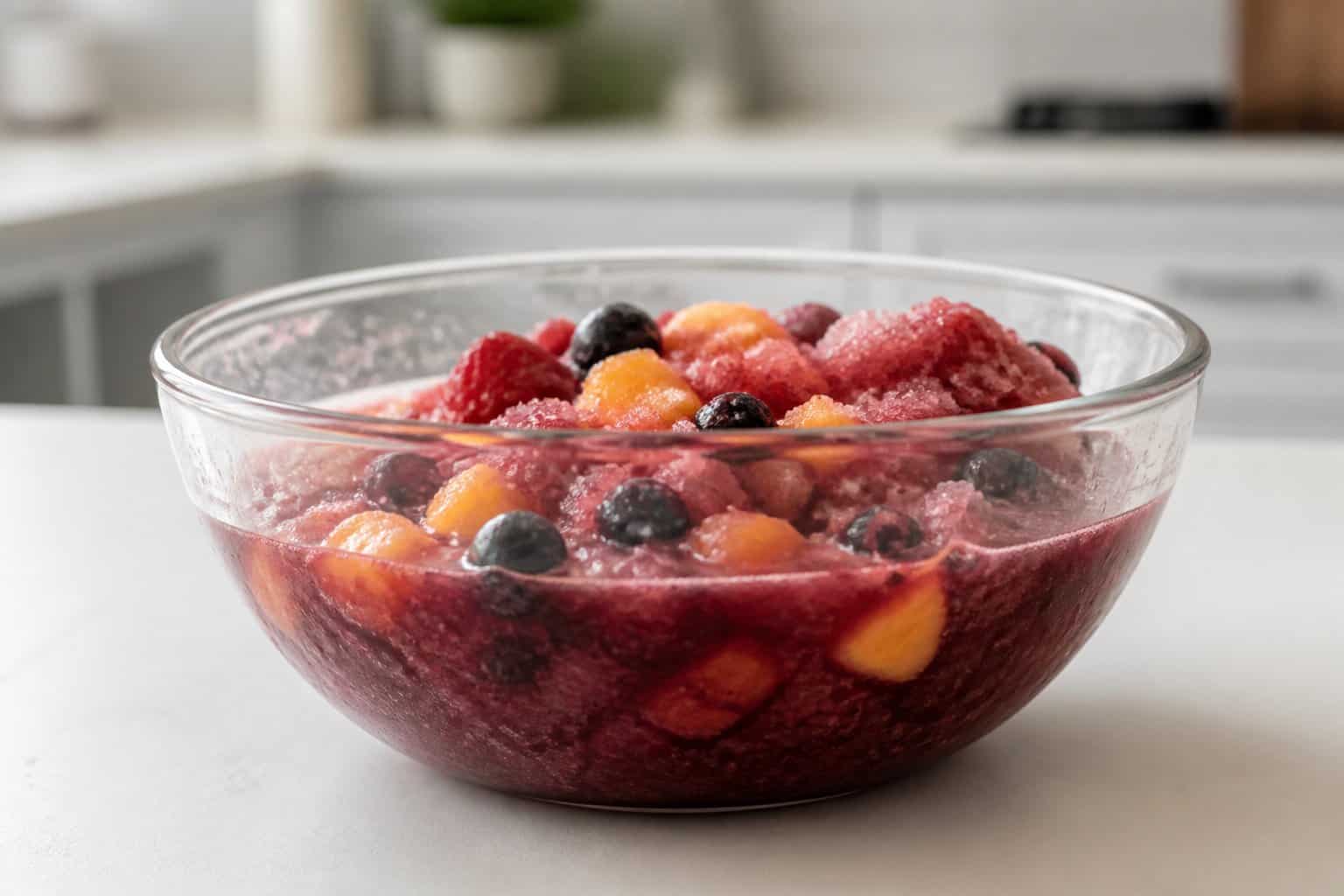
Costco’s frozen smoothie blends present a texture problem that frustrates many shoppers. When you blend these products, they often turn out icy rather than creamy and smooth.
The frozen fruit chunks don’t break down evenly in standard blenders. You end up with a separated, watery consistency that lacks the thick texture you expect from a quality smoothie.
Some customers report adding extra ingredients like fresh spinach or yogurt to improve the blend. Others find they need high-powered blenders to achieve acceptable results. The moisture content in these frozen packs seems inconsistent, leading to unpredictable outcomes.
For the price point and freezer space these bags occupy, many shoppers feel disappointed with the final product. You might find better results purchasing individual frozen fruit varieties and creating your own combinations.
25. Costco Mandarin Orange Cups (excess syrup/low fruit quality)
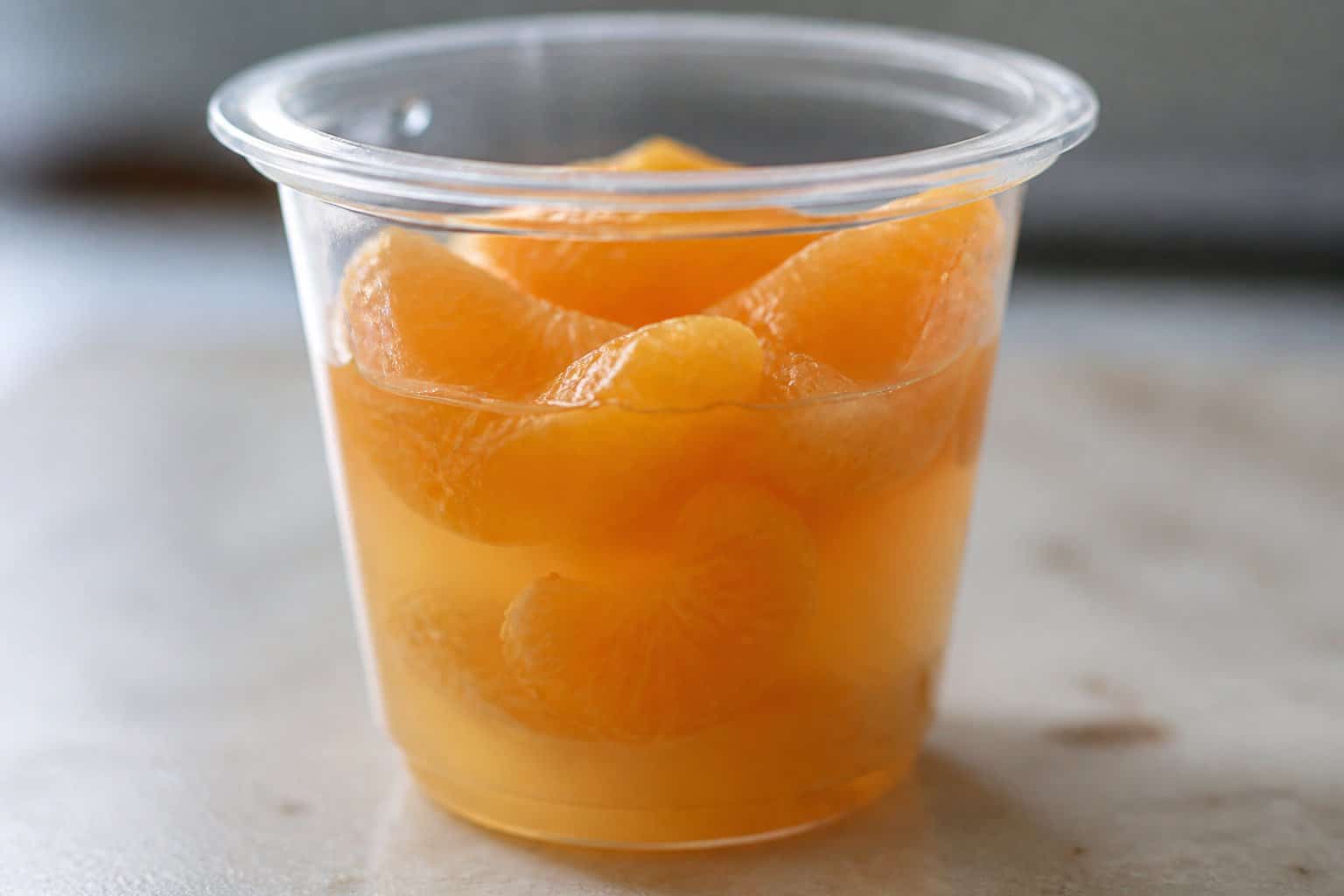
Dole Mandarin Orange cups sold at Costco have drawn complaints from shoppers who notice quality issues. Multiple customers report unusual smells and off-putting tastes when opening the individual cups.
The fruit-to-liquid ratio disappoints many buyers. While marketed as packaged in 100% fruit juice, you may find the cups contain more liquid than expected with fewer actual mandarin segments.
Some customers experience consistency problems across multiple purchases. Reports indicate the mandarins can taste bland or lack the fresh citrus flavor you’d expect from quality fruit.
These 16-count packages represent a significant commitment given Costco’s bulk format. When quality falls short, you’re stuck with numerous cups that don’t meet expectations. The portable convenience factor doesn’t compensate for subpar taste and texture issues that shoppers continue to report.
26. Kirkland Signature Granola (too sweet/oily)
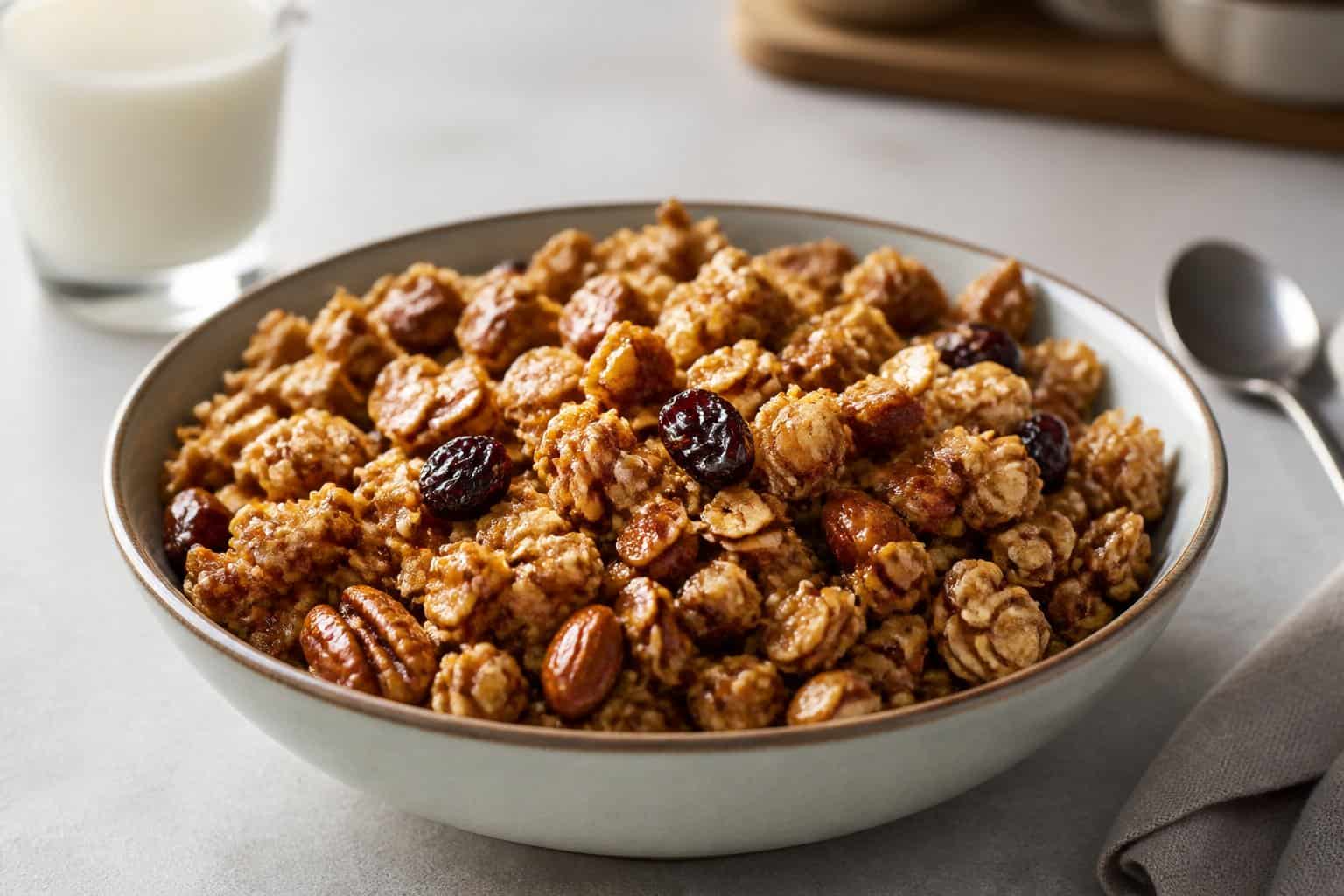
Costco’s Kirkland Signature Granola has drawn mixed reactions from shoppers, particularly regarding its sweetness and oil content. The product uses honey and olive oil in its grain-free formula, which some customers find appealing from an ingredients perspective.
However, the execution falls short for many buyers. The granola tends to be overly sweet, which can overpower the natural flavors you’d expect from a quality granola. The olive oil, while healthier than some alternatives, creates an oily texture that doesn’t appeal to everyone.
Some shoppers report that the granola doesn’t rank among the tastiest options available at Costco, despite the clean ingredients list. If you prefer a less sweet, crunchier granola with a lighter oil presence, you might want to explore other brands. The product works better as a topping than a standalone snack for those sensitive to sweetness.
27. Costco Chili Con Carne Ready Meal (too salty)
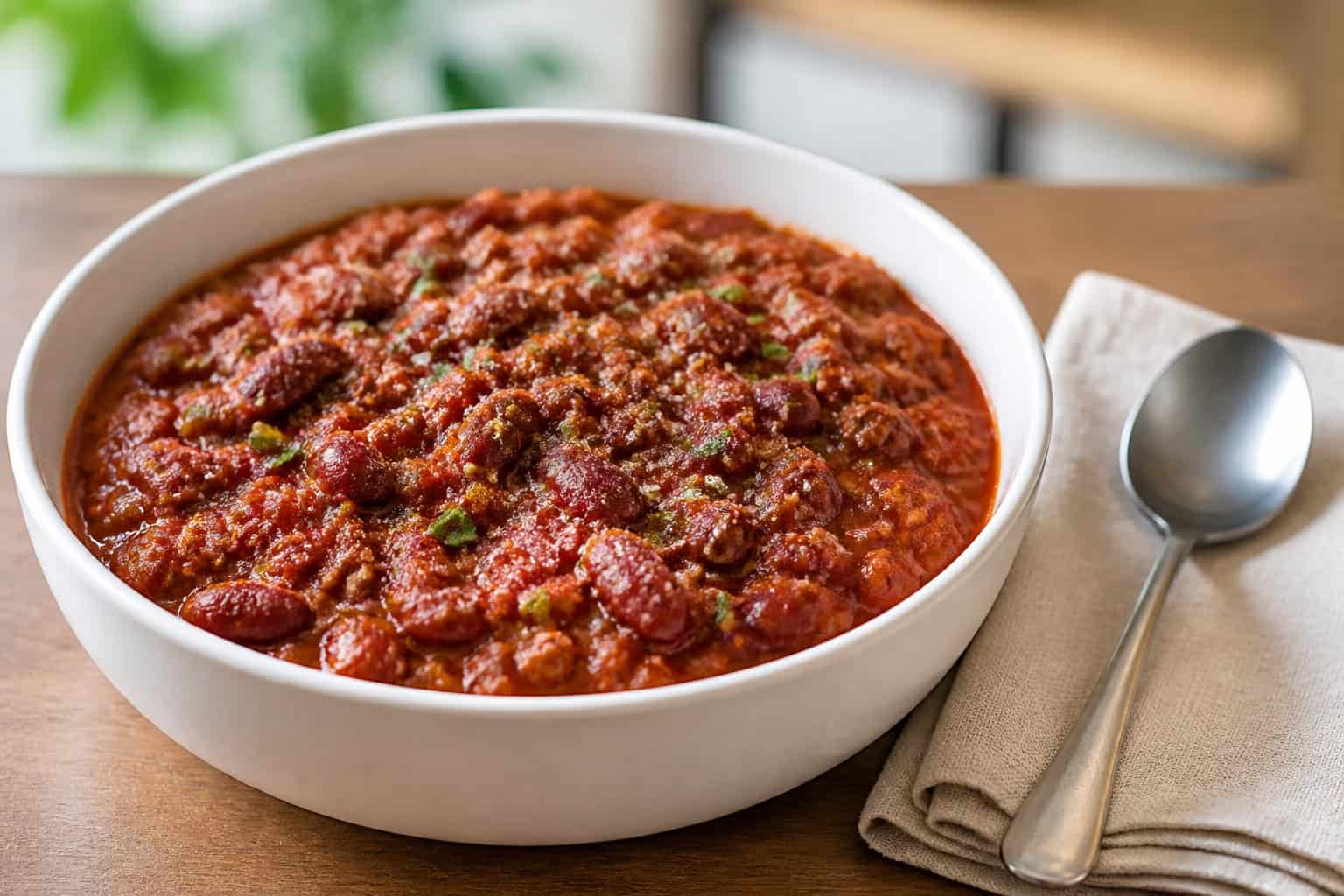
Costco’s prepared chili con carne draws consistent complaints about excessive sodium levels. You’ll find that many shoppers describe this ready meal as overwhelmingly salty, which masks the other flavors and makes it difficult to enjoy.
The high salt content is a common issue across Costco’s prepared food section. While the chili offers convenience for busy weeknights, the sodium levels can be off-putting if you’re sensitive to salt or watching your intake.
Some customers attempt to dilute the saltiness by adding unseasoned beans or rice, but this requires extra effort that defeats the purpose of buying a ready-made meal. You might find better value in making your own chili at home where you can control the seasoning. The portion size is generous, but the taste doesn’t justify the purchase for most shoppers who’ve tried it.
28. Costco Frozen Dumplings (gummy wrapper texture)
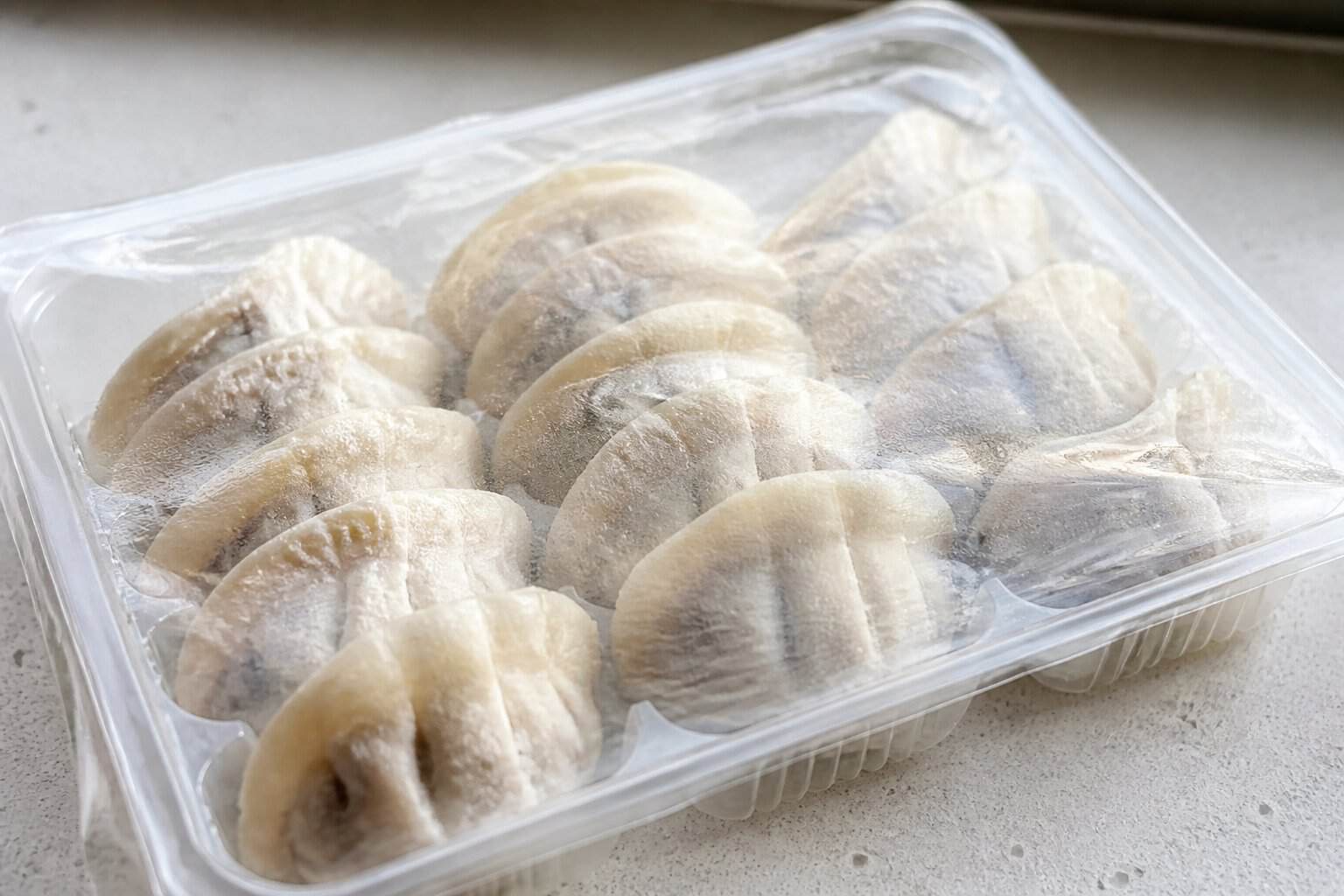
Frozen dumplings at Costco present a significant texture problem that shoppers frequently report. The wrappers tend to cook unevenly, creating gummy spots that make for an unpleasant eating experience.
When you prepare these dumplings, you’ll likely notice some areas turn leathery while others remain sticky and undercooked. This inconsistent texture occurs regardless of whether you steam, pan-fry, or boil them. Some shoppers specifically mention that steaming without a final frying step makes the gummy texture worse.
The Bibigo pork steamed dumplings have been called out as particularly disappointing despite the brand’s popularity. You’re paying for bulk quantities, but the quality doesn’t match what you’d get from restaurant-style dumplings or even some smaller grocery store brands.
29. Kirkland Signature Energy Drink (artificial aftertaste)
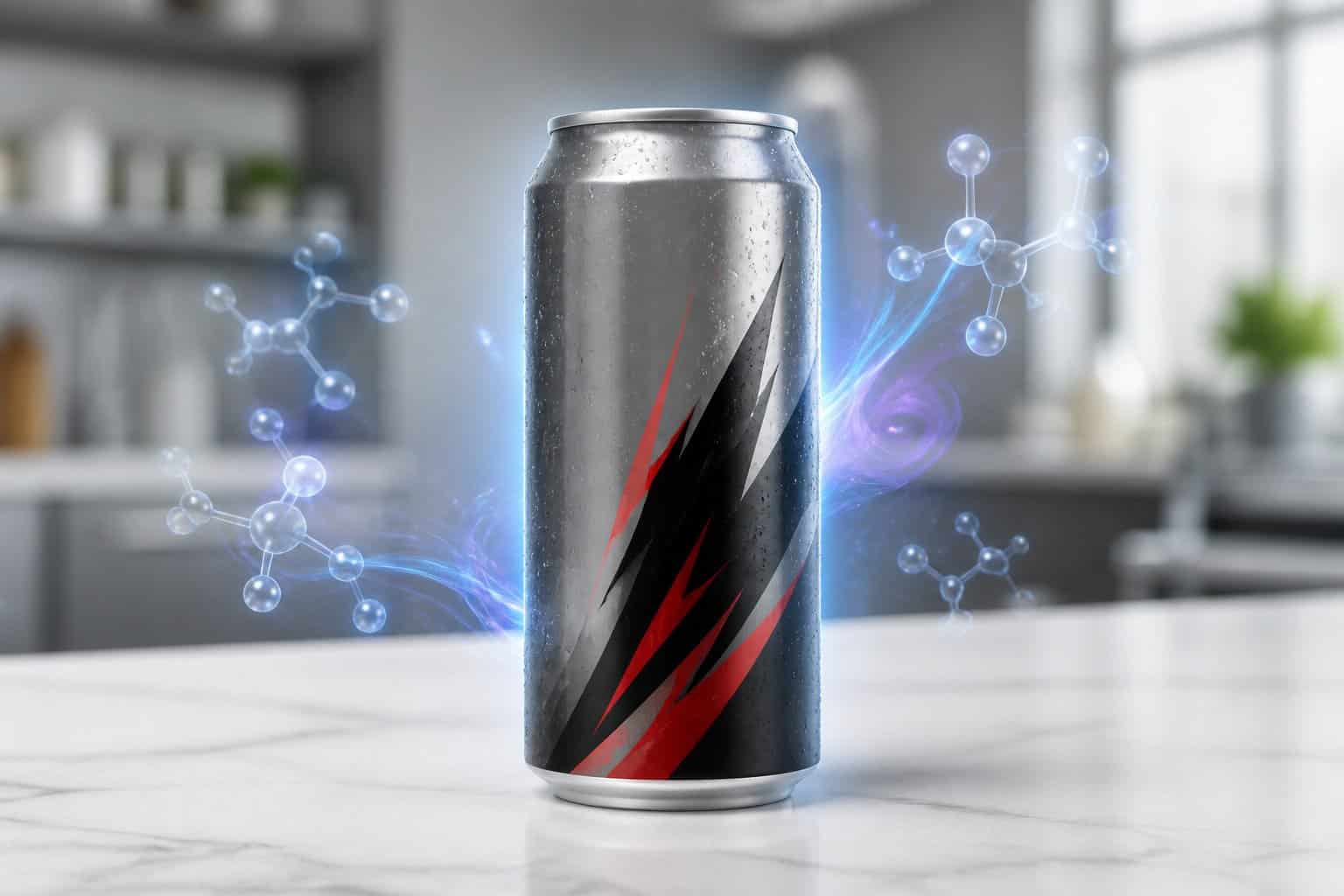
Costco’s Kirkland Signature Energy Drink promises a budget-friendly alternative to name-brand options, but many shoppers find the trade-off isn’t worth it. The most common complaint centers on a persistent artificial aftertaste that lingers long after you finish the can.
You’ll notice the chemical flavor becomes more pronounced as the drink warms up. Many buyers report that the sweetness tastes synthetic, likely due to the combination of artificial sweeteners and flavorings in the formula.
While the price per can seems attractive compared to Red Bull or Monster, you might end up wasting money if you can’t finish them. Shoppers who regularly drink energy beverages tend to be particularly disappointed, as they can easily taste the quality difference between Kirkland’s version and premium brands.
30. Costco Fruitcake and Holiday Loaf (dry/stale reports)

The Kirkland Signature Christmas fruitcake appears seasonally at Costco, but many shoppers report disappointing experiences with texture issues. You might find the loaf arrives dry or becomes stale quickly after opening.
Customers mention that the fruitcake lacks the moist, dense quality expected from a traditional holiday dessert. The fruit pieces can taste overly candied, and the cake itself often crumbles rather than slices cleanly.
Storage presents another challenge. Even when wrapped properly, the fruitcake doesn’t maintain freshness as long as you’d expect from a seasonal specialty item.
The large size compounds these problems. If you’re buying it for a small household, you’ll struggle to finish it before quality degrades. Many shoppers wish they’d skipped this holiday offering and purchased their fruitcake elsewhere or made it from scratch instead.
Factors That Influence Costco Food Reviews
Shoppers evaluate Costco foods based on how well products balance cost with quality, whether ingredients meet expectations, and how long items stay fresh after purchase. These three factors shape most negative reviews and complaints.
Taste Versus Value
You expect bulk pricing to deliver savings without sacrificing flavor. When Costco foods fail this balance, disappointment follows quickly. Some items like the chicken bites receive complaints about excessive sodium levels that overpower the intended taste.
The warehouse model means you’re committing to larger quantities than typical grocery purchases. If a product tastes off or doesn’t match your expectations, you’re stuck with significantly more waste and wasted money. A single disappointing meal becomes multiple disappointing meals.
Value considerations include:
- Price per serving compared to competitors
- Whether the bulk size matches your household consumption rate
- Taste quality relative to premium pricing claims
You may find that some Kirkland Signature items don’t deliver the premium quality the branding suggests. Products marketed as restaurant-quality or gourmet-level receive particularly harsh criticism when they fall short.
Ingredient Quality Concerns
You scrutinize ingredient lists more carefully when buying in bulk quantities. Costco shoppers frequently report concerns about texture problems that suggest lower-grade ingredients. The Kirkland chicken products receive descriptions like “woody” and “stringy” from disappointed buyers.
Processed foods with high preservative content spark complaints about artificial tastes. You notice these issues more prominently in ready-to-eat items and pre-seasoned proteins. Some members compare certain products unfavorably to supermarket alternatives, particularly the sushi offerings which receive ratings below typical grocery store quality.
Meat and seafood products face the most scrutiny. You expect premium cuts and fresh catches at Costco’s price points, so substandard texture or appearance generates strong negative reactions.
Shelf Life and Freshness
You face a persistent challenge with Costco’s produce department. Fruits and vegetables spoil faster than those from competing retailers according to member complaints. The bulk packaging means you’re racing against time to consume items before they rot.
Dairy products and baked goods present similar timing pressures. You might save money per unit, but lose those savings if you discard spoiled food. Members report seeing products sit in warehouses for extended periods, raising questions about stock rotation practices.
Pre-made foods and deli items have particularly tight freshness windows. You need to plan meals carefully around purchase dates to avoid waste.
Tips for Making Healthier Food Choices at Costco
Smart shopping at Costco requires attention to nutrition labels and taking advantage of fresh seasonal items that offer better nutritional value than processed alternatives.
Reading Nutrition Labels
Check the serving size first, as Costco packages are larger and listed servings may not reflect what you actually consume. Many shoppers overlook this detail and underestimate their calorie and sodium intake.
Focus on these key metrics on every label:
- Sodium: Keep daily intake under 2,300 mg; many bulk items contain 600-800 mg per serving
- Added sugars: Aim for less than 25g daily for women, 36g for men
- Saturated fat: Should be under 13g per day on a 2,000 calorie diet
- Protein: Look for at least 5-7g per serving in snacks
Compare similar products by checking the percentage Daily Value (%DV). Anything above 20% DV is considered high for that nutrient. Pay special attention to fiber content, which should be at least 3g per serving in grain-based products.
Ingredient lists matter too. If sugar appears in the first three ingredients or you see multiple types of sweeteners throughout the list, consider alternatives.
Seasonal and Fresh Alternatives
The perimeter of Costco houses fresh produce, meat, and dairy that typically offer better nutritional profiles than center-aisle processed foods. Seasonal fruits and vegetables cost less and provide peak nutrient density.
Rotate your purchases based on what’s in season. Summer brings berries and stone fruits rich in antioxidants. Fall offers squash and root vegetables high in fiber and vitamins.
Fresh protein options like rotisserie chicken, wild-caught salmon, and organic eggs deliver complete amino acids without excess preservatives. These items support meal prep better than frozen prepared meals that often contain high sodium levels.
Buy pre-washed salad greens, vegetable trays, and fresh herb packages to make healthy eating more convenient. The time savings often justifies the slightly higher cost compared to whole heads of lettuce or unwashed produce.
Shop at Trader Joe’s too? Check out the 30 worst Trader Joe’s products ever sold.


3 Comments