The 30 Worst Sam’s Club Member’s Mark Products According to Shoppers

Sam’s Club has built a loyal following with its Member’s Mark private label, offering groceries, household goods, and more at competitive prices. Many shoppers rely on these products for everyday essentials, trusting the brand to deliver value alongside savings.
Not every Member’s Mark item meets expectations, though. Shoppers have flagged specific products across categories like frozen foods, bakery items, and pantry staples as disappointing in taste, quality, or value. You can use this feedback to make more informed choices on your next shopping trip and avoid items that haven’t held up to member satisfaction.
1. Member’s Mark Pre-Cooked Bacon
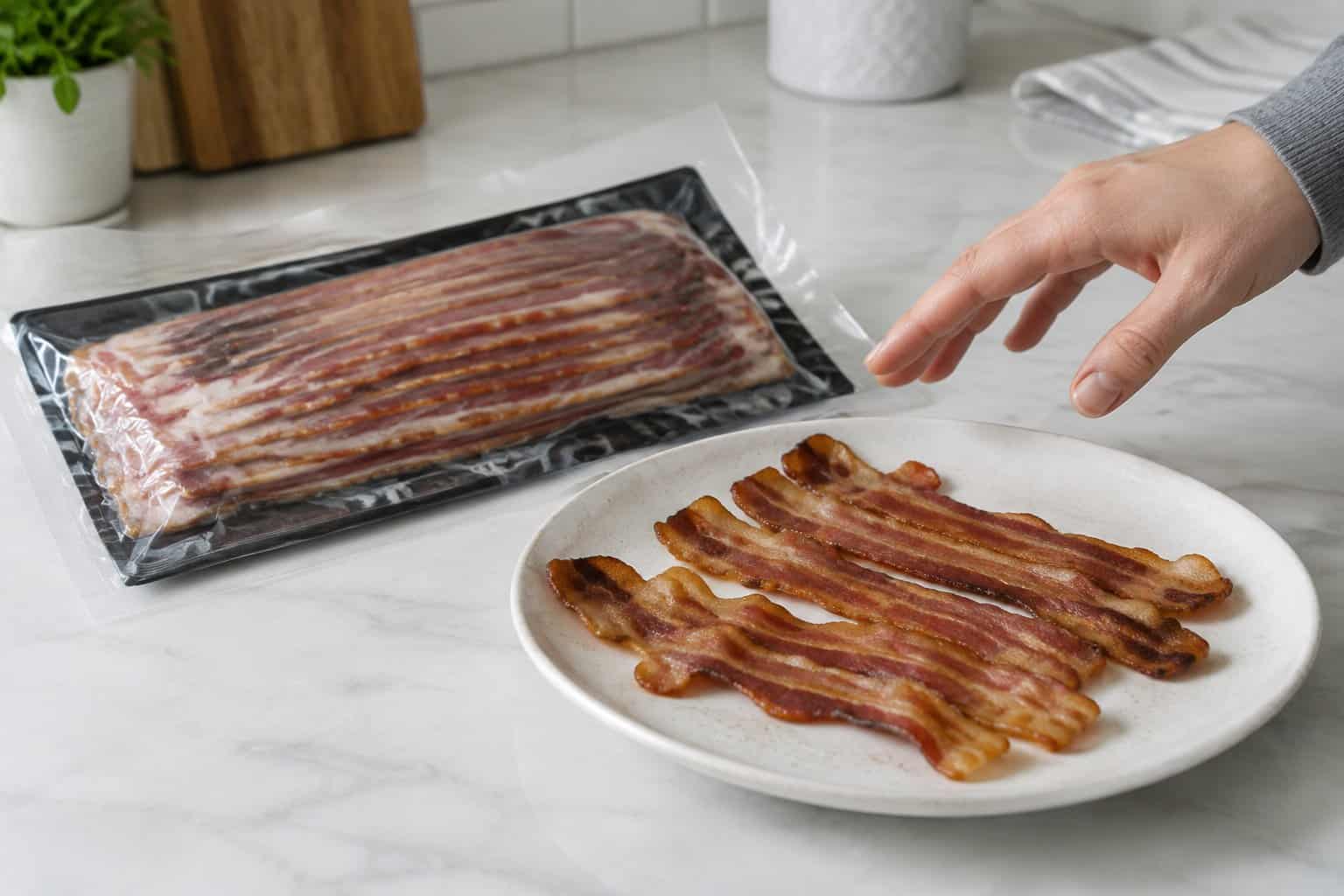
If you’ve bought this bacon expecting the same taste as traditional fried bacon, you may have noticed a difference. Many shoppers report that the pre-cooked version has a rubbery or chewy texture instead of a crisp bite.
You might also find the flavor lacking compared to regular bacon. Since it’s processed and reheated rather than cooked fresh, the smoky taste often comes across as muted or artificial to some palates.
Another common complaint involves the price versus quantity. You’re paying a premium for convenience, but the portion sizes per strip can feel smaller than what you’d get from raw bacon you cook yourself.
Storage is another issue worth considering. Some buyers have noted that the strips stick together in the package, making it difficult to separate individual pieces without tearing them.
If you want better results, consider buying Member’s Mark’s regular raw bacon instead and cooking it yourself in the oven or on the stovetop. You’ll get a fresher taste, firmer texture, and more control over how crispy it turns out.
2. Member’s Mark Fully Cooked Baby Back Ribs
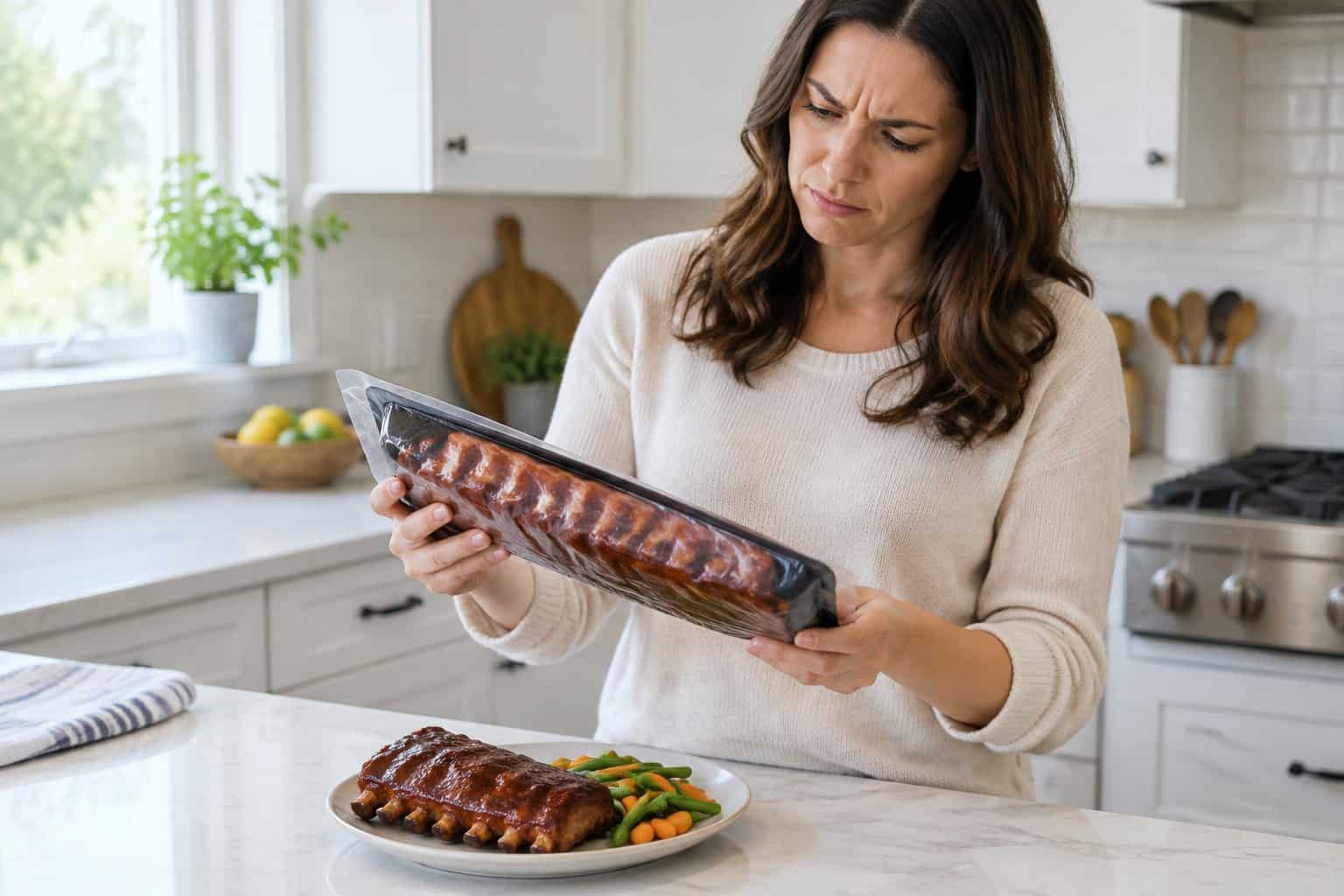
You’ll find these ribs sold near the rotisserie chicken station at Sam’s Club, priced around $12.98 per pound. They’re marketed as fall-off-the-bone tender, but many shoppers say the texture doesn’t live up to that promise.
Several customers describe the meat as chewy or rubbery rather than tender, even after following the heating instructions closely. You might end up disappointed if you’re expecting the same quality as the beloved rotisserie version this product replaced.
That older rotisserie rib option was reportedly discontinued, and the fully cooked replacement hasn’t earned the same loyalty. You may notice inconsistency between batches, with some racks turning out drier or tougher than others.
The sauce can also taste overly sweet to some palates, masking the pork flavor instead of complementing it. If tenderness and consistency matter to you, consider picking up a rack of fresh, uncooked baby back ribs instead and preparing them yourself using a low and slow method.
You could also try Costco’s Kirkland Signature baby back ribs, which several shoppers find to be a more reliable option with better trimming and texture.
3. Member’s Mark Rotisserie Chicken

You might expect the rotisserie chicken to be a reliable pick, given its low price point. However, plenty of shoppers report inconsistent results, with some birds arriving dry or overcooked under the heat lamp.
The skin is often described as rubbery rather than crisp, which defeats the purpose of buying a rotisserie chicken in the first place. If you’ve bought one that sat out too long before you grabbed it, you’ve probably noticed the texture suffers noticeably.
Seasoning is another sticking point. Some batches taste bland, while others come across as overly salty, making it hard to know what you’ll get from one visit to the next.
You also can’t control how long the chicken has been sitting under heat, since turnover varies by store and time of day. For a more predictable option, consider buying a fresh, uncooked whole chicken and roasting it yourself at home with your own seasoning. You’ll get better texture control and consistent flavor every time, without relying on the luck of the draw.
4. Member’s Mark Boneless Skinless Chicken Breasts

You might expect consistency from a bulk chicken purchase, but many shoppers report a different experience with this product. Some customers noticed a vendor change that altered the format entirely.
Instead of individually portioned breasts in open trays, you now get vacuum-sealed packages with two breasts submerged in liquid. That liquid often includes added sea salt and chicken broth, which changes the texture and flavor once cooked.
You may also find the breasts inconsistent in size within the same package, with some pieces noticeably thicker or thinner than others. This makes even cooking difficult, since thinner pieces dry out while thicker ones stay undercooked.
If you’re comparing cost per pound to other retailers, the savings may not feel as significant once you factor in the added liquid weight.
A better option is Member’s Mark Organic Boneless Skinless Chicken Breasts, which tend to have more consistent sizing and fewer additives. You could also check your local butcher counter or a grocery store sale on organic, antibiotic-free chicken breasts for comparable quality without the bulk packaging drawbacks.
5. Member’s Mark Frozen Chicken Wings
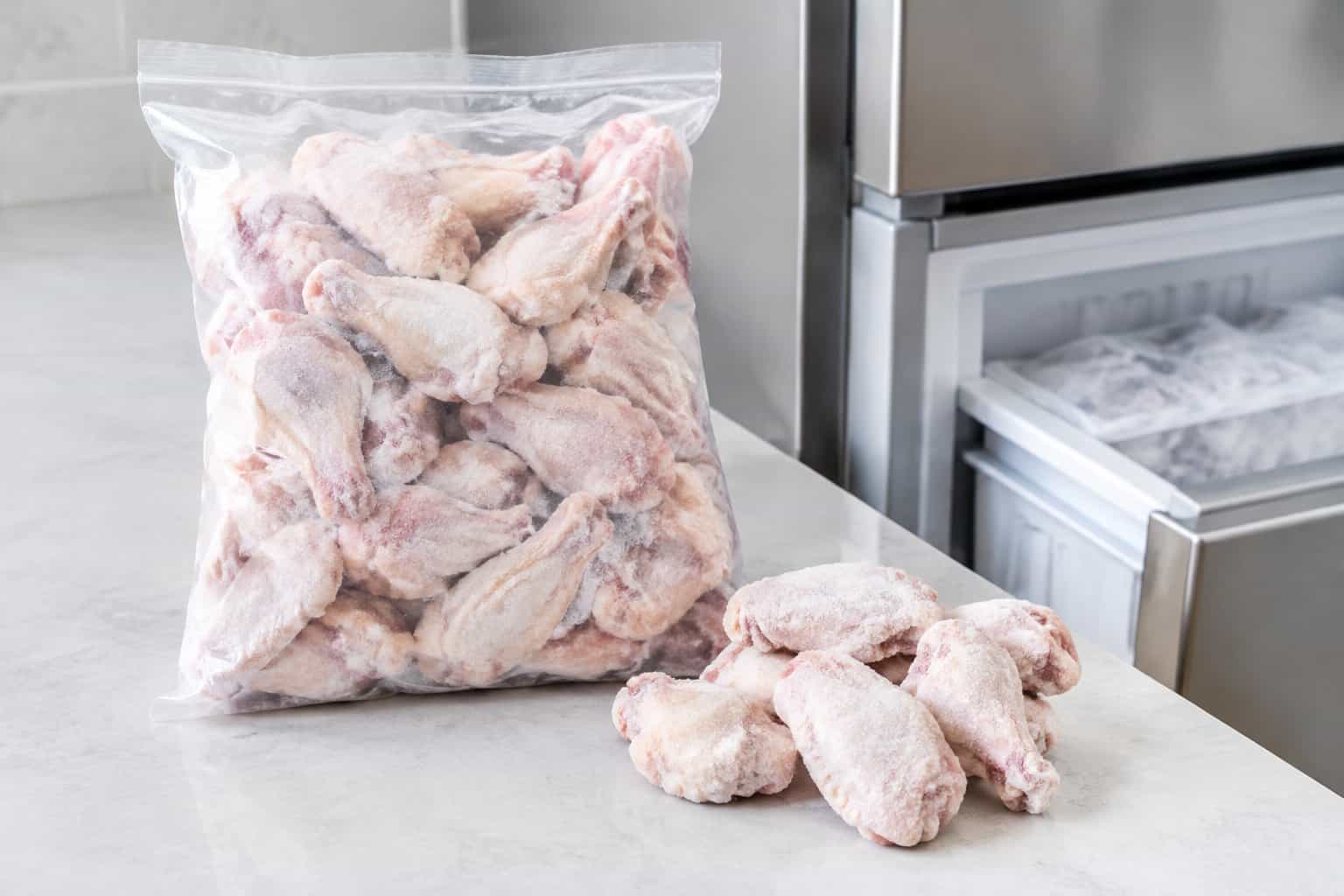
You will notice that these wings often cook up less meaty than the packaging suggests, with a higher bone-to-meat ratio than many name brands offer. Some shoppers report uneven sizing in each bag, so you end up with a mix of small and large pieces that cook at different rates.
The skin texture is another common complaint. You may find it turns rubbery rather than crisp, even when you follow the recommended baking or air-frying instructions closely.
If flavor matters to you, keep in mind these wings are typically sold plain, meaning you will need to season them yourself before cooking. That extra step can be inconvenient if you are expecting a ready-to-season product with built-in flavor.
A better option is to check your local butcher counter or a brand like Tyson or Perdue, both of which tend to offer more consistent sizing and better skin-to-meat ratios. You might also look at fresh, never-frozen wings when available, since freezing can affect texture more than flavor. Comparing unit prices before you buy will help you confirm you are actually saving money.
6. Member’s Mark Frozen Salmon Fillets
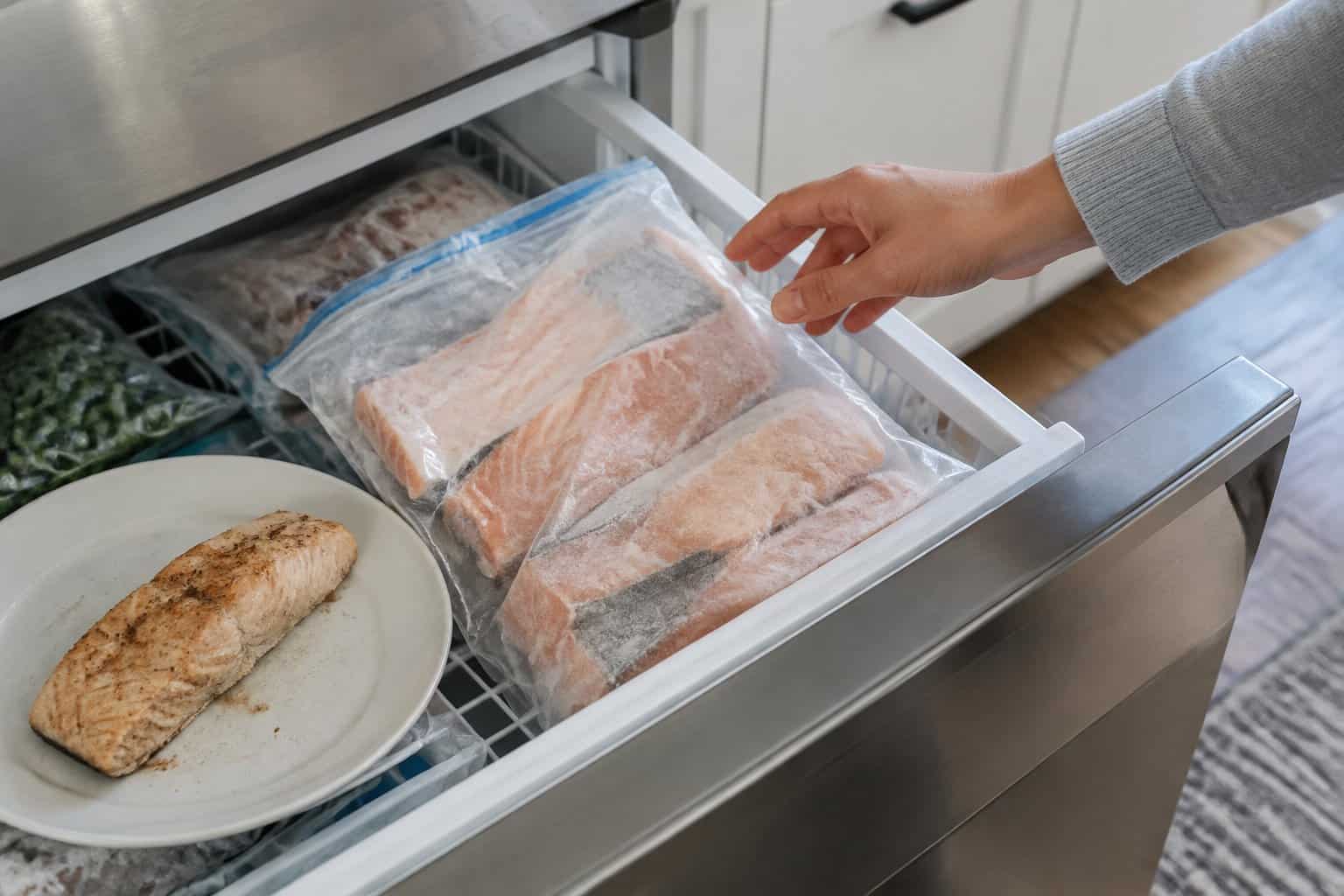
You’ll find that the marinated Alaskan salmon from Member’s Mark draws a mixed reaction once it hits your pan. The marinade can overpower the fish itself, leaving you with a product that tastes more like sauce than salmon.
Texture is another sticking point. Shoppers often report a mushy or watery consistency after cooking, which suggests the fillets were sitting in liquid during freezing and thawing.
The clear plastic wrap on these fillets lets you inspect them before you buy, and that’s worth doing. If you see excess ice crystals or a dull, grayish color through the packaging, you’re likely looking at a fillet that’s been frozen too long or improperly stored.
A better choice is the plain, unmarinated Member’s Mark Atlantic salmon fillet portions. You control the seasoning yourself, which gives you a fresher taste and avoids the soggy texture problem. If you want convenience without sacrificing quality, look for individually vacuum-sealed portions instead of those packed together in shared liquid. You’ll get more consistent results and a firmer bite when you cook it.
7. Member’s Mark Atlantic Salmon Portions
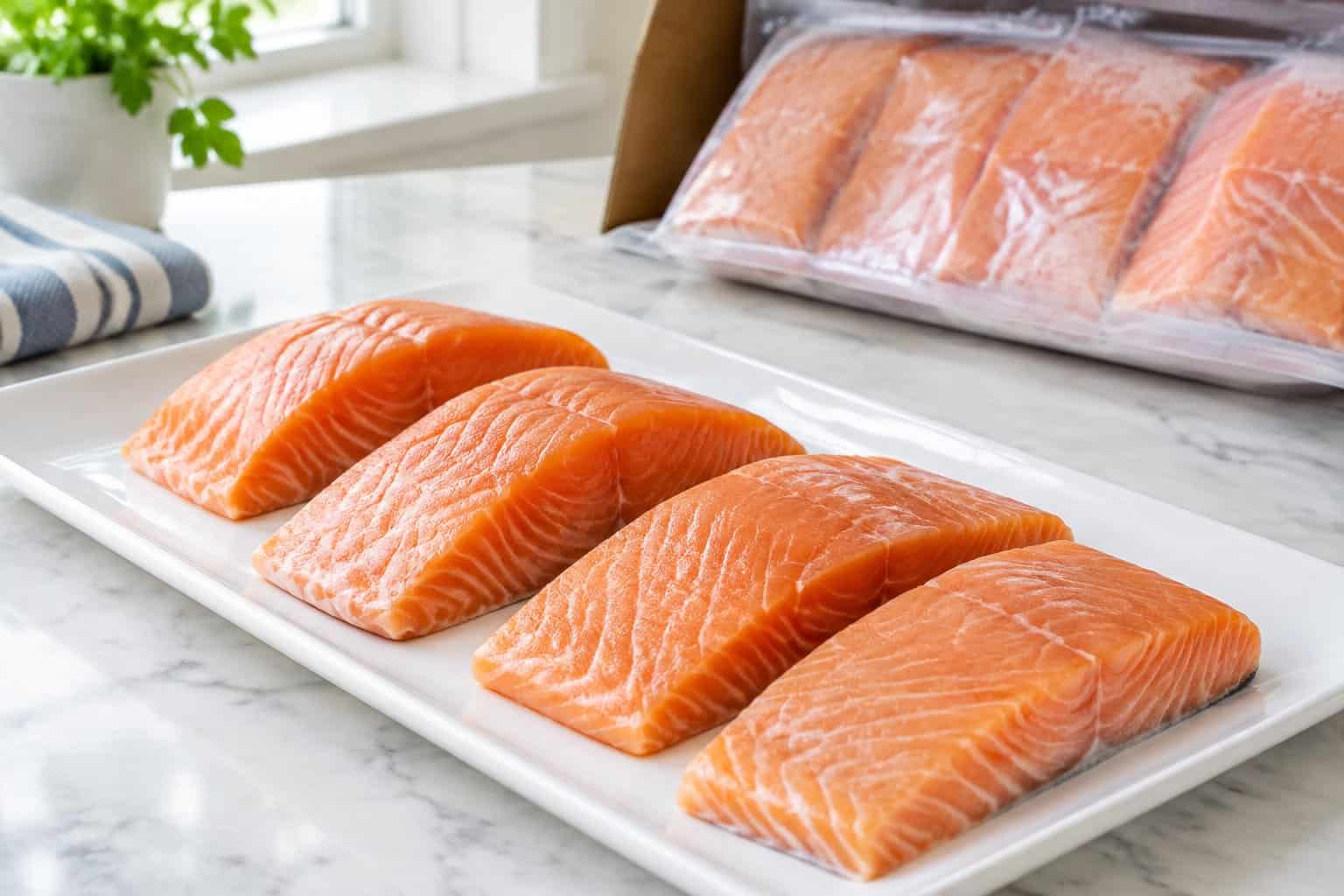
You may have grabbed this frozen salmon expecting a reliable weeknight dinner option, but many shoppers report mixed results. Some find the fillets watery once thawed, with excess liquid pooling in the bag that affects how the fish cooks.
Texture is a recurring complaint. You might notice the salmon turning mushy or falling apart instead of holding together like fresh fillets do. This can make grilling or pan-searing frustrating, since the portions don’t always crisp up the way you’d want.
Flavor inconsistency is another issue. You could get one batch that tastes fine and another that seems bland or slightly off, which makes it hard to trust the product for regular meal planning.
If you want a more dependable option, consider buying fresh salmon from the seafood counter when it’s available, or try a different frozen brand with better portion consistency. Wild-caught sockeye varieties at Sam’s Club tend to hold their texture better than farm-raised Atlantic portions. Checking the packaging date and avoiding bags with visible ice crystals can also help you avoid the watery texture problem altogether.
8. Member’s Mark Raw Shrimp
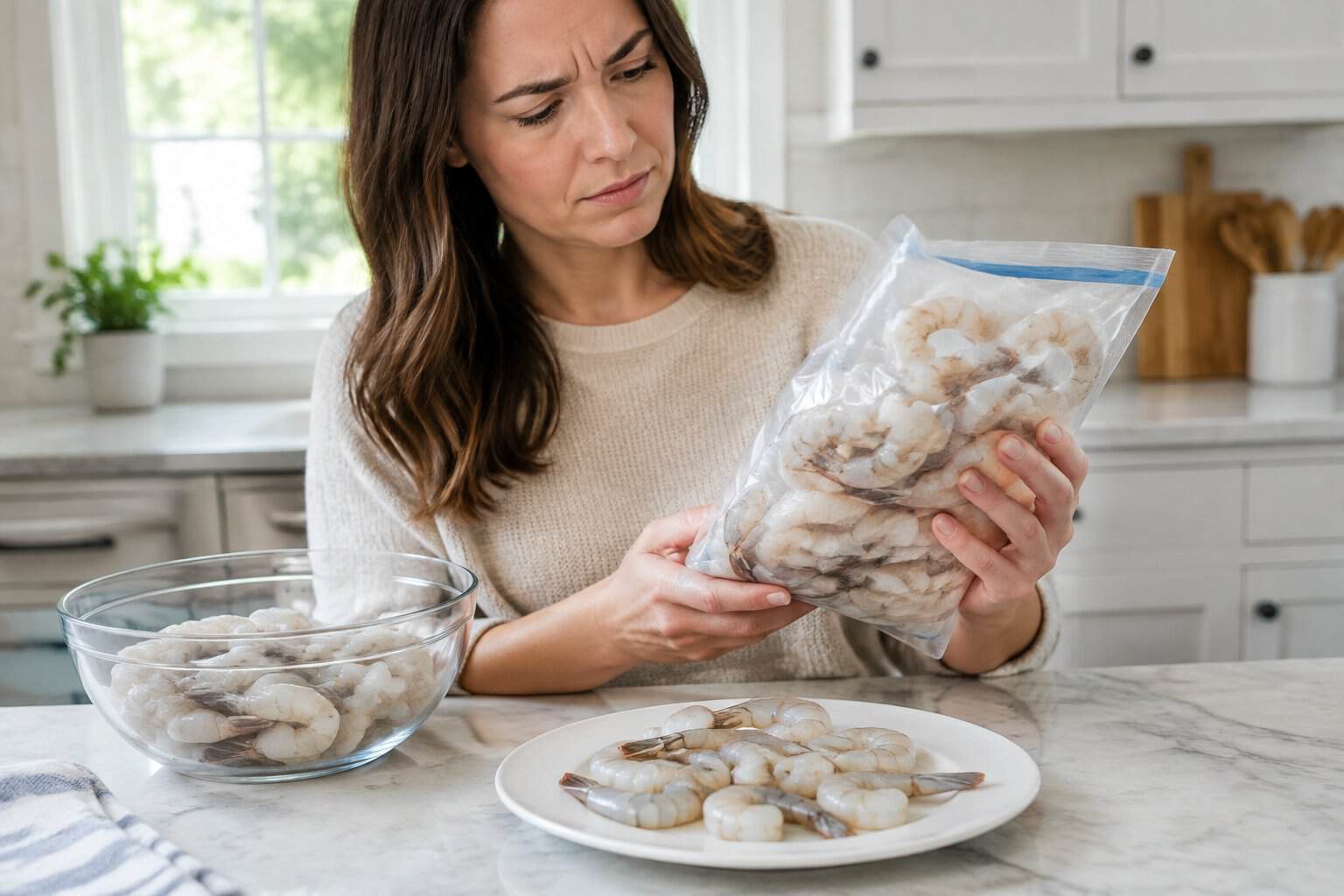
If you buy the frozen shrimp at Sam’s Club, you may run into complaints about inconsistent quality. Some shoppers report finding shrimp that looked discolored or felt slimy after thawing, which raises concerns about freshness despite the BAP certification on the packaging.
You might also notice size inconsistencies within the same bag. Shoppers have described receiving shrimp that varied significantly from the count listed on the label, with some pieces much smaller than expected for the “jumbo” or “large” designation.
Deveining issues come up often in reviews too. You could end up spending extra time cleaning shrimp that should have already had the vein removed, which defeats the convenience factor you’re paying for in bulk packaging.
A better option is to look for individually quick-frozen (IQF) shrimp from a dedicated seafood brand, where you can inspect bags through clear packaging before buying. Wild-caught shrimp from a trusted fishmonger or a specialty grocer often gives you more consistent texture and flavor. If you want to stick with warehouse shopping, buying a smaller bag first lets you test quality before committing to a bulk purchase.
9. Member’s Mark Frozen Tilapia Fillets
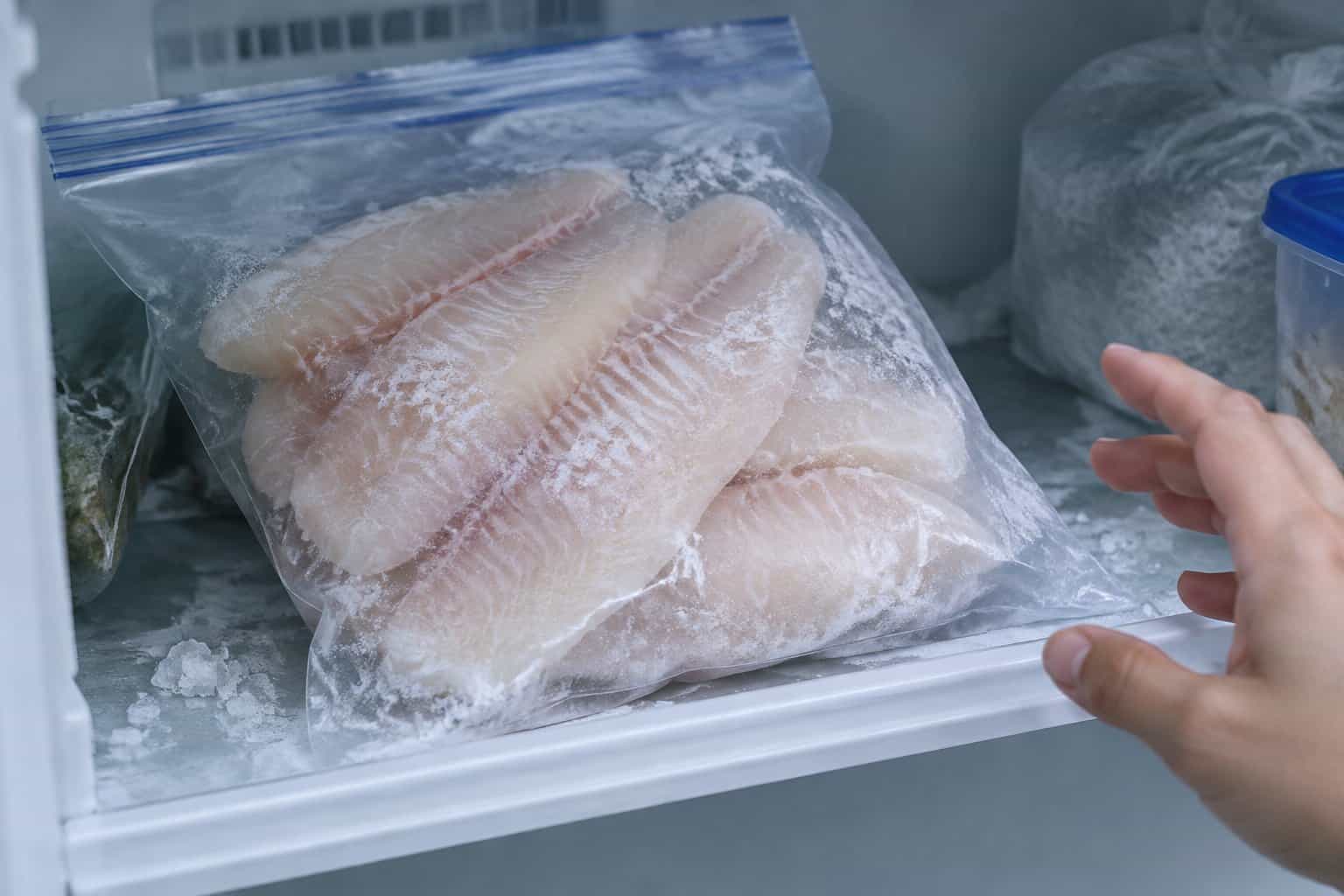
You may notice this product is marketed as plain and additive-free, but that simplicity is part of the problem for many shoppers. Without any seasoning or coating, the fillets rely entirely on the quality of the fish itself, and that quality can be inconsistent.
Some buyers report a mushy or watery texture once thawed, which often points to excess ice glazing during freezing. This extra moisture dilutes flavor and makes the fish harder to sear properly in a pan.
Tilapia also has a reputation as a “mystery fish” because its bland taste makes it difficult to judge freshness by flavor alone. If the fillets have been frozen too long or stored improperly, you won’t necessarily taste a difference until the texture gives it away.
If you want better results, consider Member’s Mark Pacific Cod Loins or Atlantic Salmon Fillet Portions instead. Both options hold up better to pan frying and tend to have a firmer, more consistent texture after thawing.
10. Member’s Mark Ground Beef Patties
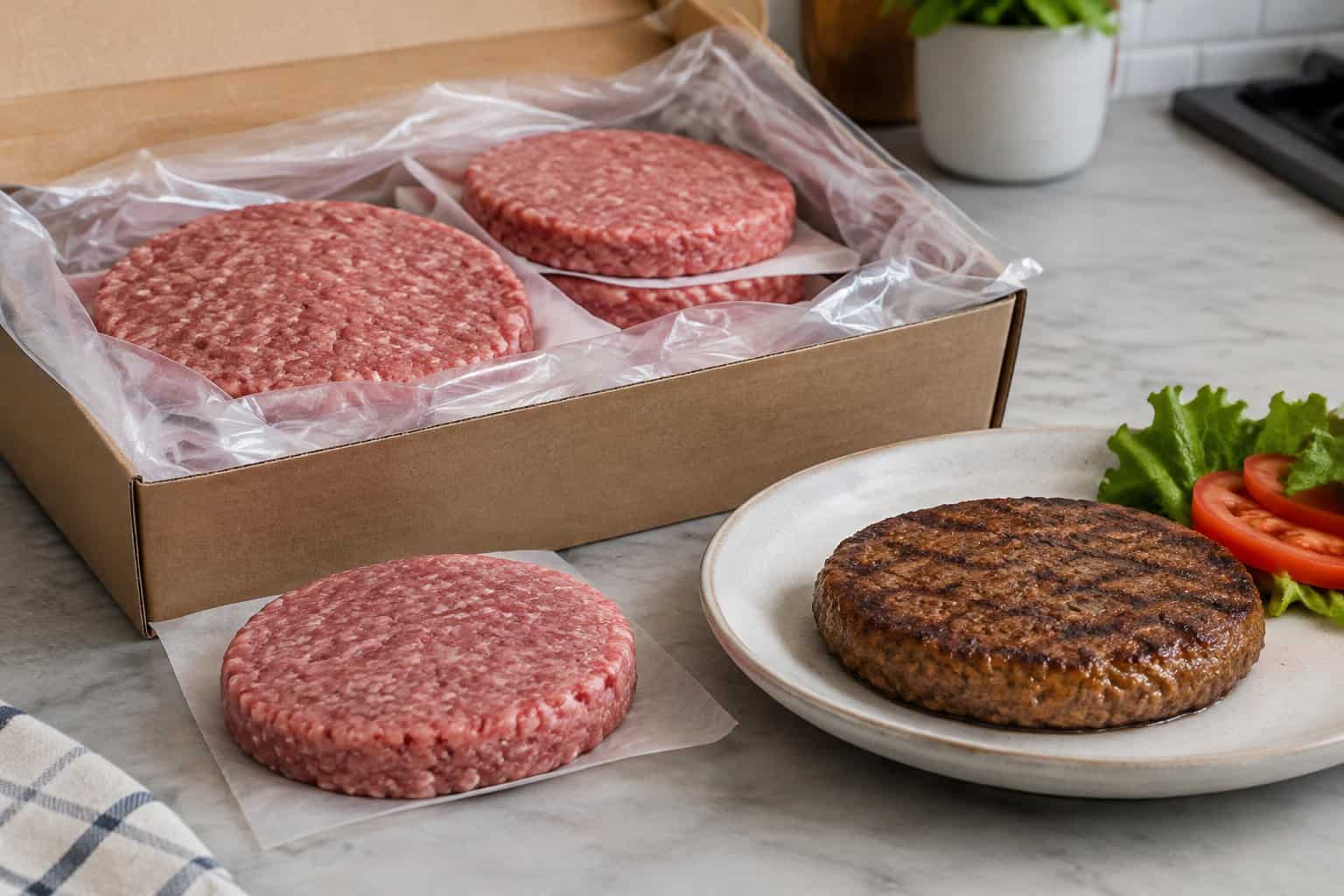
Member’s Mark sells both 75/25 and 90/10 ground beef patties, and shoppers tend to have complaints about each for different reasons. The 75/25 patties carry a higher fat content than the 80/20 blend most consider standard, which can lead to excessive shrinkage and grease when you cook them.
The 90/10 patties come with the opposite problem. You’ll find them lean, but many buyers describe the texture as gristly and tough, making them poorly suited for quick-cooking methods like grilling a burger to medium-rare.
If you’re using them for anything other than slow simmering, you may end up disappointed by the chewiness. The seasoned frozen patties have also drawn criticism when compared against other frozen smash burger options, landing near the bottom in several taste tests.
You’re better off buying an 80/20 ground beef chub and forming your own patties, giving you control over thickness and fat ratio. If you want pre-formed patties, look for a butcher-counter option or a competing brand that specifies consistent fat content without the gristle issues reported here.
11. Member’s Mark Beef Hot Dogs

If you grew up buying Nathan’s at Sam’s Club, you probably noticed the switch to Member’s Mark franks. Many shoppers say this change wasn’t an improvement.
The most common complaint centers on fat content. Several customers report that these hot dogs release excessive grease when cooked, leaving them with a soft, oily texture rather than a firm bite.
You might also notice shrinkage during cooking, whether you’re grilling, boiling, or using a hot dog roller. Some buyers have described watching multiple franks shrivel down significantly within minutes of cooking, which isn’t what you want when prepping for a crowd.
Flavor is another sticking point. Compared to the Nathan’s product they replaced, you may find these taste noticeably blander or less like a classic all-beef frank.
If you want a more reliable option, look for Nathan’s Famous or Hebrew National beef franks instead. Both brands are still sold in bulk at various retailers and tend to receive more consistent praise for taste and texture. Your next barbecue will likely benefit from the switch.
12. Member’s Mark Deli Sliced Turkey Breast
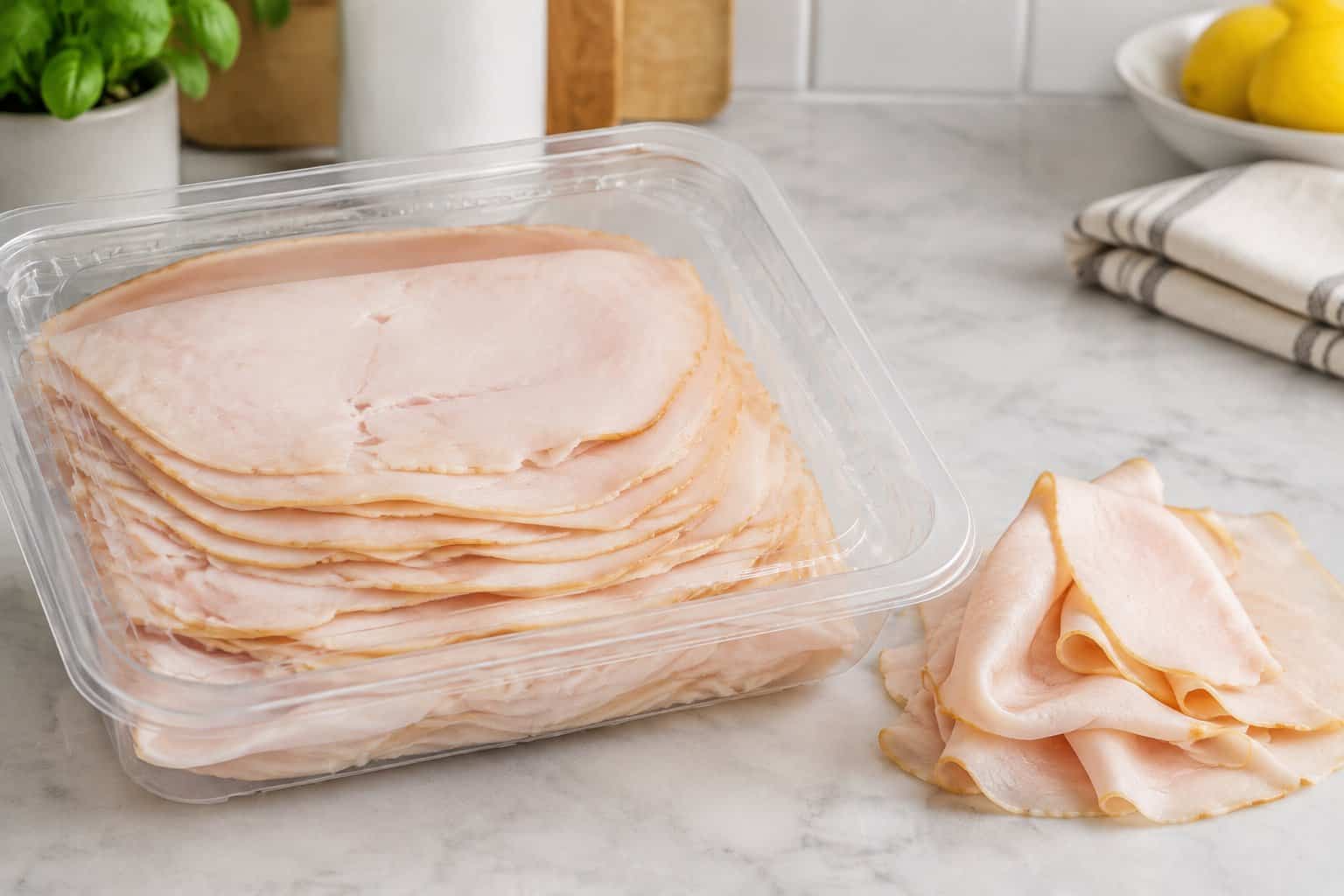
You may notice inconsistency when you buy this turkey from one trip to the next. Some shoppers report a dry, firm texture, while other packages come out wet and overly salty with an odd mouthfeel. This lack of consistency makes it hard to trust the product as a reliable lunch staple.
Sodium content is another common complaint. If you’re trying to cut back on salt, you might find this deli meat works against that goal, since the flavor can skew heavily salty rather than balanced.
Texture issues come up often too. Some slices feel rubbery or overly processed, which isn’t what you want when you’re building a sandwich meant to taste fresh.
If you want better results, look at the oven roasted or four pepper turkey breast varieties from the same Member’s Mark line, since these tend to get steadier feedback. You can also check your local grocery store’s deli counter, where you can request a specific thickness and taste a sample before buying. Freshly sliced turkey from a counter typically has better texture control than pre-packaged options.
Shop at Costco too? Check out the 30 worst Costco foods according to shoppers.
13. Member’s Mark Honey Ham
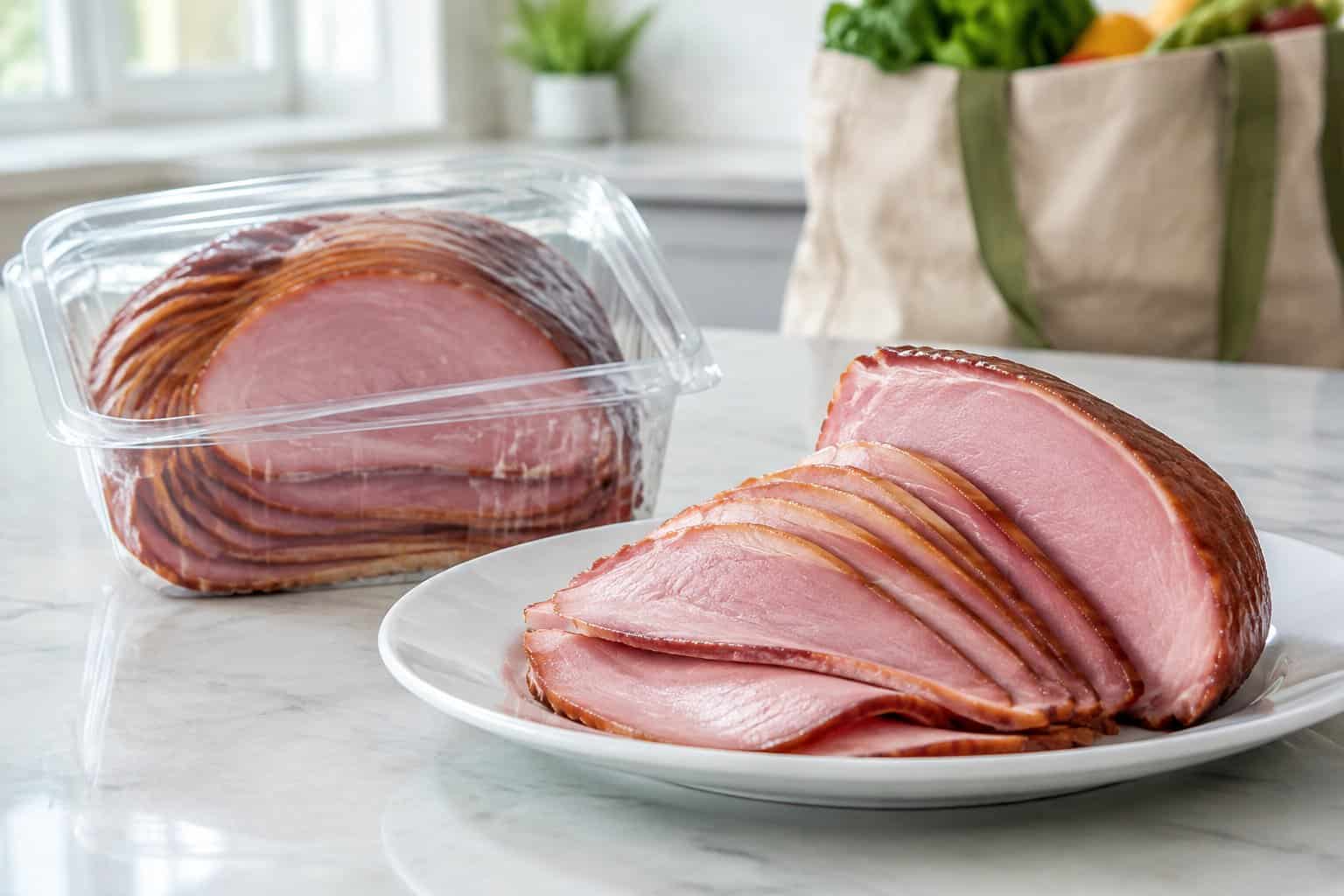
You’ll find mixed reactions to this uncured honey ham among Sam’s Club shoppers. Some reviewers praise its tenderness and balanced sweetness, but others report inconsistent quality between packages.
The texture is a common complaint. You may notice some slices are watery or mushy, which suggests higher sodium or water content used to bulk up the product.
Saltiness is another issue you might run into. Several shoppers find the ham overly salty, which can overpower the honey glaze it’s supposed to be known for.
Portion consistency also varies. You could open one package and get evenly sliced, uniform pieces, then open another and find uneven cuts or excess fat.
If you want a more reliable deli ham, consider Boar’s Head Honey Maple Ham, which is sold in many grocery store delis and offers consistent slicing and flavor. Another option is a bone-in spiral ham from a dedicated butcher counter, which gives you more control over thickness and freshness. Both alternatives tend to deliver steadier quality than what you’d get from this particular Member’s Mark product.
14. Member’s Mark Sliced Provolone Cheese
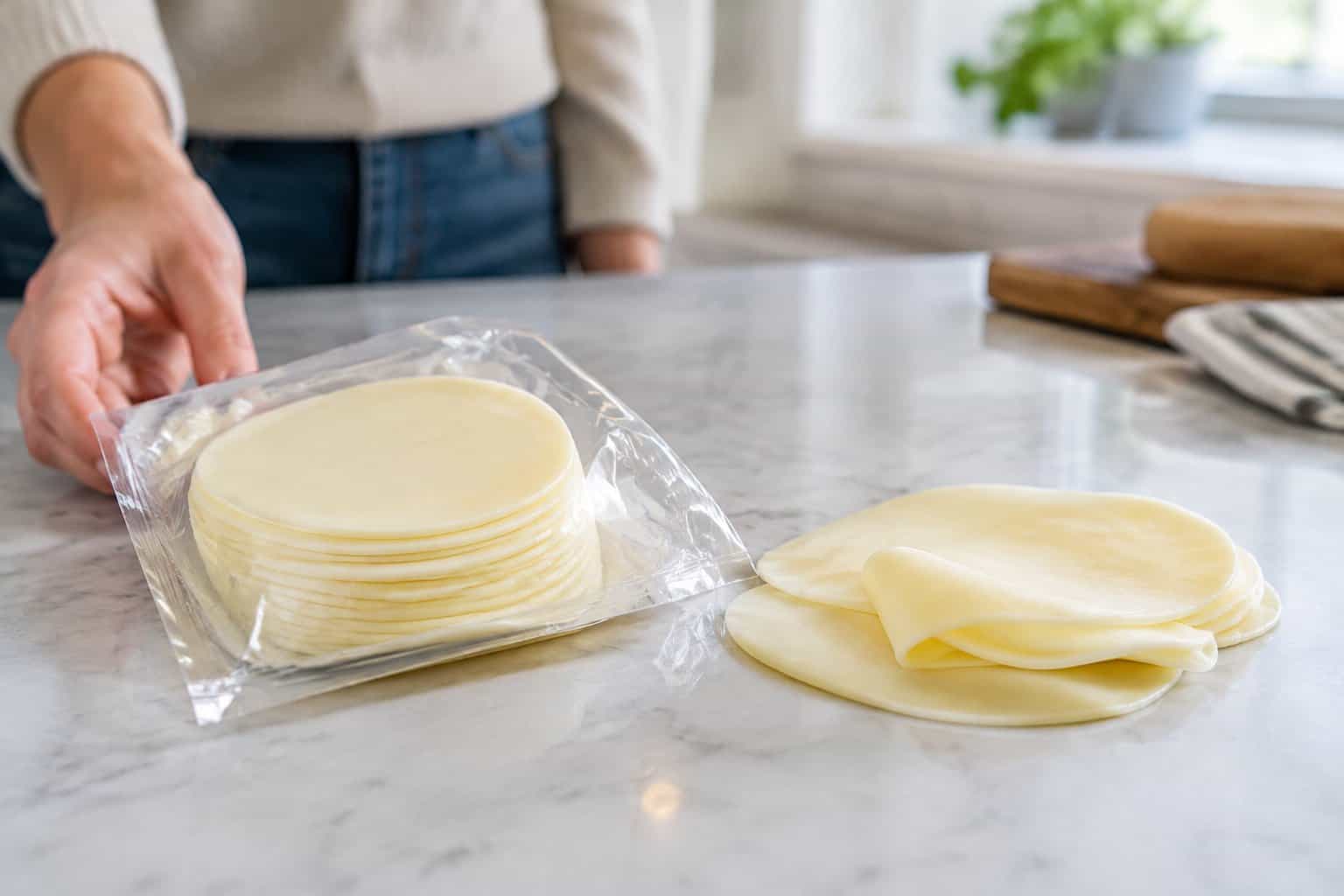
You’ll find mixed feedback on this smoked provolone when you check customer reviews closely. Some shoppers note the slices stick together in the package, making it hard to separate individual pieces without tearing them.
Others mention that the smoke flavor can be inconsistent from batch to batch. You might get a pack with a noticeable smoky taste one time, then a nearly flavorless version the next.
The texture also draws complaints. Some buyers describe it as rubbery or overly firm, especially when used cold on sandwiches rather than melted.
Given that this is a 2-pound pack, you’re committing to a lot of cheese if it doesn’t suit your taste. That makes a bad batch more frustrating than a smaller purchase would be.
If you want more reliable quality, try buying provolone from the deli counter instead. You can ask for a small amount first to test the flavor and texture before committing to a larger order. Fresh-cut deli cheese also tends to avoid the stuck-together slice problem that pre-packaged options sometimes have.
15. Member’s Mark Shredded Mozzarella Cheese
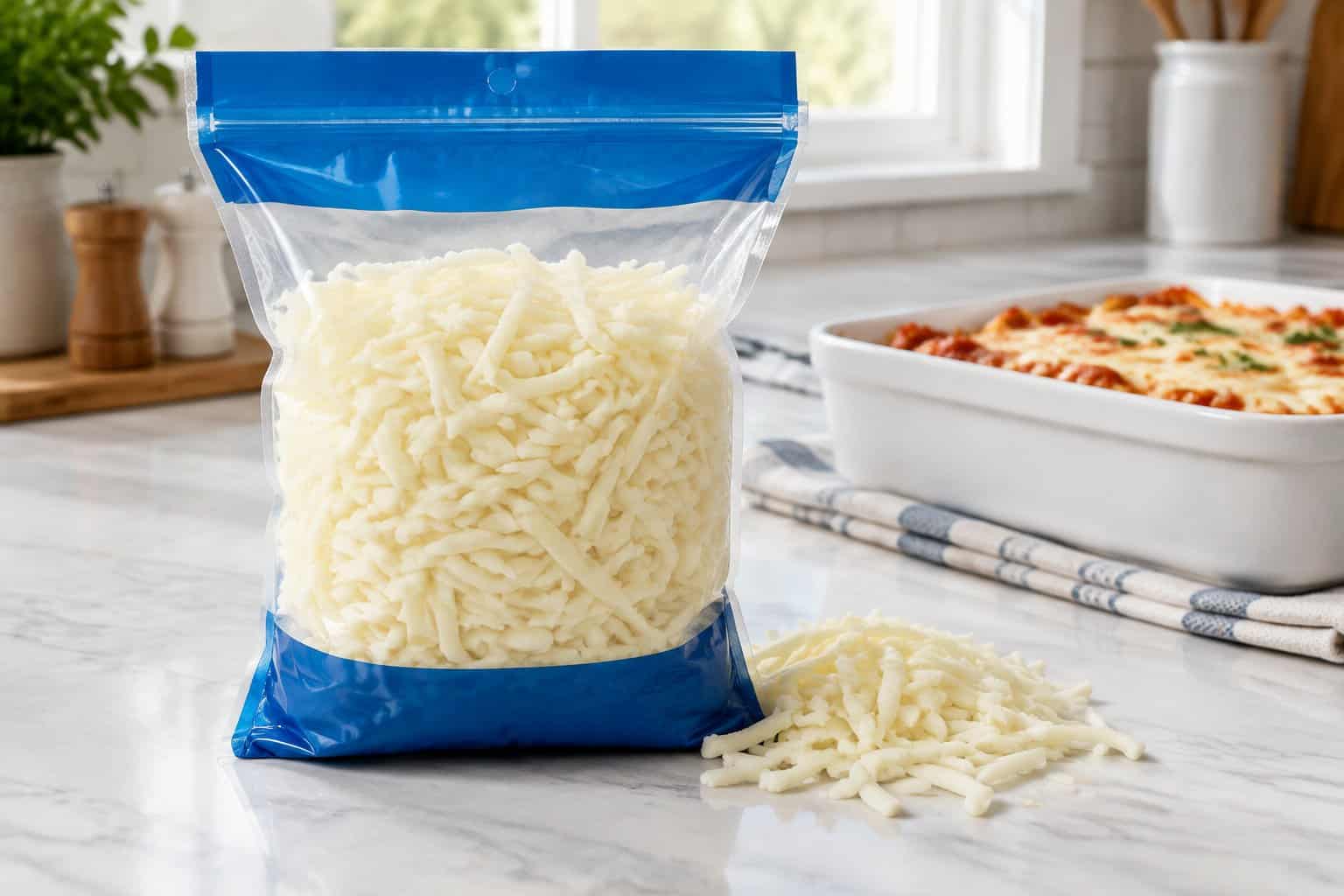
You might expect bulk shredded mozzarella to melt smoothly, but many shoppers report a different experience. The cheese often clumps together in the bag, making it difficult to pour out the amount you need.
This clumping happens because of the anti-caking agents used to keep shreds separate. When they don’t work as intended, you end up pulling out large chunks instead of loose, individual strands.
Texture after melting is another common complaint. Some shoppers describe the cheese as rubbery or greasy once baked, rather than achieving the stretchy, smooth consistency you want on a pizza.
Flavor is also inconsistent across batches, according to reviews. You may get a mild, bland result one time and a slightly off taste the next, which makes it hard to rely on for recipes where cheese flavor matters.
If you want more consistent results, consider buying a smaller block of whole-milk mozzarella and shredding it yourself at home. You could also try a different bulk brand known for steadier quality control, so you’re not gambling on texture every time you open a new bag.
16. Member’s Mark Greek Yogurt
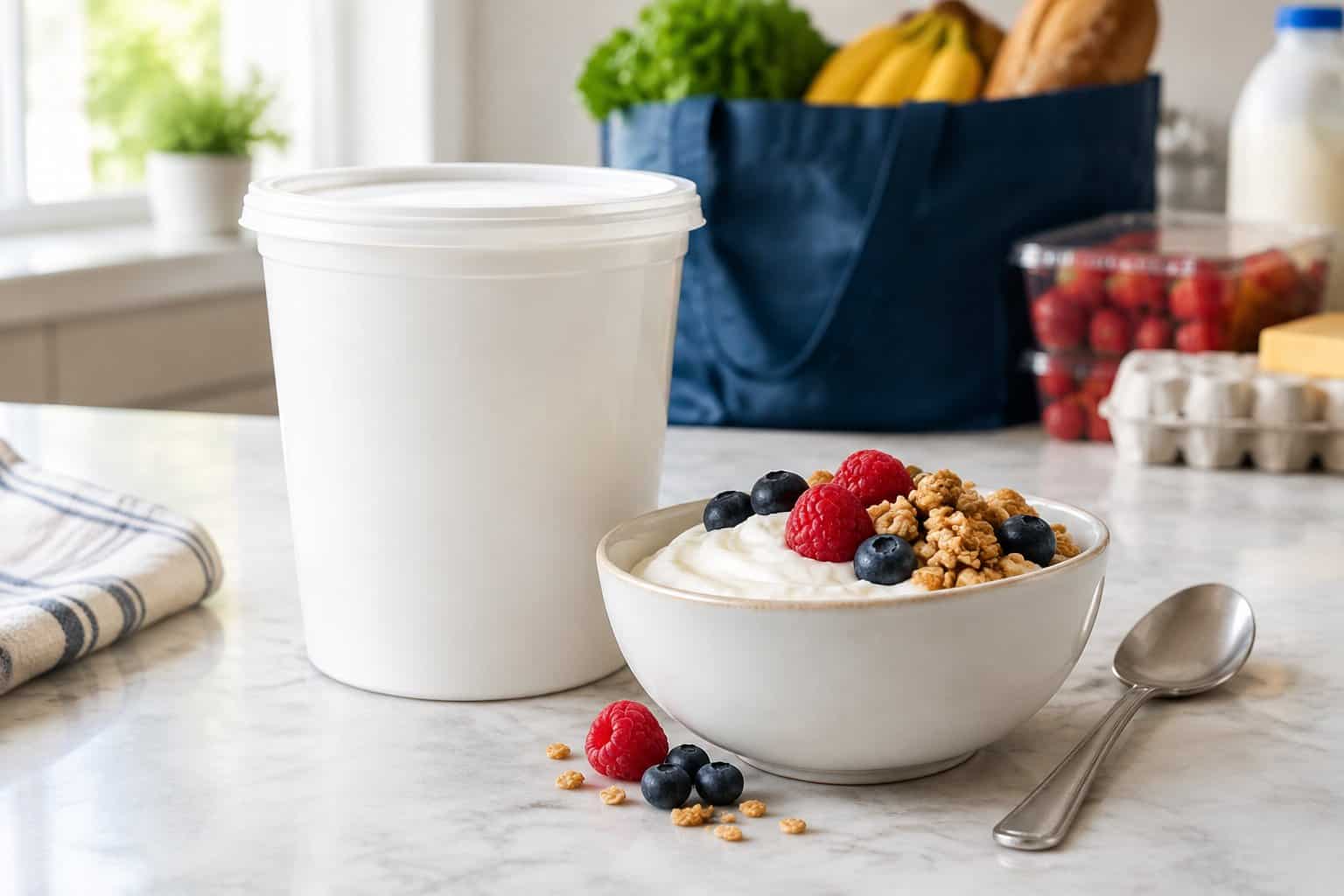
You will find mixed opinions when you look into this product. Some shoppers love the large tub size and the smooth texture, but others report inconsistency between batches.
A common complaint centers on taste. Some containers taste tangy and fresh, while others taste noticeably sour or slightly off, even before the expiration date.
Texture is another issue you should watch for. Several shoppers mention a watery layer forming on top, which requires extra stirring to restore the creamy consistency you expect from Greek yogurt.
If you buy the nonfat version expecting it to taste similar to full-fat varieties, you may be disappointed. The flavor is thinner, and some shoppers find it lacks the richness they want in their breakfast or recipes.
A better choice is Fage Total Plain Greek Yogurt. It has a consistently thick, creamy texture and a reliable tangy flavor that works well whether you eat it alone or use it in cooking.
Chobani Plain Greek Yogurt is another solid option. It offers steady quality and a milder taste, which suits you if you prefer something less sour for daily use.
17. Member’s Mark Cottage Cheese
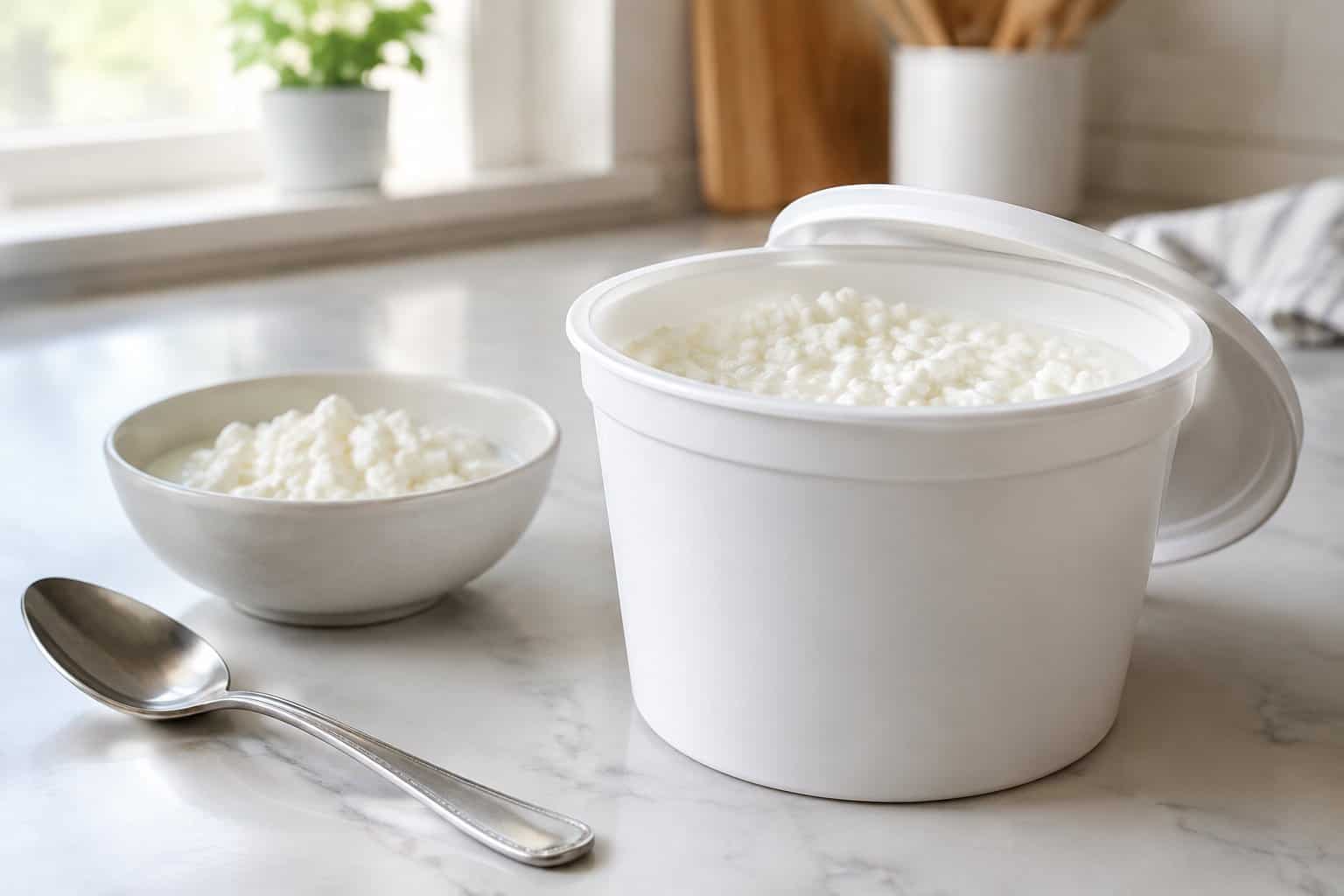
If you used to buy this cottage cheese regularly, you may have noticed a change in recent batches. Many shoppers report that the texture has become thinner and more watery than before, closer to sour cream than traditional curd-style cottage cheese.
You’ll also find complaints about the ingredient list growing longer. Some reviewers point out that older versions contained just a few basic ingredients, while newer tubs include additional stabilizers and additives that change the flavor and consistency.
The container itself has drawn criticism too. You might struggle to open the tub, especially if you have limited hand strength, since the lid has been described as unusually difficult to remove.
If flavor and texture matter to you, Daisy Cottage Cheese is a reliable alternative sold at Sam’s Club and most grocery stores. It has a longer track record with consumers and a simpler ingredient list.
Breakstone’s or Knudsen are also worth trying if you want a firmer curd and a cleaner taste. Checking the ingredient label before buying helps you avoid versions with unnecessary additives.
18. Member’s Mark Egg Bites

You may have grabbed these sous vide egg bites expecting a quick, protein-packed breakfast, but the texture often falls short. Many shoppers note that microwaving them can leave the eggs rubbery or watery, especially if you overheat them even slightly.
The ingredient list includes cage-free eggs, real butter, and a cheese blend of Monterey Jack, cottage cheese, and Gruyere, plus uncured bacon. Despite the quality ingredients on paper, you might find the flavor inconsistent from batch to batch, with some bites tasting bland and others overly salty.
Portion size is another common complaint. At five bites per package, you may feel the cost doesn’t match the quantity, especially if you’re trying to make them a daily breakfast staple.
If you want a more reliable option, consider making your own egg bites at home using a muffin tin and your preferred cheese and protein combination. This gives you control over texture and seasoning.
Alternatively, Starbucks sous vide egg bites, sold in some grocery stores, tend to have a more consistent texture if you prefer a ready-made product.
19. Member’s Mark Frozen Breakfast Sandwiches

If you’ve tried the chicken and waffle breakfast sandwiches or the sausage, egg, and cheese versions, you may have noticed inconsistent results straight out of the oven or microwave. Many shoppers report that the bread or waffle component turns soggy while the egg stays cold in the center, leaving you with an unevenly heated product no matter how closely you follow the instructions.
You might also find the sausage patty thin and overly processed in flavor, lacking the heartiness you’d expect for the price point. Some buyers note that the proportions feel off, with too much bread and not enough filling to make the sandwich satisfying as a full breakfast.
Storage is another issue you’ll want to consider. The sandwiches can stick together or become freezer-burned if the box isn’t sealed tightly after opening, which affects both texture and taste over time.
For a better option, you’re better off buying Jimmy Dean or Kodiak Cakes breakfast sandwiches, both of which shoppers consistently rate higher for texture and protein content. Alternatively, making your own freezer sandwiches with English muffins, eggs, and cheese gives you control over quality and lets you avoid the inconsistency altogether.
20. Member’s Mark Frozen Cheese Pizza
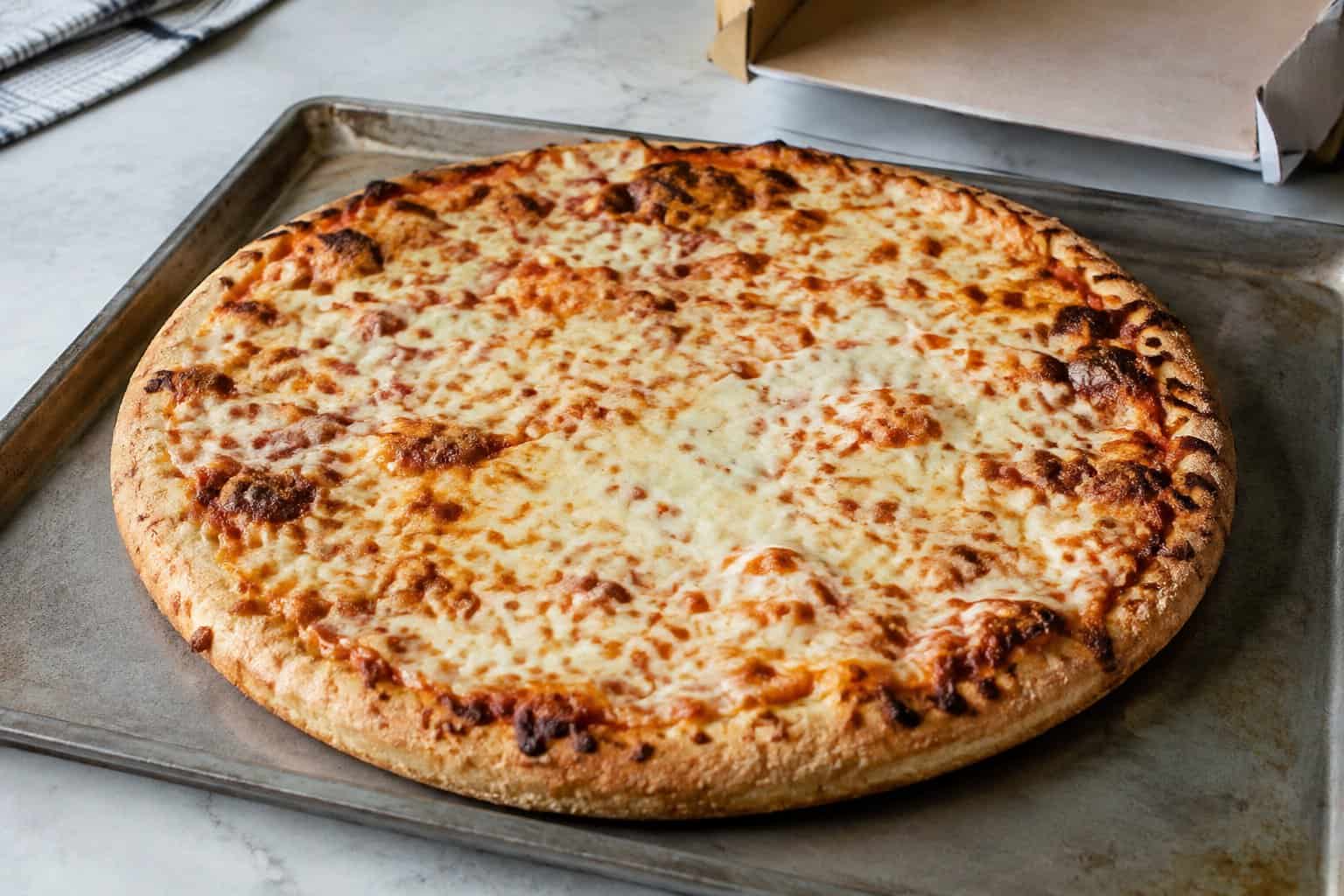
You may notice this rising crust pizza doesn’t quite match the quality you’d expect from a comparable branded product. Some shoppers who switched over after Sam’s Club replaced DiGiorno rising crust pizzas with this Member’s Mark version have found the crust texture inconsistent, sometimes coming out doughy in the center or unevenly browned.
The cheese blend can taste bland compared to name-brand options, and you might find the sauce-to-cheese ratio off, leaving parts of the pizza dry while others are oversaturated. If you’re used to a specific flavor profile from your usual frozen pizza brand, this one may fall short of expectations.
You’re better off buying a few individual DiGiorno or Red Baron rising crust pizzas elsewhere, even at a slightly higher per-unit cost, if consistency matters to you. Another option is picking up Member’s Mark’s thin crust varieties, which some shoppers report hold up better in the oven and deliver more even results.
If you do buy the four cheese rising crust pack, follow the baking instructions closely and avoid overcrowding your oven rack, since uneven heat distribution seems to make the texture problems worse.
Shop at Walmart too? Check out the 30 worst Walmart Great Value products according to shoppers.
21. Member’s Mark Frozen Chicken Alfredo
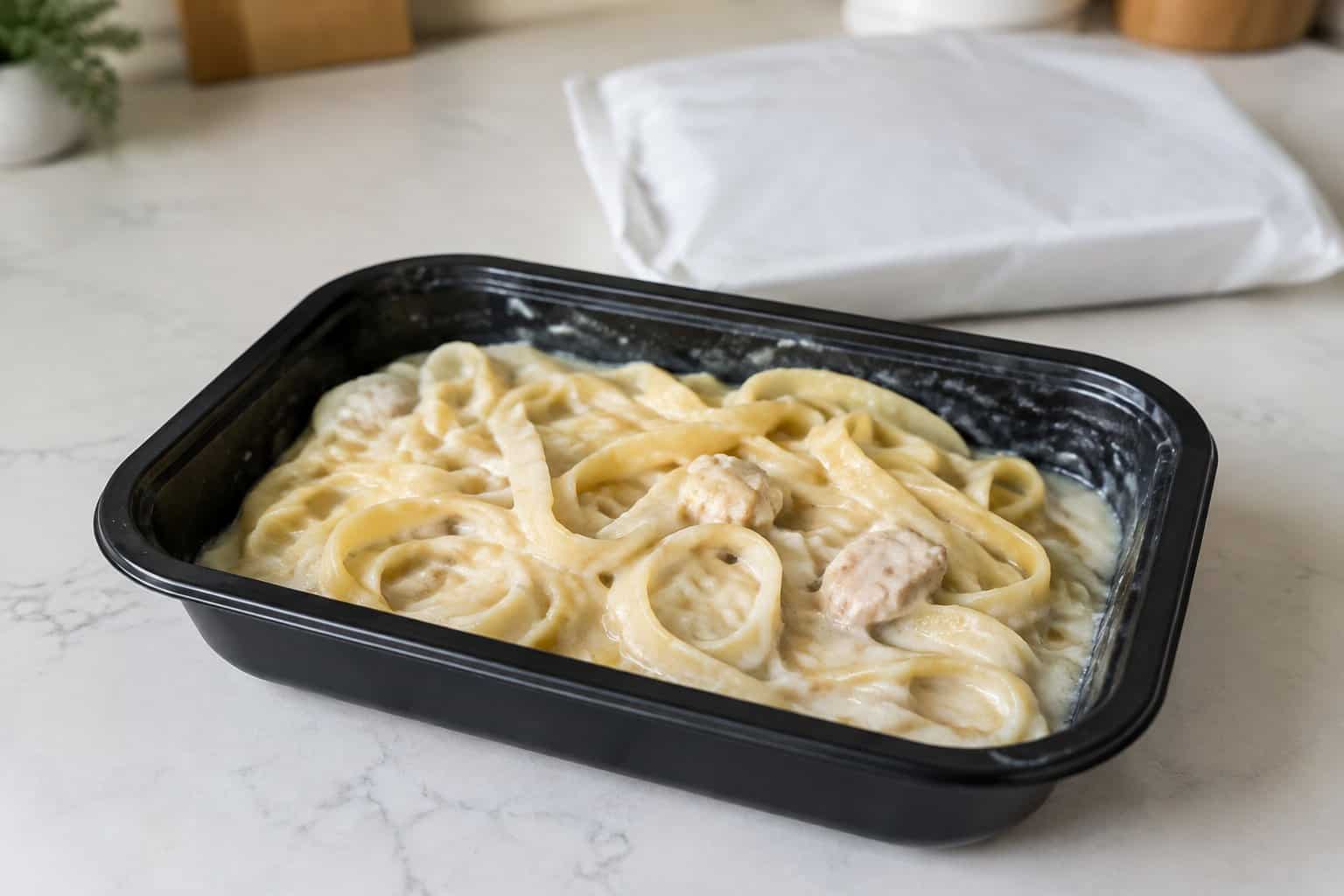
This ready-made meal promises a quick dinner, but many shoppers say the chicken falls short. You may notice the pieces come out rubbery or dry after microwaving, even when you follow the instructions closely.
The sauce is another sticking point. Some buyers describe it as thin and bland, lacking the richness you’d expect from a proper alfredo.
You might also find the pasta-to-sauce ratio uneven, leaving some bites dry while others swim in liquid. Reheating doesn’t always solve the texture problems, and the overall flavor can taste more processed than homemade.
If you’re looking for a better option, consider picking up a block of real parmesan and a container of heavy cream to make a quick alfredo sauce yourself. Pair it with rotisserie chicken from the same store, and you’ll get better flavor and texture for a similar amount of effort.
Alternatively, some other frozen pasta brands at Sam’s Club receive more consistent praise for taste and texture, so it’s worth comparing labels before you commit to this one.
22. Member’s Mark Frozen Lasagna
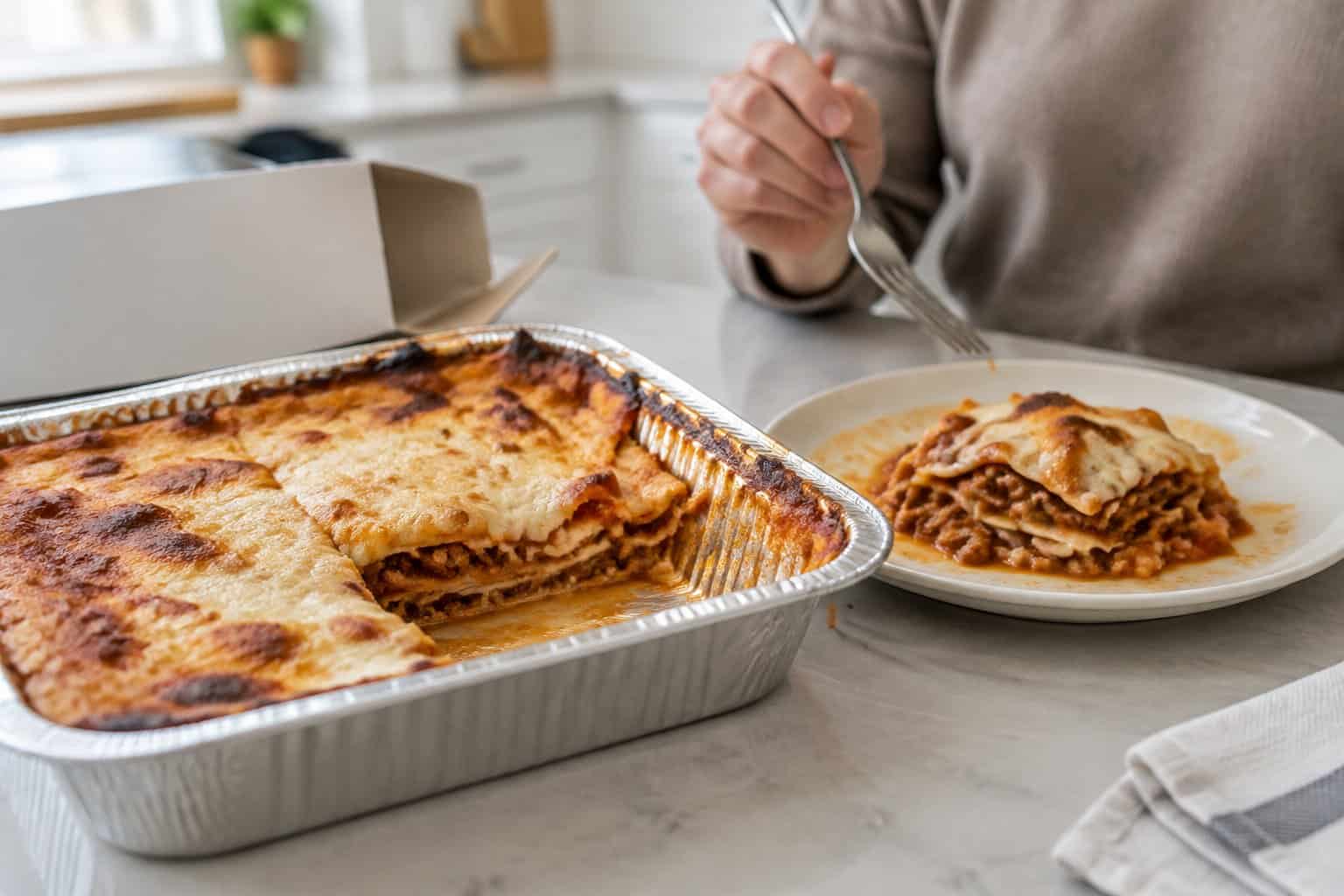
You might expect a bulk lasagna to deliver consistent quality, but some shoppers have reported mixed experiences with this product over time. Complaints often center on changes in recipe or sourcing, with some buyers noting that the sauce-to-cheese ratio feels off compared to earlier versions they purchased.
Texture is another sticking point. You may find the noodles turn out mushy or unevenly cooked after following the package instructions, even when you’ve followed the baking time closely.
Some reviewers have also mentioned that the portion sizes feel smaller than expected for the price, especially when you’re trying to feed a larger group. Since the product comes in a two-tray pack, inconsistency between the two trays has also been noted by a handful of customers.
If you’re looking for a more reliable option, Stouffer’s frozen lasagna is a widely available alternative with a longer track record for consistency. You could also consider Member’s Mark’s other pasta bakes, if available at your location, or check for seasonal recipe updates before committing to a bulk purchase again.
23. Member’s Mark Frozen Meatballs
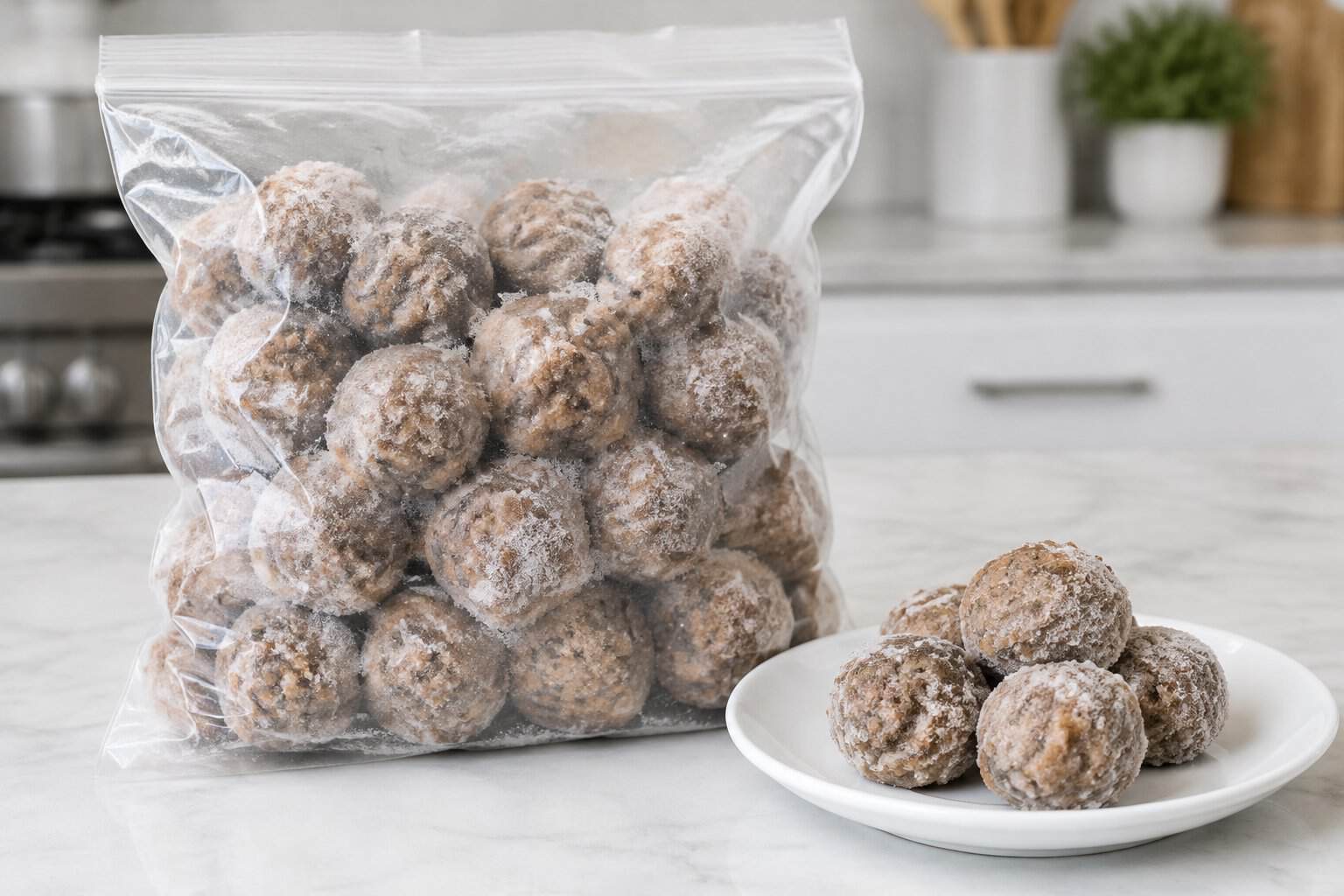
You’ll find mixed opinions on these meatballs once you dig into shopper feedback. Some buyers praise the texture and flavor when cooked in sauce, but others report a different experience entirely.
A common complaint centers on inconsistency between batches. You might get a bag that tastes great one month, then notice a mushier texture or blander seasoning the next time you restock.
Several shoppers also mention that the meatballs can taste overly processed when eaten on their own, without a heavy sauce to mask the flavor. If you’re hoping to serve them as a standalone appetizer, you may find them underwhelming compared to meatballs from a local butcher or deli counter.
Portion size per meatball has also drawn criticism, with some customers noting they’re smaller than expected for the price per pound.
For a better option, look at Rao’s Homemade Meatballs or check your club’s fresh meat counter for house-made varieties. Fresh, refrigerated meatballs from the deli section often deliver more consistent flavor and texture than the frozen bulk bag, even if you pay a bit more per serving.
24. Member’s Mark Macaroni and Cheese
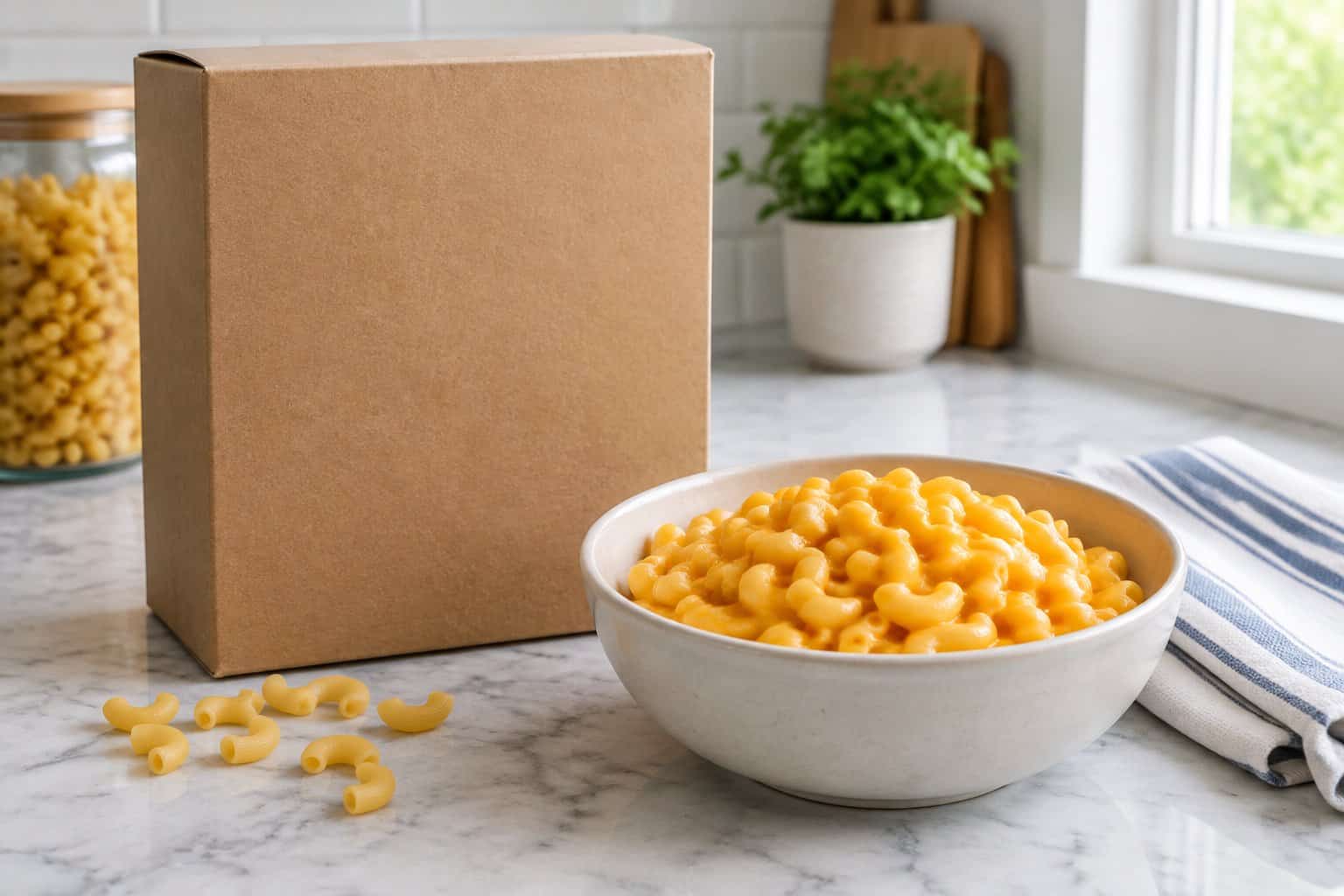
Member’s Mark Macaroni and Cheese comes in a four-pack of 10-ounce cups, made with white cheddar instead of the traditional yellow version. You might notice the color difference right away, since most shoppers associate mac and cheese with a bright orange or yellow sauce.
The taste doesn’t always match expectations either. Some shoppers find the cheese sauce thinner and less flavorful than popular national brands, leaving the dish tasting bland rather than rich and cheesy.
Texture is another common complaint. The macaroni can turn out slightly mushy or overly soft once prepared, which affects the overall eating experience.
At under $9 for four cups, the price seems reasonable on paper. But if the flavor and texture don’t hold up, you may end up feeling like you didn’t get your money’s worth.
For a more reliable option, try Kraft Mac & Cheese cups or Annie’s Organic Mac and Cheese. Both deliver a creamier texture and a more familiar cheesy flavor that’s easier to count on.
25. Member’s Mark Hummus
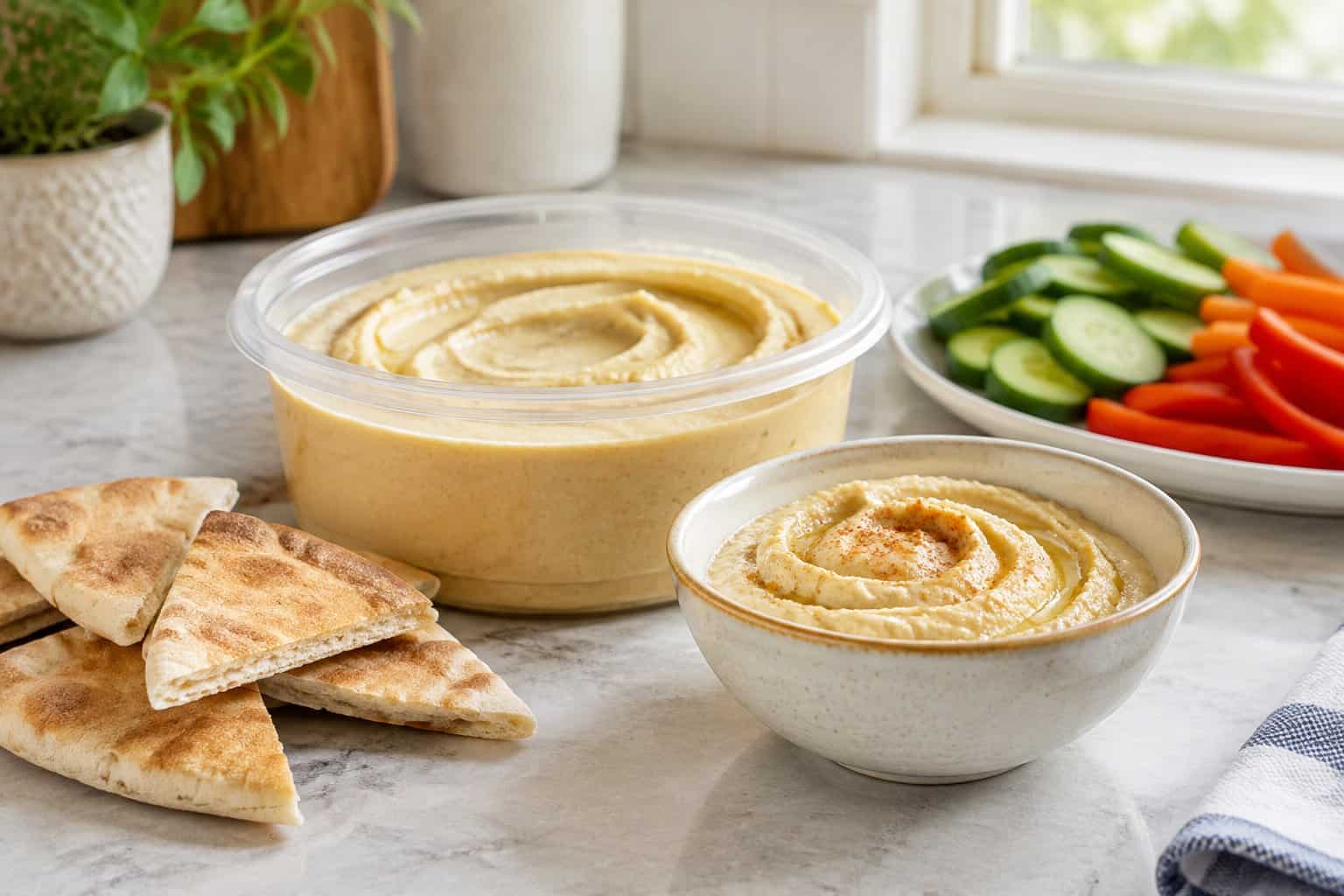
Sam’s Club switched from carrying Sabra and other organic hummus brands to selling only its own Member’s Mark version, and many shoppers noticed the difference right away. You may find the consistency watery compared to what you’re used to from other hummus brands. Thinner texture usually signals a higher ratio of liquid to chickpeas, which affects how the hummus holds up with pita or vegetables.
Flavor is another common complaint. You might notice it tastes bland or lacks the tahini richness found in better-known brands. Some shoppers have described the overall quality as a significant downgrade from the organic options Sam’s Club used to carry.
If you want a more reliable option, look for Sabra hummus, which is still widely available at most other grocery stores. Cedar’s hummus is another alternative worth trying if you prefer a thicker, more traditional texture. You could also make your own hummus at home using canned chickpeas, tahini, lemon juice, and garlic, which gives you full control over consistency and flavor. Checking ingredient lists before buying can help you avoid products with excess water or fillers.
26. Member’s Mark Guacamole
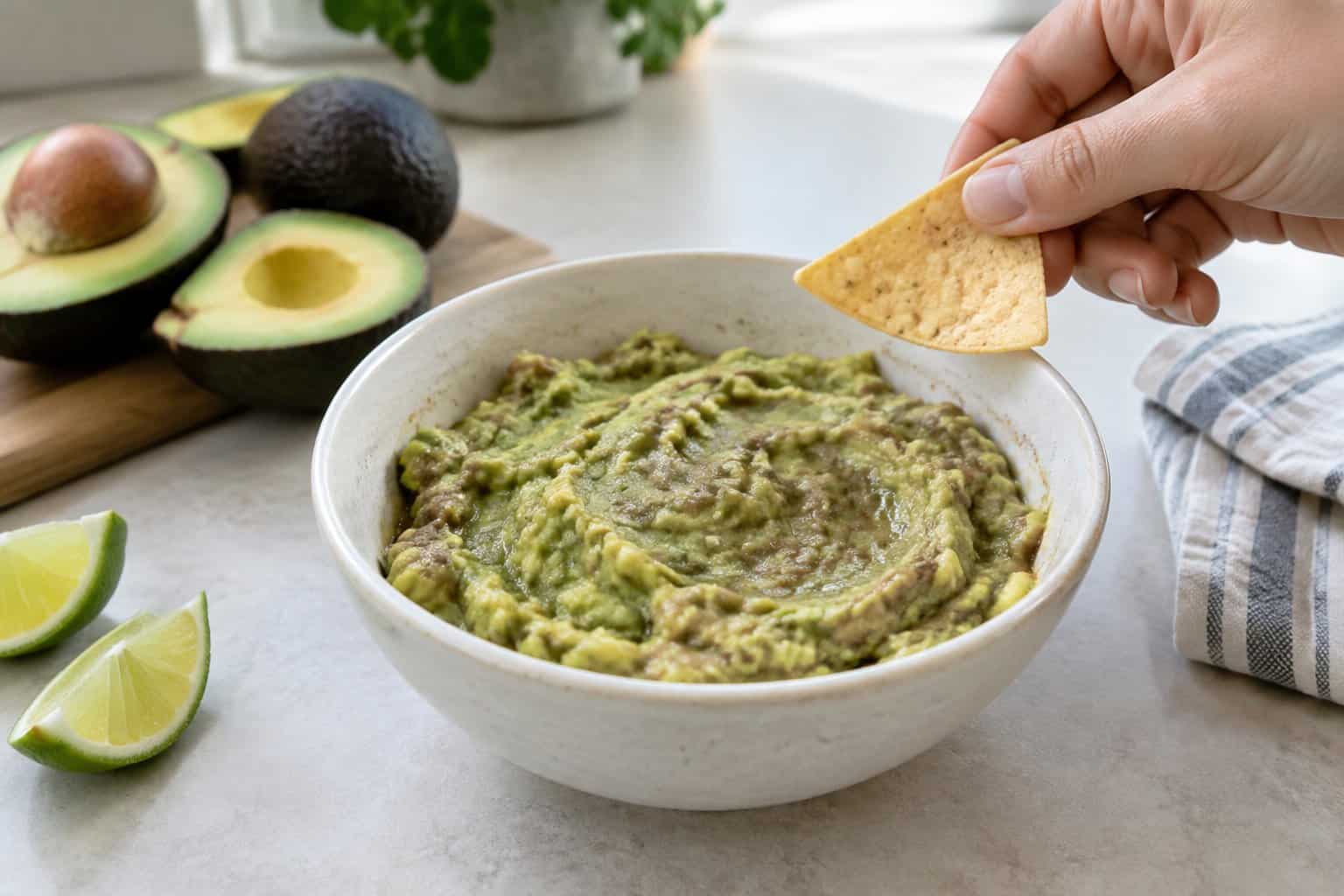
The 36-oz tub of Member’s Mark Homestyle Guacamole looks like a bulk-shopping win, but you may find the flavor balance doesn’t match what the packaging promises. Several reviewers note that the lime flavor is stronger than expected, often overpowering the avocado taste you’re paying for. If you’re looking for a mild, avocado-forward dip, this version can taste more tangy than creamy.
You might also notice fewer avocado chunks than you’d expect from a product marketed as “homestyle.” The texture leans smoother and more processed in parts of the tub, which doesn’t align with the hand-scooped, chunky image Sam’s Club uses to sell it. For a 36-oz container, consistency matters, and some batches come across as watered down.
A better option is to make your own guacamole using whole Hass avocados, lime, salt, and diced onion or tomato. You control the ratios, so the lime won’t dominate. If you need a ready-made backup, smaller individual-serving guacamole cups from other brands often have fresher flavor since they move through inventory faster.
27. Member’s Mark Fresh Salsa
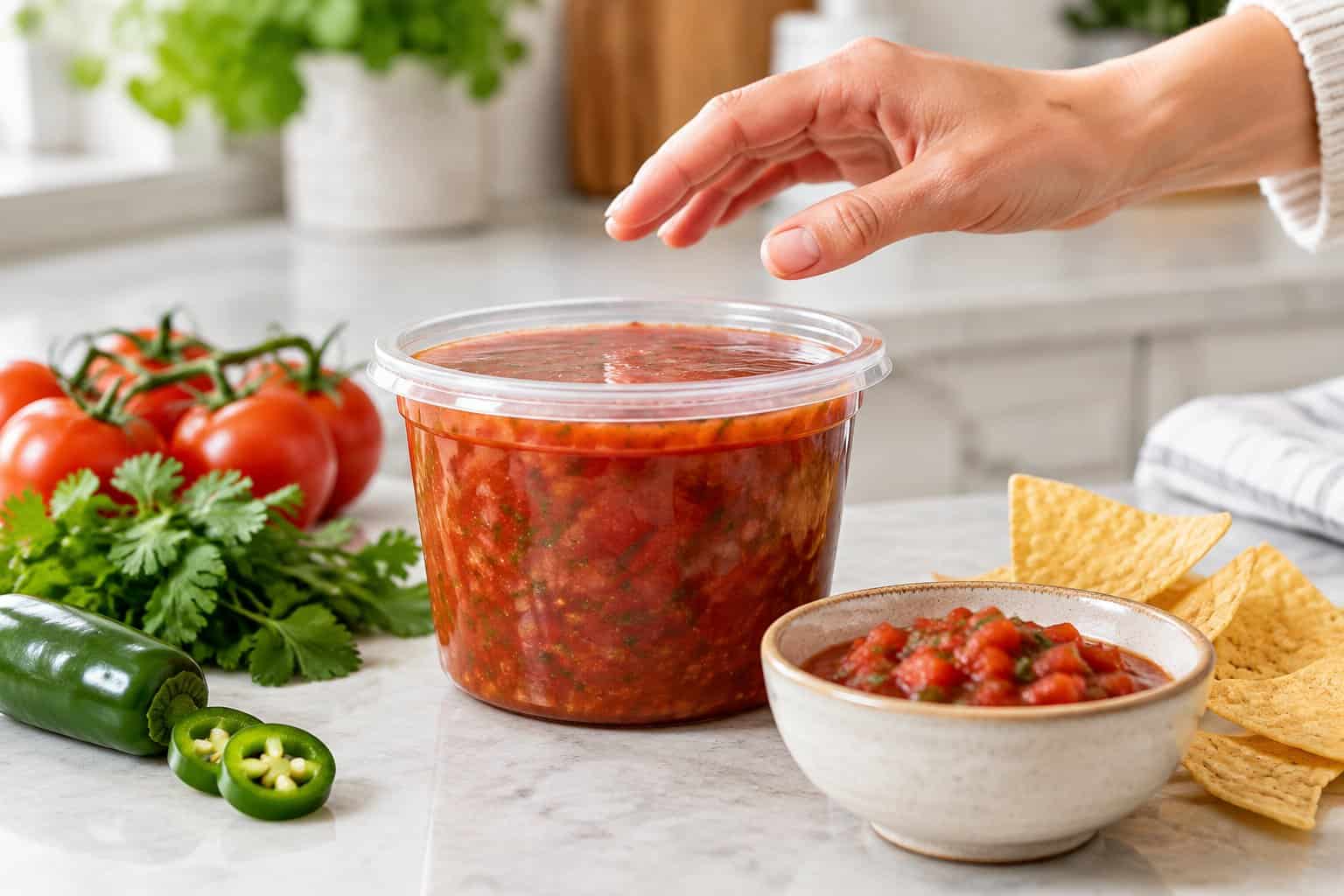
You might expect a refrigerated salsa labeled “fresh” to taste homemade, but some shoppers find it inconsistent. One common complaint involves foreign objects in the jar, including rubber bands, which raises concerns about quality control during packaging.
Texture is another issue you may notice. Some batches come out watery, with the liquid separating from the vegetables, which dilutes the flavor and makes it less appealing as a dip.
Taste consistency varies between jars too. Some shoppers report a bitter aftertaste that doesn’t match the fresh, bright flavor they expected from a product marketed as restaurant-quality.
If you want a more reliable option, consider making your own salsa at home using fresh tomatoes, onions, cilantro, and lime juice. This gives you full control over texture and taste.
Alternatively, look for a different packaged salsa brand with consistent reviews and clear quality standards. Checking the jar for proper sealing and inspecting the contents before purchase can help you avoid the packaging issues some customers have experienced with this product.
28. Member’s Mark Caesar Salad Kit
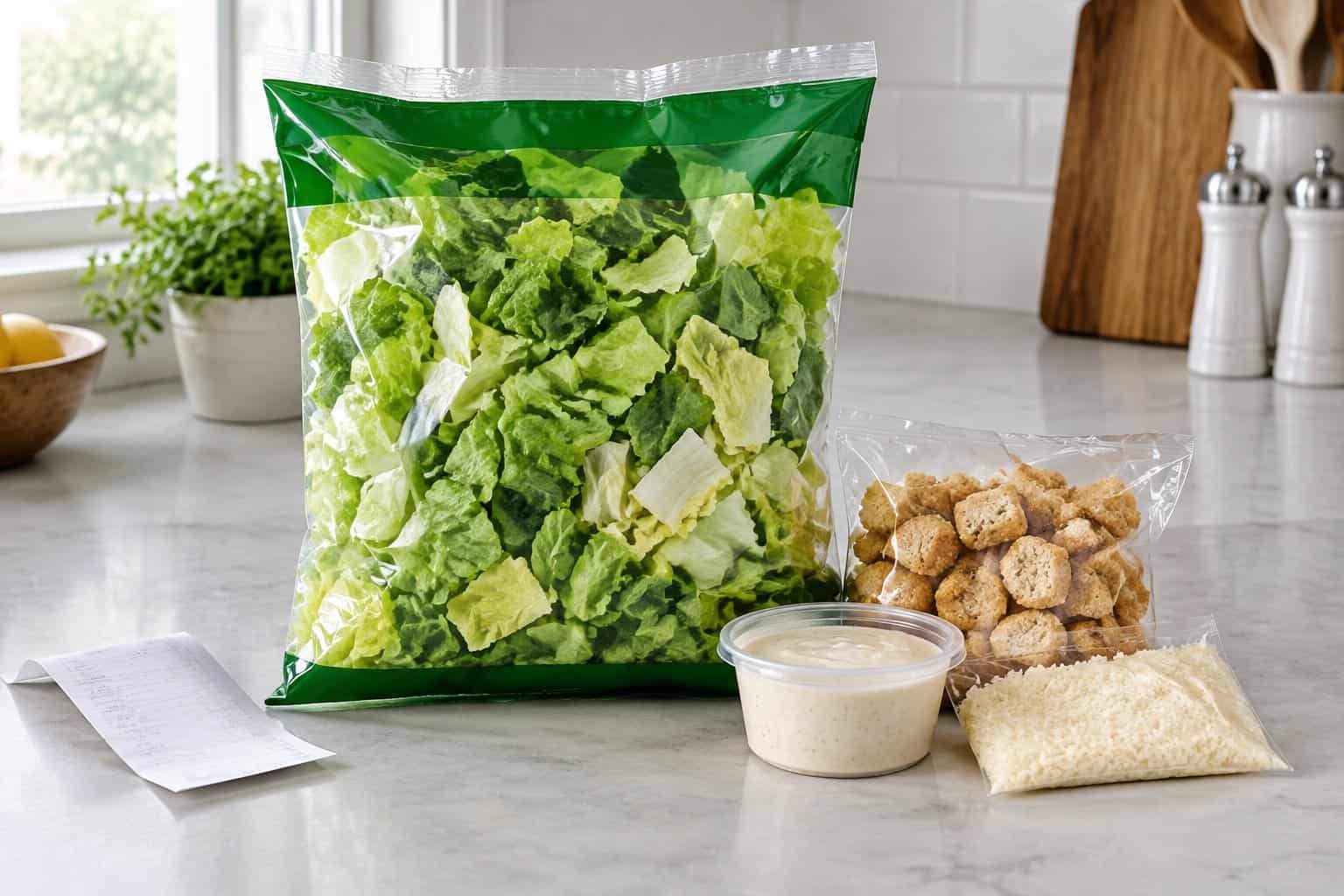
You get a complete package here: romaine lettuce, croutons, Parmesan, and dressing all in one container. The convenience factor is real, but the main complaint centers on the lettuce quality.
Several shoppers have reported that the romaine wilts faster than expected, sometimes appearing limp just a day or two after purchase. Since the kit is priced per pound, you’re paying a premium for greens that may not hold up as long as you’d hope.
The dressing and toppings generally get decent marks, but a salad kit lives or dies on fresh lettuce. If that component fails, the whole product feels like a letdown.
You can avoid this issue by checking the lettuce closely before buying, looking for any browning or sliminess at the bag’s bottom. A better alternative is buying romaine hearts separately and assembling your own Caesar salad with store-bought dressing and croutons.
This gives you control over freshness and lets you toss any wilted leaves before they ruin the whole bowl.
29. Member’s Mark Spring Mix Salad
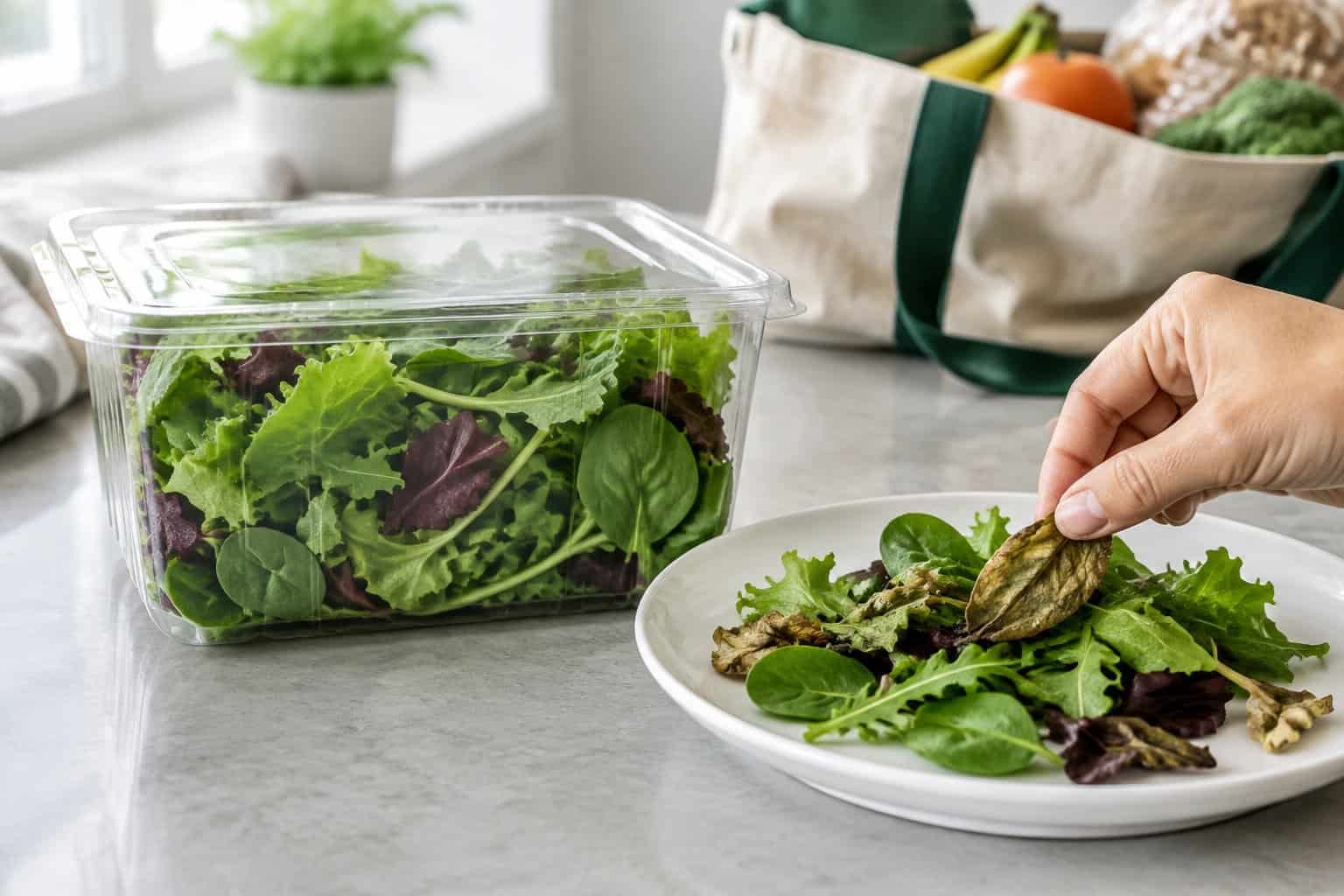
If you’ve bought this packaged salad, you’ve likely noticed how quickly it wilts. Many shoppers report that the greens turn slimy or brown within just a day or two of opening the container, even when refrigerated properly.
You might also find more stems and tough pieces mixed in than you’d expect from a premium spring mix. This inconsistency makes it harder to get a full bag of usable greens for your money.
The bulk size that makes this product appealing also works against you here. You’re unlikely to finish the whole container before it spoils, which means you end up throwing away a portion of what you paid for.
If you want fresher results, consider buying smaller bags of spring mix from a different brand or shopping the loose greens section instead. You can also check your store’s rotation and pick containers with the latest expiration date to maximize freshness.
Rinsing the greens yourself before storage and using a paper towel in the container to absorb excess moisture can extend shelf life a bit, but it won’t fully solve the underlying quality issue you’re facing with this product.
30. Member’s Mark Croissants

You might expect bakery-fresh quality from these croissants, but many shoppers report mixed results. Some batches come out dense and doughy in the middle, lacking the flaky layers you’d associate with a proper croissant.
The texture issue seems to depend on the store or batch you get. One package might deliver a buttery, well-laminated pastry, while the next feels heavy and underbaked.
You also have to deal with the quantity. Twelve croissants in a pack sounds great until you realize you can’t finish them before they go stale or dry out. Freezing helps extend their life, but that extra step adds work you may not want for a bakery item.
If you want a more consistent option, look at a smaller bakery brand sold at a local grocery store, where turnover tends to be quicker and freshness more reliable. You could also try a different Member’s Mark bakery item, since reviews suggest other products in that line perform better than the croissants do.
How Shopper Complaints Were Evaluated
Ratings were pulled from member reviews, online forums, and consumer feedback sites, then cross-checked for patterns that pointed to actual product flaws rather than one-time shipping mishaps or store-specific errors.
Recurring Issues Versus Isolated Reviews
A single bad review doesn’t mean a product is worth avoiding. Shipping damage, store handling, or a one-off defective batch can all produce a negative comment that has nothing to do with the product itself.
To make this list, complaints needed to show up repeatedly across different locations and time periods. You’ll notice that most entries involve issues like inconsistent texture, bland flavor, or packaging that doesn’t match the contents—problems that multiple members flagged independently.
Reviews mentioning a single damaged shipment or an out-of-stock substitution were filtered out. The goal was to identify products where the complaint pattern suggests a manufacturing or formulation issue, not a logistics hiccup.
Quality, Value, and Consistency
Three factors determined whether a product made this list: quality, value, and consistency. A product can score poorly on just one of these and still earn a spot.
Quality covers taste, texture, and whether the item matches its description or packaging claims. Value looks at whether the bulk pricing actually makes sense given portion sizes or ingredient quality. Consistency measures whether your experience with a product is likely to match what you got last time—or what other members report.
You’ll find that some items fail on multiple fronts, like frozen foods with inconsistent breading-to-meat ratios or canned goods with variable seasoning levels batch to batch. Others only show up here because the price doesn’t justify what you’re getting, even if the quality itself is acceptable.
What to Check Before Buying Member’s Mark Products
A few quick checks can save you from a disappointing purchase or an unnecessary return trip. Before you add any Member’s Mark item to your cart, verify its recent reputation, confirm the pricing makes sense for your household, and know your return options.
Recent Reviews and Product Changes
Member’s Mark formulas, recipes, and manufacturing sources change more often than you might expect. A product you loved last year could have a different taste, texture, or ingredient list today.
Check the Sam’s Club app or website for recent star ratings and written reviews before you buy. Look specifically at reviews from the last three to six months, since older feedback may not reflect the current version.
Reddit threads and shopper forums often flag changes faster than official review sections do. If multiple recent comments mention a different taste, broken packaging, or inconsistent quality, treat that as a warning sign.
Pay attention to:
- Sudden drops in average rating over a short period
- Repeated complaints about a specific defect, such as leaking containers or spoiled products
- Comments noting a recipe or formula change
Package Sizes, Unit Prices, and Return Policies
Bulk sizes only save money if you can use the product before it expires. Check the expiration date on perishable items and compare it against how quickly your household will realistically finish the package.
Calculate the unit price rather than trusting the total price alone. Sam’s Club lists unit pricing on shelf tags and online, so you can compare a Member’s Mark item directly against name-brand competitors or smaller package options.
Review the return policy before buying anything you’re unsure about, especially food items and electronics. Sam’s Club generally allows returns on most products, including many consumables, but electronics and certain specialty items may carry different rules or time limits.
Keep your receipt or membership card linked to the purchase, since this speeds up any return process if the product doesn’t meet expectations.